

Lessons Embattled Tyson Fury Can Learn from the Late, Great Aaron Pryor
Life is a culmination of moments. There are a variety of them: ones that can never be taken way, ones that can never be lived over again, ones we so desperately want to happen but never come, those that do come but at the wrong time—all of which become a kind of tapestry woven together by time, choices, fate, etc.
So it is truly a grace we have the ability to view the moments of other people's lives. So many of us struggle with the same things. Tyson Fury would be wise in the moments he has right now to review the life of Hall of Fame boxing champion Aaron Pryor, who died October 9 at age 60 after a long battle with heart disease.

.jpg?w=2560)

If you have ever watched Pryor, known as The Hawk, fight, you know heart disease is probably black and blue after fighting a man as tough as him. Hailed the greatest junior welterweight of the century in 1999 by the Associated Press, Pryor was, at his peak, an indestructible beast of a fighter when the bell rang.
If ever a fighter left all of himself in the ring on fight night, it was him.
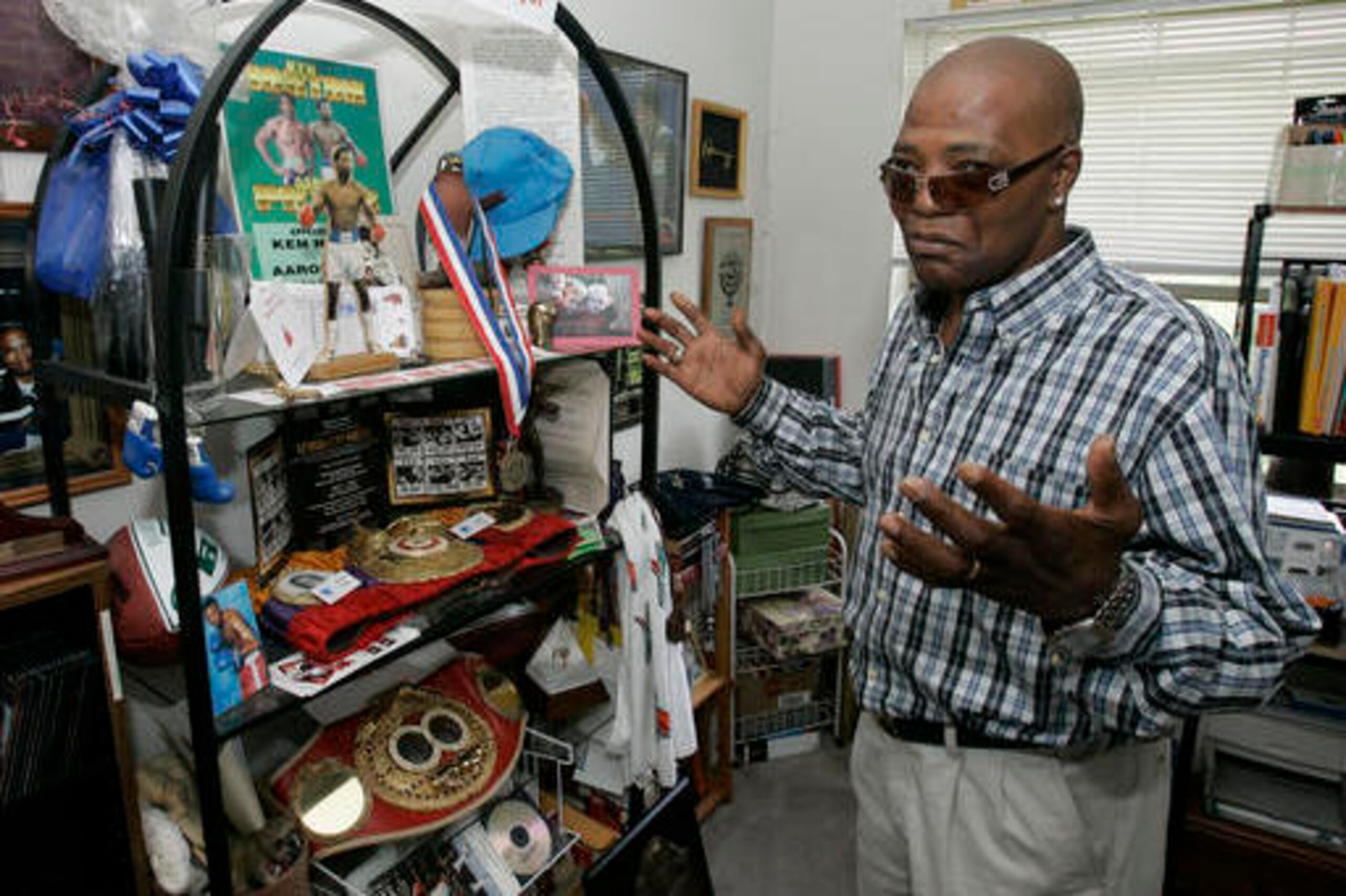
Pryor's greatest win was against Alexis Arguello. In 2013, boxing writer Kieran Mulvaney tabbed Pryor's Round 14 knockout win the No. 3 superfight of the ESPN era of sports (starting in September 1979). It was a fantastic representation of the sweet science at its best—Pryor the ever-aggressive stalker versus Arguello the scientific boxer who used his opponent's mistakes as a springboard for his punching.
Because Pryor came up the ranks in relative obscurity, and because his Nicaraguan opponent was himself an all-time great fighter, The Hawk entered the battle a heavy underdog.
But Pryor's relentless assault, and championship-round adjustments, overwhelmed Arguello, and by Round 14, Pryor had secured the best win of his career, one that launched him into the hearts and minds of the boxing world. It was perfect timing.
"The early '80s marked a golden age in boxing below the heavyweight division," said HBO's Jim Lampley on the Legendary Nights episode featuring Pryor's epic war against Arguello.
But Pryor is not typically remembered alongside the other greats of the era, particularly Ray Leonard, Roberto Duran and Thomas Hearns (whom Pryor defeated for the 1976 amateur title), because his dependence on cocaine hindered his ability to focus on his craft.
Pryor fought just eight times over the next eight years never having reached his full potential.
Will Fury be the same? Throwing out the aesthetics of the men—Pryor would be a tough out for any other 140-pound fighter ever, and Fury looks like a B-plus-level fighter at best—the lineal heavyweight champion has just as much to lose right now.
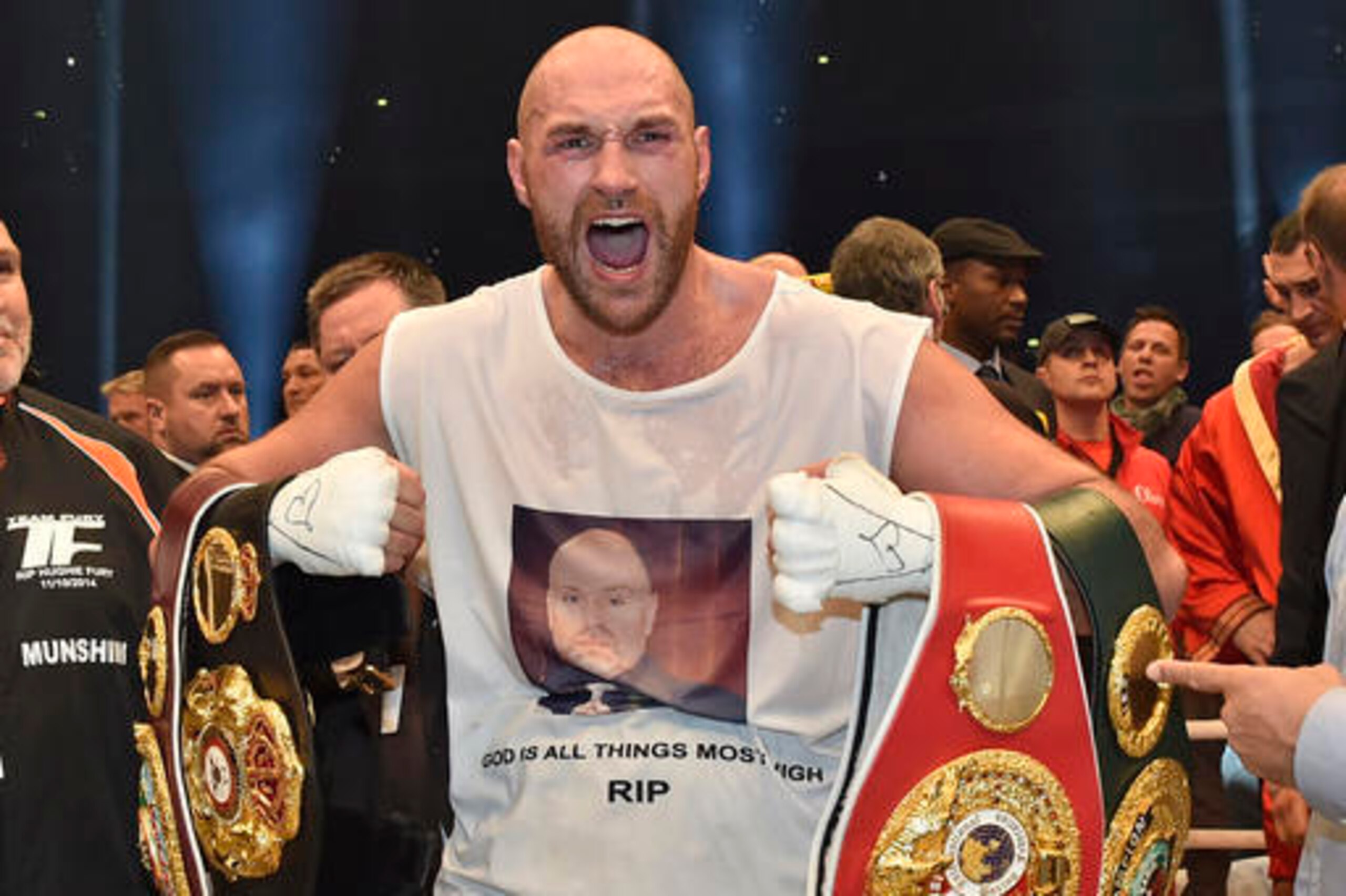
One does not have to be a perfect fighter to achieve great things in the heavyweight division. What he may lack in what is pleasing to the eye, Fury is a good enough heavyweight with a powerful punch and a long reach. Moreover, he's one of the more intriguing personalities in the sport today.
He really can be a star.
The two come from similar backgrounds in that they are the kind not typically associated with the ideal boxer. Fury often laments how general society treats him and other Irish Travelers. But in truth, and without excusing the unfair treatment, the difficulties he has had to deal with and overcome as he grew into a man because of his culture probably helped make him the tough, resilient fighter he is today.
Pryor was born the fifth of seven children in a Cincinnati ghetto. He was rough, tough and violent and was attracted to a sport that allowed him to smash people's faces with his fist.
"The impression our mom always gave us was that if someone hit you, you better hit them back," Pryor told HBO during the filming of Legendary Nights.
One can imagine an Irish Traveler's mother saying the same.
No one in his family came to see his amateur bouts, and when he traveled to other countries for big fights, no one even knew he was gone.
But without his struggle with cocaine, he might have eventually gotten the fights against Leonard and Hearns he so desperately wanted and probably deserved. Having pretty much beaten up Hearns as a amateur for the 1976 national title, one can envision the possibility of him beating him and the other two men as a pro, too.
Here is what Fury should take note of as he moves into this next phase of his own life. While Pryor might not have defeated his cocaine addiction in time to become the great fighter he might have been, he still can be, in a way, remembered for being a great fighter in a certain sense.
Because Pryor overcame his addiction. After boxing, he went on to become a minister and campaign against drug abuse. Anyone who has ever struggled with something like cocaine addiction knows living a clean life and becoming a model human being after is no easy task.
I am not suggesting there are not people in the world who can use a drug like cocaine, or any other drug for that matter, without abusing it. What I am saying is that people like Pryor, Fury and yes, I, have shown that inability.
But Pryor overcame his struggle. And Fury can, too.
Fury has shown the gumption as a professional fighter to do beat this. All those things he had to do in boxing—the discipline, attention to detail and learning of proper technique—can help him in that part of life, too.
And at just 28 years old, if he does it now (as he appears to be doing), perhaps many years from now when someone is writing about his death, as we are now with Pryor, he will also be remembered for achieving his full potential in both areas—as both a fighter and a human being.
Or if anything, perhaps Fury can realize this one truth: The life Pryor lived as a man outside the ring—as a husband, father, friend, minister, etc.—was ultimately more important than anything else he ever did.
If boxing had to be sacrificed to be what he became after, it was worth it.
Kelsey McCarson on Twitter @kmcc79.
.jpg?w=2560 "Rams Eagles Football")
.jpg?w=2560 "Falcons Saints Football")

.jpg?w=2560 "Injury-stricken Seahawks signing veteran RB")

.jpg?w=2560 "2 NFL Officials Suspended")
