

WBC's Bold New PED Testing Program Exactly What Boxing Needs
Danger lurks around every corner in a professional boxing match, even when a combatant isn’t throwing punches with more zip or speed because of chemical enhancement.
It’s not baseball.
Nobody is saying it’s good that players can take performance-enhancing drugs to hit the ball farther out of the park or up their strikeout count to get a big offseason contract. But the objective in that game isn’t to hurt your opponents.

.jpg?w=2560)

Boxing is a combat sport.
It's a whole different ballgame.
That extra power or speed could literally be the difference between life and death.
The World Boxing Council has been on the front lines of efforts to clean up the sport. It is hoping to remove the possibility that fighters step through the ropes with any sort of dangerous competitive advantages.
WBC President Mauricio Sulaiman—who took the reins after his father Jose’s passing in 2014—announced in May that his sanctioning body would be the first to require all its champions and top-15 ranked fighters to participate in Voluntary Anti-Doping Association drug testing.
VADA runs a year-round program in which fighters are subject to random testing at any time, 365 days a year. This is now mandatory testing for all fighters who wish to compete under the auspices of the WBC.
The WBC completed implementation of the Clean Boxing Program last week.
And it came out of the gates by making a big splash.
Dan Rafael of ESPN.com reported last week that the WBC had removed 25 fighters (which didn't include any champions) from its rankings for failing to complete the registration process.
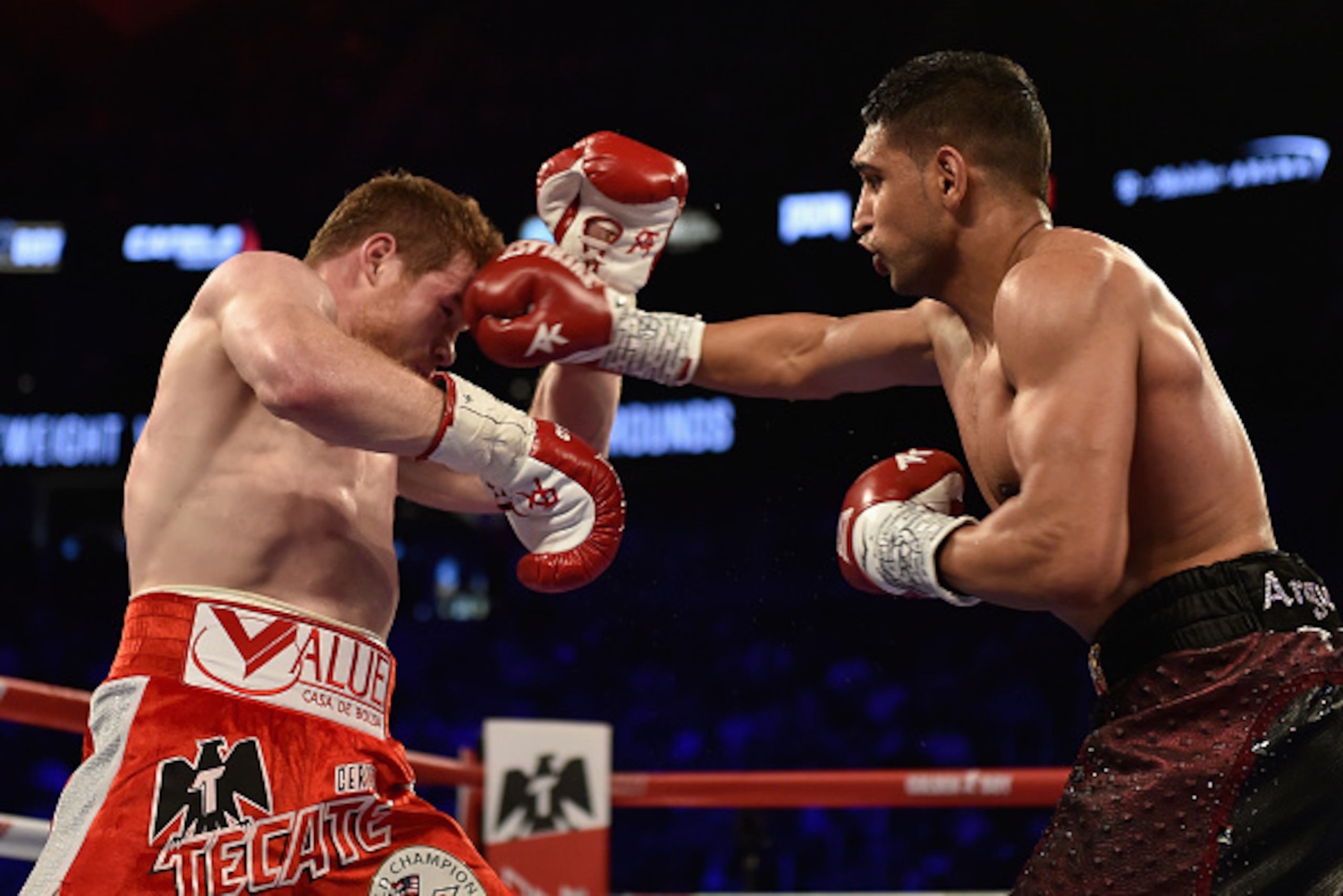
That list included former cruiserweight and heavyweight titlist David Haye, former light heavyweight champion Jean Pascal, former junior welterweight champions Amir Khan and Lamont Peterson and top lightweight prospect Felix Verdejo.
Former champions Yuriorkis Gamboa (featherweight) and Brian Viloria (flyweight) were also on the list of dropped fighters.
Khan, who is the mandatory challenger for Danny Garcia’s green belt at welterweight, has since completed his enrolled in the program.
Pascal is also on the right track.
He claims that his lack of enrollment had to do with a miscommunication between the WBC and VADA that is now being fixed, per Phil D. Jay of World Boxing News.
Rafael has since reported that many of the fighters, including Verdejo, who missed the deadline have now completed registration or are taking steps to enroll. Once a fighter enrolls, he will again become eligible for a WBC ranking.
It's important to note that a fighter not enrolling is not evidence of any wrongdoing.
It could be an oversight or (as in the case of Pascal) a miscommunication.
But it does show that the WBC is 100 percent serious about giving this program the necessary bite behind its bark.
This wasn't a token move.

It wasn't as if the WBC threw out a whole bunch of no-name fighters for sacrifice while letting the big names skate free. That's the type of thing you see happen often in sports when it comes to PED usage.
Harsh enforcement is exactly what needs to happen. Boxers who put themselves in harm's way deserve to know all possible safeguards were in place to ensure level competition.
Fighters know the risks. They should also know that competition is fair and their foes aren't putting something into their bodies that ups those risks.
We can only hope that the remaining three major sanctioning organizations follow the WBC’s lead in either joining or implementing a similar program of their own.
In the absence of some sort of national boxing commission (which has been spoken about for years with little to no actual movement), these organizations alone hold the power to change the sport.
It's not perfect, but it's a bold move and the best we've got.
Yes, not every fighter will join, and some will have valid criticisms and reasons.
Yes, not every fighter needs the sanctioning bodies.
Some are big enough stars that a belt or two doesn’t significantly impact their earning potential.
Let’s face it; there are too many belts floating around boxing these days with all the supers, regulars, interims and champions in recess.
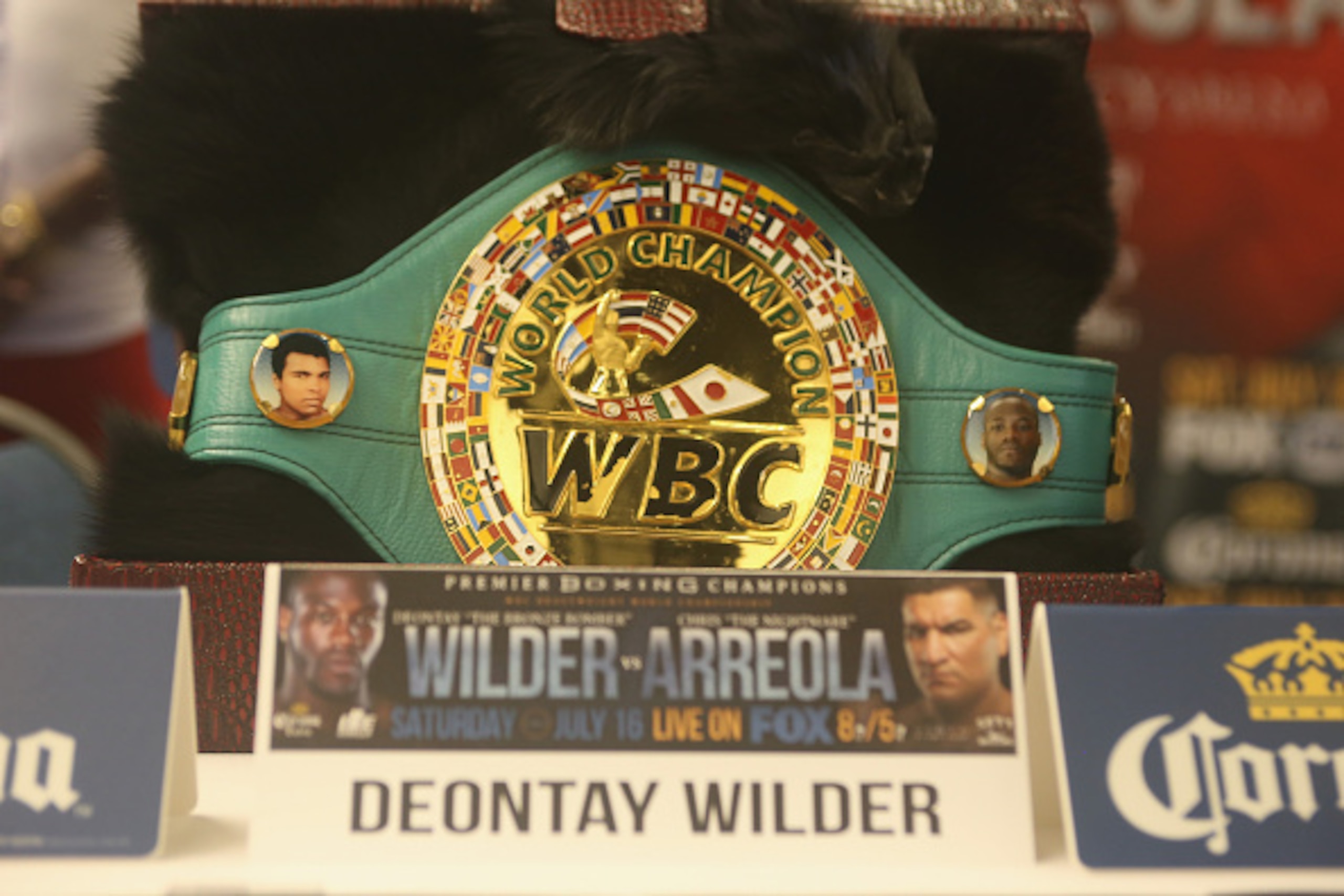
But for many fighters, a ranking is a foot in the door.
A championship opportunity could be the golden ticket for a fighter to move out of obscurity and into stardom. It's often the difference between obscurity and recognition. Success and failure.
The WBC is 100 percent right and deserves to be commended.
If you want to compete, you have to be clean.
And you have to be ready, willing and able to prove it.
.jpg?w=2560 "Rams Eagles Football")

.jpg?w=2560 "Injury-stricken Seahawks signing veteran RB")
.jpg?w=2560 "Bijan's INSANE 1st Half 🤩")

.jpg?w=2560 "2 NFL Officials Suspended")
