
10 Played Out Sports Conventions Everyone Must Reconsider
Old habits die hard. Fans of all sports see this idiom in action on a regular basis.
For all the analytical advancements around, fallible human beings still make the important decisions. As a result, players, coaches, executives and league-runners at the top are all prone to questionable choices.
In most situations, there's data challenging these outdated conventions. This is especially true in baseball, in which teams are slowly making progress—but not nearly enough.
Some people are simply too stubborn to change. Many hide behind the "It's how we've always done it" crutch, refusing to acknowledge the standard method's flaws. Why keep doing something that hurts the team or hinders the product?
These heuristic processes have become ingrained as normal procedure, but it's time for everyone (including fans) to push back and challenge these antiquated concepts.
Beanball Wars
1 of 10
Professional adults throw baseballs at each other when they're mad about failing at their jobs. Or perhaps another petty grievance—such as an adversary smiling, laughing or transferring a bat from hands to floor with a flip—will spur the childish attack.
Some fans scoff at the immaturity, but ballplayers have toed the company line out of fear of further retaliation. That is, until Washington Nationals star Bryce Harper spoke up.
Late in September of 2015, newly acquired Nationals closer Jonathan Papelbon intentionally hit Baltimore Orioles third baseman Manny Machado, who committed the sin of hitting a home run without apologizing. Harper, who has continued to voice his displeasure with the game's unwritten rules, did not endorse Papelbon's actions.
"Manny freakin hit a homer, walked it off and somebody drilled him," Harper said, per ESPN 980's Chris Johnson. "It’s pretty tired...I’ll probably get drilled tomorrow."
Thus goes the never-ending cycle of a baseball beanball war. If one team strikes, the other must retaliate. Rather than Hammurabi's Code ending the squabble, bad blood boils over on both sides.
When Harper tried to snap this hackneyed process by speaking out, Papelbon choked him in Washington's dugout days later.
Here's a crazy concept: When someone hits a home run and spends one or two extra seconds admiring the shot, move on and try to stop anyone else from going yard.
Not Going for Short Fourth Downs
2 of 10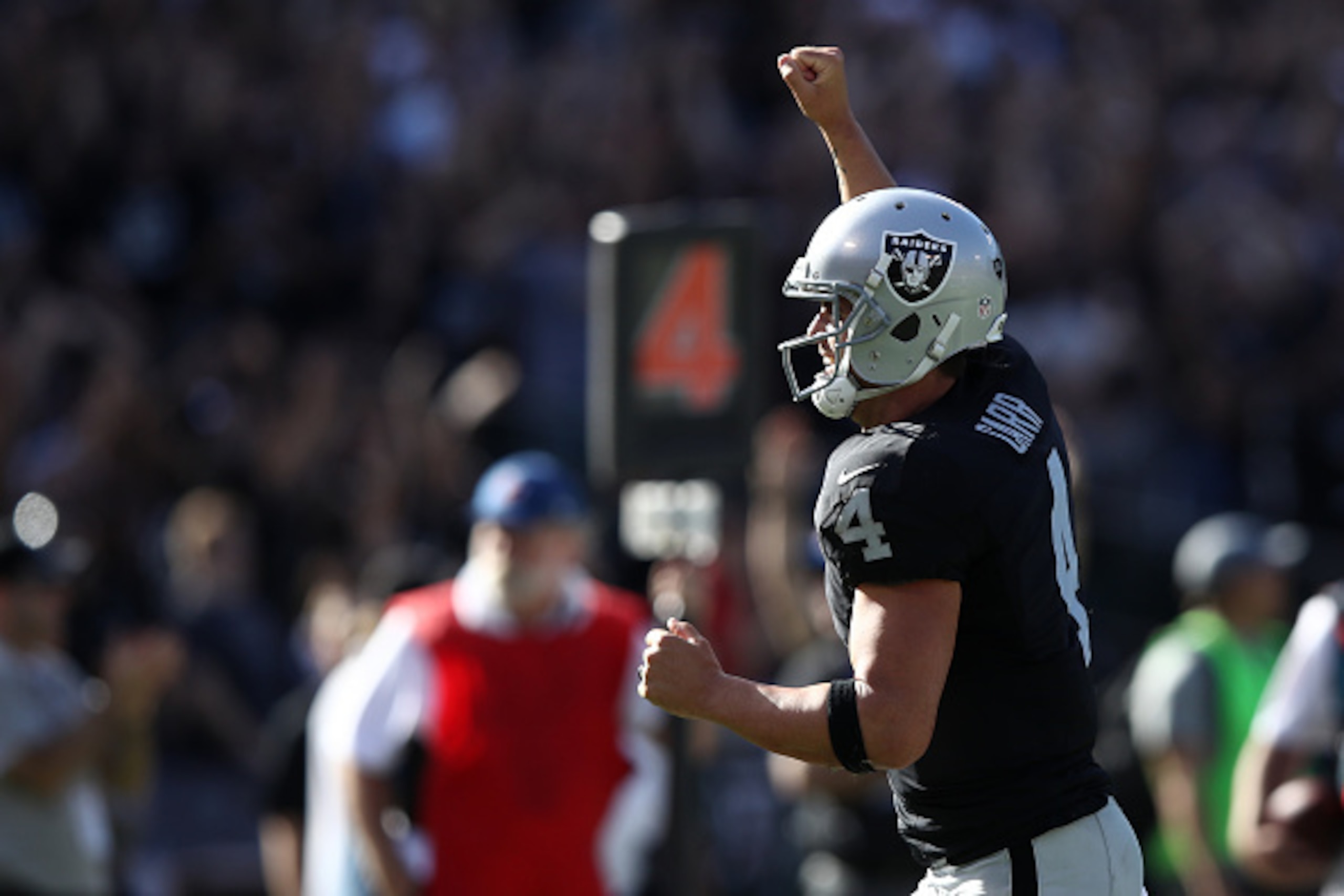
"Take the points." NFL fans hear commentators preach this conservative approach every Sunday, and the coaches often oblige. Far too often, someone in the booth will also lament that a team "will have to settle for a field-goal attempt" after failing to convert on third down.
Here's the thing: No, it doesn't The team has the option to leave the offense on the field. The Oakland Raiders did it late in Week 5's game against the San Diego Chargers. Rather than kicking a field goal down 24-19, Derek Carr fired a touchdown pass to Michael Crabtree on 4th-and-3.
Fortune favors the bold. Just ask the 4-1 Raiders, who started the season by forgoing a game-tying extra point. They instead beat the New Orleans Saints 35-34 when Carr and Crabtree connected for a two-point conversion with 47 seconds remaining.
It's even worse when a team, just outside a kicker's reach, punts instead. Does the risk of not gaining two yards really outweigh the benefit of changing field position by 20 yards because of a touchback?
Two weeks before losing to Oakland, San Diego conversely took the safe rout. Up two over the Indianapolis Colts, the Chargers punted on 4th-and-3 on their own 47 with 2:36 remaining. Andrew Luck responded with a 63-yard touchdown pass to T.Y. Hilton to win.
Teams are learning at a snail's pace. Per ESPN.com, nobody went for more than 24 fourth-down attempts last year despite 19 clubs converting at least half of their opportunities. This isn't to say coaches should treat every game like a friendly Madden battle and never punt or go for three points, but more selective aggression could go a long way toward optimizing scoring.
Hack-a-(Insert NBA Big Man Who Can't Shoot Free Throws)
3 of 10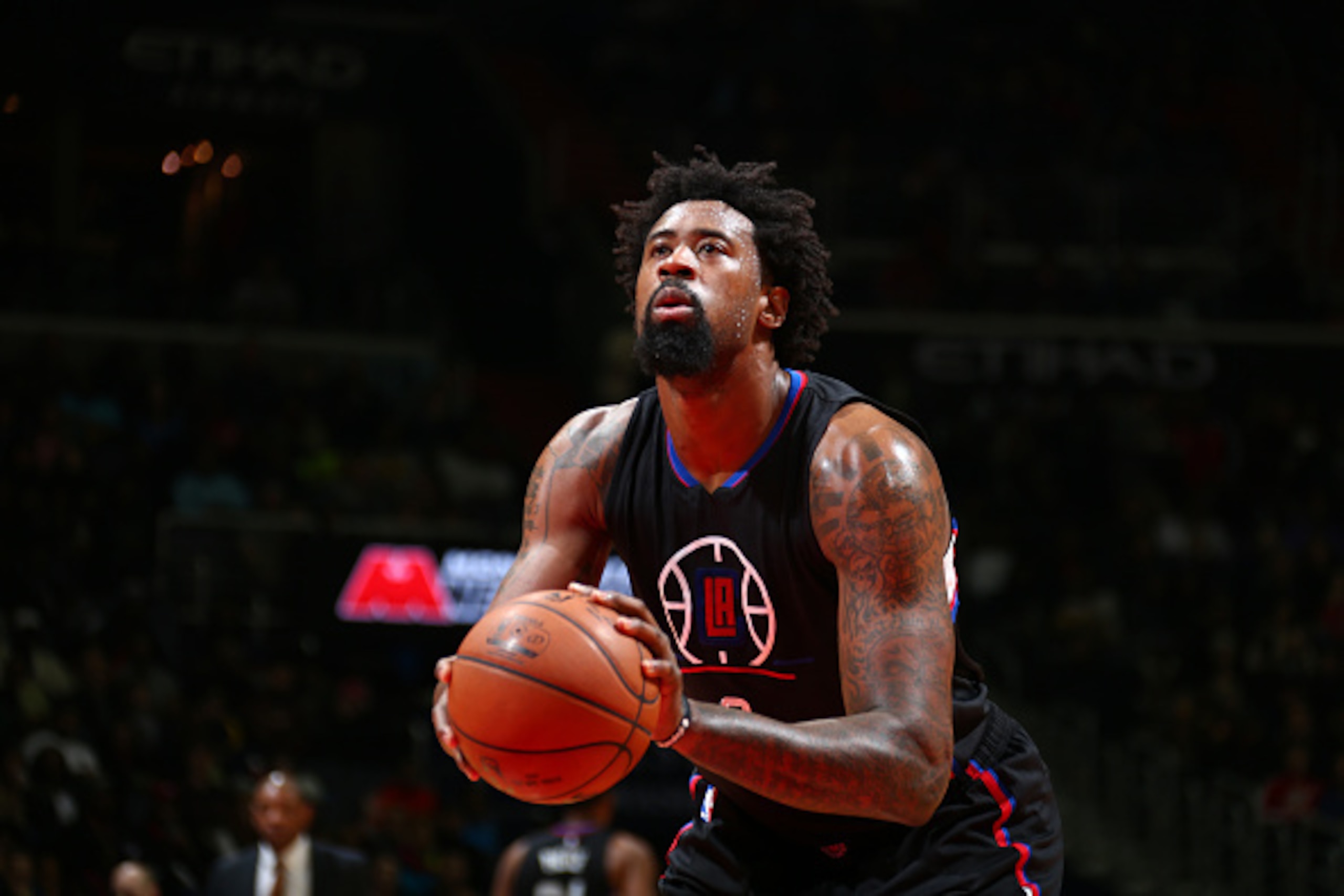
NBA commissioner Adam Silver hopes to have solved this issue. During the offseason, the league implemented new rule changes to decrease so-called "Hack-a-Shaq" incidents, named after Shaquille O'Neal because teams first started intentionally putting the poor free-throw shooter on the line.
All fouls away from the ball over the final two minutes in any quarter will result in one free throw for the offense, which retains possession. This previously only applied to the fourth quarter. Although a slight change, Silver said, per Jeff Zillgitt of USA Today, "our projections are that with the rule changes we put in place, we’ll reduce roughly 45% of the incidents of the away-from-the-play fouls right now."
It won't, however, eliminate the maddening tactic, which ruins a game's tempo and makes games longer. Teams will simply work around the alterations to target big men who can't make foul shouts.
Tweaking the rules won't eradicate the strategy as much as teams simply reconsidering the practice's utility. According to ESPN.com's Kevin Pelton, intentionally fouling opponents worked well against the Los Angeles Clippers' DeAndre Jordan and Detroit Pistons' Andre Drummond. Targeting anyone else helped the opponent.
Silver didn't save those two from Hack-a-Shaq purgatory. Their only way out is to take Kevin Durant's advice. Or listen to Malcolm Gladwell's Revisionist History podcast about shooting granny style. Yet this tactic should die down across the league, as nobody else shoots abysmally enough to justify the approach from an aesthetic or analytical angle.


.jpg?w=2560)
Sacrifice Bunting
4 of 10
Sacrifice bunting isn't always bad. Most pitchers aren't going to accomplish anything more useful at the plate, and it's sensible to move over the runner late in a tie game in which a team needs one run.
Otherwise, why minimize the potential output by giving away an out?
An MLB team only gets three outs in an inning, so forfeiting one seems suboptimal. The tactic should follow with Pepper Brooks in Dodgeball declaring, "It's a bold strategy, Cotton. Let's see if it pays off for them."
Three years ago, MLB.com's Anthony Castrovince dived into the dilemma by studying 2012 results. He concluded that bunting decreased a team's chances of scoring in the most common situations:
"Last season, according to Baseball Prospectus data, in the two most common situations for a sac bunt, your expectation for scoring a run was actually greater if you let the hitter swing away rather than give up an out via a bunt. With a runner at first and no outs, you had a 24.4 percent better chance of scoring a run than you did with a runner at second and one out. With runners at first and second and no outs, you had a 10.4 percent better chance of scoring a run than you did with runners at second and third and one out.
"
Not a fan of math or evidence? Castrovince received one glowing endorsement of bunting. From pitcher Cole Hamels, who enjoyed the opposition making his life easier.
"I just think it's an easy out," Hamels said. "I'll take the easy out and work on the next guy, even if he's at third base. They still have to get a hit to move 90 feet. So you've got a lot of options. Outs are hard to come by sometimes, so you might as well take that out while you can."
The league has taken notice. According to Baseball-Reference.com, 2016 had the lowest rate of sacrificing bunting since tracking it in 1894. It's not dead yet, but it will become virtually extinct one day soon.
Believing in Momentum
5 of 10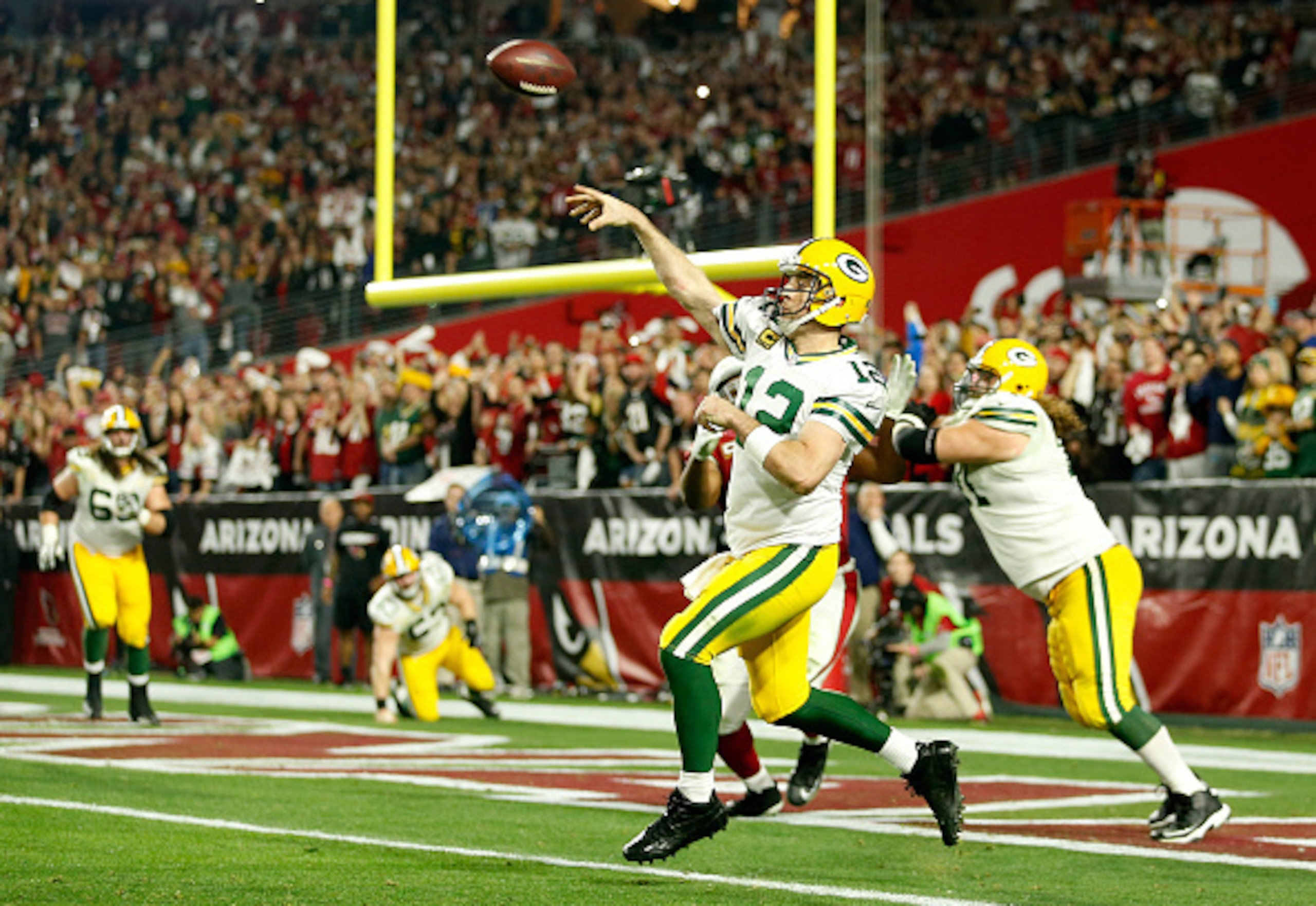
If momentum held as much sway as everyone thinks, the Green Bay Packers would have advanced to 2015's NFC Championship Game.
During the earlier round, they trailed the Arizona Cardinals by seven. Given the circumstances—96 yards from the end zone on 4th-and-20 with 55 seconds left—most viewers had the remote in hand, ready to change the channel after one last futile play.
Then, Aaron Rodgers heaved a 60-yard bomb to little-known wideout Jeff Janis. The miracle still left them well shy of their goal, so Rodgers simply ended regulation with another Hail Mary to Janis, this time for a touchdown.
The Packers entered overtime with all the momentum on their side, It didn't matter. The Cardinals stormed the field with a touchdown in three plays, spanning 65 seconds.
But isn't momentum supposed to vault all teams to glory? Any sports fan knows this because commentators will bring it up multiple times a game, often reporting momentum changes frequently with the gusto of a fluctuating stock. Team X had the momentum after 10 unanswered points, but Team Y entered halftime with the momentum after a successful two-minute drill. But Team X took it back after recovering a fumble to open the third quarter.
It's a convenient narrative ploy pundits and fans alike lean on to make sense of often senseless games. Bill Barnwell dived deep into a issue for Grantland three years ago, but the term remains as prevalent as ever.
Ten years ago, a 15-year-old now writing this article watched in amazement as Endy Chavez robbed the St. Louis Cardinals' Scott Rolen of a home run in Game 7 of the National League Championship Series. Sports conventions dictated that Chavez's New York Mets would surely parlay this momentum into a World Series appearance, and this not-yet-jaded teenager abided by the lazy "This must be a team of destiny" reaction.
They ended up losing Game 7. Welcome to the real world, in which storytelling tropes don't produce victories.
Ignoring Sunk Costs
6 of 10
Four years ago, the Seattle Seahawks signed Matt Flynn to a three-year, $26 million deal with $10 million guaranteed. Rodgers' long-time Packers backup finally had a chance to start, with no competition other than a third-round draft pick.
That rookie, Russell Wilson, surprisingly won the job out of training camp over the pricey free-agent signing. The Seahawks went 11-5 and have reached the postseason every year since making him their signal-caller.
Head coach Pete Carroll understood the economic concept of sunk costs, defined as an expense that cannot be recovered. Whether or not Flynn played, the franchise had to at least pay him the guaranteed money. If the organization had tried to get its money's worth, it's tough to imagine a better outcome on the gridiron.
Now compare that decision-making to the Philadelphia Phillies sticking with Ryan Howard. According to FanGraphs, the first baseman has delivered a negative WAR in four of the last five seasons. He's also, however, a former MVP earning $25 million per season in a horrendous deal that finally expired this year, per Cot's Baseball Contracts.
Philadelphia allocated some of his playing time to 25-year-old Tommy Joseph, but 362 plate appearances remains far too many for a 36-year-old hitting .196 with a .257 on-base percentage and little defensive ability.
Howard missed some of his potentially best years stuck behind veteran Jim Thome—who was still earning his keep as an elite slugger. But this season, the Phillies should have given Joseph or someone else the opportunity to bolster their rebuilding roster. Instead, they let an overpaid, washed-up veteran waste away on the field, which didn't make the burden of his contract any easier to swallow.
Penalty Shootouts
7 of 10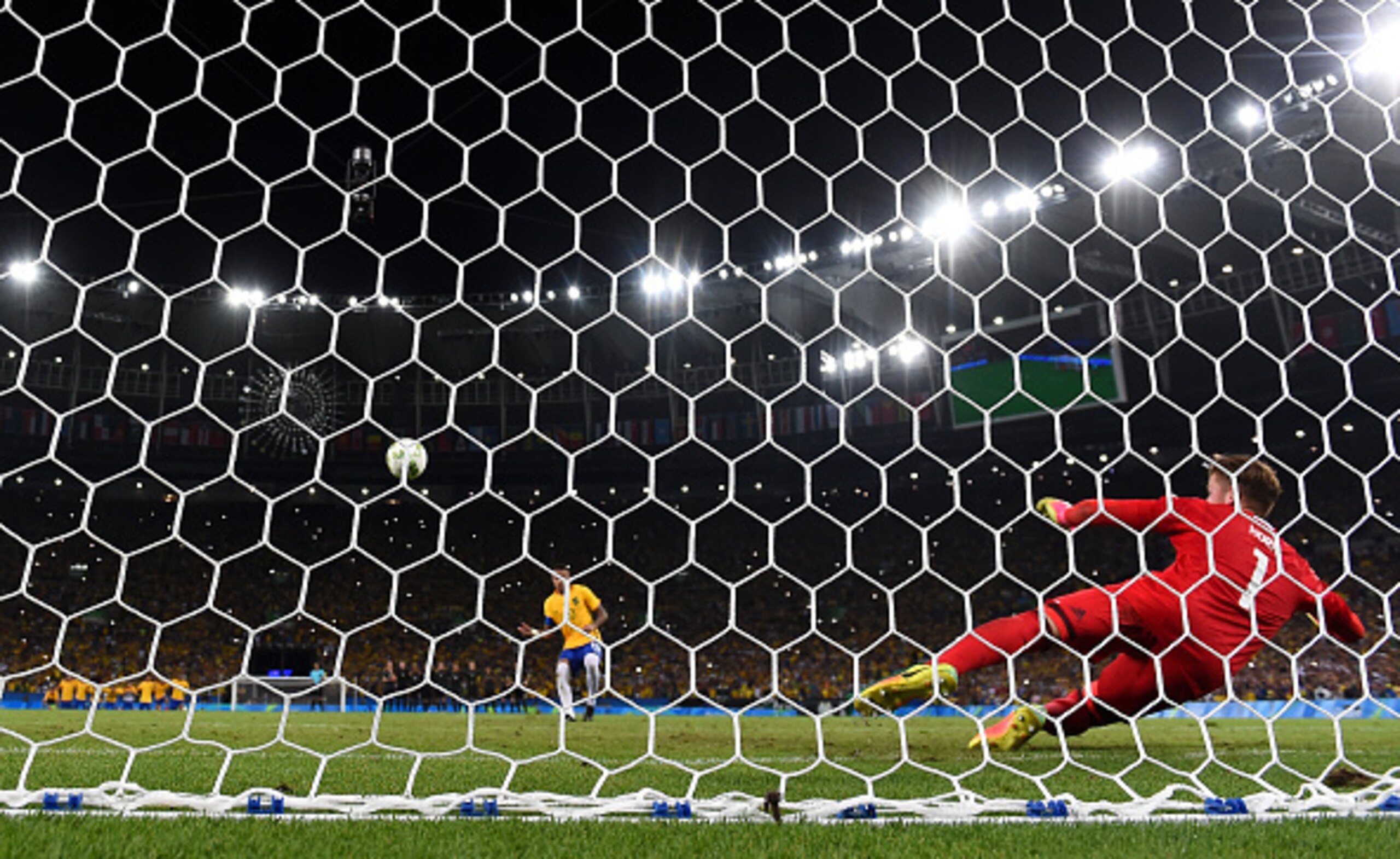
Google "penalty shootouts," and the second suggestion after "penalty shootout games" is "penalty shootouts are stupid."
This year, the tiebreaker caused one of the most memorable Olympic moments in Rio de Janeiro. Concluding the men's gold-medal matchup against Germany, Neymar gave the hosting Brazil its first-ever gold on the final penalty kick.
The Olympic Committee would have struggled to script a more compelling finish. Settling a match on penalty kicks often creates incredible drama, washing out all excess noise as one player goes head-to-head against one goalkeeper.
It's great TV but not the best way to decide a contest—and especially not the best method of declaring a major event's champion. By now, it's almost cliche to compare it to MLB stopping extra innings in favor of a home-run hitting contest or the NBA shifting to a free-throw competition.
At least the NHL abandons shootouts—which aren't as tilted against the goalie as a soccer penalty shootout—once the postseason rolls around. It's a procedure more befitting an exhibition skills contest. Even corner kicks would add a layer of difficulty while resembling an actual soccer play.
Saving the Closer for Save Situations
8 of 10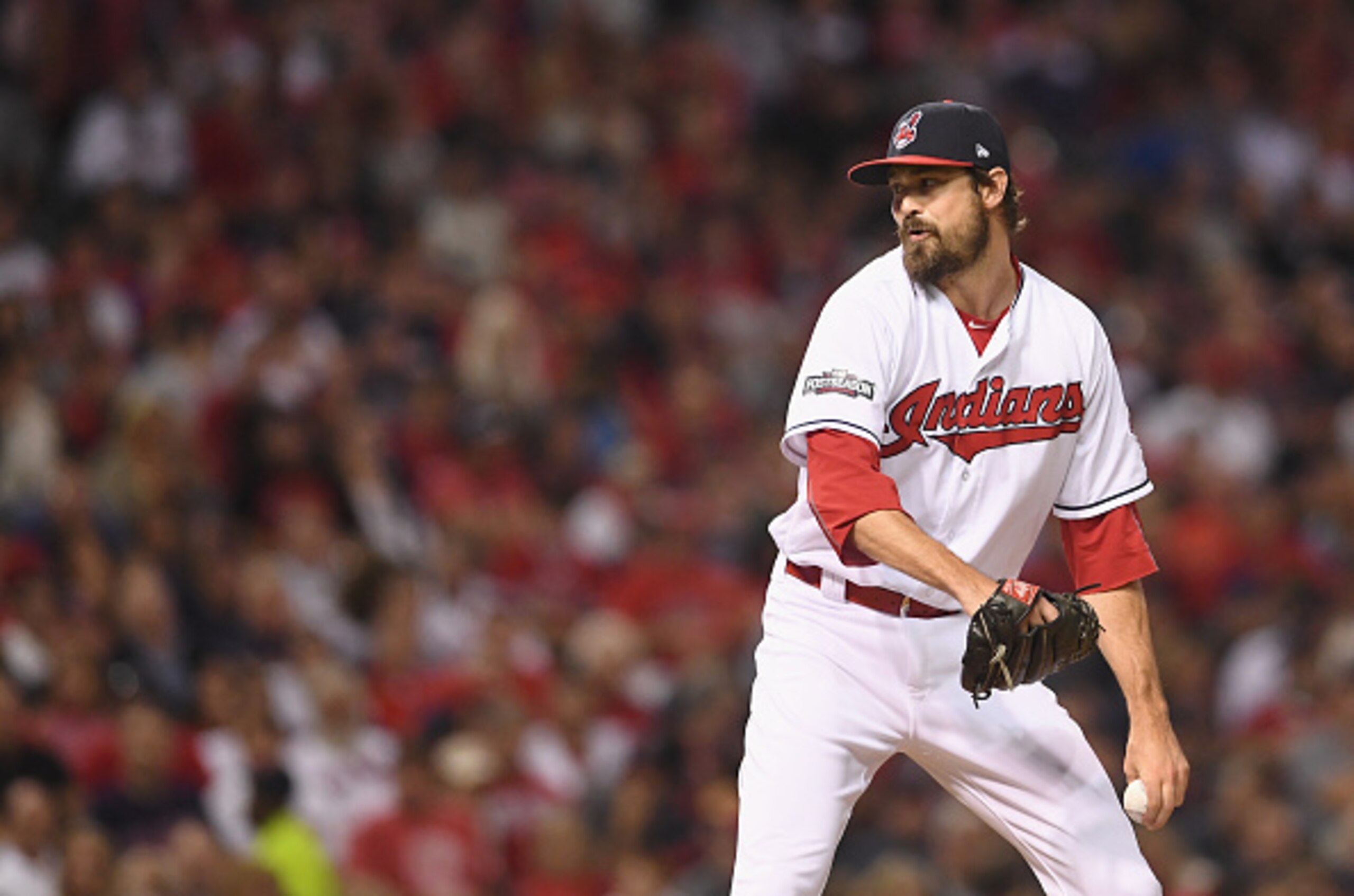
As the Baltimore Orioles' 2016 season ended, their best pitcher watched from the bullpen.
Zach Britton allowed four earned runs in 67 innings, giving the closer the lowest ERA ever (0.54) in a single season. He had relinquished one run since May 1, drawing Cy Young Award buzz along the way. With the Orioles stuck in a 2-2 tie against the Toronto Blue Jays in the American League Wild Card Game, he should have offered one or two scoreless frames.
Skipper Buck Showalter used six relievers, none of whom were his best choice. He even got away with using Brian Duensing, a 33-year-old with a career 4.16 ERA, before turning to erratic starter Ubaldo Jimenez. Remember how Britton allowed four earned runs all year? Jimenez relinquished five or six runs in eight different outings.
Before recording an out, he yielded two hits, followed by a walk-off home run from Edwin Encarnacion. Showalter's decision was so awful that observers figured Britton must have been unavailable, which the manager dismissed after the defeat.
Contrary to many managers' beliefs, there is no law forbidding the use of a closer in a non-save situation. Playing to a manufactured role established by an unimportant stat—preserving a three-run lead in the ninth inning, which is far less valuable than tossing a scoreless sixth in a tie game—causes terrible usage.
Terry Francona has not conformed to these needless roles. In Game 1 and Game 3 of the American League Division Series, the Cleveland Indians manager turned to relief ace Andrew Miller during the fifth and sixth innings, respectively. He collected six outs in each victory en route to the Indians sweeping the Boston Red Sox.
Miller, the team's best reliever, is not their closer. This allows Francona to employ him whenever a high-leverage situation unfolds. With an injured rotation, Francona's willingness to think outside the antiquated box is a major reason Cleveland is still playing baseball.
Using Kickers in Fantasy Football
9 of 10
Fantasy football is an unpredictable game. No players can foresee the future, nor can they affect how the actual NFL players perform. The increasingly mainstream diversion is random enough without including kickers.
Anyone who has ever read an advice column knows not to draft a kicker until the final round. It's the third rule of fantasy football. (The first and second rules of fantasy football: You do not talk about your fantasy football team to someone else. Nobody cares about how you lost because of a late turnover on Monday night.)
The kicker position is entirely too volatile for even the best analyst to project with a slither of accuracy. Foot strength and precision are great, but that doesn't matter if the offense isn't good enough to create field-goal opportunities. Or too good to limit its scoring to field-goal attempts. Or maybe a large deficit forces a head coach (or at least a smart one) to forego chasing three points.
After spending weeks on draft research and hours setting a weekly lineup, several gamers lost Week 5's matchup because Adam Vinatieri hit five goals—two over 50 yards, which usually unlocks a bonus—during the Colts' 29-23 victory over the Chicago Bears. Make no mistake, the victor spent five seconds during the final round before choosing the most recognizable kicker on the board.
Does this all seem too anecdotal? Fair enough. Fox Sports' Ryan Fowler, Jake Westrich and Zach Malosh conducted a study, which concluded a noticeably wider range of outcomes for kickers than any other position. If they're going to cause so much chaos, why not just get rid of them on fantasy rosters?
NFL's Strict Uniform/Celebration Rules
10 of 10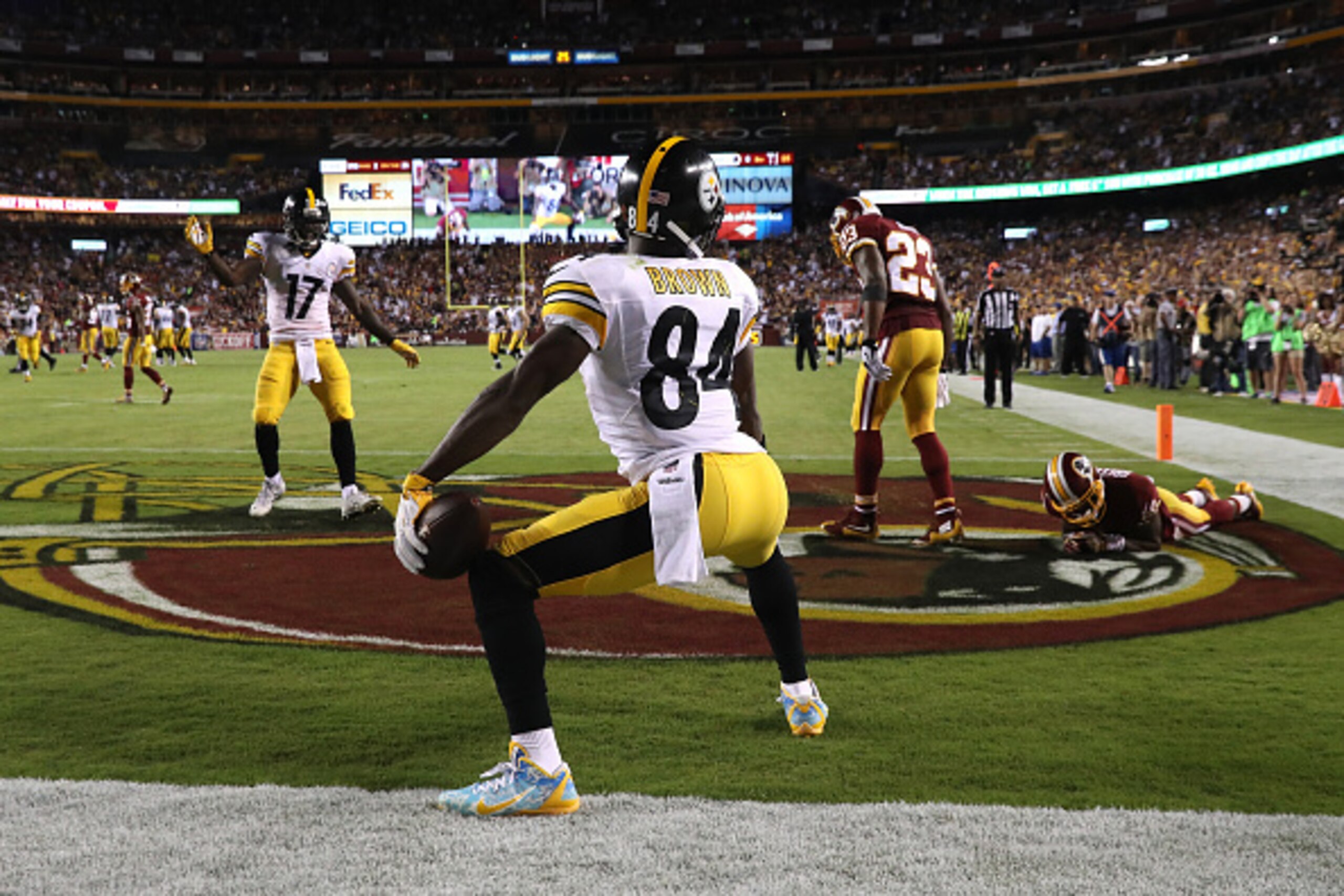
The NFL has serious problems on its hands, so there's no need for it to manufacture nonexistent conflicts over cleats and touchdown celebrations.
Wide receiver Antonio Brown—who wore cleats honoring Arnold Palmer the previous week—had to remove footwear commemorating Muhammad Ali for league-approved Nike shoes. Officials threatened to eject him if he did not comply.
Last month, the Pittsburgh Steelers star wideout drew a flag and a fine for dancing in the end zone. Why don't we pay more attention to concussions than twerking?
The league fined Washington WR DeSean Jackson for wearing cleats with yellow caution tape painted on instead of the swoosh. It also prohibited the Dallas Cowboys from wearing helmet decals honoring the five police officers killed in Dallas.
Deadspin's Tom Ley (Warning: NSFW) examined the NFL's comprehensive uniform policy, which is way too serious for guidelines about what clothes to wear during a football game.
“A player’s appearance on the field conveys a message regarding the image of the League and directly affects the League’s reputation and success.”
.jpg?w=2560 "Rams Eagles Football")
.jpg?w=2560 "Texans-Mixon Released Football")
.jpg?w=2560 "Bijan's INSANE 1st Half 🤩")

.jpg?w=2560 "2 NFL Officials Suspended")

