

The Complete Guide to UFC 204: Bisping vs. Henderson 2
The Octagon heads to Manchester, England, this Saturday with a solid card on pay-per-view. In the main event, middleweight champion Michael Bisping defends his belt for the first time against the legendary Dan Henderson.
Wait, wait, wait. Middleweight champion Michael Bisping? Challenger Dan Henderson?
Bisping stepped up on just two weeks' notice to fight newly crowned kingpin Luke Rockhold back in June and knocked him out in the first round in a stunning upset. That same night, Henderson knocked out Hector Lombard in vicious fashion.
That set up an opportunity for revenge. Henderson flattened Bisping with an overhand right at UFC 100 back in 2009, one of MMA's iconic knockouts. Seven years later, Bisping will get his chance at payback.
It's something of a silly fight, especially because Henderson is just 3-6 in his last nine outings, but this seemed to be the most marketable direction for the UFC to go. It bears watching whether fans will agree and fork over their money.
The rest of the card is up and down. The co-main event features Vitor Belfort vs. Gegard Mousasi in a potential barnburner of a middleweight bout, but that's about it for interesting fights on the main card.
On the prelims, practically every bout features a hot prospect or should turn out to be an action fight. Keep a close eye on the Fight Pass headliner between Mike Perry and Danny Roberts, which should be a slugfest. The first fight on Fox Sports 1 features welterweight strikers Albert Tumenov and Leon Edwards, and that too should be a heck of a fight.
Let's take a look at each individual matchup.
The Fight Pass Prelims
1 of 7
Lightweights
Lukasz Sajewski (13-2; 0-2 UFC) vs. Marc Diakiese (9-0; 0-0 UFC)
Blue-chip prospect Diakiese makes his debut against Poland's Sajewski, who steps up on short notice to replace the injured Reza Madadi. Sajewski fell to Gilbert Burns by submission earlier this year and dropped his debut to Nick Hein. There are high expectations for Diakiese, who defeated strong competition in the United Kingdom before getting his shot in the UFC.
Sajewski can do a bit of everything, and he's still improving from fight to fight. On his feet, he's a competent, durable striker who puts together decent punch-kick combinations, but he's better when he's hunting for takedowns and working from the top.
Diakiese is big for the division at 5'10" and boasts great speed, athleticism and power. As a striker, he throws a crisp array of heavy round kicks and uses them to set up a selection of brutal hooks and overhands. He's solid as a wrestler, with a nice array of shot and clinch takedowns, but has a tendency of getting reckless in scrambles. On the mat, he controls nicely and drops vicious ground strikes.
Prediction: The original matchup, Reza Madadi, was a tough one for Diakiese. Sajewski is durable and competent, but he's drastically outmatched in every physical category, and that should be enough for Diakiese to get it done. Diakiese takes a decision.
Lightweights
Leonardo Santos (15-3-1; 4-0-1 UFC) vs. Adriano Martins (28-7; 4-1 UFC)
Accomplished Brazilian lightweights meet in a sleeper bout. Santos won the second season of The Ultimate Fighter: Brazil and has yet to lose in the Octagon, compiling three straight wins and most recently knocking out hot prospect Kevin Lee last December. Martins too has exceeded expectations. He brutally finished blue-chipper Islam Makhachev last October to run his winning streak to three fights.
Santos is a legitimately world-class grappler, but he has improved the rest of his game substantially. He throws a steady diet of kicks on the feet and has some pop in his hands along with surprising skills as a counterpuncher. Though he's still not a great takedown artist, he's lethal if he can find a way to top position, particularly with the arm-triangle choke.
Martins is enormous for the division at a thick 5'10", and he boasts great speed and enormous power in his hands. A strong offensive and defensive wrestler, he's a monster from top position. The problem is pace; he's efficient but doesn't throw much volume or shoot many takedowns, which means he can give away rounds.
Prediction: Santos is a much more active fighter both as a striker and a wrestler, and if he can avoid the knockout shot, this is his fight to lose. He wears Martins down and wins the last two rounds for a decision victory.
Welterweights
Danny Roberts (13-1; 2-0 UFC) vs. Mike Perry (8-0; 1-0 UFC)
UK native Roberts, who trains with the Blackzilians in Florida, takes on fellow Floridian Perry in what should be a barnburner of a welterweight scrap. Perry debuted with a knockout win over Hyun Gyu Lim in August, while Roberts has won two in a row to begin his UFC career.
The 6'1" southpaw Roberts is a rangy former boxer with crisp hands and a smooth kicking game that plays off his height and length. He has real pop in his hands and substantial technical skill. Takedown defense has been a problem for him, but he has made improvements and isn't easy to hold down. An active guard makes him dangerous from his back as well.
Perry is a great athlete with blazing speed and devastating power. He's a surprisingly crafty striker for a fighter with so little experience, mixing punches and kicks together and showing great instincts for countering and bringing his head off the center line as he throws. We don't know much about the rest of his game, but he seems to know how to defend takedowns and he's a bomber from top position.
Prediction: Fireworks. Perry is the more powerful puncher but Roberts has an edge in skill and diversity, and neither man is especially likely to look for takedowns. The difference will be Roberts' clinch game, which is nasty and damaging, and it should allow him to wear Perry down and slow him as the fight goes on. Roberts finishes Perry in the third round.
The Fox Sports 1 Prelims
2 of 7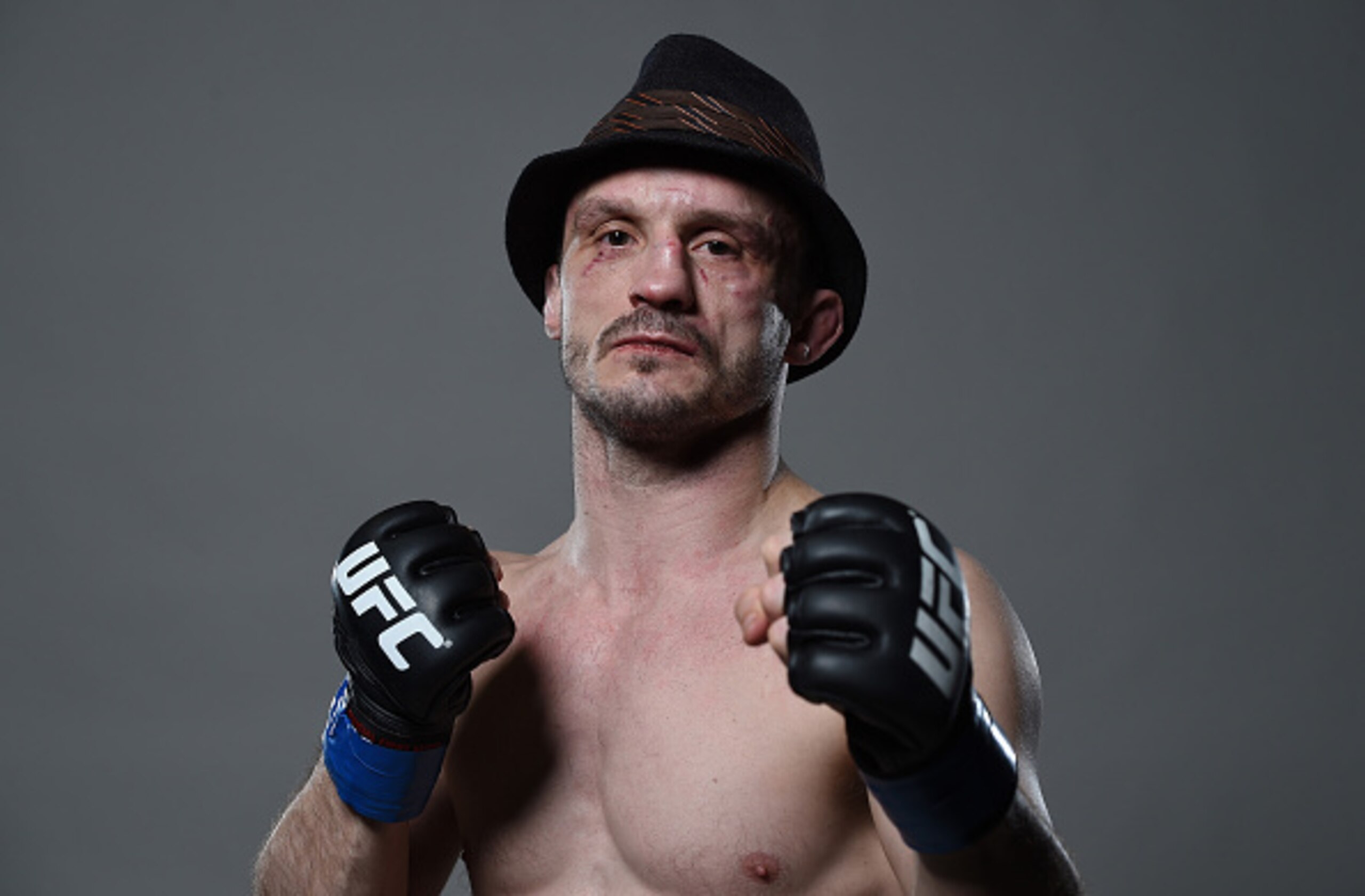
Welterweights
Leon Edwards (11-3; 3-2 UFC) vs. Albert Tumenov (17-3; 5-2 UFC)
An outstanding bout opens the Fox Sports 1 prelims as Russia's Tumenov takes on the UK's Edwards in a great matchup of 170-pound strikers. Tumenov is looking to rebound from a submission loss to Gunnar Nelson, while Edwards looks to build on a decision win over Dominic Waters in May. Both have the talent to be elite fighters in the stacked welterweight division.
The Russian, a native of the North Caucasus region, is a silky-smooth and technical striker. He mostly prefers to box, working behind a versatile jab and a devastating left hook. Committed body punching and lethal counters are his trademarks. While not bulletproof, he has competent defensive wrestling skills.
Edwards is a dangerous southpaw striker. He doesn't throw much volume, but he packs serious power in his hands and does a great job of hiding his kicks, especially to the head, behind his punches. Like Tumenov, he's a competent if not outstanding defensive wrestler, and he can hit the occasional takedown of his own.
Prediction: Either fighter might try to press a potential advantage in the clinch or with takedowns, but this will probably play out as a striking match. In that scenario, it's Tumenov's fight to lose, as he throws at a higher rate and is both a bit sharper and a bit more dangerous. The Russian takes a competitive but clear decision.
Bantamweights
Davey Grant (10-2; 1-1 UFC) vs. Damian Stasiak (9-3; 1-1 UFC)
The UK's Grant, the runner-up on the 18th season of The Ultimate Fighter, draws Poland's Stasiak in a decent bantamweight fight. Grant was out of action for more than two years with a series of injuries but returned to win a decision over Marlon Vera earlier this year. Stasiak has split a pair of fights, dropping a decision to Yaotzin Meza before finishing Filip Pejic in April.
Grant is a dangerous, well-rounded fighter. He throws crisp punching combinations on the feet to go along with stinging kicks but is even better on the mat, where he has a knack for finding chokes and the back in transitions. Stasiak can do a bit of everything, with credentials in both karate and Brazilian jiu-jitsu along with a solid wrestling arsenal, but he's not especially physical.
Prediction: Grant is the bigger fighter, standing 5'8" to Stasiak's 5'5", and knows how to use his reach with his kicking game while still packing heat in his combinations. The Brit's combination of size, striking acumen and grappling skills wins him a decision.
Bantamweights
Ian Entwistle (9-3; 1-2 UFC) vs. Rob Font (12-2; 2-1 UFC)
Mid-tier bantamweights meet in a potentially fun stylistic clash. Entwistle, a native of the UK who trains in Thailand, has sandwiched losses around his lone win in the UFC, dropping his last outing to Alejandro Perez. Font came up short against John Lineker in May but before that had won two in a row.
Entwistle specializes in leg locks, for which he has a variety of setups from takedowns, sweeps and guard-pulls, and that's about the extent of his effective but limited game. Font is big for the division at 5'8" and an excellent athlete who does his best work on the feet, flicking a hard jab and a steady diet of kicks before committing to power punches. He carries serious power and has great finishing instincts.
Prediction: If Entwistle gets the leg lock, he wins. If he doesn't, Font is going to knock him silly. The latter seems more likely given Font's height and ability to set a long distance; the American finishes with punches in the second round.
Bantamweights
Brad Pickett (25-11; 5-6 UFC) vs. Iuri Alcantara (32-7, 1 NC; 7-4, 1 NC UFC)
Veteran bantamweights headline the Fox Sports 1 portion of the card as London's Pickett takes on Brazil's Alcantara. Both fighters need this win to stay relevant in a rapidly changing landscape at 135 pounds: Alcantara has lost two of his last three and Pickett three of his last four, with the only victory a contentious decision over Francisco Rivera earlier this year. The winner will stick around the fringes of the top 10.
Pickett has good skills everywhere. On his feet, he does his best work in the pocket, where he shows great instincts with his head movement and combination punching. He's hittable, though, and tends to take a lot of damage. Otherwise, he's a good wrestler and a technical grappler.
Alcantara is huge for the division at a thick 5'9". He's an awkward fighter who likes to set a long distance, slinging vicious kicks, stepping knees and single punches from both stances. A better offensive than defensive wrestler, he's also a slick grappler with a dangerous top game.
Prediction: On the feet, this is all about range. If they're close, Pickett will be in danger, but his combination boxing will have the edge; if they're at distance, it's all about Alcantara's kicks. The wrestling and grappling phases are a wash and will depend on who can impose his takedown game.
With all of that in mind, Alcantara has a slight edge. The Brazilian wins a decision.
Mirsad Bektic vs. Russell Doane
3 of 7
Featherweights
Mirsad Bektic (10-0; 3-0 UFC) vs. Russell Doane (14-6; 2-3 UFC)
Blue-chip prospect Bektic, one of the best young fighters in the UFC, returns to action following a 17-month layoff. The Bosnian-American was scheduled to face Tatsuya Kawajiri last December in a big step up in competition, but a torn ACL sidelined him. This halted the momentum that had him begin his UFC career with three wins.
British prospect Arnold Allen was Bektic's original opponent, but he pulled out with an injury. Canada's Jeremy Kennedy replaced him, but he pulled out shortly thereafter. Finally, Hawaii's Russell Doane stepped up on four days' notice. He has lost three in a row and would likely be out of the UFC if not for this opportunity.
Bektic is a monster. The 25-year-old's athleticism, speed, strength and power are off the charts, and he backs up his physicality with crisp technique and an innate understanding of how to blend his skills together. Unless the ACL injury has ruined him, Bektic has the talent and improving technique to be a future champion.
On his feet, Bektic uses a crushing jab to cover his forward movement as he pressures. When his opponent tries to counter, Bektic moves his head and responds with a combination of power punches, all of which carry fight-ending force.
As good as he is on his feet, countering with strikes in the pocket is Bektic's backup plan. His primary goal is to freeze his opponent in place with punches and then duck under for an explosive double-leg takedown. He's quick, powerful and finishes with authority. Defensively, he has yet to be taken down in his career.
Working from the top is Bektic's specialty. He's too strong for opponents to control his posture, and when he creates space, he launches brutal volleys of punches and elbows at a rapid pace, as if he were throwing combinations on the feet. The Bosnian-American passes smoothly and is nearly impossible to shake off, but even if stuck in his opponent's guard, he can finish fights.
Despite his losing streak, Doane has made some major improvements. The Hawaiian has always been quick and athletic, but he has totally revamped his striking game, moving to the southpaw stance and focusing more on a constant stream of volume reminiscent of his teammate Max Holloway.
His footwork has drastically improved, which means he can stay closer to his opponent while remaining defensively sound. This is what powers his increased work rate, which takes the form of a steady stream of punch-kick combinations with a preference for body kicks.
The rest of Doane's game ranges between solid and excellent. He shoots a gorgeous, explosive double-leg takedown, and on top he's aggressive and skilled, though perhaps a bit too aggressive with his submission game. His takedown defense is competent but not outstanding.
Betting Odds
Bektic -705 (bet $705 to win $100), Doane +435 (bet $100 to win $435)
Prediction
This is an intriguing matchup. Doane is coming up from 135 pounds and was fast even for a bantamweight, and his high-volume striking repertoire could give a rusty Bektic, who hasn't fought in 17 months, fits.
Still, Doane will be in serious trouble the second Bektic gets him down, and that's where the Bosnian-American's size and strength should tell. He finishes Doane with ground strikes in the second round.

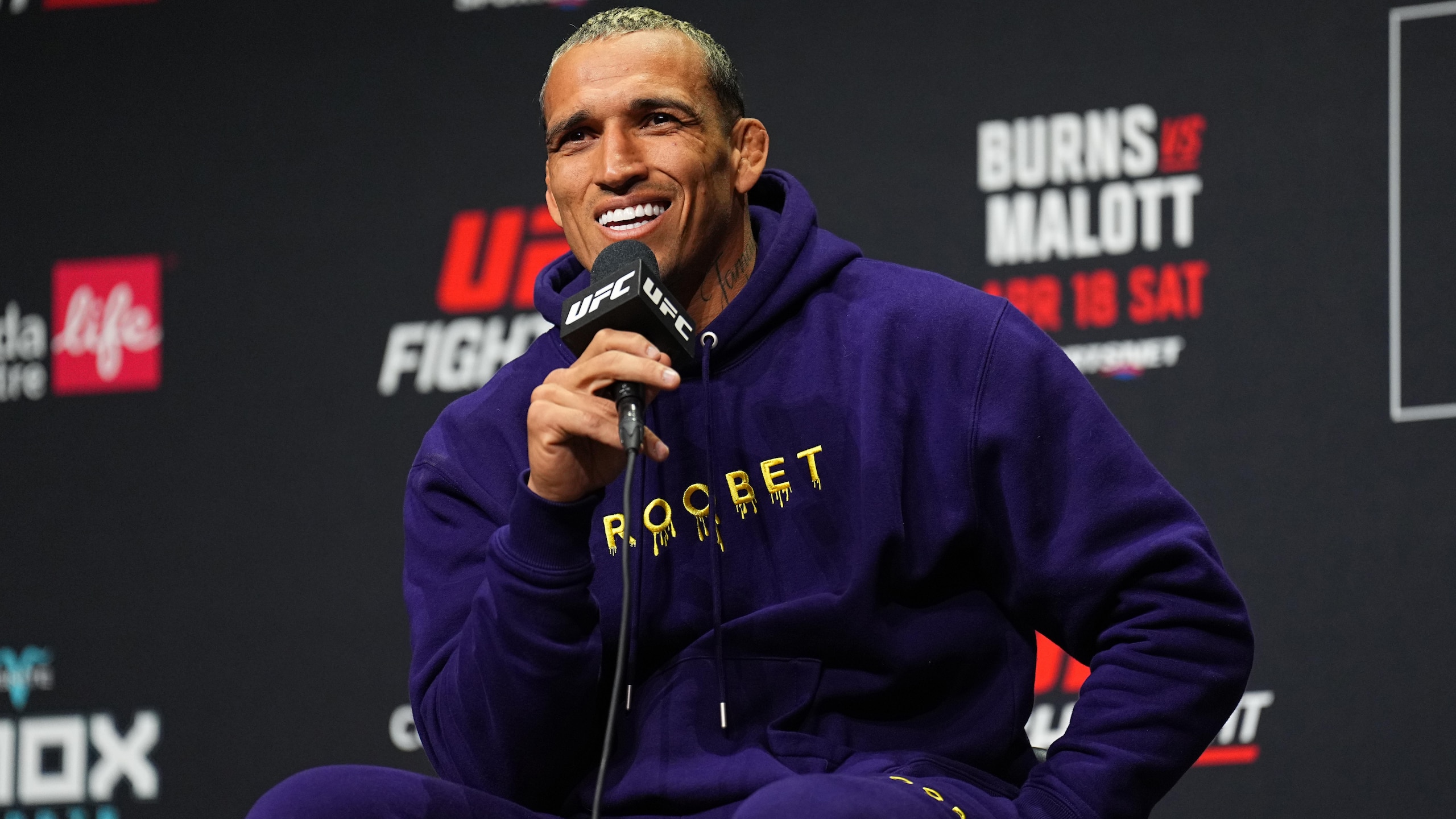

Stefan Struve vs. Daniel Omielanczuk
4 of 7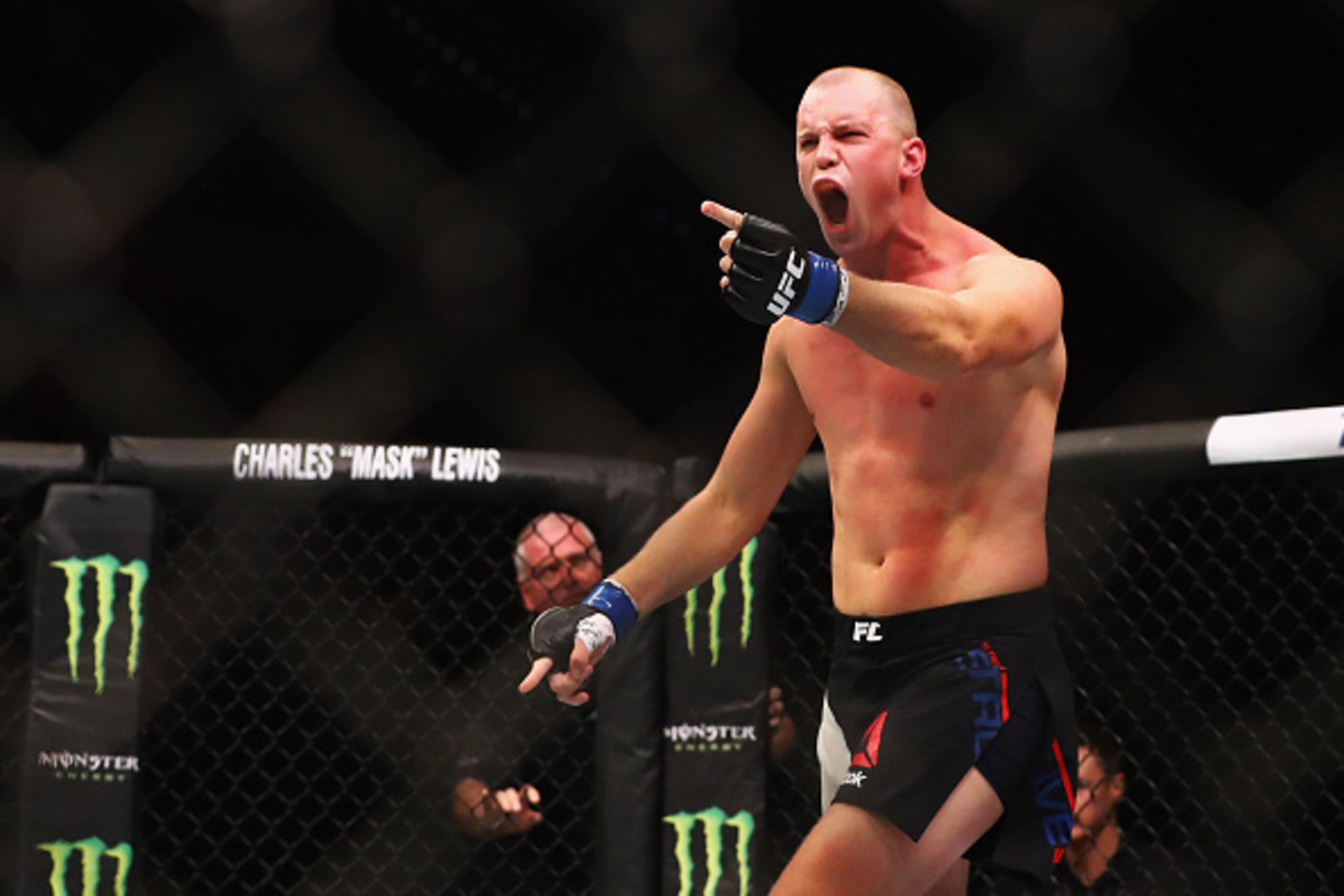
Heavyweights
Stefan Struve (27-8; 11-6 UFC) vs. Daniel Omielanczuk (19-5-1, 1 NC; 4-2 UFC)
Mid-tier heavyweights clash in a fight that could be entertaining, though it seems clear that neither man will be moving into contention at this point in his career.
Struve, a native of the Netherlands, knocked out Bigfoot Silva in just 16 seconds in May and dropped a slow-paced decision to Jared Rosholt before that. Poland's Omielanczuk has won three in a row, taking decisions from Alexey Oleinik and Jarjis Danho in his last two outings.
The 7'0" Struve has made some improvements in the last few years. The Dutchman has always liked to strike, but he's doing it more intelligently now, slinging hard front and round kicks before circling out of range. This makes better use of his substantial height and reach. It also keeps him out of brawls, where he's been far too willing to engage over the years.
Otherwise, Struve has strengthened his previously nonexistent defensive wrestling game. He's still dangerous from his back with successions of triangle-armbar-sweep chains and does great work from top position on the rare occasions he can get there.
The problems are Struve's lack of speed, inability to commit to that stick-and-move striking approach, tendency to get drawn into brawls and his suspect chin. All of this puts a hard ceiling on how good he can be.
Omielanczuk is a rugged, mean and durable fighter who can do a bit of everything. Physically, he's Struve's opposite; the UFC lists him at 6'0", and that seems generous.
Still, the southpaw striker is technically sound. His consistent kicking game and jab make up for his lack of height, and he's a nasty combination puncher inside the pocket, particularly when he's countering. The Pole moves his shots nicely between the head and the body and does the same with his kicks.
In the clinch, Omielanczuk grinds his head into his opponent's chin and holds him against the fence while slamming away with knees, uppercuts and elbows. He's a mediocre wrestler at best, but when he gets on top he throws hard ground strikes and knows how to control.
Betting Odds
Struve -180, Omielanczuk +158
Prediction
Omielanczuk tends to lose to fighters who can impose their takedowns and control him from top position. That doesn't sound much like Struve, who rarely looks for takedowns and is generally content to strike. In that kind of fight, Omielanczuk might struggle with the distance, but it's unlikely that Struve will be able to maintain that range. Omielanczuk finds the knockout in the first round.
Jimi Manuwa vs. Ovince Saint Preux
5 of 7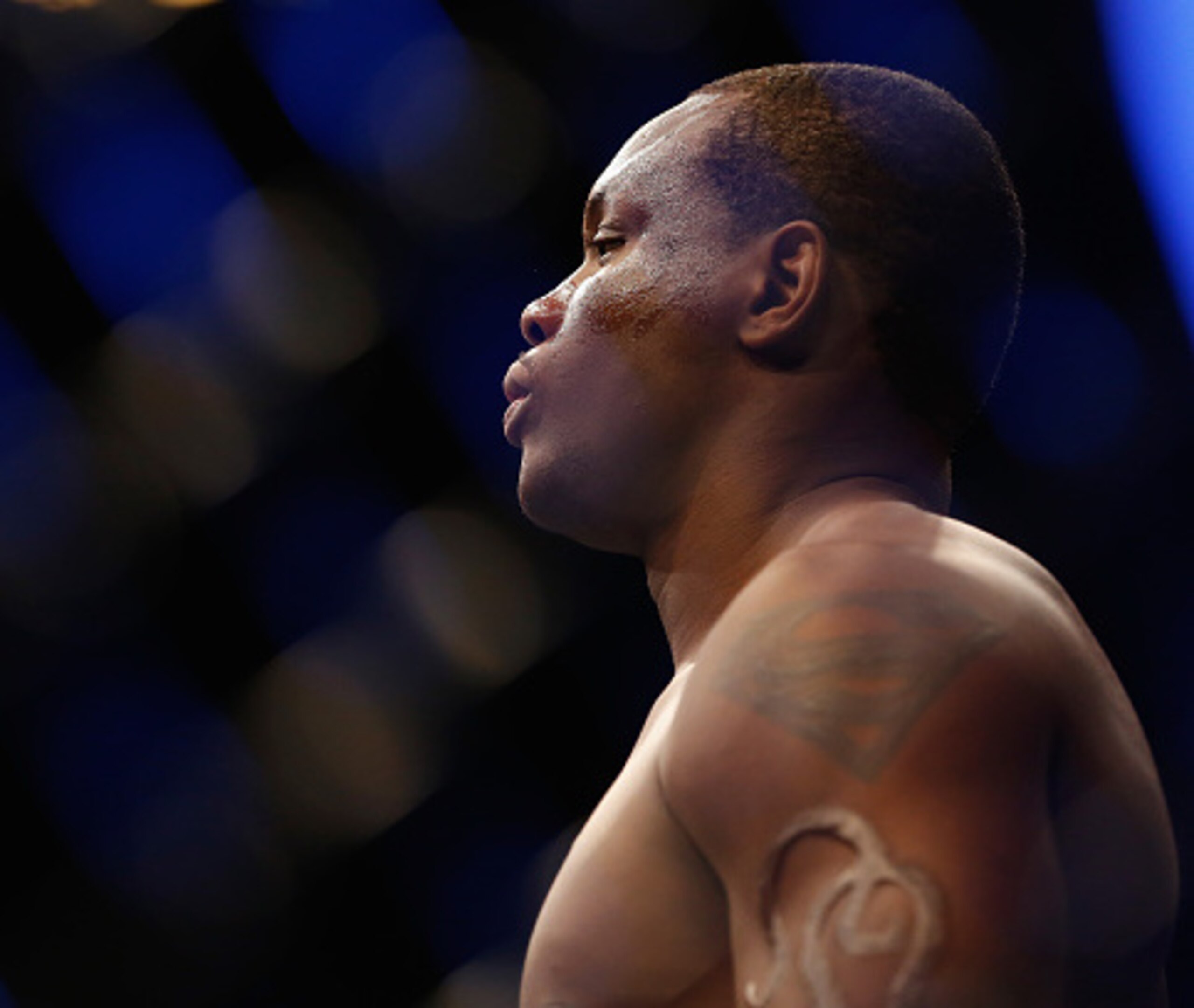
Light Heavyweights
Jimi Manuwa (15-2; 4-2 UFC) vs. Ovince Saint Preux (19-8; 7-3 UFC)
Manuwa and Saint Preux are talented fighters who have stalled out before reaching the light heavyweight elite. Saint Preux fell short against Jon Jones in an interim title fight in April, while Anthony Johnson clobbered Manuwa in September 2015. The winner will have a claim on one of the division's upper-echelon fighters.
Saint Preux is an athletic, rangy (6'3" with an 80" reach) southpaw. He's an awkward fighter but one with real skill who plays an unorthodox and uncommon kind of game.
The Florida native likes to set a long range with front and round kicks to the body and the occasional jab. Once he has established that distance, he likes to leaps forward with a straight left or, less common, a combination of strikes. It's more common, however, for Saint Preux to let his opponent try to cover that range. When he does, Saint Preux laces him with a stiff counter.
His punches are wide and don't look especially technical, but Saint Preux's timing, sense of the distance and power are all outstanding.
A high school wrestler, Saint Preux has serviceable skills in that department. His double-leg takedown is explosive and authoritative, but he doesn't use it much and is just an average defensive wrestler. On the ground, he explodes back to his feet if taken down and generally controls from top position and the ride while landing strikes.
On the down side, he doesn't show much variety, works at a slow pace and his preference for explosive movements means that he gasses out quickly.
Like Saint Preux, the UK's Manuwa is an outstanding athlete, though he doesn't have his opponent's imposing frame. He's less awkward and more standard, preferring to wing steady doses of vicious left hooks and low kicks while pressuring.
While he's competent and imposing at range, Manuwa is more technically sound in the clinch. He has a preference for double-collar ties and frames, from which he lands devastating series of knees and uppercuts. Solid if not outstanding defensive wrestling generally keeps him standing, but he offers nothing from his back and is just decent from the top.
Betting Odds
Saint Preux -160, Manuwa +140
Prediction
It's hard to say how this will go down. Manuwa will likely pressure while Saint Preux tries to stay away, and how that will play out is something of a mystery. Can Saint Preux bait Manuwa into eating a counter? Will he shoot for takedowns? Who has the edge in the clinch? Without any real confidence, it seems more likely that Saint Preux will land a big shot. The American finds the knockout in the first round.
VItor Belfort vs. Gegard Mousasi
6 of 7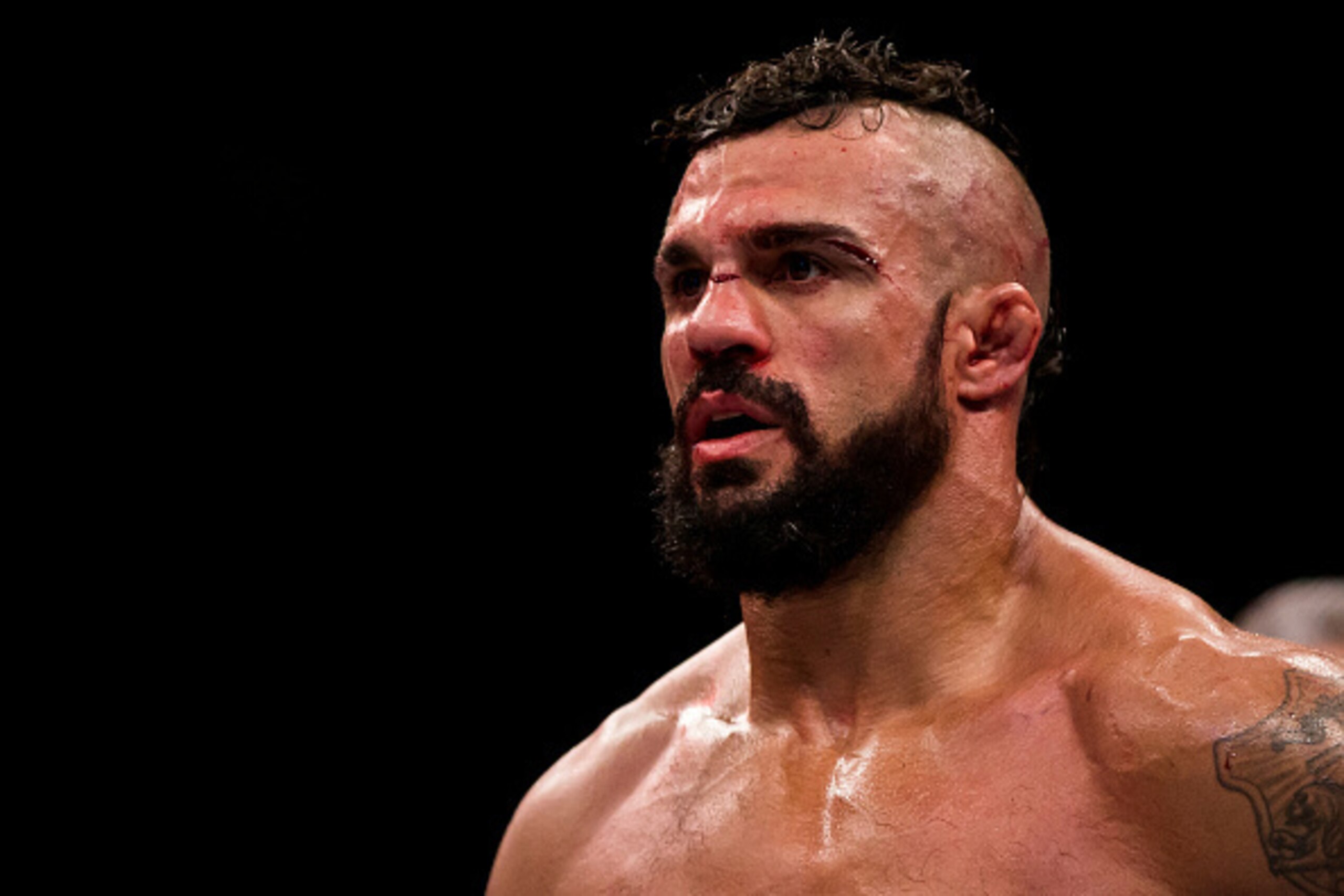
Co-Main Event: Middleweights
Vitor Belfort (25-12; 14-8 UFC) vs. Gegard Mousasi (39-6-2, 6-3 UFC)
The veteran Belfort attempts to hang on to his top spot in the middleweight division against the younger but still experienced Mousasi in a strong co-main event.
The last several years haven't been kind to Belfort. He sat out a long time while waiting for his shot at the middleweight title, and when he got it, Chris Weidman beat him silly. He rebounded by knocking out Dan Henderson, but then suffered a one-sided knockout loss to Jacare Souza in May. Mousasi has been up and down over the last several years, but he has won two in a row over Thiago Santos and Thales Leites.
Even at 39 years of age, Belfort is still a physical specimen with otherworldly speed, athleticism and power. He isn't the fighter he was during his streak of three knockout wins in a row back in 2013, however. While still fast, he's just a bit slower, but where he has really suffered is his difficulty in pulling the trigger.
Belfort has always been a burst fighter, meaning that he goes long stretches without doing much before exploding into a whirlwind of violence when the opportunity strikes. Whether he's seeing fewer opportunities now or he's having more trouble capitalizing on them, the result is a less effective fighter either way.
Belfort is already effectively limited to the first round, but he now has one or two shots to win the fight at most.
The left hand is the key to Belfort's game. It's exceptionally powerful and blazing fast, and he uses it to good effect to manipulate his opponent's hand positioning, which opens up his lethal high kicks as well.
That's basically what Belfort offers at this stage of his career. He's a competent clinch fighter and can break off as necessary, and he defends shots well when he can set his preferred long distance. If forced to chain wrestle, however, he's in trouble, and he offers little from his back against skilled top players.
Mousasi can do everything at a high level. The Dutchman is a crisp, technically sound and defensively oriented striker who likes to work his way forward behind a punishing and consistent jab. Low kicks serve to cut off his opponent's escape angles, and when he feels it, he commits to a vicious right hand.
While not much of a combination puncher, Mousasi still works at a good pace, and his chess-like focus on single moves means that he's exceptionally difficult to hit cleanly on the counter. He simply outthinks and outworks his opponents in extended striking sequences.
Mousasi is a nasty clinch fighter and wrestler as well. He has a nice arsenal of trips and throws to go along with a technical array of shot takedowns, and he throws nasty knees as well. He's vulnerable to being overpowered by bigger, stronger fighters, but that isn't much of a problem as long as he can keep his back off the fence. He sprawls beautifully in open space and is nearly impossible to take down.
Grappling might be the best part of Mousasi's game. He's aggressive from his back, but on top he's a silky-smooth guard-passer and maintains a heavy base. Brutal ground strikes open up passes and submission attempts, and he's particularly good at getting to the back.
Betting Odds
Mousasi -350, Belfort +290
Prediction
It's somewhat surprising to see Belfort as such a large underdog, but even if he weren't clearly on the downswing, Mousasi would be a tough matchup for him. The Dutchman's consistent approach, defensive skill and ability to score points while still keeping the finish open is kryptonite for a fighter who depends on a few bursts of offense when his opponent makes a mistake.
Mousasi will have to weather the storm, but after he does, the fight is his to lose. He takes the first round with his jab and then works takedowns in the second before finishing with strikes.
Michael Bisping vs. Dan Henderson 2
7 of 7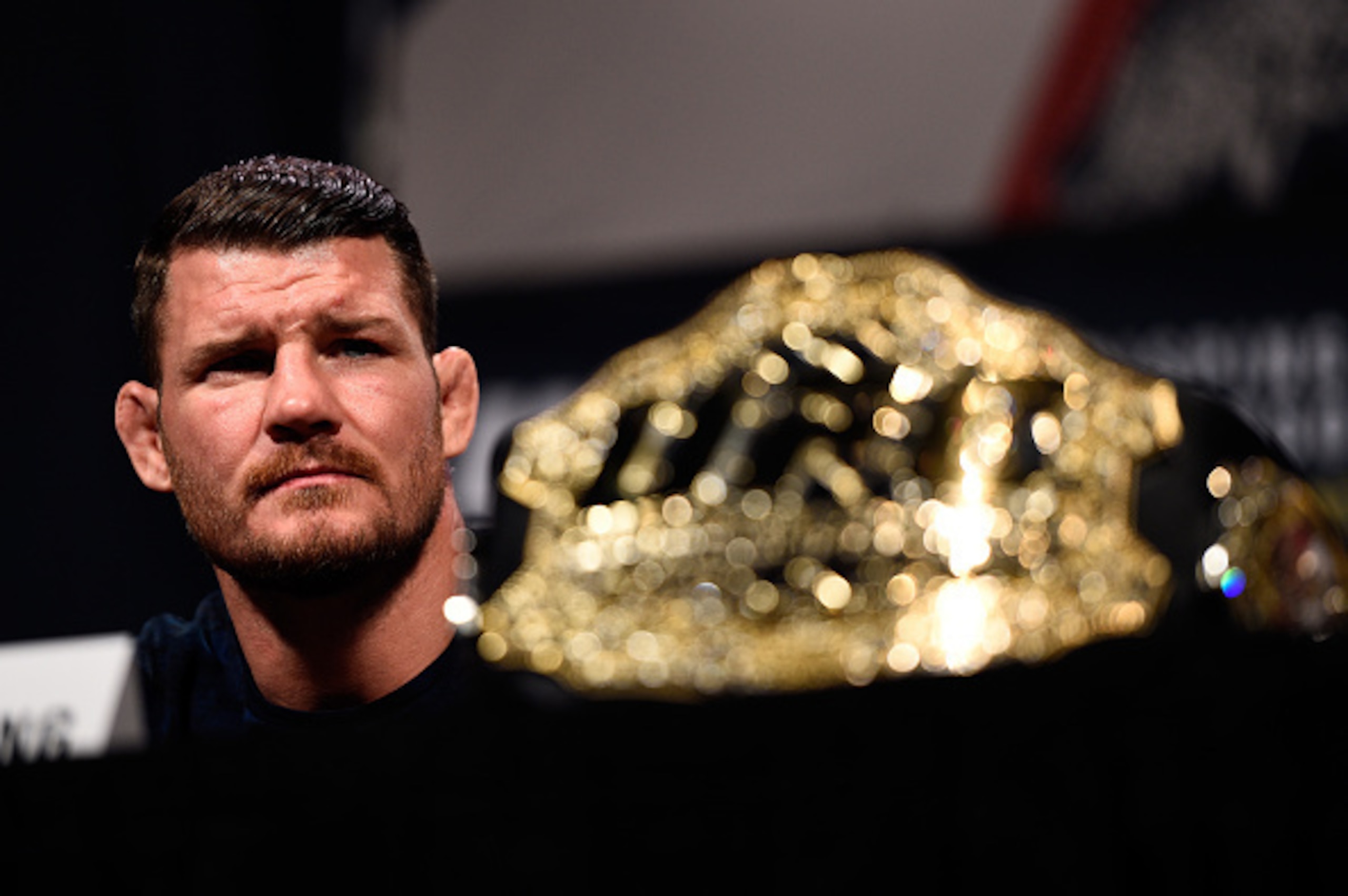
Main Event: Middleweight Championship
Michael Bisping (29-7; 19-7 UFC) vs. Dan Henderson (32-14; 9-8 UFC)
More than seven years after their epic first clash at UFC 100 in 2009, Bisping and Henderson meet again, this time with the middleweight belt on the line.
Bisping stepped up to face Luke Rockhold for the title in June at UFC 199, filling in for the yet-again-injured Chris Weidman on a few weeks' notice. In a stunning upset, Bisping knocked out Rockhold in the first round, running his current winning streak to four fights.
It's stunning that it will be his old foe Henderson facing him across the Octagon. The American is just 4-6 in his last 10 outings, but he knocked out Hector Lombard in June to make a claim on the man he so brutally separated from consciousness back in 2009.
This fight is about nostalgia and revenge, not divisional relevance, but that doesn't mean it can't be fun.
Despite being a venerable 37-year-old with 36 fights and 12 years as a professional under his belt, Bisping is still improving, and much of that is due to the steady, technical influence of striking coach Jason Parillo. In the last several years, Bisping has made subtle but important shifts that have made him more defensively responsible, more powerful and better able to impose his preferred outside striking game.
First, Bisping's footwork is sharper and more precise. He always moved a great deal through the space of the cage, but he didn't have a great command of the subtleties of footwork. This meant that Bisping struggled when opponents pressured him—pivots and turns allow you to escape tight spaces—and it contributed to his tendency to eat devastating shots.
Bisping can escape more efficiently now, and his pivots and small steps provide much better angles from which to land. They also allow him to stay closer to his opponent while remaining defensively sound, which enhances his already blistering pace without making him more likely to get hit.
Second, Bisping's fundamentals have improved. His jab is sharper and he no longer pulls it back to his chest instead of his chin; his bad habit of circling into his opponent's power, something he should have learned long ago, is gone; and he gets better weight transfer into his power punches, which makes him more dangerous.
Finally, Bisping is much more willing to exchange. This might sound strange for a fighter whose basic approach is built on in-and-out boxing and a few kicks, but the willingness to plant his feet and throw when an opponent comes after him paradoxically opens up more opportunities to play his preferred game. If the opponent is worried about getting clipped in the pocket, he's less likely to go there.
Bisping's game hasn't changed, but he's better than ever at doing what he does best: lacing his opponent with a high volume of jabs, crosses and kicks to the legs and body.
The rest of Bisping's arsenal is just as sharp as ever. He's a strong defensive wrestler, but even if he can't stuff the shot, it's nearly impossible to hold the Englishman on the mat. His guard is aggressive, and he excels at getting back to his feet without wasting time.
A clean, technical double-leg takedown adds some variety. Bisping is smooth and competent but nothing special from the top, focusing on controlling, landing shots, eating up the clock and wearing his opponent down.
The 46-year-old Henderson's game is all about his thunderous right hand. He has grown increasingly focused on it as the years have gone on, and not to his benefit.
There are essentially two versions of Henderson at this point: a reckless, limited puncher who throws caution and craft to the wind in order to land the right, and a smart, crafty fighter who knows his limitations and how to work around them.
The former has showed up much more often than the latter in recent years, but when he uses his vast well of knowledge, Henderson is a much better and more dangerous fighter.
At his best, Henderson still has a deep bag of tricks and setups for the right. He throws vicious low kicks, probes with his jab and shows off excellent timing on his counters, particularly when his opponent overcommits to a big shot. The Greco-Roman Olympian is still a mean, nasty inside fighter with a serious gift for slipping the right hand into openings as he enters and exits the clinch.
At his worst, Henderson plods forward slinging the right without feints or setups. His once-granite chin is now severely compromised, and if he wades into exchanges, he doesn't have the head movement or defensive craft to avoid getting hit. That's an increasingly dangerous place for the veteran to be.
That's basically it for Henderson these days. He hasn't been an active takedown artist for years—he last completed one against Lyoto Machida in 2013, eight fights ago—and he's a shockingly poor defensive wrestler considering his pedigree. On the mat, he throws big shots from the top and offers nothing from his back.
In sum, Henderson is still dangerous, but he's inconsistent in his ability to set up the right hand or even score enough points to win a decision, while absorbing damage is a total crapshoot.
Betting Odds
Bisping -225, Henderson +185
Prediction
It's a bit surprising Bisping isn't a bigger favorite. Henderson can still land the right hand, just as he did to finish the Englishman back in 2009, but Bisping is a much better fighter than he was then and Henderson has badly declined.
There will be a couple of scary moments when Henderson connects with his power shots, but Bisping's mobile striking game will run circles around the plodding Henderson. Bisping will pick him apart with a steady and increasing diet of low kicks, body kicks, jabs and combinations while avoiding the worst of Henderson's right hand.
Eventually, Bisping will cap his attrition by catching Henderson with a clean, powerful shot. The champion retains his belt with a third-round knockout.
Odds courtesy of Odds Shark; current as of Wednesday.
Patrick Wyman is the Senior MMA Analyst for Bleacher Report and the co-host of the Heavy Hands Podcast, your source for the finer points of face-punching. For the history enthusiasts out there, he also hosts The Fall of Rome Podcast on the end of the Roman Empire. He can be found on Twitter and on Facebook.

.jpg?w=2560)

.jpg?w=2560 "Bijan's INSANE 1st Half 🤩")
.jpg?w=2560 "Viral Rams Coach Vid 🖕")
.jpg?w=2560 "Injury-stricken Seahawks signing veteran RB")


.jpg?w=2560 "2 NFL Officials Suspended")
