Beloved Athletes Who Were Once Hated
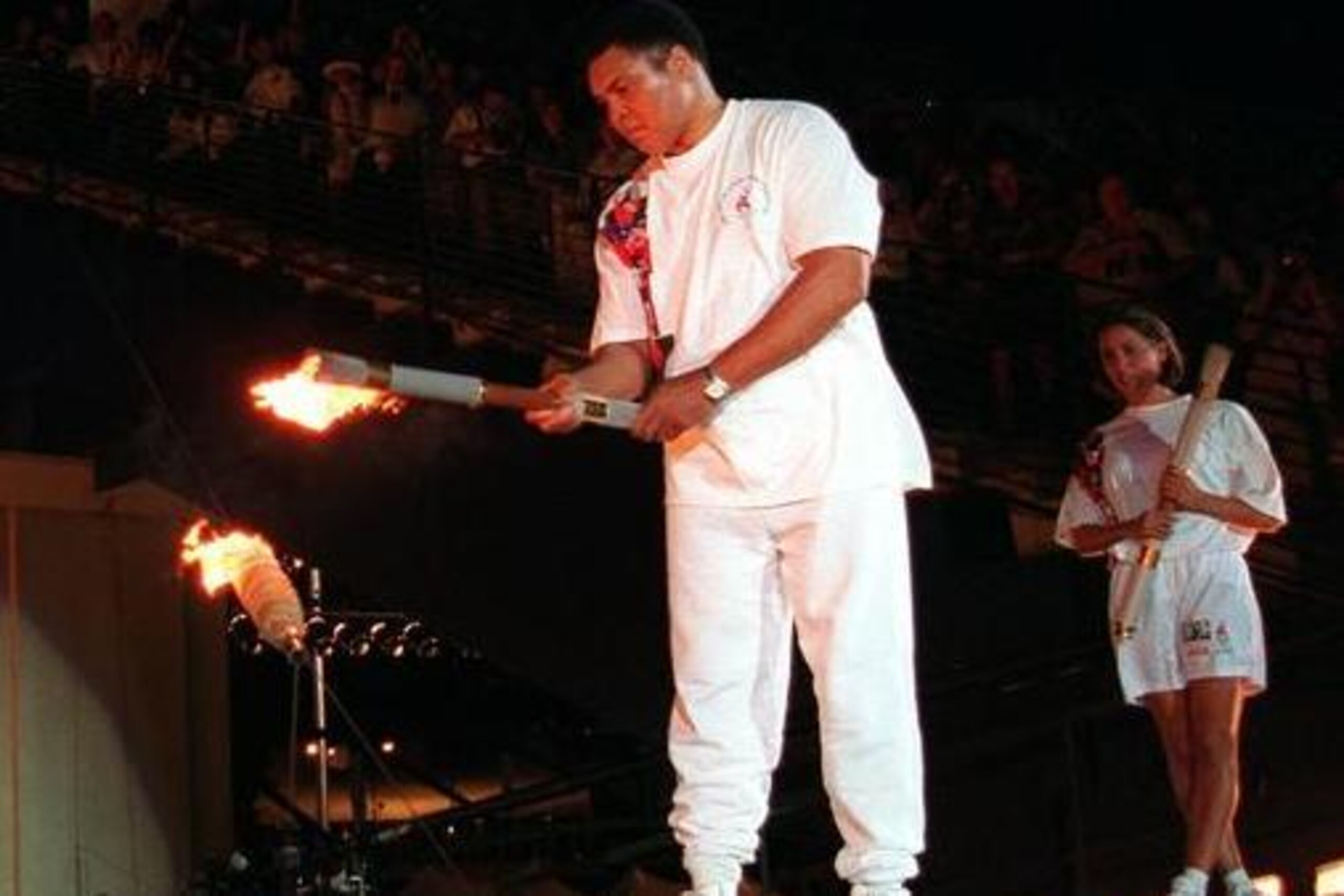
One of the ironies about the recent death of Muhammad Ali and the thundering accolades he received throughout the world is that he was a prime example of a beloved sports icon who was once hated by the public.
Back in the day, Ali’s impassioned refusal to join the Army because of deeply held principles made him public enemy No. 1, and that’s the case for other sports icons who are celebrated today but were reviled in the past.
But what makes sports in America great is that fans build their heroes, tear them down and still retain an endless capacity to forgive or to say, “Sorry, we were so wrong about you.”
Whether the fault for the "hate" lies with the sports icon or with the public doesn’t really matter. With the people that appear in this list, it’s all about the love now.
So let’s dive right into this list of beloved sports icons who were once hated by the public.
Honorable Mention
1 of 10
These sports icons haven’t quite made it all the way to “beloved,” but they’re pretty close:
Bill Laimbeer
Marshawn Lynch
Kevin Garnett
Jim McMahon
2 of 10
The "punky QB" known as McMahon was one of the most colorful and vibrant personalities in NFL history.
McMahon was the kind of guy who hated hypocrisy in all its forms.
Instead of hiding the fact that he liked alcohol, he drank a can of beer at his first press conference with the Chicago Bears, earning the ire of his coach, Mike Ditka.
When NFL Commissioner Pete Rozelle told him not to wear an Adidas headband, McMahon showed up at the next game with a headband that read, “Rozelle.”
Outside of Chicago, NFL sports fans loathed McMahon for his brash style and cockiness, and for the fact that he won and liked to remind opposing players of that fact.
That’s probably why Bill Bender of Sporting News ranked him 35th on a list of the 40 most hated NFL players of all time.
But 30 years after his legendary Chicago Bears romped to a Super Bowl title, everyone loves McMahon because of his ongoing battle with dementia (per the Associated Press via ESPN), which once had him contemplating suicide.
Seeing a kinder and gentler side of McMahon has triggered empathy among a large number of sports fans who now see the quarterback as a fighter worthy of respect and adulation.
Mike Ditka
3 of 10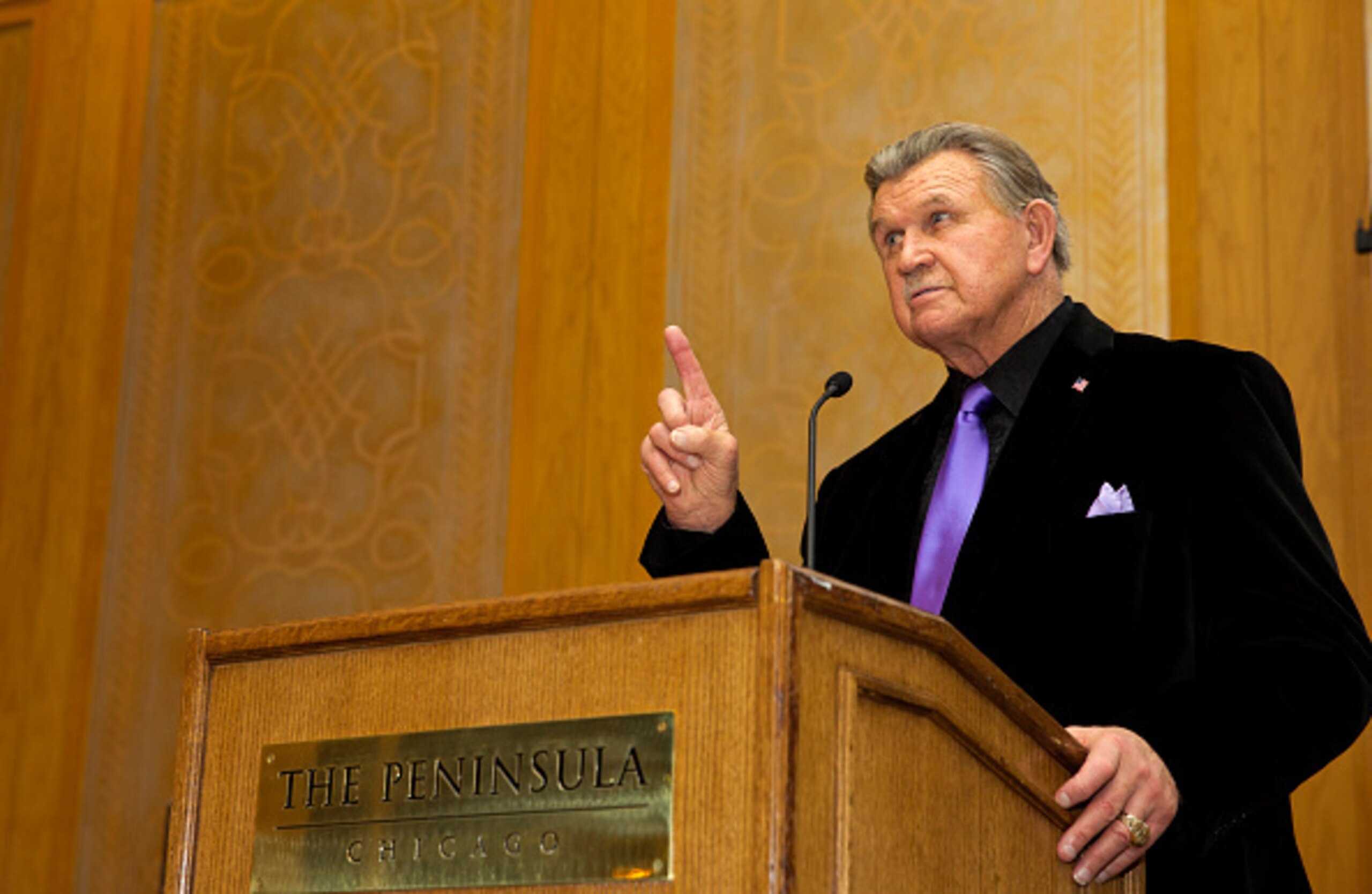
Ditka coached the same way he played tight end: tough, relentless and without an ounce of pity.
He revered George Halas’ old-school style of playing football. And his brutal honesty won him no fans, even among his own players, many of whom preferred defensive guru Buddy Ryan.
Ditka also had a contentious relationship with the media, especially when as coach of the New Orleans Saints, he traded away all his 1999 draft picks to the Washington Redskins for running back Ricky Williams.
Mike Burke of SI.com pulled no punches, ranking it as the second worst trade in NFL history.
Both the media and fans alike punished Ditka, and he never recovered from the debacle. The Saints fired him at the end of the 1999-2000 season when the team went 3-13.
That would have been the brutal end to a great NFL career as a player and as a coach, but in America, there is always the opportunity for a grand finale. For Ditka, that occurred when ESPN hired him as a panelist on its popular Sunday NFL Countdown show.
Now mind you, Ditka had no clue how to analyze a football play and was often incoherent, but he became that incorrigible, loveable uncle who said whatever was on his mind—political correctness be damned.
And he was likeable. And funny.
And then he crossed over into legendary status by blowing wind on camera, and no matter how many controversial, non-sports opinions he spouted, fans could not turn off the love for this red-faced slab of American masculinity.

.jpg?w=2560 "Cardinals Giants Football")

George Foreman
4 of 10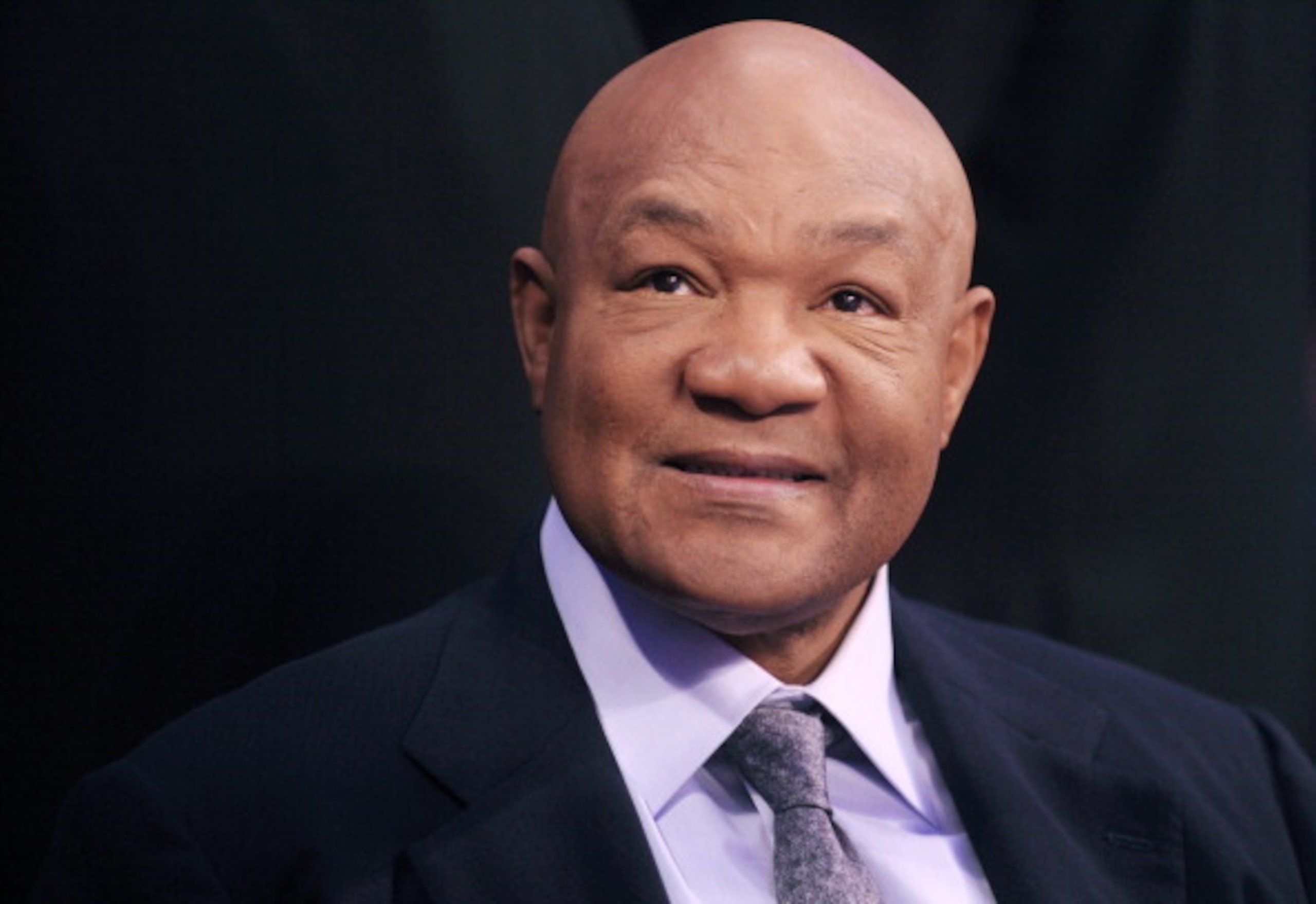
George Foreman wasn’t always bald, bear-like and huggable.
In 1974, prior to his much-anticipated bout with Ali in Zaire, Foreman was cast as the villain, and he played the part well.
Foreman was the glowering, big-punching monster who many experts thought would not only maul Ali but could actually kill him in the ring.
Ali, several years removed from renewing his career after being suspended for his stance against the draft, was the people’s champion and still the brightest light in the sport.
The world hated Foreman because he wasn’t Ali.
He wasn’t smooth. His style wasn’t elegant. His vibe was negative.
And after Ali knocked him out, Foreman spun into a whirlwind of depression and bitterness.
But then a funny thing happened.
He became a preacher, shaved his head and transformed from a mean-mug boxer who hated life to a giant teddy bear everyone loved
Then he found a miracle home grill and attached his name to it, and at one point, Foreman was earning $4.5 million a month in residuals.
And in this piece by Bloomberg, a marketing consultant described his appeal as having a “Santa Claus quality.”
The comeback was completed on Nov. 5, 1994, when Foreman knocked out Michael Moorer in the 10th round of their title fight and became the oldest heavyweight champion in history.
Larry Bird
5 of 10
Unless you were a diehard Boston Celtics fan, you hated Larry Bird.
You hated him because he defied the stereotype of a white basketball player and because he called his shot before it went into the hoop.
You hated him because he was slow of foot but deadly from outside. And he possessed sublime passing skills that was rarely seen by a forward.
Ted Mitrosilis of Foxsports.com included Bird on his list of all-time cockiest athletes, a list that included polarizing figures such as Deion Sanders and Reggie Jackson.
You hated Bird because his plodding, defensive-minded Celtics teams of the '80s were from the Stone Age compared to the acrobatics and wow factor of the Los Angeles Lakers, led by their charismatic talisman, Earvin “Magic” Johnson.
You hated him because he talked prime trash and backed it up.
But then Bird got old. His back hurt so much that he couldn’t even sit on a chair during timeouts.
We witnessed a legend become human, and it softened our hearts toward him. And his friendship with Magic Johnson showed layers to his character that we’d never seen on the court.
After his retirement, Bird worked his way up the ranks of the Indiana Pacers management and became the team’s head coach.
He was named NBA Coach of the Year in 1998 and led the team to the 2000 NBA Finals, earning respect and adulation for his cool, unflappable demeanor.
In 2013, he was ranked 30th on the ESPN Sports Poll of favorite athletes (h/t Indianapolis Business Journal), one of only six retired athletes in the top 30, including Joe Montana, Brett Favre and John Elway.
LeBron James
6 of 10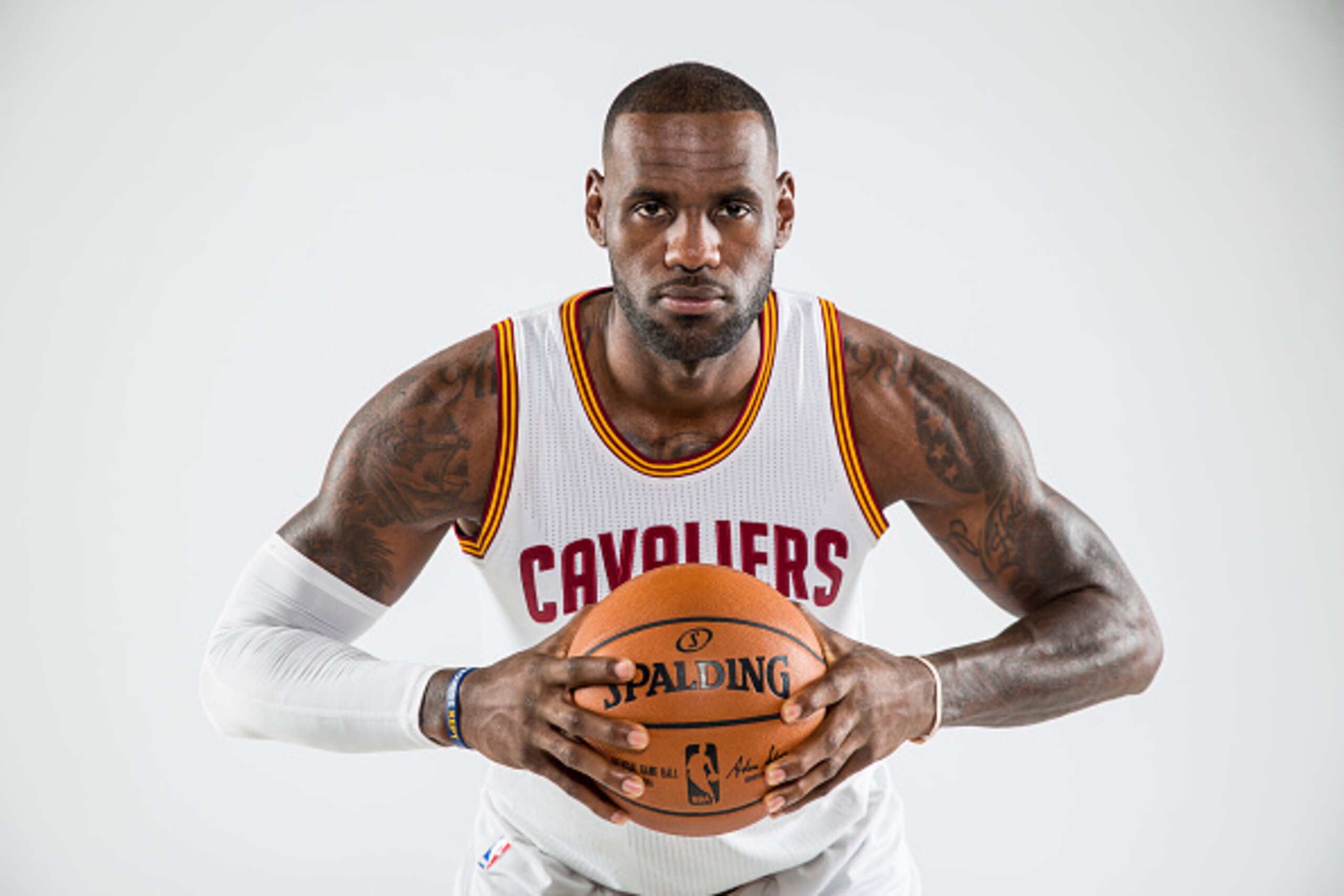
Anointed as "King James" before he played one second in the NBA, LeBron James carried a mountain on his back, and it made fans hate him for what they perceived as entitlement without justification.
The hate grew worse when James proved to be every bit the superstar experts had predicted, and fans outside Cleveland delighted in his playoff miscues and lack of championship bling.
Then "The Decision" happened.
And the hate became a nuclear mushroom cloud that destroyed Cleveland and choked every NBA city other than Miami, especially after James and his cohorts snagged two NBA championships.
So there was a certain amount of vindication by fans that detested James when the San Antonio Spurs completed a five-game thrashing of his Miami Heat in the 2014 NBA Finals.
Then James surprised many and reset his career by returning to the Cleveland Cavaliers for the 2014-2015 NBA season.
But proving he had learned painful lessons since his departure, James bared his soul to Lee Jenkins of Sports Illustrated and brought his career full circle.
Gone was the preening overconfidence and entitlement.
In their place, James revealed a maturity and insight about leaving a legacy for children who dreamed of better circumstances in his home town of Akron.
It was a measured, deeply felt justification for coming home, but it was also a promise that he was home for good.
Now James was an underdog, the unquestioned leader of a team that needed to learn how to win.
And America showed the love.
The Harris Poll named James America’s favorite sports star in 2014 and 2015, and he took second place in 2013.
And after winning the 2016 NBA Finals, James has silenced all critics, and cemented his place as one of the 10 greatest players in NBA history.
Kobe Bryant
7 of 10
The Black Mamba is a deadly snake that is aggressive when threatened.
Is it any wonder that Bryant adopted this snake as his nickname, given his highly competitive nature that is perhaps only exceeded by Michal Jordan?
Bryant was hated because he never let anyone get close enough to reveal the human side that belied the stone-faced killer visage he brought to every basketball game.
Bryant never suffered fools, and teammates, Lakers officials and opposing players were subjected to snarls, glares and trash-talk that would make even a seasoned practitioner such as Gary Payton blush.
The problem with Bryant was that he didn’t act like a lot of the black players who grew up in hotbeds such as Rucker Park in New York and the Drew League in Los Angeles.
Because Bryant grew up in Japan and Italy, his vibe was different.
He couldn’t mesh well with urban ballers who had grown up in the culture of street ball, so his defense mechanism was to fend off anyone who wanted a glimpse into his heart.
For years, Bryant has been a fixture on numerous lists of the most hated players in the NBA, and as Jack Tien-Dana of Rolling Stone wrote, Bryant’s entire game was based on conflict, whether with himself, teammates or history.
But after winning his fifth NBA Championship in 2010, Bryant’s body started to betray him.
Devastating injuries robbed him of his athleticism, and a hobbled Bryant began showing vulnerability and humor and humility.
He became like an aging monarch who oppressed citizens who finally was viewed as a human being, dragging his battered body through two season with a junior varsity version of the Lakers—the old man who deserved pity for how badly the journey had ended.
His farewell tour cemented the turnaround from hate to love as Bryant was showered with gifts and tributes in NBA arenas where he’d often been jeered without stop.
Bill Russell
8 of 10
Boston fans loved Bill Russell.
Boston fans hated Bill Russell.
Russell didn’t help matters by being surly and standoffish with fans, often refusing to sign autographs and treating the media like crap.
But that behavior was largely a reaction to the culture of racism and exclusion that defined Boston in the era in which Russell played.
Russell was a proud, thoughtful man who refused to stand down when confronted with racism and was active in the Civil Rights movement.
So even while Russell was bringing 11 championships to Boston, the fans never truly embraced him as their own, which is why he renounced the city after his retirement.
But time has a way of healing wounds, and Russell gradually emerged from his shell, becoming more involved in the NBA and revealing a warmth and wisdom that fans had never seen.
In 2009, the NBA Finals Most Valuable Player Award was renamed the Bill Russell NBA Finals Most Valuable Player Award in honor of the legendary Celtics center.
Then in 2011, Russell was given the Presidential Medal of Freedom, the nation’s highest civilian honor, completing a reconciliation with the public that took more than 40 years.
Allen Iverson
9 of 10
Allen Iverson was a cultural tsunami, a whirling dervish of a baller who brought hip-hop culture to the NBA.
But in doing so, he also alienated a large group of sports fans that could not relate to his streetwise sensibilities, backward caps and seeming indifference to being coached.
It is widely acknowledged that David Stern instituted a dress code for NBA players due to Iverson’s preferred threads of gold chains, jerseys and cornrows, which did not endear white, suburban sports fans to the NBA.
And then, of course, came the infamous video about Iverson’s aversion to practice, which earned him widespread ridicule and derision, and cemented his status as a player fans outside of Philadelphia loved to hate.
His career came to a crashing halt in 2009 after he returned to play for the Philadelphia 76ers, following stints with the Denver Nuggets, Detroit Pistons and Memphis Grizzlies.
Iverson was a broken athlete at that point, ravaged by injuries and personal issues that had derailed his career.
He retired with little fanfare and as stories began trickling out from his inner circle of domestic issues, financial problems and a general drift into purposelessness, Iverson became a sympathetic figure—a man who deserved a retrospective about the impact of his Hall of Fame career.
Justin Tinsley of The Undefeated wrote about Iverson as one of the most polarizing but seminal figures in sports history, an athlete who transcended his sport and influenced pop culture.
And Iverson’s Hall of Fame speech was emotional, funny and honest as he accepted responsibility for his flaws, and even acknowledged “the love-hate relationship that made me stronger,” referencing the media’s criticism of him during his playing days.
Having lived to feel public adoration, The Answer has no questions about whether people love him.
Muhammad Ali
10 of 10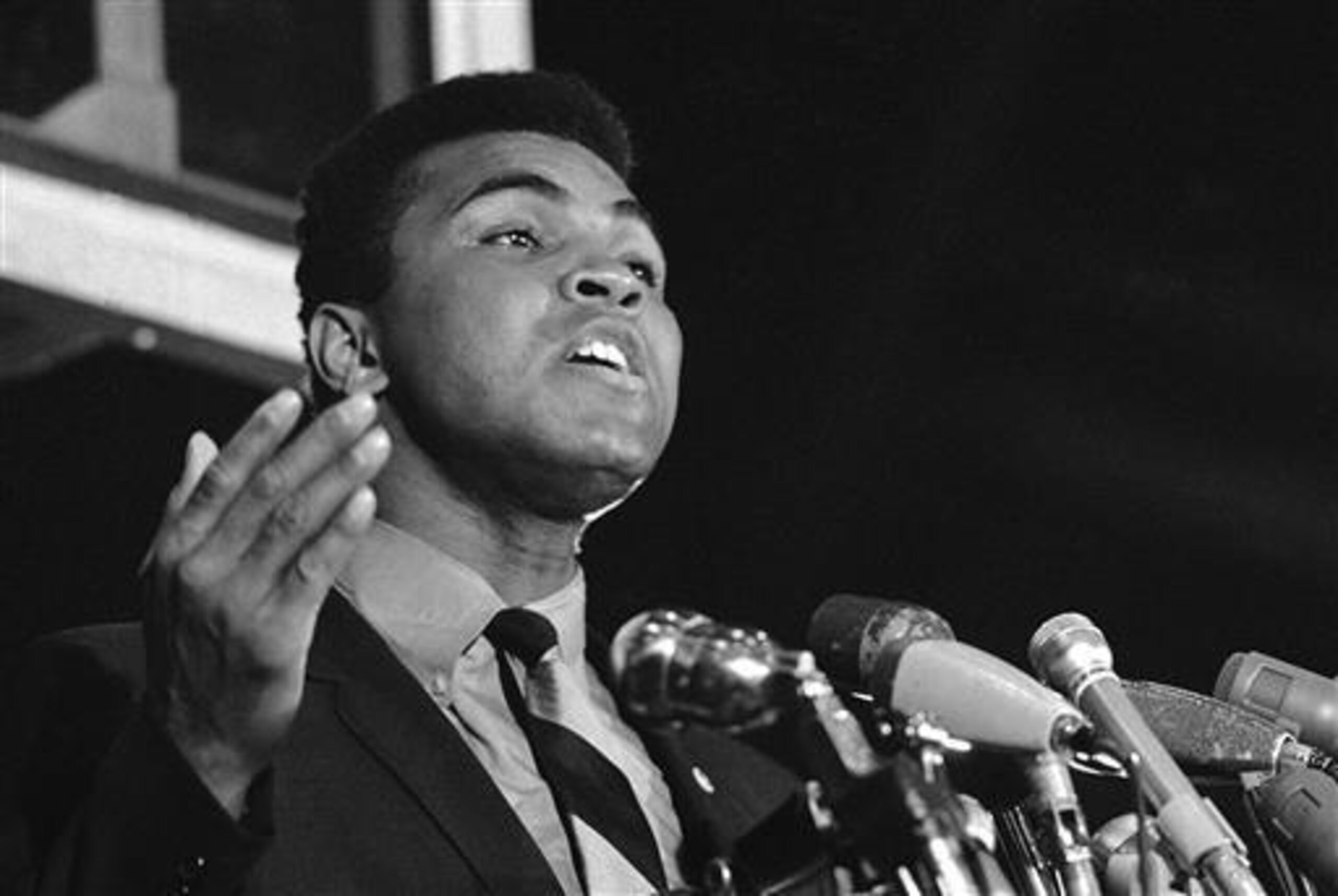
At the height of his career in 1967, Ali refused to be drafted into the U.S. Army to fight the war in Vietnam, and was sentenced to five years in prison, though he remained free on appeal.
Ali was also stripped of his heavyweight title, and three long years in the wilderness followed, along with public recrimination and hate from millions of Americans who saw Ali as a draft dodger who wouldn’t serve his country.
But after Ali’s boxing license was reinstated in 1970, he began a comeback that captivated the attention of the public.
Part of the fascination with the boxer’s return was that he had clearly lost a step, which made him an underdog, a position he had not experienced since his first title bout with Sonny Liston.
His speed was the first casualty of his suspension from boxing, which left him vulnerable to punches from opponents.
He lost to heavyweight champion Joe Frazier in March 1971, a fight many consider one of the greatest in boxing history.
By 1974, Ali was ready to challenge the fearsome George Foreman for the heavyweight title, but no one thought he had a chance.
And thus Ali set the stage for one of the great upsets in sports history, and buoyed by the love and support of fans throughout the world, he knocked Foreman out in the eighth round, and recaptured what had been taken from him by a court of law.
In an ESPN retrospective, Larry Schwartz called Ali one of the most popular and loved men in the world, and his death in June resulted in a celebration of his life as perhaps the most famous and influential sports icon of all time.
.jpg?w=2560 "Hill Injury Update Football")
.jpg?w=2560 "Titans Giants Football")
.jpg?w=2560 "Tyreek makes another cryptic post amid Chiefs rumors")



