Is Rio 2016 as Good as It Gets for Team GB at the Olympic Games?
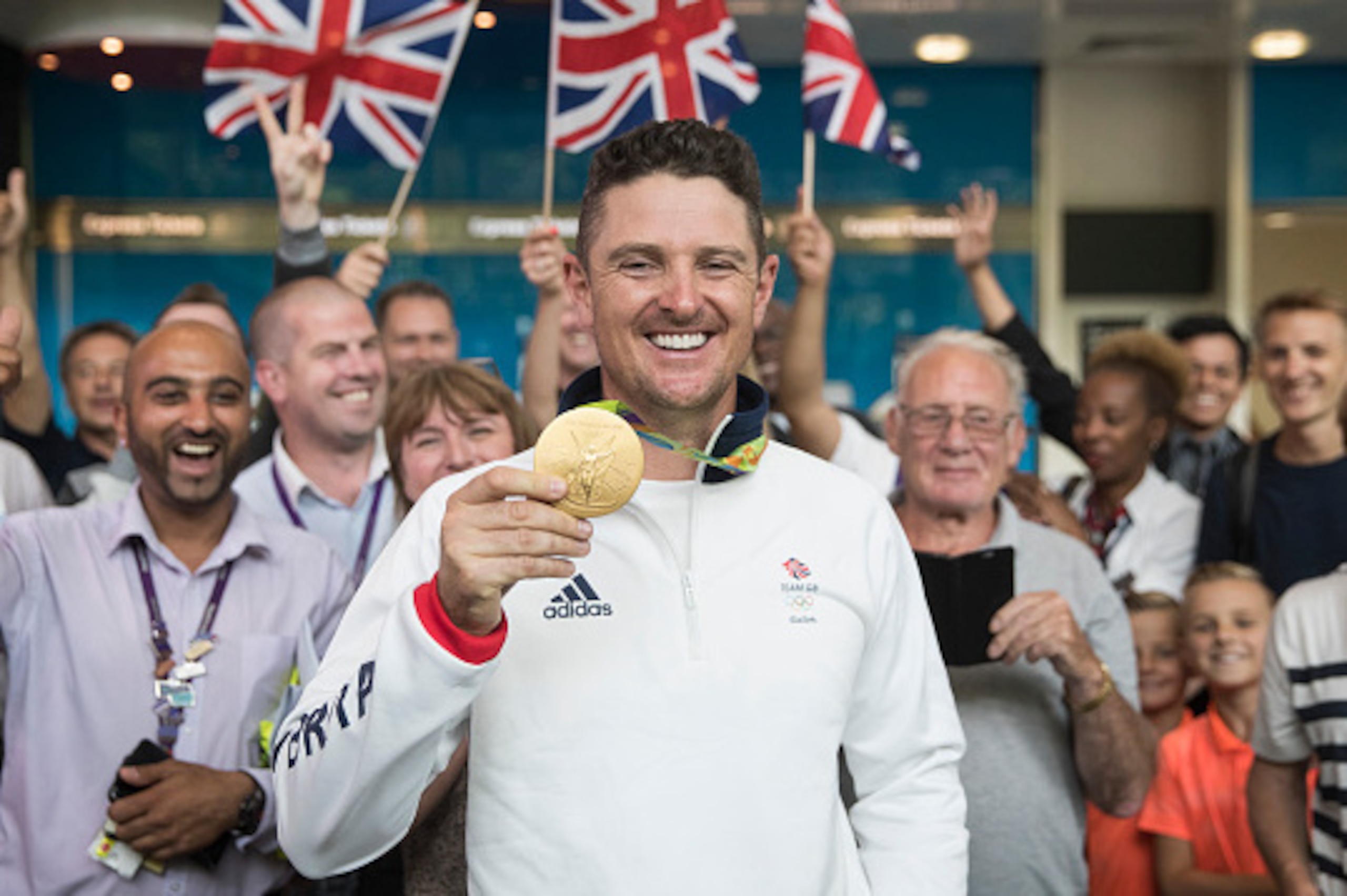
With 19 gold medals to their name, the 2016 Rio Olympic Games is already the most successful overseas Olympics ever for Great Britain.
Team GB currently sit second in the medal table behind USA, with 50 medals and counting. That total is completed by 19 silver and 12 bronze added to those golds.
Like the 2012 London Games, it's been a formidable performance from the Brits. But on foreign soil, this was never expected. The hope was that Team GB could go some way in repeating their form from four years ago, yet at this rate, they may well even surpass what they achieved in London: 29 gold, 17 silver and 19 bronze for a total of 65 medals.
TOP NEWS

New NFL Power Rankings 📊
Report: MLB Investigated Sonny Gray

Refs to Challenge NFL Suspensions
It's all meant that British sport hasn't felt so healthy. In a variety of sports we are seeing British champions, and they're even making their way into sports where they have traditionally struggled. Take diving and gymnastics, where gold medals have been won for the first time in Rio.
The success of gymnast Max Whitlock and diving pair Jack Laugher and Chris Mears has broken new ground for Britain. The success they have enjoyed has been incredible and helped gather momentum.

We've also seen the unbelievable exploits in the velodrome as Britain dominated track cycling. From a possible 10 golds that were available, Team GB took six. In total they racked up 11 medals on the track—which is over 20 per cent of Britain's haul to date.
To emphasise how impressive the Team GB cyclists were, no other country won more than two medals inside the velodrome. They were well and truly blown away.
For all this success we're seeing Britain reveling in now, it raises the question of how else they can improve at the Olympics. For a country with a population of 60 million, there's only so far Britain can go, regardless of funding.
Already they seem to be punching above their weight with the resources available. Against the might of China and the U.S, Britons are making a name for themselves.
They do have a problem moving forward, though, in that the Olympics are largely made up of sports that sit outside of the mainstream. They take a particular set of skills to develop and become a champion, and Britain can't keep unearthing them every four years or so. The law of averages tells us it can't happen.

Niche sports are always competing with the attraction of those with more profile, such as football, tennis and rugby. Forget about at an elite level, it's at a grassroots level where the next Olympic champions are going to be discovered, and with so much interest in those popular disciplines, it whittles down the talent pool that sports can select from.
Despite being the success it is, cycling will always have to fight hard to feed the next generation. To reach the top takes so much dedication and physical endeavour that transferring interest into something tangible is difficult. And whereas football fans can pick up a ball and get training, cycling requires much more investment.
The same goes for diving and gymnastics, where Britain continue to improve, but are not as well-stocked as some of the other countries they compete against.
Gold medals have also been won in athletics, tennis, golf, canoeing, rowing—where Britain have been traditionally strong—equestrian and sailing at Rio. Aside from the first two on that list, attracting enough rising sportsmen and women to take up the discipline is an arduous task.
There's the question of funding but also a desire from individuals. To be a top canoeist requires complete dedication; the athletes aren't paid the vast sums we see in other sports, and outside of an Olympic year, the truth is that it barely registers with the public.
With so much competition in other sports where Britain haven't medaled, the competition is tough. There are even sports where they are not represented at Rio, such as basketball and handball.
In order to grow as an Olympic power and even consider challenging the U.S. and their dominance in the medal table, it's those sort of sports where Britain must not just improve, but create a culture for domestically. It's from there that success can be harnessed.
But how far can one country grow? How much can they squeeze from a population that is already seemingly producing more champions than should be expected?
Is Rio as good as it gets for the Brits? Are we witnessing a moment in time that will go on to define British sport for generations?
It's going to be a tough Olympics to beat, that's for sure.



.jpg?w=2560 "Weather Channel Trolls Texans-Titans 💀")

.jpg?w=2560 "Report: Seahawks Not Signing Mixon 😯")