Rio Report: The Environmental Message of the Olympics Is Heavily Contrived
OLYMPIC PARK, RIO DE JANEIRO — From the very outset of these Olympic Games, a message of environmental awareness has been spread.
At the Opening Ceremony, the carnival celebrations, Parade of Nations and the sight of a supermodel walking in a straight line across the Maracana were contrasted by warnings of the perils of climate change. Those expecting lighthearted South American festivities were shown melting ice caps, rising sea levels engulfing cities and reminders that the Amazon helps reduce carbon dioxide levels.
When the Olympic rings were finally revealed, they came in the form of blossoming trees, rather than the colours that represent the flags of every competing nation:


.jpg?w=2560 "Seahawks Chiefs Football")
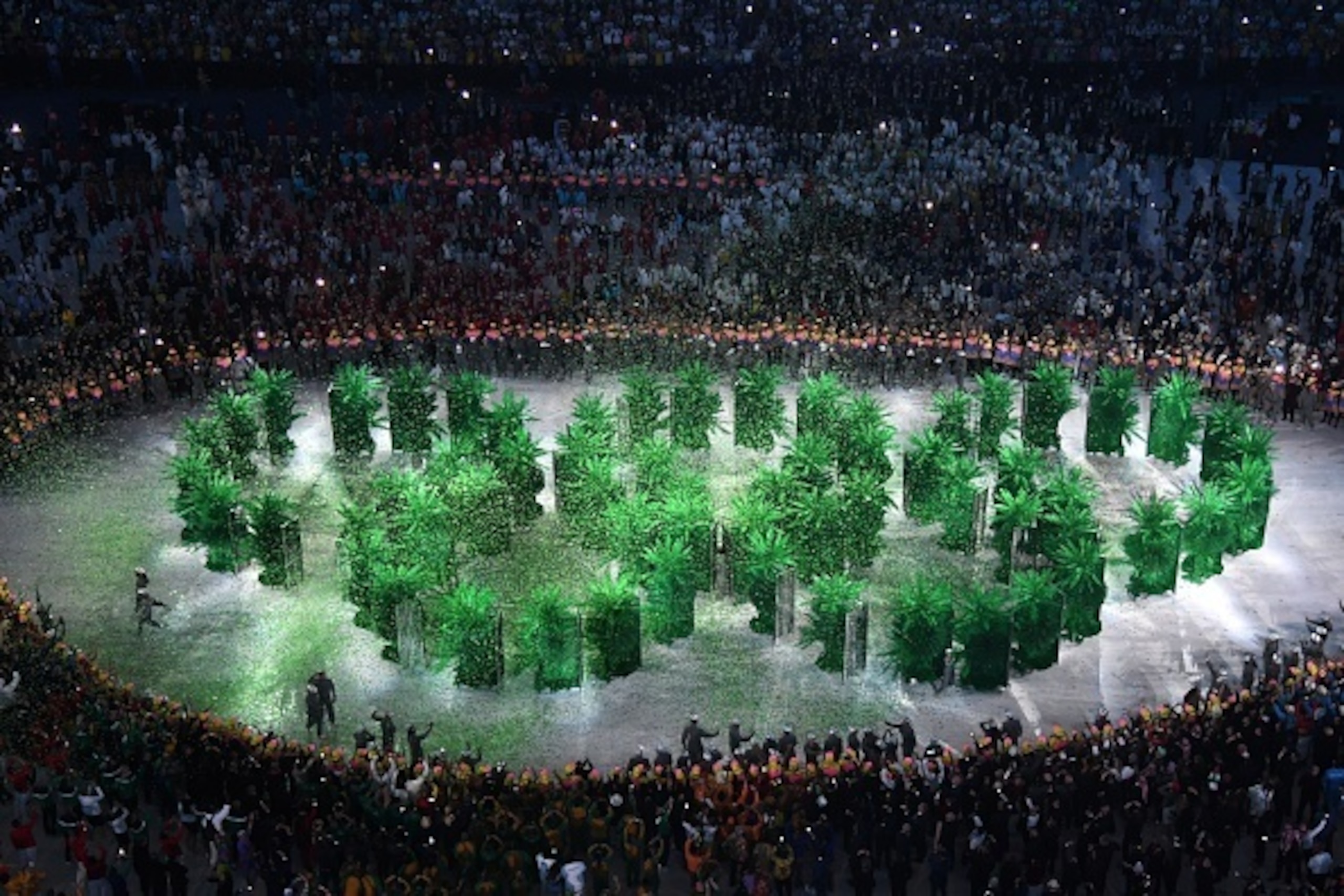
Even the cheap-but-effective opening ceremony itself could be regarded as an environmentally conscious decision.
There are plenty of ways in which Brazil shows its green credentials. The nation has a thriving biofuel industry, with many cars running on either pure sugarcane-based ethanol, or a petrol blend. Brazil is the largest sugarcane ethanol producer in the world, and, thanks to government incentives, most of it is put into the fuel-efficient European-style cars that rule the roads.
There are small signs of environmental awareness everywhere: At the petrol station opposite my hotel, even the lighting is made from recycled Coke bottles.
Olympic organisers have also encouraged several green initiatives. According to Inhabitat, 100 percent of spectators and workers will use public transport, none of the meat served is taken from deforested areas, and organic waste is being composted.
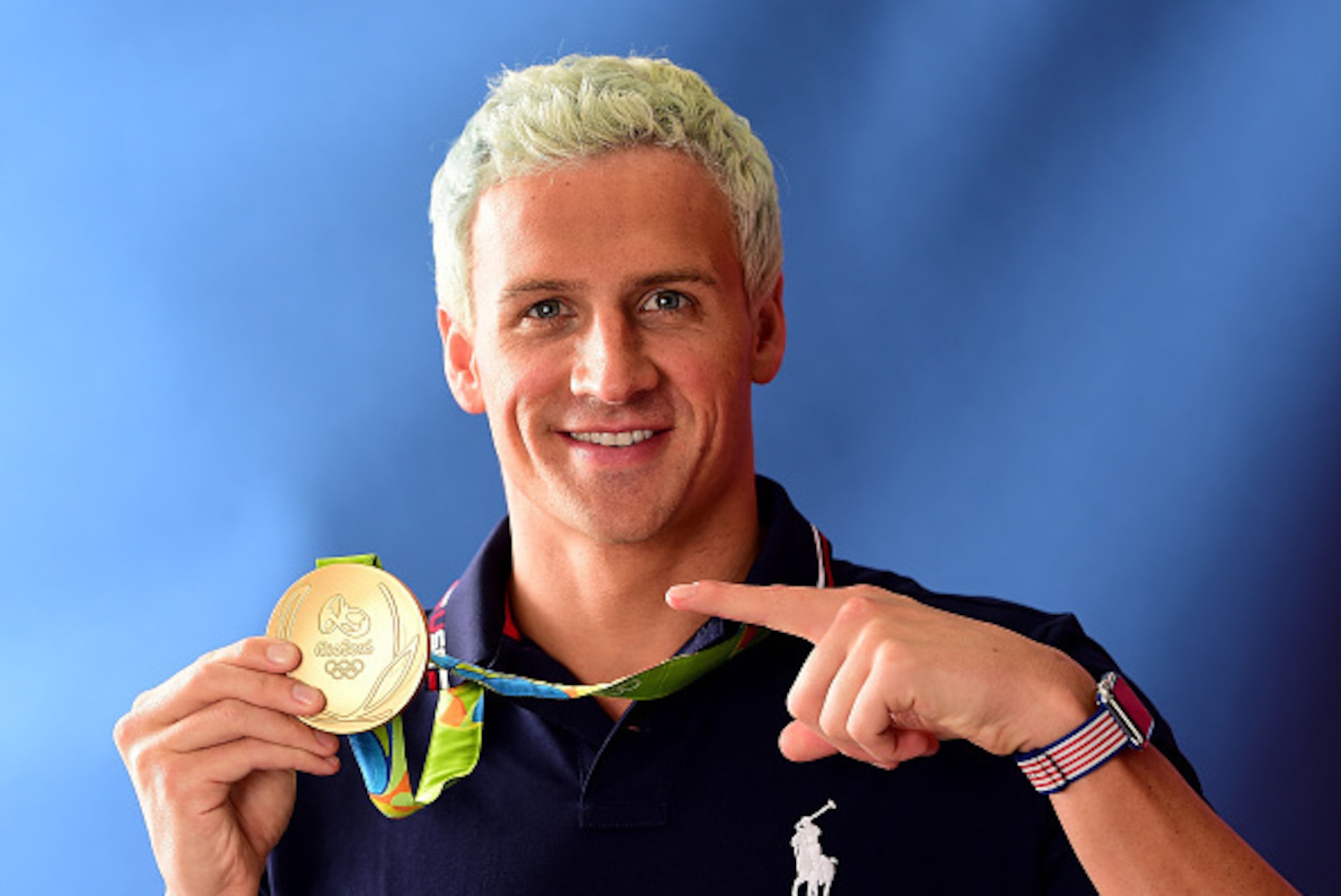
Even the prize medals are made of 30 per cent recyclable materials and the ribbons made partially from plastic bottles. The tradition of giving medal winners flowers has also been scrapped for environmental reasons, and the organisers boast of several green initiatives for the legacy of the Olympic venues: The Future Arena (used for handball) will be broken down and reused to construct four public schools in the city, while the golf course claims to have created 44 hectares of natural habitat for the hundreds of creatures that populate the Marapendi Natural Reserve.
These all sound like wonderful initiatives, but in reality, the environmental message of the Games is contrived.
An event on the scale of the Olympics has a tremendous environmental impact. According to Mashable, organisers estimate the venues will use around 29,500 megawatts of electricity, while official vehicles, including 1,500 buses for athletes and staff, will use 23.5 million litres of fuel. That’s enough to fill up 500,000 Honda Civics.
Furthermore, the Games will create 17,000 tonnes of waste, and 6,000 tonnes of food will be prepared. Then, there’s the 28,500 athletes and staff who have arrived in Rio by plane. A large proportion of the 500,000 visitors to the Games will also have walked their carbon footprint through the airport.
In total, it is estimated the Games will emit 3,600,000 tonnes of CO2. That’s more than the entire European Union was responsible for in 2014.
Doesn’t it seem a little puzzling for an event with such a devastatingly large environmental impact to preach to the world the importance of being green?
Organisers have offered plenty of solutions for the “sustainability challenges” identified here, but they cannot offset a carbon footprint on this scale.
Besides, there is a difference between suggesting environmental initiatives and executing them. This, for example, is the recycling system in the Olympic media building:
A message of environmental concern also seems rather galling in a city that has clear problems with water and air quality.
The Lagoa de Jacarepagua is the body of water that surrounds two sides of the Olympic Park. It is picturesque from afar, but closer inspection shows a black, sludgy water. Its stench can be quite overpowering, particularly when it rains.
Walking past the tributaries that run from the lagoon is an almost unbearable experience thanks to the smell. There are few mosquitoes in Rio as it is winter, but they can certainly be found in the foul-smelling standing water that sits just yards from the Park entrance.
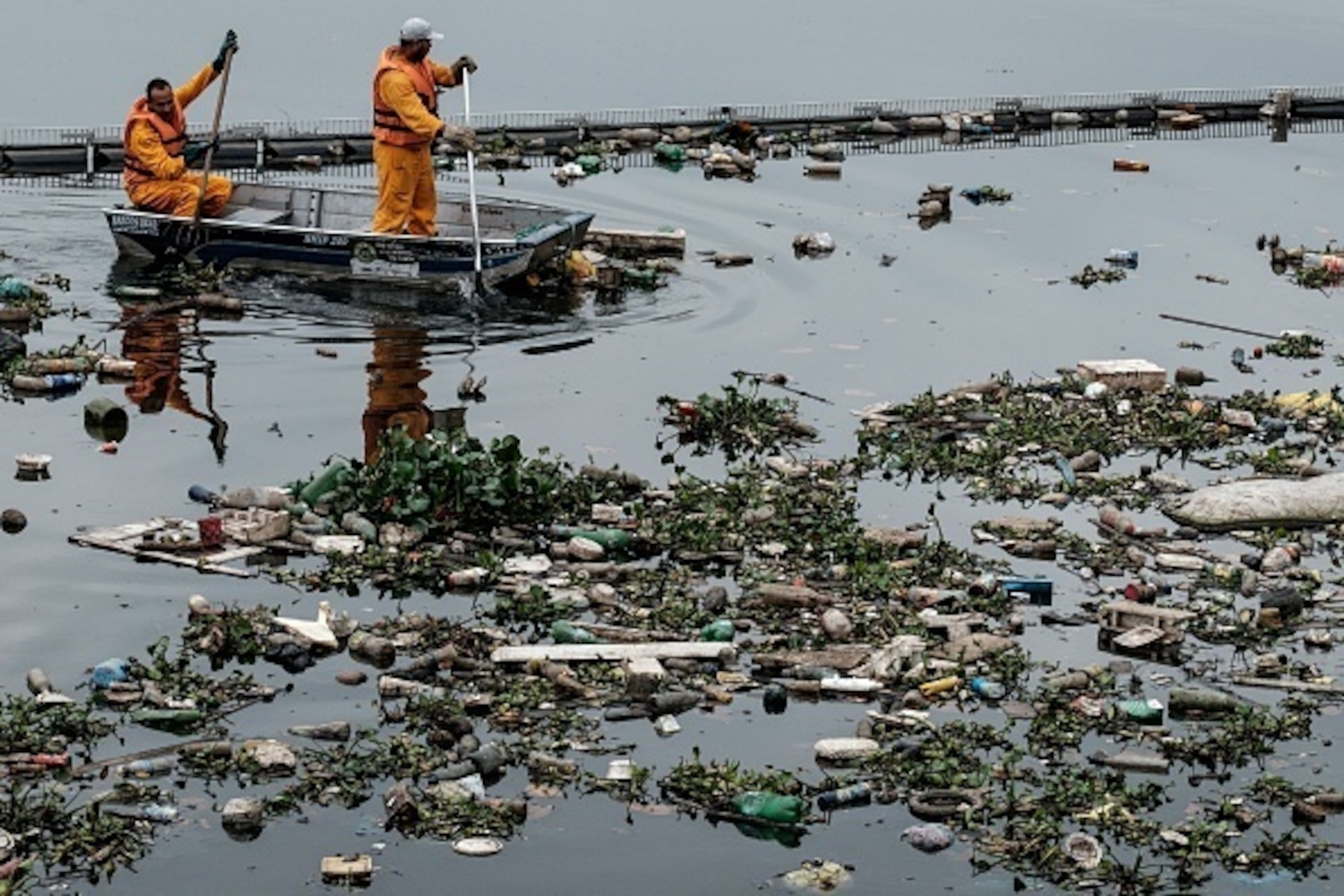
And, of course, much has been made of the water that the sailors, rowers and open-water swimmers will be subjected to. According to the Associated Press (via CSMonitor.com), the rowing venue gave readings of 248 million adenoviruses per litre in June 2016. In California, water is considered unsafe if viral readings go into the thousands per litre.
"Canadian sailors worry about 'disturbing' water quality in Riohttps://t.co/fhMjD9x8J5 pic.twitter.com/cqd8QUFCUz
— Hesham Shafie (@hesham1) August 3, 2016"
According to Gabrielle Parent-Doliner of Swim Guide, "Some authorities say there is 100 per cent risk of getting violently ill from contact with Rio’s water." This may be an exaggeration, but the Belgian sailing team are blaming the water for keeping them off the podium: CBS reports sailor Evi Van Acker has contracted a severe intestinal infection, which the team doctor believes to be a result of competing in Guanabara Bay.
And it is not only the water posing a threat to athletes and spectators. The Independent reported on a study that claims the air quality is more deadly.
For many years, Rio has surpassed World Health Organisation lists for air pollutants, which reportedly cause thousands of deaths annually. “This is definitely not ‘Olympic air’,” a university pathologist told the Independent.
The Olympic Games preaching to the world about the dangers of pollution is like the Premier League preaching to the world about the dangers of high transfer fees.
It is a well-intentioned message, but Rio needs to practise what it preaches.



.jpg?w=2560 "Latest Peyton-Colts Rumors")