
Simone Manuel Hopes Her Gold Medal Moment Will Transcend Olympics
RIO DE JANEIRO — She walked through the dark of night, striding through the quiet of the Olympic athletes' village. The clock was approaching 2:30 a.m. Friday, and Simone Manuel, her shiny new gold medal around her neck, gently opened the door to her room.
She didn't want to wake her roommate, Katie Ledecky, who in less than 18 hours had her own date with history. Manuel tiptoed into room. But then Ledecky leapt out of bed and threw her arms around her roomie, who earlier that evening had won the 100-meter freestyle to become the first African-American woman to capture gold in an individual swimming event—and the first American to win the 100 free since 1984.


"I'm so proud of you," whispered Ledecky, whose voice was hoarse from the screams she had belted out during Manuel's race.
Manuel then carefully folded the ribbon around her medal and placed it in a dresser drawer. She crawled into bed and closed her eyes—reliving every moment of the best night of her life, the night she became an Olympic pioneer.
"We want to dissolve the black swimmer stuff," said Manuel, 20, a junior at Stanford. "I deserve to be here, and I deserve this medal. Swimming has no color. I hope I can be an inspiration to other young black swimmers. I hope there comes a time when there are more of us and it's not 'Simone the black swimmer.'"
Here is a sobering fact: According to a 2010 study by the University of Memphis that was commissioned by USA Swimming, 68.9 percent of African-American children possessed "no or low swim ability." The number for whites was 41.8 percent. And according to USA Swimming, African-American children drown at a rate that is three times higher than Caucasian children.
Simone's parents, Marc and Sharron Manuel, were aware that pools presented a death trap for far too many African-American children. So they put their youngest child into swimming lessons at a pool near their home in Sugar Land, Texas, located about 20 miles southwest of Houston, when she was seven.
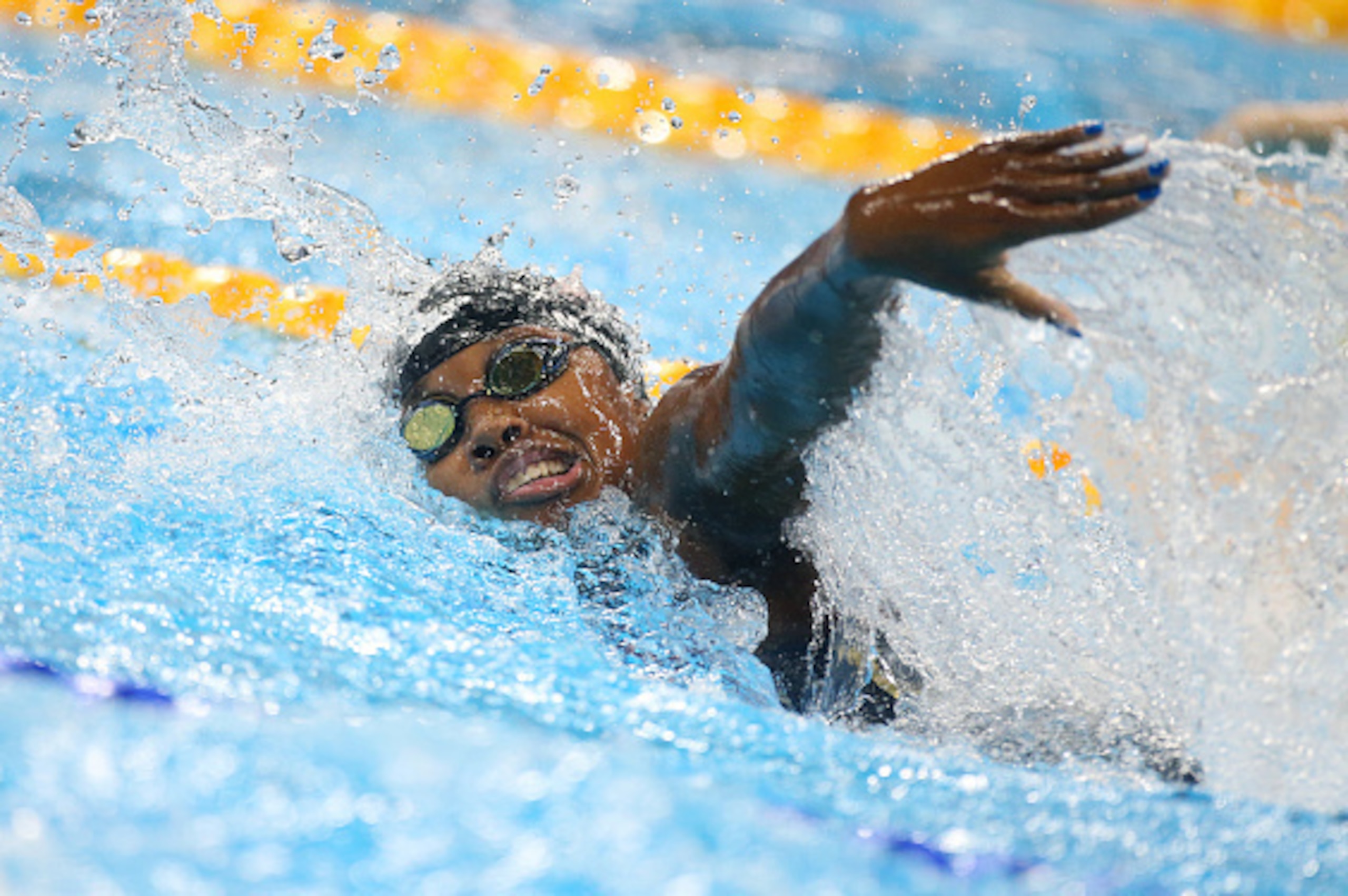
"It's hot all the time in the summer, and we wanted Simone to be able to go to the pool to enjoy herself and not be at risk of drowning," Sharron Manuel said. "She then got into a swimming league. She always had a natural affinity for water."
One afternoon when Simone was 11, she returned home from school and asked her mom why there weren't more girls who looked like her in swimming.
"That's a good question," Sharron replied. "I don't know. Let's look it up."
The two then sat down in front of computer and searched for answers. They learned that during the era of segregation, African-Americans were routinely denied entry into pools. They read that pools largely were not built in African-American neighborhoods and that in recent times, municipal pools have been increasingly closed.
Examining the articles with her daughter, who already was flashing staggering potential as a swimmer, Sharron began to understand Simone could turn into a trailblazer.
"That was the moment," Sharron said, "she realized she had a bigger role to play in what she was doing in the sport of swimming."
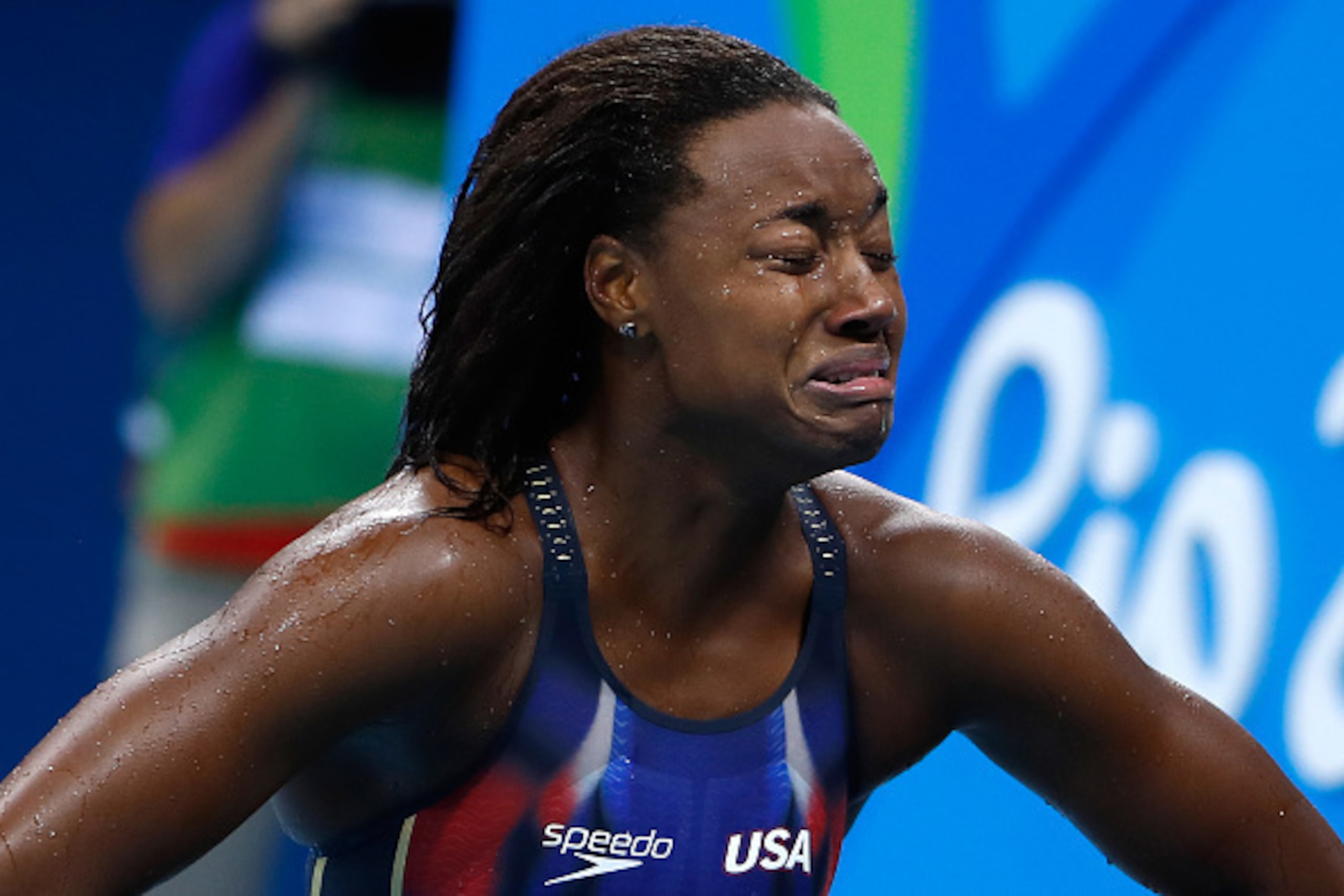
Simone's victory set Twitter ablaze. She trended worldwide. LeBron James and Serena Williams sent her congratulatory messages. And scores of African-American parents posted pictures of their young daughters proudly watching Simone atop the victory podium, tears cascading down her face.
"It was a great moment, but I still have work to do," Manuel said late Friday night as she walked toward the practice pool at the Olympic Aquatics Stadium. She had just qualified for the final in the 50-meter freestyle, which before the start of the Games was considered her strongest event. (The race is set for 9:03 p.m. ET Saturday.)
"I want more," she said. "Not just for me but for everyone who looks like me."
.jpg?w=2560 "LA Premiere of \"Chad Powers\"")



.jpg?w=2560 "Landing Spots for Trade Candidates 📍")
.jpg?w=2560 "Ugly Jets Scoring Stat 😳")