Is Gymnastics Among the Most Undervalued Team GB Sports at the Olympics?
In a week where the UK sports headlines have been dominated by the lavish spending of Premier League football clubs Manchester Untied and Manchester City, gymnastics went some way to stealing the limelight, if only for a moment at the Rio 2016 Olympic Games on Tuesday.
As the women's team event drew to a close, we were treated to some truly phenomenal displays, notably from USA's Simone Biles. It was the American's stunning floor routine to close out the event that wrote the headlines, sealing her country gold, with Russia and China coming in second and third, respectively.
After winning bronze at last year's World Championships in Glasgow, Scotland, Team GB's women had to settle for fifth place this time out. It wasn't for want of trying that they couldn't secure a podium finish but more because of the high level of competition Britain faced.
.jpg?w=2560 "Seahawks Chiefs Football")


Not since 1928 have Team GB medalled in the women's event, so coming as close as they did was a big reward for the development we have seen in British gymnastics in recent years. GB are back competing at the highest level, pushing China all the way for that elusive bronze.
The problem the British women face—along with their male counterparts and other countries competing at the Olympics—is that their sport sits on the fringes of the mainstream back home. Gymnastics clubs throughout the country are relying on government grants and lottery money to keep running, and that in turn can damage the prospects of talent coming through, as there isn't enough of it.
Gymnasts can't train as much as they would like in order to compete with the elite, and a lack of funding also puts a strain on the coaches who are plotting medal pursuits.
And when it comes to corporate funding, the competition is vast. If the GB gymnasts thought Biles and the rest were tough enough opponents in Rio, back home they face the might of the Premier League and other sports chasing those lucrative endorsement deals.
Being the national sport, football wins out in most cases. It's why two clubs can spend the best part of £140 million on two players without barely feeling the hit. Budgets of that magnitude would ensure British Gymnastics ran handsomely for some time yet; it could even come close to guaranteeing medals at the Olympics.
Football is a unique beast, and the money flows that way because of the interest it commands. Fans will invest their time and emotion into a football club for the experience they get back from it.
Watching on as Team GB battled for supremacy in gymnastics, it makes you wonder if the sport is one of the most undervalued at the Olympics.

Here are some of the world's finest sportsmen and women—Team GB's men are themselves supremely talented—but ask the average sports fan on the street, and they will be hard pressed to name one. Regardless of all that talent, their exploits go largely unnoticed.
It shouldn't be like that, but it is. For all the interest Team GB's gymnasts will get in Rio, the focus will soon shift come the end of the Games, which is a crying shame.
When a country produces talented sports stars of this magnitude, they need to be celebrated much more often than they are. They need to be given the exposure to build on their success and build foundations for subsequent generations.
Claudia Fragapane put in a wonderful floor routine on Tuesday. The flips and choreography—yes, we know we're talking as naive observers here—were a testament to the days, weeks and months—years, even—that she has dedicated to her craft. To perform the way she did takes total commitment; it takes sacrifice; it takes desire.
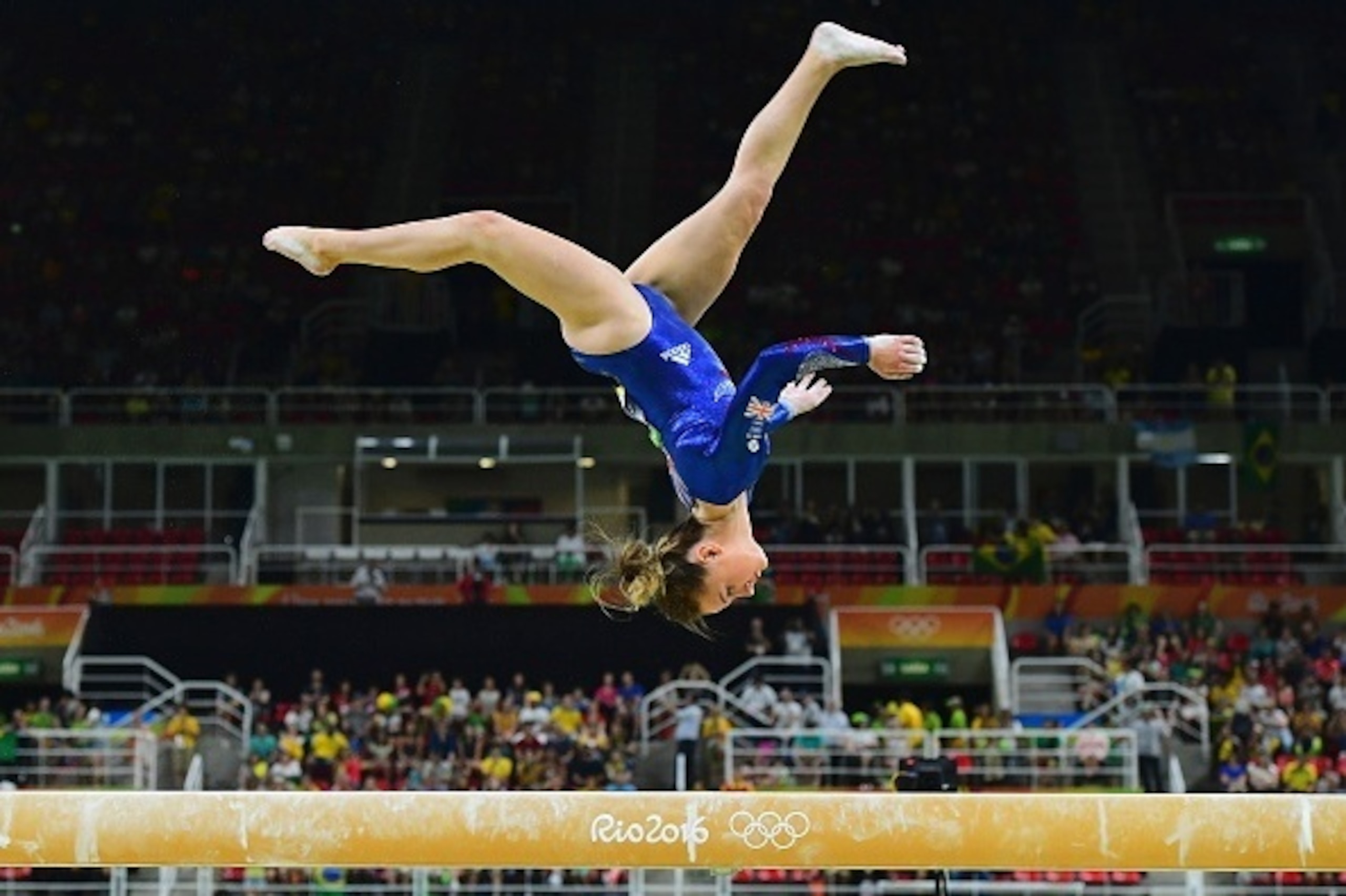
The same goes for her team-mates Ruby Harrold, Amy Tinkler, and sisters Becky and Ellie Downie. We shouldn't forget the men, either, who themselves narrowly missed out on a bronze medal in the men's team event on Monday.
Louis Smith, Max Whitlock, Kristian Thomas, Nile Wilson and Brinn Bevan are at the very top of their sport, competing with the best and not being too far off enjoying success.
If we're looking for popular comparisons, they are the Harry Kanes and Wayne Rooneys of gymnastics in Britain. They're the star attraction, only they're not getting anywhere near the exposure they should be.
We can argue that gymnastics is niche by definition, but then look at the sport; the routines and disciplines are there to be marveled. As much as fans will celebrate a wonder strike in football or applaud a bit of skill, Rio 2016 has shown us gymnastics offers something on the same level.
Watching Whitlock and Smith on the pommel horse is fascinating. Their routines are about the focus of one man, his battle not to slip or allow a trailing leg to kick the apparatus.
It's gripping; the tension is incredible as you watch on in hope that each gymnast completes it without error. Of course, feeling partisan, those emotions flip completely when it's a Russian or Japanese gymnast in action; rather than hoping for success, you find yourself cheering in the hope of the slightest hiccup that will empower Team GB's chances.
Still, when the routine is performed to the high standards we're expecting, applause soon follows. Those partisan feelings are gone; you're left reveling in the beauty of it all.
"The British have performed fantastically well. There have been a few ups and downs in the championships but they have not let it affect them," said BBC Sport pundit Christine Still at the conclusion of the women's team event.
"They have carried on fighting right through and gave a great performance today. What a fantastic final, some great gymnastics going on. This has been truly great."
Hopefully those sentiments will be echoed by British sports fans, as gymnastics most certainly deserves it.