Mission to Cheat Paralympians Is Russian Doping Scandal at Its Worst
Brad Snyder was lying there, dead. That's what he thought, anyway. There was no blood, but he knew the bomb had blown up in his face. So he must be dead, right? It was September 2011, he was on the bomb squad for the United States Navy in Afghanistan searching for IEDs and then...
"It was my fault," he said. "I had a metal detector in my hand. I was going too fast."
He stepped on the bomb, which, he said, was housed in a milk carton in tall grass. He lost both eyes. And while still in the hospital, the former collegiate swimmer for Navy was approached by someone who said, roughly: Sorry to rush you, but would you be interested in trying out for the Paralympics? If so, we need to get going now. Deadlines.


Snyder tried it. And he made it. And now, he'll compete in his second Paralympics, to be held in Rio de Janeiro following the Olympic Games.
But here's the news about that competition: The entire Russian Paralympic team—all sports—was thrown out of this year's Paralympics on Sunday because its athletes were part of the country's systemic doping.
Think about this: The Russians were trying to cheat Brad Snyder, who turned to the Paralympics for "day-to-day meaning." For Snyder, the Paralympics "allows [injured military personnel] to redefine 'purpose.' What is a person if you don't have a purpose? People who don't know what they're trying to accomplish out of life are lost. And that's the biggest struggle in the veteran community."
There are probably hundreds of stories as touching as Snyder's in the Paralympics. The Russians were trying to cheat all of those athletes. Seth Jahn, too. He's a former U.S. Army soldier who was deployed three times to Iraq and Afghanistan. His truck went off a cliff during a fight with the Taliban. He was told he would never walk again. Now, he's a Paralympic soccer player.
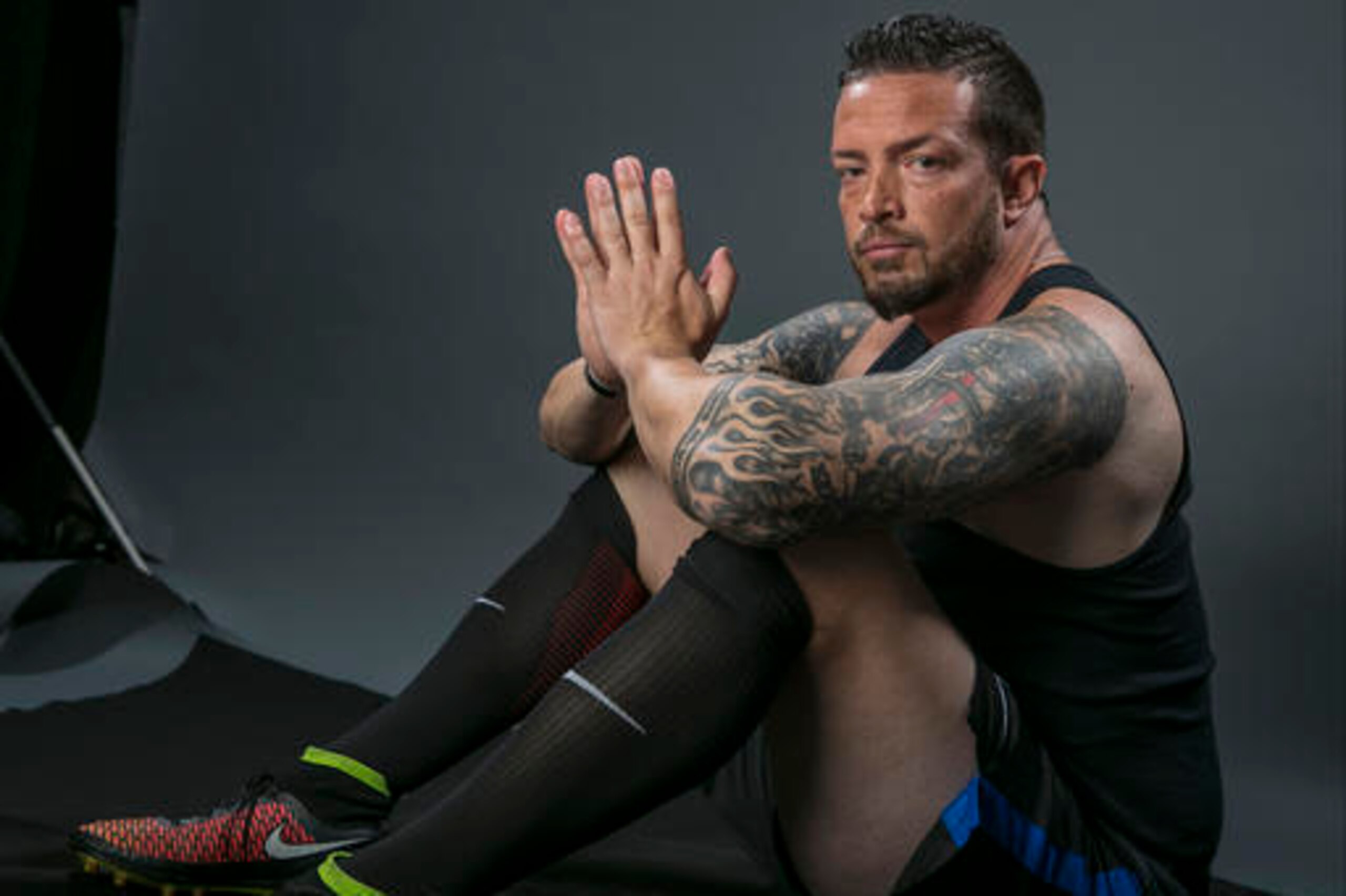
"I love that," Jahn told Bleacher Report this spring when Snyder's comments about finding purpose in sports were relayed to him. "I love that guys have that. There's 22 veterans that take their lives every day. They lack that sense of purpose they had. They were rock stars in their community doing things people watch on movies. Now, what made them who they are is stripped from them."
Look, we know there's rampant cheating in sports. The entire Russian Olympic track and field team was kicked out of these Olympics. It's tempting for athletes to cheat. So it shouldn't be all that shocking to know there are athletes willing to go too far in the Paralympics, too.
But in this case, it was the entire Russian sports federation doing this. And it is particularly outrageous to think nationalism is so important you would enable your athletes to cheat to beat someone who already has to deal with a disease, a disability, an injury.
This is not a U.S. military story. Years ago, I met a Paralympic swimmer named Diane Straub who wasn't from the military. She had lost her leg in a motorcycle accident and had grabbed an exposed artery while yelling for someone to go get her leg. In the course of her recovery, she not only pursued the physical fitness necessary to be a Paralympic champion but also applied herself academically, becoming a doctor.
Imagine cheating her. It's not that Olympic athletes don't make sacrifices. But...
International Paralympic Committee President Philip Craven, according to CNN's Marilia Brocchetto and Thom Patterson, said Russia had "catastrophically failed its para athletes. Their medals-over-morals mentality disgusts me."
Of course, not all of Russia's Paralympic athletes were doping, so the clean ones are victims, too. But according to the Guardian's Owen Gibson, the findings from a corrupt Moscow lab included 35 "disappearing positive samples" from Paralympic athletes from 2012-15.
And that just seems more personal somehow than cheating for the Olympics. You'd think at some point, conscience has to kick in.
"We come back and I used to be a bomb technician in Afghanistan and I was doing these crazy and incredible things," Snyder said. "And then I come home and I'm stuck to my bed and I don't know what I'm doing. Then, OK, 'My purpose today is to go to swim practice and swim 5,000 meters and do that as hard as I can.'
"'And my purpose tomorrow is to do the same thing. And all of that is to become a member of Team USA so that I can go to Rio and compete.' It allows me to have that day-to-day meaning. I've rebuilt my sense of purpose, my sense of relevance, my self-confidence, my self-esteem."
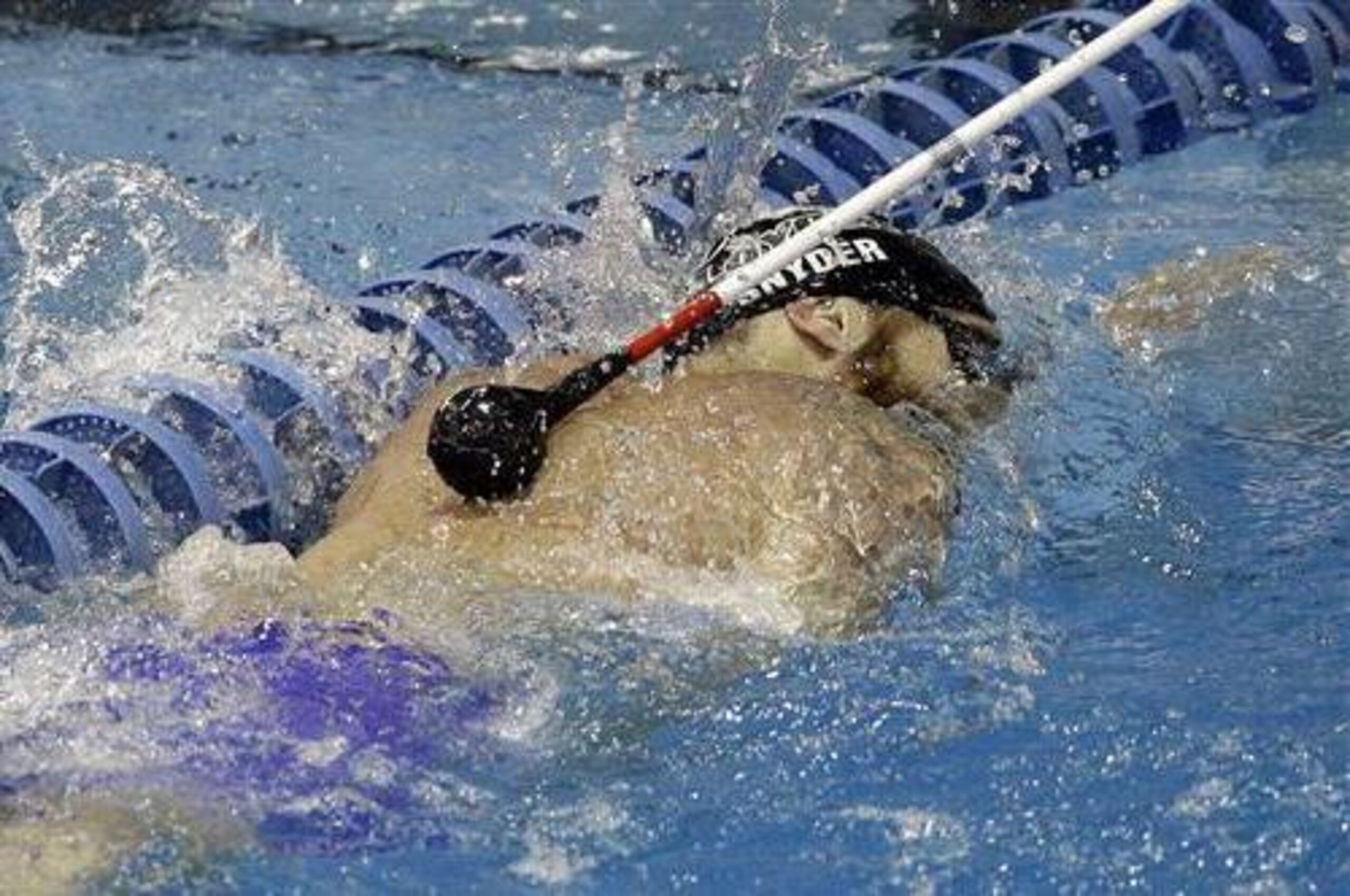
Snyder shows little evidence that anything happened to him. He had plastic surgery on his face. He seems to look right at you when he talks, though he has prosthetic eyes. He wears glasses, he said, to protect the eyes when he walks into things.
He talked about the difficulty of learning how to swim a straight line—"I crash a lot," he said. He said the thing he regrets most about his injury was "putting my brothers in danger. ... My teammates took additional risk to make sure that I got help. But all our guys made it home safe."
Jahn said he wasn't searching for purpose by competing but that the opportunity to play sports helped to pull him out of dark, suicidal thoughts.
"I had a lot of injuries, and one of them was a brain injury," he said. "I felt almost trapped within myself [lying] in the hospital bed. I couldn't move and couldn't even articulate my thoughts. I don't want people taking care of me my whole life.
"As badass as I thought I was, it all went out the door when you have a cute, little 115-pound nurse taking care of you like that."
Jahn said when he first found himself able to move one toe, he began to focus on walking again. And the Paralympics helped him have a goal that provided positive thoughts.
"The more I moved, the more capable I was and the more I defied my doctors' telling me I'd never walk again," he said. "I saw many, many guys succumb mentally. If they're able to maintain that mental strength, their bodies follow."
Jahn said he saw a group of vets in the hospital who had given up. He said he cringed when visitors told them everything would be OK.
"No," he said. "I said, 'You know what? Get off your ass, man. Let's go to the gym.' They're like, 'All right.' They saw me putting in the work. By the time I left the hospital, I had a caravan of about 12 different guys in their wheelchairs sneaking down to the gym.
"We're all helping each other out in our recoveries. It was really awesome to see. They mentally get healthy, and then their bodies follow."
That's who the Russians wanted to cheat?
Greg Couch covers the Olympics for Bleacher Report. Follow him on Twitter @gregcouch.



.jpg?w=2560 "Latest Peyton-Colts Rumors")
.jpg?w=2560 "Chiefs, Steelers Eye WR Trades")