Breaking Down What Nico Rosberg Must Do to Get F1 Title Challenge Back on Track
It was, as ever, Martin Brundle who called it right.
The champagne was only just beginning to dry on the Russian Grand Prix podium when the Sky Sports television pundit, armed with a microphone, marched onto the balcony and toward the race-winner.
"Congratulations!" he told Nico Rosberg as he accepted a handshake that, whether he liked it or not, quickly morphed into a borderline man hug.
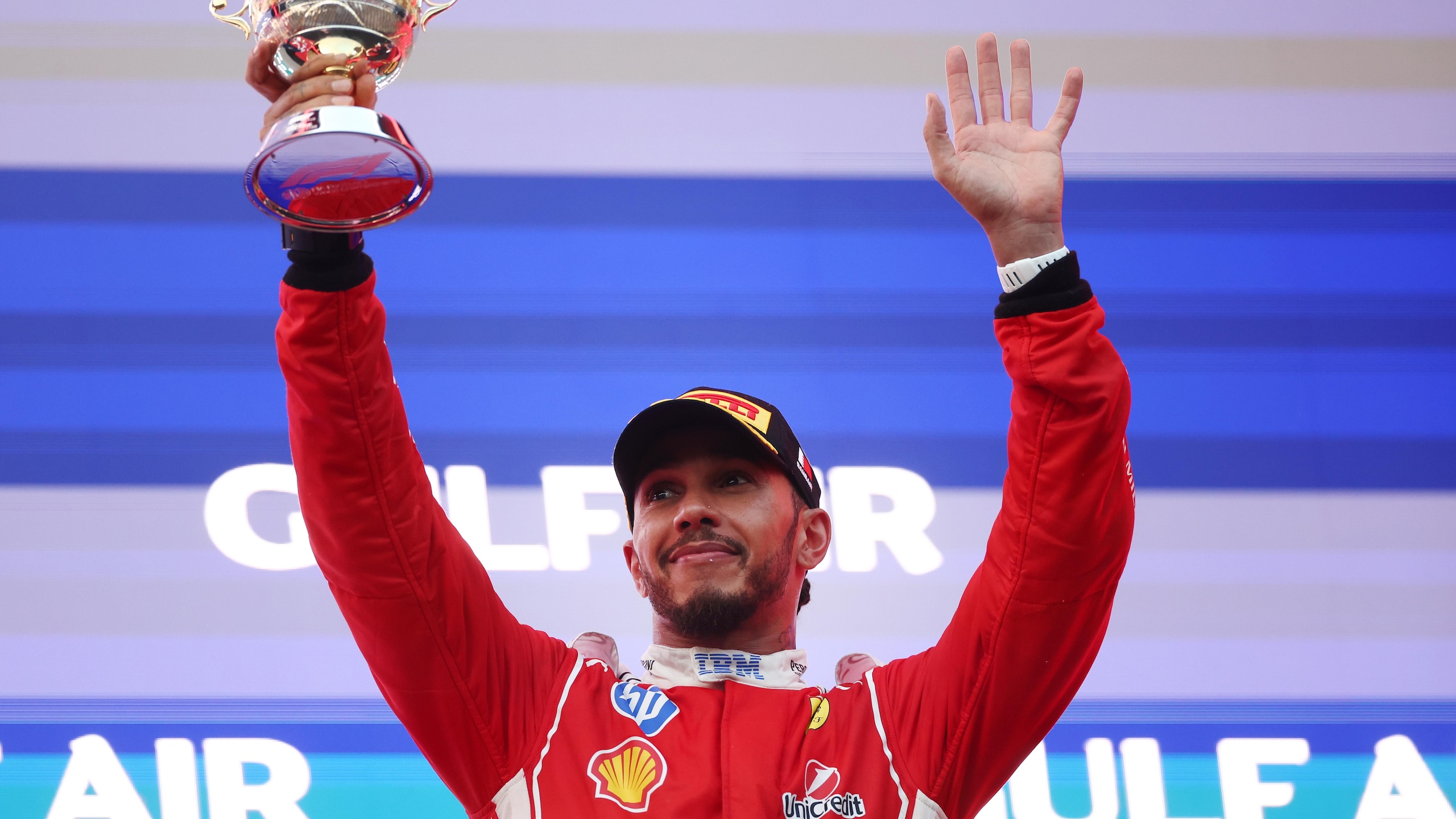
"Wow, the man who can't stop winning! Seven in a row. Only three other drivers in the history of Formula One have done that: Alberto Ascari, the great Michael Schumacher, Sebastian Vettel and now..."
And then a pause. Only a slight pause, only a faint pause, but a pause just long enough to have the desired effect.
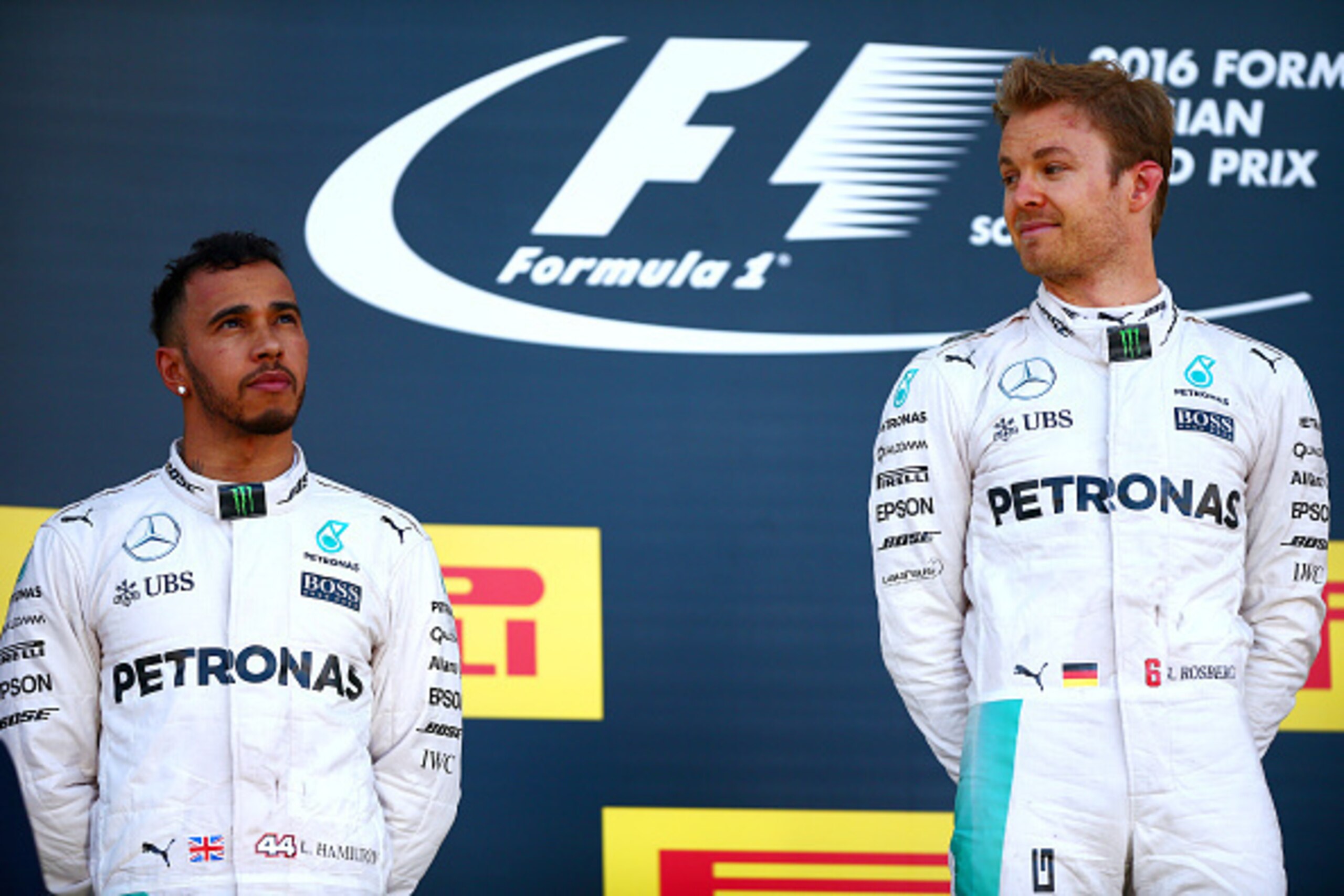
"And now you," he added, flicking his arm in Rosberg's direction. "Well done."
As the man of the moment droned on about his latest "awesome weekend" and thanked the local crowd for staying awake during Mercedes' latest one-two finish, Brundle had once again conveyed what the watching world was thinking: that Rosberg's start to the 2016 season was too good—far too good—to be true.
How, after all, had a driver who was comprehensively beaten to the world championship by Lewis Hamilton in each of the last two years managed to establish a lead of 43 points in just four races? How had someone of his calibre managed to displace Sir Stirling Moss as the most frequent race-winner never to win the title?
And just how had he—of all people—come within striking distance of equalling the tally for the most consecutive grand prix victories, a record that stood untouched for six decades but was in danger of being matched twice in under three years?
After stepping from the Sochi Autodrom podium, Rosberg admitted he was as surprised as anyone to begin 2016 exactly how he ended 2015, describing how four consecutive wins was "not something" he "could have expected to start the season," per Motorsport.com's Jonathan Noble.
"I am very happy about it," he continued. "It has been a great four races, very enjoyable, and I am aware it will not continue like that forever.
"The sport is all about ups and downs, and the down will come at some point. You just need to mentally prepare for that to come straight back up when it happens."
The inevitable "down" finally arrived four weeks later on the morning of the Monaco GP, when Rosberg peered out the window of his apartment to find his local circuit-come-hometown under dark, cloudy skies.
Having convinced himself a driver with a lead the equivalent of almost two race wins had no business playing dare with the crash barriers in the wet in Monte Carlo, Rosberg drove a cautious, conservative race on the assumption he, in a Mercedes W07, would finish second or third at worst.
Except he finished seventh.

And unlike most world champions, Rosberg—despite his promise, despite his vow—has been unable to "come straight back up" from that low.
While Hamilton has won six of the seven grands prix since Monaco, Rosberg has been restricted to just three podium finishes. His lead has evaporated almost as quickly as it was built, and his supposed breakthrough year is rapidly turning into a repeat of the last.
With Hamilton's current advantage of 19 just two points smaller than the gap he held at the halfway stage a year ago, most within F1 are expecting him to waltz to a fourth title over the remaining nine races.
Yet although he threw his lead away, although he has lost all his early momentum and although the man on the other side of the garage traditionally performs at his best in the second half of a given season, Rosberg can still emerge from this year with a first world title to his name.
Much, of course, will depend on how he channels the frustration of his fall to second in the standings, having entered the annual summer break in a foul mood, on the back of a miserable race, for a third year in succession.
His tumble from pole position to fourth in the recent German GP mirrored the result of Hungary 2014, after which Rosberg spent a whole month replaying the events of that afternoon in his mind before returning to the cockpit at Spa and promptly hitting Hamilton on the second lap.
Such a clumsy incident, which signaled the beginning of the end of his title challenge, was typical of a driver new to the pressures of a world championship fight and, two years on, there will be a large emphasis on Rosberg to demonstrate he is now completely at ease in that climate.
One way he can make himself much more comfortable is by taking pole position and keeping it for a change, having lost the lead to the No. 44 car at the first corner in both Hungary and Germany.
As with his team-mate's lacklustre starts at the beginning of the year, there is more to Rosberg's poor getaways than mere misfortune and they seem to be directly related to Hamilton's tactics at the end of the formation lap whenever the No. 6 car starts from pole.
Close observers will note that Hamilton often dramatically slows his pace as the field approaches the pit straight, allowing Rosberg to saunter alone to his grid spot, where he sits motionless for an extended period of time and his engine, clutch, tyre and brake temperatures go into overdrive, severely affecting his launch.
After being badly caught out by that trick at Suzuka last year, Rosberg responded by deliberately bunching up the pack to extreme levels at subsequent races in Russia and the United States—so much so that Vettel complained about the "ridiculous" pace of those parade laps, per Autosport (h/t Eurosport).
Perhaps it is because Rosberg has only rarely led a Mercedes front-row lockout since late 2015, or maybe Vettel and Co. have pressurised them into speeding up during drivers' briefings. Yet that awareness—that determination to watch and counteract every move made by Hamilton—has been absent in recent weeks.
But with 2016 arguably his last chance to win the world championship, Rosberg can no longer afford such lapses in concentration or to pander to the demands of his fellow competitors on the relatively rare occasions he starts from pole.
The good news, at least, is that Rosberg won't need to frantically check his rear-view mirrors during at least one of the remaining nine formation laps, for Hamilton's early-season reliability problems are set to come back to haunt him.
Per Sky Sports' James Galloway, the three-time world champion will almost certainly incur a grid-place penalty for exceeding engine-component usage restrictions, with a "double-hit" punishment leaving him starting at the rear of the field in either Belgium or Italy.
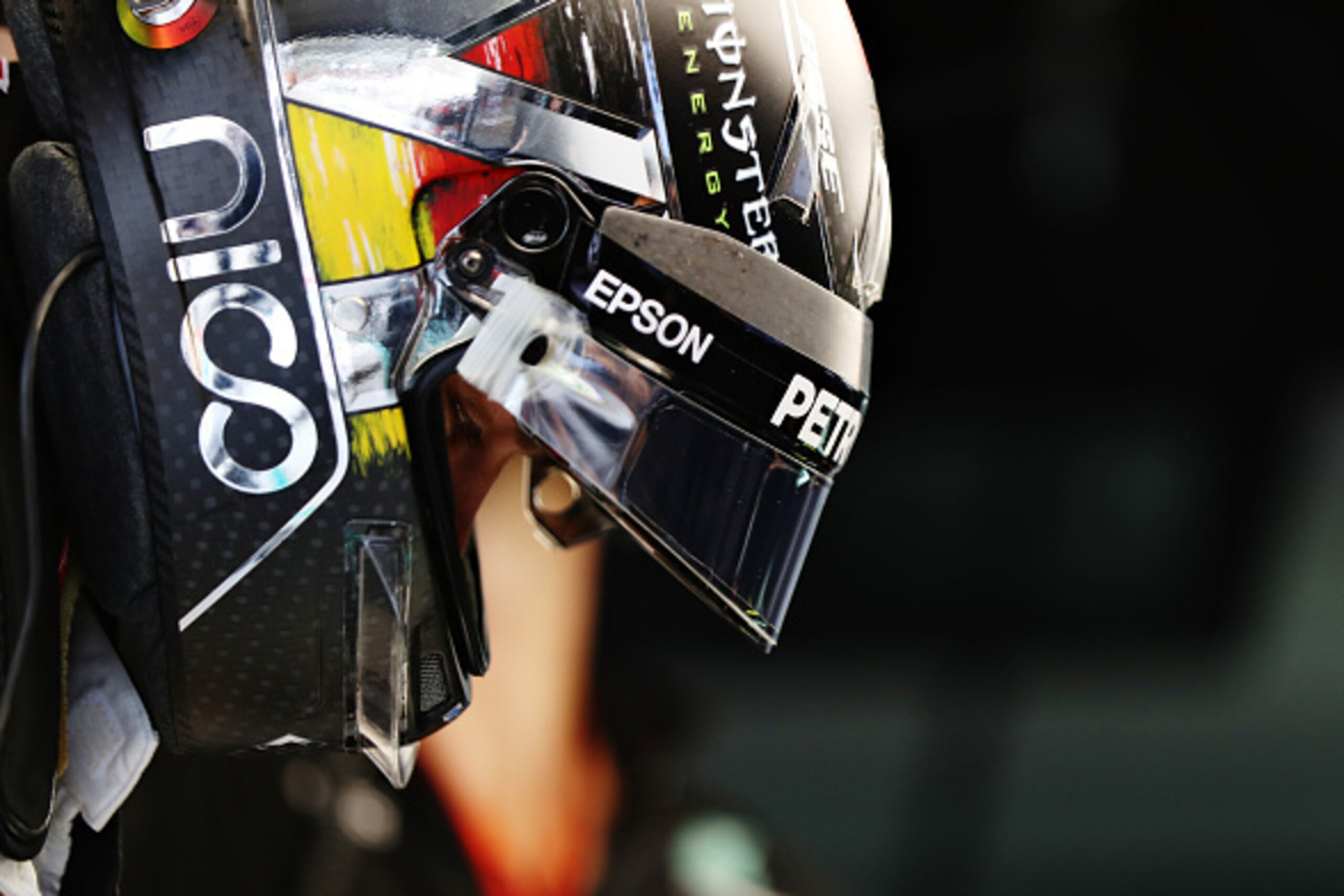
Whenever Mercedes and Hamilton eventually elect to pay the penalty, all Rosberg can do is remain professional—take the pole, take the win, take the 25 points, protect and preserve his own car—and then hope and pray.
Hope and pray that Hamilton, as he did in China, stumbles into someone else's accident as he makes his way through the pack. Hope and pray that those engine gremlins reappear, forcing him to retire from a race and leaving him staring at the prospect of another power-unit penalty.
Hope and pray that the world champion becomes his worst enemy and receives a third reprimand of the season and, with it, an additional 10-place grid drop.
From a position of such control, the champion elect—the man who couldn't stop winning—has been reduced to hoping and praying the title will somehow fall into his lap.
We all whispered it at the time, but now we have confirmation: Rosberg's start to 2016 really was too good—far too good—to be true.

.jpg?w=2560 "Terrell Owens Being Sued for Defamation")
.jpg?w=2560 "CJGJ Shares Cryptic Post 🤔")