Lighting the Olympic Dream, from Rio's Favelas to the Opening Ceremony
RIO DE JANEIRO — The child ran like the world was watching him, holding aloft his Olympic torch.
He strode up a mini-mountain, step after step, proudly showing his torch to strangers on the street. He finally reached the edge of a cliff and, still clutching the torch like it was the most treasured artifact to humankind, stopped to take in the view.
And what a view it was on this blue-sky afternoon, looking down from the steep hillside on to Rio de Janeiro. The city was alive with energy—the opening ceremony for the Games of the 31st Olympiad was six hours away—and the thrill of possibility could be felt from the white sand beaches of Copacabana to the high-rises in the athletes’ village in Barra da Tijuca.
.jpg?w=2560 "Seahawks Chiefs Football")


Just 10 miles away from the boy, outside of Maracana Stadium, fans were already gathering and drinking and dancing and waving the flags of their homelands.
Ten miles away.
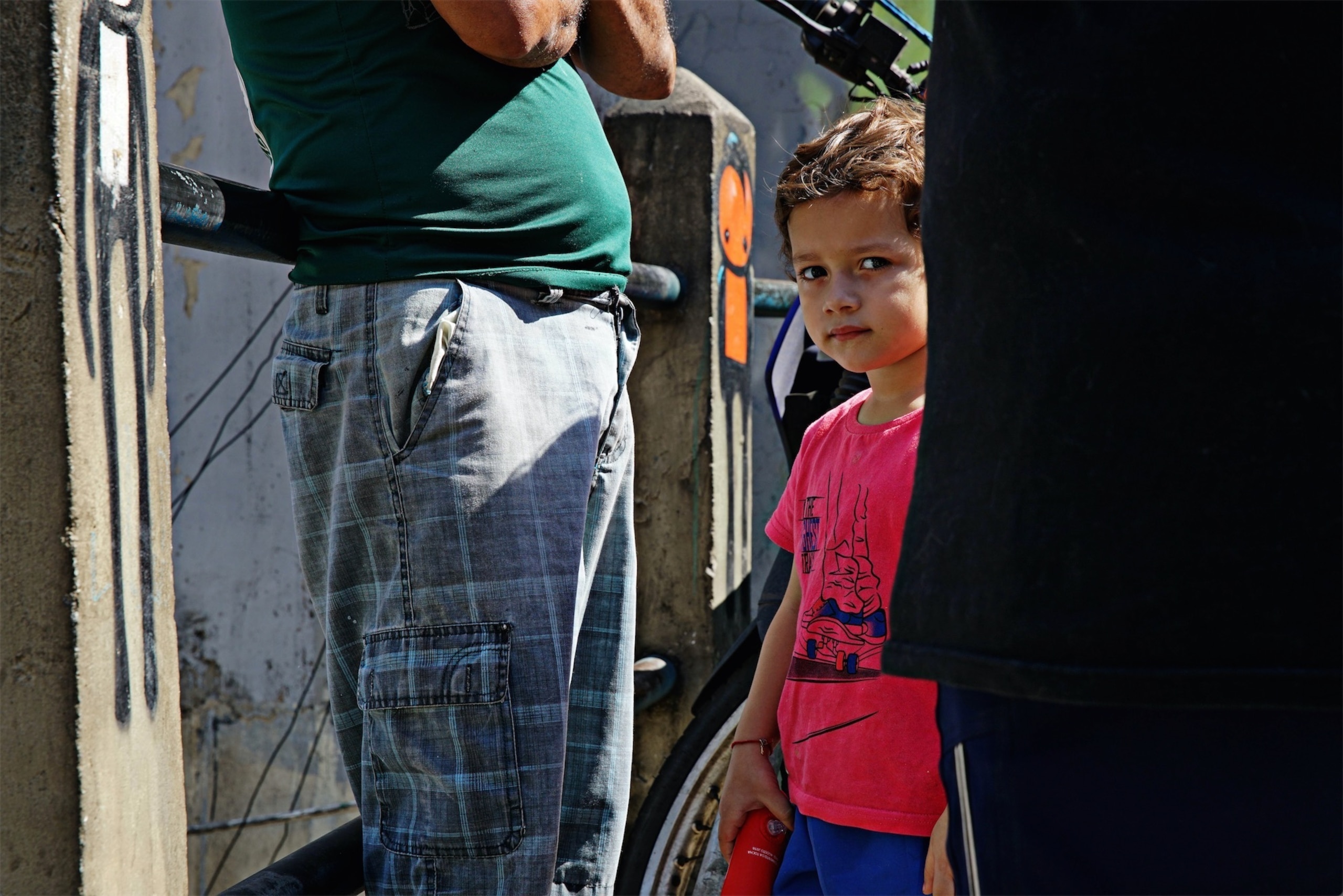
It may as well have been a continent away to the three-year-old child on the hill. After a few minutes of squinting into the sunlight and gazing down at bustling Rio, little Gabriel Costa dropped his plastic torch, turned away from the cliff and ran into the arms of his grandfather, Neves Costa. They were standing high up in the area known as Rocinha, the largest favela—or slum—in Brazil.
"I have lived here 40 years and my main purpose is to sustain my family," Neves, holding his grandson, said through an interpreter. "Gabriel wants to be a firefighter or a football [soccer] player. He will not choose a life of crime or drugs. I won’t allow it. I want him to see the Olympics. It will give him a chance to see he can make it in life and make it out of here."

Inside the Rocinha favela, where tens of thousands of people live in small shanties stacked on top of each other, there is little police presence. Young men openly smoke marijuana—illegal in Brazil—and discreetly deal cocaine. A visitor was repeatedly told to keep his head down and briskly walk away when the smell of weed perfumed the air.
"The drug lords are in control here," said Vander Ley, who has lived in Rocinha for three decades, through an interpreter. "They keep the order. If you stay in line, everyone gets along. If you do something bad, you will pay consequences, even with your life if you do something like rape a woman. There is justice here. The drug lords make sure of it."
Ley gives rides on the back of his motorcycle up and down the hill of the favela for three reals—the Brazilian currency—the equivalent of one U.S. dollar. The average monthly income in Rocinha, according to multiple locals, is about $150 a month. Ten miles away, tickets to the opening ceremony were going for as much as $1,000 outside of Maracana Stadium.
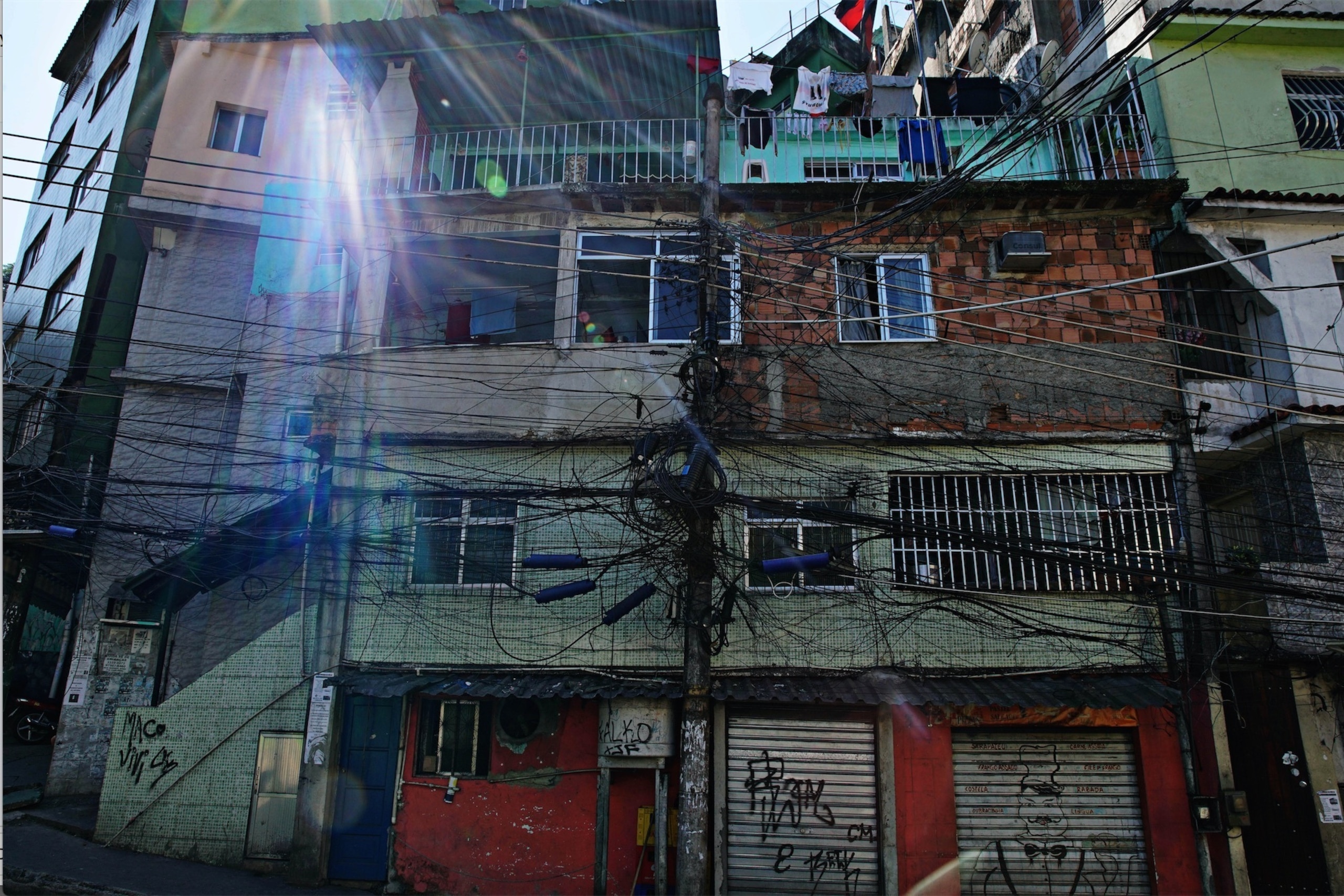
Nearly 30 percent of Rio’s 6.4 million residents live in more than 1,000 different favelas, the interpreter said. In Rocinha, according to a recent government survey, the average adult has received less than five years of formal education. Many in the favelas don’t have running water, electricity or plumbing. Reports regularly cite Rocinha's population as 70,000, but many speculate the true population is at least twice that.
"There truly are two Rios," said Zezinho Da, a tour guide who lives in Rocinha. "There’s the Rio that you will see during the Olympics, and there are the favelas, which you won’t see on your television during the Olympics."
As he spoke, Da sat in a Rocinha restaurant called Trapia, stabbing at barbecued chicken. A few feet away, a television flashed images from opening ceremonies past—the 18,000 performers at Beijing in 2008; the trembling Ali in Atlanta in 1996; the jetpack man in Los Angeles in 1984.
"I will watch the ceremony tonight, but many in my favela won’t," Da said. "People here are concerned with day-to-day life. But I do hope the kids in the favela watch. It might give them a sense of hope. That’s what the Olympics are to us: hope that anything can be possible."
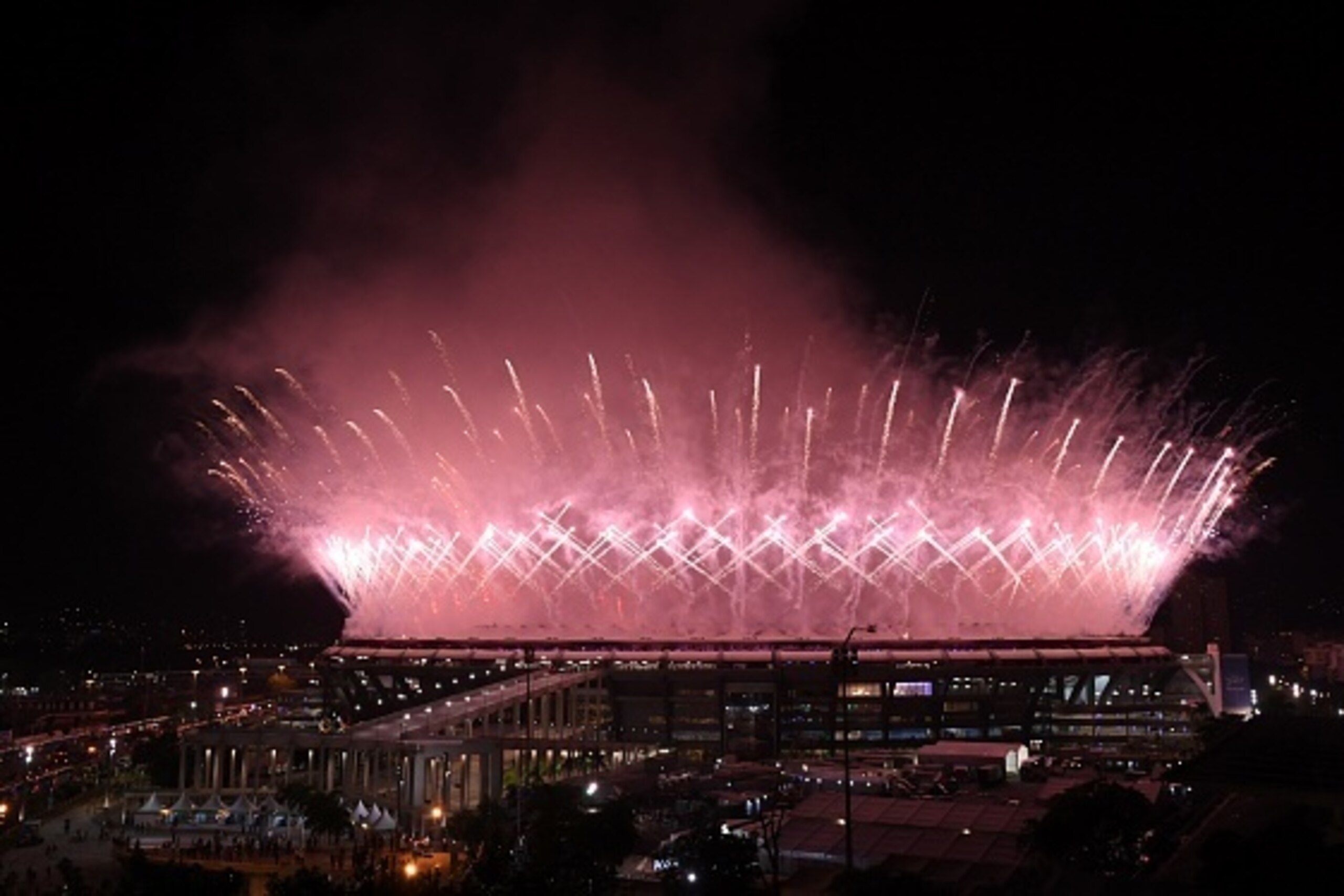
Ten miles away from the favela, five hours later, thousands streamed into Maracana Stadium. Olympic personnel on hand estimated that more than 35,000 military and police personnel patrolled the area—including nearly 1,000 U.S. special agents assigned to protect American athletes and the Games. It may very well have been the biggest security force surrounding a stadium in the history of sports.
Ten miles away, at just past 8 p.m. local time, the opening ceremony began for the Games that will cost Brazil—in the grip of the worst economic crisis in its history—about $4.6 billion, according to a recent study by the University of Oxford. This is about 50 percent over the initial budget.
Ten miles away, at just past 9 p.m. in the dark of the cool night, the athletes emerged from the stadium catacombs and strolled into the floodlights for the parade of nations. When Brazil was announced, Zezinho Da had said, he would experience a full-body shiver from his favela home.

Then, as the clock neared midnight, the torchbearer appeared. Gustavo Kuerten—the former No. 1 tennis player in the world—waved to the thundering crowd as he held the flame high. He would hand it off to other Brazilian heroes as the torch relay approached its destination.
Little Gabriel Costa had seen that very torch only nine hours earlier. He and his grandfather had hiked to the bottom of their favela to witness the flame pass by. That was why Gabriel insisted his grandfather buy him his own plastic torch. The boy’s first Olympic experience—his initial sampling of the magic of the rings—stirred something deep inside of him.
Gabriel wasn't going to stay awake to see the torch touched to the Olympic cauldron, lighting up the South American sky. But for the next 16 days, his grandfather—who runs the grill in a hole-in-the-wall barbecue joint—will sit down with him each night. Hands clasped together, they will watch the Games on the grainy screen of their aging television.
It is the grandfather’s hope that the Olympics will allow Gabriel to do one thing every boy should:
Dream.