
It's American superhero time.
Every fourth year, the goings-on in the Olympic pool give us a glimpse of the greatest athletes the U.S. has to offer—both in terms of names we all already know and compelling newcomers primed for a first star turn.
Surnames like Phelps, Lochte and Ledecky are sure to generate headlines during the full run of Olympic competition, but there will certainly be others who'll reach the top step of the medals stand and choke back tears as "The Star-Spangled Banner" gets played.
With that as prelude, we take an opportunity here to examine which U.S. competitors could take center stage in Rio de Janeiro.
Katie Ledecky, Women's 200-Meter Freestyle
1 of 12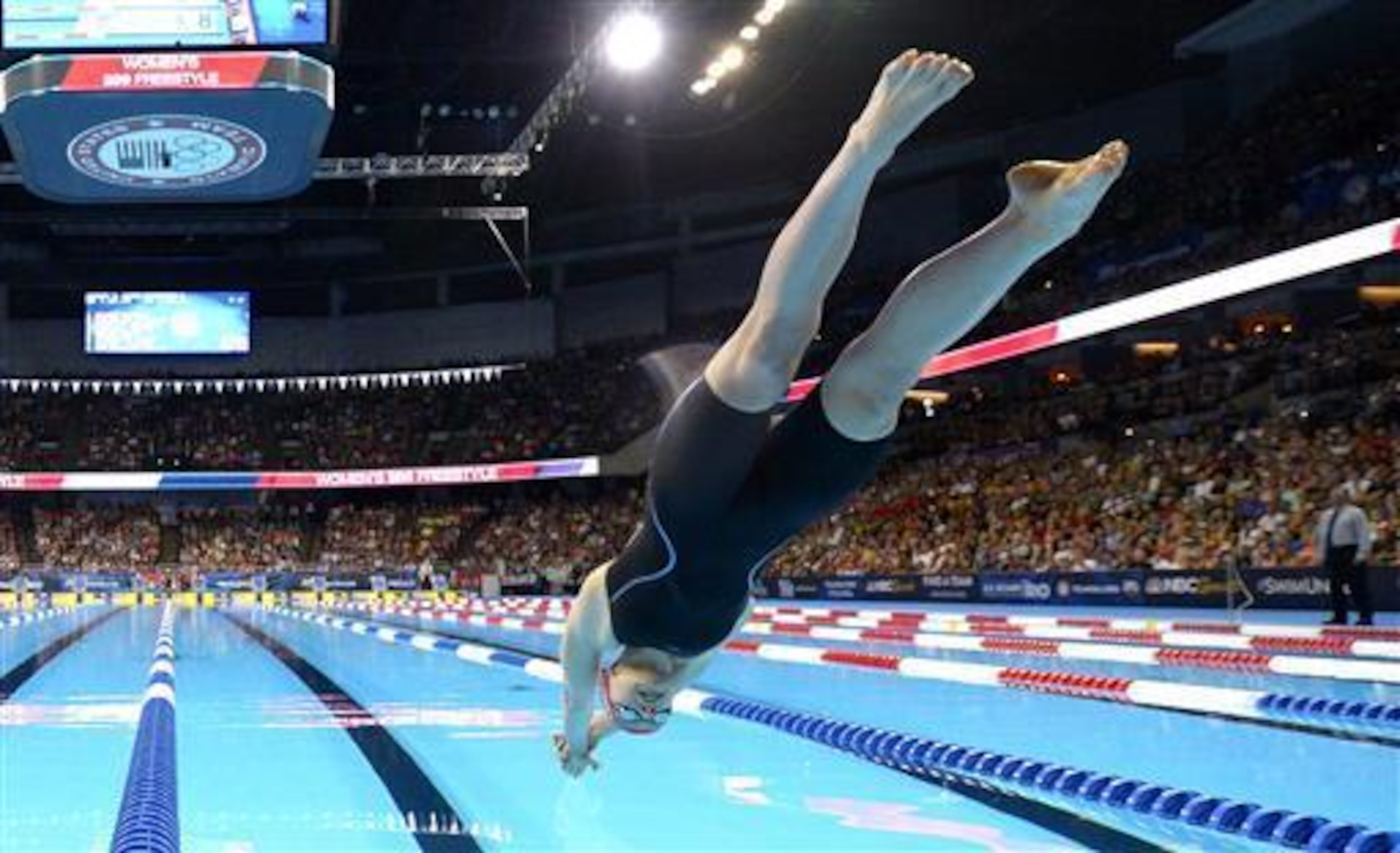
There's something about being undefeated that makes an athlete feel invincible.
Such is the case with American phenom Katie Ledecky.
The 19-year-old is 8-of-8 in Olympic and world championship races, and she's got the fastest time of 2016 in the 200-meter freestyle as well at 1 minute, 54.43 seconds.
That alone makes her a favorite, but it won't be a cakewalk. Ledecky figures to encounter the world's fourth-fastest 200-meter freestyle swimmer in Sweden's Sarah Sjostrom as well as 2008 Olympic gold medalist and reigning world record-holder Federica Pellegrini. Also out there are Australians Emma McKeon and Bronte Barratt as well as former U.S. Olympic star Missy Franklin.
Katie Ledecky, Women's 400-Meter Freestyle
2 of 12
Where the 200-meter freestyle may be a struggle for U.S. superstar Katie Ledecky, the 400-meter free seems a formality.
Though she was out-splitted by teammate Leah Smith in the final 200 meters at the U.S. trials, the gap between Ledecky and Smith's best 400-meter freestyle races of 2016 is 1.67 seconds—and the chasm between them and the third-best in the world is almost three more seconds.
Once the Brazil race arrives, though, look for Ledecky to go out easy before finishing at a blistering pace that'll mean a serious run at her standing world record of 3 minutes, 58.37 seconds.
"I am just going to focus on my racing and what my goals are," she said at trials, per Reuters.
Katie Ledecky, Women's 800-Meter Freestyle
3 of 12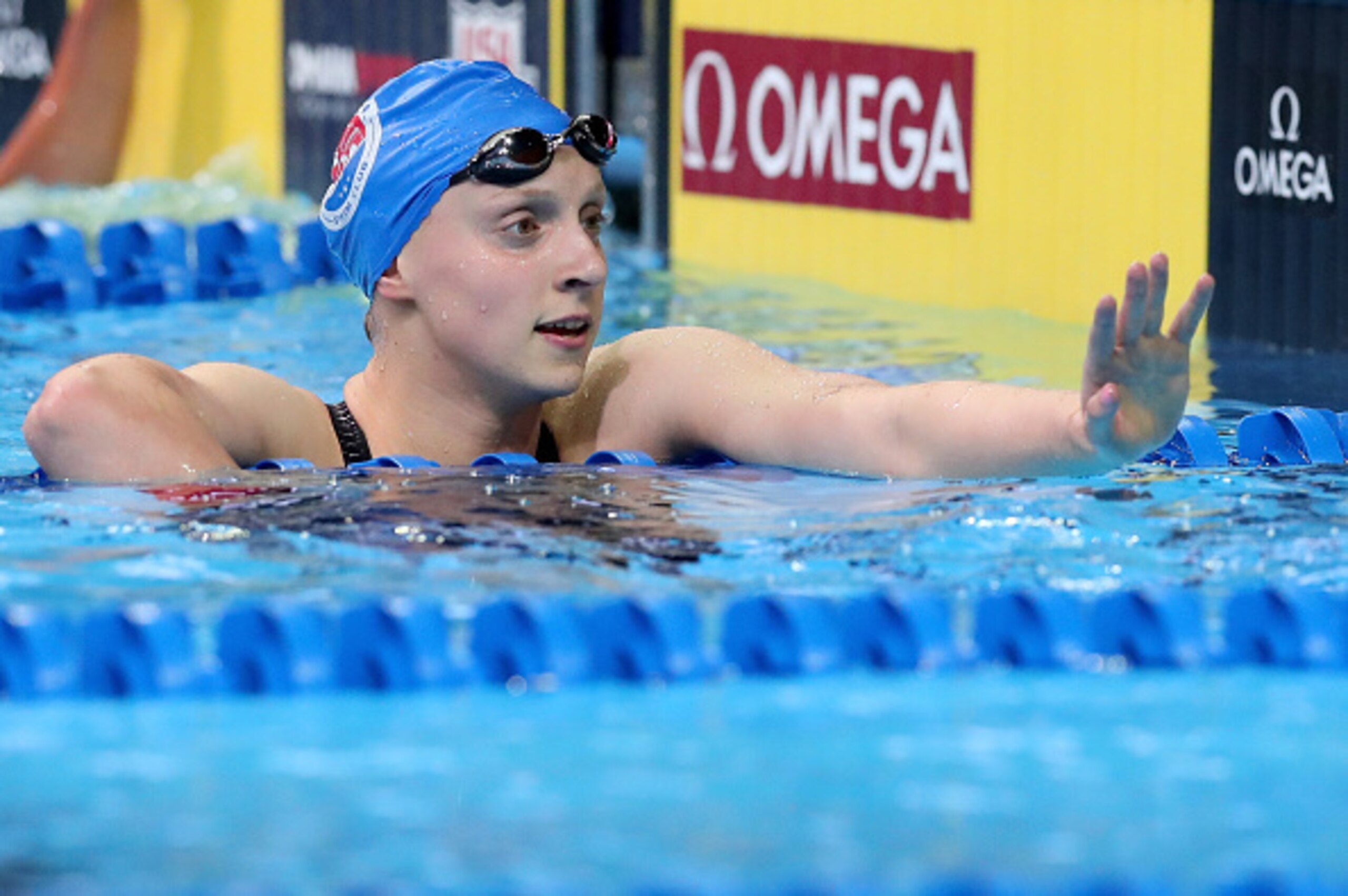
Another event, another run at greatness—rather than simple 800-meter freestyle competition—for Katie Ledecky.
Her world record of 8 minutes, 6.08 seconds that was set in January seems in real jeopardy as she prepares to flex her aerobic muscles and blast through the pedestrian 8:10.32 she posted at the U.S. trials.
The nearest competitor to her in 2016, in fact, is nearly 12 seconds off her pace.
Expect another negative-split run and a third individual gold of the Rio Games.


Lilly King, Women's 100-Meter Breaststroke
4 of 12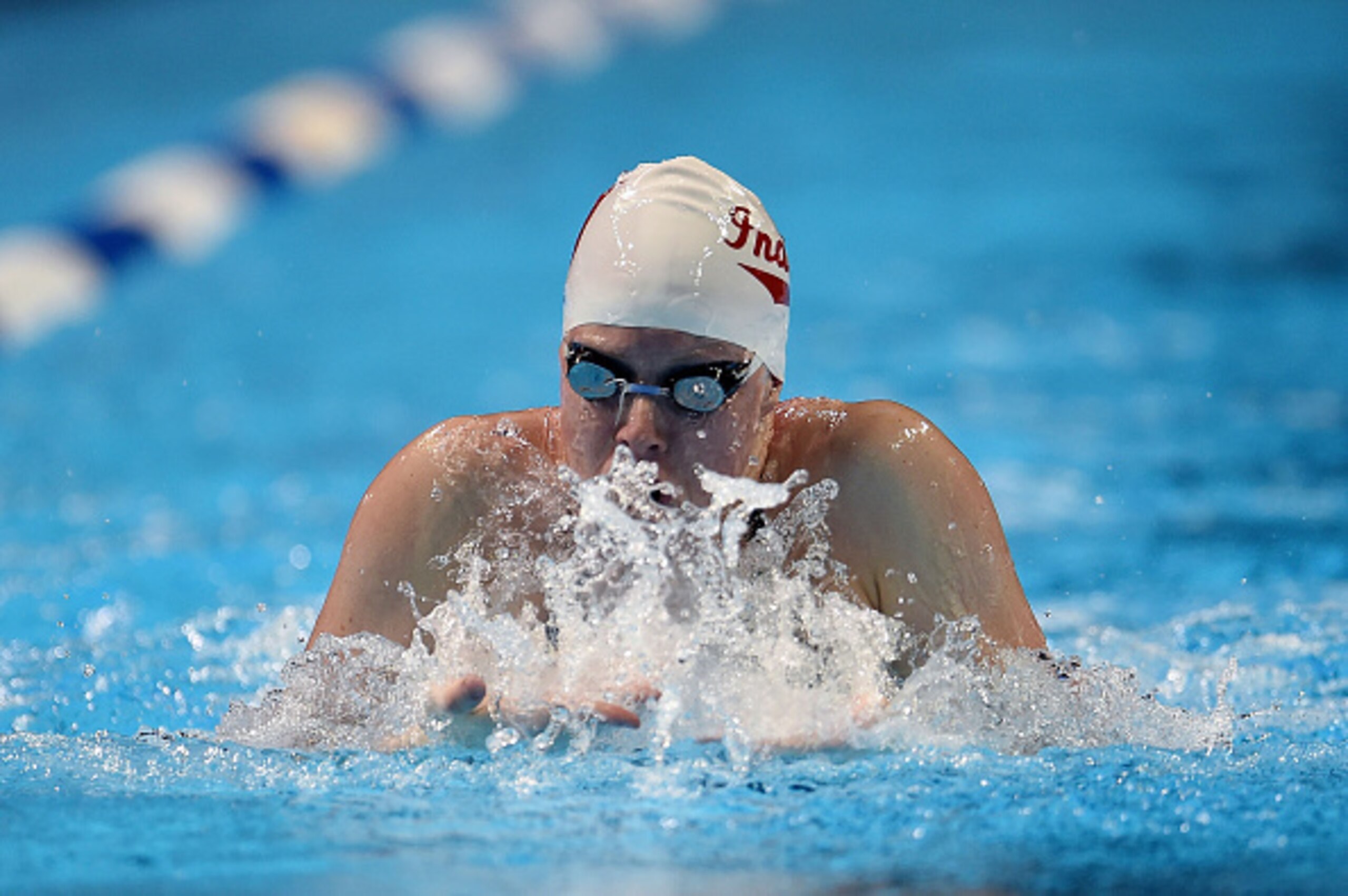
Everyone knows Lilly King can swim fast.
But what the world will wonder when it comes to the 19-year-old in the 100-meter breaststroke in Rio de Janeiro is whether she can cope with a case of Olympic-size nerves.
She blew out the competition at the 2016 NCAA championship meet for Indiana University, and her sizzling 1 minute, 5.20-second swim at the U.S. trials made her fastest in the world this year by a full half-second.
Unless she gets a pool-sized case of the yips, look for a record-sized Brazilian breakout.
Women's 800-Meter Freestyle Relay
5 of 12
Sometimes, relay races barely seem fair.
Not only do the Americans come to the starting platform for the 800-meter team event with a rising 21-year-old star in Leah Smith, but the remainder of the roster is filled out by a veritable Murderers' Row.
The last two world champions in the 200-meter freestyle—Katie Ledecky and Missy Franklin—are also in the fold, as is the defending Olympic champion in Allison Schmitt.
Several other teams in the pool also arrive with one or two premier swimmers, but none can equal the depth of the U.S. unit.
Ryan Murphy, 100-Meter Backstroke
6 of 12
The 100-meter backstroke is a dynasty race for the United States.
Americans have won the race in five straight Olympics over 20 years, a run that's included Jeff Rouse (1996), Lenny Krayzelburg (2000), Aaron Peirsol (2004 and 2008) and Matt Grevers (2012).
Ryan Murphy is the second-fastest man in the world in the event this season thanks to the 52.26-second burst he turned it at the U.S. trials earlier this summer, and he's rounding into even more competitive shape as the Rio Games arrive.
Murphy and teammate David Plummer knocked the reigning Olympic kingpin, Grevers, off the team at trials and one or both should overcome any challenge presented by Australia's Mitch Larkin.
Josh Prenot, 200-Meter Breaststroke
7 of 12
The 200-meter breaststroke is, by most measures, a wide-open race at the 2016 Games.
But Josh Prenot is arriving while competitively trending in the right direction.
The graduate of the University of California at Berkeley tore through the final 50 meters to win the event at the U.S. trials on June 30, in an American record of 2 minutes, 7.17 seconds.
It was the second-fastest time in history and the fastest in the world this year by more than half a second.
Michael Phelps, 100-Meter Butterfly
8 of 12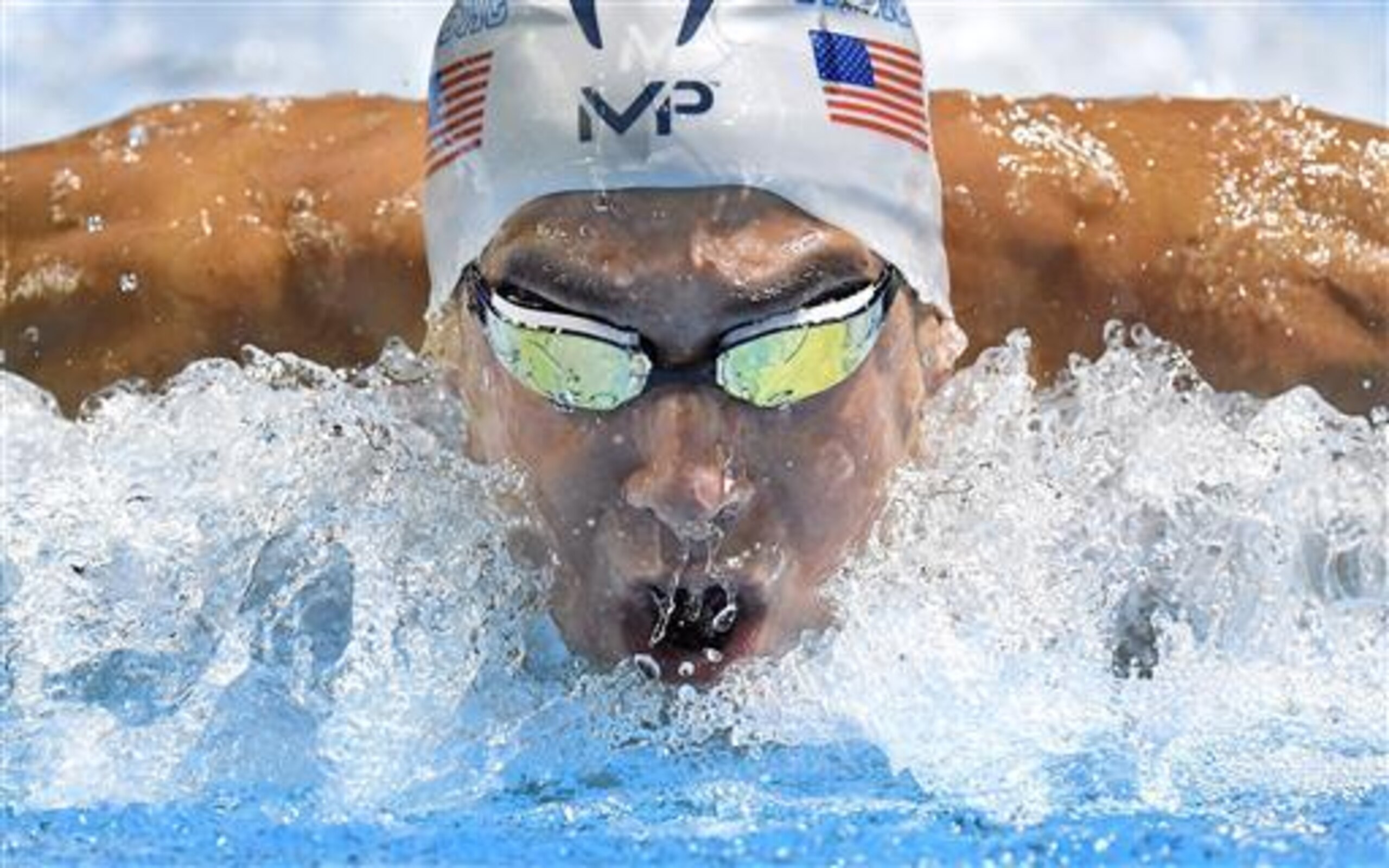
When it comes to the 100-meter butterfly, Michael Phelps has a flair for the dramatic.
He's won the Olympic gold medal in the event three straight times, but the final two came by a combined total of five-hundredths of a second.
It'll be his second race in Rio de Janeiro in which he has a chance to secure a fourth consecutive gold medal, and he will have to overcome a bevy of high-end competitors to do so.
Hungary's Laszlo Cseh is the only man in the world to go below 51 seconds this year with a 50.86 at the European championship meet. But Phelps is second-best with a 51 flat at the U.S. trials, and he knows the way to the medals stand better than anyone else.
Michael Phelps, 200-Meter Butterfly
9 of 12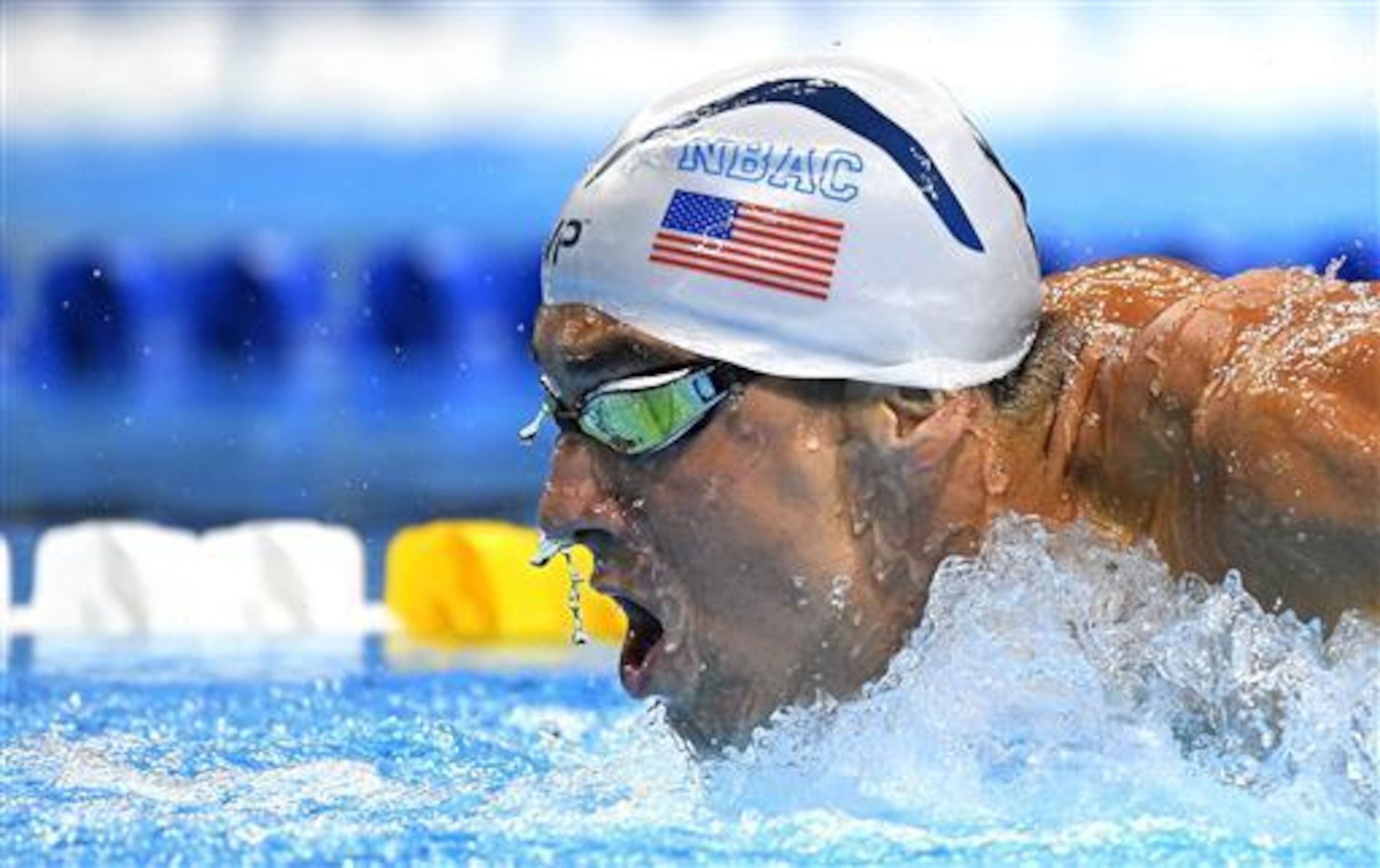
The vultures will be circling for Michael Phelps in the 200-meter butterfly.
Hungary's Laszlo Cseh is the reigning world champion and has the fastest time in the world this year, while South Africa's Chad le Clos won silver at worlds and upset Phelps in the 2012 Olympics.
Le Clos and Phelps have developed a chatty rivalry since then, though they've not actually raced against one another since that very event in London.
The guess here is that even though his 200-meter butterfly performances have been occasionally shoddy, Phelps will hit the water in Rio de Janeiro both physically fit and mentally revved to finish his final Olympics in style.
Michael Phelps, 200-Meter Individual Medley
10 of 12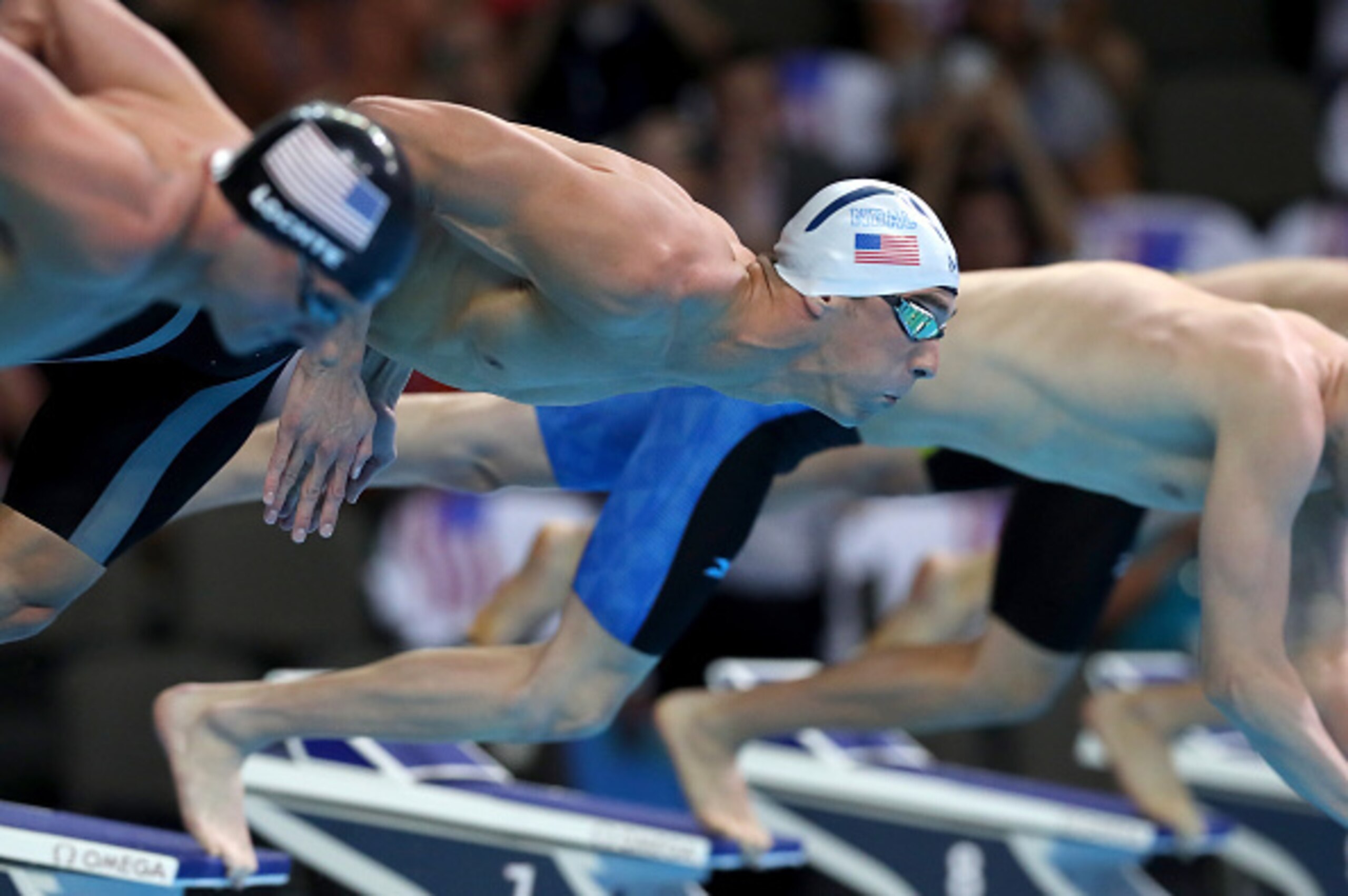
Just sit back and wait for the NBC television hype.
Michael Phelps. Ryan Lochte. Two familiar rivals dueling for the last time in their best event.
Phelps enters the 2016 Olympic fray having won three straight gold medals, though Lochte's 200-meter individual medley world record of 1 minute, 54 seconds has stood without a dent for five years.
Provided neither falls asleep and misses Japan's Kosuke Hagino—the world's fastest man this year with a 1:55.07 in April—look for Phelps to emerge from his weak leg, the backstroke, with a clinching freestyle stretch to accomplish the amazing yet again.
Men's 400-Meter Medley Relay
11 of 12
And in the Michael Phelps' Olympic finale, what better than a team coronation?
The Americans have won eight consecutive 400-meter medley relay gold medals and 13 of 14 golds since 1960, and with an assemblage of talent like Phelps, either Ryan Murphy or David Plummer on the backstroke and Nathan Adrian on the freestyle, it's hard to imagine those totals won't rise.
The separation between the U.S. and the Australians probably comes on the breaststroke and butterfly legs, and no other team in the field looks prepared to match the American depth either.
If you were drawing up an Olympics-wrapping event, this would be it.
Men's 800-Meter Freestyle Relay
12 of 12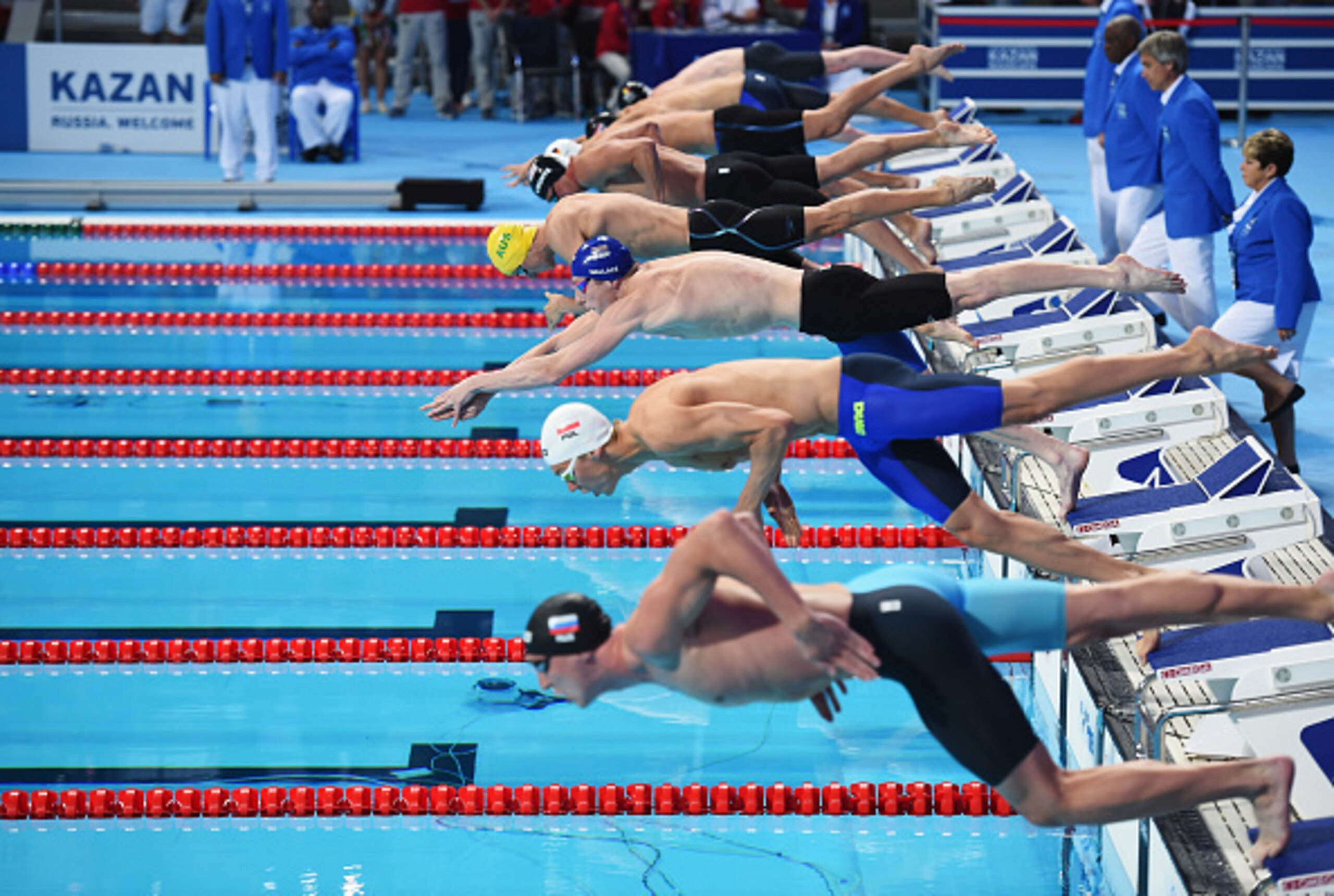
Nothing like a loss to get the juices flowing.
The United States had not been beaten in an 800-meter freestyle relay race in more than a decade prior to a surprise tumble against Great Britain at the 2015 world championships.
But the American unit that exited from the U.S. trials this year—including Townley Haas, Conor Dwyer and Jack Conger, and maybe Michael Phelps or Ryan Lochte, too—has kicked things up a notch.
Haas, Dwyer and Conger were each under 1 minute, 46 seconds for their legs at the trials pool in Omaha, Nebraska, which might be enough to reconfigure the world order yet again.



.jpg?w=2560 "Latest Peyton-Colts Rumors")
.jpg?w=2560 "Chiefs, Steelers Eye WR Trades")