Sergio Ramos Is a Winner Who Remains a Vital Cog in the Real Madrid Engine
Continual change and improvement is partly expected at a club like Real Madrid, an organisation that demands instant success and is unflinching with making change, both on a management and a playing staff level, when results aren't forthcoming.
Those who transcend eras, presidents and head coaches on the playing squad list tend to be either club legends or of great standing in the world game—and in some rare cases, both.
That applies to Sergio Ramos, who is now entering his 12th season at the Santiago Bernabeu after signing as a teenager in the first reign of Florentino Perez. The centre-back is a core part of the side's plans for the upcoming season and the future, an indispensable part of manager Zinedine Zidane's XI despite an uneven campaign last year.


Hierarchical power
Within any organisation, sporting team or otherwise, an established hierarchy will be in place. It may be formally defined with titles and roles or based on the natural order of social interaction due to individuals' personalities and perceived importance.
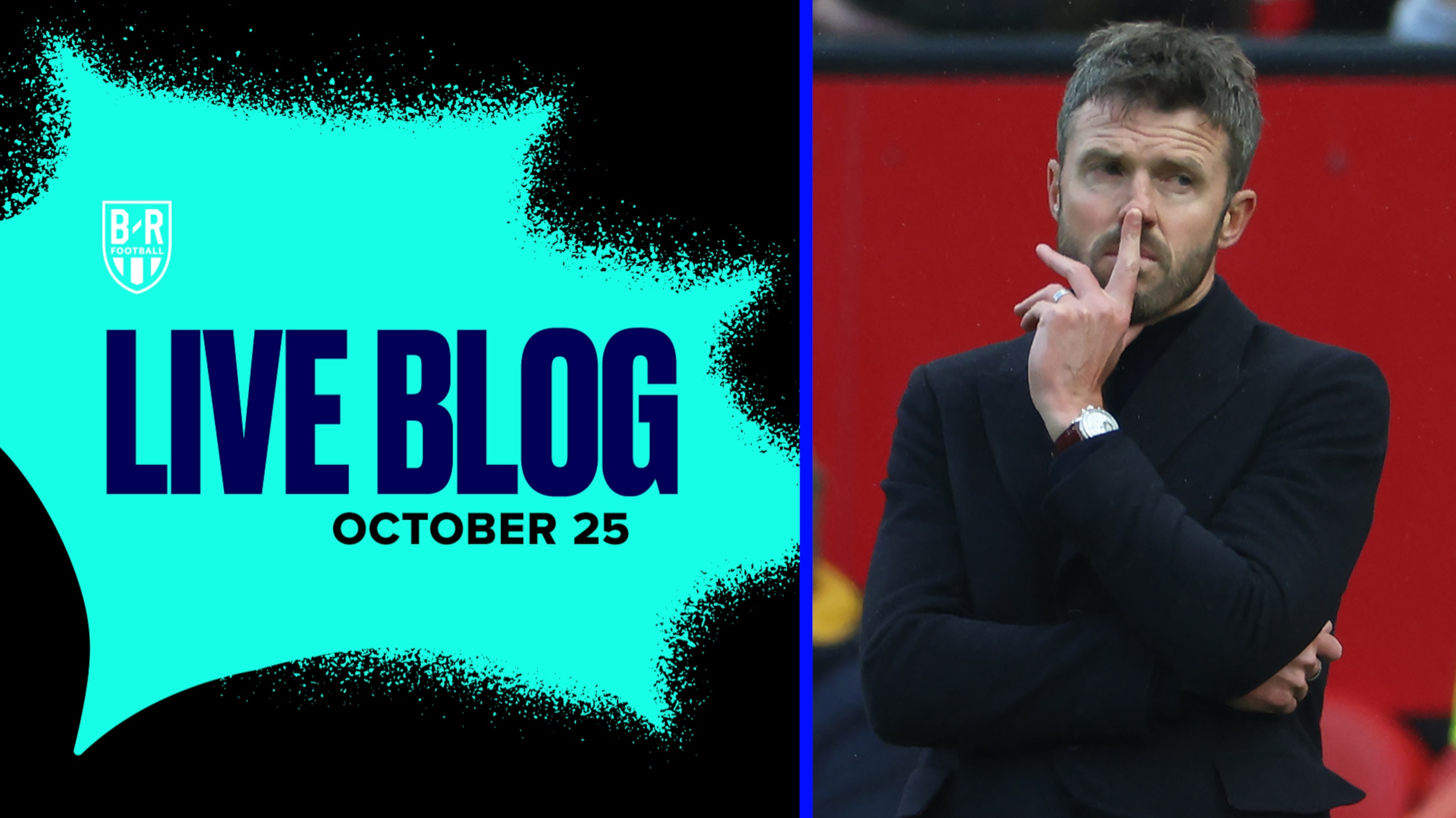
By both standards, Ramos is at or near the top of the tree at his club; a vice-captain for four years, he assumed full captaincy in summer 2015 after Iker Casillas departed the Santiago Bernabeu, while having lifted such trophies as the UEFA Champions League—twice—and the FIFA World Cup, there aren't many players around who can offer a better haul from the game as Ramos.
A long-term contract, over a century of international caps in the best Spanish team of all time, close to 500 Real Madrid club appearances and a host of individual awards to his name all serve to establish Ramos as someone who cannot be argued with within the dressing room.
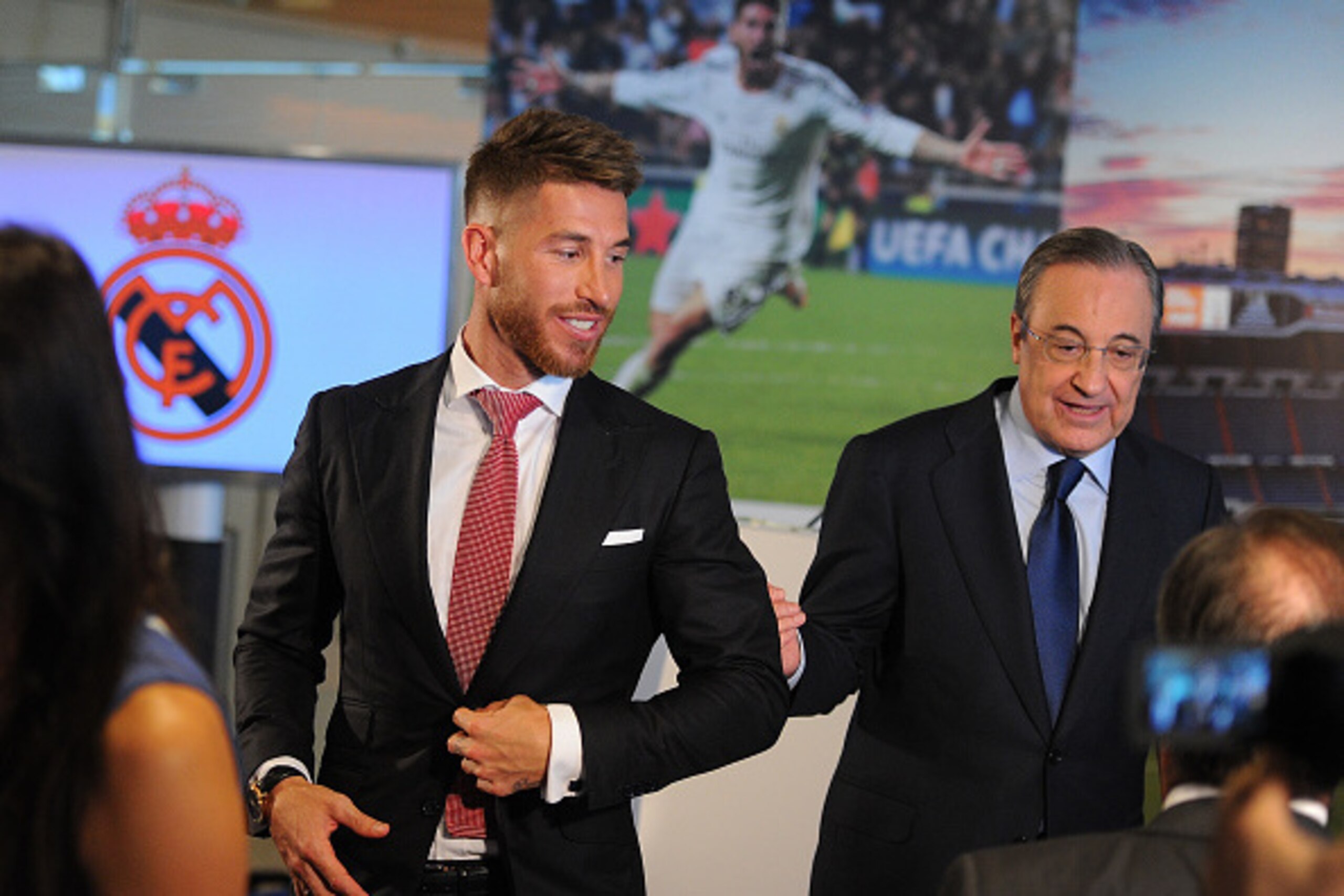
Even before considering his ability on the pitch, all these factors make Ramos a player who is so integrated into the Real Madrid system that he has an almost unshakeable presence with anything connected to the club. As the likes of Raul and Iker Casillas proved, downturns in form will eventually mean an exit, but the chances to return to their top level are longer-lasting and more frequently offered than for others who do not have the long-term association with the club.
In a club as deeply entrenched with politics and favouritism as Real Madrid has been over the decades, those who have been there longest and won most admirers hold sway, and Ramos has perhaps the deepest roots of all.
Changing systems
On the pitch is where it has to matter most, though.
Ramos might not have had the best of times in 2015-16, but his long-term ability is unquestioned. Last term was the first since he signed for Real Madrid that he managed fewer than 40 appearances in all competitions, thanks to a spate of injuries, and also the first time he had netted fewer than four goals all told. Defender he might be, but Ramos has long been an effective weapon at the other end, too.
He is all-action, robust, aggressive and determined, often to a fault, as evidenced by his red-card haul, but he sets the tone for the team to defend as fearlessly as he does and with the absolute will to win required of any top sportsman.
Ramos as a centre-back is a good communicator, someone who will organise the defence from set plays and be a sounding board for those in front of him—particularly important this term, with an inexperienced manager looking to bring different tactics to the table.
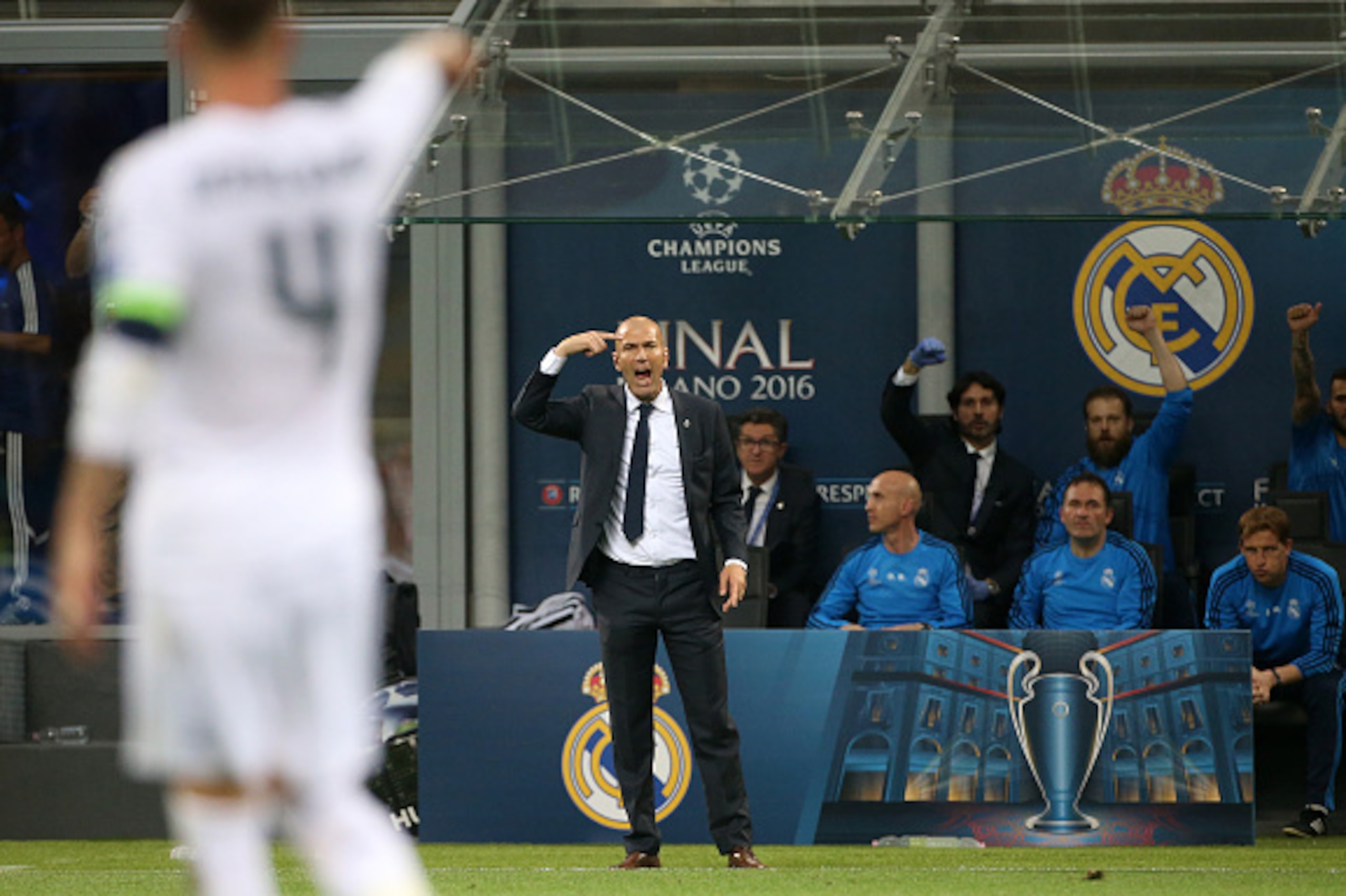
Real's 4-3-3 will be switched at times to a 4-4-2 this term, and while the individuals in the team will largely be familiar with both setups, slight changes of position, responsibility and movements off the ball must be learned and replicated by all.
The space in front of the defence is especially important for Real, a team overburdened with attacking talent who do not always display the requisite amount of endeavour in the opposite direction, and Ramos' cajoling will be as important as his athletic prowess that allows him to recover position quickly.
It's also worth noting that his on-pitch role has changed enough times that he understands the game from different points of view. From a marauding right-back to a combative defensive midfielder to, of course, his modern-day position in the centre of defence, Ramos knows the requirements and the reactions needed to succeed in each case, and thus, he should help those playing those roles beside and ahead of him.
Uncertainty vs. quality
Pepe, Raphael Varane and Ramos himself all had ups and downs in 15-16. Form and fitness fluctuated for each, with Nacho called upon as the stand-in fourth in the middle, and it says much that there is still no absolute undisputed centre-back pairing at the club.
Portuguese defender Pepe finished the campaign in best form and may reprise his role as Ramos' partner as a result once 2016-17 gets under way, but it's inevitable that the duo will be split at some point and Varane will once more be involved. With no new faces in the defence—indeed in the entire squad, save for a return for Alvaro Morata and a handful of loaned youngsters—no immediate upgrade on last season can be found.
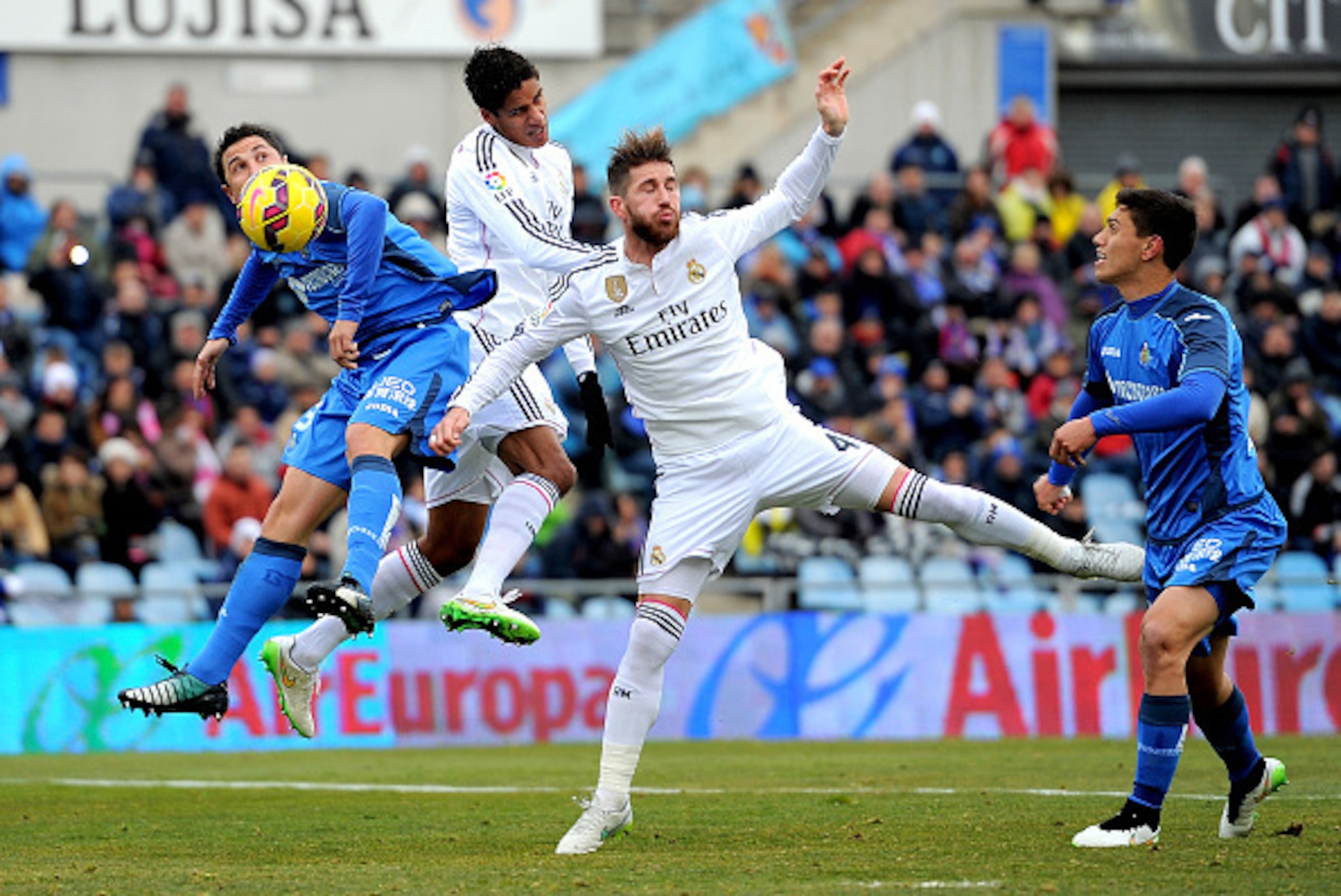
Instead it will be down to individual betterment, concentration and implementation of tactics, which give Real Madrid an edge over themselves of last year. Ramos, despite last term, is one of the world's finest defenders, perhaps the most complete centre-back around, and his importance cannot be underestimated. At 30 years old, he merges mobility with experience, strength with reading of the game, plus a high level of technical ability.
If he stays fit, he's more likely to rediscover his best level simply on account of the expectation on him. Ramos is a winner. He can be Zidane's rock on which the attacking platform is built and can remain one of Real Madrid's most important cogs for years yet to come.



.jpg?w=2560 "Latest Peyton-Colts Rumors")