Dota 2's The International 2016: 5 Storylines to Follow
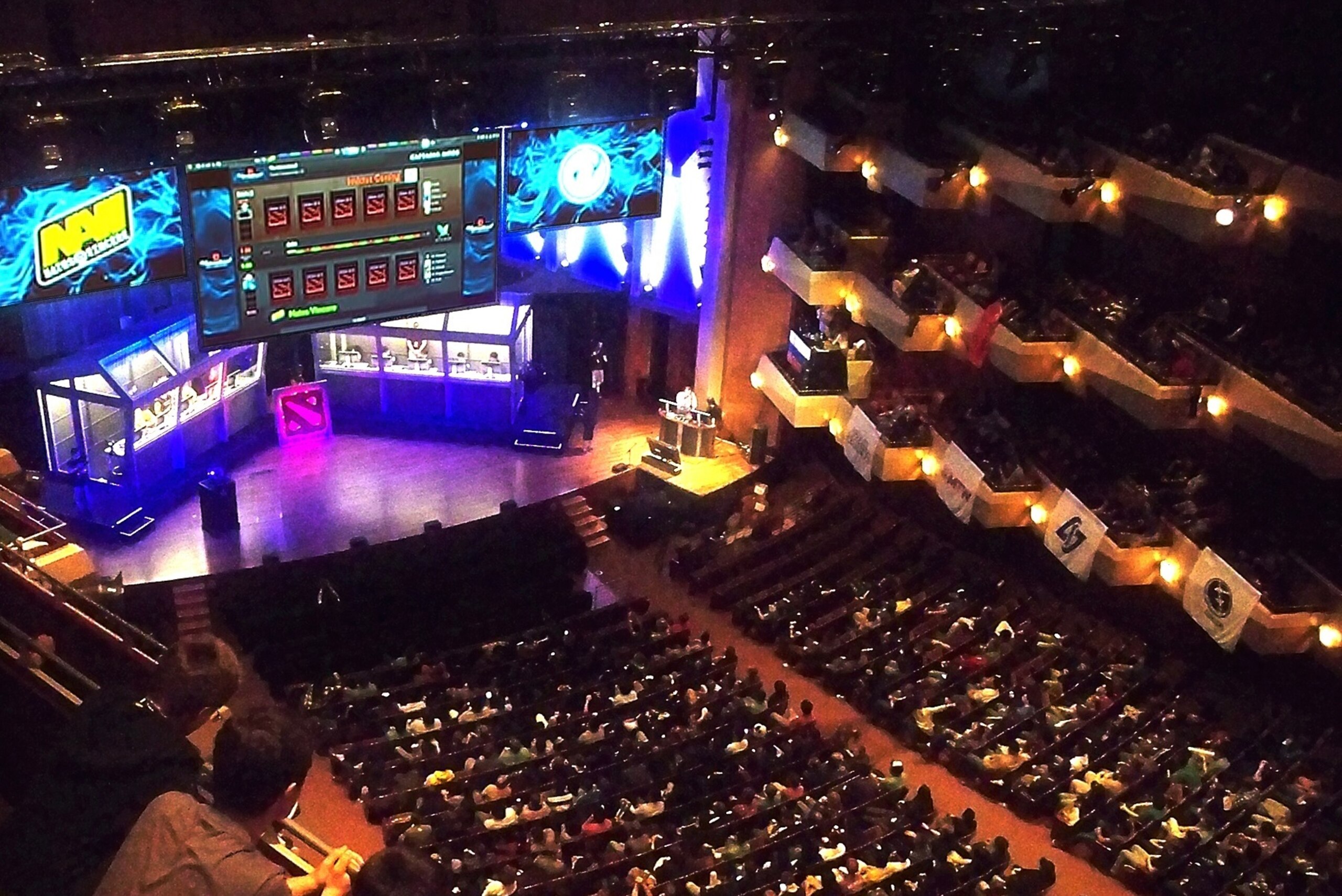
At long last, The International 2016 is finally here. Eighteen teams have descended upon Seattle with the goal of earning the Aegis of Champions and the top prize of $8.5 million. The drama and the stakes are very high.
While a great deal of emphasis has been placed on The International's enormous prize pool of over $19 million, not as much attention has been paid to the smaller details: the state of the game, the teams themselves and the ramifications that victory and defeat hold at home and abroad.
With The International just hours away, it's worth taking a look at those stories.
It's the Moment of Truth for Team Secret and Evil Geniuses
1 of 5The nonstop roster tinkering of Team Secret and Evil Geniuses has been a major part of the Dota 2 news cycle over the last 12 months.
Starting just six days after Evil Geniuses' first-place finish at TI5 with its release of Kurtis "Aui_2000" Ling and acquisition of Secret's Artour "Arteezy" Babaev, and continuing all the way until June's shake-up with Saahil "UNiVeRsE" Arora, Ludwig "zai" Wahlberg and Sam “BuLba” Sosale, the two teams been in constant flux.
Along the way they've hamstrung opposing teams, angered fans and brought the wrath of Valve down upon themselves all for one purpose: winning TI6.
Now comes the big question. Did they make the right moves?
The sporting world is cutthroat, and eSports is no different. Players are largely expendable commodities to be acquired and discarded without thought to their feelings. In the same way the Boston Red Sox suckered Bronson Arroyo into a cheap contract only to trade him away to the Reds a few months later, EG will cut Aui_2000 off their team twice in a 10-month span to replace him with someone they think is better.
The only morality therein is if it yields the desired results. If Secret and EG post strong performances at TI6, all that wheeling and dealing will have proven to be completely justified. If they wash out early, then they will have burned a great many bridges for naught.
TI6 May Be a Crossroads for Dota 2 in North America
2 of 5One of the biggest topics exiting the Manila Major and entering TI6 was the sad state of the North American Dota 2 scene, and rightly so. While the European, Chinese and Southeast Asian scenes are rapidly growing, North America's circuit has actually weakened as a whole.
No teams from the Western Hemisphere received a direct invite to TI6. The Americas qualifier featured just seven teams in comparison to 10 for the other regions. Numerous top players from the United States and Canada have jumped to European teams.
While there are many explanations for this, GosuGamers.net pegged a lacking sponsorship market for North American teams as one of the biggest contributors. That makes this year's International a critical one for everyone on this side of the pond.
In-game success is the key to obtaining sponsorships for American and Canadian teams, and their success at TI6 will be felt across the game. Evil Geniuses, Digital Chaos and compLexity Gaming are all solid squads, but it's difficult to guess where they will place this year.
They could post strong performances and revitalize this half of the planet. Or they could flop and nudge everything closer to the cliff. The stakes are particularly high here in that regard.
Roster Rules Get Tweaked, May Result in a Free-Agency Pool
3 of 5Valve has all the top teams, all the top players and all the top decision-makers together in one place at the same time, and they're making the most of the opportunity. News is trickling onto social media about changes to Valve's rules and Major tournaments, and it seems like that's just the start.
A list of changes for the next "season" was posted on social media by Team Secret's Matthew "Cyborgmatt" Bailey, with changes including the following:
- There will be two Majors instead of three.
- Roster changes will take place in two phases (drop, then add).
- Substitutions will be allowed post-qualifiers.
That's a start, at least.
The tricky nature of Valve's roster rules came front-and-center in June when the aforementioned Team Secret and Evil Geniuses swapped players after the March deadline for TI6. As a result, both teams were forced to earn a spot in the tournament through the open qualifiers, a decision that was widely met with criticism among fans, pundits and some players.
While Valve first implemented its roster rules with the idea of giving players more job security, it did little to curb teams' willingness to add and subtract players. Instead, sending Secret and EG through the open qualifiers ended up hindering new teams' ability to work their way into the tournament and risked bumping two deserving squad out of the running at the expense of fan interest.
This new system, it seems, will change things for the better. By having defined periods for moves, it could actually provide players with more options if they find themselves independent.
That could make things quite interesting between Majors.
.jpg?w=2560 "Seahawks Chiefs Football")


Dota 2 Seems Incredibly Well-Balanced...for Now
4 of 5Balancing any kind of video game is incredibly difficult, never mind a game like Dota 2, which has over 100 characters, an asymmetrical map and dozens of items to fret over. A hero's statistics growing too quickly? An item being too affordable? A key area of the map being too close to a tower? Anything can completely throw the game out of whack.
With that in mind, it's easy to wonder if a single strategy, character or faction will dominate at TI6.
Historically, fans have seen multiple Internationals end up having one single play style prove to be the best. From the notorious Chinese "four protect one" approach at TI2 to TI4, where Newbee and Vici Gaming played like they were perpetrating a home invasion on the opposition, it isn't unusual to see a single tactic trump all. Will TI6 be any different?
And what of the characters? Some heroes will always be inherently better than others, and some just provide something unique that can't be imitated, but 100 percent pick/ban rates have, unfortunately, been a common sight over recent years. Is that going to happen again? And what of the enormous pool of heroes that were selected at the Manila Major? Was that an anomaly or a legitimate indication of balance?
Finally, what of the map? The dire side seemingly has an overwhelming advantage with the current Roshan placement and jungle layout, and that led to a disproportionate win rate at the Manila Major. Was Valve right to leave it as is? Or is the ability to choose which side one's team plays on going to end up being a huge factor at TI6?
It's impossible to guess at this point, but it will provide a lot to discuss afterward.
OG and Team Liquid Look Utterly Unstoppable
5 of 5Over the last couple of days, this writer has been poring over a lot of stats and tournament results for Monday's “Guide to TI6” piece. The result has been a newfound appreciation for just how excellent both teams have been over the last 12 months. Seriously, here's a quick rundown of Liquid's achievements in 2016:
- 2nd place at the Shanghai Major
- 2nd place at ESL One Manila
- 1st place at EPICENTER
- 2nd place at the Manila Major
As for OG?
- 1st place at the Frankfurt Major
- 1st place at DreamLeague Season 5
- 1st place at the Manila Major
- 1st place at ESL One Frankfurt
Both teams have performed at such a high level for such a long time that it's difficult to envision anybody beating them. Frankly, it would be a bit of a surprise if OG vs. Liquid didn't end up being the TI6 final.
That, however, adds intrigue. Favorites rarely win The International, and as dominant as they seem to be, last year's event saw popular top picks Team Secret and Vici Gaming wash out well before the grand finals and wild-card team CDEC Gaming nearly take the top prize. Upsets can and do happen significantly more often than not.
So can OG and Liquid buck that trend? If not, who could pull of the upset? It's hard to say, but it should be exciting to find out.