

Should F1 Abandon Halo Cockpit-Safety Concept After Strategy Group Decision?
As Formula One assessed the pros and cons of the halo concept in the early months of 2016, the most compelling debate to take place concerning increased cockpit safety was the argument Lewis Hamilton had with himself.
Or, put another way, the world champion's internal struggle to ignore his natural racing driver's instincts and bring himself to accept the arrival of a device that, deep down, he knew would be for the greater good.
When the halo first appeared on Sebastian Vettel's and Kimi Raikkonen's Ferraris in winter testing in March, Hamilton was mortified F1 had chosen such a haphazard solution to a problem that, in his view, did not even exist.
TOP NEWS

🚨 NC State Fires Head Coach

Heat, Giannis were down by 20+ in each of their 3 losses

Malachi Toney Sets ANOTHER Record
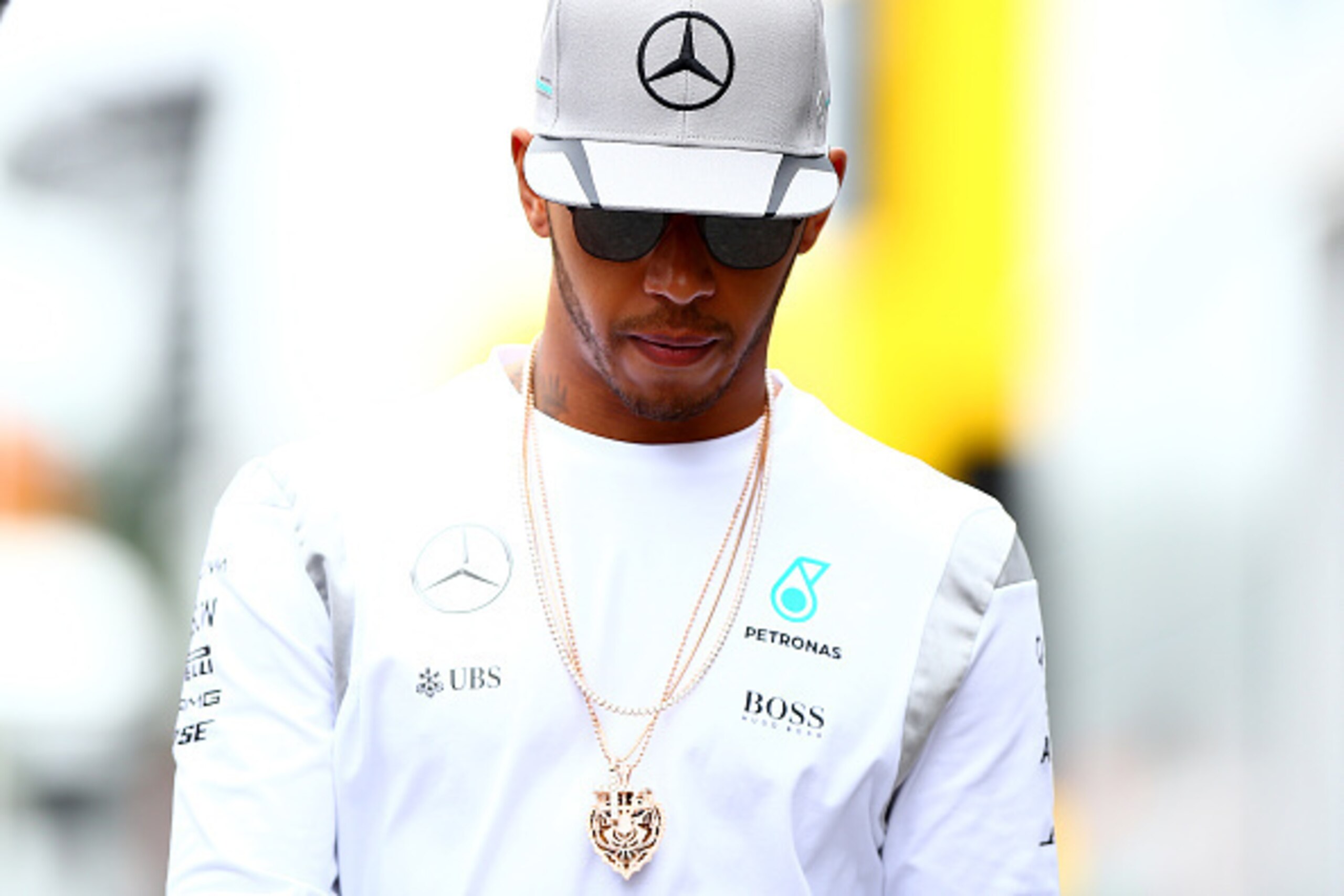
As Sky Sports' James Galloway reported, he dismissed it as "the worst looking mod" in the history of his sport, describing how he would remove the halo if anyone ever had the audacity to fit it to his car and insisting F1 is "perfectly fine" the "way it is now."
Even as the sight of the halo became ever more familiar with further appearances at Silverstone—where Vettel sampled an updated version in British GP practice before Red Bull junior Pierre Gasly trialed it in the post-race test—Hamilton refused to waver from his original opinion.
Come last weekend's Hungarian GP, however, his stance had softened significantly.
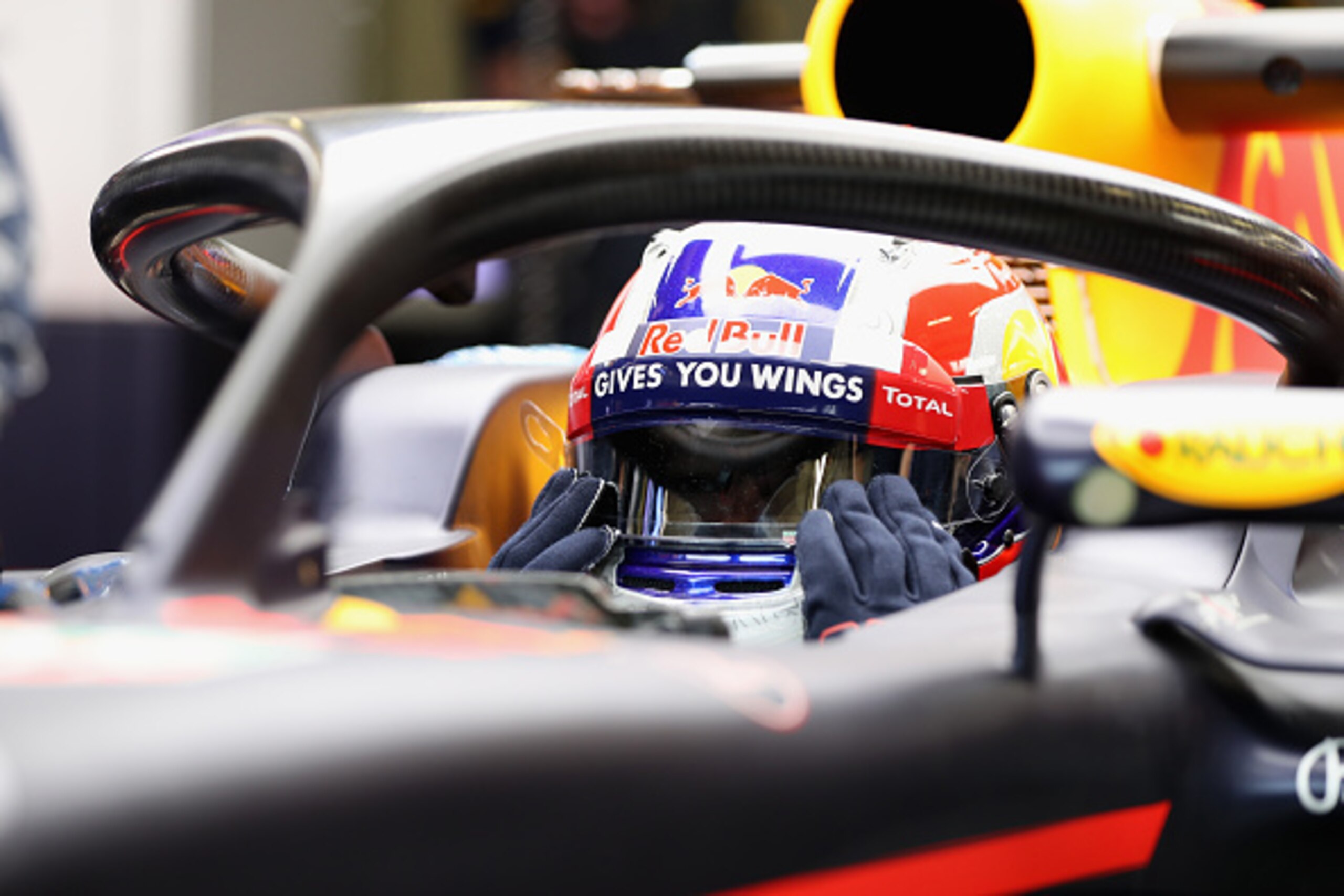
Following a meeting with the FIA, which replaced opinions with cold, hard facts, figures and case studies, Hamilton—while adamant it "looked terrible" and was "not in the racing spirit"—declared he would use the halo if it meant his chances of surviving a serious accident were increased by 17 per cent, per BBC Sport's Andrew Benson.
With Carlos Sainz Jr. revealing the FIA had used "quite shocking" images during its presentation to the drivers, per Motorsport.com's Adam Cooper, the governing body had preyed on the biggest fears of these indestructible heroes and left them contemplating a clear message: It could be you one day.
That the FIA had managed to sway the opinion of a figure as influential, authoritative and relentlessly critical of increased cockpit-safety measures as Hamilton almost automatically enhanced the prospects of the halo gaining approval to be implemented from next season.
" Onboard with Sebastian Vettel, with Halo 2 on his car, during #FP1 today.
— Sebastian Vettel (@FansOfSebVettel) July 8, 2016"
via @Gianludale27#F1 #BritishGP #Seb5 pic.twitter.com/JDHdg3BjRK
But rather than deciding to fit pieces of scaffolding to what are anticipated to be the fastest, most aesthetically appealing F1 cars ever made in 2017, the Strategy Group chose to delay the arrival of frontal cockpit protection until 2018 at the earliest on Thursday.
With only two active drivers and teams testing the halo to date, an extended 18-month wait should afford the competitors plenty of time to sample different variations of the device before a decision is made on its introduction.
But given the FIA, according to Motorsport.com's Jonathan Noble, was already satisfied the current-specification halo was "fully ready" to be used on a full-time basis in 2017, if it hasn't gained enough support on this occasion, will it ever be deemed suitable to be used in races?
From the moment it first appeared in virtual form last August—just four days after the death of IndyCar's Justin Wilson—the halo felt very much like a reactionary response, a halfway house that may or may not protect drivers in one type of crash (Felipe Massa, Hungary 2009) and have no effect whatsoever in a very different accident (Jules Bianchi, Japan 2014).
With gaping, debris-inviting gaps in the structure, and the arms and central pillar obscuring the drivers' visibility, the halo seemed to carry almost as many negatives as positives.
And although an official FIA statement insisted it remains the "preferred option" for 2018, the Strategy Group's decision to vote against it when its implementation felt inevitable should signify the beginning of the end of the halo, encouraging F1 to identify and develop "even more complete" solutions.
The halo's blockage could, for instance, result in a revival of the "aeroscreen" concept, which was generally well-received upon its brief appearance on Daniel Ricciardo's car in Russia but lost momentum when Red Bull suspended its development in June at a time the halo had emerged as the most likely solution.
As Noble reported in a separate Motorsport.com article, the sport may instead pioneer an "active" system, whereby "detection technology" will lead to a "fin or similar structure" popping up and effectively batting away stray pieces of debris whenever required.
Or might F1 bite the bullet and make a single-step switch to full-blown canopies, which have featured on every concept car produced by elite teams, including Red Bull, Ferrari and McLaren-Honda, over the last six years?
For all the negativity surrounding the device, those behind the halo—not to mention those brave enough to trial it on track—should be lauded for triggering the latest push in increased head protection, for sparking an important debate, for finally bringing diagrams and artists' impressions to life.
But rather than being fast-tracked as the finished product, it should be viewed as a starting point—an initial experiment, the first small step toward a clear, permanent improvement in cockpit-safety standards.
As Hamilton, increasingly impressive when it comes to matters such as these, told Benson at the very beginning of the halo saga: "I understand safety is a huge issue and something we have to work towards, but this is not the one."
It may be time to leave this particular glimpse into the future firmly in the past.
.png?w=2560)
.jpg?w=2560 "Malik Beasley Negotiating Plea Deal (AP)")

.jpg?w=2560 "Jonathan Taylor Landing Spots")
