Ranking the Best Traditions at the Olympics
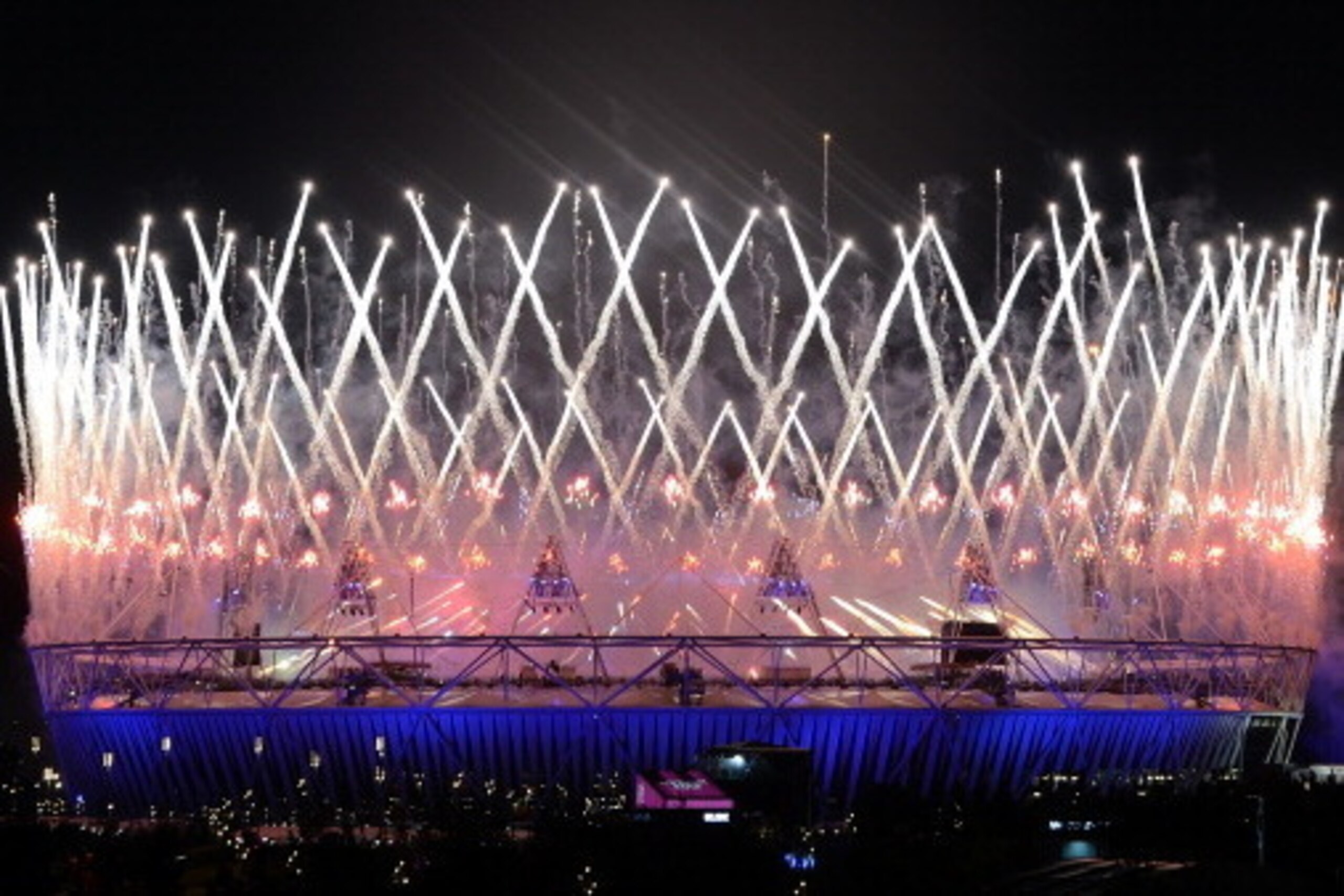
The opening ceremony at the Olympics is often explosive—as if half the budget for the Games goes to pyrotechnics. And though the Parade of Nations can drag on long enough to make us regret all the wars for independence through the centuries, the kickoff also starts a colorful celebration of the things we human beings have in common.
Cynics may focus on scandal and conflict. But each Olympiad brings us new tales of inspiration, along with a handful of other things we're happy to see and hear every four years.
Here are some of the best...
7. Stirring Music
1 of 7John Williams. Legend.
The man who made us swoon over the twin sunset on Tatooine and tremble in fear of Darth Vader's approach is also the man who made brass fanfares, timpani accents and the Olympics go together like baseball, peanuts and Cracker Jack.
He wasn't the first person to add trumpets to the Games, though. Natasha Geiling of Smithsonian traced the history of the music that might be the first thing that springs to mind when you think of the Olympics, and it's a mix of Leo Arnaud's "Bugler's Dream" and a Williams fanfare.
But Williams has broadened the repertoire. Sample "Summon the Heroes," "Olympic Hymn" and "The Olympic Spirit" to get in the mood for the Games.
6. Pin Trading
2 of 7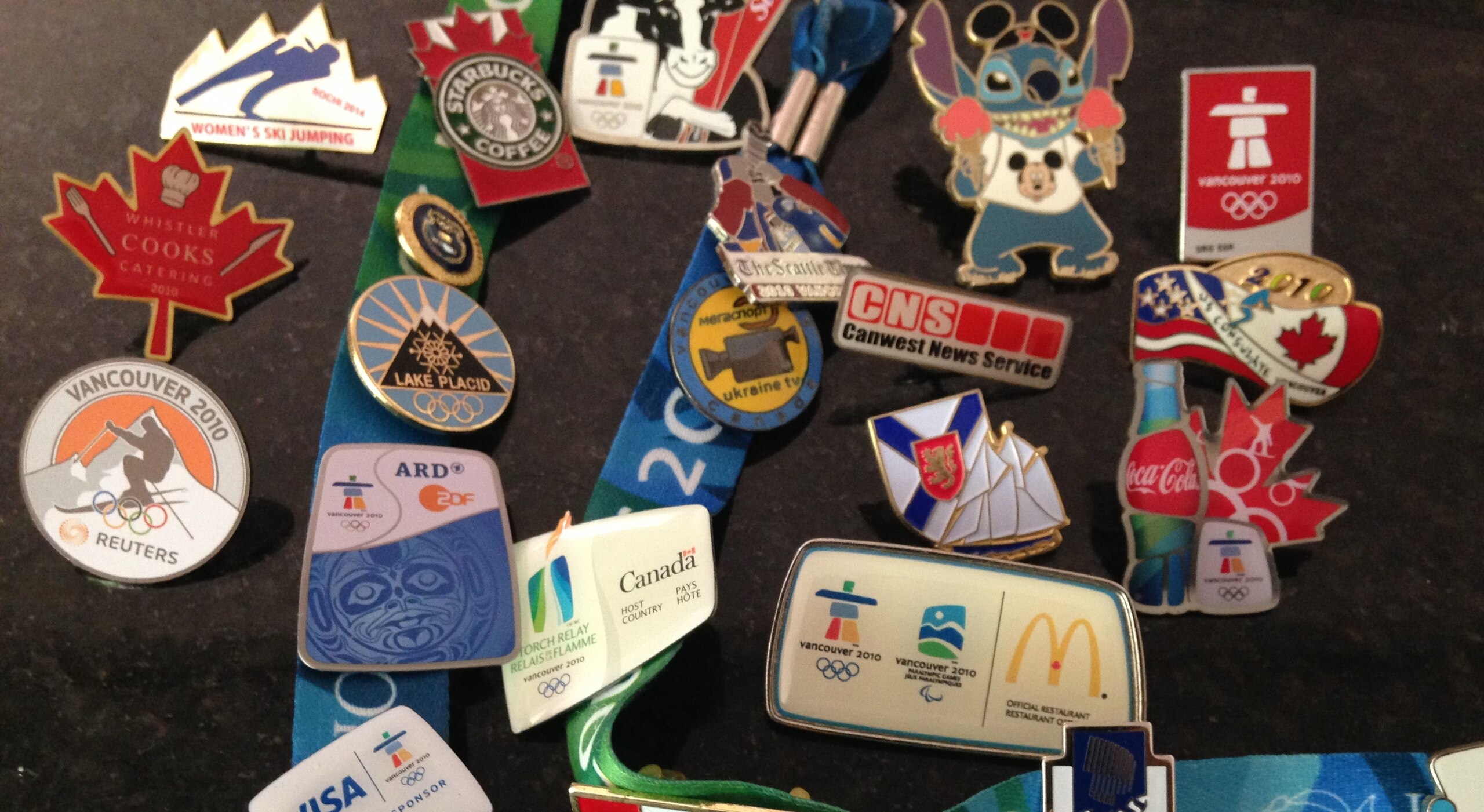
Weird mascots. Logos from news organizations near and far. Corporations with Olympic-themed goodies.
The world of pin trading is surprisingly easy to enter. Every once in a while, you might shell out a few bucks for a particularly nice pin that means something to you. But if you're lucky, your company (or news organization) will give you a handful of pins and set you loose into the wilds of the Games.
Pin trading breaks down language barriers and creates friendships. It's also a currency that will help you win favor with the staff at the most convenient place to grab a bite to eat or perhaps entice your taxi driver to quit circling Tianjin, China, and take you to the stadium.
Then you come home with a random assortment of metallic art you might not understand but will always treasure.
5. Quirky Sports
3 of 7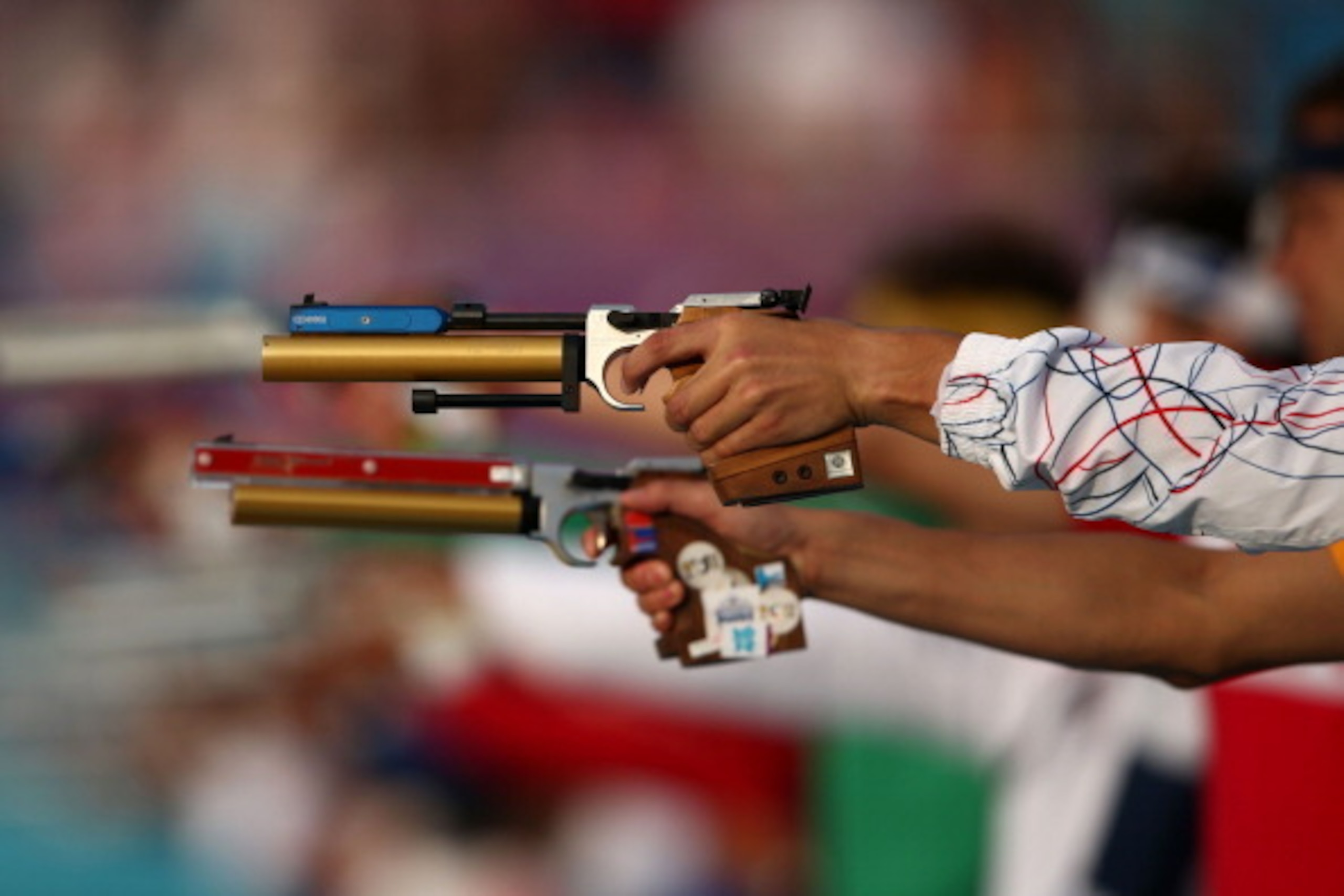
Modern pentathlon may seem like a random collection of sports: swimming, shooting, running, riding and fencing. But it has some logic behind it, as Jason Turbow of Wired explained: "The events play out under the elaborate, if improbable, idea that an officer carrying a message on horseback comes upon the enemy and must defend himself first with pistol, then with sword, before escaping across a river and running to his destination."
Little wonder future general George Patton competed fiercely in the event in 1912.
The event is called "modern" pentathlon because it was influenced by the ancient Olympics' test of soldiers' skills of running, jumping, throwing spears, throwing the discus and wrestling. Today's competition has been further modernized, with contestants firing laser pistols and combining the running and shooting stages, biathlon-style.
A few other "modern" Olympic events have ancient roots. Track and field still includes the javelin and the discus. Archery, shooting and wrestling still have prominent places in the Games.
And while the Olympic program has turned selective over the years as the IOC tries to keep the Games to a reasonable size, the last few decades have included some new events ranging from the artistic (rhythmic gymnastics, synchronized swimming) to the extreme (BMX)—or both (trampoline).


.jpg?w=2560 "NBA Gambling Charges")
4. The Torch
4 of 7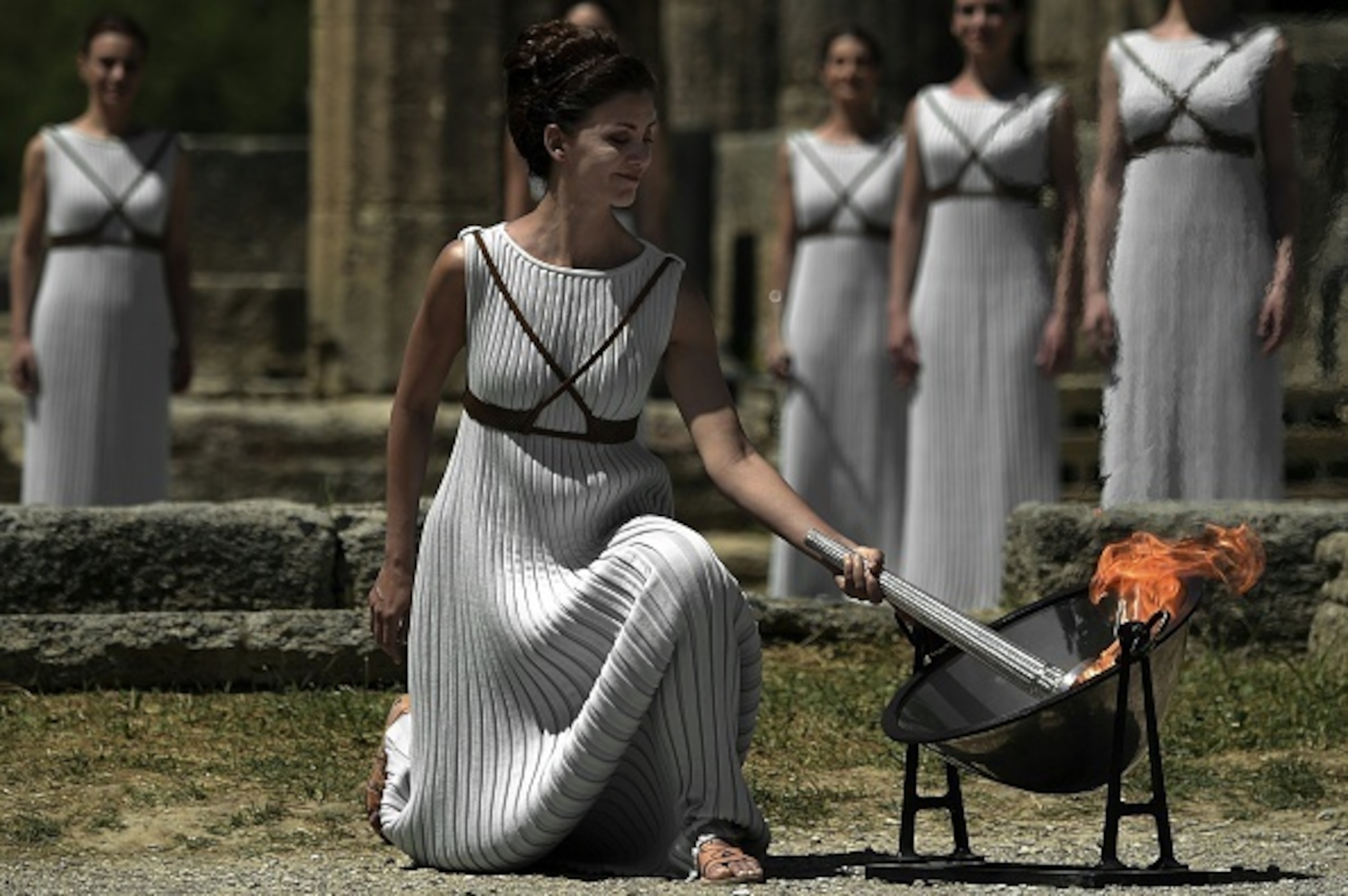
When Muhammad Ali took the final step of the torch relay in Atlanta, it marked an indelible moment in Olympic history, one that brought tears and chills to even the most jaded observers.
Barcelona, Spain, and Beijing went for spectacle, with archer Antonio Rebollo appearing to (but not really, as Yahoo's Jay Busbee pointed out) ignite the cauldron in 1992 and gymnast Li Ning gliding across the top of the Bird's Nest in 2008.
But the torch relay always starts at the same place: ancient Olympia in Greece, where actresses played the roles of priestesses, giving the Associated Press (via NBC Sports) a chance to start a story with "Fire spurted from a concave mirror..."
3. The Village
5 of 7
The Olympic Village is a melting pot of talented athletes. Former IOC president Jacques Rogge was so enamored of it that he spurned the usual luxury treatment accorded to bigwigs and insisted on staying with the competitors.
"I speak to the athletes; they always speak openly," Rogge said, as relayed by Jacquelin Magnay of the Telegraph. "I take my tray [of food] and sit down at a table, and within a minute, they come down and sit next to me, and they are not backward in their advice."
Granted, it's also a large gathering of young, fit, attractive people, and that's why reporters looking for pre-Games features track down the staggering numbers for condom orders at the Olympics. In May, Holly Allen and Lakshmi Varanasi of Slate traced the history of contraceptives at the Games.
"It's like Vegas," shot-putter John Godina told ESPN.com's Sam Alipour. "You learn not to ask a lot of questions."
2. Releasing the Doves
6 of 7
NBC's Nathan Clark outlined the tradition of releasing birds of peace, which dates back to the revived Olympics in 1896.
The tradition of releasing these birds either well before the cauldron is lit or perhaps later on dates back to 1988, when a few doves met an untimely end after choosing an unfortunate perch in Seoul, South Korea.
We might see symbolic doves rather than real birds. But the desire for global peace will shine through.
1. The Truce
7 of 7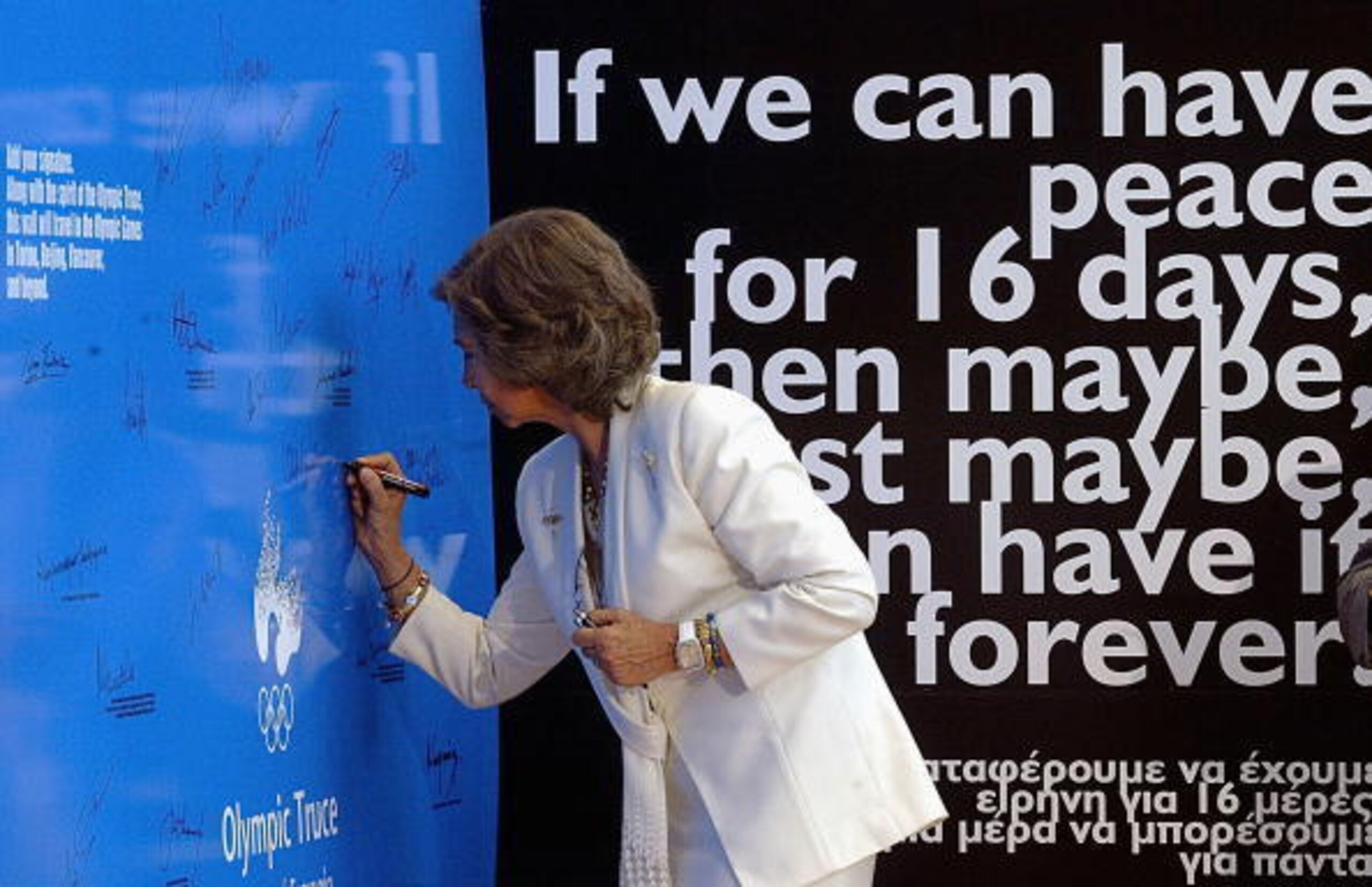
Speaking of peace, the ancient Greeks agreed to put aside their conflicts to allow people to travel freely to and from the Games.
Such ideals may seem distant today. The attacks on Munich in 1972 and Atlanta in 1996 forced Olympic organizers to turn venues and villages into temporary fortresses, and a day at the Games can feel like a day at the airport as spectators pass through security screening after security screening. But the IOC is serious about using sports as a platform for peace, and it's partnered with the United Nations to proclaim the truce.
During the Olympics, some athletes and officials maintain the spirit of the truce better than others. We're just more likely to hear about conflict than we are the quiet gestures of friendship and respect between political adversaries.
Count U.S. wrestling star Jordan Burroughs among those who get the message.
.jpg?w=2560 "Aikman Blasts Cowboys WR 🫣")

.jpg?w=2560 "Jonathan Taylor Landing Spots")