A Complete Tactical Profile of Tottenham Hotspur Midfielder Erik Lamela
A year ago, Tottenham Hotspur attacking midfielder Erik Lamela returned from the Copa America with a lot to prove. The Argentinian's second season in the Premier League had seen him progress, but not quite to the extent that his place in Mauricio Pochettino's setup was secure.
Back in pre-season training already following another—this time more individually productive—Copa campaign with his country, this summer is looking like the first settled one of his Tottenham stay.
TOP NEWS
.jpg?w=2560 "Cardinals Giants Football")
NFL investigating referee after viral exchange with player
.jpg?w=2560 "Titans Giants Football")
OBJ Calls Out Giants After Release

Week 5 AP Top 25 Poll 🔢
Lamela took his time getting to a point where he was tactically integral to the Tottenham team—or, if not integral, at least prominent in Pochettino's thinking.
The former Southampton manager arrived a year after his compatriot. Lamela had shown flashes of the quality that had convinced Spurs to pay Roma over £25 million for him, but in his admittedly rare early appearances, he looked unprepared for the pace and physicality of the English game.
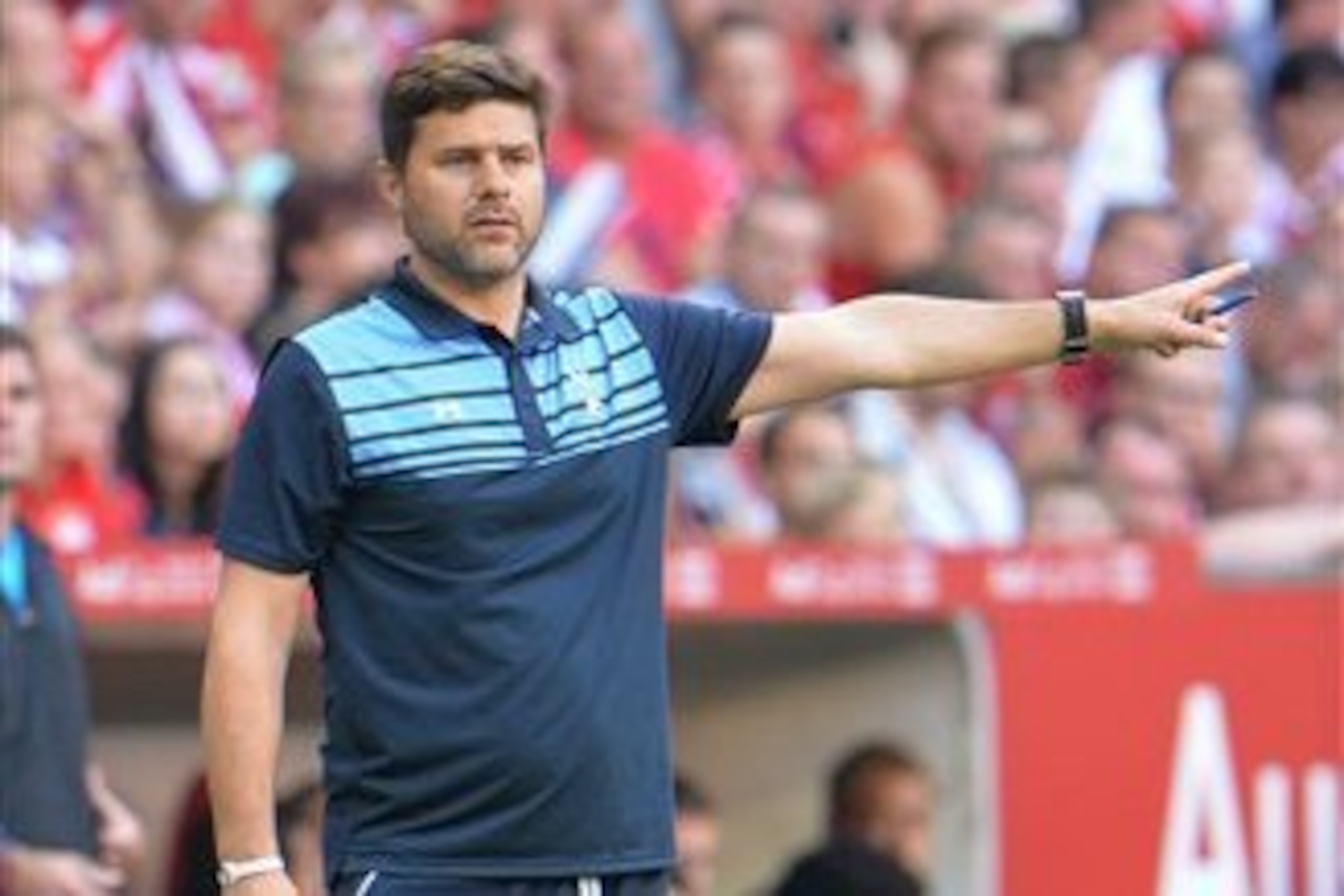
Having spent the second half of that first season injured, he was raring to go upon the arrival of Pochettino. Things improved—making 45 appearances in all competitions—yet there was still the feeling there was more to come from Lamela.
The 2015-16 campaign proved that perception correct.
After a rough start following his late return from international duty, Lamela battled his way into form. An at-times scintillating display in the 4-1 win over Manchester City was the best yet of his Spurs stay, and it set out an ideal template for what would be wanted from the midfielder moving forward.
It is debatable Tottenham have quite got their money's worth on such a large sum—although the way transfer fees have gotten crazier since 2013 has made his price tag seem less exorbitant. But Lamela performing at the level he mostly did last season is good enough, and his continued presence is welcome.
The north London club's official website posted a piece in which they described the 24-year-old as "a reinvigorated man."
"I hope he wouldn't mind me saying it but he probably had a few difficult months when he first came in here, but I think he's proved the doubters wrong," said the South American's team-mate Kyle Walker.
Lamela cannot get complacent with stiff competition around him. Heading into the new season, though, he is in a good place to improve further and establish himself as one of Tottenham's most accomplished performers.
Doing the Dirty Work
The aforementioned Tottenham website article went so far as to say Lamela has "reinvented himself."
"He's lean, he's added a layer of steel to his attacking instinct and he's now someone equally as reliable at chasing the ball down and winning possession as he is at going forward," it read.
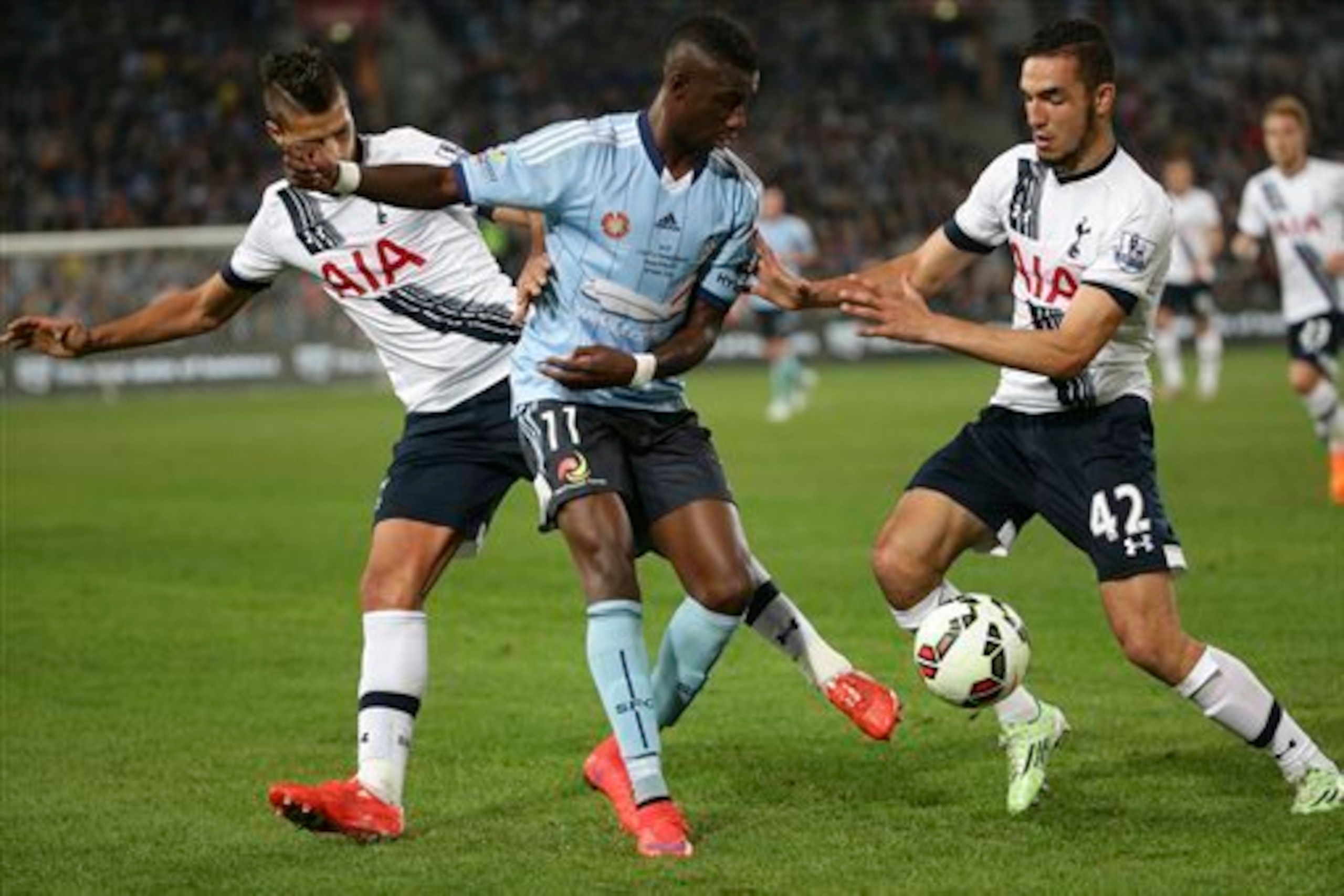
It says a lot for how well Lamela did the less glamorous aspects of his job last season. In reality, it was already a significant part of his game.
Per WhoScored.com, his 2.4 tackles per league match was decisively the most made by any Spurs attacking midfielder in 2014-15—and it held up against those more in the thick of things further back.
In the 2015-16 campaign, he once more led those deployed in the area between midfield and attack in tackling, again recording 2.4 per league fixture.
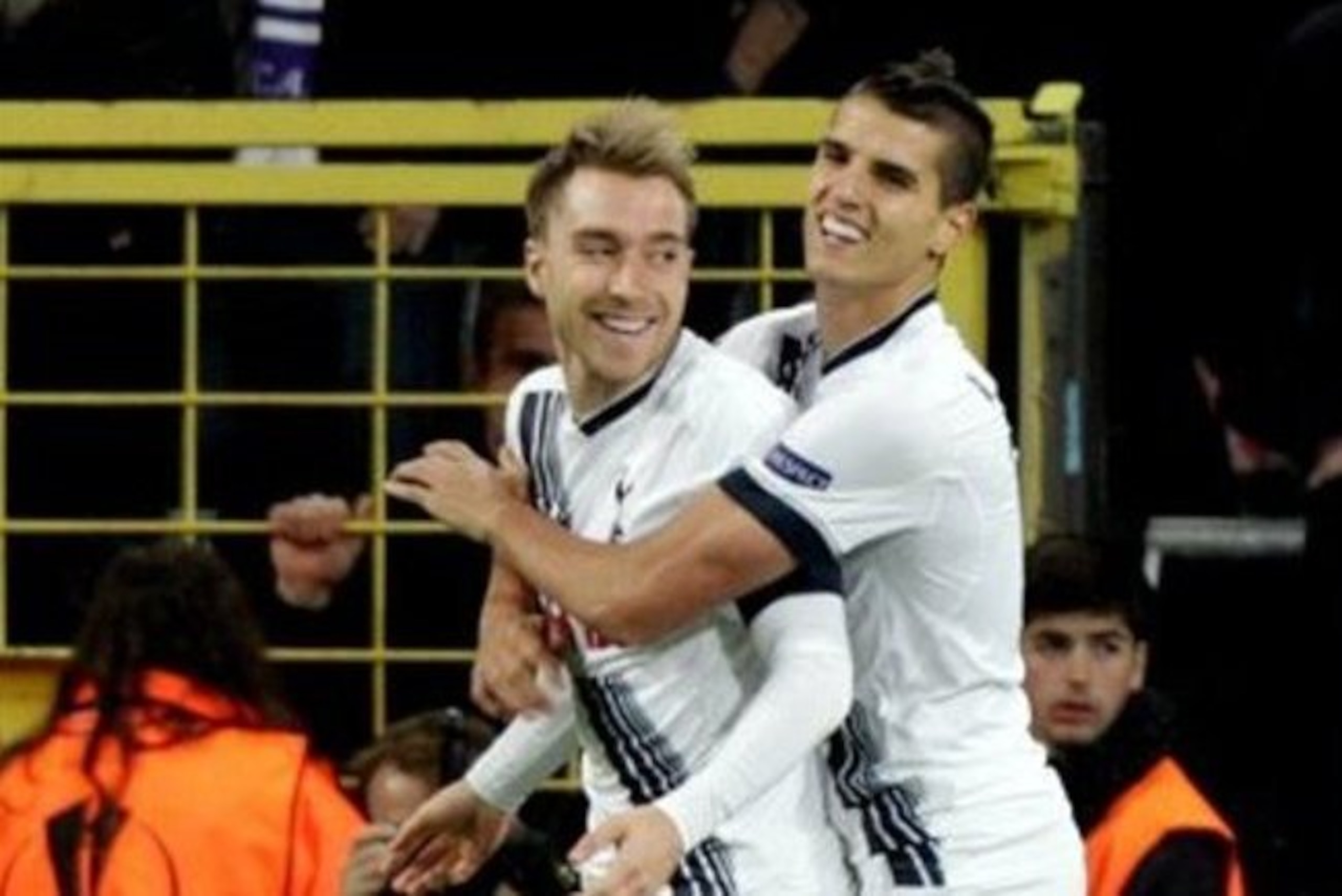
Others like Nacer Chadli and Christian Eriksen not matching Lamela here is not so much a mark against them—Dele Alli's 2.2 was closest, albeit his central role naturally meant him seeing more action—rather it is testament to the particular pride he takes in imposing himself on the opposition.
Few Spurs players practice Pochettino's desired pressing game as keenly, understanding how conducive it can be to their work in possession. Be it engaging the opposite full-back from the nominal right-wing position he primarily occupies (see his hounding of Liverpool's Alberto Moreno at home last season) or getting across the pitch to join his team-mates in squeezing the space (in that same game, one such situation saw him help Eriksen regain possession centrally).
One of Lamela's most admirable traits, even two seasons ago, was his willingness to go chasing after the ball when it was lost upfield—in systematic moments like those just mentioned and also when having lost it himself.
In 2014-15, it said as much about his still figuring out Premier League rhythms that he needed to go on impromptu recovery missions. Last season, it felt as much to do with desire to win as individual responsibility.
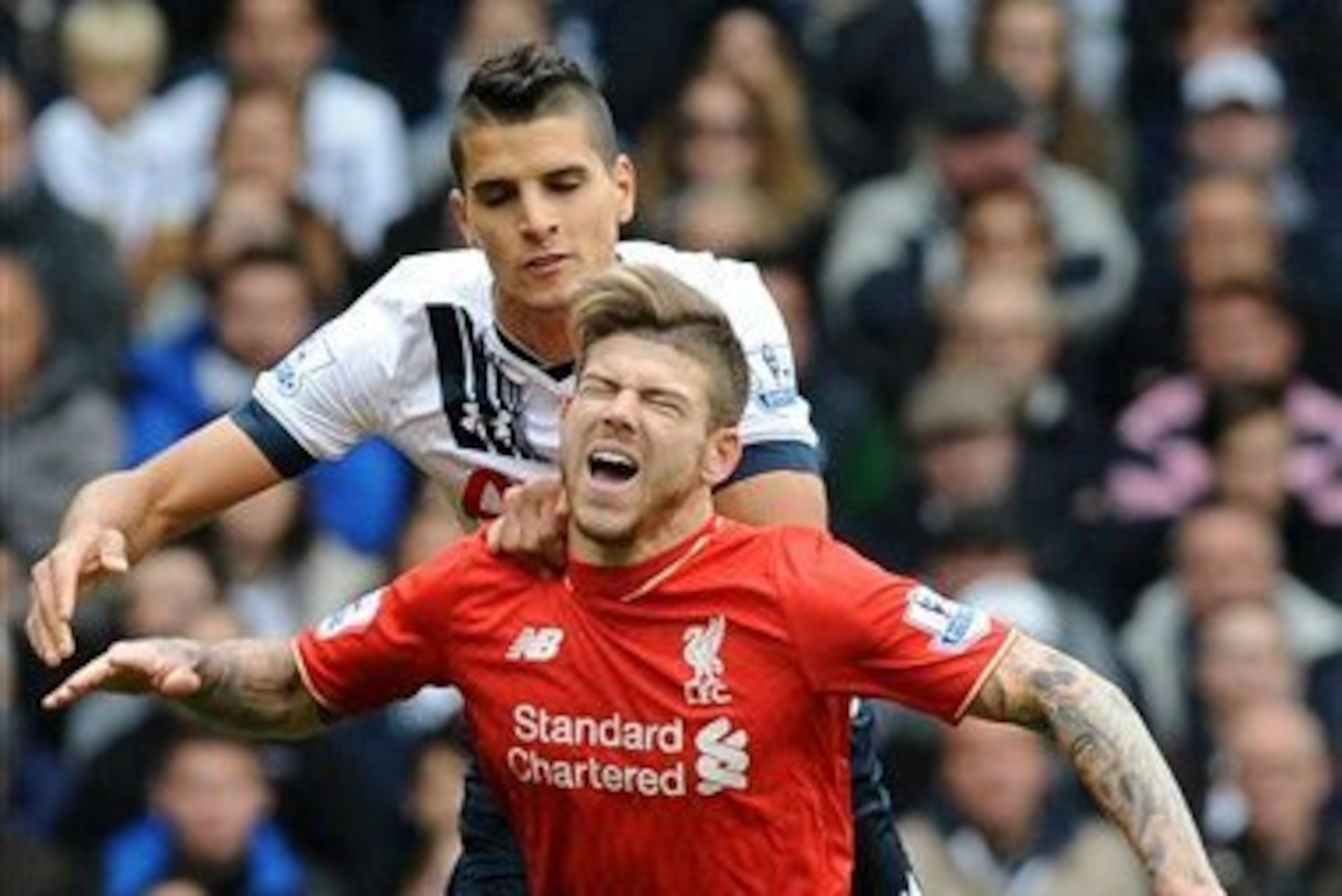
One such moment occurred at home against Manchester City, when his attempt to pass inside to Harry Kane was stopped. Rather than pout at the failed move as some attackers would do, he gave chase and halted a potential charge down the left from Raheem Sterling.
For all Lamela offers in this side of his game, there are some issues in this department.
As hard as he works in midfield and attacking areas, he is not as urgent defending his own flank further back—compared to someone like former-Spur Aaron Lennon, whose covering here was a big part of his game.
He is not the best obstacle to opposition momentum, either, and he can be caught flat-footed fronting up in one-on-ones.
This is not a huge problem with right-backs Kieran Trippier and, more often, Kyle Walker adept on their own and also usually aided by one of the central midfielders shuttling across. But in that Man City game, for example, Sterling at times had more space than was ideal.
More problematic is that Lamela's aggressive tendencies can have negative repercussions.
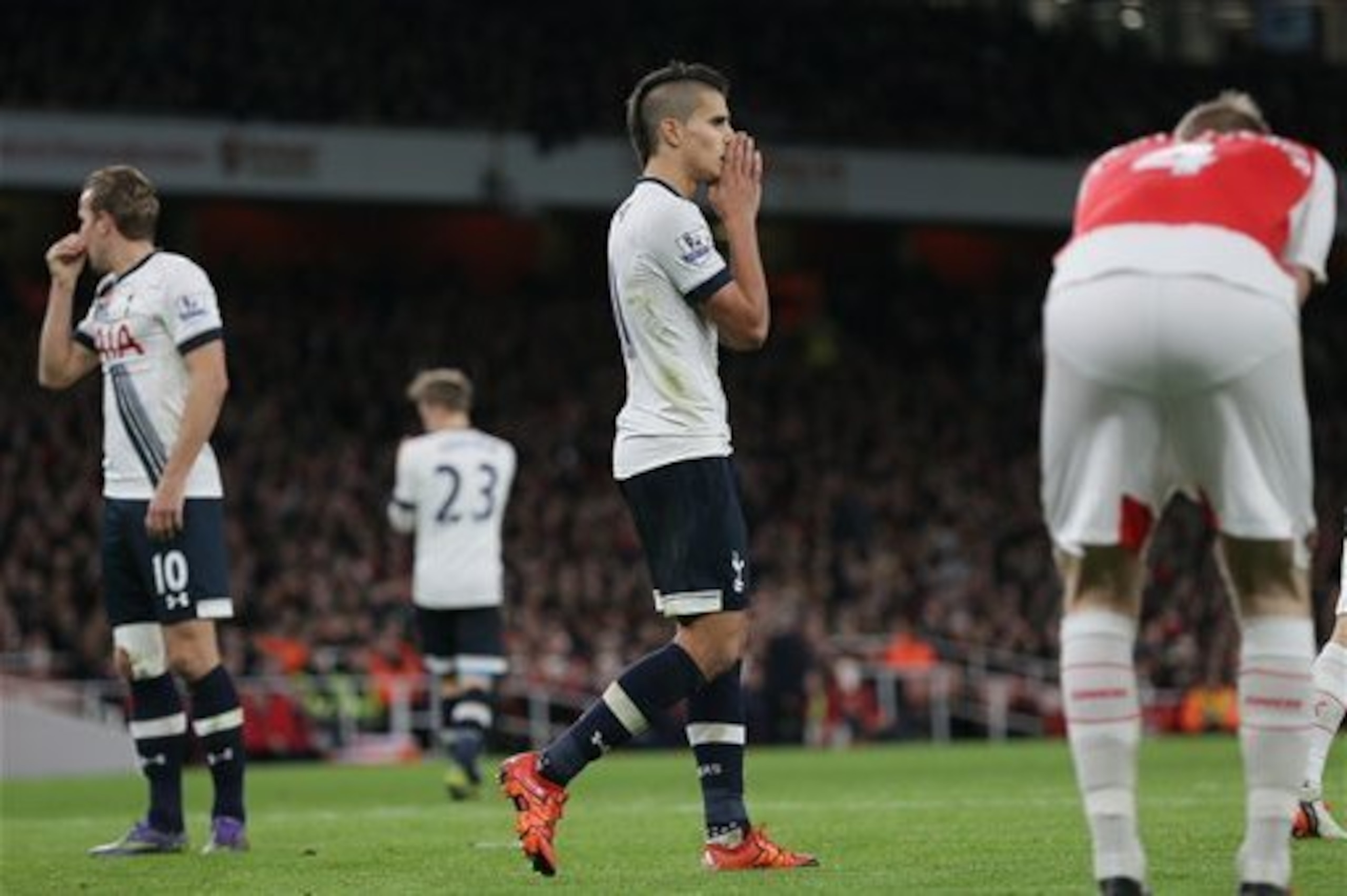
He was as motivated as anyone in the 1-1 derby draw with Arsenal last November and was a big part of Spurs unsettling them. In the second-half, however, his more physical challenges were met by theatrical reactions from the Gunners.
The free-kicks he conceded hurt Spurs' rhythm slightly and, more damagingly, he also received a booking that meant his later withdrawal to avoid being sent off. Arsenal's equaliser partly came through their taking advantage of the loss of shape that followed.
The 1.9 fouls per game Lamela committed last season was a team high. His nine yellow cards overall provide further evidence that good intentions in his eager play were not entirely immune to bad timing and unsympathetic refereeing.
In Transition
Lamela's good work ethic would mean little if he did not have the ability to make something of it.
The tentative player of his early time in England has gradually turned into a more confident performer. His enjoyment of action extends beyond tackling and harrying to the attempts to turn hectic midfield battles into more graceful periods of transition.
Lamela is one of Spurs' best on the break, effective with both his passing and dribbling.
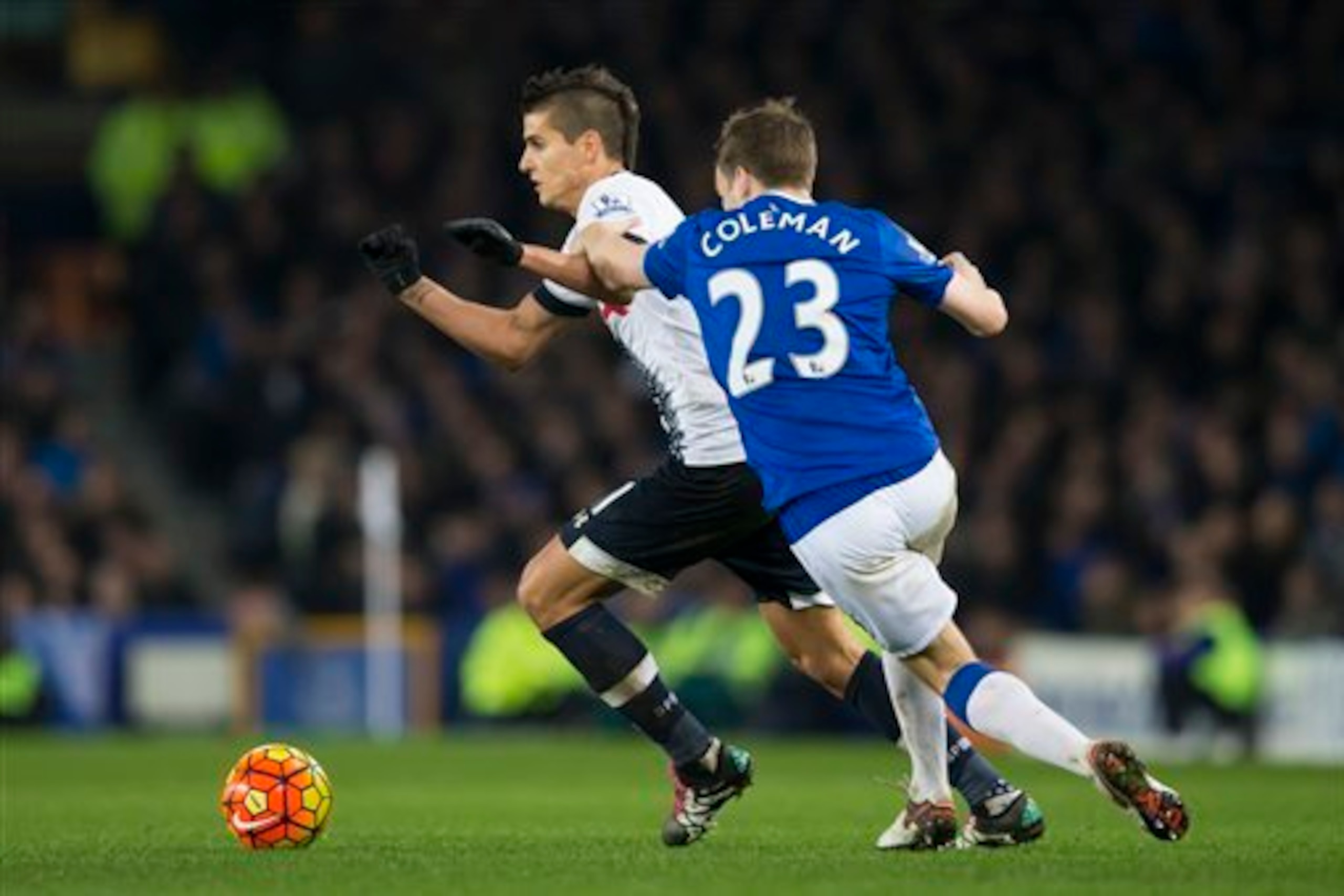
His promptness in the former is enhanced by a good instinct and understanding for where his team-mates are likely to be. Heung-Min Son's winner at home to Crystal Palace started when Lamela won the ball outside his own box and quickly freed the already moving Eriksen.
Although not lightning fast, he is speedy enough that, coupled with quick feet, he is able to leave opponents in his wake. In the 4-1 win over Man City, it was his tricky run following another exchange with Eriksen that earned the free-kick leading to Kane scoring Spurs' third.
Lamela's adaptability augments the flexibility Pochettino encourages in his team's general midfield work, too, sometimes in interchanges of position and often in terms of movement—though some of Spurs' tougher days saw both him and the team operating too statically.
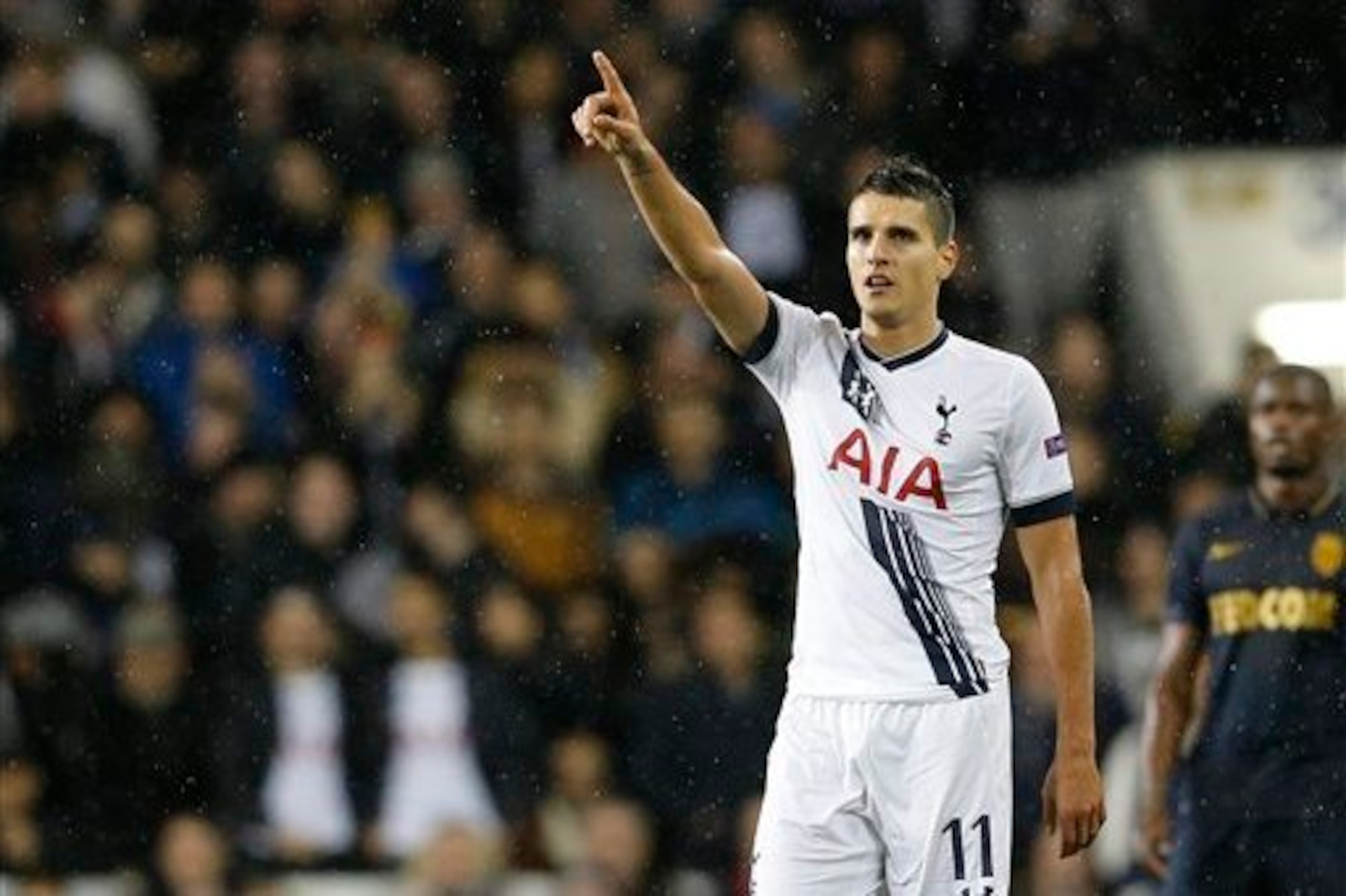
Give him the ball out on that right wing and he can take it further on his own or combine with others moving inside. Centrally, too, the aforementioned attributes allow him to influence from here in tighter confines or open space.
Among his fellow midfielders, his pass completion success of 78.6 per cent was solid enough, but compared to the numbers of players like Eriksen (81.2) and Mousa Dembele (90), he could stand to improve.
The Final Third
Lamela finished 2015-16 with 11 goals in all competitions and nine assists, an improvement on his five and eight a season earlier.
His superb through ball for Eriksen's winner away at Manchester City stood out in the latter category. As for his best scoring efforts, the hat-trick against Monaco in the Europa League was notable given his prominence in front line sans Kane that day.

The good numbers were a worthy reward for his active approach to participating in Tottenham's work in the final third.
The first win over Manchester City has featured prominently in this piece, but it really did show Lamela at his best. Out on the right flank and coming in off it, Manuel Pellegrini's side struggled to keep track of him that day.
Not all he tried came off—an effort from Ben Davies' cross was skied way over—but his short, sharp passing and good runs with and without the ball ensured City had to stay alert even as their attack pushed Spurs back before the interval.
Having set up Toby Alderweireld's lead-taking header with a curled free-kick and played his part in the third, Lamela latterly took up more positions out left and centrally. It was from here he sealed the win with a composed control and finish rounding Willy Caballero and Martin Demichelis.
Lamela being let off the leash was something prominent in some of Spurs' most enjoyable wins (also see the 4-1 springtime thrashing of Stoke City).
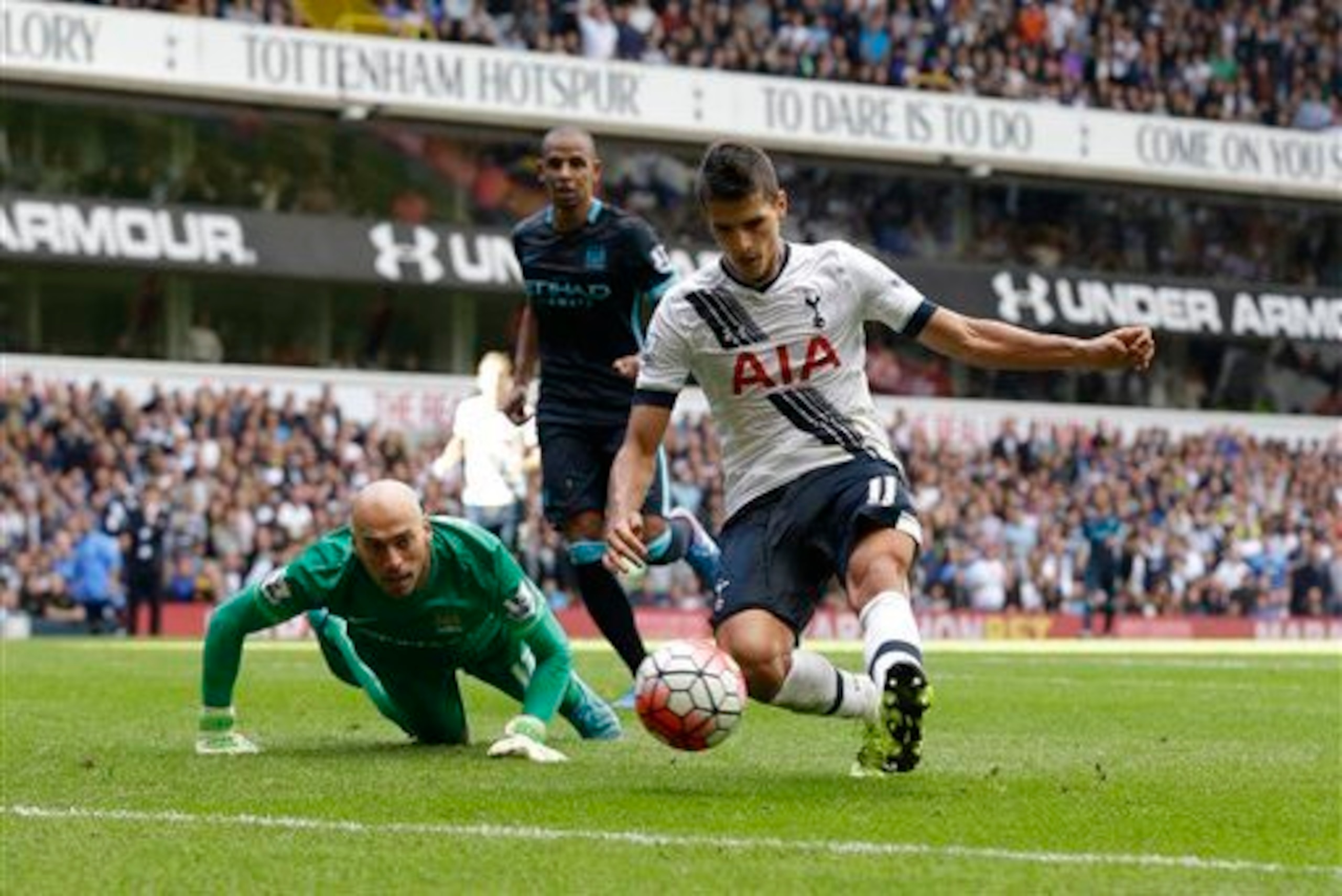
His reading of the game could be seen in knowing when to go beyond a dropped-off Kane to ensure the defence was still occupied, or in the runs into the channel or across the breadth of the penalty area that offered a distraction if nothing else.
Coming in off the right did run the risk the vacated space would become prone for swift reprisals. Generally, though, Spurs were strong enough further back as to allow Lamela to take these chances.
We will find out soon enough just what Pochettino has in mind for his attack this season. Given all he brings to the table, some major upheaval will need to occur for Lamela not to be part of it.