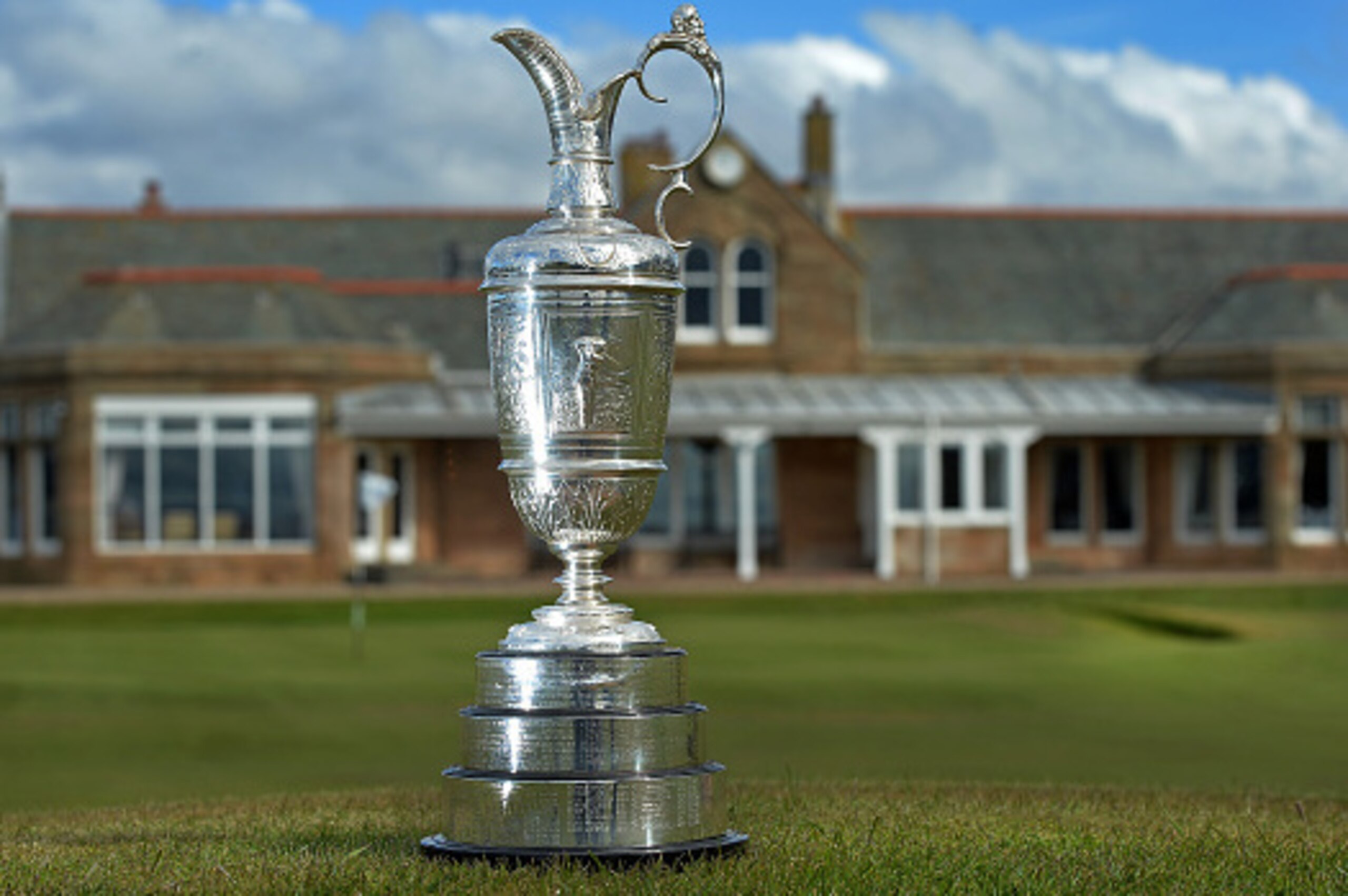

5 Reasons The Open Is the Best Major Tournament
In terms of viewership, the Masters has golf fans glued to their television screens in a way the other three majors can hardly approach. Augusta's carefully orchestrated, well-protected mystique and prestige account for some of this, to be sure, as well as the splendor of the venue and history of entertaining finishes.
The Masters, however, is not the best major. Rather, it is the least watched among the four in the U.S. market that ought to stand paramount.
Before offering five reasons why The Open is the best of the four majors, we can limit the list of potential "bests" to two. Here's why: The best major ought to allow the best golfers to compete, right? To this end, then, necessarily only The Open and the U.S. Open are in the running to be called the "best," as both have open qualifiers for both professionals and amateurs.
With this in mind, here's why The Open is the better of the two Opens.
The Oldest, Most Storied Major Championship
1 of 5First played in October 1860 at Prestwick Golf Club in Scotland, The Open is the oldest major championship, 35 years older than the U.S. Open. Interestingly, at the first Open Championship, where Willie Park Sr. beat Old Tom Morris by two strokes, the golfers played the course's 12 holes three times in the same day.
A full 156 years later, The Open is held (over four days) on many of the same courses where it was contested in the 19th century.
Early Open Championship history is fascinating: There was Old Tom Morris, clubmaker and winner of four of the first eight Opens. Then came his son, Young Tom Morris, who won at the age of 17 and four times in a row after that before dying at just 24 years of age. Jamie Anderson. Bob Ferguson. Don't forget golf's first great triumvirate of James Braid, J.H. Taylor and Harry Vardon. And this doesn't even get us into the 20th century!
In more recent history: Jean Van de Velde's surreal meltdown on Carnoustie's 18th hole in 1999. The Duel in the Sun: Tom Watson and Jack Nicklaus going head-to-head at Turnberry in 1977. Tom Watson's near-win in 2009 at 59 years of age. John Daly's 1995 win. Tiger Woods' eight-stroke thrashing of the field in 2000 at St. Andrews. And on and on.
More than 150 years of first-rate spectacle sets the competition apart.
And do yourself a favor when you have 26 minutes to spare: Watch the video above.
Great Theater Recently
2 of 5
Even if you want to forget about the tournament's storied history, about which much ink has been spilled, and focus instead on the last five Open Championships, it's clear: The combination of venue, field and conditions has led to some truly entertaining tournaments in the past few years.
Consider these capsule summaries of the most recent handful of Opens.
- 2015: Zach Johnson defeated Marc Leishman and Louis Oosthuizen in a playoff to win at St. Andrews.
- 2014: Rory McIlroy outlasted hard-charging Rickie Fowler and Sergio Garcia to win by two at Royal Liverpool.
- 2013: Phil Mickelson finally claimed an Open Championship, winning by three at Muirfield thanks to a brilliant final round.
- 2012: After Adam Scott's heartbreaking back-nine collapse, Ernie Els claimed the second Open Championship of his career.
- 2011: In emotional fashion, Darren Clarke won his first major championship at Royal St. George's.
And given that sport, at a professional level, has been primarily about entertainment since Roman times, this is a good thing for both casual and more regular observers of the game.
The Best Links-Style Venues
3 of 5
Golf, as the most casual of sports fans probably knows, was originally played on links-style courses, not the more common parkland style tracks of the United States. Thus, early courses look much more like actual farms (and in some cases featured sheep grazing in the fairways) than, say, Conway Farms, site of the 2015 BMW Championship.
Putting aside the parkland versus links-style course debate, there's no doubt that some of the best links courses in the world make up the Open rota, including the Home of Golf itself: the Old Course at St. Andrews.
Here are the courses of the current rota and where they rank in Golf Digest's 2016 rundown of the world's 100 best courses:
- The Old Course at St. Andrews (8)
- Royal St. George's (45)
- Royal Liverpool
- Royal Lytham & St. Anne's (82)
- Royal Birkdale (35)
- Royal Troon
- Carnoustie (26)
- Turnberry (22)
- Royal Portrush (27)
- Muirfield (9) (which will likely return if the club agrees to admit women as members)
It's an impressive roster of tracks promising the singular theater of links golf, rich location-specific history and scenic beauty every year.


.jpg?w=2560 "NBA Gambling Charges")
The Truest Traditional Test
4 of 5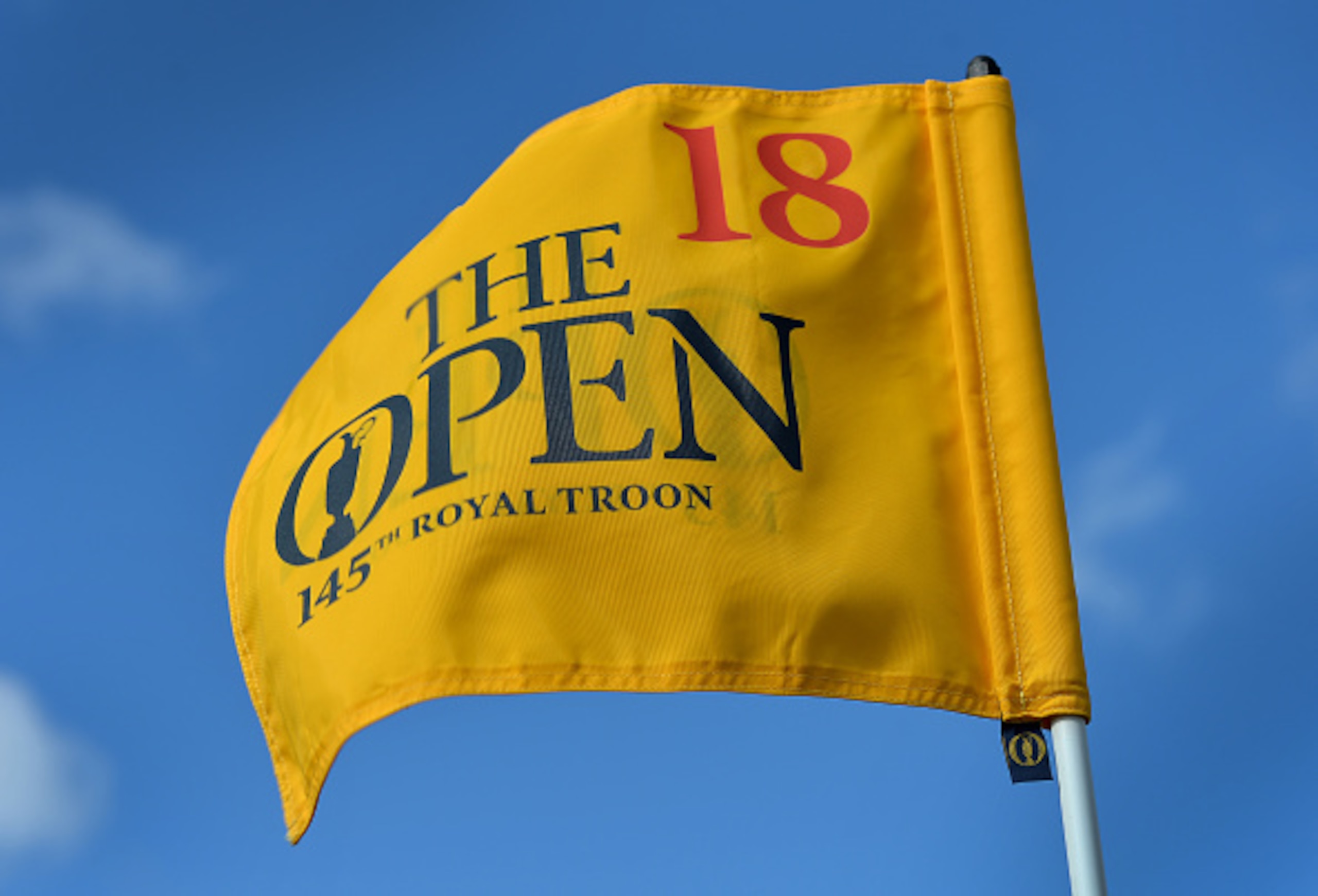
Let's be direct about this: Modern golf is not a game that is played "the way it was meant to be played."
As recently as the mid-19th century, golfers played with leather rounds stuffed with feathers, wooden-shafted irons that bear little resemblance to their modern equivalents and actual wooden woods. The game was played mostly along the ground, with shots that certainly didn't rise to the average apex height of PGA Tour strikes today (90 feet) or travel 300 yards.
However, The Open is the major where golf is played most closely to the way it was meant to be played.
What does this mean? In contrast to the U.S. Open, where missing the fairway is always penal, it is merely often penal at Open Championship venues. In contrast to the U.S. Open, where towering approach shots are almost always necessary to hold lightning-quick, upside-down, saucer-style greens, a variety of approach shots will work at The Open. And rather than finding greenside rough with wayward approaches in most cases at U.S. Open venues, at The Open, golfers generally encounter substantial slopes that leave difficult pitches that demand both precision and creativity.
And of course, as golf is a game that is played outside, it's only right that weather has the most significant effect on play at the venues of The Open. Nowhere else did you see Tiger Woods (in his prime) shoot 81, as he did during the third round of the 2002 Open Championship.
Because Tiger Woods Says So
5 of 5
Tiger Woods, winner of three Open Championships himself, has cited St. Andrews as his favorite golf course, per Jon Robinson of IGN Sports. Woods offered up this explanation of the glory of The Open in a 2012 blog post on his website that left little doubt. Title: "Getting ready for my favorite major."
Woods, discussing his appreciation of Open venues, writes:
"Each British Open has its own little quirks.
For instance, Hoylake was burnt out; some years at St. Andrews, the wind blew hard; this year, it will be a little bit softer than it normally plays. But we don't know if it's going to rain or blow, so that adds different challenges as the week develops. I'll bring my 5-wood and 2-iron, and decide which club to carry once I get there and feel out the conditions.
You can have so many different weather conditions. You just don't know. That's one of the unique things about the British Open and why it's my favorite major championship. It's the only tournament besides the sandbelt courses in Australia that we can actually use the ground as a friend and bounce the ball into the greens. Modern golf is all up in the air.
"
So, if you don't think The Open is the best, you're disagreeing with (arguably) the greatest golfer of all time.

.png?w=2560 "Week 8 Winners & Losers 📊")

.jpg?w=2560 "Aikman Blasts Cowboys WR 🫣")
.jpg?w=2560 "Jonathan Taylor Landing Spots")