

The Complete Guide to UFC 200: Jones vs. Cormier 2
UFC 200 goes down on Saturday. It's the most stacked event of the year and possibly in the promotion's history.
A big-name grudge match headlines the card. In the main event, Jon Jones and Daniel Cormier meet to unify the light heavyweight title that Jones never lost. Cormier's one and only defeat came at Jones' hands in January 2015, and the current champion gets a chance to avenge that loss against his nemesis.
The rest of the event is just as packed with talent. The lineup features an absurd nine current and former champions and too many post-fight bonus winners to count.
In the co-main event, former heavyweight champion Brock Lesnar returns from a four-plus-year hiatus to add some star power against perennial contender Mark Hunt.
Women's bantamweight champion Miesha Tate defends her belt against the rising Amanda Nunes in yet another compelling matchup, while Jose Aldo and Frankie Edgar will meet for a second time to fight for the interim featherweight title.
The main card opens with a heavyweight bout between former champion Cain Velasquez and Travis Browne.
Even the preliminary card is full of great fights. Former title challenger Cat Zingano takes on hot prospect Julianna Pena in the Fox Sports 1 headliner, while former welterweight champ Johny Hendricks meets Kelvin Gastelum. Sage Northcutt opens the proceedings on television, while on Fight Pass, Diego Sanchez and Joe Lauzon meet in a battle of veteran action fighters.
It's impossible to overstate how good this card is. Every fight carries both the potential for action and serious narrative value.
Let's take a look at each matchup.
The Fight Pass Prelims
1 of 7
Lightweights
Jim Miller (25-8, 1 N/C; 14-7, 1 N/C UFC) vs. Takanori Gomi (35-11, 1 N/C; 4-6 UFC)
A crackling matchup between lightweight veterans opens the evening's festivities.
Miller is in the midst of a terrible run with just one win in his last five fights. Diego Sanchez took a decision from him in March, and Michael Chiesa submitted him last December. Gomi has likewise lost two in a row, falling by knockout to Joe Lauzon and Myles Jury.
The winner won't be a contender, but there's no way for this to be anything less than a fun fight.
Gomi isn't the overpowering submission wrestler of his youth or the power-punching bomber of his prime. But he's become a measured, technically sound southpaw striker who works at a great pace. His takedown defense is still solid, but on the mat he's toast against good grapplers.
Miller is competent everywhere. The southpaw is a technically sound striker with hard kicks and nice counters; he's also a decent wrestler and a lethal submission artist on the mat. He's not great defensively at either striking or wrestling, though, and he tends to tire after a couple of rounds.
Prediction: If Miller gets this to the mat, it's his fight to lose. He will submit Gomi in the first round.
Middleweights
Gegard Mousasi (38-6-2; 5-3 UFC) vs. Thiago Santos (13-3; 5-2 UFC)
Up-and-comer Santos takes on the experienced Mousasi in an excellent middleweight bout. Santos has won four in a row, three of them by first-round knockout, and steps in here on short notice to replace Derek Brunson. Mousasi's sole blemish in his last four fights was a knockout loss to Uriah Hall. The Dutch-Armenian fighter rebounded by taking a decision from Thales Leites in February.
The winner will be well-positioned for matchups with the middleweight elite.
Mousasi is a rock-solid, meat-and-potatoes fighter. He works behind a punishing, consistent jab and sharp low kicks. He then picks his spots to sit down on a straight right or left hook. Clinch takedowns are a strong suit, and on the mat he moves fluidly in top position and to the back. He rarely fights with a sense of urgency, though, and his lack of flash disguises how excellent he is at everything.
Santos is an exceptional athlete with great speed and power. Striking is the Brazilian's forte, and he packs crushing, fight-ending power in any single kick he throws from the left side. Strong takedown defense keeps him standing, but he isn't much of a grappler.
Prediction: This is a dangerous matchup for Mousasi, especially on short notice. Santos is a devastating striker with a tricky game on the feet and the takedown defense to impose that on his opponent. Still, Mousasi's bag of tricks is deep and diverse, and he should find a way to get things done. The Dutchman will take a decision.
Lightweights
Diego Sanchez (28-8; 15-8 UFC) vs. Joe Lauzon (25-11; 12-8 UFC)
Two of the most entertaining action fighters in UFC history meet in the Fight Pass headliner. Sanchez and Lauzon are nearing the ends of their illustrious careers and have combined to win a staggering 19 post-fight bonuses in the UFC. Neither is in danger of being cut, but a win here would mean higher-profile matchups and bigger paydays as they head toward retirement.
The southpaw Sanchez thrives on aggression. He moves forward from the opening bell, slinging punching combinations and kicks as he dives forward into relentless takedown chains. Top position is the New Mexico native's wheelhouse, where he drops heavy ground strikes and can find the occasional submission. He's hittable, however, and isn't diverse.
Lauzon is all about finding the finish, and finding it early. He slings heavy leather on the feet, throws vicious knees and elbows in the clinch and hits high-energy takedowns. He also constantly hunts for the submission on the mat, where he's most dangerous. Cardio is a problem, though, and so is defense.
Prediction: If Sanchez can weather the early storm, he should take over later in the fight as his pressure and pace take their toll. The New Mexico native will take a decision.
The Fox Sports 1 Prelims
2 of 7
Lightweights
Sage Northcutt (7-1; 2-1 UFC) vs. Enrique Marin (9-3; 0-1 UFC)
Hot prospect Northcutt looks to rebound from the first loss of his career, taking on The Ultimate Fighter: Latin America 2 finalist Marin. Bryan Barberena finished Northcutt in January, but before that the Texan had won two fights in impressive fashion. Spain's Marin fell short against Erick Montano in November.
This fight is meant to get Northcutt back on track—hopefully in a decisive manner.
Northcutt is a marvelous athletic specimen with ridiculous speed and power. He likes to kick at range and then explode forward into hard punching combinations that cover his takedown attempts. On the mat, Northcutt throws hard ground strikes before attempting to get in on a submission in transition, either a choke or a move to the back.
Marin can do a bit of everything. He's not athletic, but he's durable and crafty, especially on the mat. He's hittable on the feet, though, and isn't much of a wrestler.
Prediction: This is Northcutt's fight to lose. He will take Marin down and finish him with a barrage of punches in the first round.
Bantamweights
TJ Dillashaw (13-3; 8-3 UFC) vs. Raphael Assuncao (23-4; 7-1 UFC)
Former bantamweight champion Dillashaw takes on Assuncao, who has been on an incredible run of late. The Brazilian took a tight decision from Dillashaw back in 2013, which was the last loss on the former champion's record before he dropped his title to Dominick Cruz in January. For his part, Assuncao hasn't lost since 2011. He capped his seven-fight winning streak with a dominant win over Bryan Caraway in October 2014.
The winner will likely be in line for a shot at Cruz.
Dillashaw has become one of the best strikers in the sport. He works at an incredible pace, switching fluidly between southpaw and orthodox while pressuring, countering in the pocket and mixing punches and kicks in confusing combinations. He remains an excellent wrestler and a great scrambler with the ability to get the back and sink in the choke.
Assuncao has excellent skills in every department. He's smooth and diverse on the feet, wrestles well both offensively and defensively and is a monster of a top player with hard strikes and slick submission skills. There is no easy hole to exploit in his game.
Prediction: Their first fight was close, and many scored it for Dillashaw. There's no question as to who has evolved more since then. Dillashaw should handily outstrike and outwrestle Assuncao. Dillashaw takes a decision.
Welterweights
Johny Hendricks (17-4; 12-4 UFC) vs. Kelvin Gastelum (12-2; 6-2 UFC)
Former welterweight champion Hendricks takes on the up-and-coming Gastelum in a heck of a scrap.
The last 20 months haven't been kind to Hendricks. He dropped his title to Robbie Lawler, had an underwhelming win over Matt Brown, was forced to pull out of a fight with Tyron Woodley because of a botched weight cut and then suffered a first-round knockout loss to Stephen Thompson.
He needs a win to re-establish himself as an elite fighter.
Gastelum has struggled of late as well. A terrible weight cut of his own cost him against Woodley in January 2015, which forced him to move up to 185 pounds, where he defeated Nate Marquardt. He lost a razor-thin decision to Neil Magny last November, and his five-fight winning streak seems like a long time ago.
Hendricks is a former national champion wrestler at Oklahoma State, and he's still a smooth takedown artist and strong clinch fighter. Of late, however, he has done a lot more kickboxing. The southpaw is smooth on the feet and puts together slick combinations that he punctuates with vicious low kicks, though his once-devastating power seems to have diminished.
His opponent is likewise a southpaw. Gastelum is blessed with speed, explosiveness and power, and his aggression suits those physical gifts. On the feet, he likes to pressure his way into the pocket behind hard kicks and a sharp jab and then drop vicious head-body combinations. He shoots a nice double and has a great move to the back on the ground.
Prediction: This is a close matchup. Hendricks has more depth of skill, but he was brutally knocked out in his last fight and took a ton of damage in his two bouts with Lawler. He might never be the same guy. Conversely, Gastelum is getting better in every outing. The pick, without much confidence, is Gastelum by decision.
Bantamweights
Cat Zingano (9-1; 2-1 UFC) vs. Julianna Pena (7-2; 3-0 UFC)
Former title challenger Zingano returns to action after 17 months on the shelf. She draws The Ultimate Fighter winner Pena, who is quickly rising up the bantamweight ranks. Zingano's lone loss came against Ronda Rousey in February 2015, while Pena has won two in a row since returning from a devastating knee injury.
Pena's game relies on speed, strength and physicality. She's not much of a striker and throws punches only to work her way into the clinch, where she goes to work with hard knees and a steady stream of trips and throws. Top position is the Washington native's strongest suit, and she drops bombs as she passes and controls.
Zingano's game is similar. Like Pena, she's an excellent athlete with great speed and physicality; however, she's more proficient as a striker, is equally good in the clinch and is somewhat less punishing from top position.
Prediction: Unless the time off has ruined Zingano, she's better at practically everything. She will finish Pena with ground strikes in the third round.
Cain Velasquez vs. Travis Browne
3 of 7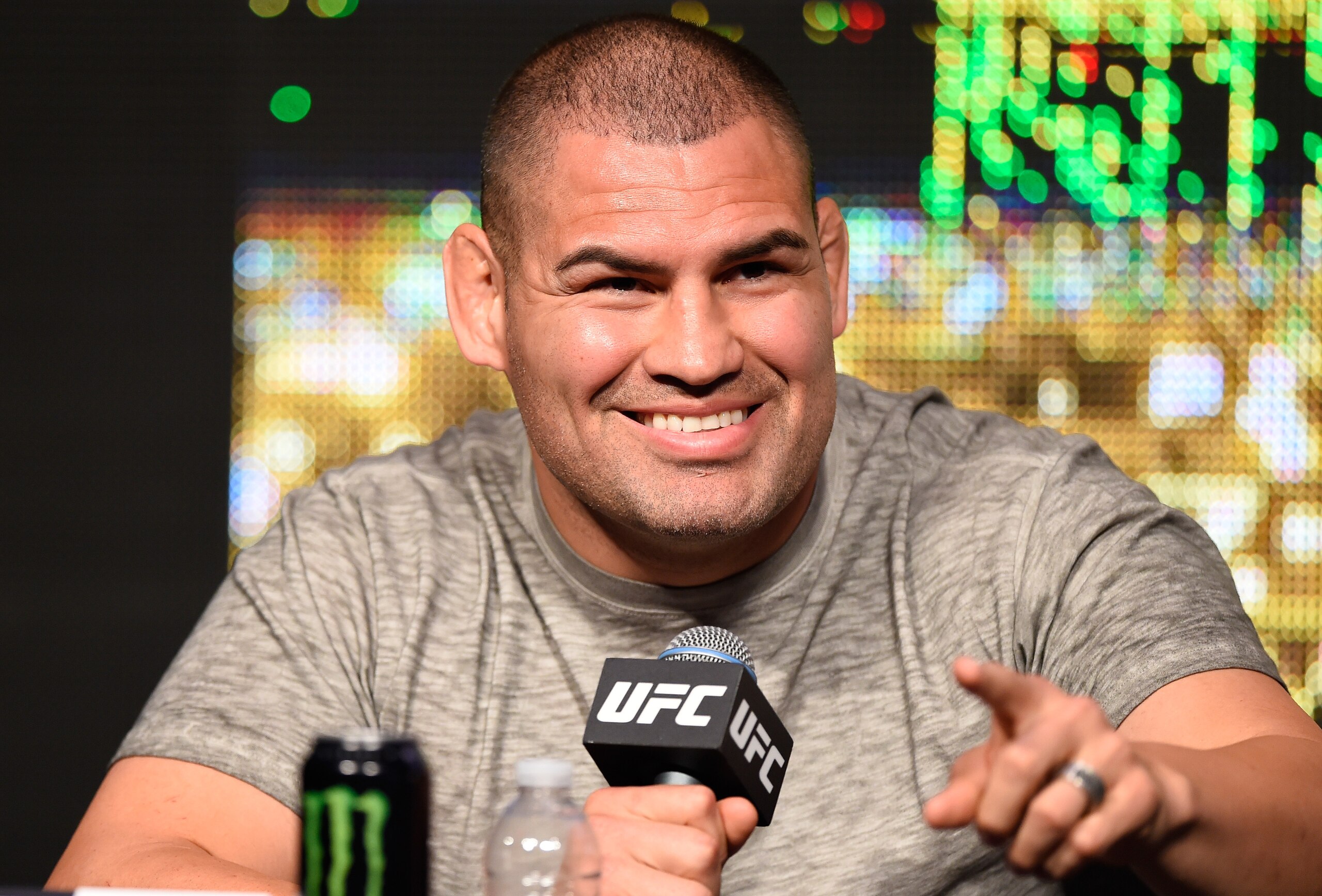
Heavyweights
Cain Velasquez (13-2; 11-2 UFC) vs. Travis Browne (18-3-1; 9-3-1 UFC)
Former heavyweight champion Velasquez looks to rebound from a devastating, title-losing effort when he faces the perennial contender Browne. Velasquez was supposed to be the future of the division. But he fell short against aging challenger Fabricio Werdum (38) last June and lost his shot at reclaiming the belt when he pulled out due to injury. Prior to that, Velasquez hadn't lost since November 2011.
Browne lost a desperate firefight with Andrei Arlovski in May 2015, but he got back on the winning side of things by defeating Matt Mitrione last January in a fight marred by Browne's repeated attempts to gouge his opponent's eyes.
The winner will be set up for a run at the belt in a division that has been given new life by new champion Stipe Miocic and Alistair Overeem's resurgence.
Velasquez is a born-and-bred pressure fighter. Everything he does is based around aggressive forward movement and pushing his opponent toward the fence. There, he can land punching combinations, grind away in the clinch and mix in takedown attempts at will.
While quick, relatively powerful and highly skilled, Velasquez is much less intimidating in open space, where he can't use the fence to his advantage. Unfortunately for his opponents, Velasquez has the footwork and other tools necessary to keep the fight in his wheelhouse.
The former collegiate wrestler moves forward from the opening bell. He likes to throw a dipping jab as he pressures and finishes his combinations with cracking low kicks. Once he gets into the pocket, Velasquez feels at home. Exchanging is a specialty, and he does a good job of pulling his head off the center line as he throws while lining up heavy power shots.
The clinch is Velasquez's strongest area. He uses his forward movement and constant punches to set up his entries and likes to grab ahold of the head or an underhook and then use that to push his opponent into the fence.
Once there, he uses the combination of head pressure and one arm to pin his opponent in place, leaving a hand free to land hard punches or control the wrist to create an opening for knees.
The former wrestler still has a strong takedown game. He hits explosive shots in the middle of the cage but is even better with chains against the fence, transitioning between singles, doubles, knee taps and trips. His defensive wrestling skills are likewise excellent.
Velasquez is a monster from top position. He prefers half guard, where he can pin his opponent to the mat and unleash a constant stream of vicious strikes. His control is less stifling than dynamic, as he allows his opponent to move to the turtle and counters with the ride and yet more strikes. Opponents eat punch after punch, assuming Velasquez will let up, but he never stops throwing.
While his cardio failed him against Werdum, pace has traditionally been the strongest part of Velasquez's game. He works at a punishing rate.
Browne stands a monstrous 6'7" and boasts surprising speed and agility for such a big man. He throws a crisp jab and long straight right hand and mixes in a steady diet of front and round kicks to the body. All of this is intended to keep Browne's opponents on the end of his long reach and to give him space to move through the cage at will.
Power and hand speed are Browne's hallmarks. Everything he throws carries fight-ending power, and he works at a quick pace. Countering level changes with flying knees and uppercuts is another specialty.
The problem with this approach is Browne's lack of options against opponents who are happy to kick with him at long range or try to pressure him. He has a basic counter game, but it's not enough to keep opponents at bay, and he seems flustered when opponents refuse to engage at his range or methodically walk him down.
Range striking is Browne's forte. But he's no picnic in the clinch, where his height gives him incredible leverage. The Hawaiian's takedown defense is outstanding, especially against the fence, and he excels at using elbows and short punches to inflict damage while stuffing chained shots. It's not perfect, though, and in the open space of the cage he will concede takedowns.
While he rarely looks for takedowns, Browne does excellent work from top position and packs serious power in his ground strikes.
Betting OddsVelasquez -275, Browne +235
Prediction
This is Velasquez's fight to lose. He won't stop in front of Browne at long range and allow him to peck away with kicks and straight punches; instead, Velasquez will keep moving, forcing Browne to fight off the back foot and with his back to the fence.
There's nothing to suggest Browne can deal with a pressure fighter of Velasquez's caliber, so unless Browne lands a single big shot to change the fight, Velasquez is going to put him through the wood chipper. The former champion will finish Browne in the third round.
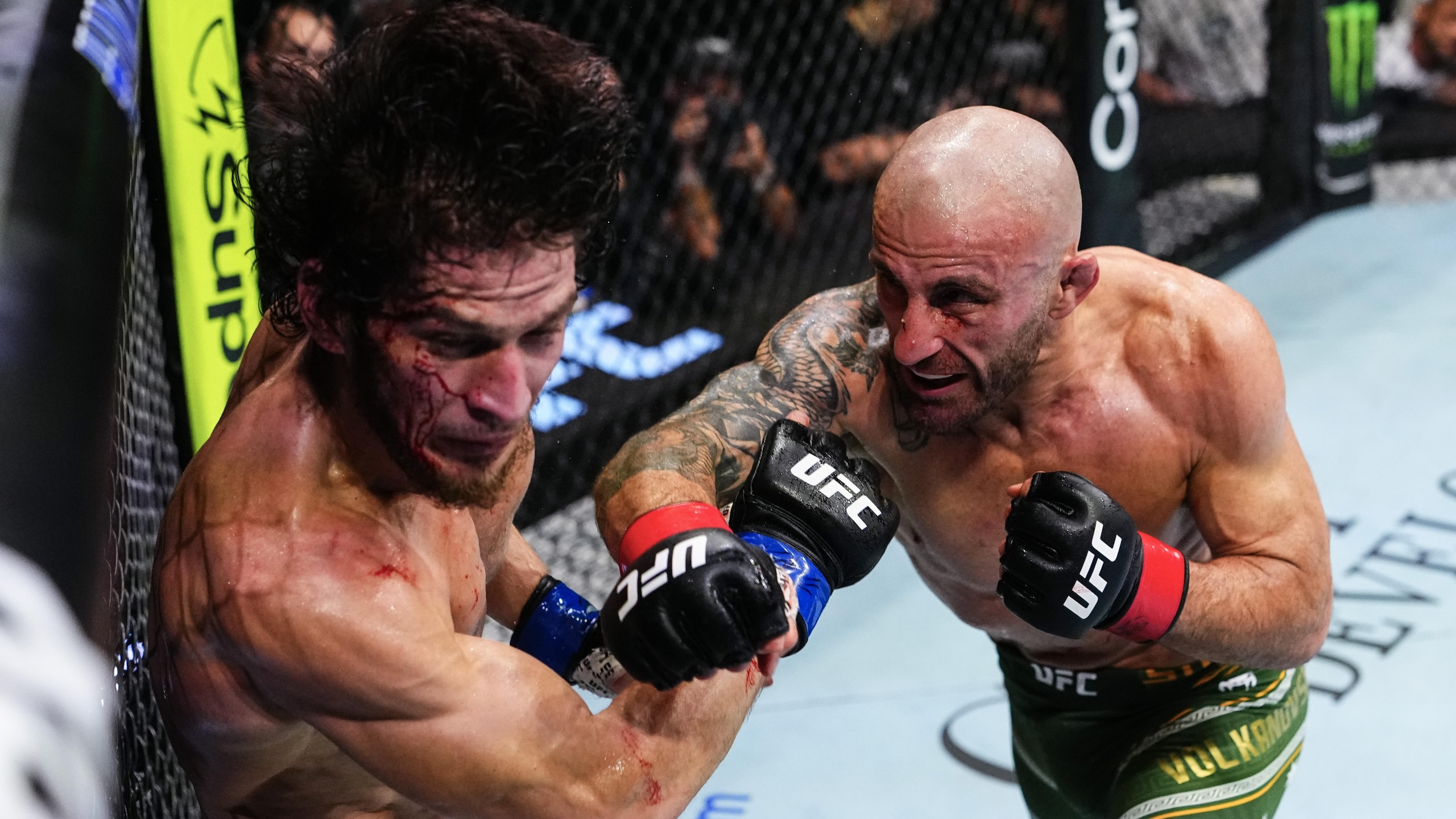
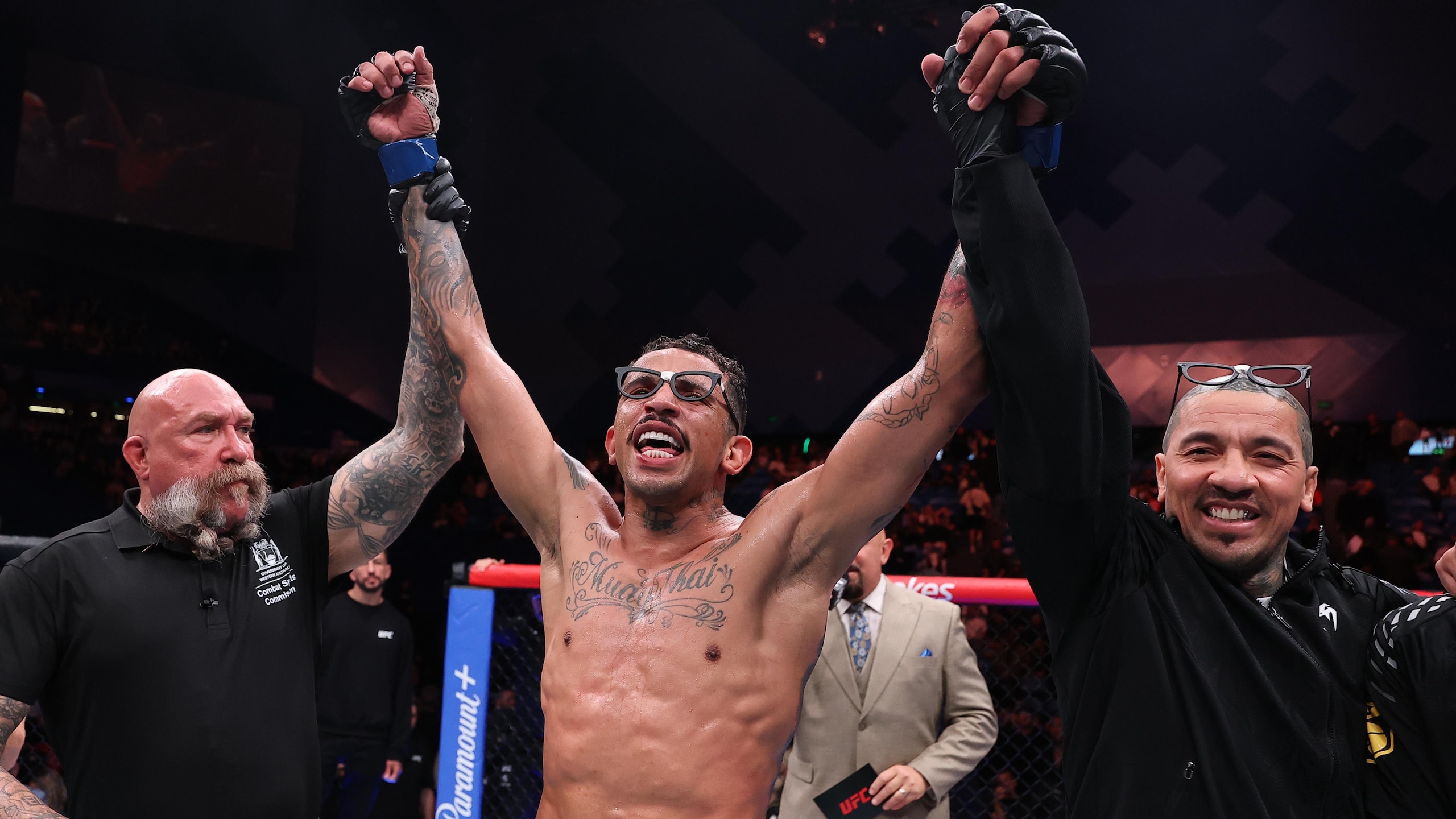
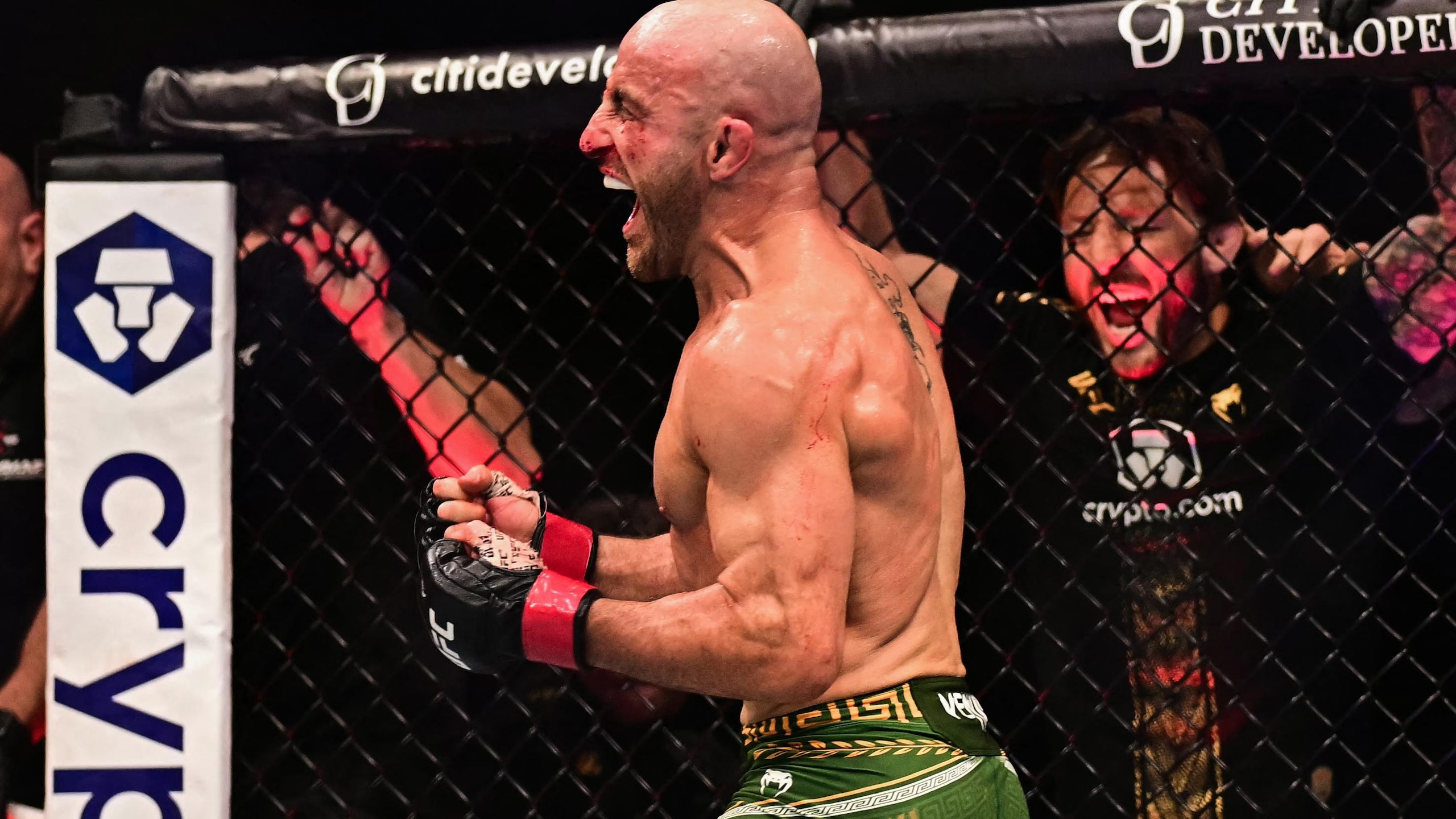
Jose Aldo vs. Frankie Edgar 2
4 of 7
Interim Featherweight Championship
Jose Aldo (25-2; 7-1 UFC) vs. Frankie Edgar (19-4-1; 14-4-1 UFC)
With Conor McGregor chasing Nate Diaz and big-money fights at lightweight and welterweight, former champion Aldo and former lightweight kingpin Edgar meet in a featherweight scrap with the interim title on the line.
Aldo ruled the division with an iron fist for nearly five years, defending his title seven times and racking up a streak of 18 wins over more than a decade without a loss. The Brazilian is one of the sport's all-time greats.
For his part, Edgar has been on an exceptional run. In fact, the former lightweight champion hasn't lost since his first meeting with Aldo back in February 2013. Since then, Edgar has won five in a row against exceptional competition, capping that streak with a first-round knockout win over three-time title challenger Chad Mendes in December.
The winner will leave with the interim title and either a huge-money unification bout with McGregor or what effectively amounts to the real featherweight crown. Either way, the stakes are high.
Now 34 years old, Edgar has made improvements to his game since dropping to 145 pounds three years ago. He's more efficient and does more damaging work from top position. In general, he seems more physical and more willing to wrestle and clinch with his opponents than he ever was at lightweight.
Movement has always been key to Edgar's striking game. He circles constantly, cutting angles and then darting in to land a head-body punching combination or a kick before exiting on a different angle. His pace is exceptional, and the constant stream of offense forces the opponent to react over and over again.
It's exhausting to keep up with Edgar, both mentally and physically. His constant targeting of the legs and body intensifies that attrition-based approach. He makes his opponent think, and that processing of information is every bit as tiring as the body shots and distance he forces them to cover through the cage.
Few fighters in MMA combine striking and wrestling better than Edgar. Those same angles that allow him to get in and out of danger with punching combinations also provide excellent setups for singles, doubles and especially knee taps. When Edgar slides into range, the opponent doesn't know whether to expect a jab-cross-left hook combination or a level change and shot.
Edgar is surprisingly strong and finishes his shots with authority. Defensively, he has yet to concede a takedown since moving to featherweight.
On top, Edgar has become a monster. Probably due to his lack of size, he never tried particularly hard to hold his opponents down at lightweight, instead using his takedowns as a change of pace and to break rhythm. Now he looks to do damage from the top, slamming away with heavy ground strikes and passing at will.
Aldo's game revolves around defense and efficiency. He has the best footwork in the sport and an incredible command of small steps, pivots and everything else necessary to maintain distance and create angles with a minimal expenditure of energy.
The jab, Aldo's bread-and-butter punch, is the second piece of that puzzle. It sticks his opponent at a manageable range and tells Aldo precisely where he is, forcing the opponent to commit to ill-advised attacks that Aldo can then counter at will. The former champion is exceptional in the pocket, using a combination of head movement, parries and blocks to create openings to land in response.
When Aldo goes on the attack, he can still be devastating. Vicious head-body combinations fly with speed and power, and his trademark low kicks still carry crushing force.
The problem is Aldo rarely feels the need to commit to that kind of offense. He's happy to cruise in second gear for most of the fight, slipping in jabs and kicks and only expending energy when his opponent pressures. A combination or two is usually enough for Aldo's opponent to rethink the wisdom of that strategy. He has struggled to maintain a quick pace in the past, though, and cardio can be a problem.
Exceptional takedown defense keeps Aldo standing. His angles, pivots and command of distance make it nearly impossible to get a clean shot at his legs. And even if his opponent can get in on his hips, it's a simple matter for Aldo to sprawl or limp-leg out of danger. It's impossible to overstate how good Aldo's defensive wrestling is.
While he rarely looks for takedowns, he has an explosive array of singles, doubles and trips that he especially likes to use as reactive shots when his opponent comes forward. From top position, Aldo slices through the guard with great speed, maintains good control and drops powerful ground strikes.
Edgar -115, Aldo -105
Prediction
This is a more compelling matchup than it was in 2013. Aldo is coming off a 13-second knockout loss against McGregor, with everything that might imply about his confidence and chin, while Edgar has won five in a row while showcasing serious improvements. Edgar is the favorite right now, though not by much.
It's hard to say how all that will affect the rematch. Will Aldo feel compelled to prove he isn't finished as an elite fighter? Will Edgar be more aggressive, exchange more and try to push the pace? Will Aldo come out gun-shy? Will age finally begin to take its toll on the 34-year-old Edgar?
We won't know until Saturday. The basic dynamic of the matchup hasn't changed: Unless Aldo is shot, Edgar won't be able to take him down and hold him there, which makes this a striking matchup. In that scenario, it will be a battle of Edgar's pace against Aldo's ability to manage his energy. Aldo won that matchup handily the first time, and we haven't seen anything to suggest that math should change now.
With all of these variables in mind, the pick is Aldo by tight decision, but no outcome would be surprising.
Miesha Tate vs. Amanda Nunes
5 of 7
Women's Bantamweight Championship
Miesha Tate (18-5; 5-2 UFC) vs. Amanda Nunes (12-4; 5-1 UFC)
Newly crowned champion Tate defends her title for the first time against Brazilian challenger Nunes. Tate has won five in a row since her second loss to Ronda Rousey in 2013. She capped that hot streak with a come-from-behind win over Rousey-beater Holly Holm at UFC 196 in March. Since that upset win, Tate has been the recipient of a substantial marketing push from the UFC and is poised to be a face moving forward.
Nunes, Tate's opponent, is riding a three-fight winning streak. Following a tough loss to title challenger Cat Zingano in 2014, Nunes blasted Shayna Baszler, submitted Sara McMann and took a tight decision from decorated striker Valentina Shevchenko.
This isn't the biggest-money fight available for Tate, but it's a chance to establish her as a name and a draw against a dangerous opponent. It's a risky move but a calculated, intelligent one.
The champion's biggest asset isn't her athleticism, which is only average, nor even any individual skill set, all of which are solid but hardly overpowering in their own right. Instead, Tate's success comes as a result of her ability to adapt over the course of the fight and exploit even the smallest opening.
If her opponent makes a mistake, Tate jumps on the opportunity. If her opponent shows a weakness—selling out to stuff a takedown rather than defending a move to the back, for example—Tate pounces. Every bit of information she takes in becomes useful later, and her ability to take damage allows her to stick around even when most fighters would have wilted.
Tate is a skilled fighter. She pressures intelligently, working her way into range behind low kicks and a jab. It's a methodical, unspectacular approach, but she makes the most of her opportunities. Counters are a specialty, and she uses her strikes well to disguise her level changes and clinch entries.
In the tie-ups, Tate has a nice arsenal of trips and throws, and her shot takedowns consist of relentless chains of singles and doubles.
She's not an authoritative finisher, though, and doesn't have an explosive drive. As with her game as a whole, this isn't as much of a problem as it might seem. If Tate can create a scramble, she has a great move to the back from multiple positions. That's all it takes for her to find and create an advantage. On top, she passes smoothly and has a nice array of submissions.
Cardio and durability are essential for Tate, and her adaptive approach only shows its true value in five-round fights. She's the kind of fighter who seems beatable, and she is. But her ability to exploit weaknesses and seek them out over 25 minutes makes her far more dangerous than she looks on paper.
The challenger is an exceptional athlete blessed with great speed and crushing power. Nunes is a striker by trade who throws vicious kicks and hard punches, stringing together clean, technical combinations at range. Her footwork and fundamentals are sound, and if she lands cleanly, her opponent will likely take a nap.
Counters are a specialty for Nunes, and her work in the pocket is skillful. She excels at exchanging in layers; in other words, she leads, her opponent throws back, and then Nunes counters the counter. That kind of approach takes real depth of knowledge to pull off, and Nunes does it well.
While she does her best work at range, the clinch is another strong area for Nunes. She has a slick arsenal of trips and melds them with hard knees and punches at close range. Her takedown defense has been solid and has improved in recent outings.
From top position, Nunes is a monster. Her ground strikes carry ridiculous force when she can posture up, and her athleticism and speed make her a dangerous scrambler.
The problem with her approach is cardio. Nunes works fast early, but if she can't find the finish in the first two rounds, she gets tired. Modulating her energy and finding a balance between explosive finishing and scoring enough to win rounds is a tough process for her. If her opponent can survive that initial period of danger, Nunes is in serious trouble.
Tate -250, Nunes +210
Prediction
This is the rare matchup between high-level fighters that happens to be straightforward: Either Nunes wins early, or Tate wins late. It's that simple.
Tate has a bad habit of eating a ton of shots early in the fight, and Nunes excels at handing them out. Conversely, Tate gets better as the bout wears on and specializes in exploiting opponents' weaknesses. Nunes' cardio qualifies in that regard, as her takedown defense and grappling skills fall apart along with her gas tank.
The champion's approach should prevail here. She'll probably take a frightful beating along the way, but she should be able to work a takedown, get to the back and finish with the choke once Nunes runs out of fuel. Tate will find the submission in the third round.
Brock Lesnar vs. Mark Hunt
6 of 7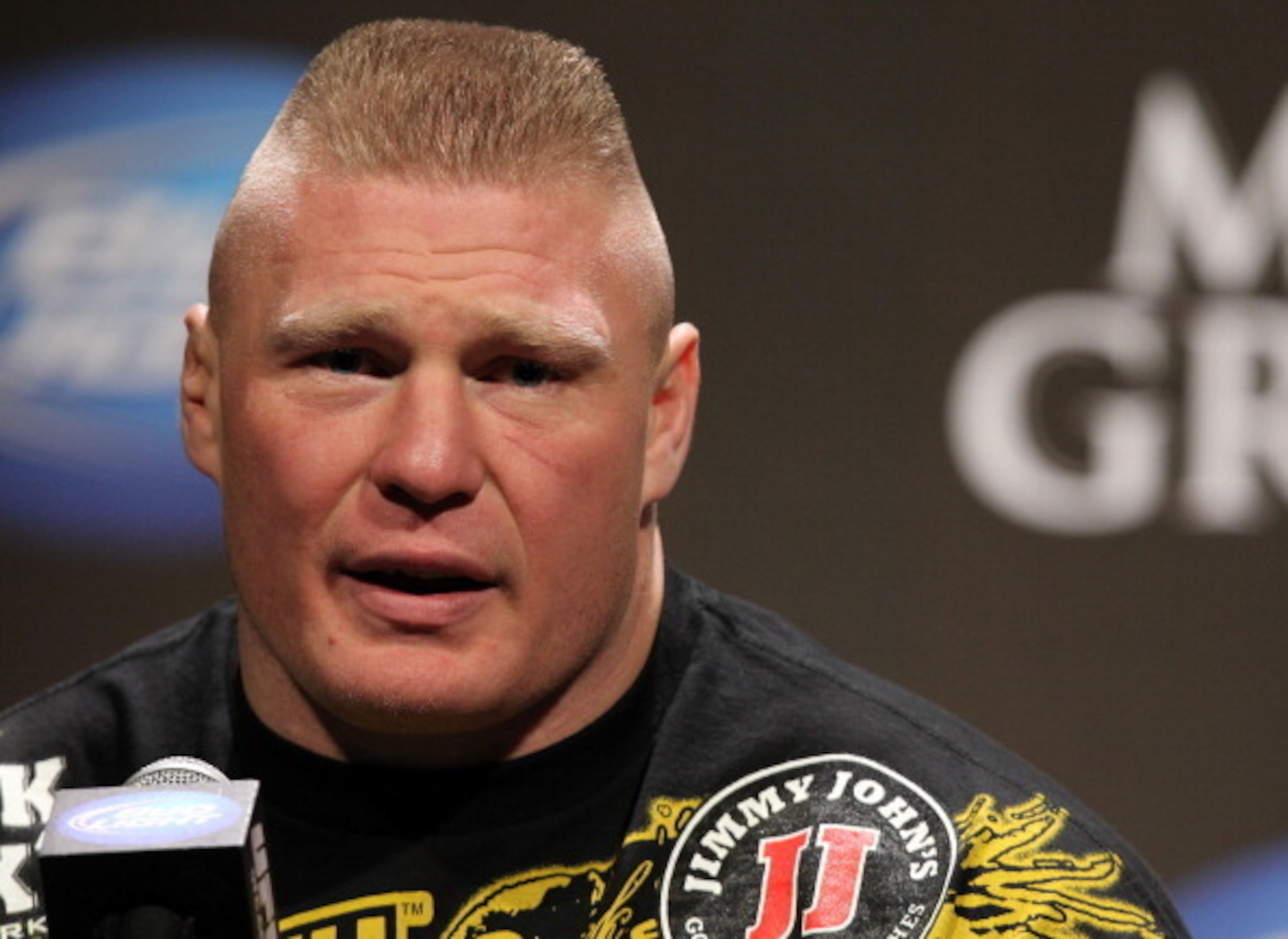
Heavyweights
Brock Lesnar (5-3; 4-3 UFC) vs. Mark Hunt (12-10-1; 7-4-1 UFC)
WWE Superstar and former UFC heavyweight champion Lesnar returns to action for the first time since 2011 against perennial contender Hunt. Lesnar lost his last two fights, falling to both eventual champion Cain Velasquez and then Alistair Overeem inside a round. He went back to professional wrestling after that but has come back to add some luster to UFC 200.
He faces Hunt, who has rebounded from a rough two-fight streak of his own by knocking out Antonio Silva and Frank Mir in quick succession. Prior to that, he fell to a pair of champions, Fabricio Werdum and Stipe Miocic.
For Hunt, this is the biggest-name fight of his career and a chance to gain some serious recognition as his illustrious run in combat sports winds down. For Lesnar, it's a chance to rewrite his diminished legacy.
Lesnar is a wrestler, plain and simple, but one blessed with ridiculous size, strength, speed and the agility of a much smaller man. Men who stand 6'3" and weigh somewhere north of 280 pounds shouldn't be able to move the way Lesnar can. And more than any technical aspect of his game, that's what has always made him special.
Whether that physicality is still present in spades at nearly 38 years of age is something we'll only know after UFC 200.
Skill-wise, Lesnar offers both good and bad. While he hits hard, he is a bad striker in terms of both his instincts and fundamentals. When he can throw a punch and move forward, he can somewhat mask his issues. But if he's forced to strike for more than a moment, his abysmal defense and nonexistent footwork are obvious.
In any case, Lesnar only strikes to set up his takedowns. While not the most technical wrestler, Lesnar's size, strength and sheer explosiveness power a variety of singles, doubles, knee taps and trips, all of which he chains together nicely. Still, he doesn't do much to cover his entries and relies heavily on his raw strength and horsepower in the clinch.
When it comes to technique, top control is Lesnar's best skill set. He puts his size to good use and is nearly impossible to shake off, preferring half guard to hold his opponent in place while he unloads with heavy punches. The amount of power he can generate in tight spaces is staggering, and he has a decent arm-triangle choke to go along with those strikes.
Lesnar's biggest problem is his bad reaction to getting hit. It's not that he's fragile, has a bad chin or lacks heart. But he's a bully of a fighter whose confidence can be cracked. If he feels like he can't win the fight, that's the end of it.
Hunt is a pure striker, and like Lesnar, he boasts freakish physical tools. The 5'10" Super Samoan's lack of height and pudgy midsection shouldn't fool you: Despite being 42 years old, he's still quick of hand and feet, is explosive and boasts crushing power in his punches.
Over the years, Hunt has become a more proficient technician on the feet. He probes behind a crisp jab, takes tight angles and moves efficiently through the cage without wasting energy.
These things allow Hunt to set his preferred range. With that space between him and his opponent, Hunt does one of two things: He can either explode forward into a head-body punching combination or, more often, let his opponent come to him and plant a flush counter on his chin. The Super Samoan has a great understanding of timing and distance, and that suits the role of a counterpuncher to a T.
Outstanding takedown defense generally keeps Hunt standing. Especially early in the fight, Hunt's explosiveness and strength allow him to pop up if he's planted on the mat, while his low center of gravity aids his quick sprawl. Moreover, his command of distance and angles makes it hard for an opponent to get a clean shot at his hips in the first place.
Hunt makes solid use of grappling from top position and knows how to defend from his back, but that's not his game.
As the fight goes into the later rounds, quick-paced opponents can wear him down. When that happens, his ability to stuff takedowns and explode back to his feet suffers, and he gets hit far too much on the feet. It takes a special effort to tire Hunt, however.
Hunt -170, Lesnar +150
Prediction
This is a simple matchup. If Hunt can stuff the takedowns, he should land a knockout shot. If Lesnar can get the takedown and hold Hunt down, he should finish Hunt with ground strikes. That's the basic dynamic of this bout, even leaving aside questions of ring rust and age.
Hunt should be able to keep this standing. It's not just that he has outstanding takedown defense, especially early in the fight, but that he excels at timing level changes with uppercuts and then getting out of harm's way. Even if he is planted on the mat, he's far more comfortable there than Lesnar is in Hunt's wheelhouse.
The Super Samoan will find the knockout late in the first round.
Jon Jones vs. Daniel Cormier 2
7 of 7
Light Heavyweight Championship
Jon Jones (22-1; 16-1 UFC) vs. Daniel Cormier (17-1; 6-1 UFC)
Eighteen months after their first bout, Jones and Cormier will meet for a second time in a title unification matchup.
Since their bout at UFC 182, Jones has been stripped of his light heavyweight belt following a hit-and-run incident and subsequent legal issues. In the longtime champion's absence, Cormier capitalized by winning the full title against Anthony Johnson and then defending it against Alexander Gustafsson.
Jones and Cormier were scheduled to meet in April, but a last-minute injury to Cormier pulled Ovince Saint Preux into what became an interim title bout. Jones cruised to a win, and when the UFC pulled Conor McGregor from UFC 200, the stage was set for a rematch.
This is for the unification of the title, but it's also a battle for Cormier's legacy. The former Olympian has come up short on the biggest stage more than once, and this is his chance to prove he's the king. For Jones, it's a chance at something like redemption following a lackluster fight against Saint Preux and his repeated out-of-cage troubles.
Jones, the interim champion, is a diverse, dangerous fighter with options everywhere. His 6'4" height and 84-inch reach give him a strong edge on the feet. But he puts his long frame to use in every distance.
There's no easy formula for beating Jones. If he can stick his opponent at the end of his long jab and rangy front, side, spinning, round and oblique kicks, he's happy to pile up damage to the legs and body while staying away from the cage. Give Jones what amounts to a light sparring session on the feet, and he's happy to oblige.
If pressured, however, Jones is just as competent. He sticks and moves well, especially from the southpaw stance, backing up and pivoting through the space of the cage before picking his spots to sit down and drop a hard punching combination or kick and then angling off back to safety.
When his opponent overshoots and ends up in the clinch, Jones goes to work. The tie-ups are his safety blanket, where his long limbs give him incredible leverage and surprising strength. Knees, elbows and his slick array of trips and throws make him a monster on the inside, and it's not an exaggeration to say he's the best clinch fighter in MMA.
It's nearly impossible to take Jones down, and thus far, no opponent has succeeded in holding him down for more than a second or two. Conversely, Jones has an array of options at his disposal for bringing the fight to the mat. He prefers the clinch, but he's no slouch when it comes to shot takedowns, stringing together singles and doubles and often coming up to the body lock to finish.
On the mat, Jones is a monster. He throws some of the most vicious ground strikes in the sport, though we've seen progressively less of that from him as the years have worn on. Guard passing isn't his strongest suit, but his base is so heavy and his strikes so vicious that it isn't necessary. He can find submissions from the top or in transition, though.
Pace is a strong suit, and Jones is happy to work fast when he's pushed. It's not easy to hit him cleanly, but he has proved to be durable as well.
More than anything, however, Jones adjusts over the course of the fight. He processes information quickly and comes up with responses on the fly. Even if his opponent comes in with a perfect game plan, the Jones who starts Round 4 isn't the same guy as the one who began the fight.
Cormier relies on a functional combination of boxing and wrestling. It's a meat-and-potatoes approach powered by his cardio, pace and aggression. And while there's nothing flashy about it, there also aren't many flaws to exploit.
Relentless pressure, both mental and physical, is Cormier's hallmark. He marches forward, flashing a jab and throwing front and round kicks that allow him to fight taller than his 5'10" height would normally suggest. This lets him work his way into the pocket, where he's most comfortable. At punching range, Cormier flings strong combinations and consistently moves his head.
He's happy to exchange.
If he can't stay in the pocket, Cormier is more than willing to move into the clinch. In the tie-ups, the former Olympian uses a combination of grabbing the wrist and securing collar ties around the neck or head to control his opponent, and then he throws hard combinations of hooks, uppercuts and knees.
Cormier hasn't forgotten how to wrestle, either. He has a penchant for big lifts when he grabs ahold of the single-leg takedown and showcases the depth of skill that one would expect from an Olympian. His takedown defense remains outstanding.
On the mat, Cormier is a strong control artist. He floats between half guard and rides when his opponent tries to escape and lands hard punches all the while. He has a basic knowledge of submissions and knows how to get to the back.
The best part of Cormier's game is how exhausting it is to fight him. He never lets up in any phase, whether it's his aggressive forward movement on the feet, steady stream of strikes and control in the clinch or relentless punches on the mat.
Jones -300, Cormier +250
Prediction
The basic outlines of this matchup haven't changed much since January 2015. Cormier will try to pressure Jones, who will attempt to either stick him at range with long punches and kicks or move into the clinch and wear Cormier down with knees and elbows.
Cormier is more comfortable at pressuring and moving forward now than he was in their first meeting. That will help against Jones, who did an exceptional job of enforcing his preferred ranges in the previous bout. Whether that will be enough against a fighter who handled Cormier in a clear but competitive fight is hard to say, but it's doubtful.
Unless Cormier lands a fight-changing shot or Jones has failed to take Cormier seriously, this is the interim champion's fight to lose. Jones will take another decision.
All betting odds via Odds Shark.
Patrick Wyman is the Senior MMA Analyst for Bleacher Report and the co-host of the Heavy Hands Podcast, your source for the finer points of face-punching. He can be found on Twitter and Facebook.


.jpg?w=2560 "Malik Beasley Negotiating Plea Deal (AP)")

.png?w=2560 "Week 8 Winners & Losers 📊")

.jpg?w=2560 "Aikman Blasts Cowboys WR 🫣")
.jpg?w=2560 "Jonathan Taylor Landing Spots")