
England Must Go Positive with a Front 2 Proper for Last-16 Clash with Iceland
It is often said teams need to feel their way into a major tournament such as Euro 2016, getting better as they go along. There is no fixed pattern to this, but there is logic to at least trying not to show all your cards too early.
Nobody is going to pretend England planned to begin the European Championship in the frustrating fashion they have—two draws sandwiching an uninspiring win over Wales. Beginning with Monday's last-16 clash with Iceland, they will hope to show they have learned from their group-stage experiences.
TOP NEWS
Billboard Trolls Man City 👀

New NFL contenders starting to emerge after Week 4
.jpg?w=2560 "Cardinals Giants Football")
NFL investigating 2 referees for separate viral exchanges
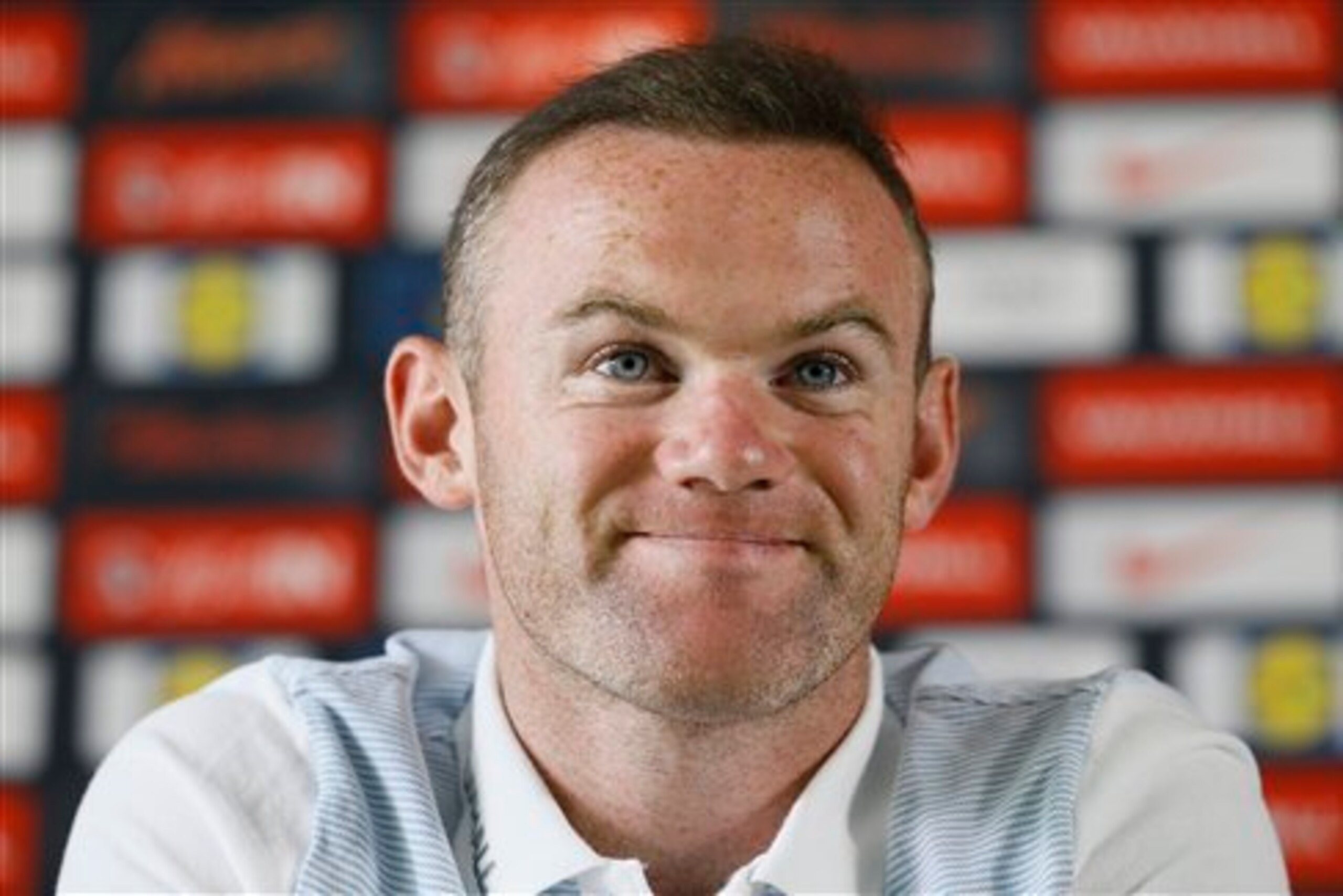
Captain Wayne Rooney is of the belief the less-than-thrilling results could work in England's favour.
"In my eyes, the group games have been good because we could have got false hope if we'd won all of them 2-0 or 3-0," said Rooney, set to earn his 115th cap to go joint-second with David Beckham as England's most capped player, per BBC Sport. "We're confident and we believe we can go to the end of this competition."
Better a positive attitude than a pessimistic one.
Still, Rooney's subsequent assertion that if England play "our best, we can give anyone a game and win," needs some proving. That's largely because nobody seems to be sure what would constitute their best.
Group B proved challenging from the perspective that their opponents made it difficult for England to play their natural game—that being the expansive, energetic style honed over an unbeaten qualifying campaign and tantalisingly glimpsed in pre-tournament friendly wins over the likes of France, Germany and Turkey.
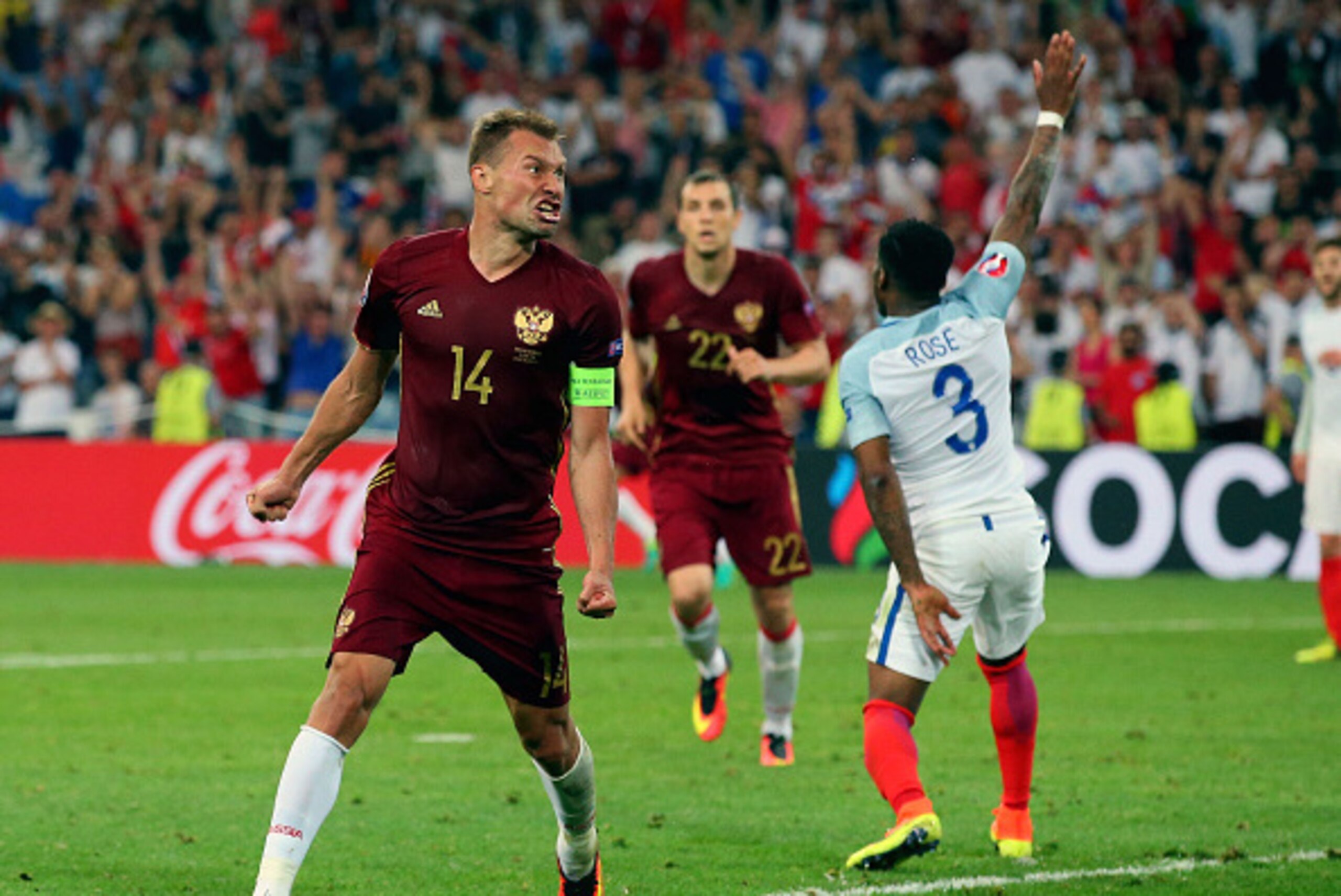
The performance against Russia felt like an encouraging start up until Vasili Berezutski's late equaliser cancelled out Eric Dier's free-kick.
Instead of admiring a purposeful effort that hinted at the pace, movement and penetrative passing that England would play with at their best—Adam Lallana and Kyle Walker excelling in the former categories, and Dier and Rooney at the latter—questions were asked about the failure to convert any of the numerous chances created.
On the defensive side, a confidence-boosting clean sheet became yet another example of the disorganisation undermining the team's hoped-for solidity.
Things deteriorated attacking-wise in a first half against Wales in which England went behind to Gareth Bale's free-kick. Throwing Daniel Sturridge, Jamie Vardy and later Marcus Rashford on after the interval generated a directness that saw them eventually secure the win, but the lack of cohesion as they pinned Chris Coleman's side back did not suggest a side confident in a defined way of playing. The numbers getting forward told, but that is not a sustainable way of playing against better opposition than Wales.
Inspired by that first win and with an eye on keeping others fresh for the knockout stages, changes were made for the group-closer with Slovakia. The performance felt more akin to the Russia game than Wales, except England were even more dominant yet still could not find a way to score in open play.

The result dropped them into second place, the semi-inspiration credited to manager Roy Hodgson for his changes a game earlier giving way to a more damning assessment of his alterations.
That his players dominated all three opponents should not be overlooked, even if they were largely allowed to take the initiative each time. Wales finished ahead of them, but they benefited from Slovakia and Russia approaching the first-time European Championship qualifiers more openly than they did against England.
"I'm pretty sure that sooner or later we’re going to make somebody pay because if we keep dominating and creating chances like we're doing we’re going to score goals one day," said Hodgson post-match, per the Football Association website.
The issue with believing, or at least hoping, it will all suddenly click for England as they advance in the tournament is the confusion all this back and forth in selection has created.

Hodgson cannot win for trying, but his changes have left a great deal of uncertainty over what he should do next—both for Iceland specifically and in terms of establishing what this team is about.
That does not necessarily have to be just one thing. Being able to mix things up is good. Unfortunately, not one iteration of England at Euro 2016 so far has signified exactly what they should aim to be; given the difference to their pre-tournament performances, it could even be argued they are buckling slightly under the pressure.
After the Slovakia game, Hodgson was right in saying the team played well (at times, anyway). His attempts to defend the changes he made and the reasoning behind them were not off the mark either.
However, in opting for rotation rather than a more consistent approach, he left himself in a situation where there are more questions than answers. This was very much reflected in the aforementioned explanation, per the Guardian's Daniel Taylor:
"I look at the performance and I don’t honestly believe I could have put out anyone else who would have played a lot differently from those who started the game. If I play Kyle Walker next week, someone will say it should be Nathaniel Clyne. If I don’t play Jordan Henderson, someone will say he should have played.
People are going to be very critical of the performance because we didn’t win. But I cannot do that. All I can do is put a team on the field that I feel is capable of winning the game.
"
We will see soon enough what Hodgson has discerned from England's matches up until now. As for what he should do, a positive, albeit sensible, approach against Iceland should be favoured.
With Joe Hart still in goal, a return to the defence that started against Russia and Wales seems a formality.

The hope will be that resting Danny Rose and Kyle Walker for the Slovakia game has not damaged their attempts to establish a satisfactory understanding with centre-backs Gary Cahill and Chris Smalling.
Iceland's mix of simplicity (see the long throw that led to Jon Dadi Bodvarsson's opener against Austria) and individual flourishes as they advance collectively (Birkir Bjarnason and Gylfi Sigurdsson are especially threatening here) will need them to be on their toes when they do get forward.
Nathaniel Clyne will be especially unlucky to drop to the bench after a vigorous display in England's final group game. Similar could be said for his Liverpool team-mate Jordan Henderson, who did his best to drive England forward with purpose.
He is likely to make way in midfield for the returning Dele Alli. As too should the earnest but less impressive Jack Wilshere for Rooney.

There were reasons England set up as they did to start the tournament, both in terms of personnel and the 4-3-3 formation. There has been a decent balance between Alli and Rooney in front of Dier, the skipper looking comfortable pulling strings with his passing and allowing his 20-year-old team-mate to get forward regularly. Defensively, the trio has not been easily bypassed (albeit stronger opposition could test that further).
But to get more out of Alli or Rooney, one should be designated a more attacking role at the head of a flipped midfield triangle with the latter providing a good read of things further back (although he could do with upping the tempo more). The Tottenham Hotspur man is the best bet here. Thus far, he has not replicated his club form, but neither has he had the licence to express himself in the central entry point to the final third.
Giving Alli that extra freedom to get on the ball here and, most importantly, to make his familiar bursts from midfield will be key if England are to take advantage of Iceland's issues regrouping. Breaking them down with the first ball in is not easy, but their good defensive shape can quickly turn rigid when runners get between the lines.
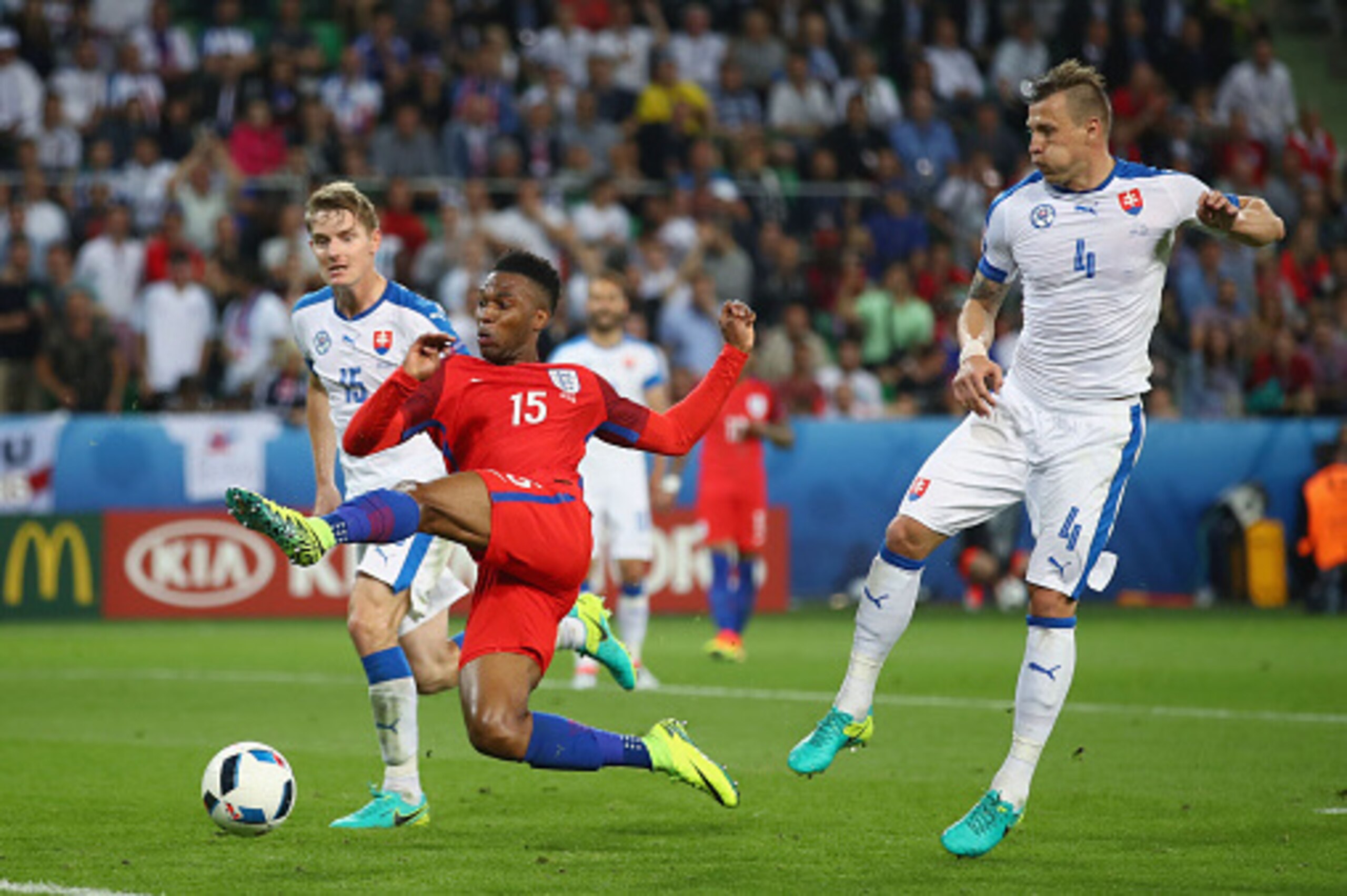
What is likely England's best approach to making a breakthrough will also require more thoughtful and assertive occupying of the opposition's centre-backs. With a front three not quite finding its rhythm (not yet anyway), a more focused front two may simplify things for England.
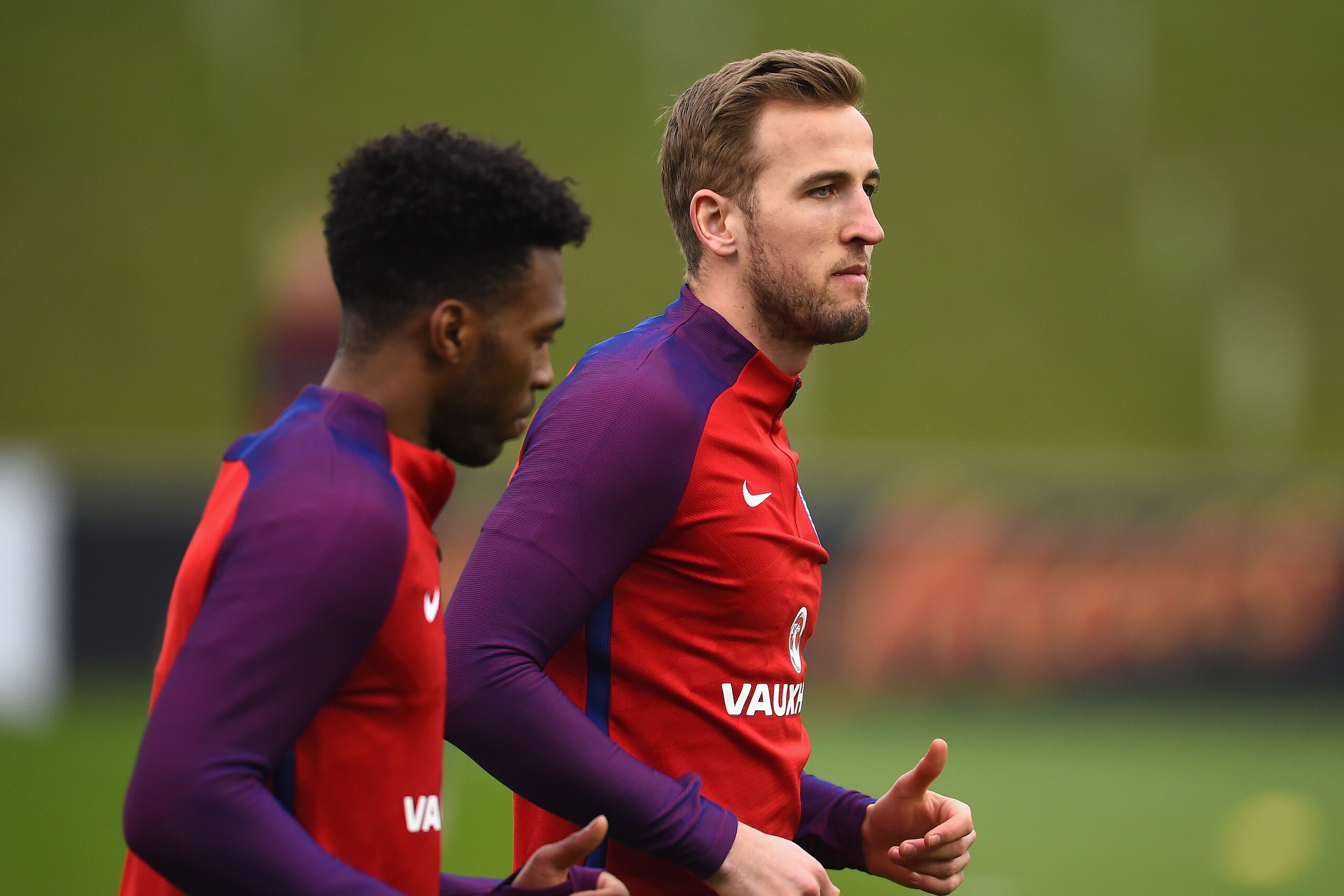
With neither Sturridge nor Vardy taking golden chances against Slovakia, Harry Kane warrants a look leading the line again.
The quicker movement of the ball Sturridge's skill and adventurous intent provides (see his winner versus Wales) will be helpful in involving him more than he has been. At the same time, Kane needs to focus on staying closer to goal and providing a focal point up top. He needs to engage with Iceland's centre-backs and try to create spaces for Alli and Sturridge especially to exploit.
Whatever Hodgson and his coaching staff decide, they are almost certainly past the point at which they can afford a trial-and-error approach. A great performance may not be required to beat Iceland, but England do need to show some idea of what they intend to be from this point on.

.jpg?w=2560 "Hill Injury Update Football")
.jpg?w=2560 "OBJ Calls Out Giants After Release")
.jpg?w=2560 "Tyreek makes another cryptic post amid Chiefs rumors")


.jpg?w=2560 "Greenlaw Talks Payton Exchange")