10 Recent MVP Awards We'd Like to Take Back
Winning a league MVP has to be a great feeling, but there are so many factors that go into determining one that it can be a difficult choice.
And while any athlete who has a big ol' trophy in their possession that reminds them that they were, at one point, voted the best player in his respective league, that doesn't always mean that it was necessarily the case.
I mean, what can really be determined most valuable and not just the greatest player, right?
MVP debates happen in all sports almost every year. So here are the 10 recent times where sports fans should wish for a recount. Note that for our purposes, recent is defined as the last 15 years.
Miguel Cabrera (2012)
1 of 10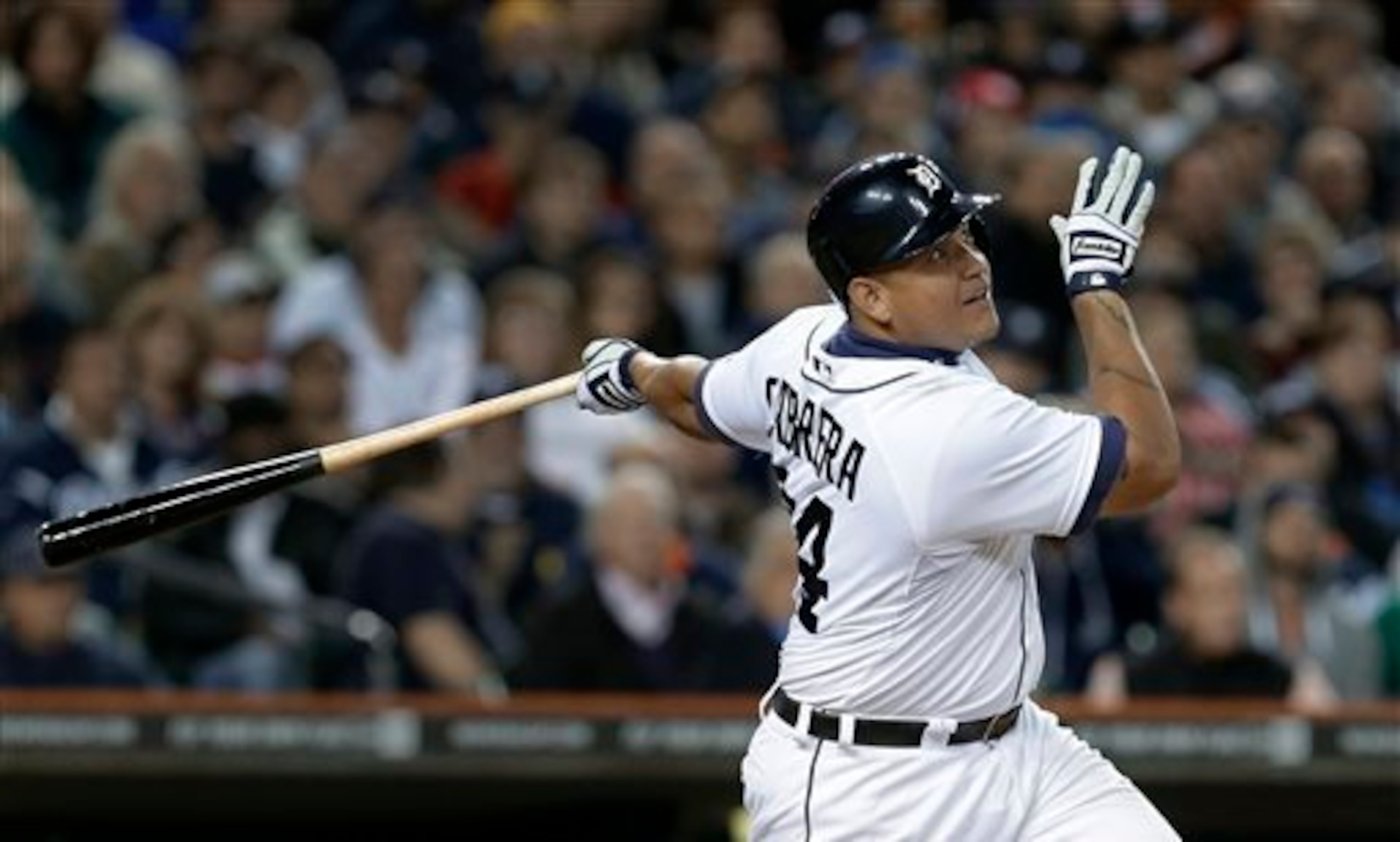
At first glance, it's easy to laugh the 2012 AL MVP race off and simply say that voters got it right by giving it to Detroit Tigers slugger Miguel Cabrera over Mike Trout of the Los Angeles Angels.
After all, Miggy made history by becoming the first MLB player to win the Triple Crown since 1967, and his Tigers also reached the playoffs, so should this one even be a debate?
Absolutely.
While Cabrera played like a man possessed the entire season, Trout really was more valuable to his team, not just raking at the plate but also leading the league in both stolen bases with 49 and runs scored with 129.
When you consider Trout—who won AL Rookie of the Year that season—also played superb defense for an Angels team that won one more game than Cabrera's Tigers did, the argument for him to have been MVP gets a little more clear.
It was one of the most difficult decisions in MVP history—and one that can be justified either way—but it's Trout who got robbed because of the flashy stats that Miggy put up.
Aaron Rodgers (2014)
2 of 10
I could sit here and give you a bunch of eye-popping stats that shows every reason why Green Bay Packers quarterback Aaron Rodgers clearly deserved the NFL MVP in 2014, as he finished with 31 votes to runner-up J.J. Watt's 13.
But do you want to know the clearest indicator that Rodgers was a beneficiary of a league that has become enamored with offense? He didn't even win the league's Offensive Player of the Year Award, which went to DeMarco Murray.
That may not mean much, but it tells me that any quarterback—the most critical position in a passing league—could have made a strong case for MVP that season.
Meanwhile, all Watt did was absolutely dominate on the defensive side of the ball like we've never seen before, finishing with 20.5 sacks and scoring five touchdowns—three coming as a pass-catcher.
The obvious deciding factor in this vote? Team wins, as Rodgers' Packers made the playoffs after going 12-4, and Watt's Texans went 9-7 and missed out on the postseason.
Like others on this list, though, that's not what an MVP is supposed to be. Instead, he's supposed to be the most valuable to his team—and that was Watt, as the Texans wouldn't have won five games had they not had that season's first unanimous Defensive Player of the Year.
Henrik Sedin (2010)
3 of 10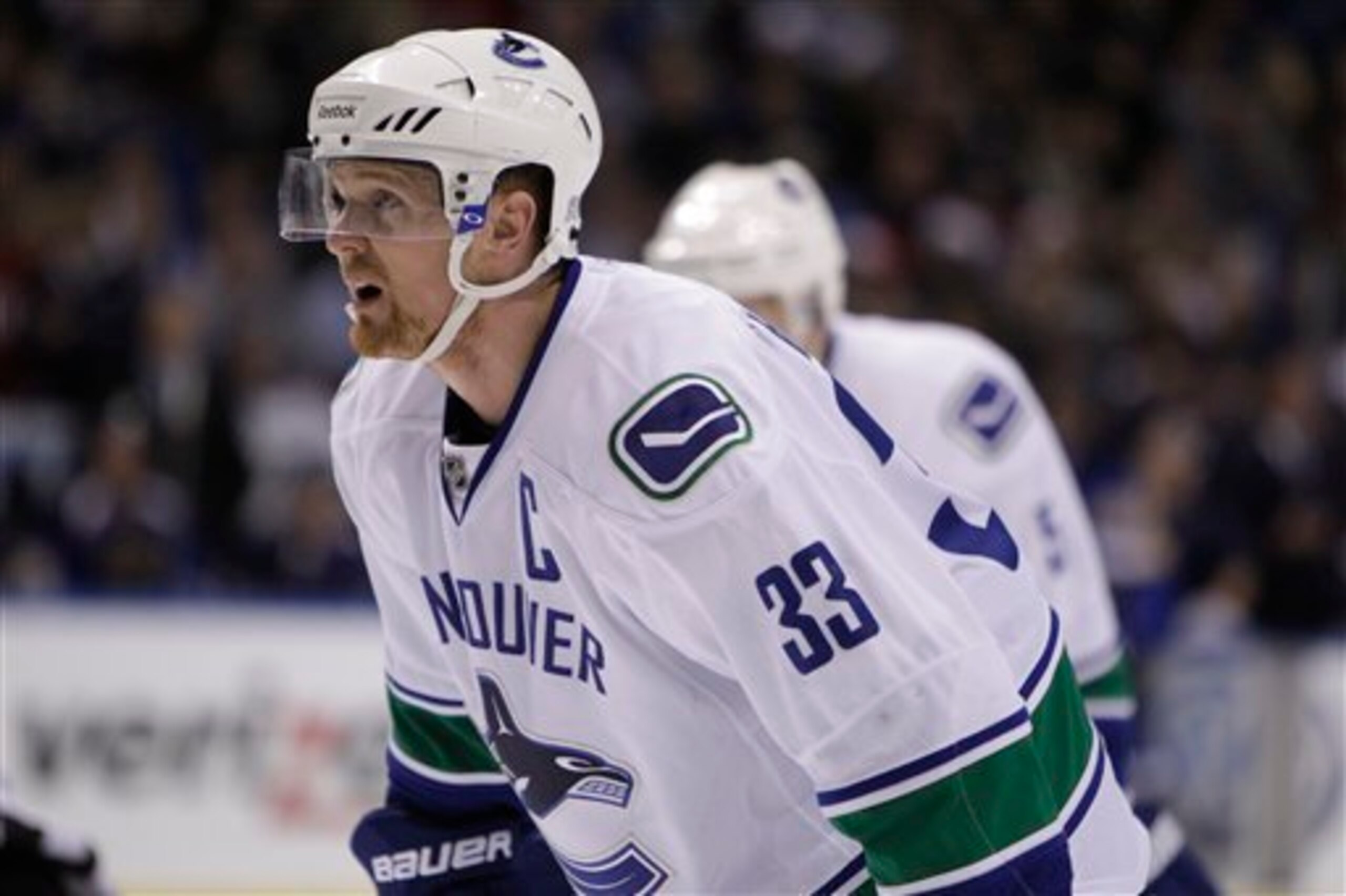
This seems like one of those cases where there were actually two other worthy candidates who split votes and took away from the other, leading Vancouver Canucks star Henrik Sedin to slide into first place to win the 2010 NHL MVP.
That's not to say Sedin didn't have a superb season that year, as he led the league with 83 assists and 112 total points, ultimately getting his Canucks team to the Western Conference Semifinals.
However, while Sedin took home the hardware, the other guys—Alex Ovechkin and Sidney Crosby—had incredible years themselves, as both finished with over 50 goals, tied for second behind Sedin in total points and saw their teams finish within a few points or more of the Canucks in the standings.
Like others on this list, the 2010 NHL MVP was a total toss-up. But because of how good Ovie and Sid were, they stole first-place votes from one another and the league probably got the wrong guy as the winner.

.jpg?w=2560 "Cardinals Giants Football")

Alex Rodriguez (2005)
4 of 10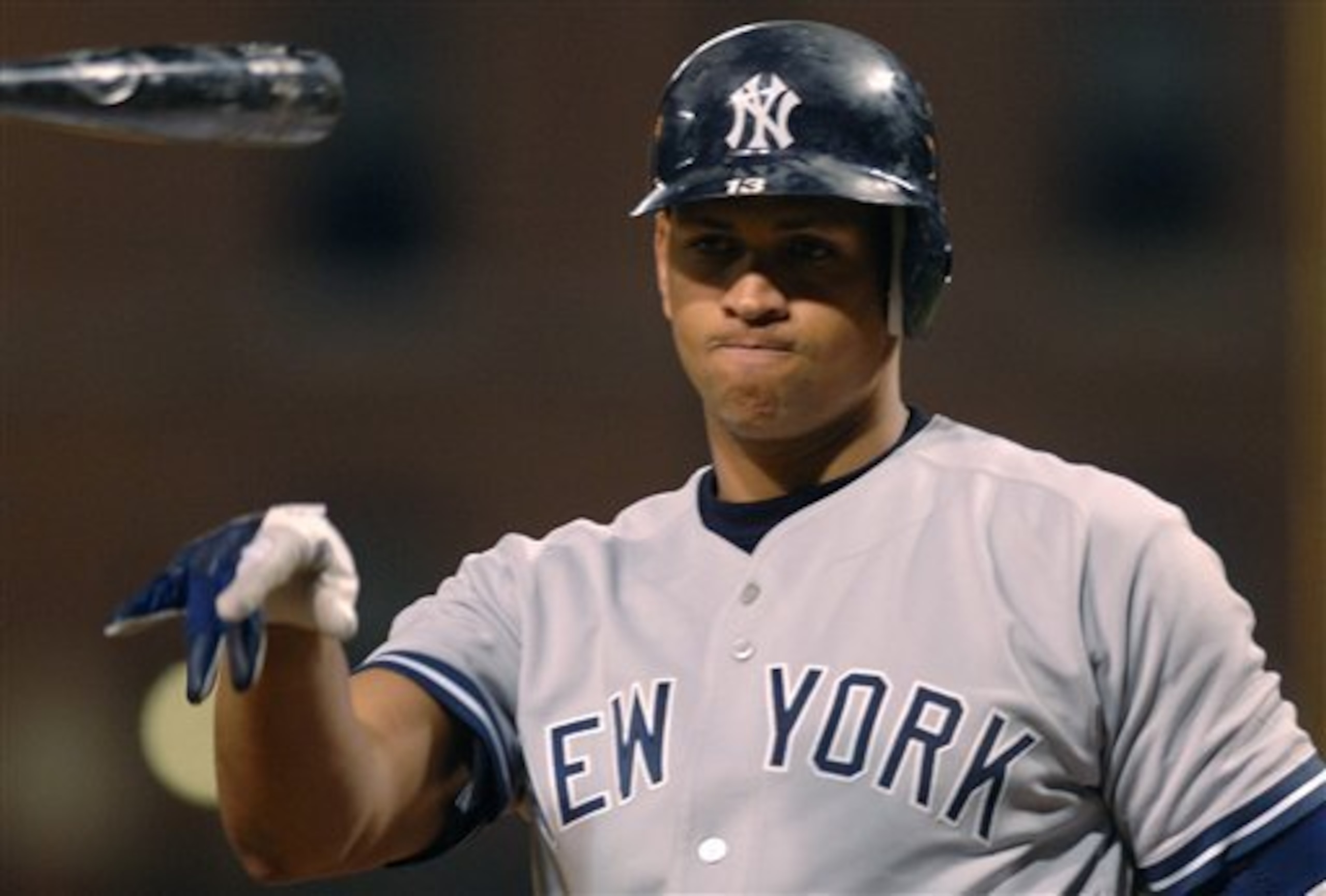
I may sound like a walking contradiction because I previously said that Mike Trout deserved the AL MVP in 2012 over Miguel Cabrera partly because he played in the field and didn't just DH, so bear with me on this one.
While the same could be said here for the 2005 AL MVP race between winner Alex Rodriguez and David Ortiz, the one factor voters didn't seem to take into account was Big Papi's clutch gene.
With both players hitting over .300, blasting at least 47 homers and driving in over 130 RBI each, when the Boston Red Sox needed a big hit, it seemed as if Ortiz was always the one who delivered.
Both teams finished with 95 wins apiece and went to the postseason, so, once again, this was an absolute toss-up between two elite players.
However, looking back now, the fact that A-Rod was linked to and, eventually, suspended for using performance-enhancing drugs makes his 2005 MVP a little less deserving.
Steve Nash (2005)
5 of 10
Everyone loved Steve Nash and the flair and uptempo style he played with, leading the "Seven Seconds or Less" Phoenix Suns to 116 wins in a two-year span in 2005 and '06.
As great as Nash was during the 2004-05 season, there was someone who was even better in terms of being valuable to his team: Shaquille O'Neal.
Shaq, who was playing his first season with the Miami Heat after an offseason trade from the Los Angeles Lakers, wasn't part of a team like Nash's Suns, padding stats and playing little to no defense. He wasn't on a team that saw every starter average at least 14.9 points per game.
No, Shaq was still playing when the big man mattered, enforcing his will down low when protecting the rim still made a difference.
Nash was great in Mike D'Antoni's system, but a lot of great point guards could have been.
Steve Nash (2006)
6 of 10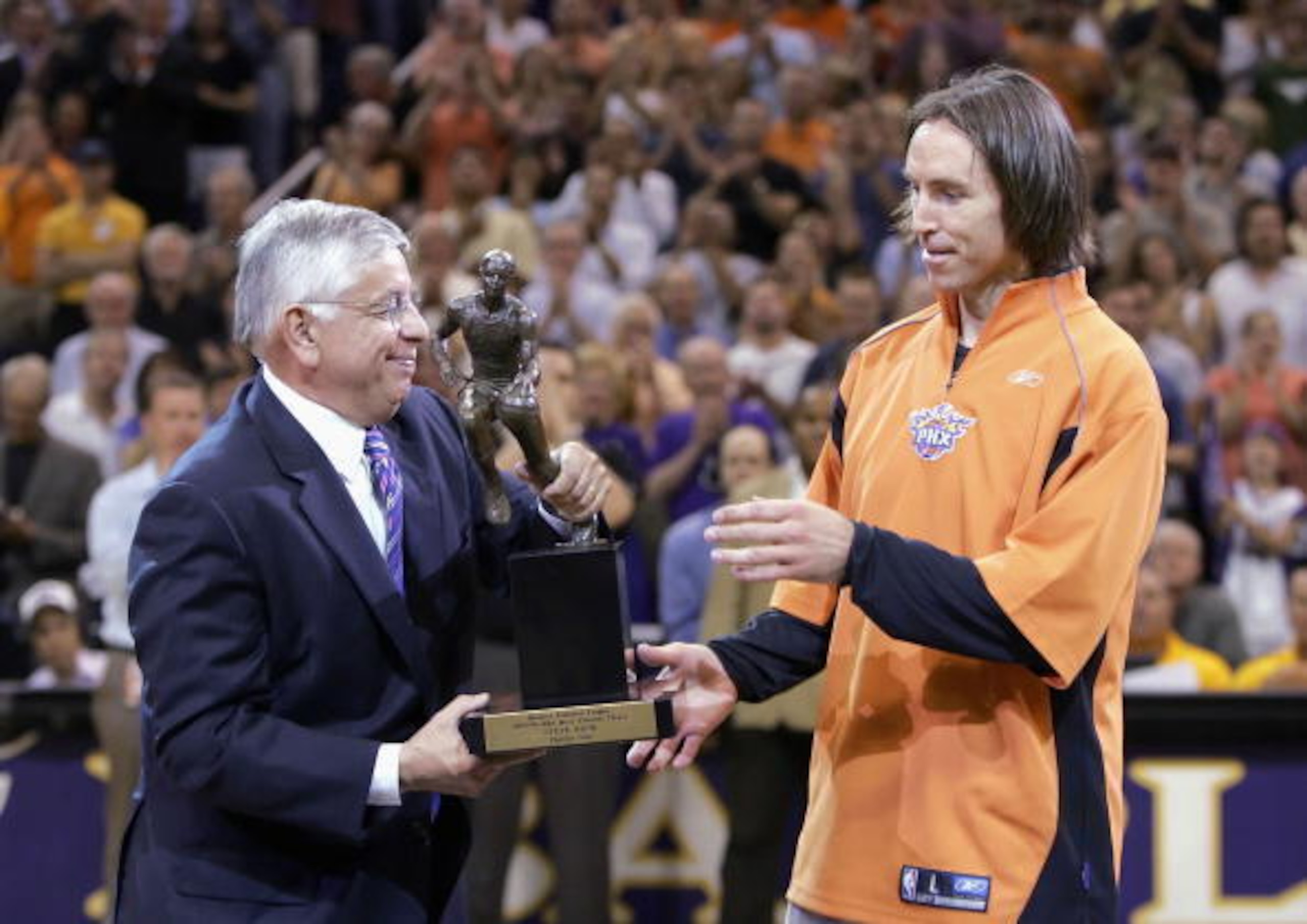
OK, I promise that I don't have a vendetta against Steve Nash.
After just announcing that he was undeserving of his 2004-05 league MVP, the point guard finds himself on this list once again after earning his second straight award during the 2005-06 season.
And for the same reasons I mentioned before—lots of wins, lots of points and for being a great point guard in the perfect system—Nash didn't deserve to win the honor, as Kobe Bryant should have won the award.
While Bryant actually finished fourth in total voting that year, he was second in first-place votes with 22 to Nash's 57, which became one of the biggest NBA MVP rob jobs in history.
What Bryant did during the 2005-06 season is nothing short of remarkable, as he led the league in scoring with an absurd 35.4 points per game, helping a Lakers team that started the likes of Smush Parker and Kwame Brown actually win 47 games and reach the playoffs.
This was the season Bryant dropped 81 on the Toronto Raptors in a single game and had one of the most disputed MVP races in recent memory.
Jason Giambi (2000)
7 of 10
Much like the aforementioned Alex Rodriguez—who, ultimately, received a season-long suspension for PED use—former big leaguer Jason Giambi's 2000 AL MVP Award is skewed because of his admission of doing the same.
Oh, and not to mention Boston Red Sox pitcher Pedro Martinez really was more valuable to his team than Giambi was.
While many people argue that Pedro should have won the award in 1999 when he finished as runner-up to eventual champ Ivan Rodriguez, it was 2000 that Martinez should have a serious gripe.
Finishing the season 18-6 with a nearly unhittable 1.74 ERA—the AL-average ERA that year was 4.91—Martinez dominated every fifth day, leading the league in strikeouts, wins above replacement for all players and shutouts, among others.
Giambi had a beastly offensive season by blasting 43 homers, driving in 137 runs and hitting .333 for an Oakland A's team that finished with 91 wins, but he was one of a few big boppers who put up big-time stats. Martinez was the real MVP.
Peyton Manning (2009)
8 of 10
He's an all-time great and, arguably, the best passer the NFL has ever seen, but five-time league MVP Peyton Manning should not have won the 2009 award over New Orleans Saints quarterback Drew Brees.
Both players enjoyed seasons of over 4,300 yards passing, 30-plus touchdown passes and no more than 16 interceptions—Manning had 16 to Brees' 11—so it might appear to be hard to really say one was better than the other, right?
Wrong.
Outside of passing yards, Brees statistically had better stats than Manning across the board and won just one less game than his quarterback comrade, meaning he was every bit as worthy, but apparent voter prejudice gave the bigger name the award.
Brees copped his revenge on Manning in Super Bowl XLIV, earning his first Lombardi Trophy and taking home the game's MVP, so that's a little more important to him than the regular-season honor.
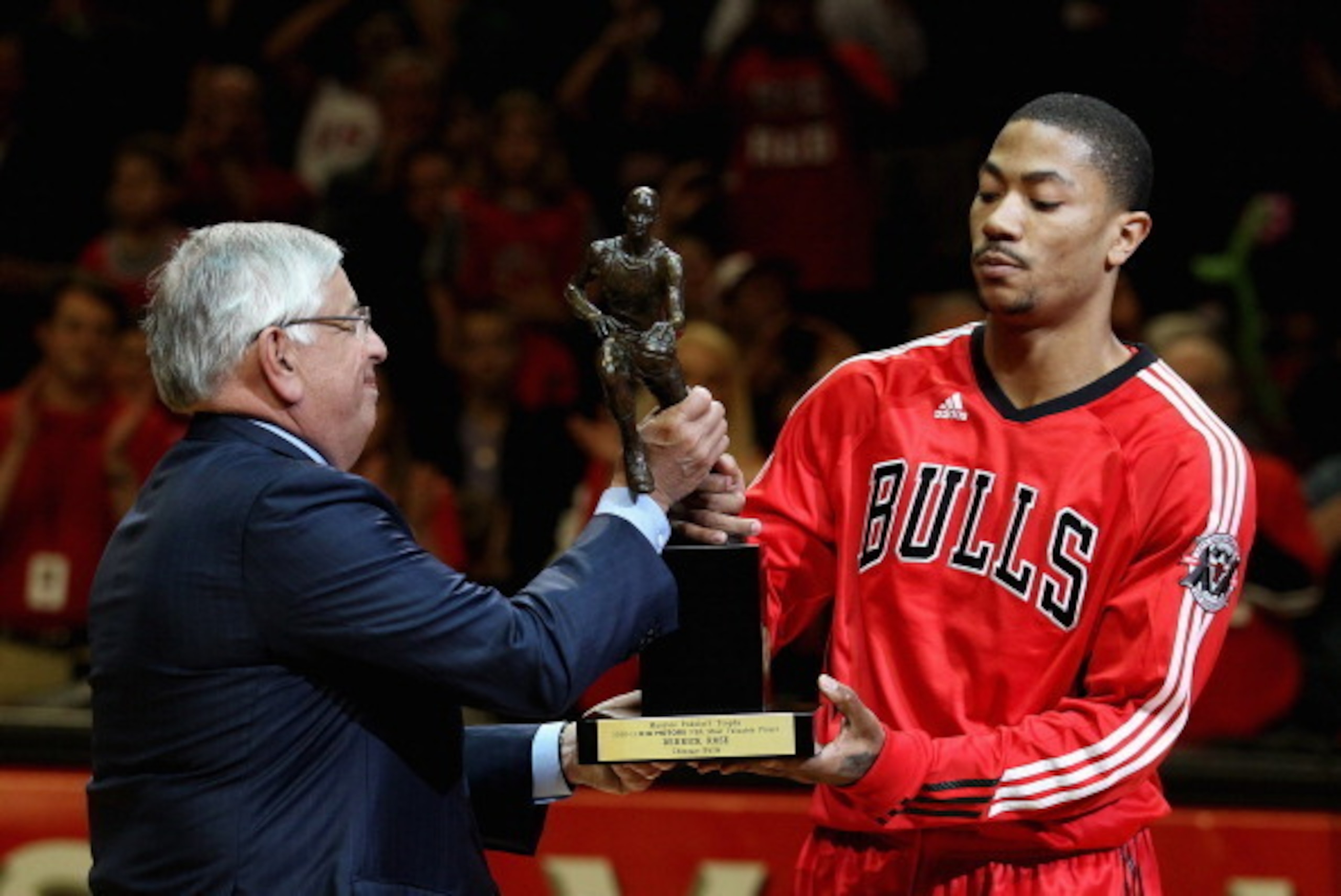
Derrick Rose (2011)
9 of 10
This was one of those classic cases of voter bias, because, while Derrick Rose had a tremendous 2010-11 season for the Chicago Bulls, Miami Heat superstar LeBron James should have taken home his third straight MVP award at the time.
The stats were close—as Rose averaged 25 points, 7.7 assists and 4.1 rebounds to James' 26.7 points, 7 assists and 7.5 boards—and both players' teams had 62 and 58 wins, respectively. But what should have made King James the league MVP was the impact he had on the Heat in his first season in South Beach.
While both players had similar numbers, the fact that D-Rose ran away with the first-place votes—113 to James' 4—makes this a real head-scratcher after seeing how LeBron finished with higher field-goal and three-point percentages and advanced metrics like win shares.
Like Michael Jordan losing out to Karl Malone for the 1997 league MVP, this was a situation where James had been so great in the previous years that he didn't live up to voters' expectations.
Jose Theodore (2002)
10 of 10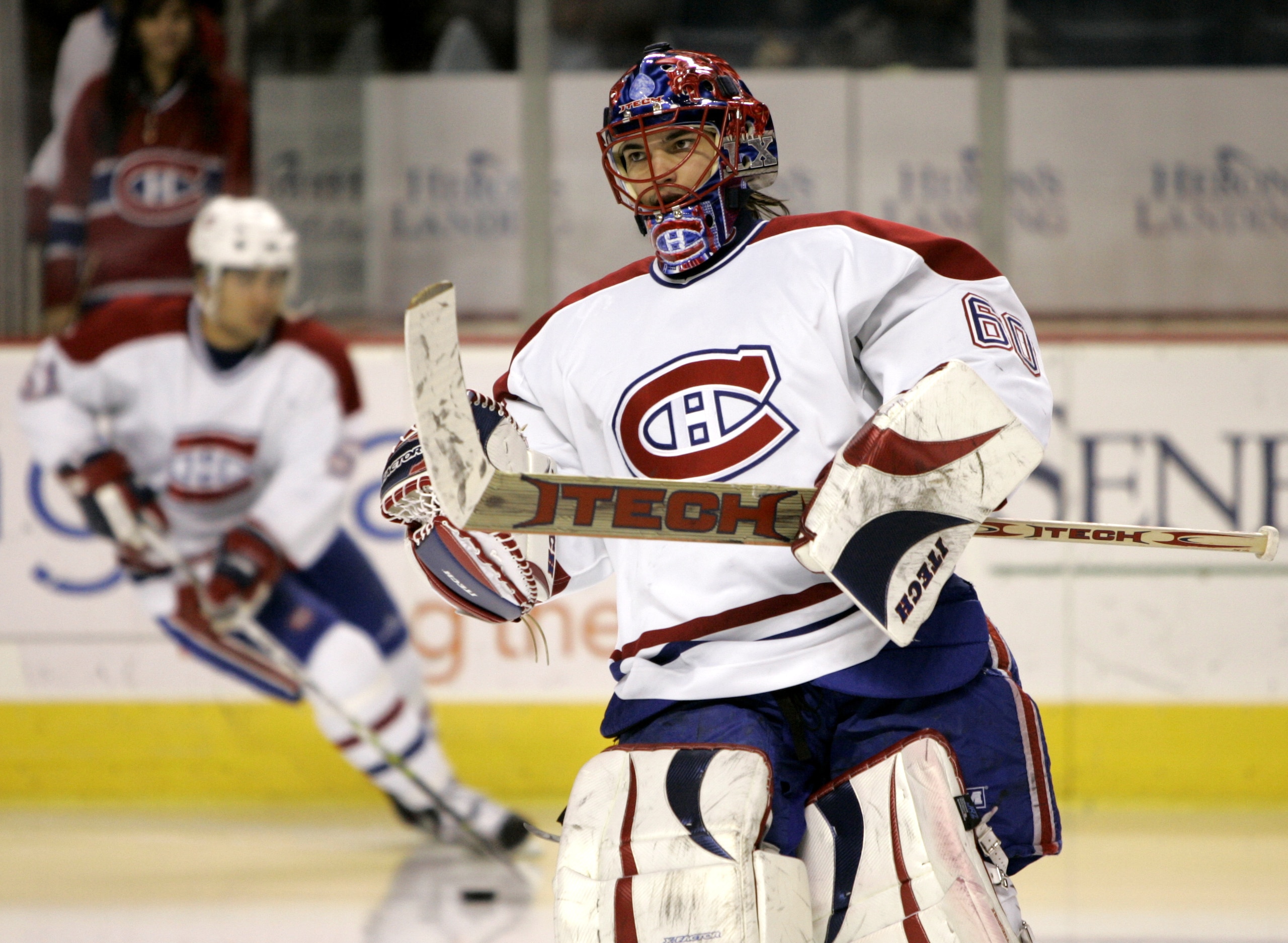
Like Pedro Martinez once famously asked ("Who are you, Karim Garcia?"), I can't help but ask the same about Jose Theodore.
The former NHL goaltender was the 2002 Hart Memorial Trophy winner, that's who he was—but it wasn't without plenty of controversy.
Finishing with as many total MVP votes as Calgary Flames star Jarome Iginla with 434, the trophy went to the then-Montreal Canadiens netminder because he finished with more first-place votes, 26-23, to Iginla.
Quite frankly, Theodore was a beneficiary of a poor NHL season that saw not one single player finish with more than Iginla's 96 total points, making voters believe that it was due to an uptick in good defense, apparently.
For comparison's sake, Theodore's MVP season in 2002 saw him finish with a record of 30-24-10, a GAA of 2.11 and seven shutouts. The next goalie to win the award—current Montreal goalie Carey Price in 2015—went 44-16-6 with a 1.96 GAA and nine shutouts, so it seems as if 2002 was just one of those down years with no clear-cut leader.
After winning the award, Theodore bounced around the league and last played in the NHL during the 2012-13 season, when he appeared in 15 games for the Florida Panthers.
.jpg?w=2560 "Hill Injury Update Football")
.jpg?w=2560 "Titans Giants Football")
.jpg?w=2560 "Tyreek makes another cryptic post amid Chiefs rumors")


.jpg?w=2560 "Greenlaw Talks Payton Exchange")
