Moments That Defined the 2016 U.S. Open at Oakmont
Oakmont Country Club is widely regarded as one of the best U.S. Open venues in the country, and it certainly did not disappoint at the 116th playing of the U.S. Open Championship.
This major had it all.
There were gruesome injuries, epic rain storms, Tin Cup-esque stories, meltdowns, triumphs and a little bit of controversy sprinkled on top.
In the end, a worthy champion emerged and Oakmont's brilliance was once again on display for the entire golf world to enjoy.
Here are the most memorable moments from the 116th U.S. Open Championship.
Caddie Breaks His Ankle During a Practice Round
1 of 9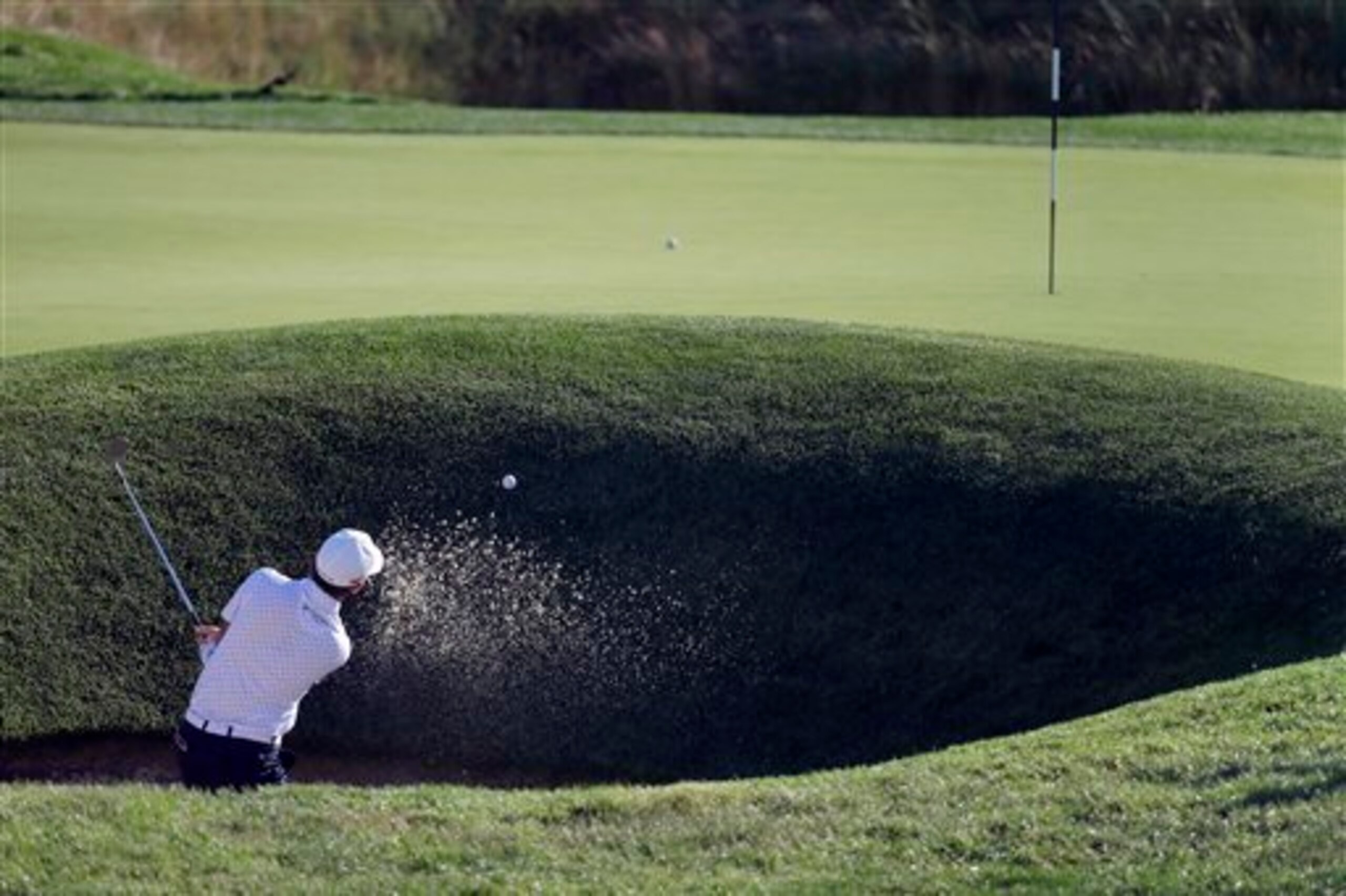
If there was ever a question as to the severity of Oakmont's bunkers, it was answered by Bill Heneghan on Tuesday afternoon.
Heneghan, who was caddying for amateur Chris Crawford, was attempting to climb out of a greenside bunker on the sixth hole when he slipped on an area that had recently been watered and broke his ankle.
"He actually handled it incredibly well," Crawford told the Golf Channel's Ryan Lavner. "He just sat there, like, 'I'm fine, I'm fine. It's broken, but I'm fine.'"
Heneghan was eventually helped out of the bunker by Jason Day, who was playing in the same group, and Pittsburgh Steelers team doctor Jim Bradley, who is friends with the manager of Day and happened to be with the group.
Watching a caddie break his leg attempting to simply walk out of one of Oakmont's steep bunkers had to be an ominous sign for the rest of the field heading into the 116th U.S. Open.
Back in 2007 Phil Mickelson said that Oakmont was "dangerous."
Well, perhaps Lefty was right.
Mother Nature Takes Control of the U.S. Open
2 of 9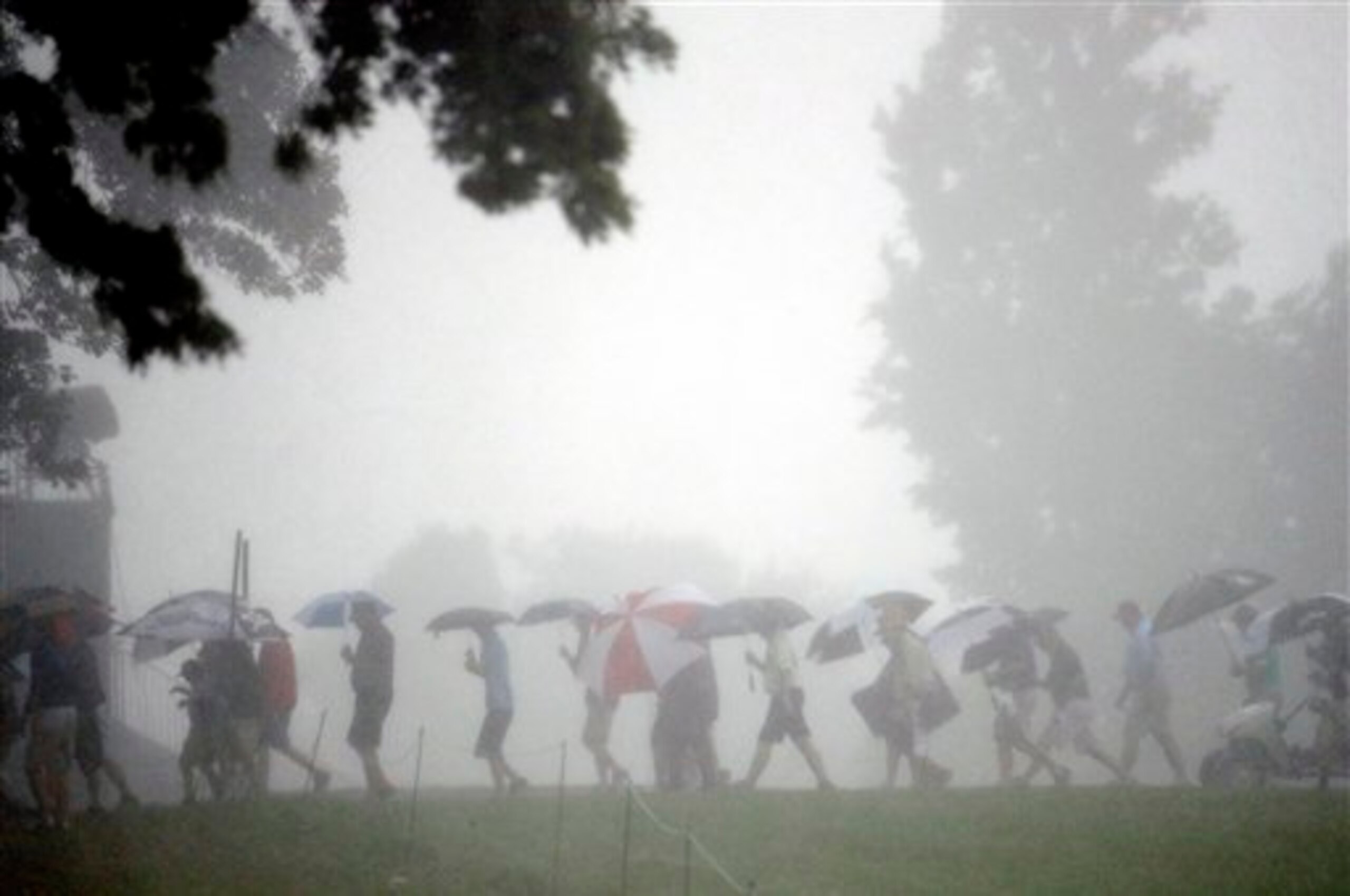
The one true unknown heading into any major championship is the weather.
Weather can dramatically impact how a course plays, can give a distinct advantage to groups of participants based solely on their tee times and can wreak havoc on the organizing body responsible for the tournament's scheduling.
It wasn't long after the 116th U.S. Open began on Thursday morning that Mother Nature rolled into Western Pennsylvania and took control of the tournament.
Play was suspended three separate times Thursday and only a handful of players completed their opening round before play was called for the day at 3:51 p.m. ET.
Oakmont's 201 bunkers were turned into small ponds and Tim Rosaforte reported during Golf Channel's Live from the U.S. Open program that USGA Executive Director Mike Davis said he "felt like he was in need of an ark."
In between the stoppages of play Thursday and really for the next two days, players were faced with a much different golf course than they had prepared for earlier in the week.
Oakmont's concrete fairways lost their roll, and the greens that had been lightening fast earlier in the week turned into large sponges that allowed players to stop approach shots on a dime.
The USGA attempted to combat these soft conditions with difficult pin placements during Rounds 2 and 3, but it was no match for the top players in the world.
By the time the dust, or more appropriately the mud, had settled Sunday morning, Shane Lowry was sitting at seven-under-par through 54 holes.
As the course dried out it finally began to show its teeth Sunday afternoon, but Dustin Johnson's winning score of four-under-par was still a full nine strokes lower than Angel Cabrera's winning score the last time Oakmont hosted the U.S. Open back in 2007.
Andrew Landry's Record Setting Opening Round
3 of 9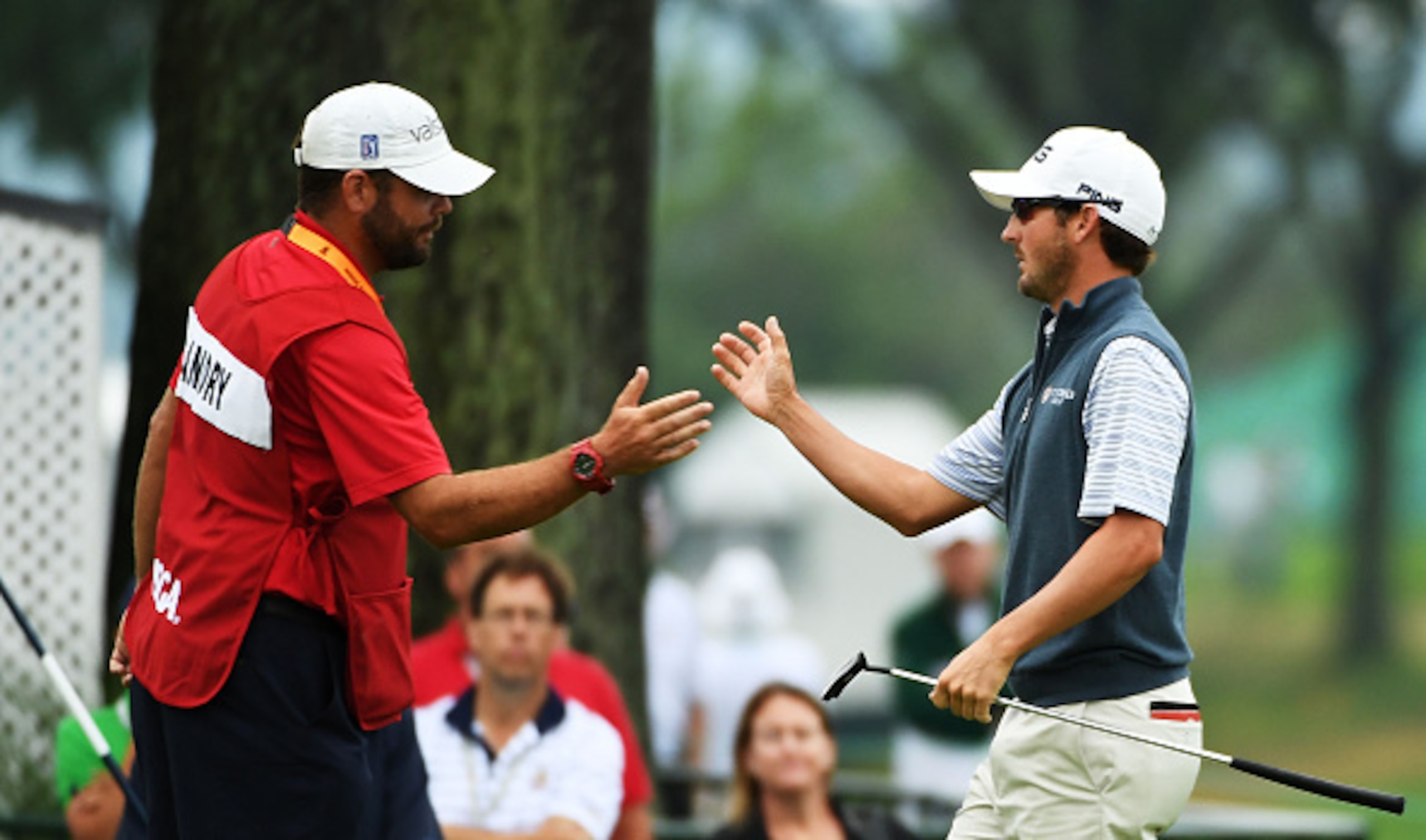
On a day when most players were simply trying to survive three separate rain delays, Andrew Landry tactically took apart one of the most difficult golf courses in the world.
After a beautiful approach shot from 183 yards at the ninth (Landry's 18th hole of the day), play was halted for the third and final time on Thursday.
So Landry was forced to sleep on a 10-foot birdie putt that would give him the lowest opening round in U.S. Open history at Oakmont.
The 28-year-old Texan arrived back at the course early Friday morning, struck around 50 putts on the practice green before walking out to the ninth and calmly rolling in his birdie putt for a round of 66.
Landry, who has made just five cuts in 12 career PGA Tour events, grew up playing a dusty nine-hole course in Groves, Texas called the Pea Patch.
So of course it wasn't long before the Tin Cup comparisons began circulating on Friday morning at Oakmont.

.jpg?w=2560 "Cardinals Giants Football")

Rory McIlroy Melts Down on Final Nine Holes of Round Two
4 of 9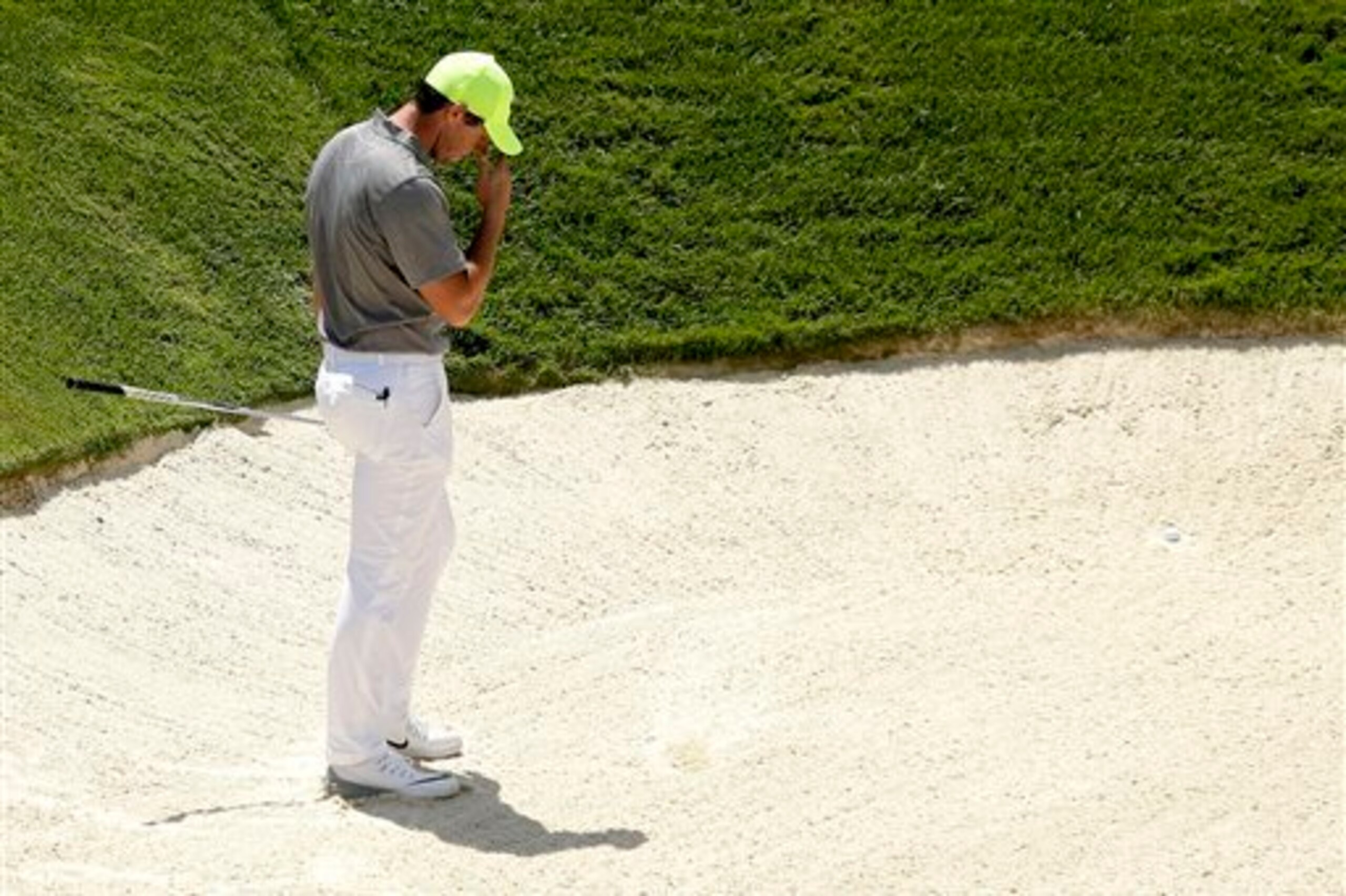
After opening with a 77, Rory McIlroy appeared to be righting the ship during the opening stages of Round 2.
McIlroy, who teed off on the 10th hole, played his first nine holes in 31 strokes (four under-par). At this point McIlroy was only six strokes off the lead and was looking to move himself into contention on the back nine.
Making the cut, which came at six-over-par, must have been the last thing on McIlroy's mind as he made the turn on Saturday morning.
But McIlroy inexplicably fell apart over the next nine holes, coming home in 40 and missing the cut by two strokes.
McIlroy was right on the cut line as he stood on the ninth tee (his 18th hole of the day). But the four-time major champion proceeded to find a fairway bunker with his tee shot, hit the lip of the bunker with his second and was left with no other choice but to simply chip back out onto the fairway and watch his chances of playing on the weekend slip away.
McIlroy refused to speak to the media after his round and only released the following statement on his Twitter account Sunday:
"Disappointing week to say the least. Fighting my swing a bit at the minute but working hard to get back on track. Happy Father's Day!
— Rory McIlroy (@McIlroyRory) June 19, 2016
"
Dustin Johnson Opens the Door to the Rest of the Field
5 of 9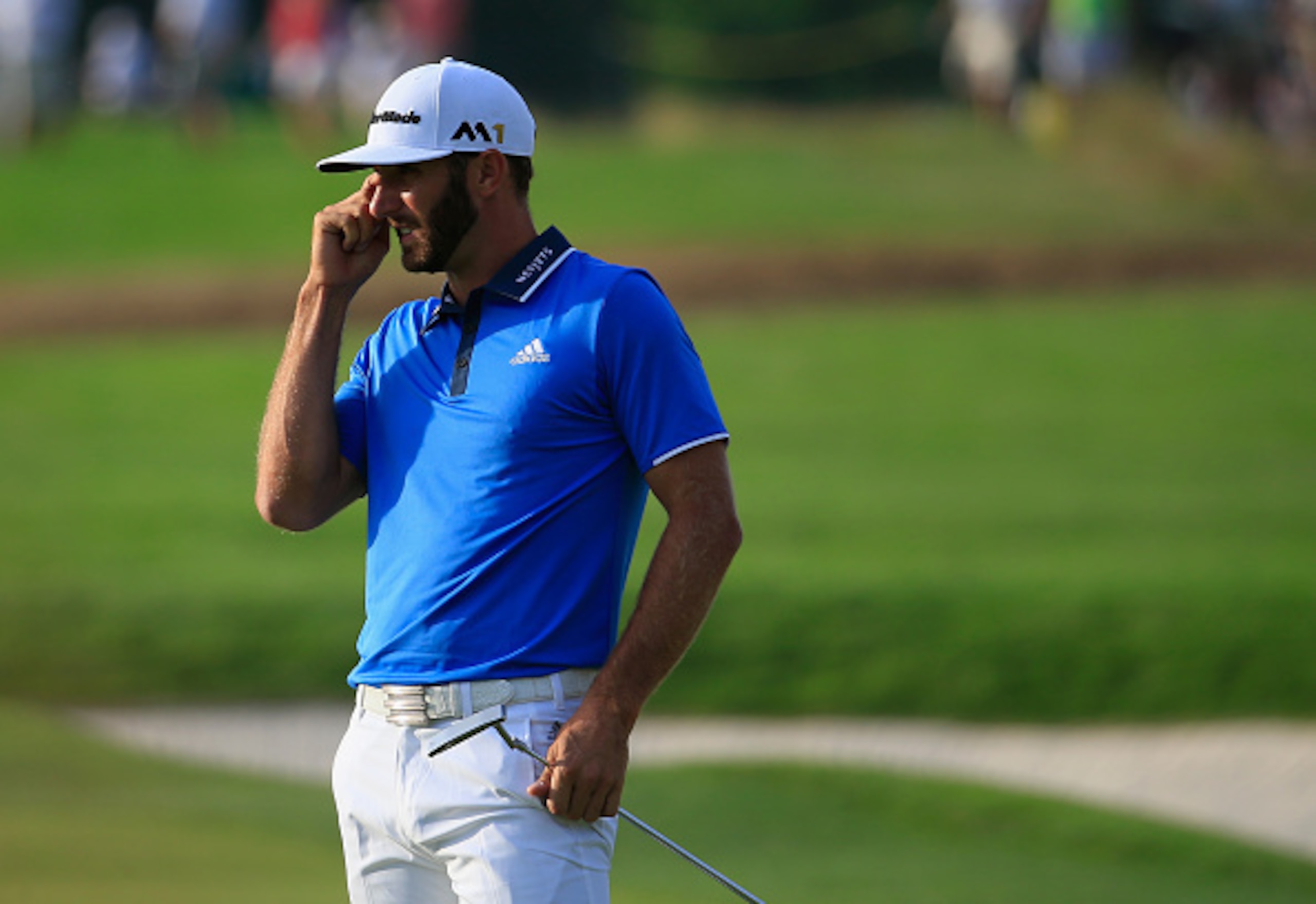
After opening the third round with a birdie at the 482-yard par-four first, it was looking as if the story of the day would be just how far Dustin Johnson could extend his lead by the end of 54 holes.
Once Mother Nature swooped in and softened the course earlier in the week, Johnson gained a distinct advantage through his power game, and there was really no one else on the leaderboard who could keep pace with Johnson off the tee.
But following an impressive par save at the second, Johnson opened the door to the rest of the field with a double-bogey six at the par-four third.
Just as Johnson was posting a six, Lee Westwood holed out for an eagle at the fifth, Landry rolled in a par putt at three and in the blink of an eye we had a three-way tie atop the leaderboard and a slew of other players were brought into the mix.
What could have been a career-defining round for Johnson turned into an all-out dogfight among six-to-eight players for most of the day before Shane Lowry was able to break out of the pack late Saturday and early Sunday morning when he returned to the course to finish Round 3.
If there was a single moment that spun Round 3 on its heels, it was Johnson's double-bogey six at the third hole Saturday.
Shane Lowry Extends His Lead on Sunday Morning
6 of 9
Perhaps no one at Oakmont was praying to the golf gods for an extra hour of daylight more than Shane Lowry on Saturday evening.
Lowry had the hot hand and was holding a two-stroke lead when Round 3 was ultimately suspended for the day at just before 9 p.m. ET.
So Lowry, who has just two top-10 finishes in his major championship career, was forced to sleep on the lead with 22 holes left to play.
It is often said that one of the hardest things to do in all of golf is to follow up a great round with another great round the very next day.
Only Lowry wasn't really following up a great round the next morning, he was simply attempting to finish the same great round he had begun on Saturday afternoon.
And that is precisely what he did.
Lowry came back out on the course and shocked much of the field when he birdied two of his last four holes to open up a four-stroke lead into the final round.
Shane Lowry Squanders His Lead on Sunday Afternoon
7 of 9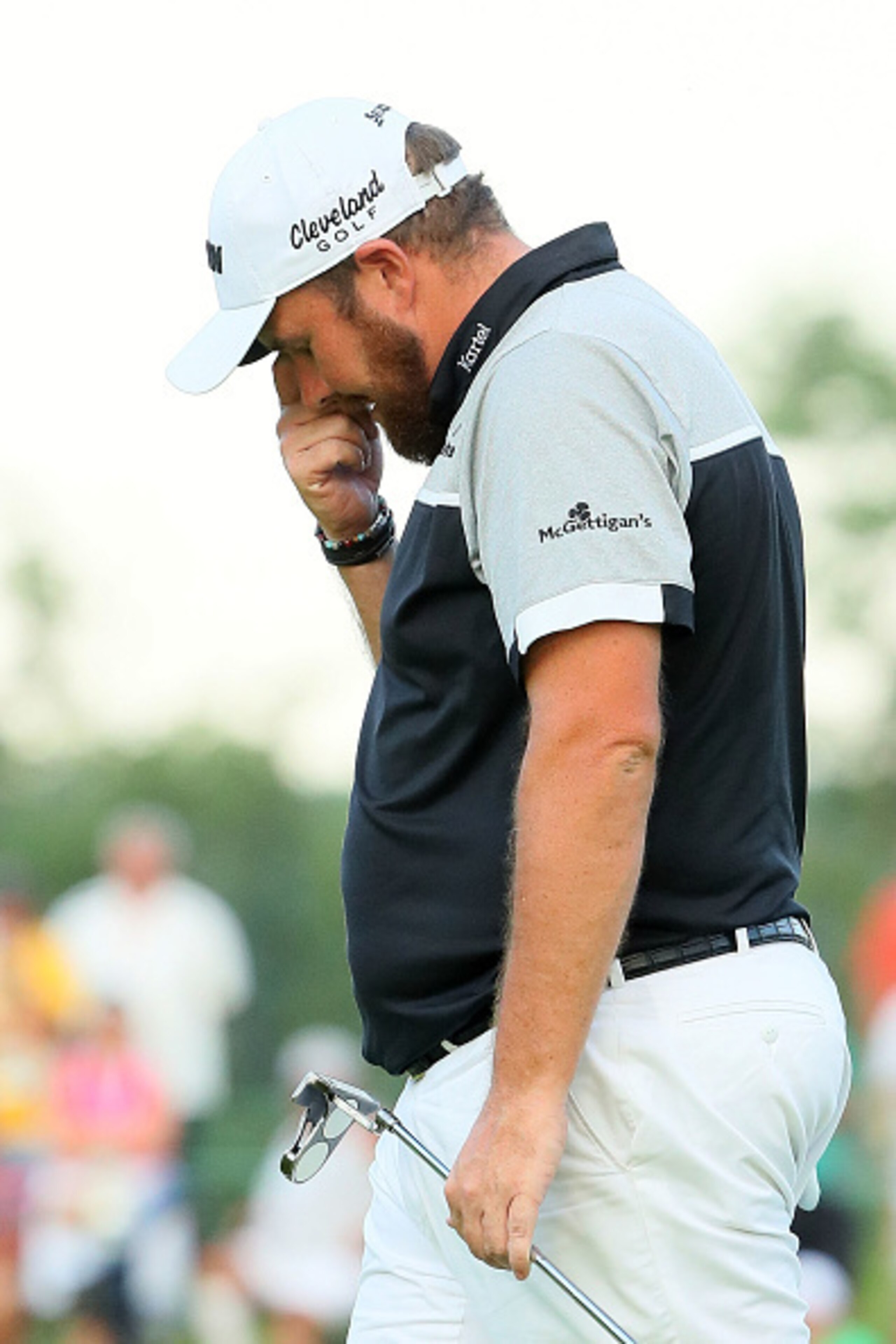
Shane Lowry came out Sunday morning and birdied two of his final four holes for a Round 3 score of 65 and a four-stroke lead into the final round of the U.S. Open.
As Lowry calmly went about his business early Sunday morning, it appeared the 29-year-old Irishman with very little major championship experience might just be immune to Sunday pressure.
But the pressure clearly began to mount as the day went on, and Lowry was a completely different golfer when he stepped back out onto the course at 3:30 p.m. ET.
Lowry played his first 10 holes in four over-par and had lost his lead to Dustin Johnson by the turn.
The 29-year-old Irishman would never regain the tournament lead as he played the back nine in 38 strokes and finished in a tie for second, three strokes behind Johnson.
The USGA Places a Dark Cloud over the Back-Nine on Sunday
8 of 9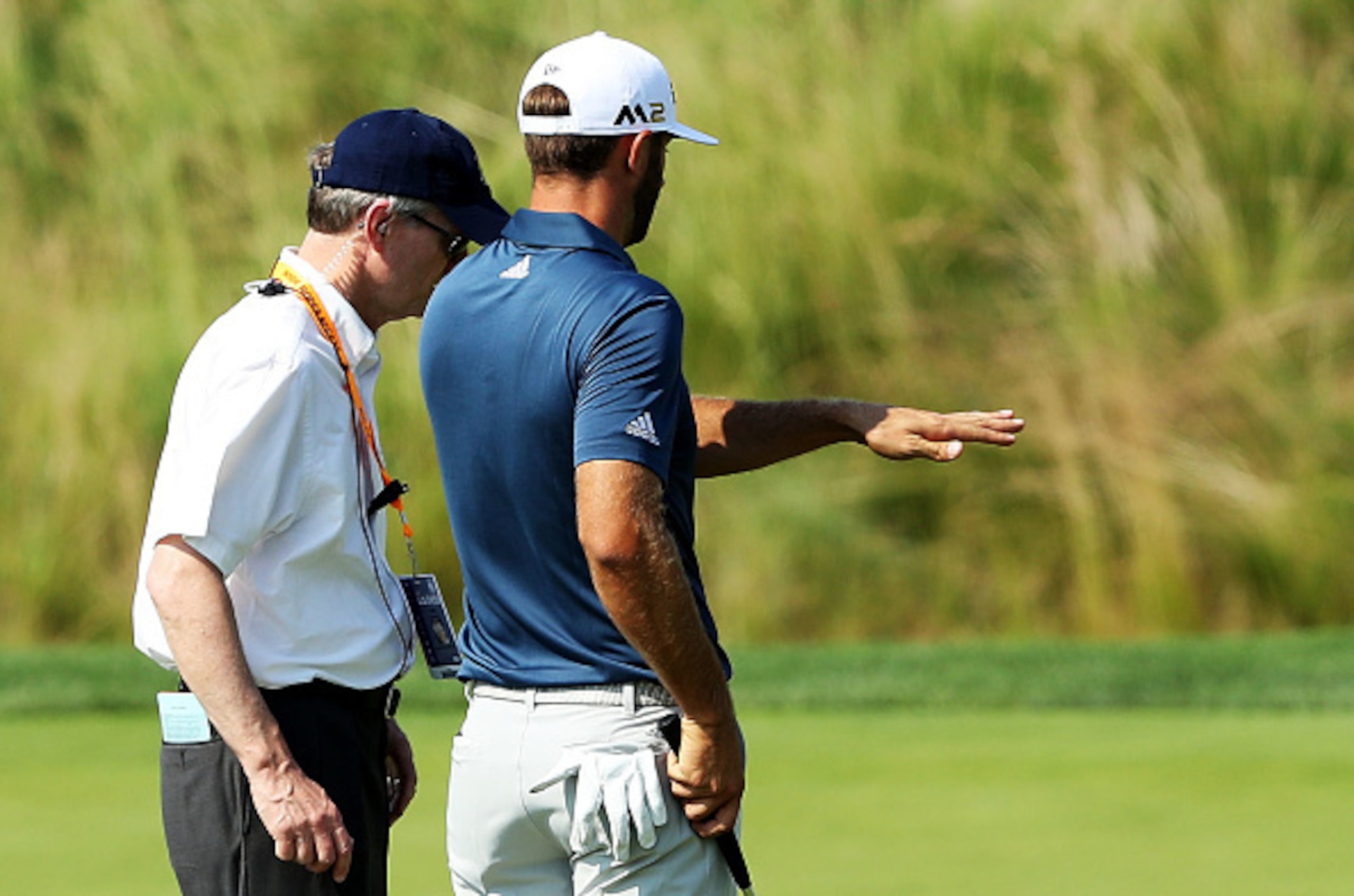
Dustin Johnson was on the fifth green preparing to address his birdie putt when his ball moved half a rotation backward.
Johnson immediately called for an official and it was deemed that Johnson did not ground his club and no penalty was to be assessed.
Johnson went on to par the hole and was holding the tournament lead when a USGA official approached him on the 12th tee and told him there could be an issue with his ball moving back on the fifth green and that it would be reviewed after the round.
And boy did that throw a wrench into things.
From the 12th hole onward Johnson didn't know exactly where he stood on the leaderboard, not to mention the fact that a USGA official had approached the tournament leader on the back nine and added some more fuel to nerves that would have already been on fire.
And to top it off, the USGA also approached every other player in contention and made them aware of the situation.
So those in contention didn't even know exactly where they stood as they came down the stretch.
What should have been an exciting finish to the 116th U.S. Open was marred by controversy, as the intricacies of the rule book were essentially all that was discussed for the final two hours of the tournament.
Luckily for everyone involved, Johnson went on to win by four strokes, so the outcome of the event was not altered even when Johnson accepted a one-stroke penalty from the fifth hole (most likely because it made no difference).
The USGA made a mistake in the way it handled this situation, and it may want to thank Johnson for winning by several strokes and allowing it to avoid what could have been one of the most controversial moments in U.S. Open history.
Dustin Johnson Is a Major Champion
9 of 9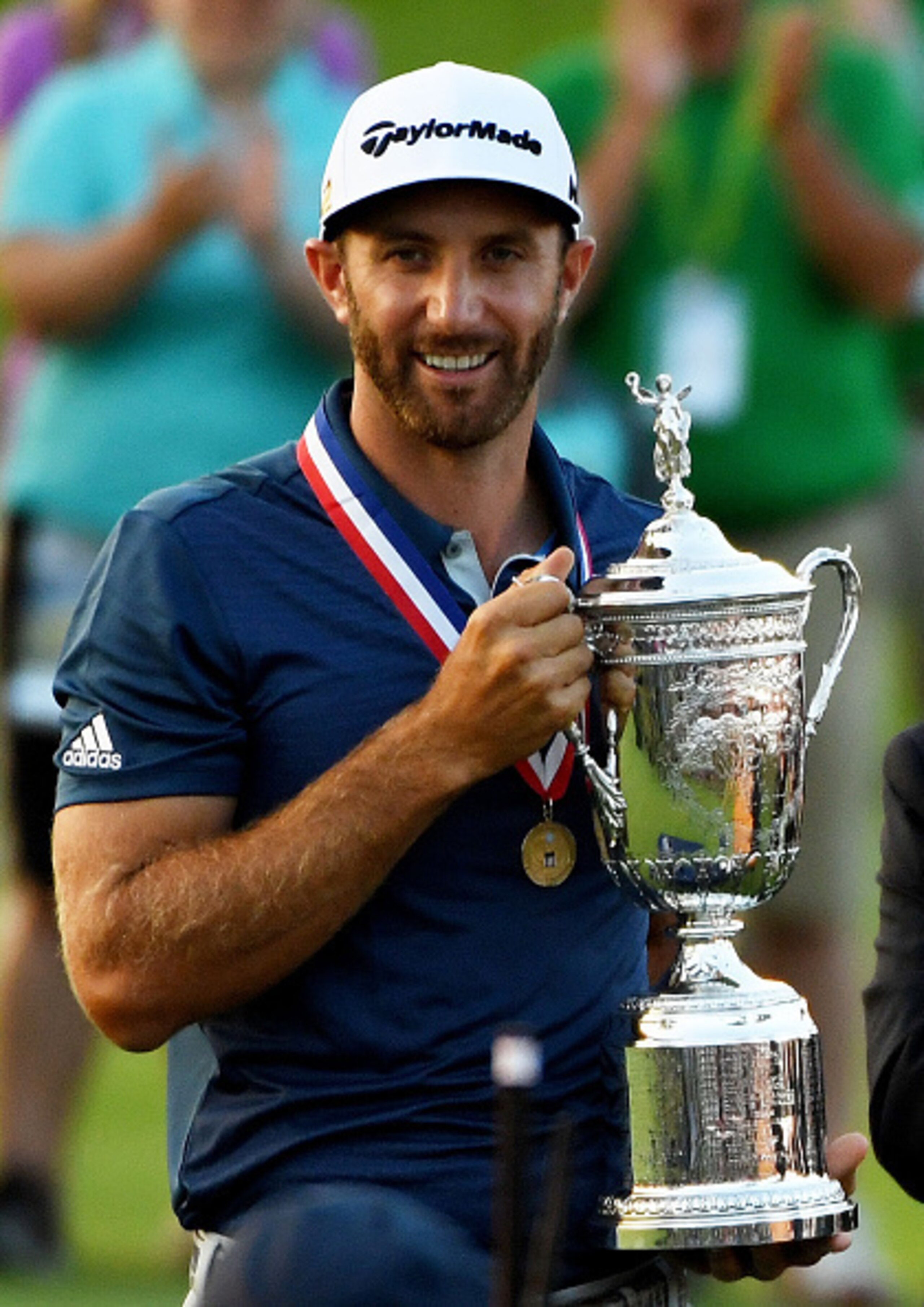
After several close calls at the majors, including a three-putt from 12 feet to lose last year's U.S. Open, Dustin Johnson finally broke through for his first major championship title.
Winning any major championship is an extremely impressive feat, but what made Johnson's win at the 116th U.S. Open even more impressive was what he had to overcome to obtain the title.
First and foremost, Johnson had to defeat 158 of the top golfers in the world on one of the most difficult U.S. Open venues in America. But for a player as talented as Johnson, that might have actually been the easy part.
The difficult part was the mental strength needed to overcome all of his major championship heartbreaks and losing the 36-hole lead just a day earlier.
And as if that weren't enough, the USGA approached Johnson on the 12th hole and told him that he might be assessed a one-stroke penalty for his ball moving on the fifth green.
So Johnson essentially needed to fight off the demons of major championships past all the while not even knowing exactly where he stood on the leaderboard for the final seven holes of the tournament.
The 31-year-old native of South Carolina was somehow able able to keep his composure down the stretch as he sunk key par putts on 16 and 17 and then played the 18th about as perfect as anyone possibly could while carding a birdie for a final-round score of 68, which at the time gave him a four-stroke lead.
Johnson ultimately accepted the one-stroke penalty for his ball moving on the fifth green (which was essentially meaningless at that point), so his final round score will go down as a 69 in the record books.
But it makes little difference if Johnson's final round score was a 68 or 69, or if his margin of victory was three or four strokes. Because none of it makes this major championship win any less impressive.
.jpg?w=2560 "Hill Injury Update Football")
.jpg?w=2560 "Titans Giants Football")
.jpg?w=2560 "Tyreek makes another cryptic post amid Chiefs rumors")