

Pro Boxers in the Olympics Was Inevitable and Will Ultimately Benefit the Sport
You might not like the new rules set forth on Wednesday by the International Boxing Association, an adjustment to AIBA statutes that will finally allow professional boxers to compete and represent their countries in the Olympics, but you are going to have to live with it.
Olympic boxing is hereby changed forever.
While rumors about the potential for such an Olympic-sized shakeup had swirled about for a few years now, it doesn’t really seem all that many people took the idea of it very seriously.
TOP NEWS

New NFL contenders starting to emerge after Week 4
.jpg?w=2560 "Cardinals Giants Football")
NFL investigating 2 referees for separate viral exchanges
Deion Playbook Found at Hotel
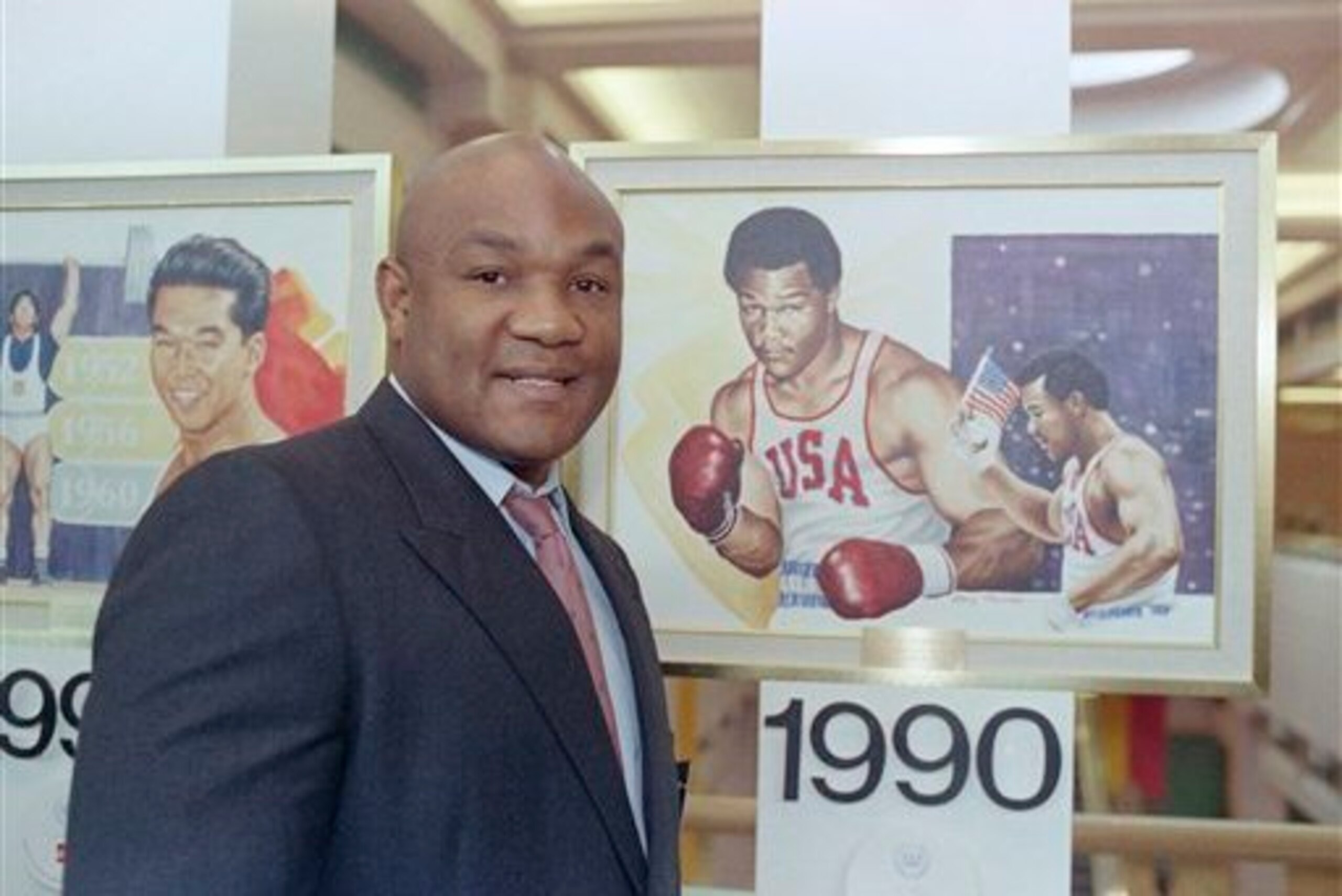
Since the announcement, of course, there has been no shortage of vitriol spewed over the matter within the close-knit fight community. It seems everyone, from old-school greats Mike Tyson and George Foreman, to current fighters Julian Williams and Carl Frampton, has chimed in on the matter, and just about everyone hates it, too.
It’s been the same within the boxing media. USA Today’s Mike Coppinger believes there is just too much risk associated with amateurs going up against the pros, and ESPN.com’s Dan Rafael said it was downright unfair for such a contest to be allowed.
Honestly, it’s easy to see how one could get all riled up at the notion of professional fighters duking it out with amateurs. Never mind that it already happens every day in pretty much every boxing gym in the world…it just doesn’t seem right.
Does it?
Besides, boxing isn’t a sport known for keeping up with the times. In fact, the appeal of the sport to many is that so much of it is emotionally tethered to the past. The world moves at such a fast pace these days that maybe it’s nice to have some anchors around to help keep the travel tenable.
But if we’re really honest with ourselves, it’s at least plausible, if not likely even, that this AIBA move to inject professional fighters into the Olympic fight scene is both something long overdue as well as a net positive to the sport in general.
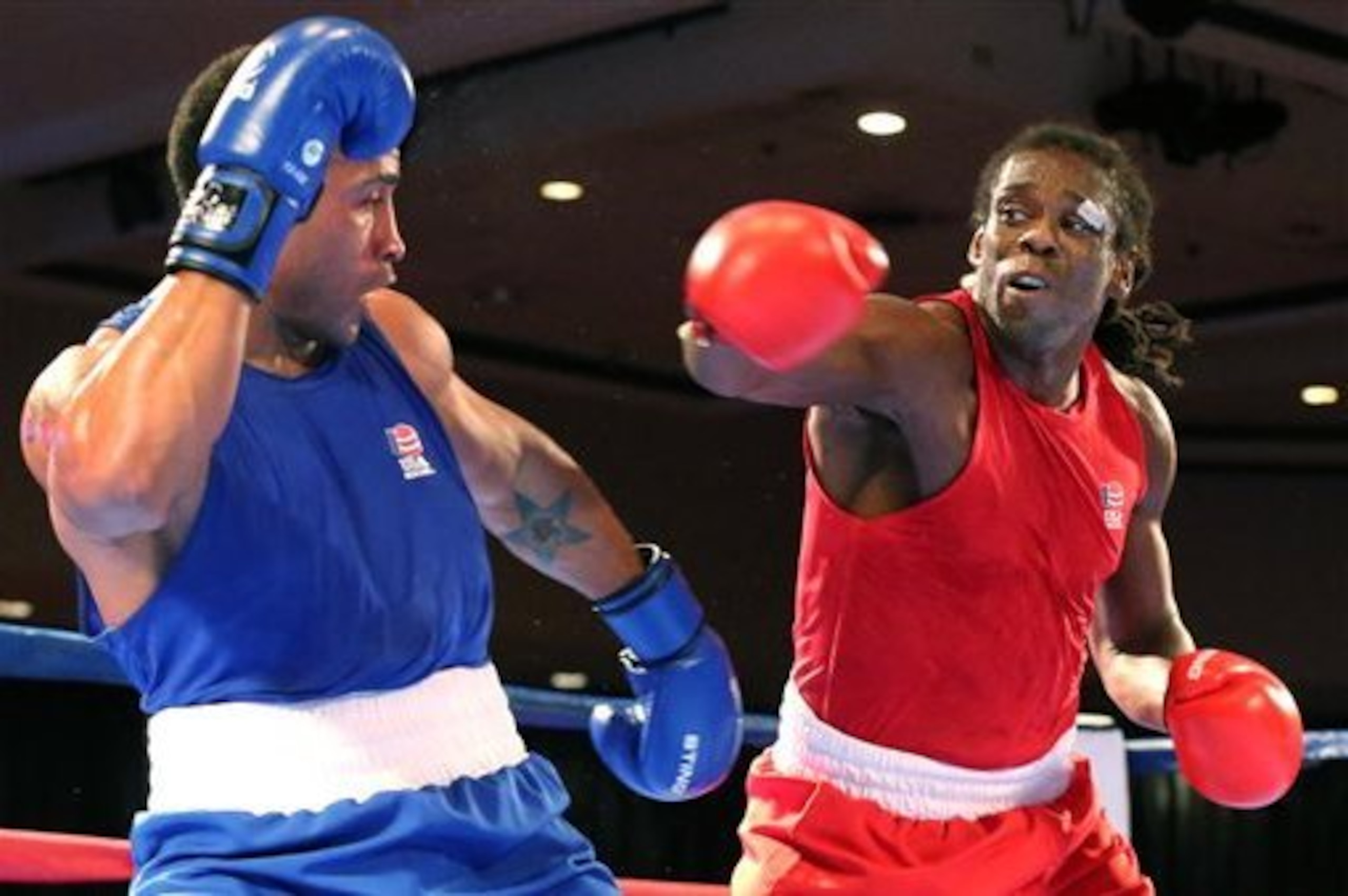
First, let’s clear the biggest stumbling block for most: fighter safety.
It’s become convenient in these modern times for those who watch boxing—even those who make a living off writing about it—to bandy this term about whenever it suits them. And yes, the safety of the combatants in boxing is the most important element of the sport in the grand scheme of things.
But fighting is dangerous. Period. And pretty much every fighter who ever lived knew it and did it anyway.
And that’s the thing, I guess. There are already medical tests in place. There are already rules and guidelines and committees to help ensure egregious mismatches don’t take place. No one wants Manny Pacquiao obliterating some poor fellow who just happened to walk into the gym that day. We aren’t sadists.
But that’s not what is happening here. Olympic boxing is a meeting of the best athletes in the world. Pacquiao vs. everyman is snuff material. No one wants that. But Pacquiao against a world-class amateur fighter under Olympic boxing rules? That’s just a fight.
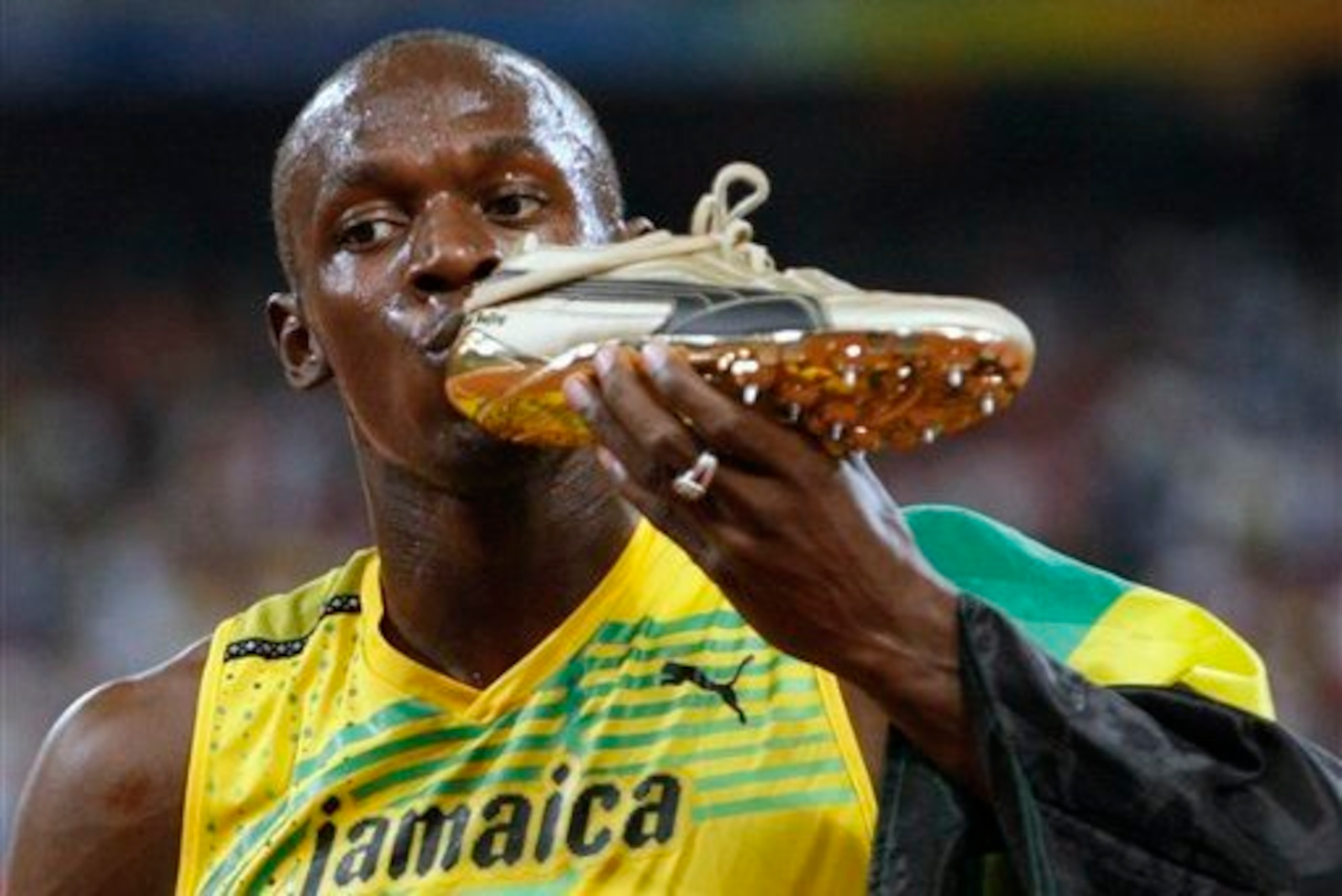
And it’s time to start looking at things within the context of the culture, too. Do amateur Olympic athletes even exist anymore? Seriously. I’m asking. Doesn’t Jamaican sprinter Usain Bolt make like $10 million per year through a shoe company or something?
That’s the thing, really.
There are already professional athletes at the Olympics. This move by the AIBA simply brings boxing up to speed with almost everyone else. And with the once proud sport grasping for straws to get back to any semblance of mainstream relevancy, if it hopes to reverse its slow decent to niche-sport status, professional boxers in the Olympics might not seem like such a bad idea.
In fact, it might be exactly what boxing needs.
.jpg?w=2560 "Hill Injury Update Football")
.jpg?w=2560 "Titans Giants Football")
.jpg?w=2560 "Tyreek makes another cryptic post amid Chiefs rumors")


.jpg?w=2560 "Greenlaw Talks Payton Exchange")
