
The 12 Best Come-from-Behind Playoff Teams
Evaporating deficits in the postseason isn't for the faint of heart. Teams faced with the prospect of falling behind don't always come back to realize victory.
But there are a few exceptions to the rule. In this slideshow, we went out and explored 12 of the best come-from-behind playoff teams. The common thread here is each team had to face an insurmountable deficit in a playoff series—or game in the NFL's case—then overcome it in order to achieve great things.
For the sake of consistency, the NHL, NFL, NBA and MLB were used as a barometer. Knowing the criteria needed to qualify, let's explore which franchises made the list.
1980-81 Boston Celtics
1 of 12
The No. 4-seeded Boston Celtics stared down a 3-1 deficit against their archrival Philadelphia 76ers in the 1981 Eastern Conference Finals.
It was a series that pitted the youthful brilliance of Larry Bird against the veteran presence of Julius Irving. Bird averaged 26.7 points per game, while Irving produced an average of 19.9 points each contest.
When the Sixers pulled ahead 3-1, the series appeared to be over. But one silver lining for the Celtics was the entire clash had been tight up to that point.
Looking back at their three straight wins from Game 5 to Game 7, the Celtics flipped the script and won by a combined total of five points. It's no wonder why former ESPN analyst John Hollinger named it the best playoff series of all time.
Bird's squad would advance and go on to take down the Houston Rockets in the NBA Finals. After surviving all the 76ers had to offer, this particular version of the Celtics proved to be one of the best come-from-behind playoff teams.
1968 Detroit Tigers
2 of 12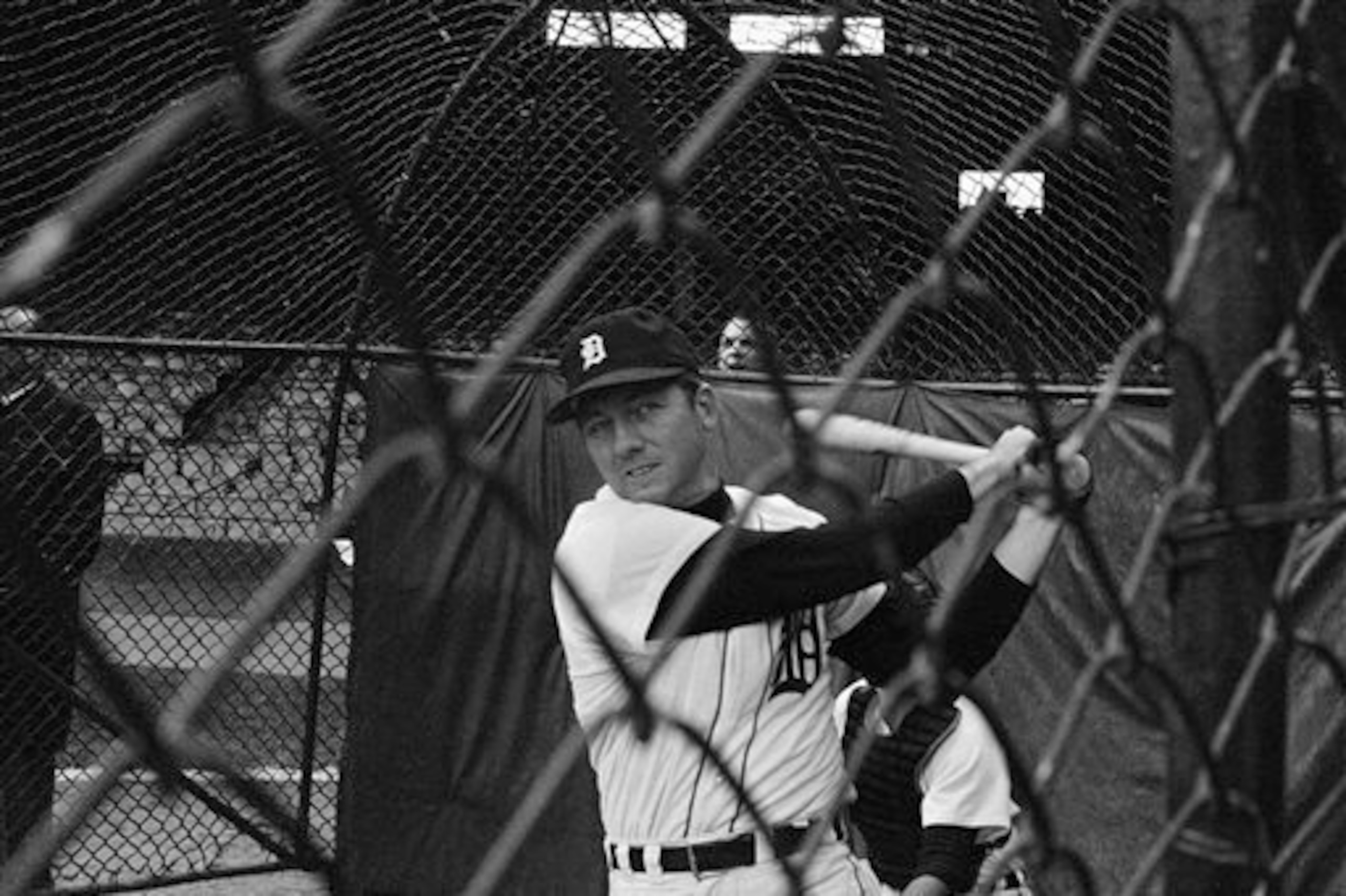
The Detroit Tigers' third championship came against the St. Louis Cardinals in 1968.
St. Louis was looking to repeat as World Series champions when Detroit came rolling into town. Hall of Fame pitcher Bob Gibson got the Cards off to a hot start, winning two out of the first three games.
With a 3-1 series lead, all St. Louis had to do was close things out.
Detroit didn't allow that to happen. Pitcher Mickey Lolich stepped to the mound in Game 5 and looked sharp. After surrendering three runs in the first inning, he found his groove, blanking the Cards from that point on.
It was a theme the Tigers' would go on to carry throughout the rest of the series. Between Games 5, 6 and 7, the Cardinals managed to score a total of five runs.
To add insult to injury, Lolich was called upon once again in Game 7, where he out classed Bob Gibson and took home the World Series MVP trophy.
Thanks to Lolich's arm and the Tigers' bats, this World Series come-from-behind victory remains the stuff legends are made out of.
1942 Toronto Maple Leafs
3 of 12
Back in 1942, the Toronto Maple Leafs set a standard for come-from-behind wins in a playoff series. During the Stanley Cup Final, the Maple Leafs battled vigorously after trailing 3-0 against the Detroit Red Wings.
The comeback was improbable, or as John Kreiser of NHL.com mentioned, it was the "ultimate playoff rally."
It's astounding to think Toronto was able to win four straight games. Especially after it dropped Game 3 of the series 5-2. Good thing sports are built for riveting narratives.
The Maple Leafs' quest for Lord Stanley's Cup went through first-year players Don Metz and Ernie Dickens. Both men helped change the tide of the series.
In terms of NHL—and probably all of sports—the '42 Maple Leafs' Stanley Cup masterpiece remains a quintessential come-from-behind playoff showing.

.jpg?w=2560 "Cardinals Giants Football")

2015-16 Golden State Warriors
4 of 12
Don't act surprised. You knew the 2015-16 Golden State Warriors were bound to show up eventually.
Based on regular-season standings alone, predicting a San Antonio Spurs vs. Warriors clash in the Western Conference Finals would have been a logical bet. The Warriors just got done winning 73 games, while the Spurs weren't too far behind, finishing with 67 wins.
But when Russell Westbrook and Kevin Durant blitzed the Spurs in six games, the narrative changed. The Warriors were now faced with dismantling a two-headed juggernaut.
The Thunder pulled ahead in the series 3-1 behind Westbrook and Durant's exquisite play. And like most teams faced with that situation, the Warriors appeared to be in trouble.
Then, Game 6 came along. Klay Thompson's 41 points—and 11 three-pointers—forced the series back to Oracle Arena, where Curry would blast the Thunder, dropping 36 points of his own.
Golden State would down Oklahoma City and punch its ticket to the NBA Finals, proving 73 regular-season wins wasn't something to be scoffed at.
2006 Indianapolis Colts
5 of 12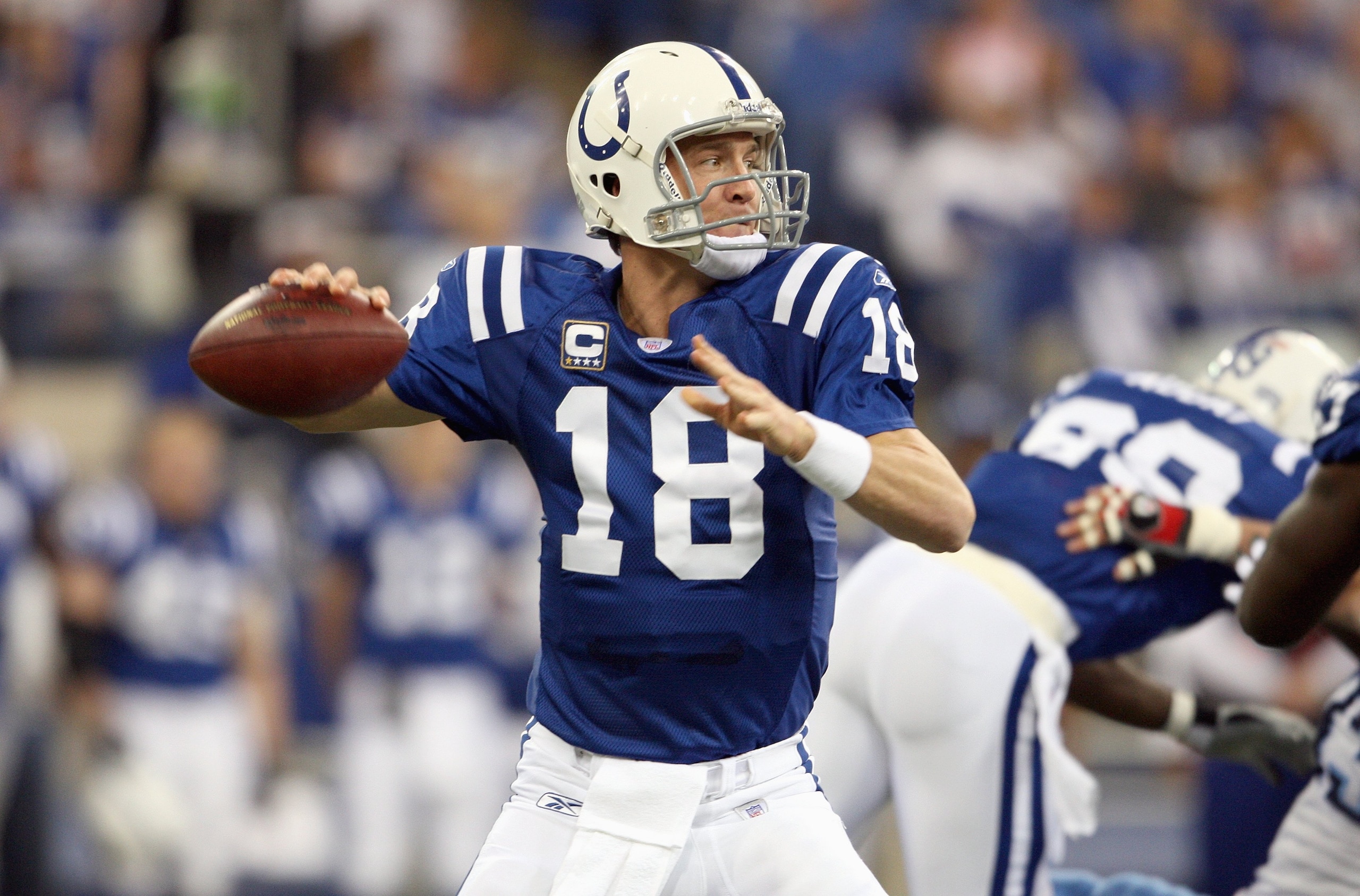
Willing your way to a come-from-behind win in the NFL is one thing. Doing it against head coach Bill Belichick and the New England Patriots is a whole different type of animal.
The 2006 Indianapolis Colts represented Peyton Manning's first Super Bowl-winning team. But the road to get there was blocked off by Tom Brady.
Fueling one of football's most celebrated rivalries, as NFL Media writer Alex Gelhar revisited, the AFC Championship Game in 2006 was a doozy.
The Colts battled back from an 18-point hole to come back and stun the Patriots by a final score of 38-34. Manning was poised throughout, completing 27 passes for 349 yards, one touchdown and one interception.
A comeback like this, in the AFC title game no less, was enough to evoke a series of scalding hot takes. One take in particular that stuck out was the Associated Press (h/t ESPN.com) bringing a verbal end to the Manning, Super Bowl dilemma: "The demons can relocate to some other team's locker room. Peyton Manning and Tony Dungy are Super Bowl material now."
Indianapolis would complete its quest of greatness, defeating the Chicago Bears 29-17 in Super Bowl XLI. Manning would also be the named the game's MVP.
1994-95 Houston Rockets
6 of 12
These days, unrelenting drama in Houston is all you hear about when it comes to the city's basketball team. Questions about Dwight Howard's future, ranging from where he'll play next year to if he can get along with newly hired coach Mike D'Antoni, per Jenny Dial Creech of the Houston Chronicle, continue to kidnap headlines.
But in 1994, there was a different news cycle going around. The Rockets were NBA champions in a post-Michael Jordan world and were attempting to repeat when the 1994-95 playoffs came around.
Replicating a championship isn't easy—ask the 2015-16 Golden State Warriors. The Rockets met a buoyant Phoenix Suns team who pushed them to the brink in the Western Conference Semifinals.
A 3-1 deficit had visions of a repeat looking scarce. That was until Hakeem Olajuwon and company turned it around.
For the entirety of the series, Olajuwon was his usual luminous self. He dropped an average of 29.6 points, nine rebounds and 2.3 blocks per game, vaulting the Rockets to a Game 7 showdown.
Game 7 turned out to be a genuine hardwood classic, and it spurned the eventual "kiss of death" game-winning three-point shot by Rockets guard Mario Elie. Houston would end up defeating Phoenix 115-114, before repeating as NBA champs.
1992 Buffalo Bills
7 of 12
You really can't design an article detailing the greatest come-from-behind playoff teams without talking about the 1992 Buffalo Bills.
Throughout the middle of three straight Super Bowl losses by the Bills in the '90s, the franchise managed to make history in one important way: by defeating the Houston Oilers in the most impressive comeback victory the NFL has ever seen.
After Houston stormed out of the gate, securing a 28-3 lead entering halftime, the Bills were pushed up against the ropes. Despite Buffalo's best efforts early on the third quarter, the Oilers' defense secured a pick-six, to push the deficit to an astounding 32 points.
It all turned around after that. Head coach Marv Levy's team would fire back, scoring 35 straight points. After the Oilers tied the game at 38, both teams headed for overtime.
Overtime is where the Bills would prevail after kicker Steve Christie booted a 32-yard field goal, completing this historic comeback.
No postseason game in NFL history has matched up to the Bills vs. Oilers classic.
1967-68 Boston Celtics
8 of 12
The Boston Celtics' rivalry with the Philadelphia 76ers has been a staple of basketball dating back to the 1960s. One of the first tipping points was the 1968 Eastern Division Finals.
Eerily reminiscent of the 1981 series between these two teams, the Celtics were tasked with winning three straight games if they wanted to reach the NBA Finals.
Boston and its core members—Bill Russell, Sam Jones and John Havlicek—fought off the 76ers at every turn. Facing the demons of being down 3-1, the Celtics' rallied, winning two road games—including Game 7.
Besides being an all-timer in terms of perseverance, this hard-fought series also allowed the to Celtics win their 10th NBA title, beating the Los Angeles Lakers in six games.
2013-14 Los Angeles Kings
9 of 12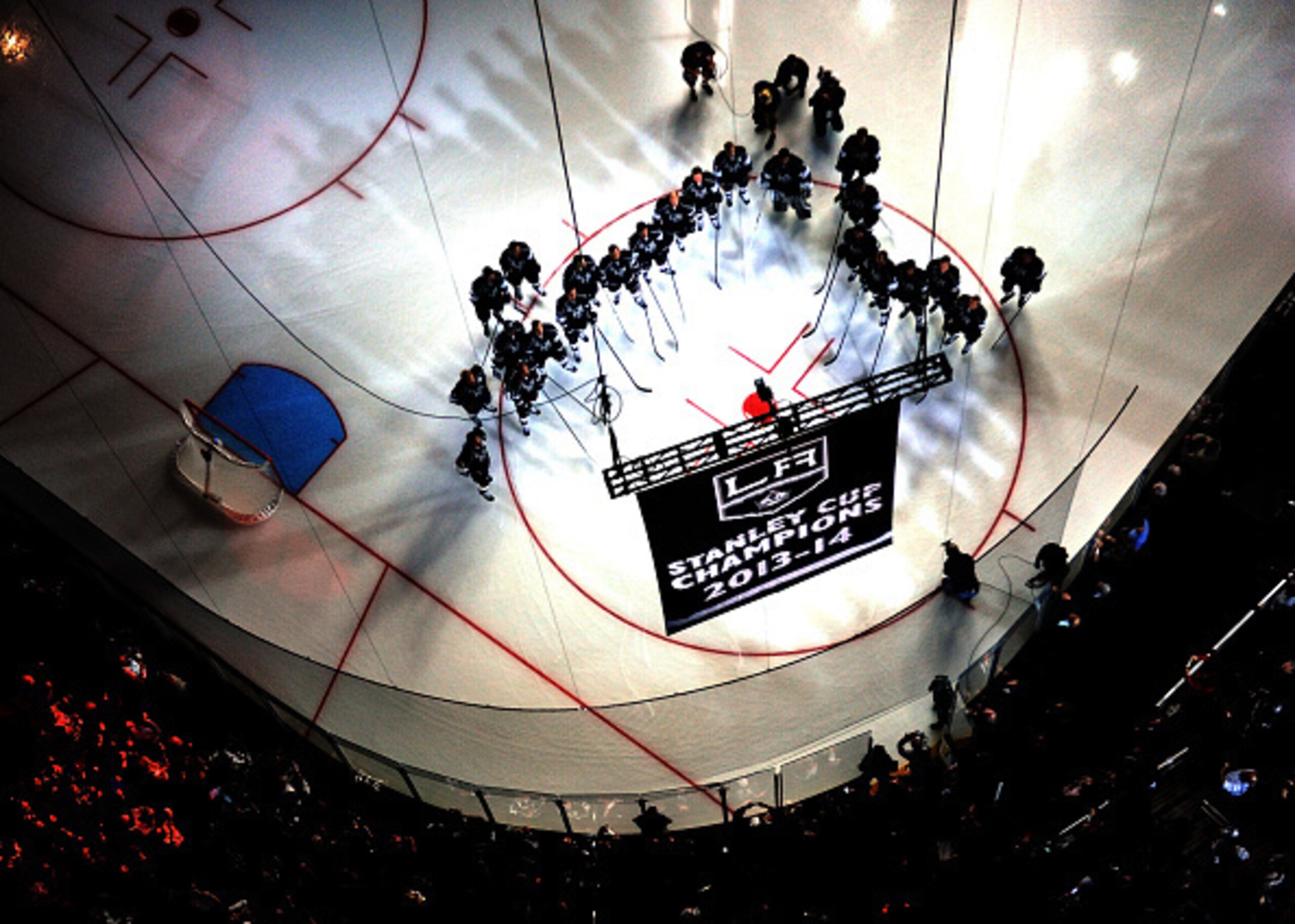
The 2013-14 Los Angeles Kings captured their second Stanley Cup in three seasons using a theme of resiliency.
If you recall, this was the team that fell behind 3-0 to the San Jose Sharks in the opening round of the playoffs. It took a rapid turnaround from goalie Jonathan Quick—who surrendered five goals over the final four games—to keep the Kings afloat.
Combining Quick's performance with a potent offense was the perfect remedy for a comeback. The Kings struck early and often over the last four contests, placing 18 pucks in the back of the net, per the official box score.
This was all the fuel the Kings needed to reclaim the Cup a few weeks later. A 4-1 dismantling of the New York Rangers that season completed L.A.'s improbable run.
2005-06 Phoenix Suns
10 of 12
Despite not going on to capture an NBA title, the 2005-06 Phoenix Suns belong here for the simple fact they beat a Kobe Bryant-led team.
The "down three games to one" anecdote has been well-established. The Suns' fight to conquer those odds was a bit different playing the Black Mamba.
Phoenix was clearly the better team heading into the series. As the No. 2 seed, this was a squad controlled by Steve Nash and balanced out with the likes of Shawn Marion, Raja Bell and other key role players.
Seeding often doesn't guarantee a win. The No. 7 Lakers took advantage of the Suns early on.
But Phoenix wasn't going down without a fight. Nash and Marion willed the Suns back to even things up, before pulling away with a commanding 121-90 victory in Game 7.
Even though the Suns' season would end in the Western Conference Finals—courtesy of the Dallas Mavericks—this was a team that fought valiantly and proved their creative, explosive offense works in pro hoops, as this in-depth video explained.
1957 Detroit Lions
11 of 12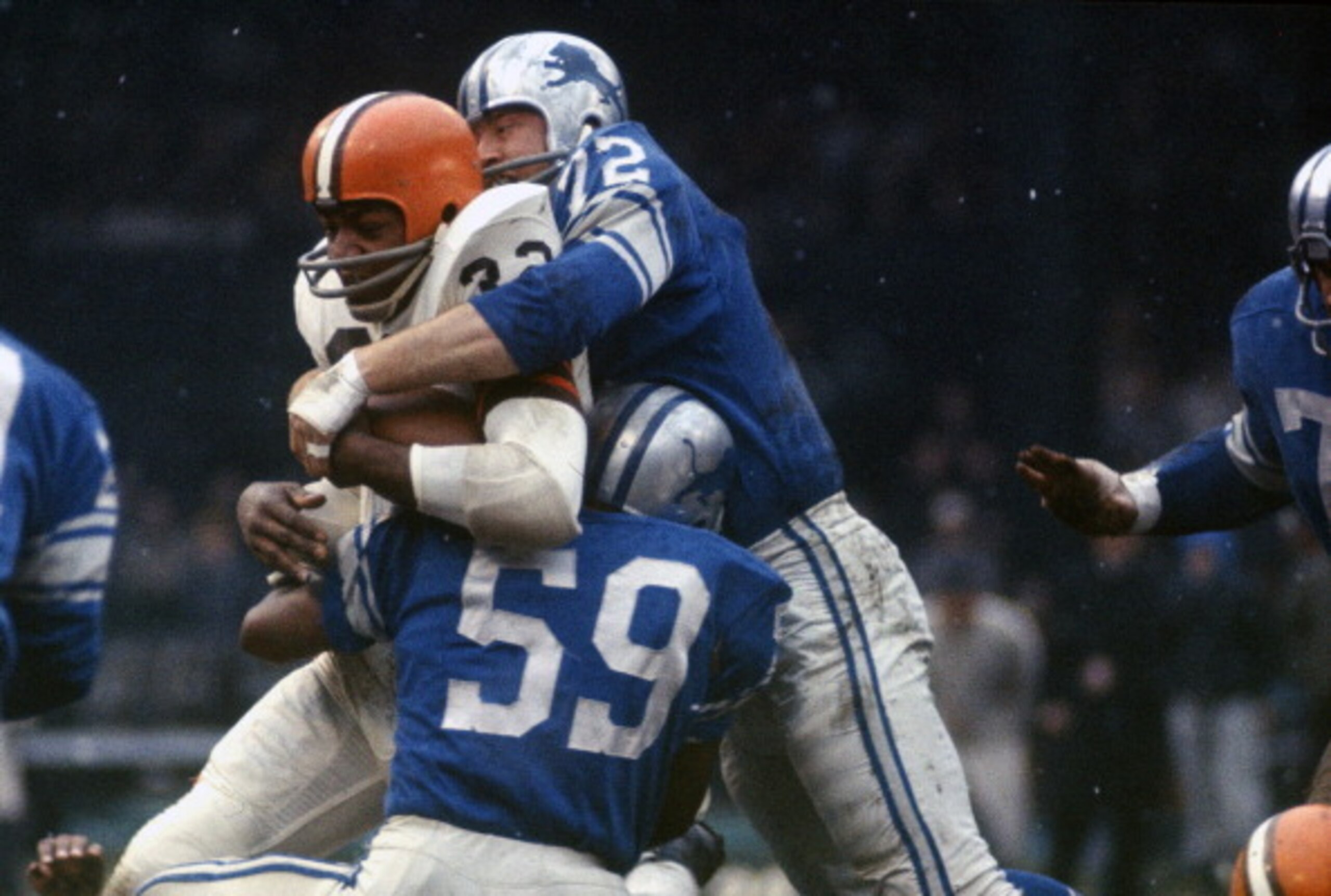
Prior to the Super Bowl era, the Detroit Lions were an NFL powerhouse. No season embodies that more than the 1957 campaign, where the Lions blew out the Cleveland Browns 59-14 in the NFL Championship Game.
Before the Lions could get started on that shellacking, they first had to defeat the San Francisco 49ers in the divisional round.
You'd think blowing out the Browns would make this game a breeze. That wasn't the case. The 49ers leaned on Y.A. Tittle. His 248 yards passing and three touchdowns helped the 49ers jump out to a 24-7 halftime lead.
The anecdote flipped from that moment on. Detroit roared forward, dropping 24 points of its own in the second half. Clicking on all cylinders, the Lions defense also stepped up, holding the 49ers to just three points.
Detroit would emerge victorious by a final score of 31-27, setting itself up perfectly for the blowout that followed in the NFL Championship.
2004 Boston Red Sox
12 of 12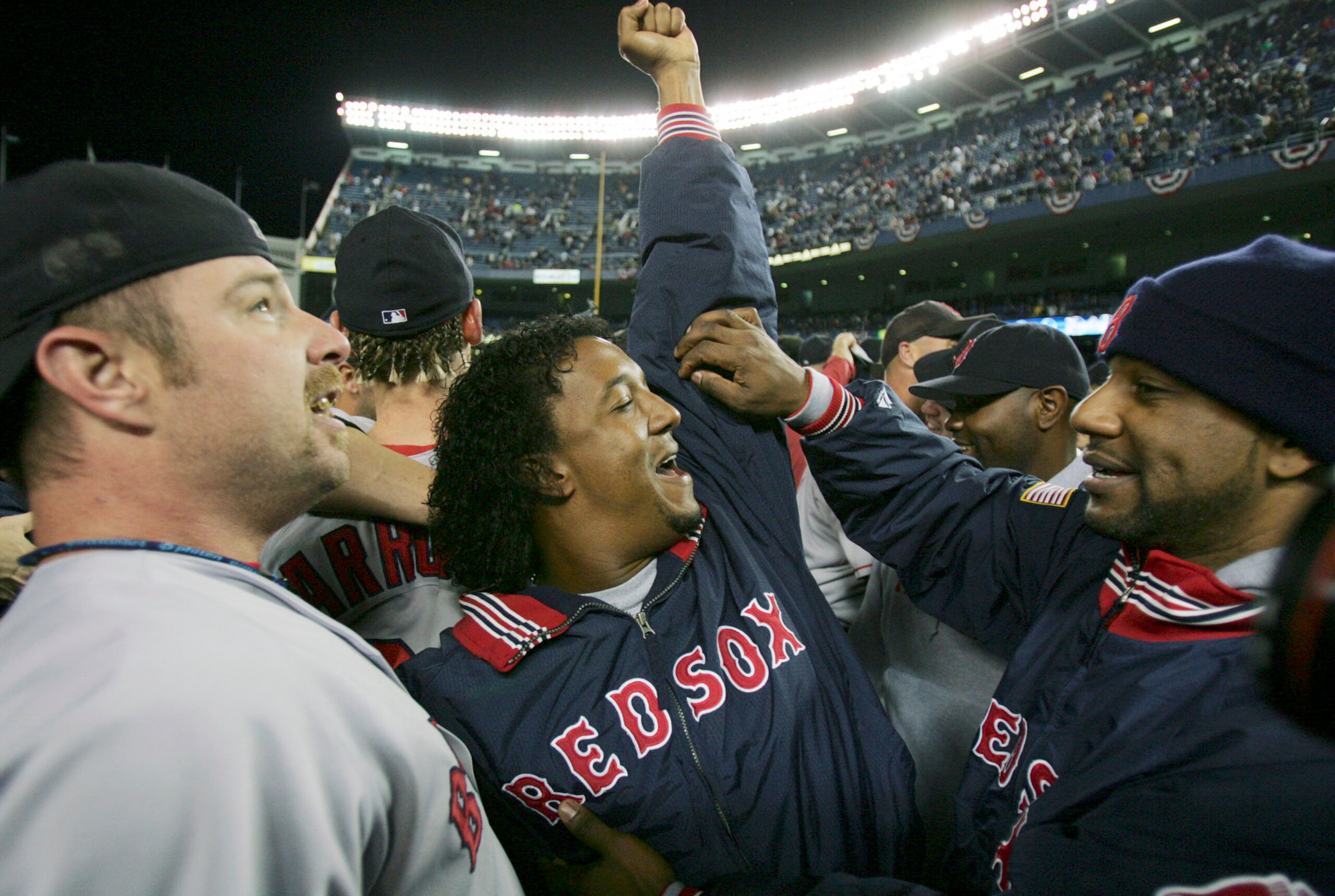
The ultimate comeback story for any modern-day playoff team belongs to the 2004 Boston Red Sox.
This was a curse-breaking, come-from-behind performance that saw the Red Sox defy a 3-0 deficit in the American League Championship Series and beat their archrivals.
For three dreary games, the Red Sox looked like they were about to be chewed up and spit out by the New York Yankees. History was about to repeat itself in the worst kind of way.
Remember, a year earlier the Sox and Yanks pushed one another to seven games in the ALCS before Aaron Boone crushed a series-clinching home run in the bottom of the 11th.
The 2004 clash appeared to be another exercise in futility until the Sox turned things around. Curt Schilling, Derek Lowe, Pedro Martinez, David Ortiz and others banded together to erase the 3-0 hole they were in.
This time around, the Sox would win Game 7 by a score of 10-3, completing the first—and only—time a team rallied back from three games down in the postseason.
The Red Sox would take that momentum and win the World Series that year, ending decades of heartache.
All stats and information via Sports-Reference.com unless noted otherwise.
.jpg?w=2560 "Hill Injury Update Football")
.jpg?w=2560 "Titans Giants Football")
.jpg?w=2560 "Tyreek makes another cryptic post amid Chiefs rumors")


.jpg?w=2560 "Greenlaw Talks Payton Exchange")
