Useless Sports Traditions We Might as Well Get Rid Of
Sports have to evolve with the times every now and again.
The National Football League is arguably the best example. Football fans may not always love different rule changes implemented by those in charge of the league, but that hasn't stopped fans from participating in fantasy football leagues and from ordering the NFL RedZone channel. One reason the NFL is as popular as it is today is because the league did well to change certain rules of the game in order to emphasize offenses, particularly pass offenses.
With that said, there are some useless NFL traditions that need to be shown the door.
Is there anybody out there who would honestly be upset if the NFL decided to ditch the two-minute warning? What purpose, in a world in which NFL games are stopped for commercials after almost every possession, does the two-minute warning serve in 2016 other than to drop in a few more ads before the game concludes or enters overtime?
The NFL is, of course, not the only sports organization filled with useless traditions. Major League Baseball continues to play by different rules for different leagues because of reasons that defy logic. Football clubs can be eliminated from a tournament such as the Champions League because of an archaic rule. Midseason all-star games are a waste of everybody's time these days.
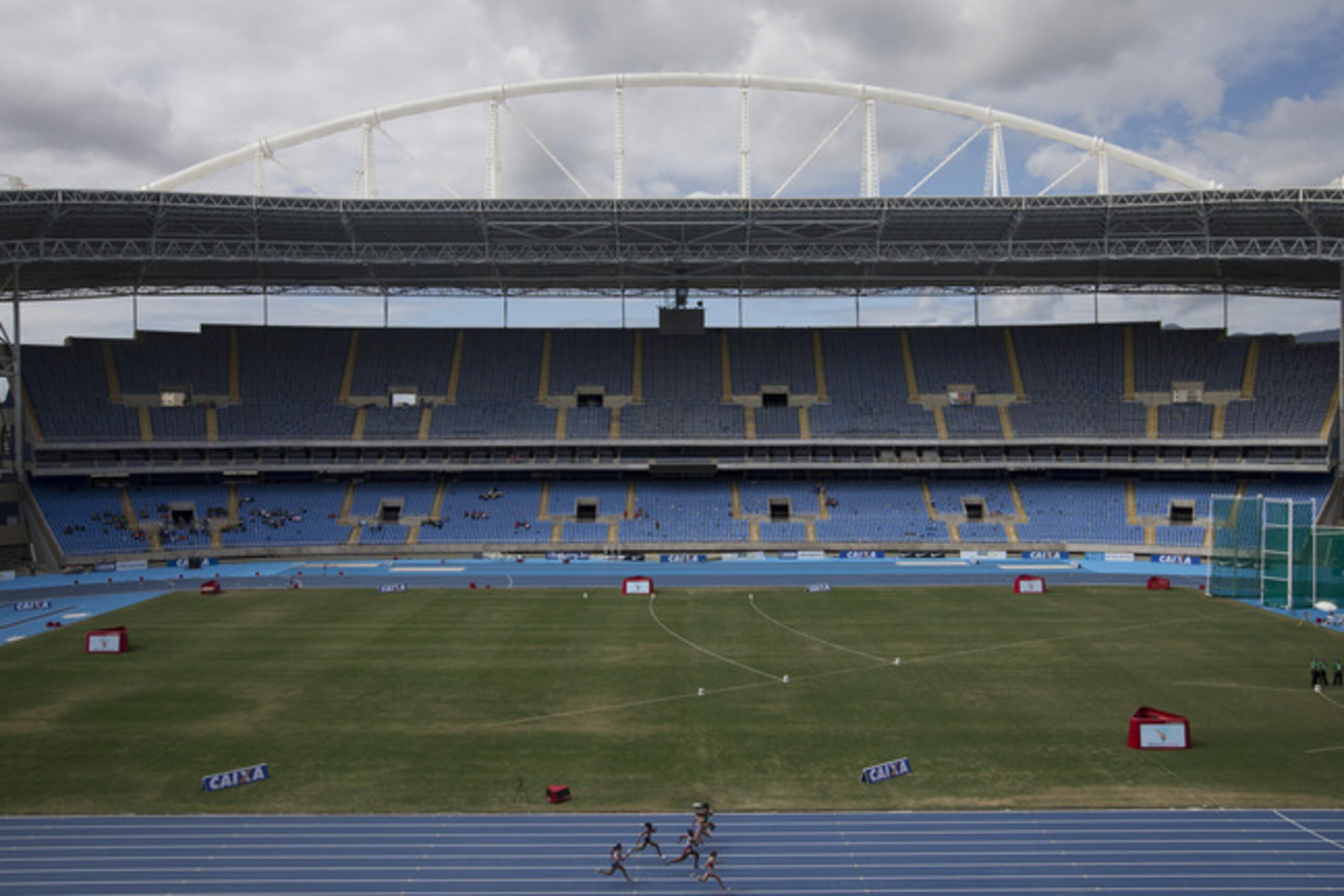
What's more useless than the Olympics?
Your life won't change dramatically if these sports traditions disappear. Fans will still watch sports on television, and they will still spend money to attend events. No sports fan should be afraid of change.
History has shown that such changes usually do more good than harm.
College Football Rules
1 of 10
College football and the NFL do not have to play by all the same rules. They are, after all, athletes competing at different levels. Nobody should be bothered about the NCAA or any other institution going out of the way to protect college football players. A college player having to sit out a play because he lost his helmet during a timed down is not a big deal.
There are, however, two NFL rules college football should adopt.
Under current college football rules, a player can complete a catch by landing only one foot inside the field of play. That was fine 30 years ago. Top-tier college wide receivers are elite athletes who do not need to be protected or coddled by rules. In fact, implementing this rule change would benefit undersized defensive backs who are often hung out to dry on the sidelines and in the end zone even though they cover wide receivers as best as possible.
More glaring is the college football rule that halts play whenever the knee, hip or other part of a ball-carrier that isn't a foot or hand touches the ground. Rules to protect a player are for the good of everybody involved, but a ball-carrier shouldn't be punished because he tripped himself while making an uninterrupted journey toward an end zone or because he made a spectacular diving catch. He should be able to return to his feet and continue on his way.
Remember, NFL ball-carriers can give themselves up and go to ground, such as a QB does when he slides. College athletes can still be protected, and common sense can be used.
League Cup
2 of 10
In world football, countries have multiple competitions during each season. The United States is no different. Along with the Major League Soccer and North American Soccer League (and other minor leagues) regular seasons, teams in this country also compete in the U.S. Open Cup. The U.S. Open Cup includes teams from different divisions, meaning that little AFC Cleveland of the American soccer pyramid's fourth tier could theoretically knock off multiple MLS teams and win the tournament.
England has three sets of competitions: domestic campaigns, the FA Cup and the League Cup.
The League Cup is one too many.
Jonathan Liew of the Telegraph explained earlier this year why the League Cup can go for good:
"In terms of prestige, the League Cup sits somewhere between the Community Shield and a Blue Peter badge. Unlike the FA Cup, whose history is seared onto the consciousness of English football, it has provided few genuinely seminal moments, few collective intakes of breath. It is English football’s placeholder text, its call-waiting music: a competition we play more out of habit than genuine enthusiasm.
"
Liew continued:
"So why do people squirm so instinctively when you suggest abolishing it? Well, it all comes back to the paradox of our professor and his plonk. Nobody would seriously propose introducing a second domestic cup competition if it did not already exist. Yet equally, nobody can stomach getting rid of it.
"
Liew's second point is spot-on. No American soccer fans, as passionate as they might be, is clamoring for an additional cup tournament. Schedules are congested as things stand today.
Think of Leicester City. One reason Leicester were able to achieve the unimaginable and win the Premier League is because they were bounced from the FA Cup and League Cup so early.
The league season obviously isn't going anywhere. The FA Cup is synonymous with English football.
Ending the League Cup may increase the levels of competition for the league and FA Cup.
Intentional Walks
3 of 10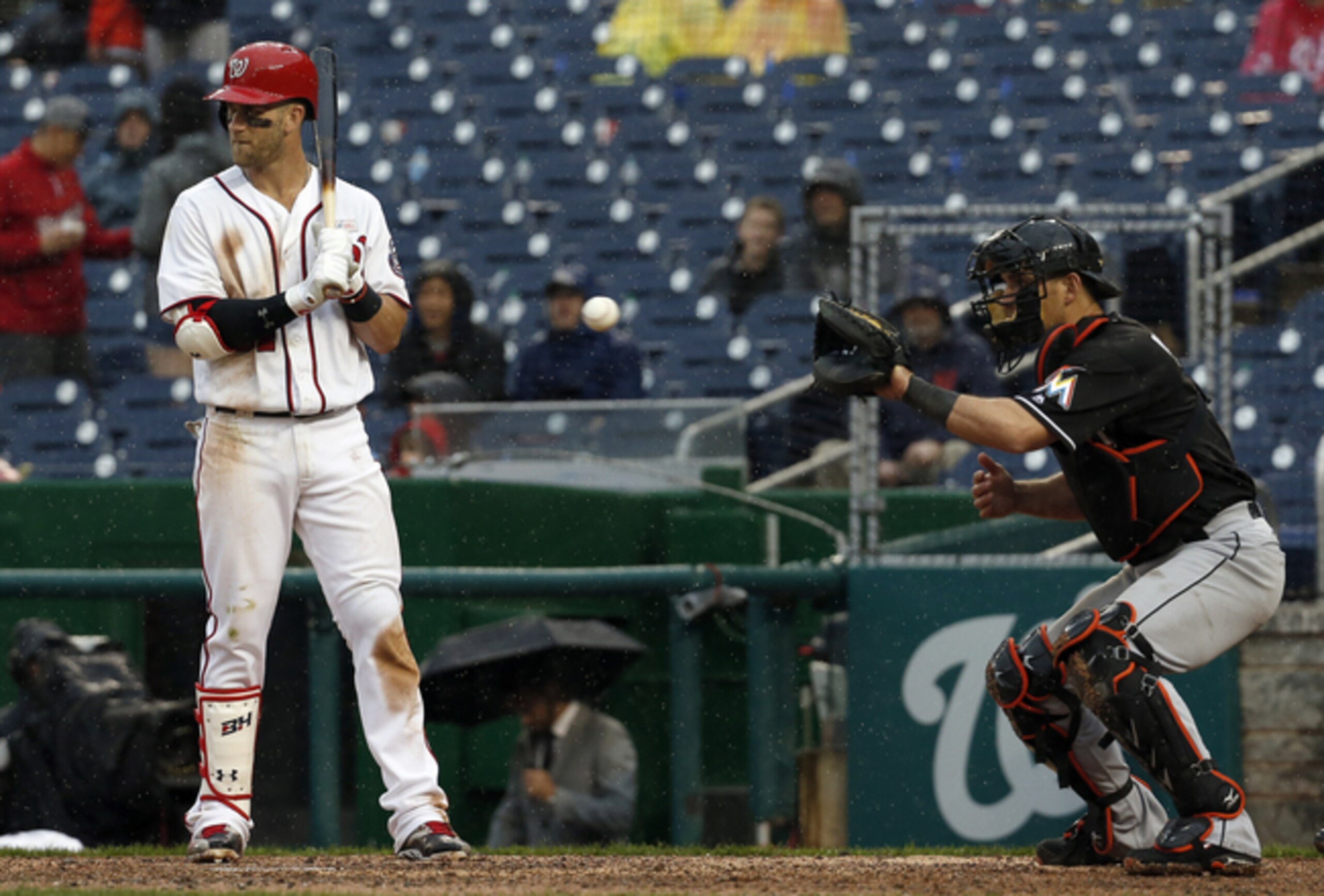
It turns out that we may get our wish with this one as soon as next year. ESPN Senior Writer Jayson Stark reported earlier this month that the MLB competition committee has agreed to eliminate intentional walks. Under the new rule that could be implemented in 2017, a team would signal that it wants to walk a batter. That batter would then be awarded first base.
There is no pleasing everybody, apparently, as Fox Sports analyst C.J. Nitkowski hit out at this rule change.
"I love the proactive approach of our commissioner, but this is silly. If the traditional intentional walk goes away this is what we would miss:
1. The chance of a pitcher throwing a ball away. It happens.
2. Taking a pitcher out of his rhythm by forcing him to throw four pitches intentionally out of the strike zone, which are usually at about 75 percent effort.
3. Giving the home team a chance to steadily rain boos on a visiting pitcher the entire time he is intentionally walking a hitter.
"
Some retorts:
- Is there an epidemic of MLB pitchers losing control of IBB tosses that baseball reporters are not mentioning?
- A pitcher could throw the ball at 100 percent effort and plunk a batter in the back to put him on first. Both the pitcher and hitter would probably prefer the signal for the walk.
- Fans have plenty of reasons to boo. Have you seen Matt Harvey pitch at CitiField this spring?
- The at-bat featured in the YouTube clip Nitkowski offered occurred in 2006. That tells you all you need to know about "surprise swings."
MLB deserves credit for working to decrease the length of games. Removing IBB is another positive step toward achieving that goal.


Two-Minute Warning
4 of 10The two-minute warning is one of those things you probably don't think about all that much. The two-minute mark comes along at the end of a first or second half of a game, you use the opportunity to head to the restroom or get something to drink and then you move on with watching the action. No big deal.
Jason Cole of Bleacher Report reported in December 2015 that at least one NFL executive is in favor of eliminating the two-minute warning from games. The issue, as Cole explained, is not with the stoppages but rather with the overall length of regular-season contests.
Say, for the sake of argument, there was no two-minute warning and the NFL did not include additional stoppages in play for commercials. This, per Cole, could decrease the length of a game by up to five minutes. Five minutes may not seem like a long time, but it could mean the difference from a 1:00 p.m. game that would normally end at 4:10 p.m. instead ending at 4:05.
In such a scenario, fans would not miss the kickoff for a 4 p.m. game.
The problem here is that coaches would be stripped of what is often a vital timeout. This issue can easily be remedied by the NFL awarding teams four timeouts per half. That stoppage would not last as long as a two-minute warning, and the additional timeout allows coaches to decide when they want to stop the play clock.
Win-win.
Any NFL game is long enough as it is. Making this switch may only decrease the length of a game by a few minutes, but it is nevertheless a positive move the NFL should make sooner rather than later.
NBA Draft Lottery
5 of 10
It is difficult to get groups of people to agree to anything. Some like New York pizza, while others prefer what is offered in Chicago. Republicans and Democrats can seemingly only come to terms with the fact they don't like each other all that much.
We can all agree the NBA draft lottery is a bad thing, right?
Teams tanking in pro sports insults fans, who pay to go to games and look to experience the competitive nature of pro sports. How many No. 1 overall draft picks do the Philadelphia 76ers really need, after all, before the franchise turns things around? There has to be a better way for the NBA to distribute draft picks than the current lottery system.
Even the official NBA website posted a Steve Kerr piece discussing the flaws of the draft lottery back in 2013.
One would not have to look far and wide for alternatives to the lottery. Nate Scott of USA Today blog For The Win offered 12 ways to fix the NBA draft back in May 2015. OK, not all of those were serious (at least we're assuming Scott doesn't think LeBron James should get to choose the draft order), but the point Scott makes is valid.
Have a tournament where the NBA's eight worst teams battle it out on the court for the first overall pick. Give every lottery team one ball each and allow the fates to decide. Eliminate the draft entirely and let players choose their clubs.
Any of these options are better than the draft lottery.
Away Goals Rule
6 of 10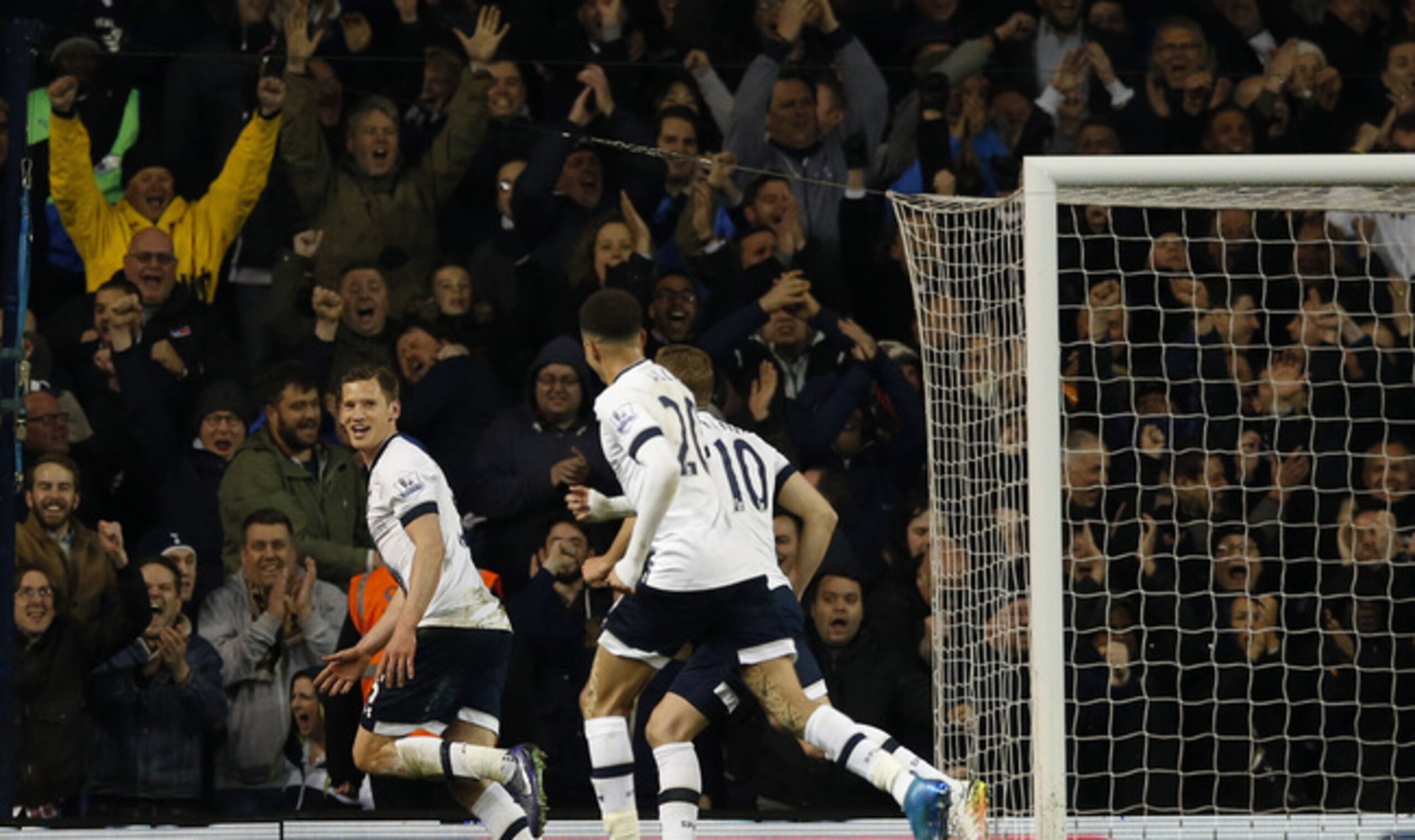
Here is a brief introduction to the away-goals rule for those who are casual fans or who often ignore the sport of soccer/football. Two clubs playing in a tournament such as the Champions League clash in home-and-home affairs, both of which go 90 minutes. The second match enters extra time if the aggregate score is level at the conclusion of regulation unless one team has a advantage in away-goals scored. In that case, the team with more away goals advance.
A post from the Guardian offered an explanation for this rule's existence:
"The away-goals rule might have seemed fair and necessary in 1967, when travelling teams suffered considerable difficulties, but the money and resources involved in the modern game has reduced the burden on away teams. The rule was introduced as clubs could not afford replays and penalty shoot-outs had not yet made their way into mainstream European football.
"
Clubs having to travel across Europe is no longer the burden that it was in the 1960s. Sure, Tottenham Hotspur may not love the idea of making a midweek trek to Italy for a European clash, but doing so is not all that different from a New York team having to fly to Los Angeles for a game or a series in 2016. Also, penalty shootouts have eliminated the need for an away-goal rule.
Any positive effects the away-goal rule may have had on world football back in the day have been erased by home teams playing to preserve clean sheets, particularly during the opening legs of a round. Away teams, especially those who do not have to travel long distances, have an advantage during a tournament that has the away-goal rule in place.
Legs should be won by a clear winner. The combination of 210-plus minutes of actions and a shootout, if necessary, erased the need for an away-goal rule long ago.
Midseason All-Star Games
7 of 10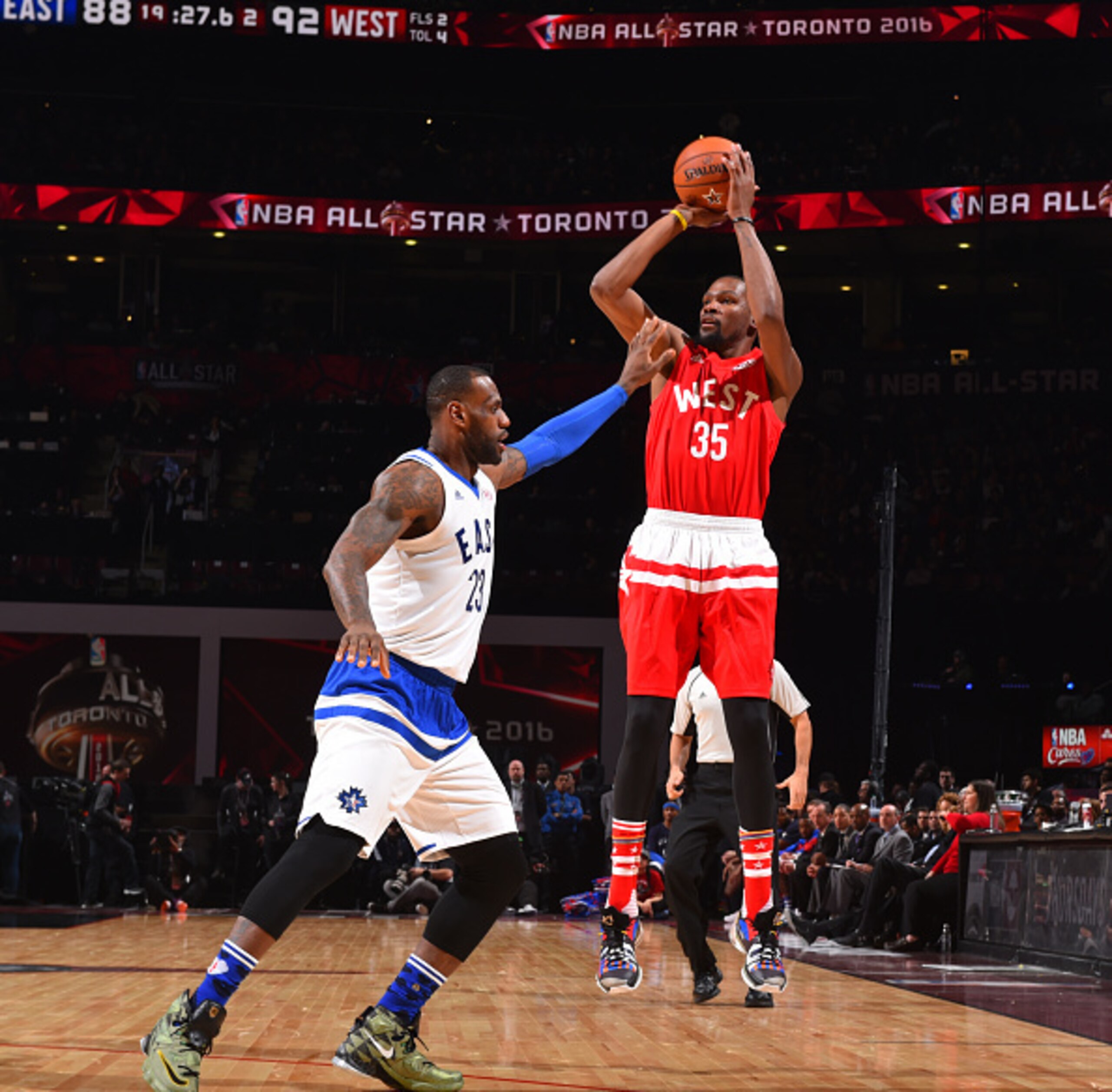
Younger sports fans out there may not realize that all-star games used to serve a purpose other than attempting to draw TV ratings. It was back in the dark days of the United States before cable and satellite television services were available throughout the land, back when fans had limited opportunities to watch stars from non-local teams compete. All-star games gathered the best of the best together on the field/court/ice of battle for exhibition contests, and fun was had by all.
These games lost their luster long ago.
For starters, those with cable or satellite packages that include multiple sports channels can watch live sports every day. Fans with access to ESPN, MLB Network and Fox Sports 1 can watch nationally televised MLB games seven days a week, and that does not include local teams that air on cable and over-the-air TV. Even those who unplug and get rid of TV services can watch live sports via streaming services and websites.
All-star games are no longer advertisements for sports leagues.
Such midseason all-star games also happen to be dangerous. Yes, players who participate in a NBA All-Star Game don't play that much defense and take it down a notch or two during those exhibitions. Accidents happen, and it would be downright silly for any star of any league to miss significant playing time because he suffered an injury during a meaningless midseason game.
Just imagine the outcry from Golden State Warriors fans if Stephen Curry tore an ACL during the 2017 NBA All-Star Game.
All-star games don't have to completely disappear. They should just occur at the end of seasons as what happens with the Pro Bowl. While we're at it, attendance at all-star games should be voluntary for athletes. Punishing an athlete who works hard "x" amount of days a year because he does not want to take part in a game that doesn't matter is ridiculous.
Designated-Hitter Difference
8 of 10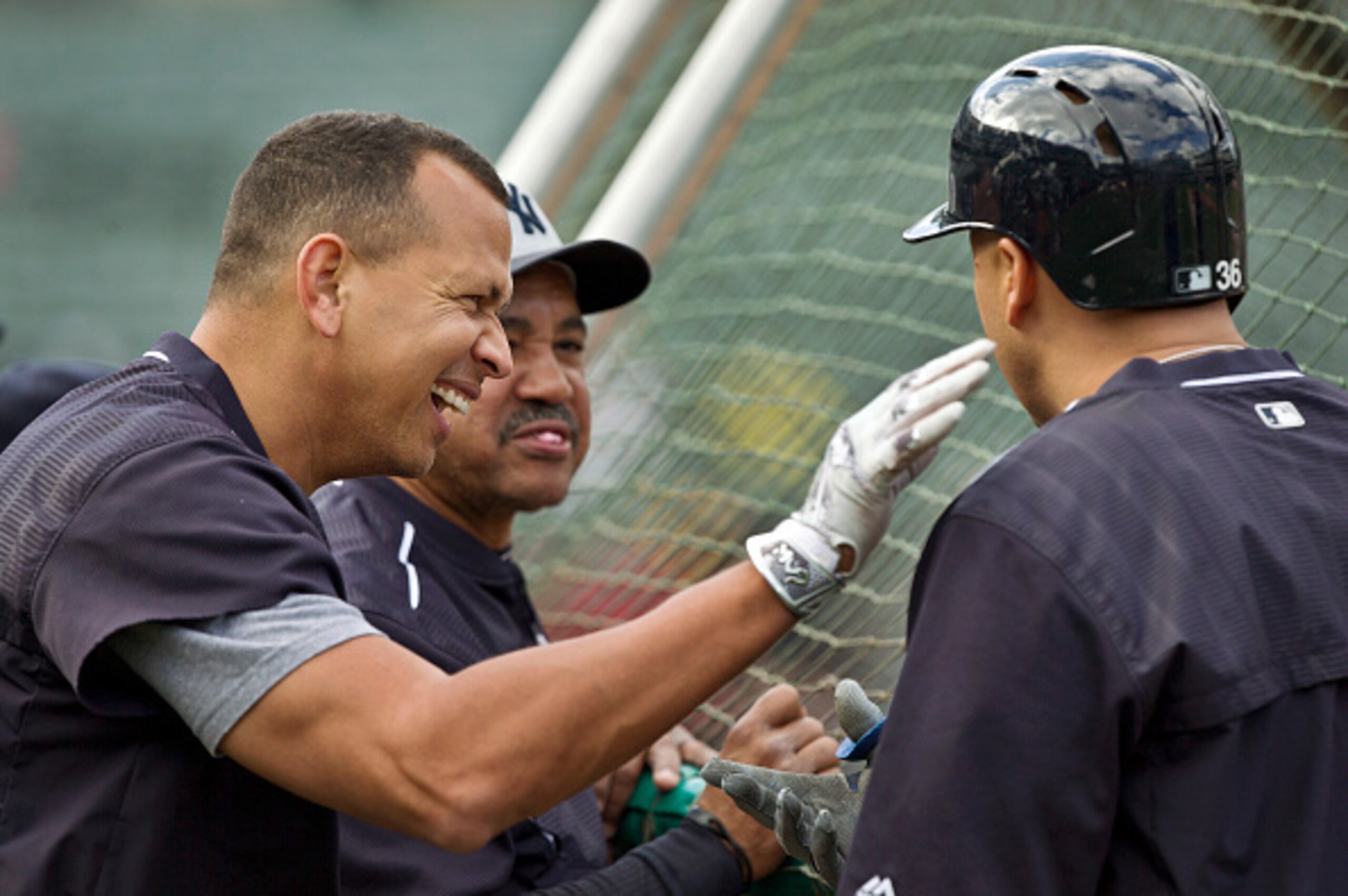
The National League will embrace the designated hitter sooner than later. It's happening. Baseball purists everywhere will have to get over it.
This isn't an opinion, and it isn't some American League supporter's wish. It's where the sport is headed, and it is inevitable.
Per ESPN.com news services, MLB commissioner Rob Manfred stated in January that he believes NL team owners would be more receptive to accepting the DH than in the past:
"Twenty years ago, when you talked to National League owners about the DH, you'd think you were talking some sort of heretical comment. But we have a newer group. There has been turnover, and I think our owners in general have demonstrated a willingness to change the game in ways that we think would be good for the fans, always respecting the history and traditions of the sport.
"
Those who are against the idea of the DH may point to a PublicPolicyPolling.com poll posted in May 2016 that found 65 percent of supposed baseball fans are against the DH. That poll was taken after New York Mets starting pitcher Bartolo Colon hit the first home run of his Major League career, a blast that was replayed on shows such as SportsCenter over and over again.
Regardless of any polling data anybody may produce, no real baseball fan out there will tune out or ignore the sport because the NL adopts the DH. None. It would probably take all of three months before customers in the stands and those watching on TV forgot that the NL made the rule change.
Interleague Play is now an everyday occurrence on the MLB calendar. The two leagues in pro baseball should play under the same rules. One has to assume the Major League Baseball Players Association would not be keen on the American League ditching the DH and eliminating those jobs for players. Thus, the NL adopting DH is the logical move that should and must be made.
First Pick of League Drafts
9 of 10
For better or for worse, the NFL draft is not going back to the way it was a decade ago. Gone are the days when the draft occurred on a weekend during the day and before you had anything fun to do. The NFL draft is now an event made for prime-time television.
That's fine. Round 1 of an NFL draft gives passionate football fans something to watch for a couple of hours on a Thursday night in April. Some would probably even argue the draft is more-watchable now than it was back in 2006.
Something must, however, be done about the draft's first picks.
The way things work under the current system, a team that possesses the first pick has up to 10 minutes before it has to turn in its draft card or deal away the pick. Those 10 minutes occur after the club at the top of the draft order had all of January, all of February, all of March and most, if not all, of April to decide what to do.
Come on.
The NFL is not alone. Others leagues that utilize player drafts also give teams with first picks a set amount of time to announce their decisions.
Player drafts are long enough. Every one eventually gets tedious. Let's speed up these processes and force teams with first picks to make those selections right at the start of drafts. Shaving off even 10 minutes from any NFL draft would be a positive for everybody involved.
Any team with a first pick that doesn't know what it is doing by the start of a draft does not deserve the rights to that selection.
The Olympics
10 of 10
Suggesting the time had come for the Olympics to disappear used to be considered a "hot take." One now would not have to look far to read such opinions nearly every Olympic year.
The reasons the Olympics should be eradicated, as Charles Lane of the Washington Post pointed out in January 2014, are many. Worst of all, as Lane pointed out, is that the Olympics may do more harm than good to a host city and a host nation.
"It famously took the city of Montreal 30 years to pay off the cost of the giant stadium built for the 1976 Summer Games. One of the many reasons Greece is in such economic misery is that it ran up about $9 billion in public debt for the 2004 Summer Games, whose total cost — $11 billion — was the highest of any Games in history up to that point.
"
The 2016 Summer Olympics in Rio could be a different kind of disaster. Dom Phillips of the Washington Post wrote earlier this month that some outdoor events may have to be moved because of polluted waters. Dr. Manny Alvarez of FoxNews.com stated in the middle of May that the Olympics should be moved to a different host nation because of concerns over the Zika virus.
What a mess.
Here is the harsh reality: You wouldn't miss the Olympics if they disappeared, even if you think you would. Fans would not all of a sudden begin attending swimming events. You would not become a diehard viewer of collegiate gymnastics.
Your habits would go on as they do every three summers that there are no Olympics.
What were the original intentions for reviving the Olympics in 1896 have been replaced by numerous alleged acts of corruption and greed. Let's all move on from this pointless exercise.
Maybe the "Dream Team" was a bad idea, after all.
.jpg?w=2560 "LA Premiere of \"Chad Powers\"")


.jpg?w=2560 "Ugly Jets Scoring Stat 😳")
.jpg?w=2560 "Landing Spots for Trade Candidates 📍")