Predicting Every NFL Team's Surprise Rookie Gem
For a draft to be deemed successful, more than half of a team's draft picks should make the roster and contribute for a few years. And while every team should expect their first- and second-round picks to have that impact now and into the future, the teams that really maximize the draft process, like the Seattle Seahawks, find mid- and late-round prospects that can have a role in the offense or defense right away.
These 32 rookies were all picked after the top 50 and most were taken on Day 3 of the draft. While they were drafted for more long-term opportunity and upside, these prospects have a chance to surprise as rookies and make a 2016 impact.
Arizona Cardinals: OC Evan Boehm
1 of 32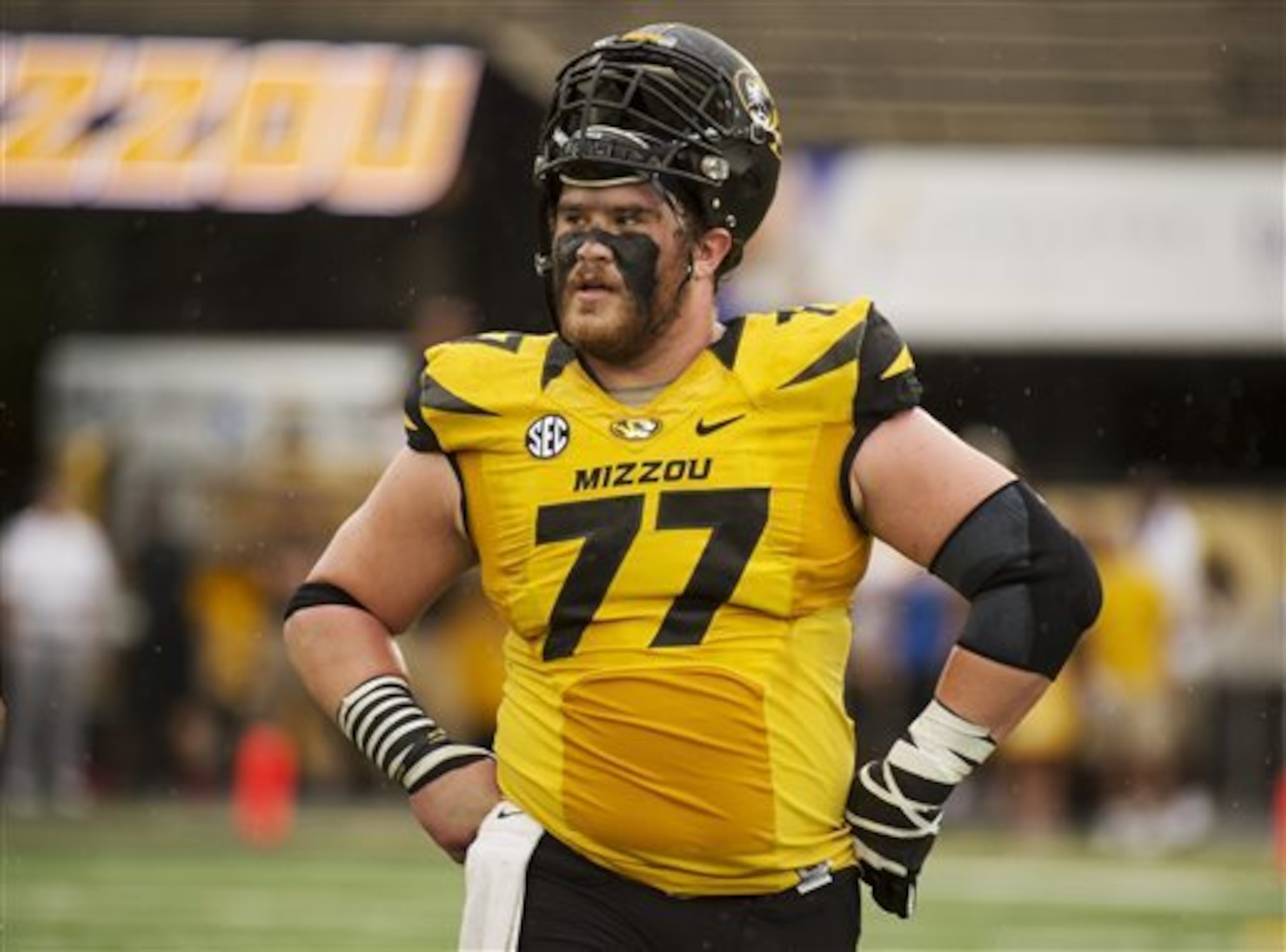
With journeyman A.Q. Shipley slated as the starter, the Cardinals' primary need during draft weekend was the center position. In one of the deepest center classes in recent history, the Cardinals waited until Round 4 to secure their new starting center. They landed on Missouri's Evan Boehm, an experienced and well-built starter from the SEC who successfully proved himself a leader for the Tigers offensive line.
With plus length and hand strength when engaged, Boehm is a safe draft pick who should have no problem starting early in the NFL. His athletic upside isn't great, but he fits the intangible, experiential and physical requirements the Cardinals appear to covet in offensive linemen, and he should be expected to win the starting job in training camp.
Atlanta Falcons: TE Austin Hooper
2 of 32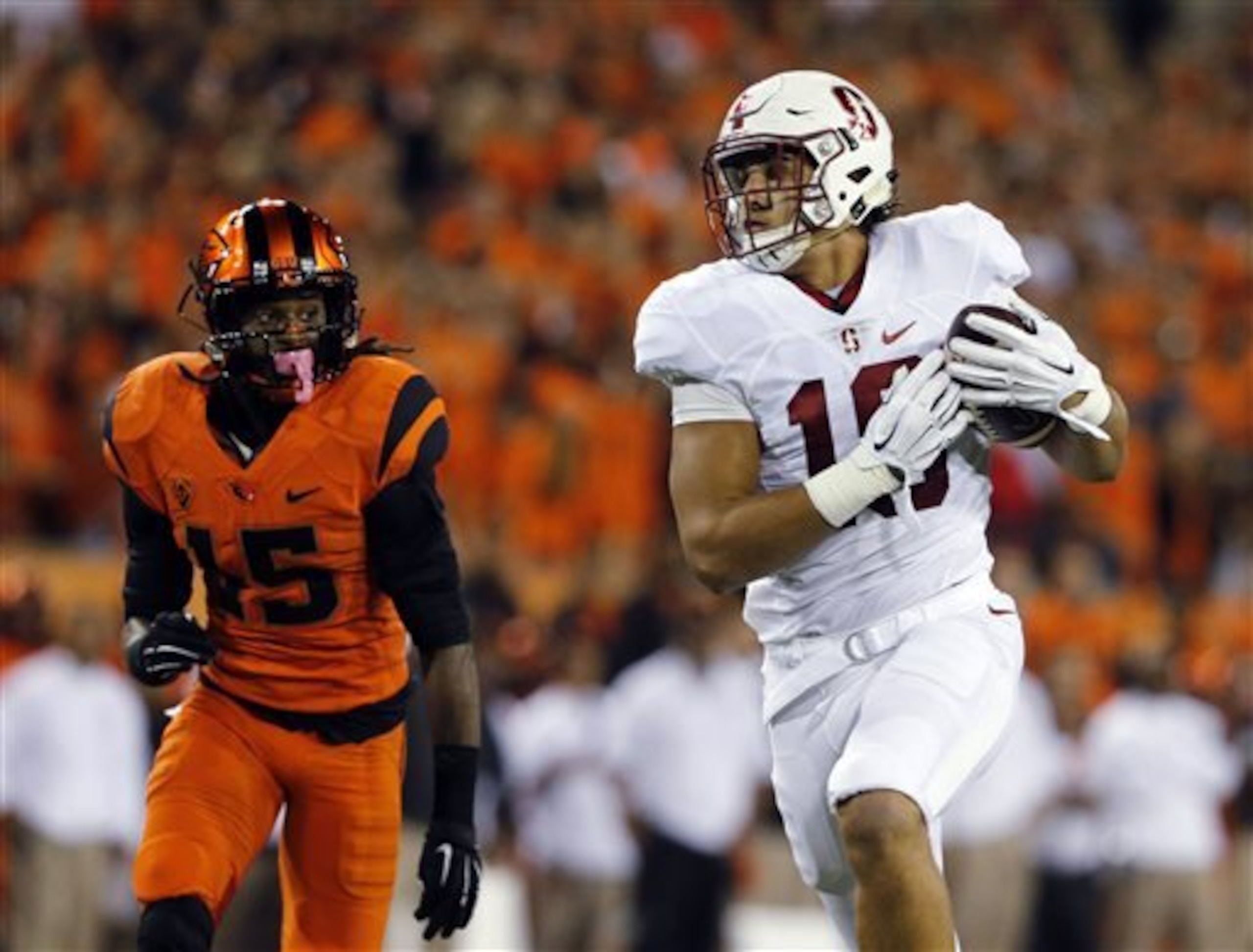
Even after adding Mohammed Sanu in free agency, the Falcons were in need of another interior receiver to give Matt Ryan a quality talent to shape the passing offense around moving forward and take pressure off of Julio Jones. Couple that need with the fact that the Falcons have severely lacked in the tight end positions since Tony Gonzales retired, and Austin Hooper has an awesome opportunity to thrive as a rookie.
Generally, rookie tight ends struggle a bit with the adjustment, as the blocking requirement and separation from linebackers is a bit more challenging at the pro-level. But between their need and his plus athleticism as a catch finisher away from his frame, he could quickly grow into a quality seam-catching role.
Baltimore Ravens: CB Tavon Young
3 of 32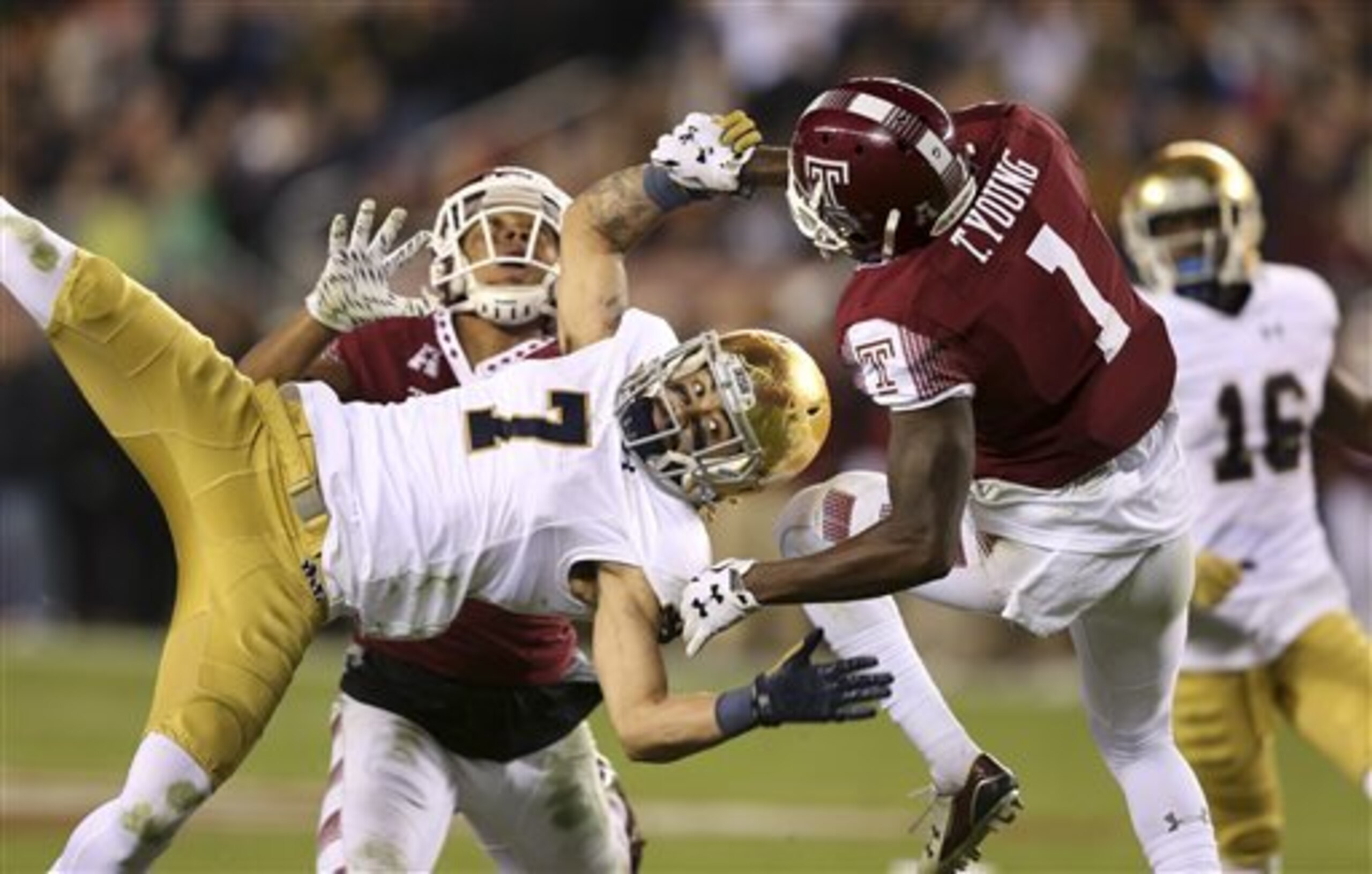
Despite falling to round four, Tavon Young may be one of the most NFL-ready contributors the Ravens added in their stellar draft class. After impressing throughout his senior season, especially against Notre Dame's Will Fuller, Young showed that, despite his height and length limitations, he's capable of defending quick and deep threat receivers, including from the slot.
He'll have competition on the roster for the nickel cornerback job, but Young has the talent level and now the opportunity to grow into the next Malcolm Butler (of the Patriots), earning the nickel job as a rookie and becoming a quality NFL starter despite being undersized by today's standards. With the Ravens having question marks about the long-term starters at defensive back, Young could rise from a quality nickel cornerback to a starter by 2017.

.jpg?w=2560 "LA Premiere of \"Chad Powers\"")
Buffalo Bills: RB Jonathan Williams
4 of 32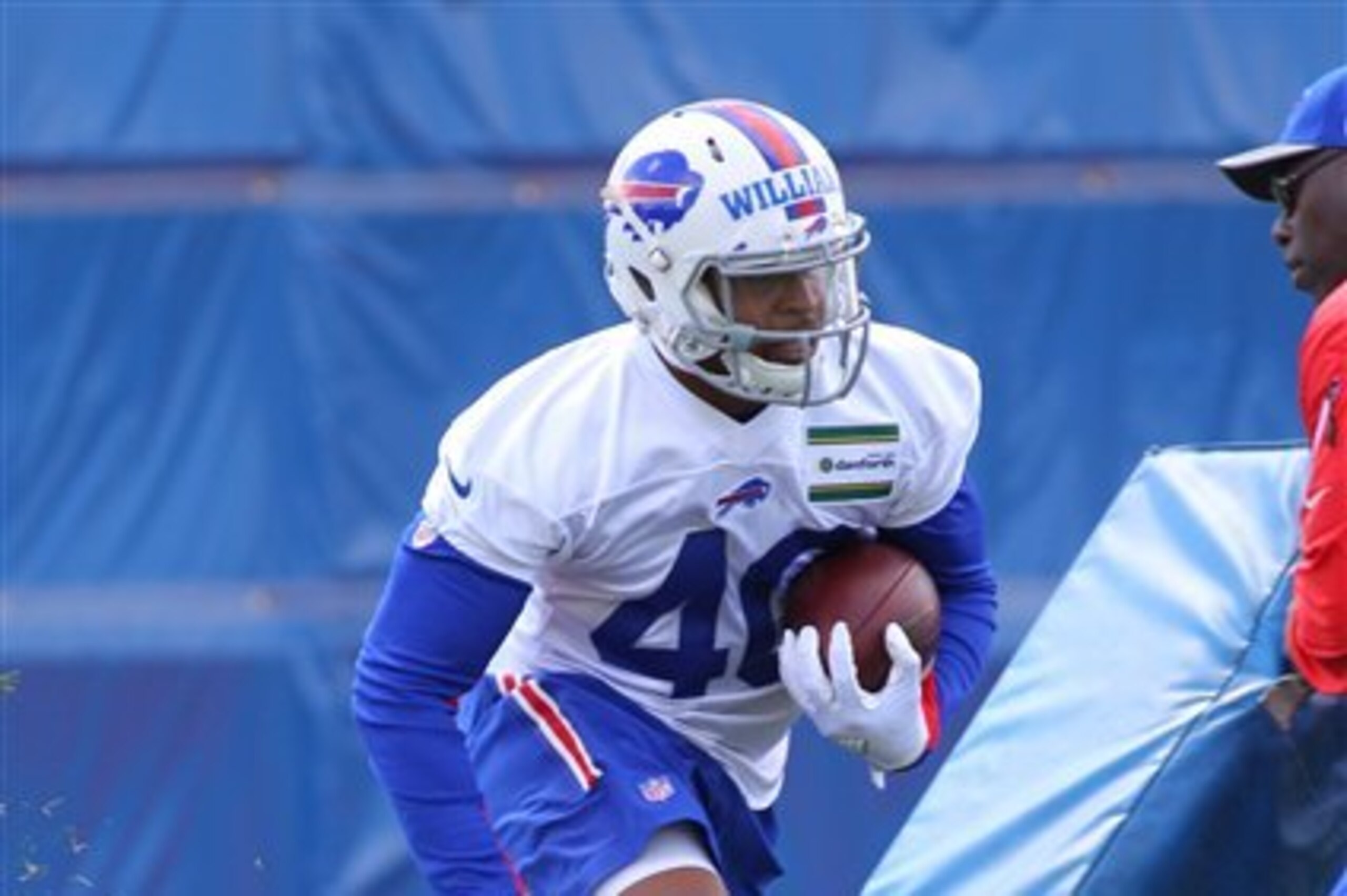
With LeSean McCoy and Karlos Williams clearly slated as the first and second option at running back, there isn't a need at the position at first glance on the Bills depth chart. But both McCoy and Williams missed multiple games last season, and head coach Rex Ryan has repeatedly indicated his desire to have a run-based offensive attack.
Arkansas' Jonathan Williams has his own lingering injuries stemming from a season-long foot injury in 2015, but when he's healthy, he's one of the most decisive and complete running backs from the 2016 draft class. The Bills hope they don't need Williams to start in 2016 if their current runners can stay healthy. But once Williams is 100 percent, they now can go three deep at the position.
Carolina Panthers: CB Daryl Worley
5 of 32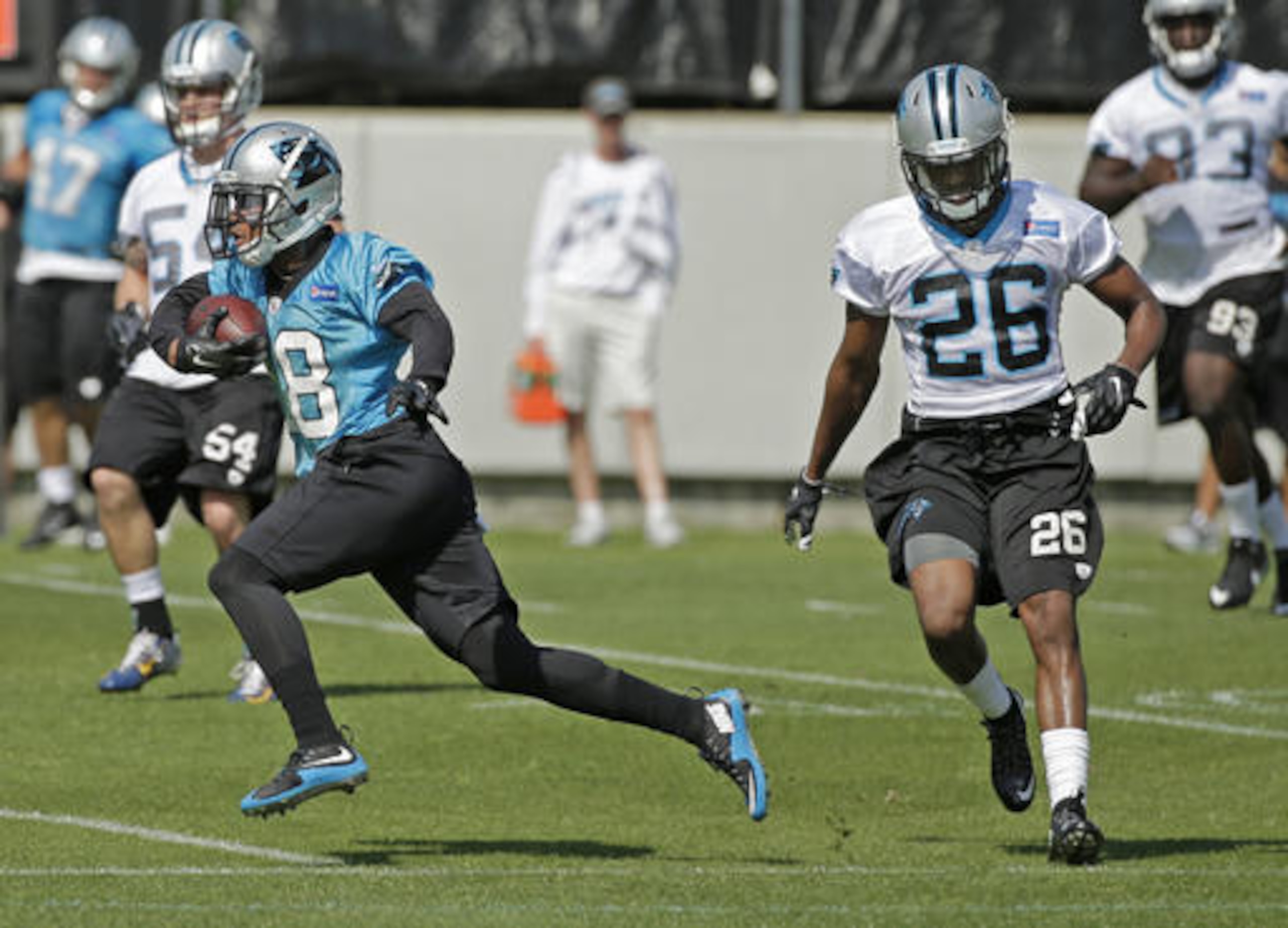
After a run on cornerbacks in Round 2 and again in Round 3, the Panthers left the 2016 NFL draft with little-discussed Daryl Worley as their prime cornerback addition of the offseason to help replace Josh Norman on the defense. Worley offers plus size, arm length and physicality at the position but never shined at West Virginia as a defensive back worth a top-100 pick.
Still, for some rookies, situation trumps skill set, and Worley should have every chance to compete for starting, nickel and dime cornerback spots. Based on my and many others' evaluations, it'd be a surprise to see Worley really thrive, but the Panthers had enough trust in his physical makeup for him to emerge as a capable Norman replacement.
Chicago Bears: S Deon Bush
6 of 32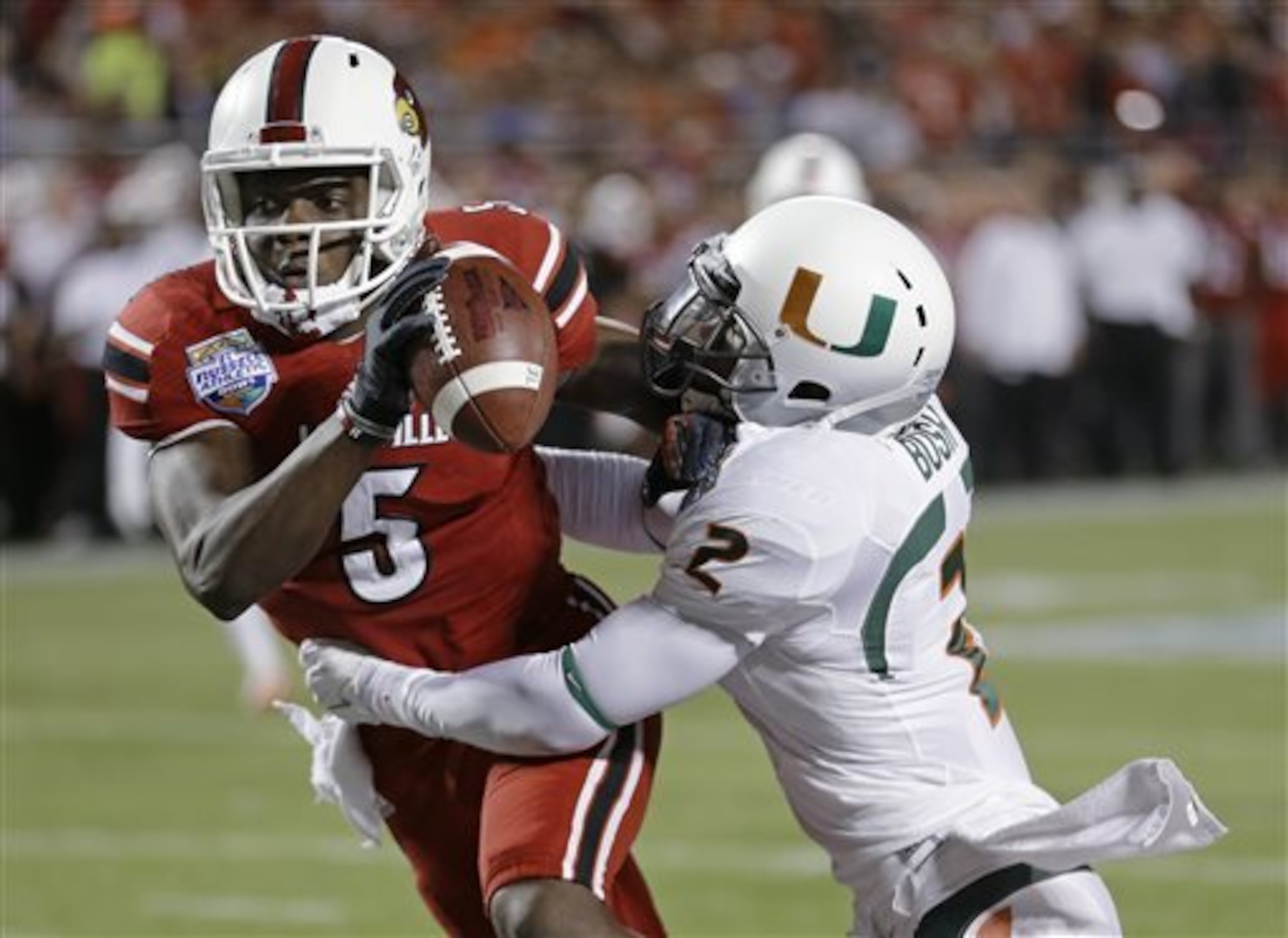
Chris Pronsinski, the team's current strong safety, re-signed on a just a one-year deal, is far from a lock to be the long-term answer or even assured of a starting position to begin the year. Deon Bush, the team's fourth-rounder, offers explosiveness and finishing ability as a tackler on the perimeter that, once brought under more control, can thrive as an NFL starter.
He slipped in the draft to round four thanks to some reckless footwork and anticipation in the mid-field in coverage and with some inefficiency on run defending angles on the edge, but the talent and hard-hitting ability certainly remain. The Bears have revamped their defense over the last two years in both the draft and free agency, and most spots in the starting lineup are truly up for grabs.
Cincinnati Bengals: LB Nick Vigil
7 of 32
Taken as a top-100 pick, Vigil didn't have a ton of buzz entering the 2016 draft process but had the range on film and capable athletic numbers to merit consideration as one of the best inside/strong-side linebackers in the class. Slated to immediately compete with Rey Maualuga, Vincent Rey and Karlos Dansby for playing time at both inside and strong-side linebacker, the Bengals appear to be counting on Vigil to play right away.
In another defense-focused draft for the Bengals, Vigil is a pick that proves they're constantly reinventing themselves on that side of the ball, with Vigil, William Jackson III and Andrew Billings all likely groomed as future starters and all three potentially battling for key roles as rookies in 2016.
Cleveland Browns: WR Jordan Payton
8 of 32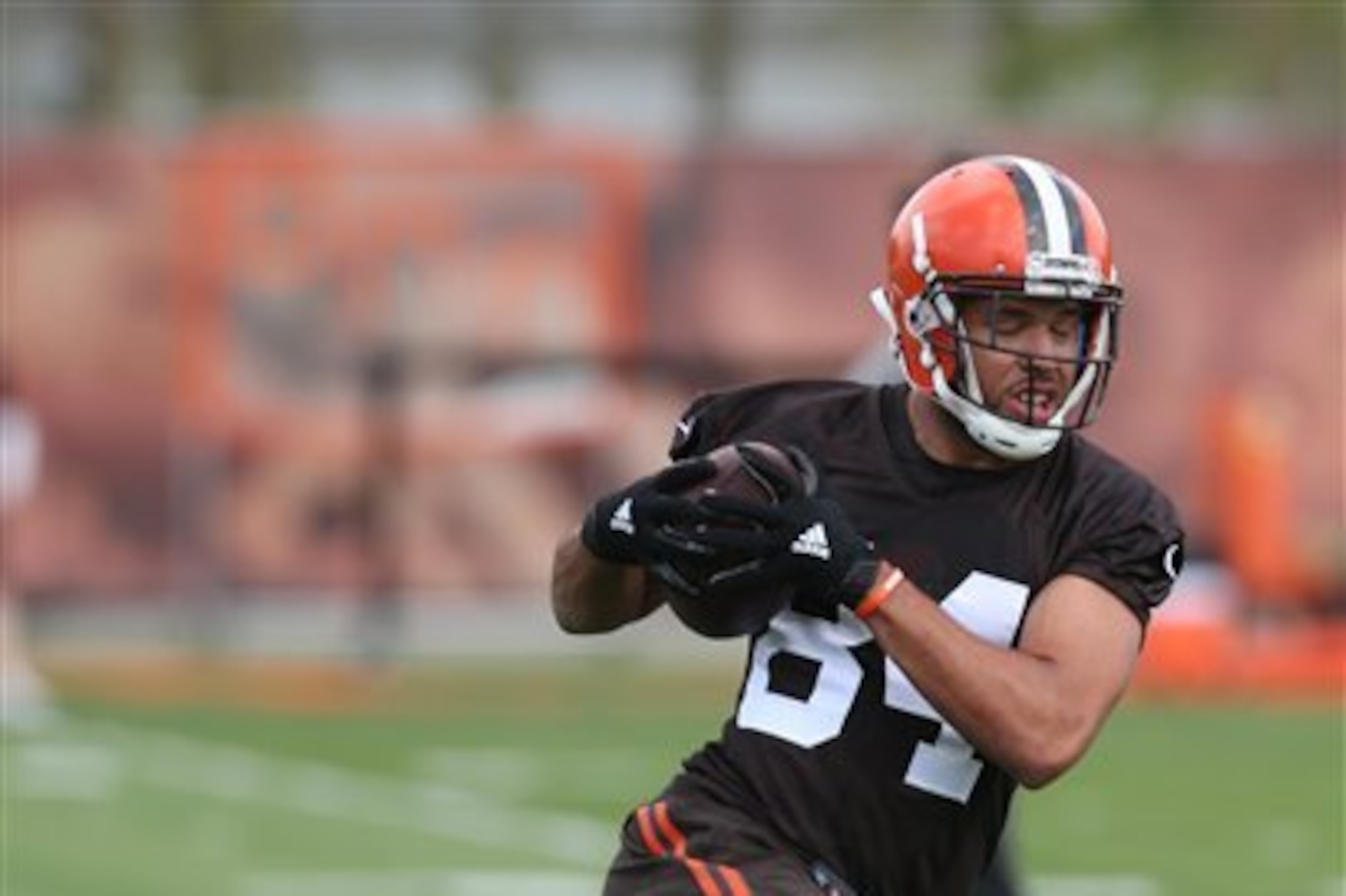
The Browns drafted five receivers in the 2016 NFL draft, so UCLA's Jordan Payton will have ample competition just to rise to the top of that crew alongside first-round pick Corey Coleman.
There are still some veteran receivers, such as Andrew Hawkins, on the roster, but based on the fact that the team invested five draft choices in the position, it's clear they don't feel committed to them. And with a new regime, their current contracts aren't indicative of keeping players just because of their salaries.
After Coleman, Payton is the most pro-ready of their young receiver options. Colorado State's Rashard Higgins is more of a slot presence, Princeton's Seth DeValve is a project and Auburn's Ricardo Louis is more athlete than completely NFL-ready receiver. Payton is a plus route-runner, finishes away from his frame on the perimeter with success and has the body type to hold up early in his NFL career.
Dallas Cowboys: DE Charles Tapper
9 of 32
The most athletic edge rusher at the 2016 NFL Scouting Combine, Charles Tapper rehabbed his draft grade after frustrating college film as an Oklahoma Sooner. In part, Oklahoma's inability to let him have more control as a pass-rusher while reducing him to an isolation rusher or an underneath run defender didn't enable him to grow as a true 4-3 or 3-4 pass-rusher.
Tapper ended up as an early fourth-round pick for a Dallas Cowboys defense still looking to build their defensive line youth. With current starter Demarcus Lawrence suspended for the start of the 2016 NFL season, Tapper has a great opportunity to win the starting job for those four games.
His size and athleticism is similar to Lawrence, and he can add more athleticism than any of the Cowboys' current weak-side pass-rushers. Once Lawrence returns, Tapper can revert back to situational roles while refining his pass-rush development.
Denver Broncos: RB Devontae Booker
10 of 32
Booker enters a Broncos running back situation that is both cluttered and somewhat ripe for a feature back to take over. Head coach Gary Kubiak has made the most of a Ronnie Hillman and C.J. Anderson backfield, but neither has grown into a reliable, feature running back option.
Booker slipped a bit on draft day thanks to his relative age (24 on May 27) and minor injury history. But he possesses receiving and route-running experience, a decisive upfield running style and stop-start ability to take advantage on the perimeter. Reminiscent of Matt Forte, Booker has the skill set to cement a starting job in Denver.
Detroit Lions: S Miles Killebrew
11 of 32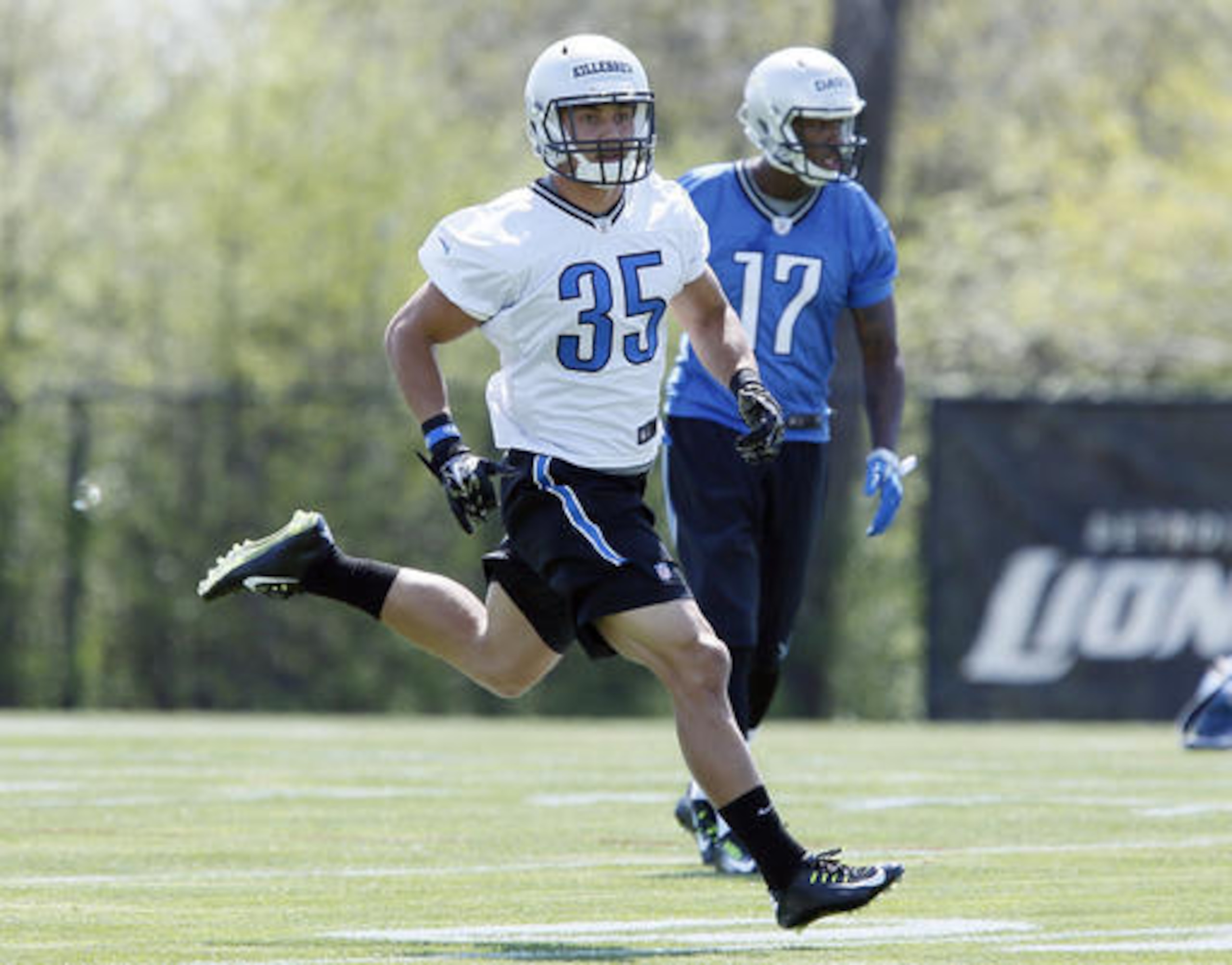
Despite being a fourth-round pick, Miles Killebrew has an awesome opportunity to start right away as a rookie. Hailing from a small school and offering more head-hunting upside than a controlled, NFL-level style, he'll likely have some growing pains as an early-career contributor.
But for a Lions team that has started to revamp their defense last year and the year prior, in addition to having a long-term need at safety, Killebrew has a chance to be one of the few Day 3 picks to win a starting job out of training camp. The over-aggressive, coverage-limited safety still needs ample work before he's a quality starter, but the Lions may hope he learns it on the fly.
Green Bay Packers: WR Trevor Davis
12 of 32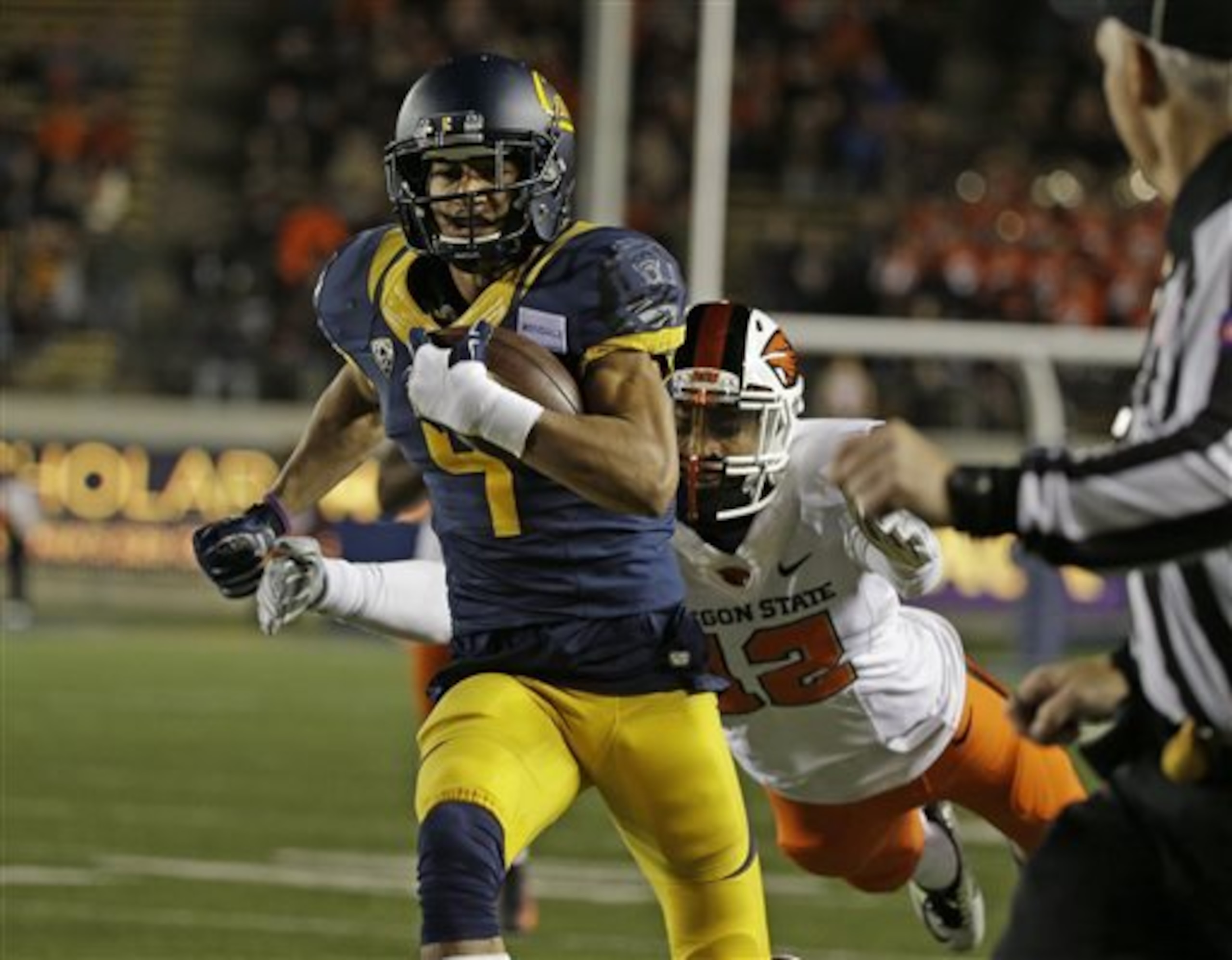
The Packers already offer a host of capable and experienced receivers, but I firmly believe Trevor Davis is in their long-term, and potentially immediate, plans for the position. Davante Adams, Jared Abbrederis and Jeff Janis have flashed in their opportunities, but none of them have become reliable third options in an offense that had to call up James Jones to just give Aaron Rodgers a capable target.
Davis has similar upside to Emmanuel Sanders as a speedy, acceleration-adjusting receiver who can work as a short and vertical route-runner. With better finishing ability as a pass-catcher and more vertical upside than Adams, Abbrederis and Janis, I expect Davis to leap over at least a few of them by the end of training camp and battle with Ty Montgomery for meaningful snaps.
Houston Texans: RB Tyler Ervin
13 of 32
With Lamar Miller as the feature running back and offensive leader until Brock Osweiler becomes comfortable, Tyler Ervin won't get the lion's share of carries to start his rookie season. But with Ervin's awesome receiving ability and quick-twitch athleticism after the catch, he's likely in store for a rookie role.
Ervin offers ample experience as a swing, screen and quick-slant running back route-runner, finishing away from his frame with reliable hands. And as one of the more elusive first-step backs in the 2016 NFL draft, Ervin was unsurprisingly the first third-down back taken on Day 3 of the draft.
Given Miller's injury history, Ervin should serve as a worthwhile change-of-pace back and potentially a much-needed backup for the 2016 season.
Indianapolis Colts: LB Antonio Morrison
14 of 32
A lack of size and multiple knee injuries over his career stunted Antonio Morrison's NFL evaluation, but the Colts drafted one of the most active (and most fun to watch) defensive players. Explosive, violent and aggressive, Morrison is the type of undersized linebacker teammates and coaches can get behind in training camp, and there's no doubt he'll contribute on special teams as a rookie.
Without a glaring need at inside linebacker in the Colts 3-4 defense, it's unlikely Morrison will be asked to start right away, but with the type of passion he plays with and explosiveness he'll show in training camp, I wouldn't be surprised if he begins the regular season on the cusp of serious starting or enhanced playing time.
Jacksonville Jaguars: DT Sheldon Day
15 of 32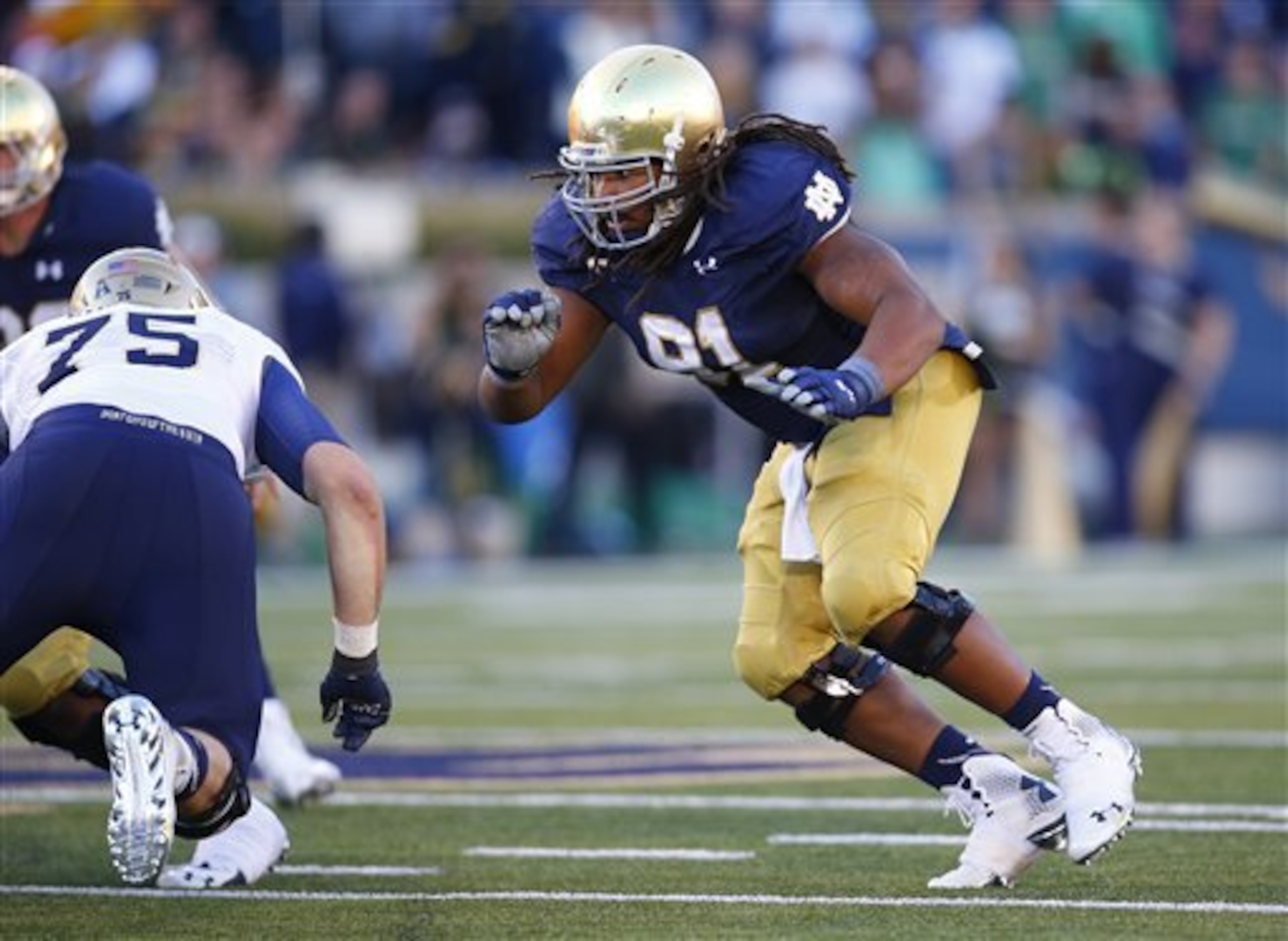
One of the most polished pass-rush-move users in recent draft history, Day thrived in college with decisive and refined swim, rip and spin moves along with a non-stop motor when he played both inside and on the perimeter. In the Jaguars' versatile defense, he'll get the opportunity to do both and be reduced, in a good way, to a more rotational and situational role.
His lack of ideal size and length will always be an inhibiting factor, but the Jaguars are both desperate for immediate contributors and generally unfazed by undersized players when it comes to playing time. Day likely won't ever start for the Jaguars, barring injury, as a rookie but could grow into an important role as a rookie and into the future.
Kansas City Chiefs: WR Demarcus Robinson
16 of 32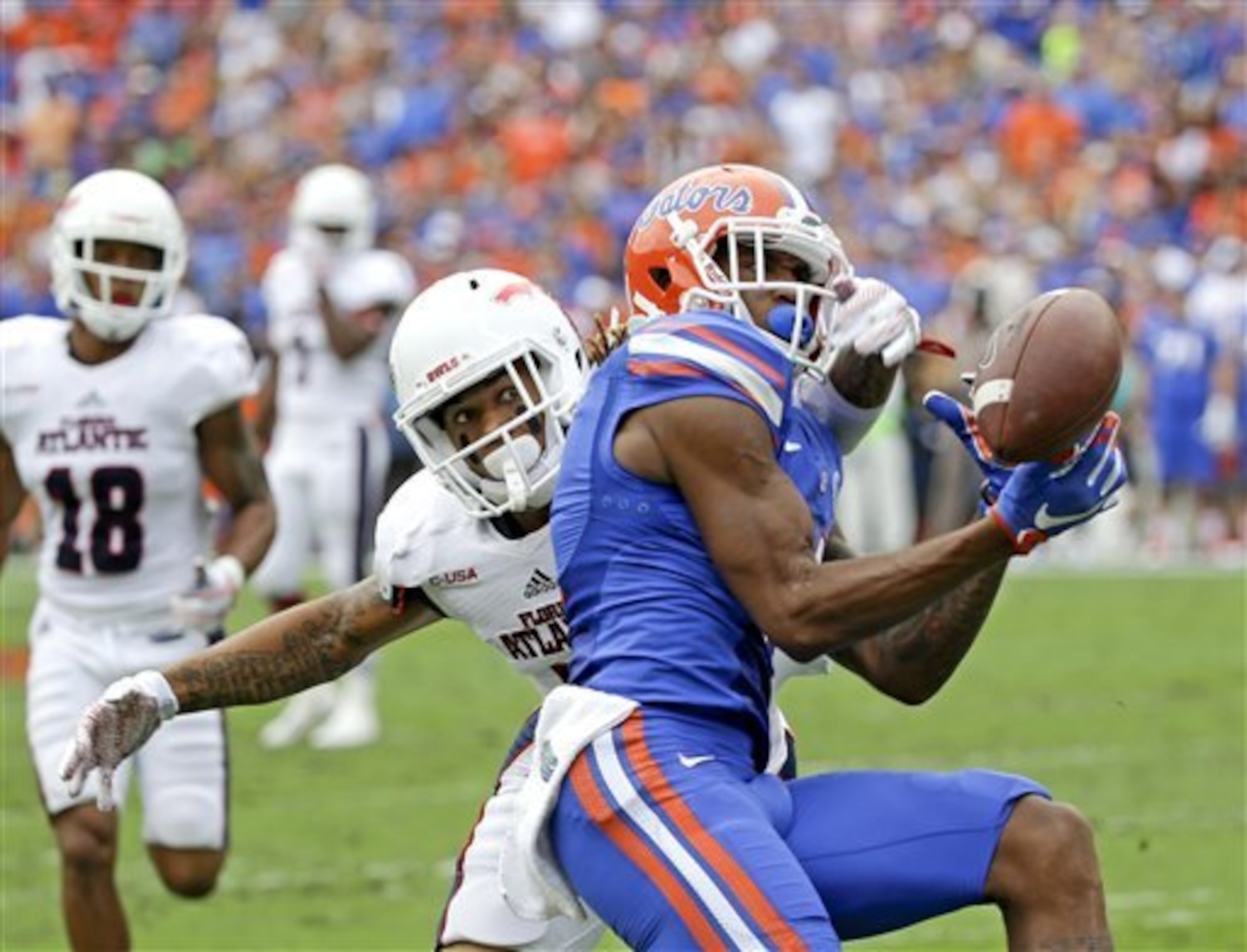
The Chiefs' selection of Demarcus Robinson reminded of their 2015 drafting of fellow receiver Chris Conley, as both are supreme talents who may need some patience before they contribute. But for a Chiefs team that seems oddly patient and confident in their current receivers, they've ignored obvious contributors at the position in the draft, instead opting for mediocre veterans to fill their starting spot opposite Jeremy Maclin.
Between Robinson and Conley, the former is a far more NFL-ready receiver with more translatable skills and, despite Conley's head start, he still has a lot to learn to be more than just a plus-athlete at the position. Robinson's physical makeup and vertical finishing ability should have him competing for starter's snaps soon after training camp.
Los Angeles Rams: TE Tyler Higbee
17 of 32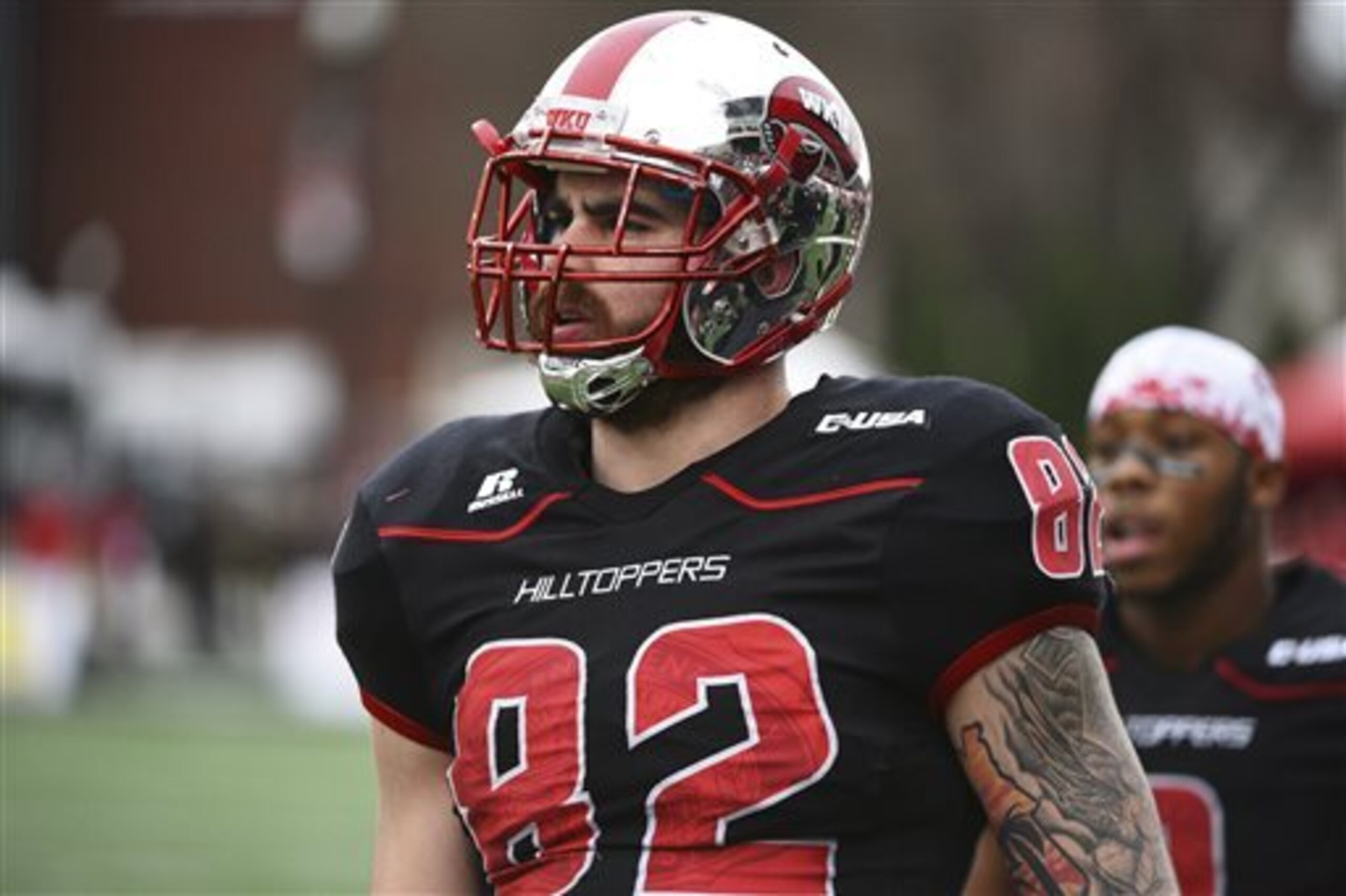
Tyler Higbee may have been the team's fourth-round pick, but he also was the Rams second draft pick and their prime young offensive addition this off-season to grow with their franchise quarterback Jared Goff. Falling due to off-field concerns, Higbee was arguably the most impressed and route-running polished tight ends in the 2016 draft class.
The Rams are an offense known for and expected to grow as a tight-end based offensive attack, with Higbee eventually growing into one of their centerpieces. While Lance Kendricks is currently slated as the starter, Higbee should grow into a feature role before his rookie season is out and may quickly emerge as a Goff favorite at some point during his rookie season.
Miami Dolphins: DB Jordan Lucas
18 of 32
Drafted as a defensive back who can potentially add cornerback or safety depth, Jordan Lucas will likely be thrust into a prime backup role for a Dolphins secondary that desperately needs the depth. Playing both positions at Penn State over his career, Lucas appeared to be a better strong safety/nickel-set defensive back in my opinion, and that's likely a role he'll fill for the Dolphins.
Fluid and quick-twitch, Lucas can offer plus-midfield coverage and man- or zone-coverage capabilities, making him an instant asset for a Dolphins secondary in need of quality cover options. By training camp's end, I expect him to be the lead backup cornerback and strong safety, with a strong possibility to get 20-25 snaps a game.
Minnesota Vikings: S Jayron Kearse
19 of 32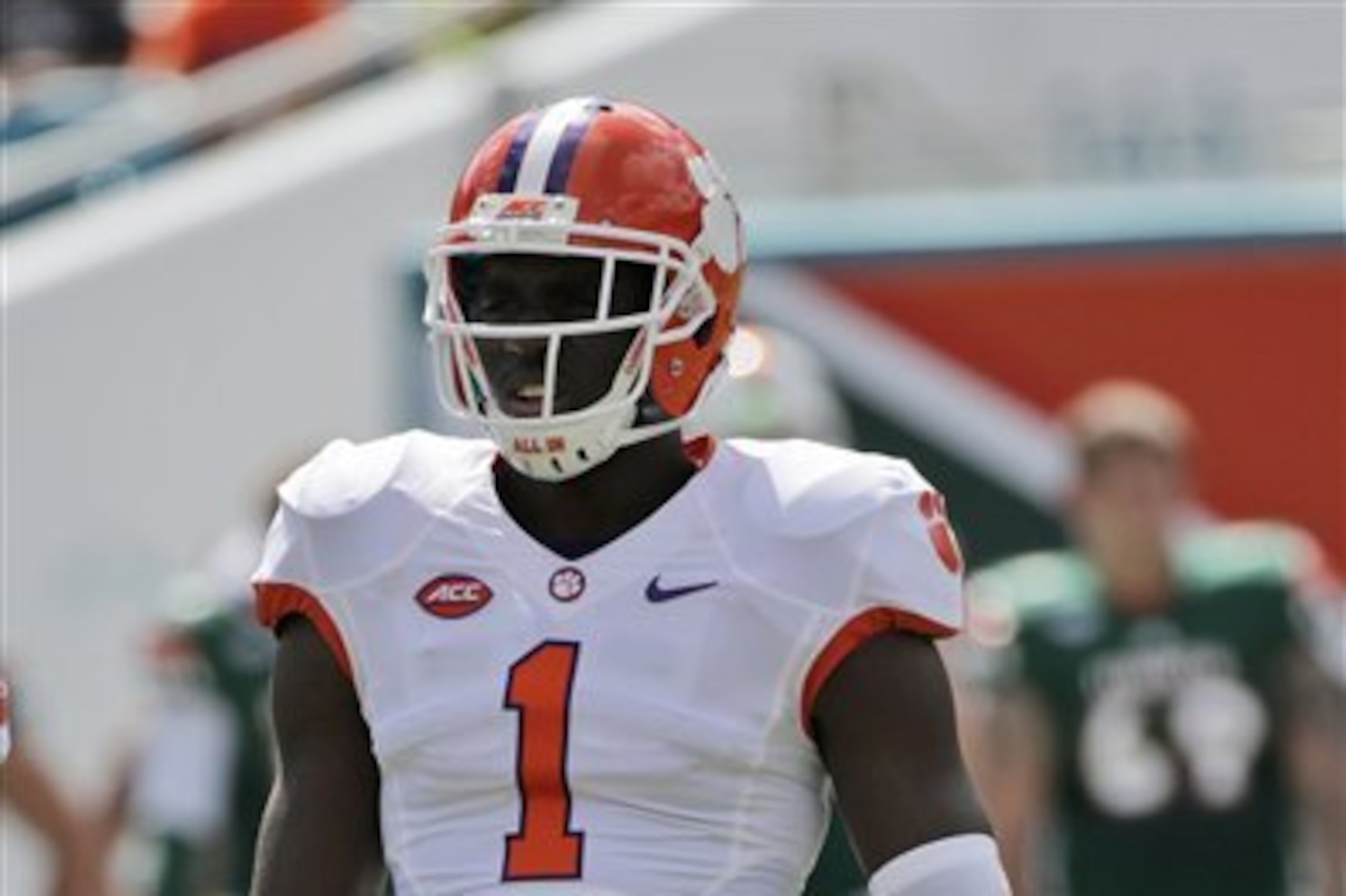
One of the more highly discussed Clemson Tigers during their national title run, Jayron Kearse was expected to be a potential top-100 pick. Instead, Kearse slipped all the way to the seventh round.
A lack of great run-defense instincts with length the only benefit for his vertical coverage, Kearse's film overshadowed his impressive body type for NFL teams.
However, in Minnesota, where head coach Mike Zimmer seems to love length and size at his safety positions, Kearse has a great opportunity to earn top-four safety status, make the team and potentially much more. He's arguably the team's only capable strong safety after recently re-signed Andrew Sendejo, and it wouldn't be a surprise if he's groomed to be the team's long-term option at safety.
New England Patriots: WR Malcolm Mitchell
20 of 32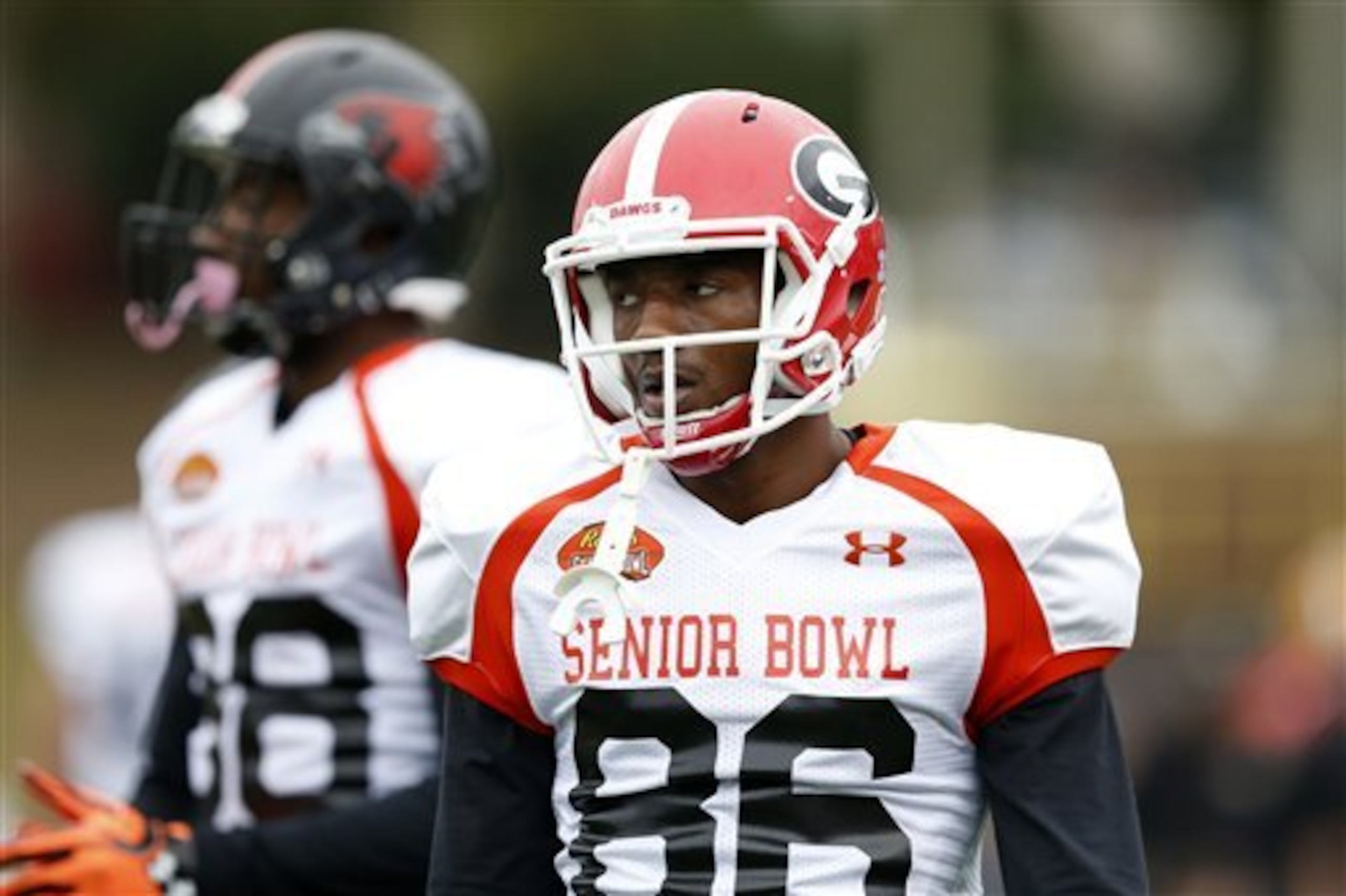
The Patriots have clearly become a tight end- and slot receiver-focused offense, as they've stockpiled two quality players at both of the spots where Tom Brady has thrived.
However, when it comes to outside receiver, the Patriots entered the draft process with just Nate Washington and Chris Hogan as viable options.
Enter Malcolm Mitchell, who didn't finish his Georgia career with nearly the amount of excitement it began with. A plus athlete with great finishing ability away from his frame, Mitchell impressed at the Senior Bowl with plus comeback, dig and deep route-running against NFL-quality cornerbacks. Mitchell won't be more than the fifth or sixth option in the offense, but he's still angling for a starting X or Z receiver spot as a rookie.
New Orleans Saints: S Vonn Bell
21 of 32
With limited 2016 draft picks thanks to their trade-up for Vonn Bell, the former Ohio State Buckeye gets the nod as one of the few second-rounders on this list. Still, it was a surprise to see him drop to the late second round like he did, and would have been one of the steals of Round 3 had he fallen three more spots.
Bell is a fantastic athlete with slot cornerback, strong and free safety upside, changing direction and playing with controlled physicality as well as any safety in the 2016 class.
He'll be immediately competing with potential 2013 first-round bust Kenny Vaccaro and former high-priced free agent Jairus Byrd for snaps, but I think he passes one of the two before his rookie year finishes out.
New York Giants: RB Paul Perkins
22 of 32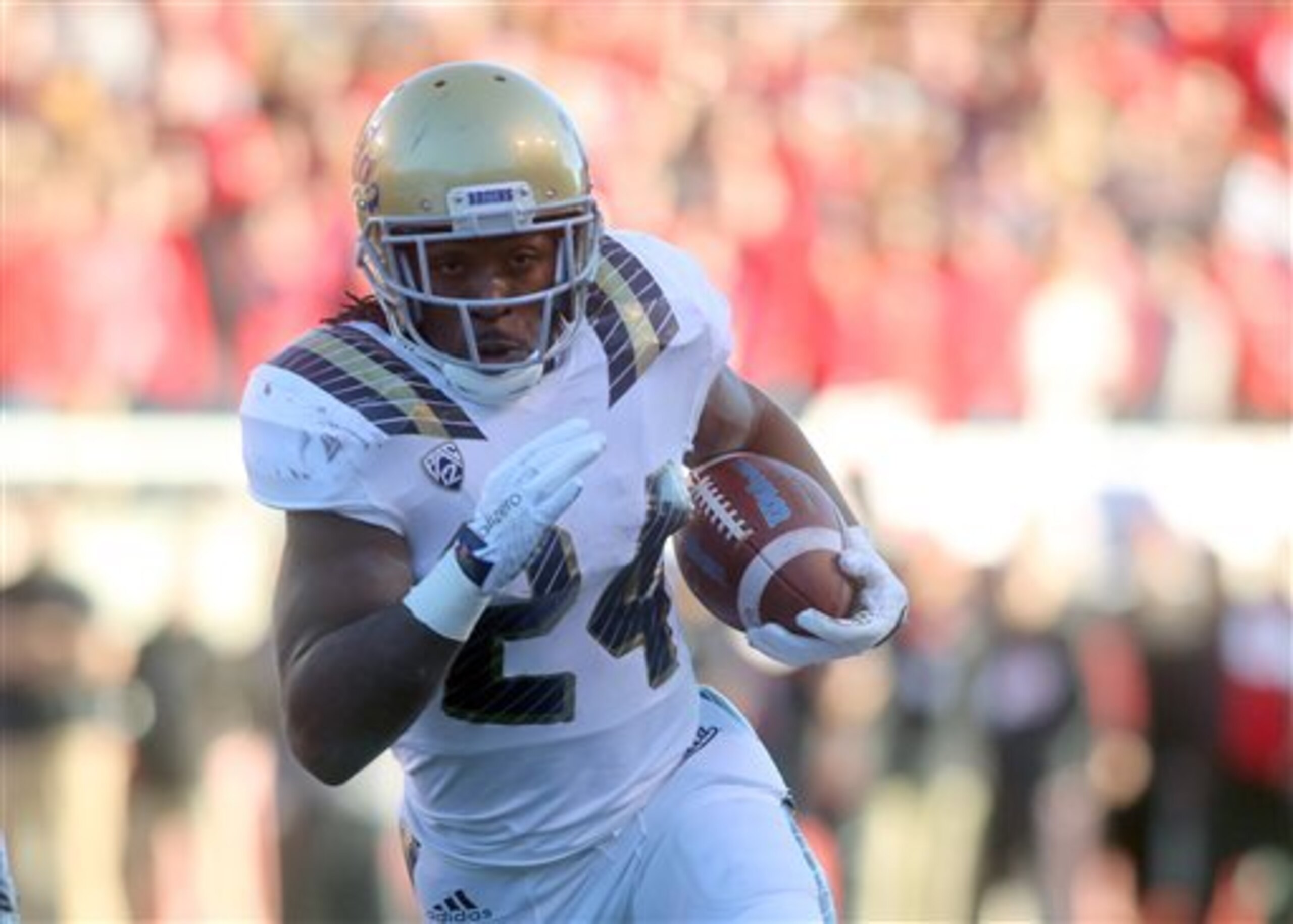
With a two-headed rushing attack led by Rashad Jennings and Shane Vereen, the Giants have a capable positional group that has proved effective and versatile for Eli Manning's offense. However, Paul Perkins has the skill set to offer feature-back reliability and big-play opportunity despite being a fifth-round pick.
The ultra-elusive Perkins repeatedly showcased the stop-start acceleration, open-field separation from linebackers and defensive linemen and speed to turn the corner on outside runs.
While he tends to "dance" a bit in the backfield and doesn't offer power-running upside, Perkins is the most talented Giants running back now. He'll need a strong training camp to steal starter carries.
New York Jets: OLB Jordan Jenkins
23 of 32
While his college teammate and linebacker running-mate Leonard Floyd went in the top-10 picks to the Chicago Bears, it could be Jenkins that sees the field earlier and had more rookie snaps. While he doesn't possess the same athleticism or length upside that Floyd does, he does have experience and production from multiple alignments and can finish with power as a rusher with far more success than Floyd.
The Jets don't have much depth at outside linebacker or trusted production for the 2016 season, and Jenkins has the opportunity to win substantial snaps in training camp. While his upside may not be the same as his ex-teammate Floyd, his Jets competition in Lorezno Mauldin or most of the 2016 top-four round linebackers, he has the physicality and situation to thrive as a rookie.
Oakland Raiders: RB DeAndre Washington
24 of 32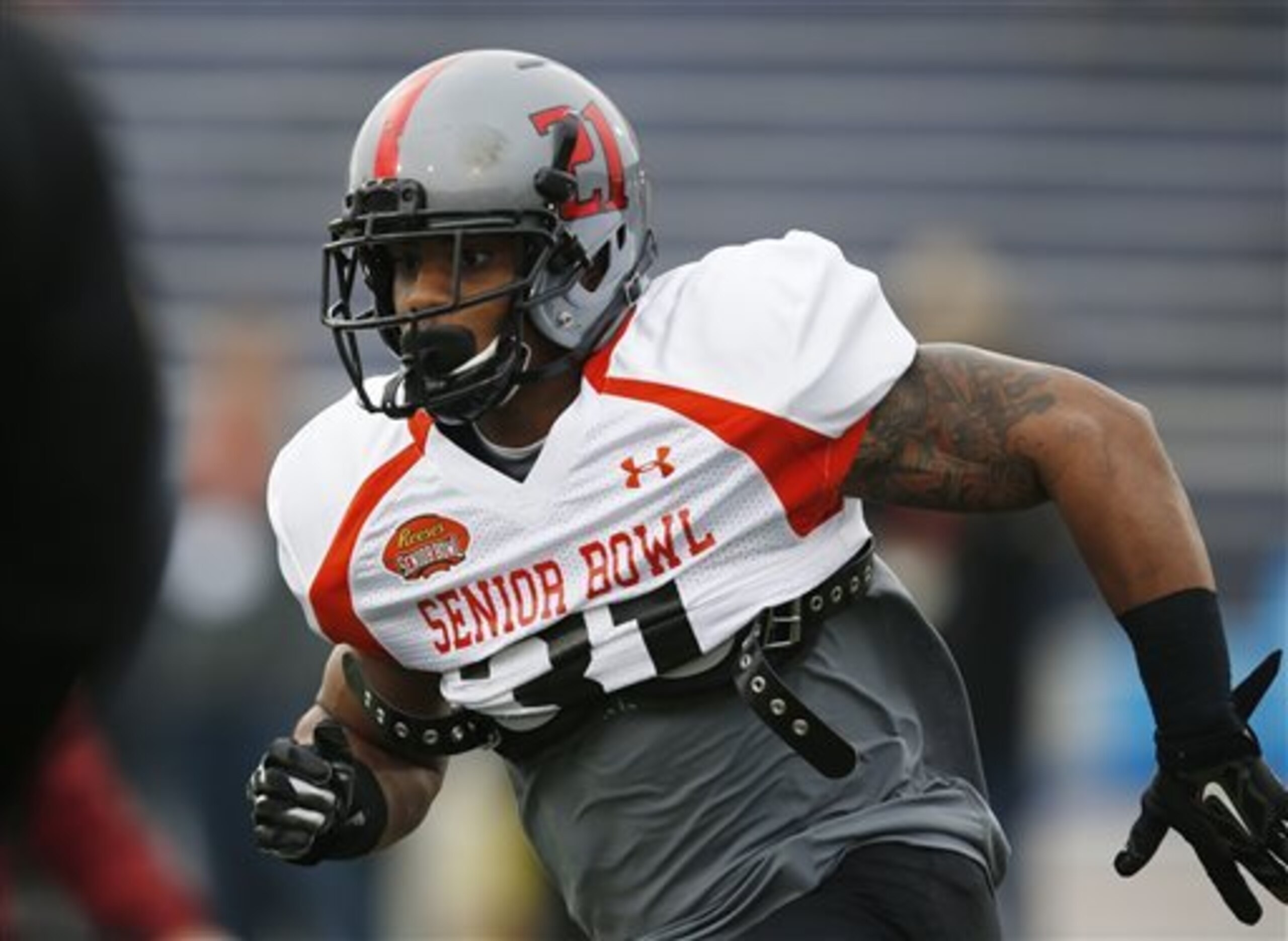
With Latavius Murray slated as the starter, the Raiders appear set at the position in terms of the majority of snaps and which running back they'll base their offense around. But despite being a fifth-round pick, DeAndre Washington enters the fray with a prime opportunity to emerge as the clear number two option and primary receiving back for the Raiders in 2015.
Washington possesses awesome quickness, short-area burst and top-end speed at the second level to immediately threaten as a change of pace back, capitalizing when defenses get tired or a bit lazy. But more beneficial to his potential rookie success is his experienced receiving ability, as both a short-area route-runner out of the backfield and as a quick turn-and-run receiver. Washington should add multiple areas of value as a rookie and could become one of the Raiders most important offensive options that draws similarities to Darren Sproles of the Eagles or Giovani Bernard of the Bengals.
Philadelphia Eagles: S Jalen Mills
25 of 32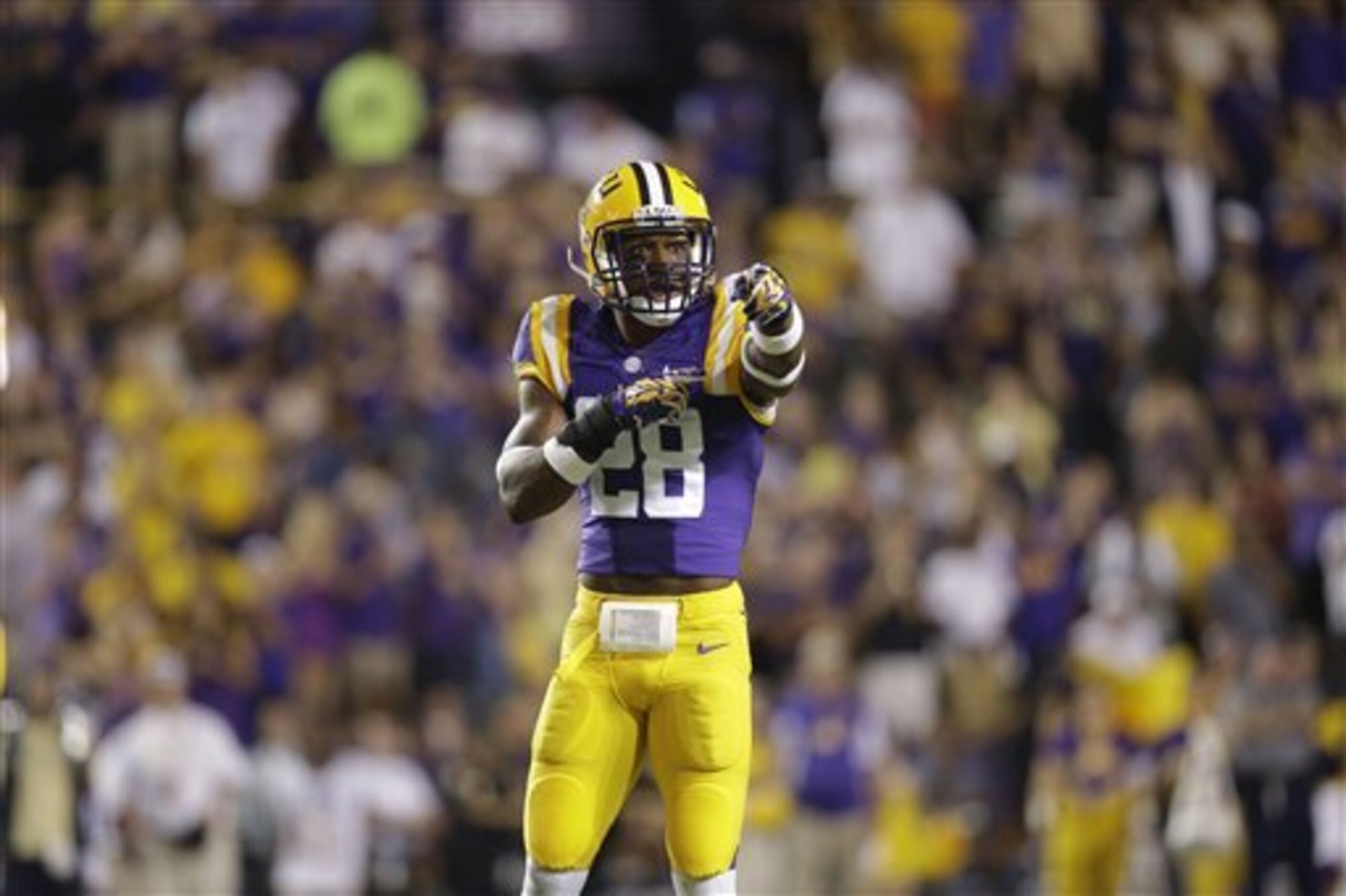
Falling to late Day 3 thanks to off-field and character concerns, Mills was one of the most talented seventh-rounders in the 2016 draft. Flashing over the last two years as an outside cornerback, slot cornerback and safety, he'll be jostling for snaps at all of those positions as a rookie on an Eagles secondary that is surprisingly wide open.
He'll be battling with Chris Maragos and Ed Reynolds for backup safety duties and should generate some interest as a five- and six-defensive back set contributor as either a cornerback or a third safety for the Eagles.
Pittsburgh Steelers: LB Travis Feeney
26 of 32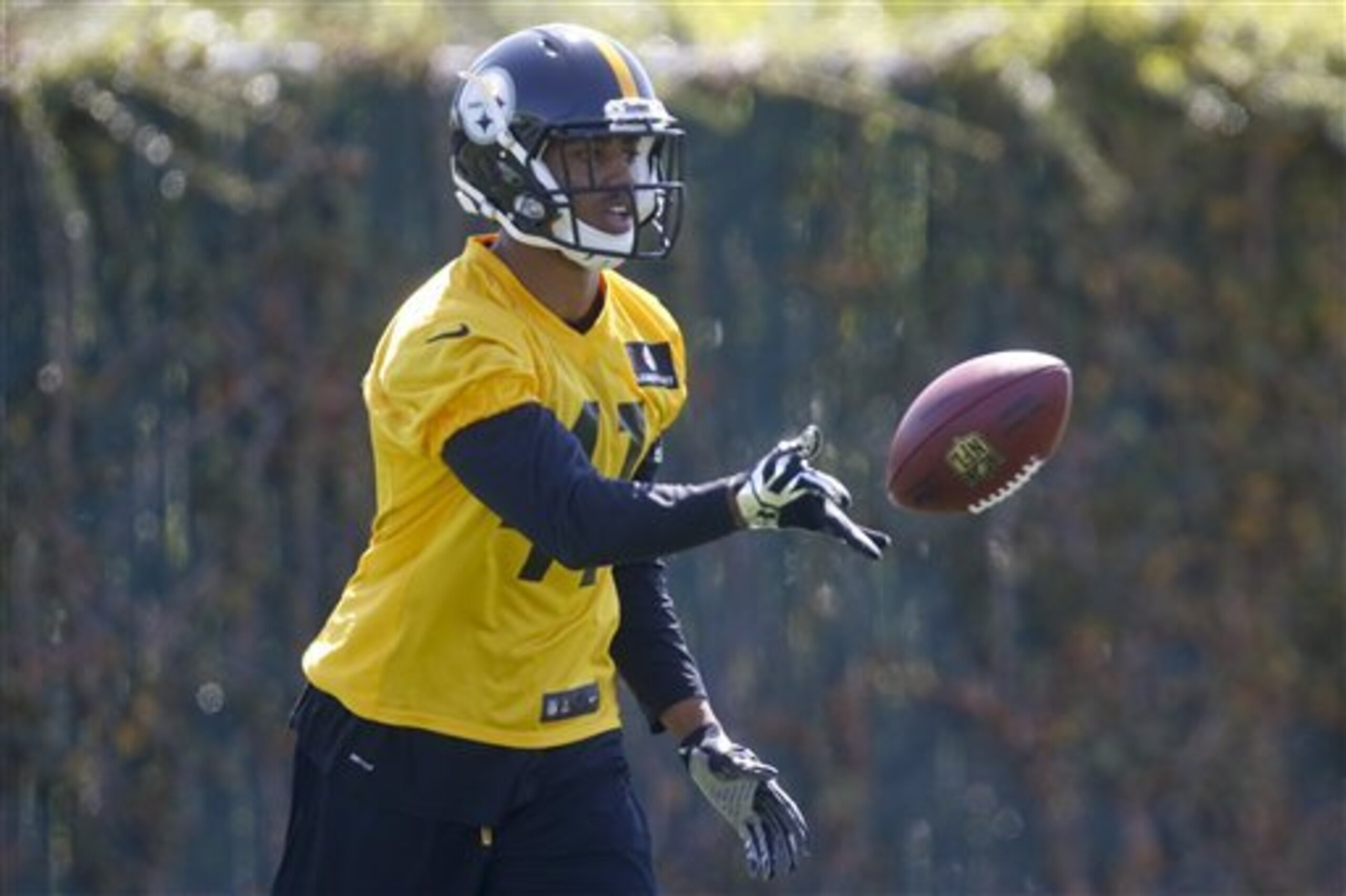
Bud Dupree, last year's first-round pick, flashed as a rookie but didn't wow nearly the way I expected. And with Jarvis Jones looking rather unimpressive and Arthur Moats and James Harrison not viewed as long-term starters or even capable backups into the future, the very athletic Travis Feeney may play a vital role, even as a rookie.
With great burst and change of direction on the perimeter, Feeney will be transitioning to a more consistent pass-rushing role in the NFL, something he should adjust to just fine. Despite being a sixth-round pick, Feeney could be viewed as one of the team's most important backups and offer rookie-year support for a defense angling for a Super Bowl run.
San Diego Chargers: LB Joshua Perry
27 of 32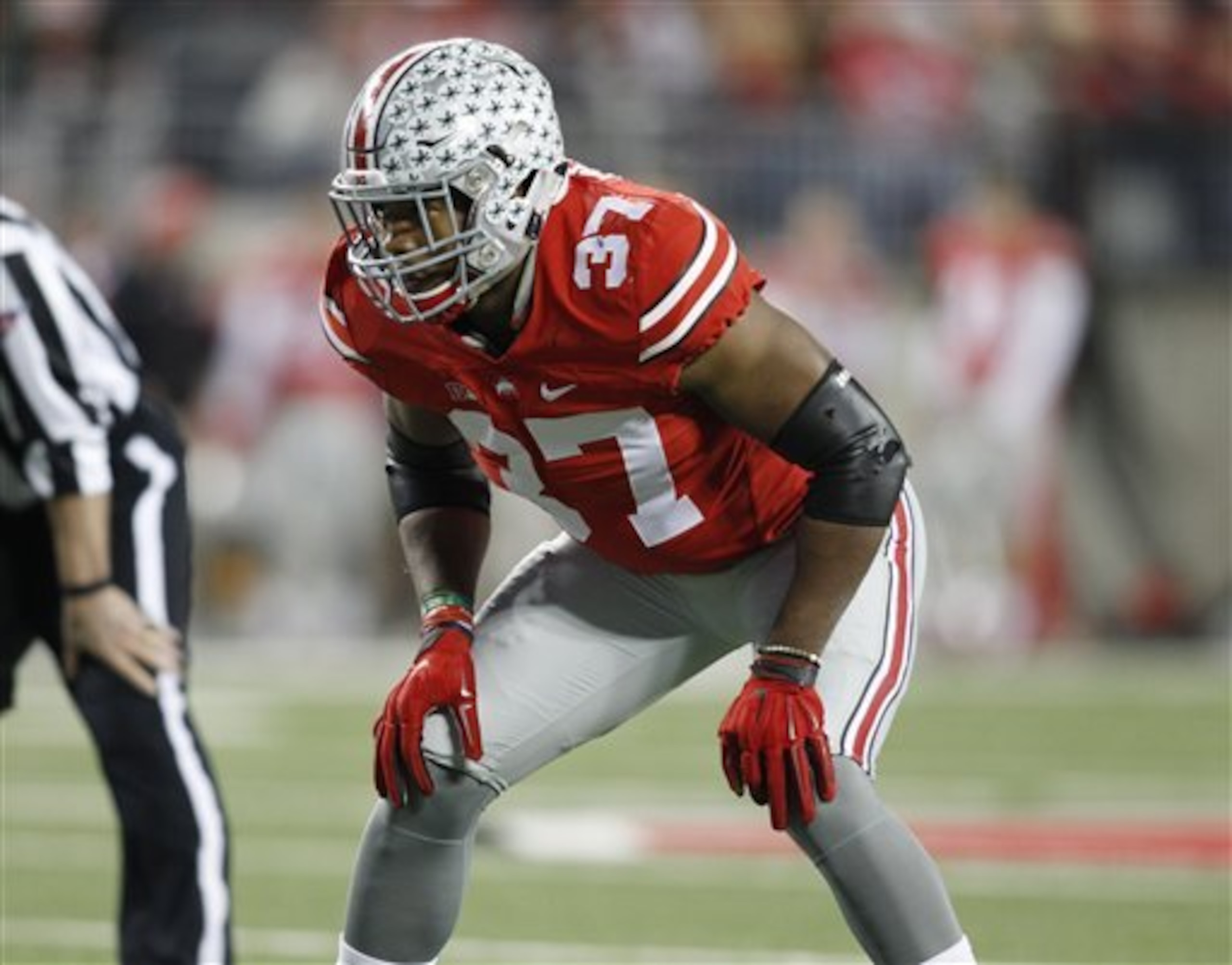
Despite investing recent second-round picks in the position, the Chargers added another inside linebacker in Joshua Perry from Ohio State. While Denzel Perryman is a bit undersized and Manti Te'o lacks great off-block ability, Perry has a real chance to emerge as the team's best inside linebacking option.
It's unclear why Perry slipped in the draft (Round 4), but his range, coverage ability and interior navigation all shined of a potential NFL starter. And while he doesn't thrive in getting off interior blocks, he does offer a low base, loose hips and the quickness to penetrate upfield as a pass-rusher and in run defense.
He could potentially even compete for a starting job in training camp if the team has a truly open competition.
San Francisco 49ers: RB Kelvin Taylor
28 of 32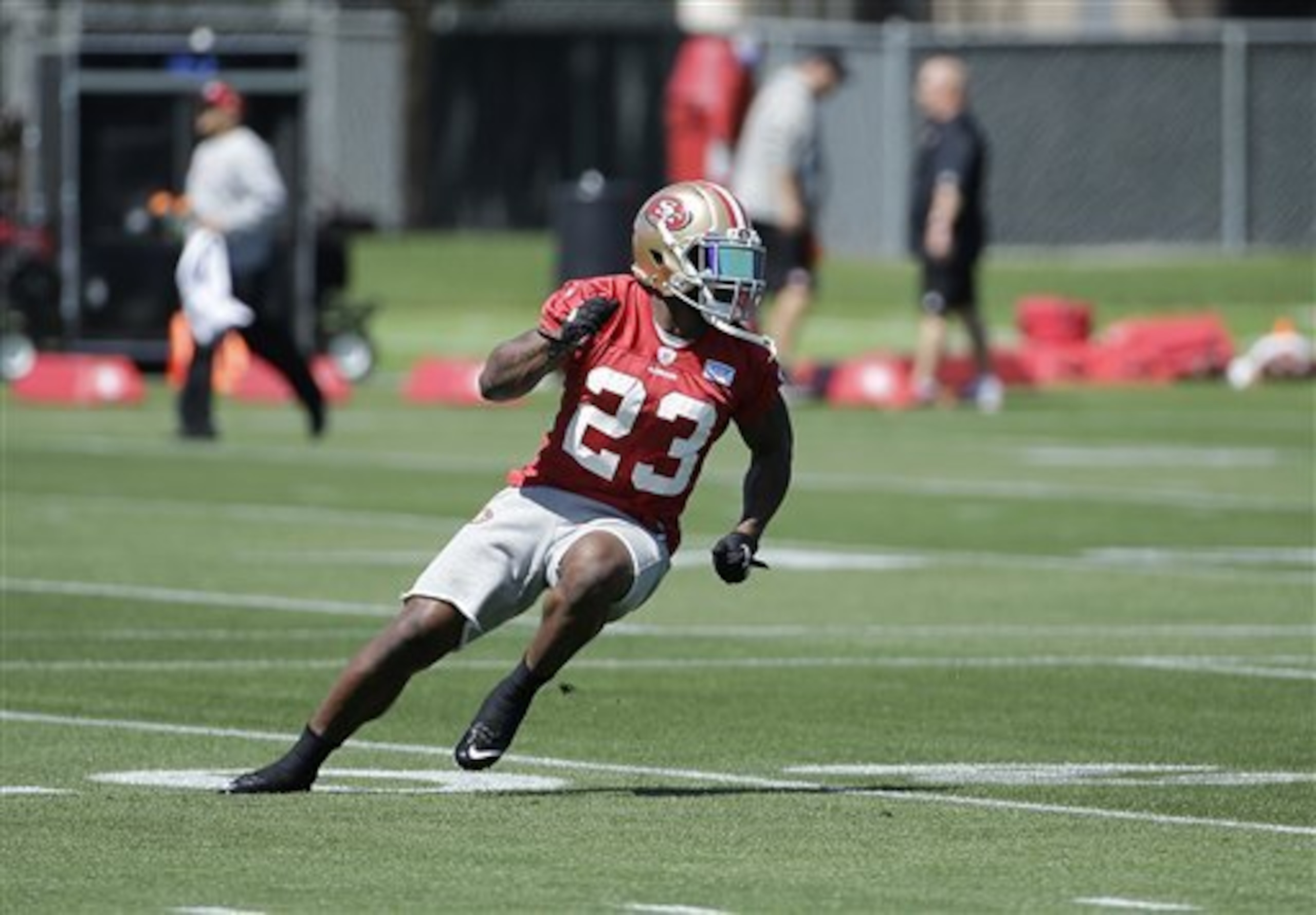
The San Francisco 49ers' sixth-round pick, Kelvin Taylor has four other running backs to compete with in training camp. But as former Jaguars great Fred Taylor's son, there's reason for optimism.
He'll need to earn a spot over Shaun Draughn and DuJuan Harris, two runners who have been in the league for some time and are on the downswing of their careers. And current backup Mike Davis, from South Carolina and taken in the fourth round in 2015, hasn't wowed nearly as much as expected in his career and has some lingering injury concerns.
Taylor didn't impress as an athlete in the predraft process and doesn't have game-breaking speed or elusiveness. But he's a short-area powerful back who offers control, decisive footwork and efficiency as an interior runner. Given Carlos Hyde's foot injury concerns that kept him on the sideline for most of the 2016 season, Taylor—or whomever is the 49ers backup—will garner plenty of attention once the season begins.
Seattle Seahawks: DT Quinton Jefferson
29 of 32
The Seahawks covet versatile defensive linemen, and that's exactly what Quinton Jefferson can offer. A somewhat surprising early declaree, Jefferson plays a hybrid defensive end/tackle position, offering plus length and gap-eating capabilities without a dominant pass-rush upside.
Seattle can use Jefferson similarly to how the Broncos used Malik Jackson a year ago, asking him to penetrate the B-gap repeatedly and take advantage of one-on-one opportunities when possible and when an offense focuses their attention on pass-rushers. He doesn't have a clear starting position yet, but the role is there for him to seize in training camp.
Tampa Bay Buccaneers: FB Dan Vitale
30 of 32
The Buccaneers are one of the few teams still expected to count on the fullback position. Accordingly, Vitale will be tasked with being a lead blocker for a now-expensive rushing attack, a checkdown option for Jamies Winston and a last line of defense as a pass-blocker to keep the offense afloat as the young offensive line develops.
Working best as a short-area route-runner and pass protector, Vitale likely won't be putting up gaudy stats but still should play a major role in the offense's stability. If we see another strong season from Doug Martin and Winston is able to get more comfortable in the pocket, Vitale could be the unsung hero in the Bucs' offensive success.
Tennessee Titans: OG Sebastian Tretola
31 of 32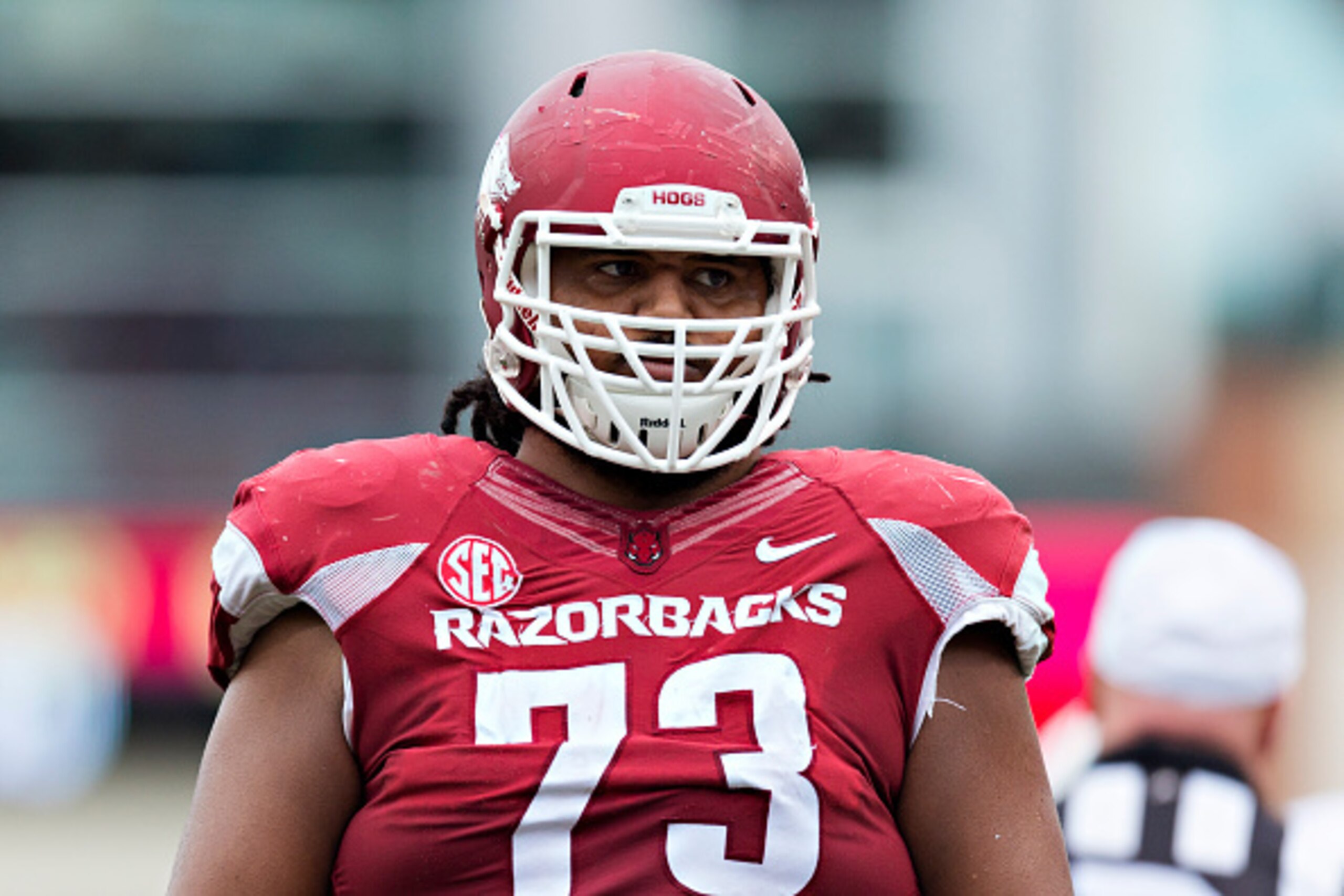
As a sixth-round pick, Sebastian Tretola won't be a rookie starter barring injury. But with the Titans' relative lack of depth at both guard positions, he'll have a great opportunity to be the prime backup at both guard spots. The powerful, zone-blocking, experienced Tretola offers great hand strength and passion at the position, two important aspects of a young interior offensive lineman.
As the Titans are a rebuilding organization focused on the future, Tretola could get a chance to gain a reasonable amount of snaps in training camp and throughout his rookie season. And while he may never secure a starting job, his role as a quality backup in protecting Marcus Mariota is reason enough for him to make the most of being a Day 3 pick.
Washington Redskins: CB Kendall Fuller
32 of 32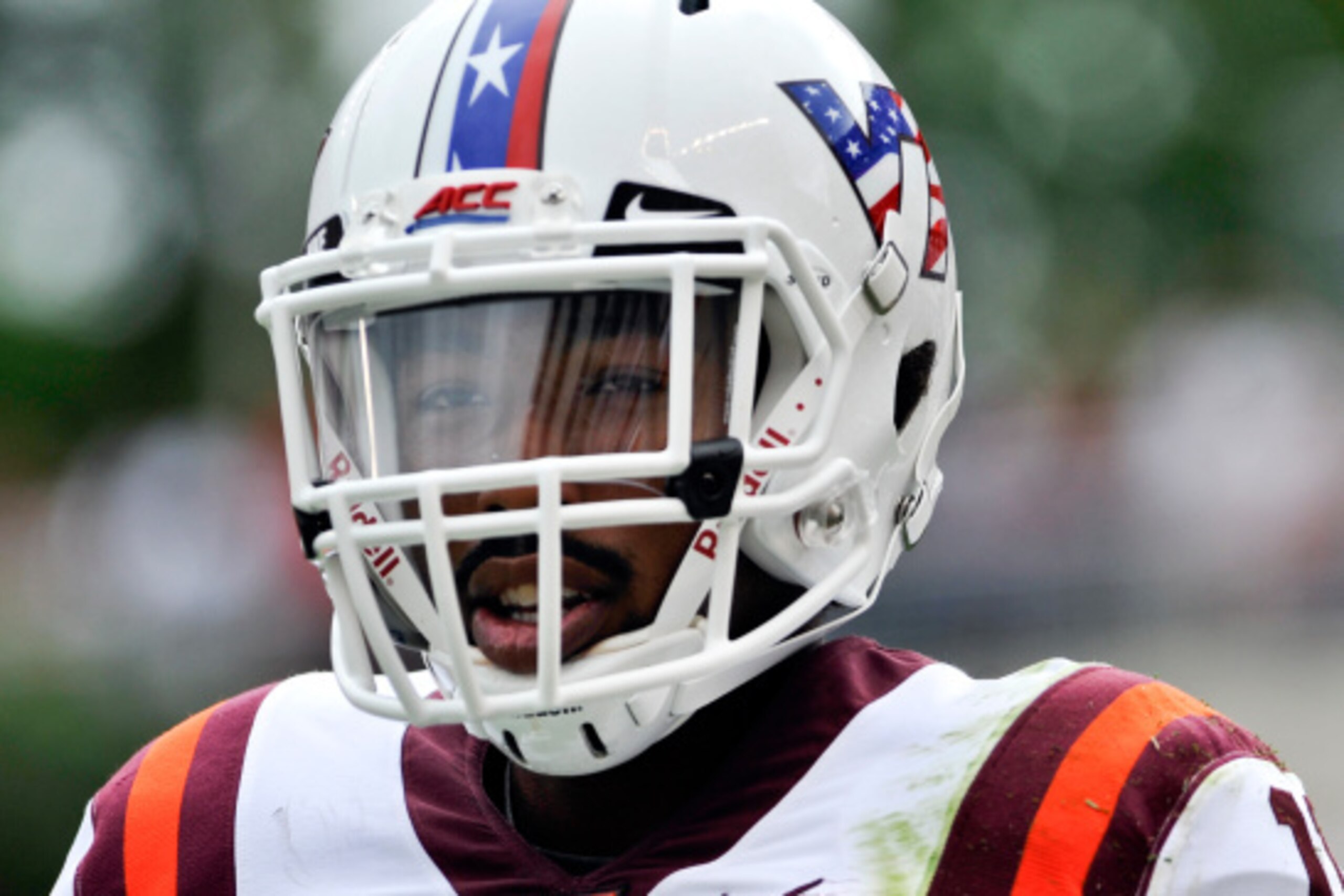
After shockingly getting Josh Norman late in the offseason, the Redskins had the unique benefit of adding the one-time first-round prospect Kendall Fuller late on Day 2 of the draft. Fuller, who suffered a season-ending injury that may still have lingering effects during the 2015 season, will join the Redskins with little expectations and every hope he can reclaim his former stature.
With Bashaud Breeland and now Norman entrenched as the starters, the Redskins have ample depth behind both of them to succeed. Once Fuller is ready, he could immediately add value as a slot cornerback and, in a division where the other three teams are set to use the slot receiver heavily in their offense, Fuller's role could be majorly important.
.jpg?w=2560)


.jpg?w=2560 "Landing Spots for Trade Candidates 📍")