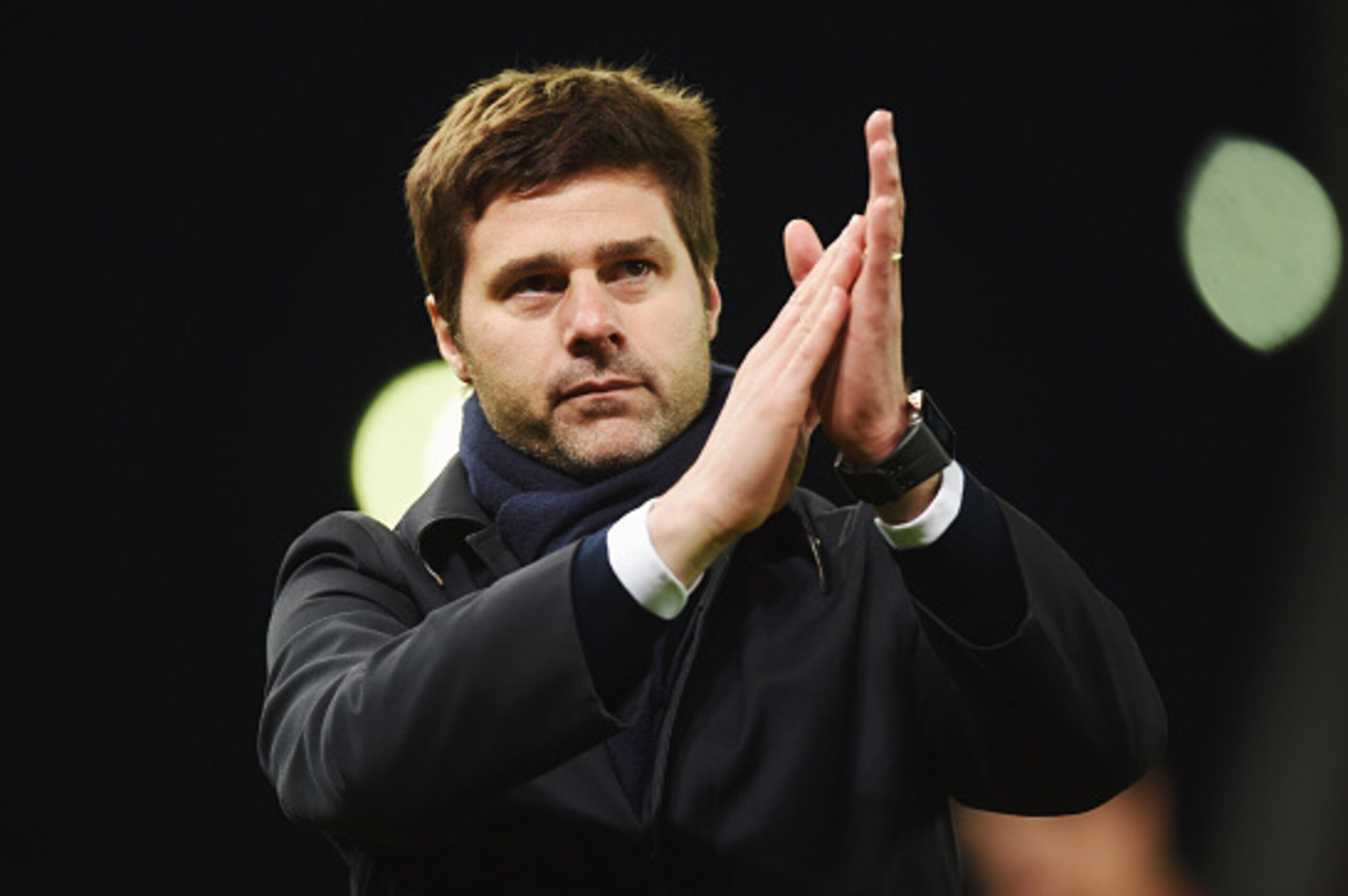

3 Most Important Changes Mauricio Pochettino Has Brought to Tottenham
Mauricio Pochettino has constructed the best Tottenham Hotspur team since the 1980s and one with the potential to eclipse all but Bill Nicholson's Double team.
He has done so in under two seasons, having overseen a huge shift in the playing staff, style and ambitions of the club.
For 10 years before Pochettino's arrival, fourth place was the highest for which the club could realistically aim.
That was achieved only twice in that period, and that decade represented Spurs' best spell since the creation of the Premier League in 1992.
His influence cannot yet be measured in trophies, but Pochettino has gradually introduced a new playing style, chipped away at a rusted-on mental weakness and shattered expectations.
The extent of Pochettino's achievements is truly astonishing.
Youth
1 of 3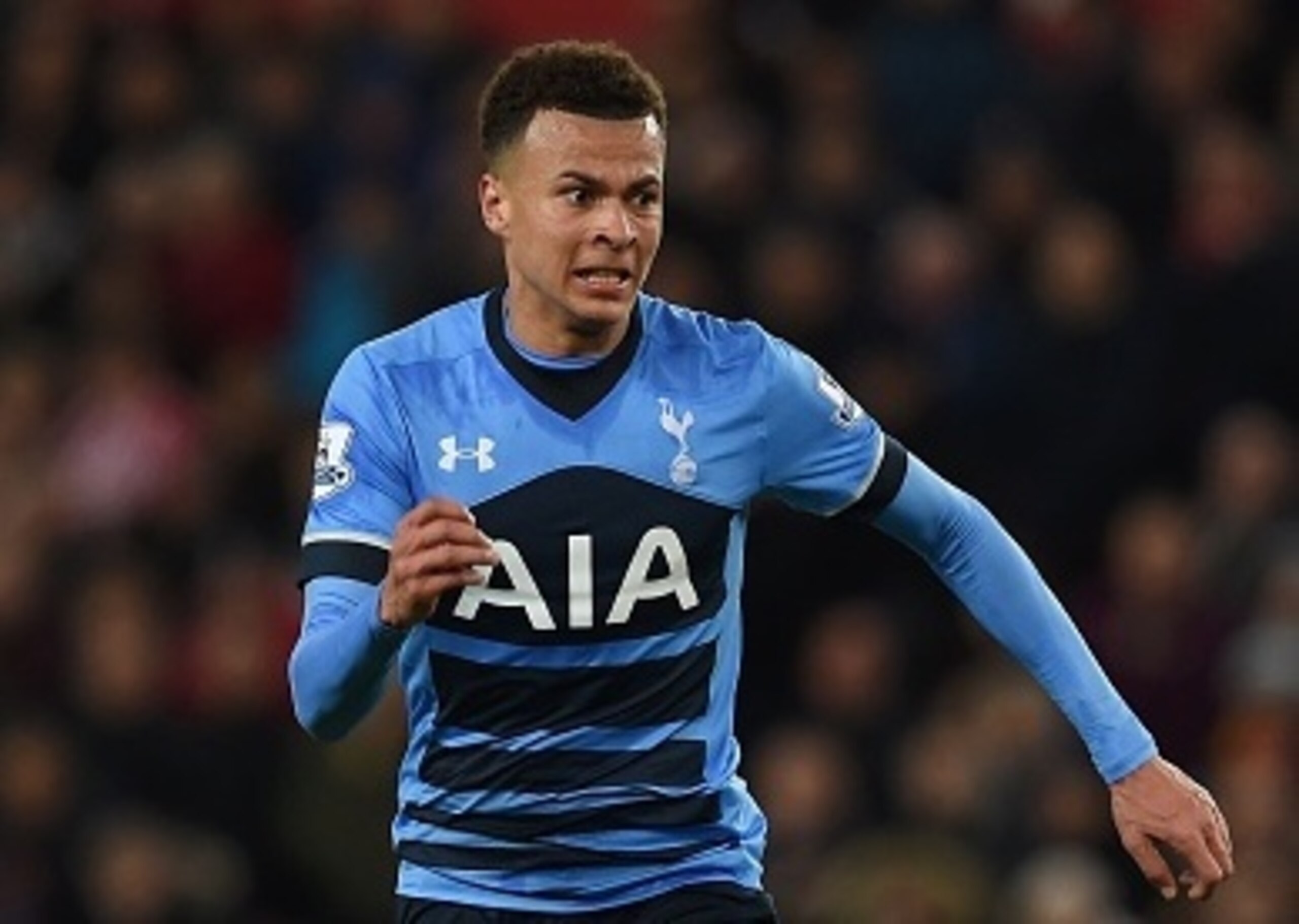
Of the lineup selected for Tim Sherwood's final match as Tottenham manager in 2014, only four now remain at the club: Hugo Lloris, Harry Kane, Christian Eriksen and Danny Rose.
Michael Dawson, Vlad Chiriches, Emmanuel Adebayor and Sandro were among the veteran campaigners who easily disposed of Aston Villa 3-0 on that day.
Pochettino was apparently reluctant to overhaul his squad immediately, but even in his first game as manager, younger players like Eric Dier, Nabil Bentaleb and Erik Lamela were notably handed starting roles.
The Argentinian has understandably preferred the players capable of carrying out his complex tactical instructions while running ceaselessly.
Pochettino disregards reputation in favour of players who can help him win.
Those priorities have given the likes of Dier, Lamela, Dele Alli and even Harry Kane opportunities that they otherwise would not have had.
Ryan Mason is perhaps the best example of Pochettino's happy bias.
His ever-present status last season relegated Benjamin Stambouli, Paulinho and Etienne Capoue to squad status, and yet Mason had never played a Premier League game before his north London derby debut.
Pochettino cannot claim all of the credit for Spurs' cadre of young stars.
Sherwood gave Bentaleb and Kane their debuts and headed the club's youth development efforts before moving into the top job.
The Englishman arguably picked up where Andre Villas-Boas had left off in the process of rejuvenating Spurs' squad following the reign of Harry Redknapp.
Redknapp preferred age and experience, proven ability, over youth and enthusiasm, so his successors had little to work with.
Pochettino has taken the raw materials provided by Sherwood and Tottenham's transfer committee and moulded them into something special.
Spurs now possess one of Europe's youngest teams and easily the youngest in the Premier League.
A good chunk of their squad has 10 years left in the game, meaning Pochettino has built a team that can be competitive over the long term.
Resilience
2 of 3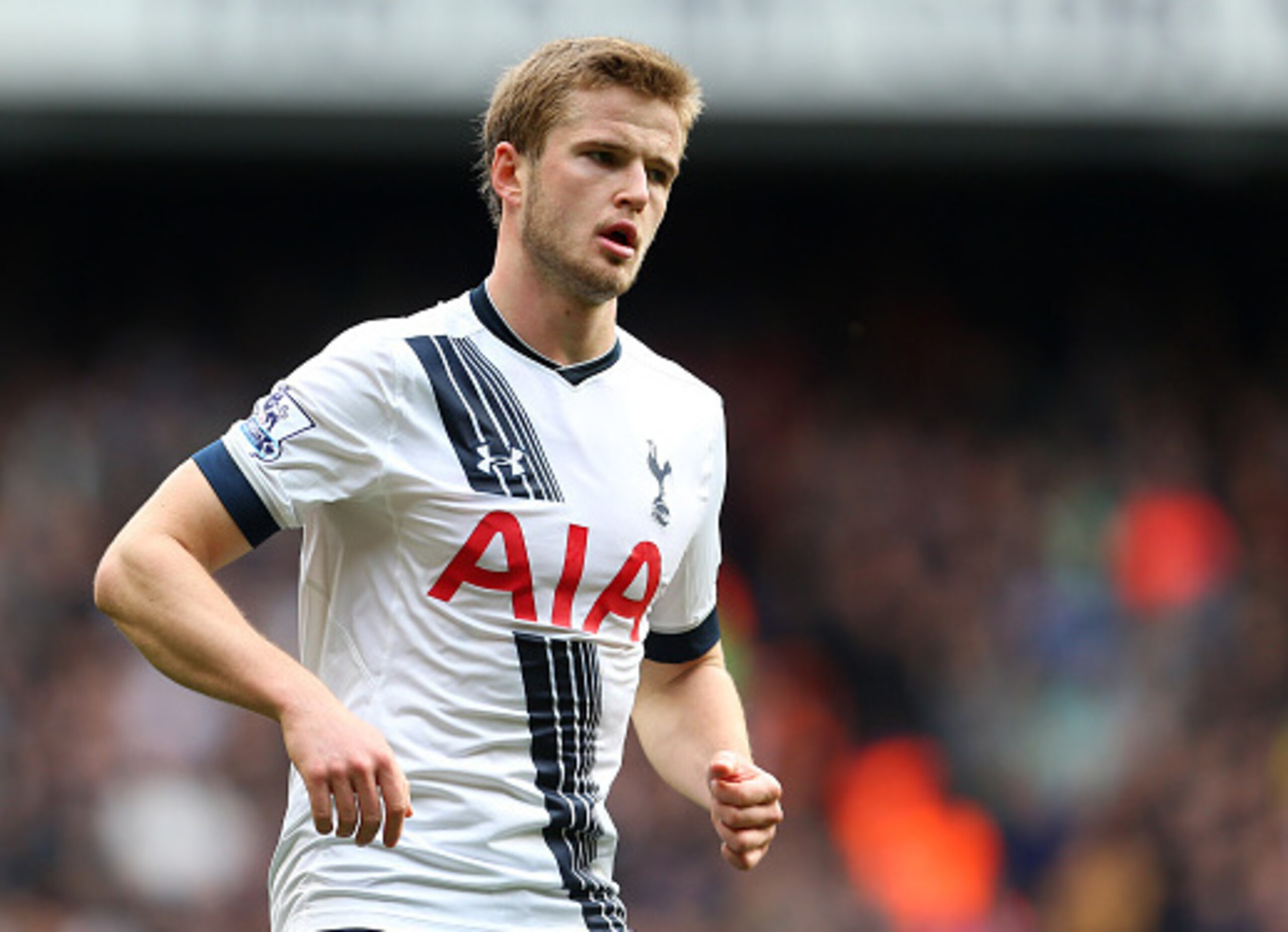
Tottenham have been associated with mental weakness and self-inflicted defeat for decades.
Certainly since the last glory period of the 1980s faded away, the club has seen more false dawns than most.
Their reputation for a soft underbelly and a tendency to swing between glory and catastrophe yet somehow always finish in the middle of the pack has been immortalised.
Roy Keane famously revealed that Manchester United manager Alex Ferguson gave only a three-word team talk at White Hart Lane, simply saying "lads, it's Tottenham."
The club's eponymous reputation for "consistently and inevitably failing to live up to expectations" gave rise to the term "Spursy".
It is too early to say that Mauricio Pochettino has erased that aspect of the club's DNA permanently, but it is a characteristic that his team does not possess.
Of all Tottenham's results this season, only the 1-0 defeat away to West Ham could in any reasonable way be labelled a Spursy result.
A victory against a team they'd hammered 4-1 earlier in the season would have seen them go temporarily top of the table—the one exception in an otherwise remarkably consistent season.
Since the slow start that saw them pick up just three points from their first four games, Tottenham have outperformed every team in the division by a significant margin.
Pochettino has crafted a team of granite by incorporating demanding fitness levels and a rigid but flexible system.
He always deploys his players in the same basic shape but alters the roles to suit the opponent.
His insistence on tactically astute players has been key.
Dier, Alli and Lamela are all capable in multiple roles and allow Pochettino to set his team out to simultaneously avoid defeat and chase victory.
Flair
3 of 3
Nothing upsets Tottenham fans more than a boring team.
Inconsistency and a soft underbelly have been excused for decades, but the slow, uninspired football that defined the end of Andre Villas-Boas' tenure as Spurs manager sparked immediate recrimination.
The Portuguese manager eclipsed Harry Redknapp's club record for points in a Premier League season, but he never seemed to bond with the fans in the way his predecessor had.
Since his arrival at the club, Pochettino has favoured an attacking style, but not at the expense of defensive fragility.
In his second game in charge, his new team eviscerated QPR in a 4-0 rout that could so easily have reached double figures. That game showcased Pochettino's ideas in full flow, but it proved fleeting.
Only in recent months has that insatiable, predatory style become the norm.
It has taken the better part of two years, but Pochettino now has players who fully understand their roles within his system, and the result is the best football of any team in England.
Not only are Spurs winning routinely, they are doing so with a flourish.
Pochettino has managed to erase the seemingly hard-wired profligacy and softness while pushing aggressively toward the club's ideal of attractive football.







.jpg?w=2560 "Latest Peyton-Colts Rumors")