10 Really Important Off-Field Sports Issues That Aren't Going Away
Sports are about more than wins and losses and what happens on playing surfaces around the world. The hope is that sports will promote fair competition, equal opportunities for all who want to be involved within the community and also entertainment for those of us who can only dream of being professional athletes.
It is, therefore, a shame that there is so much wrong with the sports world in 2016.
How is it possible that athletes who are involved in a machine that is worth billions of dollars receive no financial compensation for their work? Why is the most beloved and also the most successful soccer team in the United States so underpaid compared to their male counterparts? What, if anything, can be done to keep those who love playing football safe?
Serious off-field issues affecting the sports world today have no easy answers. We all know there are problems within FIFA. What can be done to change that? When will NFL players stop being punished for using a substance that is legal in portions of the United States? Who will produce the method that prevents NFL and NBA fans from feeling ripped off?
There are, of course, more consequential matters in the world than any of the 10 sports issues mentioned in this piece. Sports are not life and death, after all. For many of us, however, sports offer more than just an escape from real life for a few hours every now and again. Sports can provide opportunities to better one's life and are a key component of society.
It is imperative that we find the proper answers to these issues as quickly as possible.
Promotion and Relegation in US Soccer
1 of 10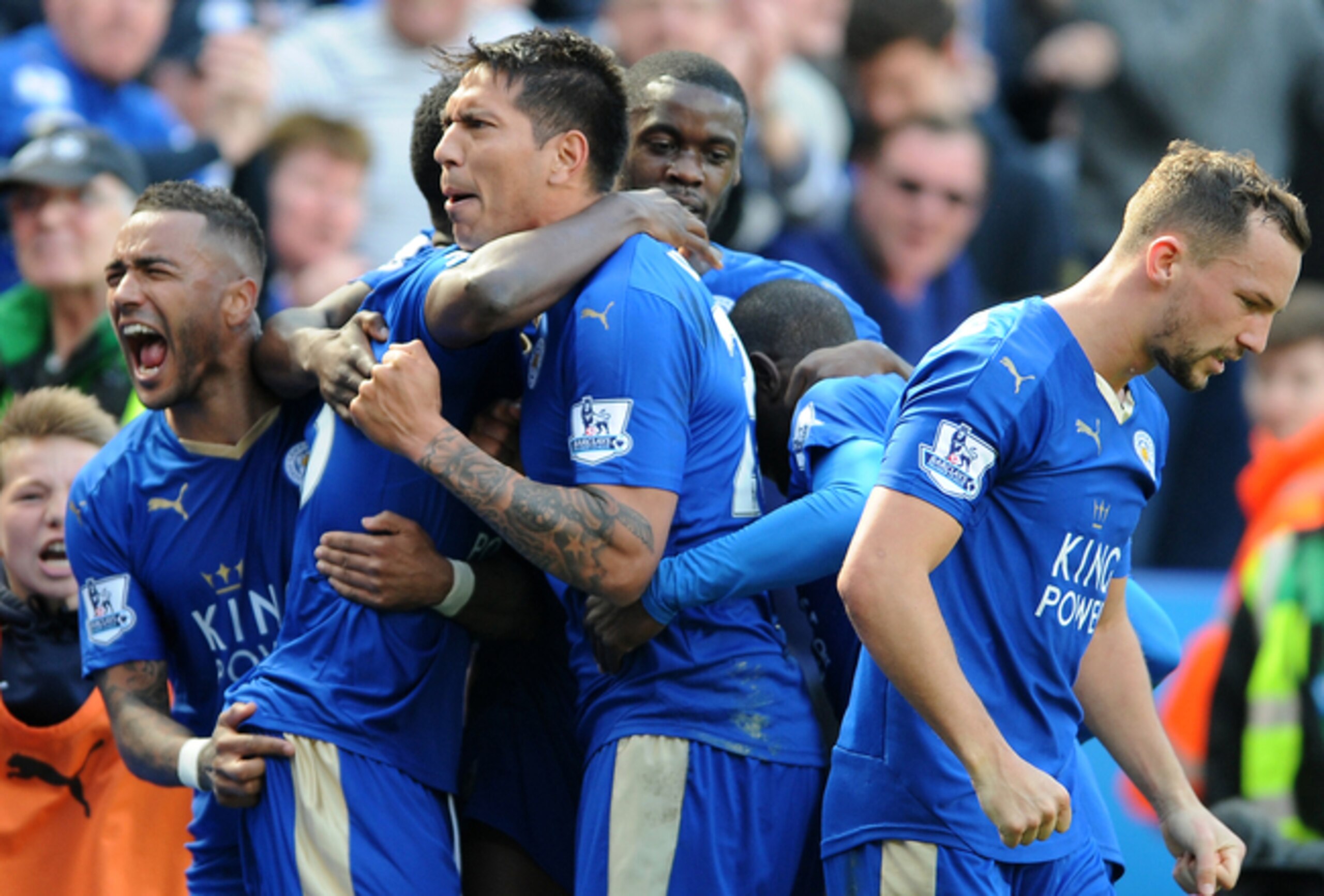
Unlike in European competitions found in England, Spain and other countries, North America does not have a system of promotion and relegation for the top tiers of the soccer pyramid. Rather, a team such as New York City FC can buy a spot in Major League Soccer, the top-flight North American league, for an expansion fee.
Some soccer purists in the U.S. want this system to change.
Leicester City, which played in the Championship (second division in England) back in 2014, is on the verge of winning the Premier League and accomplishing what most would have considered to be impossible only eight months ago. Leicester has, with its success, become the banner team of the "#ProRelforUSA" movement on Twitter.
AFC Cleveland, currently in the fourth tier of the soccer pyramid, is just one example of a team that could never follow in Leicester's footsteps because of a lack of promotion/relegation.
How would soccer implement promotion and relegation on this side of the pond? Ted Westervelt, who is responsible for the polarizing Soccer Reform Twitter page, has suggested a system on his Soccer Reform blog. This idea includes an octahedron (two pyramids), protections for MLS owners for a time and eventual promotion and relegation for clubs that are able to adhere to certain rules.
As Ives Galarcep of Goal.com pointed out in November 2015, though, adding promotion/relegation to a U.S. pyramid is not as simple as flipping a switch:
"If promotion and relegation were to happen in the United States, it would not be MLS' decision to make. U.S. Soccer ultimately has the authority to force the country's professional leagues to establish a system of promotion and relegation, but U.S. Soccer president Sunil Gulati has made it clear the federation isn't about to simply impose that system on the current pro leagues, not least of all because it could lead to a serious legal battle with clubs who would see their considerable investments threatened by a change in league structures.
"It's safe to say that if the federation imposed all the powers that it might have via the Ted Stevens Act, and its membership in FIFA, there would be very long discussions with many people with high LSAT scores," Gulati told reporters prior to the U.S. national team's recent World Cup qualifying win against St. Vincent and the Grenadines.
Gulati stopped short of saying promotion and relegation could never happen, but made it clear it won't happen until the country's established leagues push for it to happen.
"Does that mean that promotion/relegation could never happen? No, I'm not saying that," Gulati clarified. "But to think that we would, from a federation standpoint, say it's happening, 'figure it out or this is what you're doing', I think that's a rather different setup than when it's happened organically and people knew the rules."
"
Will U.S. Soccer inform MLS leaders that promotion/relegation is coming whether they like it or not? Would MLS owners respond by separating from the pyramid and running as a closed institution? Does the MLS media rights deal that runs through 2022, per MLSSoccer.com, in any way affect promotion/relegation discussions?
Supporters of teams such as AFC Cleveland, the New York Cosmos and so many other clubs located in North America hope the answers to those questions lead the U.S. to adopt promotion/relegation in the near future.
NFL Preseason Games
2 of 10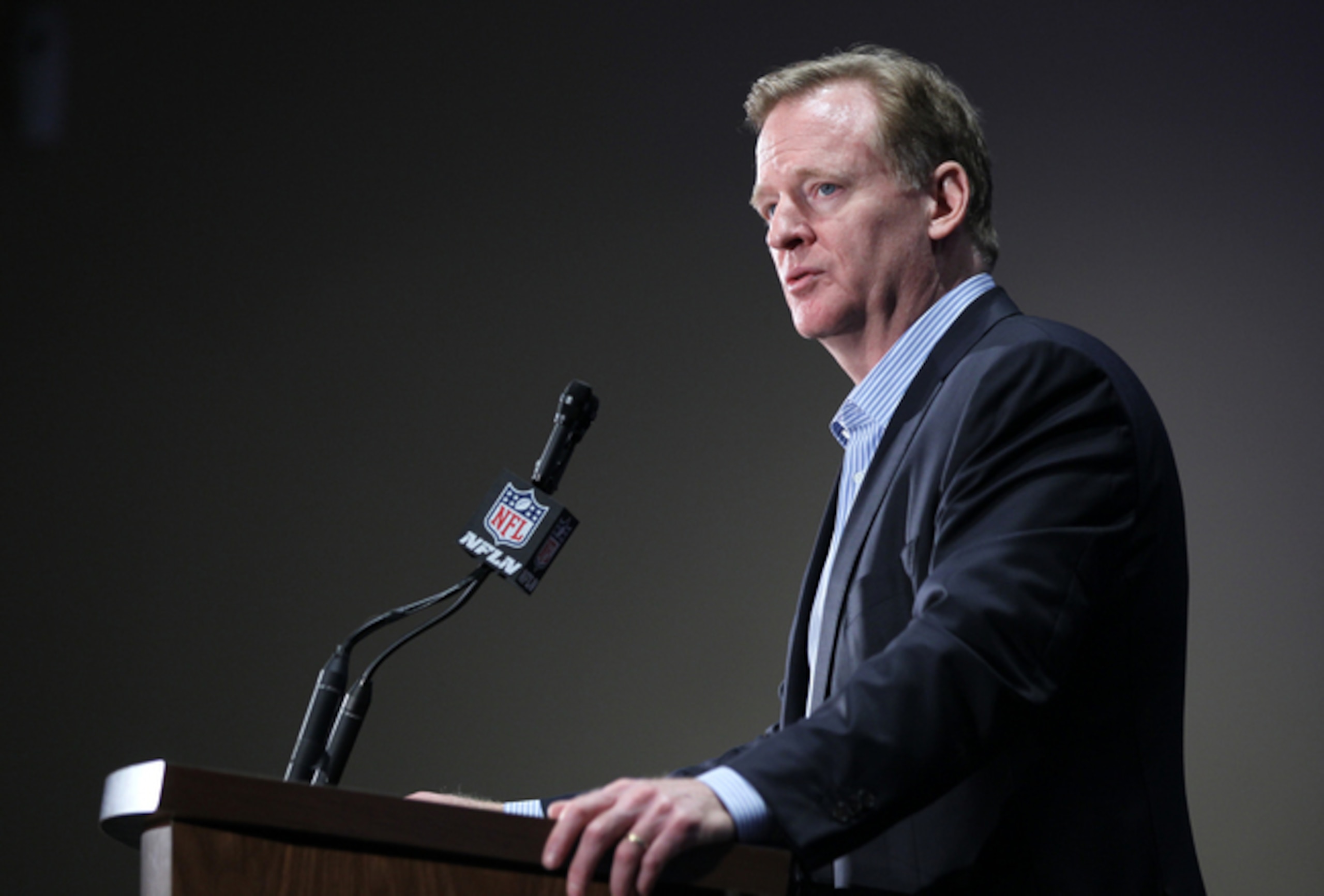
The NFL preseason is a waste of time and money for fans. Of the 16 quarters that make up a franchise's August exhibition games, important assets such as a starting quarterback will play maybe seven to eight of those quarters. The rest of the playing time is taken up by backups and guys whom fans couldn't pick out of a lineup.
This is nothing new. Fans, talk-show hosts, analysts and just about anybody else who loves the NFL mentions this every year. Pete Prisco of CBS Sports referred to the preseason as "a waste of time for players and a ripoff for fans" in a piece that was published in April 2013:
"After the first kickoff of the opening week, it just becomes monotonous. A bunch of nobodies, guys who will be working the door at your local pub shortly, are trying to play football the NFL way -- and we're supposed to believe that it's the same thing?
The only half of the preseason that comes close to looking like real football is the first half of the third game. That's when the starters play and there is some actual action that matters.
Other than that, you fans are getting ripped off.
You are charged full price to watch that crap. The NFL hates when they are called exhibition games. They prefer preseason games.
I can think of 1,000 other words they wouldn't like to describe them.
"
What can be done?
Your immediate thought may be for the NFL to cancel two preseason weeks and extend the regular season to an 18-week format. Problem solved, yes?
Not so fast.
Player safety is already a major concern at every level of football (more on that later). Two additional games would mean eight additional quarters where star players could be injured, maybe seriously, and potentially lose out on millions of dollars.
The NFL Players Association should not accept this idea unless players are financially protected more so than they are right now.
Back in August 2014, Brad Tuttle of Time.com mentioned a different suggestion for what the NFL could do about the league's preseason:
"Stating the obvious, Miro Copic, a San Diego State University College of Business Administration marketing lecturer, said to the Union-Tribune that the shockingly low prices of these games “really does create a question about the value of preseason for fans.”
He then offered an interesting suggestion that could turn the preseason, currently a subject of great frustration among fans, into something that could make them happy, and even build the customer base: “It’s almost like the NFL could offer them for free as a PR activity. One of the things that should be considered is how do you make preseason a way to engage fans who otherwise may not afford a Charger game, or are now willing to get apparel?”
"
MLB Attendance in April
3 of 10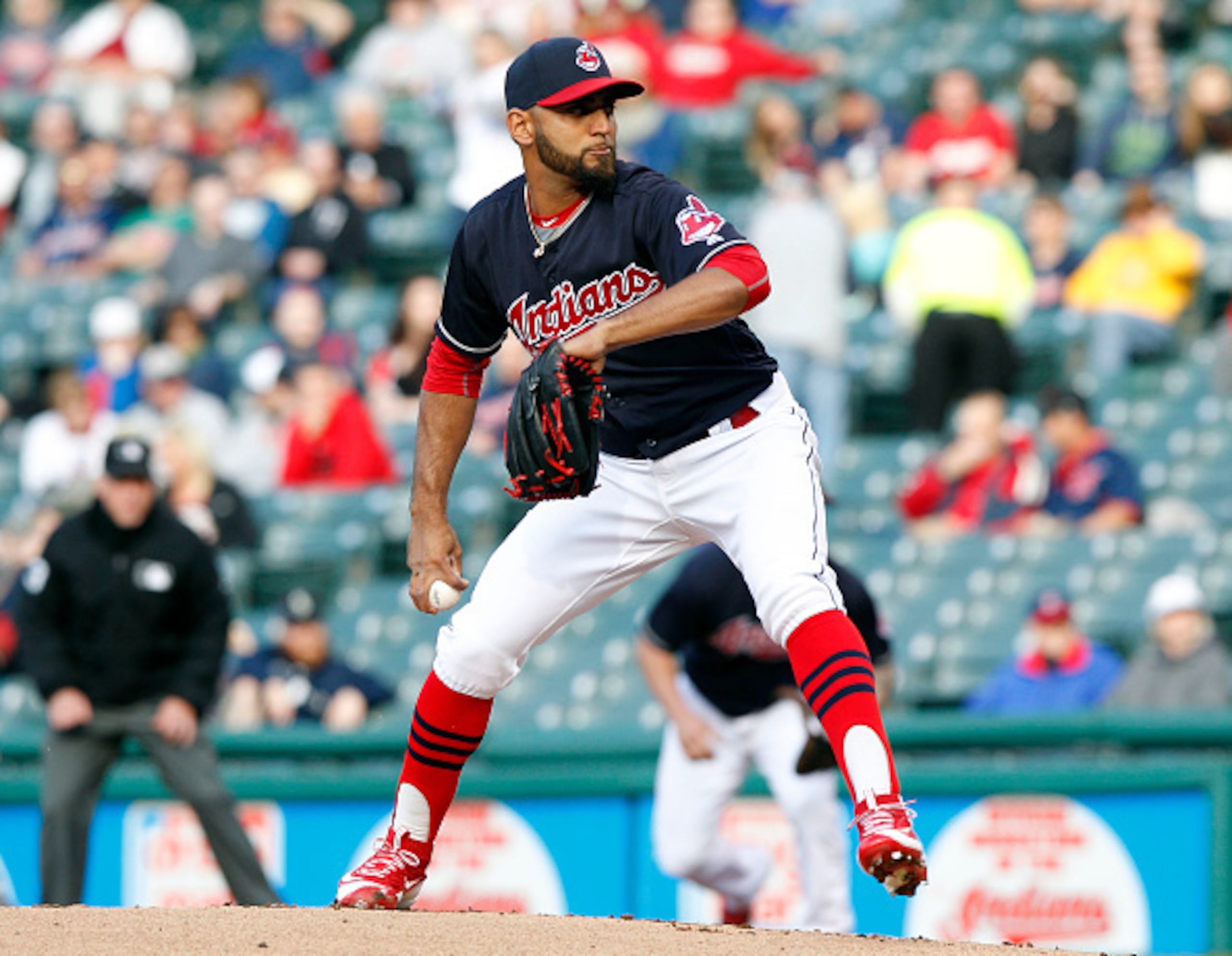
Why aren't more people going to Major League Baseball games in April?
It is a topic that is often mentioned on sports talk radio stations, particularly when the springtime weather in MLB markets is not all that nice, and it is a question that does not have a single answer. For some fans, it is difficult to get a family together on a school night and/or a work night. As Craig Edwards of FanGraphs pointed out in 2015, weather can also play a factor:
"Starting the season one week into April instead of at the very end of March or first few days in April could be a benefit for teams in terms of attendance and fans who wish to attend more games when the weather is better. The unfortunate effect of that form of scheduling is playing World Series games in November with the Fall Classic set to begin on October 27th this year. Increased attention is on MLB during the World Series and it is not clear whether the potential for a public relations issue due to snow or other bad weather in the World Series is worth the possibility of increased attendance and potentially better weather for the games that are played in April.
"
Take the Cleveland Indians as one example. You'd have to be a diehard fan of one of the teams playing to sit through an early April game involving the Indians and Boston Red Sox that occurs on a weeknight and when temperatures at Progressive Field in Cleveland are in the low 40s. Fans are, on the other hand, willing to bundle up and brave the cold for October and November games because those contests matter more.
Maybe the answer is as simple as MLB being open to scheduling doubleheaders during the season. This would allow the league to begin campaigns later in April without having to worry about decreasing the number of games or having to plan for a World Series to take place around Thanksgiving Day.
As ESPN.com's Jim Caple pointed out in May 2015, just adding doubleheaders to the calendar is not a perfect idea:
"Money, of course, is a major factor. Teams would lose an entire gate with a traditional doubleheader, which could cost them at least $1.5 million, and quite a bit more for big-market teams. Additionally, local stations probably would lose viewers as well, costing them advertising revenue.
"At the end of the day, that's the final decision-maker -- money," Angels outfielder Matt Joyce said. "Money makes the decisions."
When MLB is reaping close to $10 billion annually in revenue, couldn't it afford to lose a couple gates of revenue if it might improve conditions for players?
"
The money problem should not cause MLB to trash this idea. MLB could theoretically schedule teams to play day-night doubleheaders during May and June, the nicer portions of the spring but before the so-called "dog days" of summer begin. It is something that MLB will hopefully seriously consider at some point before the end of the decade.
To steal the famous phrase: let's play two!


10-Point Must in MMA
4 of 10
Casual sports fans who know little about mixed martial arts probably recognize the "10-point must" scoring system utilized by competitions from the UFC to boxing. The short explanation for this is that a judge awards the winner of a round 10 points. The loser of the round receives no greater than nine points (not accounting for a draw and/or fouls/deductions that affect scoring).
This system is far from perfect.
A fighter can be thoroughly dominant in two rounds during a five-round fight, only to lose that contest or have to settle for a draw because he did not do enough to "win" the other rounds of the bout in the eyes of the judges.
UFC commentator Joe Rogan voiced his displeasure with the current UFC scoring system via Twitter following the controversial finish of the fight involving Robbie Lawler and Carlos Condit at UFC 195, per USAToday.com:
"MMA's scoring badly needs an upgrade. There's no way the 5th and 3rd rounds should generate the same score last night.
The idea that we continue to use boxing's 10 point must system for a completely different sport is inexcusable at this stage.
Imagine how goofy football would be if quarters were scored as equal 10-9 rounds regardless of how much more scoring was done in each.
Submissions and KO's will always be the most definitive ways to win fights but we should know exactly what points are based on at this stage.
"
Perhaps the biggest flaw in the way that bouts are scored is that scores aren't posted until after matches conclude. The athletes, therefore, have to "guess" what may or may not be in the minds of the judges watching the action.
A NFL team knows if it needs a field goal or touchdown to tie a game in the fourth quarter. A golfer knows how aggressive he needs to be on hole No. 18 of the final round of a competition.
UFC fighters deserve the same courtesy.
Equal Pay for U.S. Women's National Soccer Team
5 of 10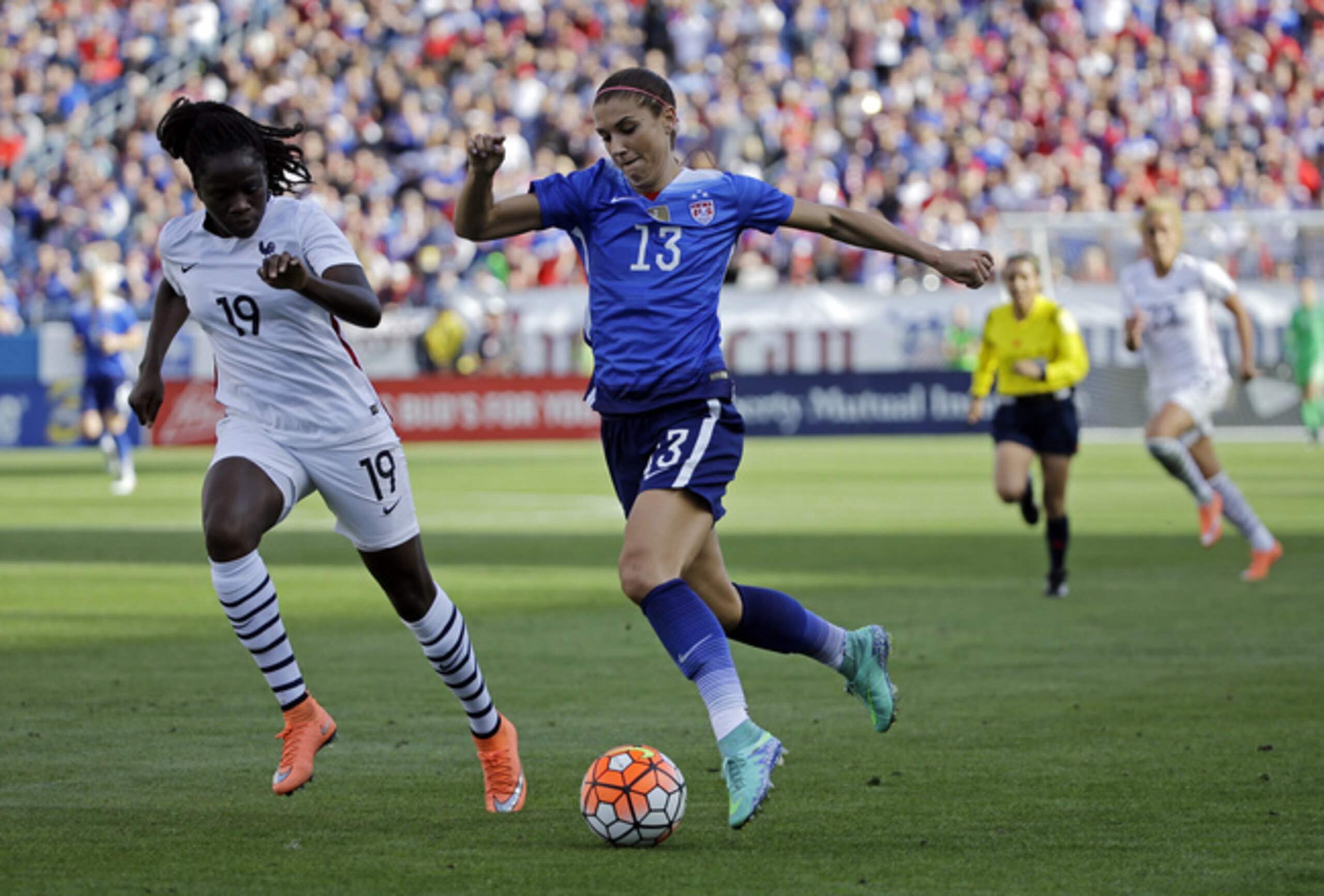
The United States women's national soccer team has been making headlines for the past 12 months. It was in the summer of 2015 when the Americans steamrolled the competition during the FIFA Women's World Cup en route to winning that competition.
Just as important, if not more so, than that victory was the wage-discrimination action filed by five different members of the U.S. team earlier this spring.
"The filing, citing figures from the USSF's 2015 financial report, says that despite the women's team generating nearly $20 million more revenue last year than the U.S. men's team, the women are paid about a quarter of what the men earn.
[...]
Among the numbers cited in the EEOC filing: The women would earn $99,000 each if they won 20 friendlies, the minimum number they are required to play in a year. But the men would likely earn $263,320 each for the same feat, and would get $100,000 even if they lost all 20 games. Additionally, the women get paid nothing for playing more than 20 games, while the men get between $5,000 and $17,625 for each game played beyond 20.
"
Tim Hall of FirstTouchOnline.com made a great point when writing about this matter. This isn't about equal pay, as Hall pointed out. The U.S. women probably deserve more money than the men and not just because they win more.
The U.S. women are legitimate stars. Carli Lloyd became a household name last summer because of her performances during the World Cup. Hope Solo and Alex Morgan are arguably the two most recognized American footballers on the planet.
Meanwhile, the American men can't qualify for the Olympics and can't do much of note during World Cup competitions.
You tell me who deserves to be paid more.
NFL Marijuana Rules
6 of 10
Why would anybody have a problem with a NFL player using marijuana on his off-time?
It is 2016. Marijuana will, in some fashion, eventually be legal everywhere in the United States. A player who smokes marijuana on a Friday receives no "enhancement" for how he will perform on Sunday afternoon or Monday evening. Even still, players such as Cleveland Browns wide receiver Josh Gordon continue to be banned from playing in the NFL (in part) because of alleged marijuana use.
Bart Hubbuch of the New York Post took to Twitter to discuss this matter after he learned that Gordon would not be reinstated by the NFL this month. "NFL's needlessly draconian pot rules are ruining more than just Gordon's career, though," he tweeted. "An NFL player's life is dealing with constant pain. Yet the league would rather them use highly addictive painkillers than pot. Go figure."
Hubbuch is not alone. Nadia Kounang of CNN.com wrote about the issue this past March. Mike Florio of Pro Football Talk wrote the following after Pittsburgh Steelers wide receiver Martavis Bryant was facing a one-year suspension a month ago:
"If Bryant, one of the best receivers in the NFL, misses the season because of marijuana, it will be even more reason for the NFL to take a serious look at the sensibility of telling players that they can’t consume on their own time a substance that is legal to use for all purposes in two of the 22 states in which the NFL does business.
"
Should NFL players be allowed to spark up while on the sidelines during games? Of course not, just as coaches would probably frown upon players doing keg stands at halftime. Of all the real issues that threaten football, marijuana shouldn't be on the list.
Common sense should win the day here.
College Athletes Getting Paid
7 of 10
We all understand that gifted athletes receive college scholarships. Those who are elite are even given free rides to major universities. Such opportunities do not account for alleged "perks" that famous college basketball and college football athletes have supposedly received in the past.
Go watch Blue Chips if you somehow don't know what is being referenced.
It's great that so many young men and young women are able to receive educations without having to worry about debt. They nevertheless deserve better.
They deserve to be paid for their troubles and efforts.
Back in January, Andrew Beaton of the Wall Street Journal cited valuations of the biggest college football programs in the United States. Ohio State topped that list with a value of over $946 million. At 10th was Penn State University, which checked in with a value of over $481 million.
Those numbers merely scratch the surface as it pertains to this issue.
College athletes being paid is not as simple as opening up wallets. How much should they get? Does a quarterback deserve more than a cornerback? What caps will be placed on schools and for different sports?
These are only a handful of the many things that will have to be ironed out.
NBA Tanking
8 of 10
It is hardly a secret that NBA teams have engaged in tanking—losing in order to gain better positioning in the NBA draft. Not only is this not a secret, it is openly talked about on sports talk radio and on sports websites.
Look up "Tankadelphia" as an example.
And all anti-tanking takes are about more than "you play to win the game" jokes that may be in your head. Fans pay a lot of money to watch their favorite teams play, and these fees go beyond the amount of money spent to get inside of an arena. It is often not cheap to park near a NBA arena. Food and drinks can be pricey too.
Worst of all is that tanking doesn't guarantee future success. The Philadelphia 76ers have been rebuilding for at least three years. Meanwhile, the Boston Celtics have proved that a team can right the ship without phoning in multiple seasons.
Andrew Sharp of SI.com recently explained how the Celtics improved without selling their soul.
There have, over the years, been many ideas presented for how the NBA can eliminate tanking once and for all. One example on FiveThirtyEight.com involves teams eliminated from the playoffs competing in a postseason tournament for draft picks. Brian Tuohy of Sports on Earth suggested eliminating the NBA draft entirely.
Whatever is decided, the NBA needs to step in and give the boot to tanking practices. Fans deserve better.
FIFA Corruption
9 of 10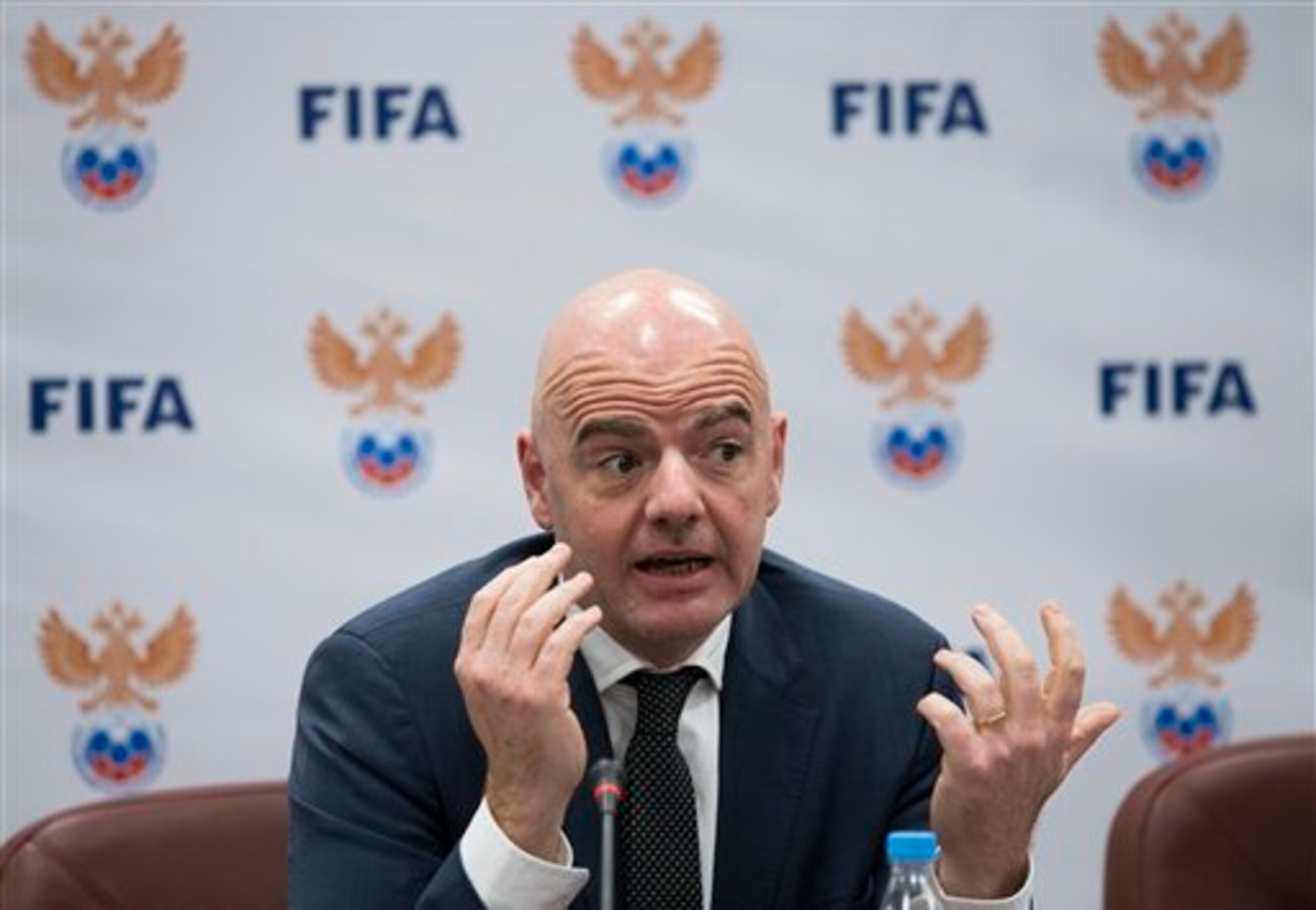
Passionate soccer fans all around the world accept that FIFA is filled with corruption. We have no real alternative other than to ignore major competitions and instead focus on youth and local tournaments that mean little other than to those playing. As FIFA goes, so go competitions such as every World Cup.
The game and its governing body need significant changes.
A 2015 corruption case that involved the FBI bringing the hammer on down on multiple FIFA officials continues to make headlines in the spring of 2016. Agence France-Presse (via The Guardian) provided the following update on the matter on April 18:
"A US judge released transcripts on Monday of guilty pleas from three prominent defendants in the sweeping FIFA corruption investigation in which they expressed regret and suggested that bribery in the organization was widespread.
Former Fifa vice-president Jeffrey Webb, Argentinian-Italian marketing executive Alejandro Burzaco and Brazilian intermediary José Margulies pleaded guilty last year to racketeering, wire fraud and money laundering conspiracies.
US prosecutors have in total accused 40 officials and marketing executives of soliciting and receiving tens of millions of dollars in bribes and kickbacks in a case that has sparked an unprecedented crisis at Fifa.
"
We already know that the very top of FIFA was toppled because of this case. Former FIFA president Sepp Blatter is banned from "all football-related activities" for six years, per BBC.com. Gianni Infantino now holds the seat as the top person of FIFA.
Does any of that even matter?
Before we can begin to discuss fixing FIFA, we must first allow investigations to finish and learn just how bad things are in the organization. Has every World Cup of the past several years been determined by bribes and illegal activities? Were threats made during negotiations?
Just how bad is all of this going to get before things begin to improve?
Player Safety in Football
10 of 10
There is no reason to believe we are going to stop learning about more and more former NFL players suffering from chronic traumatic encephalopathy (CTE) and other brain injuries.
The nightmare scenario for those running the NFL has little to do with a settlement that will give former NFL players suffering from neurological diseases millions of dollars. The nightmare involves the unthinkable occurring to a young NFL player who couldn't remain in the league and for us to learn after the fact that he suffered from CTE.
"Should kids play football?" Take that question to your favorite Internet search engine, and you'll probably locate more articles and blog posts than you will be able to handle at any given time. A recent search of that question pulled up a Time.com article from Sean Gregory that went public on April 19.
Gregory explained how the Centers for Disease Control and Prevention was going to evaluate youth football, in part to try to determine when children can begin playing tackle versions of the sport:
"Some concussion experts, most notably Dr. Robert Cantu from the Boston University School of Medicine, have proposed that kids not play tackle football before the age of 14 because the youth brain is less developed than the adult brain. Studies are suggesting that an accumulation of lower-impact “subconcussive” hits can do just as much, if not more, damage than violent hits that lead directly to a diagnosed concussion, so eliminating head-contact until a certain age could have a positive impact.
Other doctors argue that if kids don’t learn to tackle at a young age, they put themselves at greater injury risk once they start playing down the road. “Some of the worst cases I see in my clinic are from high school kids who’ve never played football before,” says Micky Collins, director of the Sports Medicine Concussion Program at the University of Pittsburgh Medical Center. “They haven’t developed the right skills. They’re not prepared.”
"
Nobody can put a child in a protective bubble. Kids climb trees even though they are a slip away from potentially breaking a bone. Teenagers operate automobiles when they may not be fully ready to do so. Life can be dangerous.
None of this means that steps can't be taken to make football safer at all levels.
Football is a contact sport. It will never be completely safe. We now know too much to go back to the way things were, though, and that is why fans should not overreact if the NFL is taking steps to eliminate dangerous plays such as kickoffs if that is the case.
Rules changes are hardly the worst thing that could happen to the game of football.



.jpg?w=2560 "Latest Peyton-Colts Rumors")