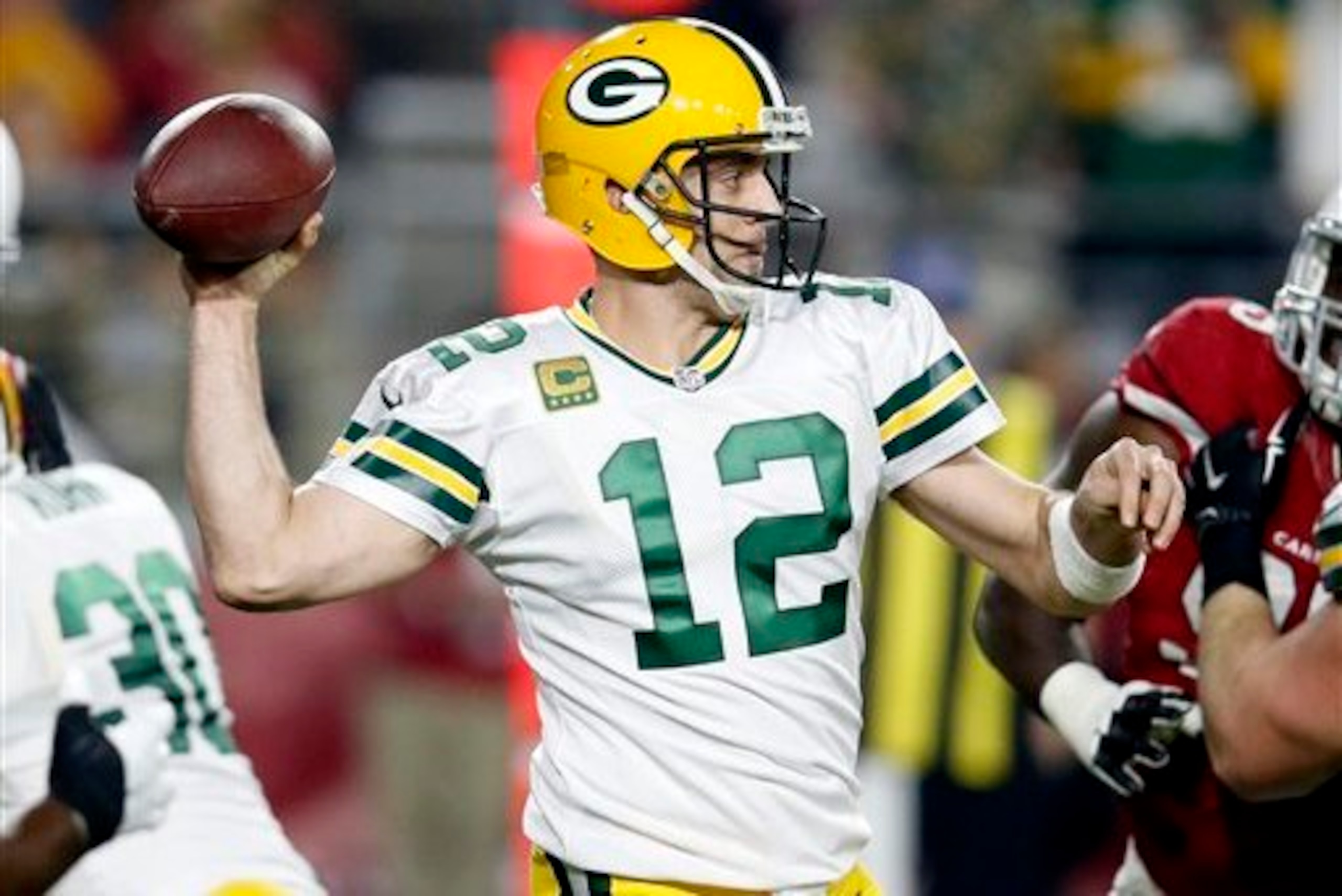

A Closer Look at Every Team's QB Situation Heading into 2016 NFL Draft
It’s never a bad time to talk about quarterbacks.
Here we will address every NFL team’s situation behind center as it stands at the moment. We will also mention every quarterback on each team’s roster, regardless of his playing time to date.
While most teams are set on their starter for 2016, there are the usual exceptions. We will take a look at the competitions around the league and set the table in each instance.
The NFL draft is just over one month away, which means more changes could be ahead for some of these franchises.
Arizona Cardinals
1 of 32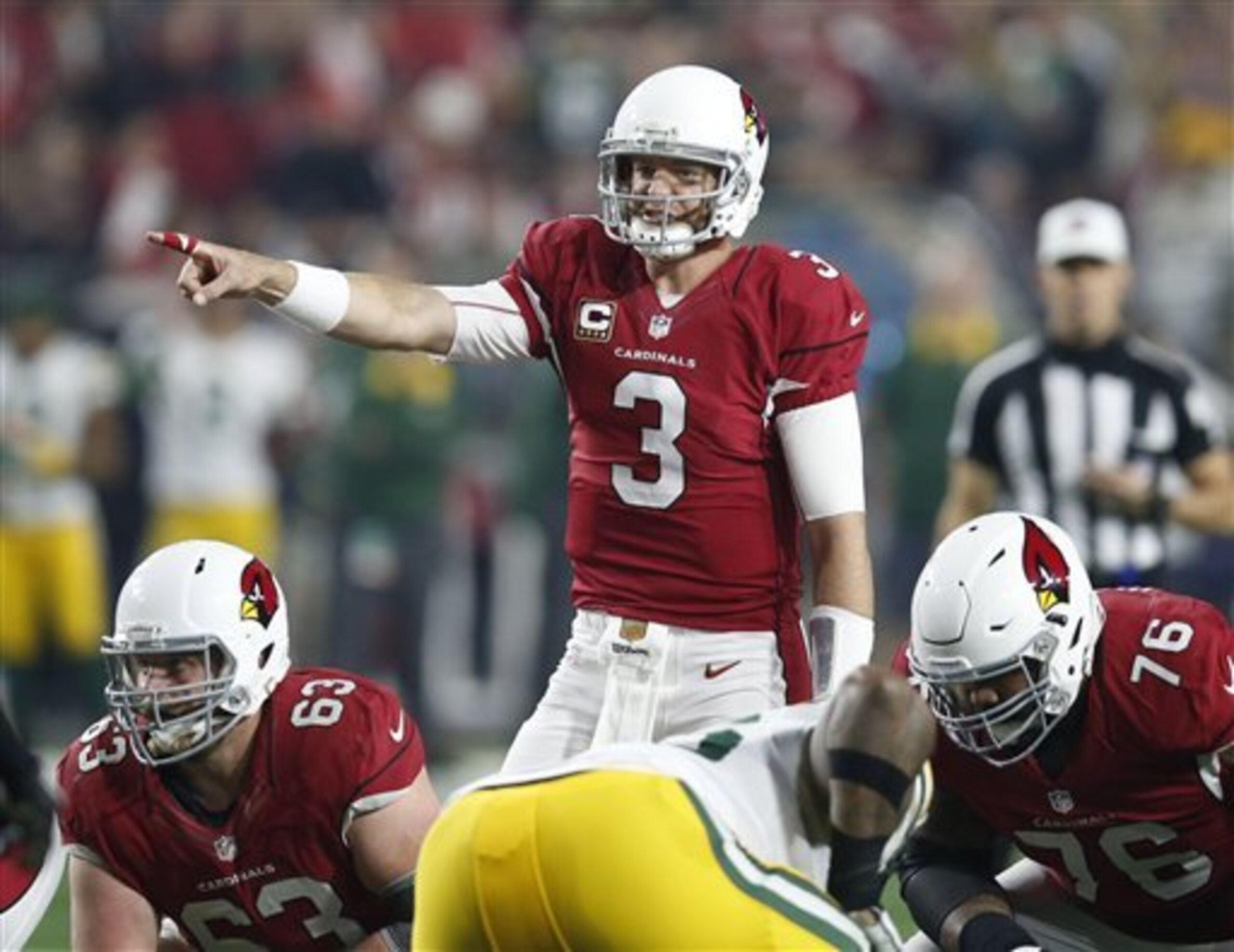
Depth Chart: Carson Palmer, Drew Stanton, Matt Barkley
Cap Allocation: $21.08 million (15th in NFL)
They say success is not defined by the start but rather the end of the journey.
For the Arizona Cardinals and quarterback Carson Palmer, the end of the 2015 season stripped all positive momentum created during a terrific regular season. Palmer was an MVP candidate throughout the year as he led the NFL’s most prolific offense. He finished with 4,671 yards, 35 touchdowns and just 11 interceptions.
The 36-year-old Palmer is in the last few years of his career, and his ability to produce at a Super Bowl level for an entire season is questionable. While he’s still a premier quarterback for 2016, the Cardinals need to start planning for the future. Their next long-term starter is not currently on the roster.
Backups Drew Stanton and Matt Barkley are limited players who offer little upside as starters. Barkley’s roster spot could be on the bubble if the Cardinals choose to invest in a developmental quarterback in the 2016 NFL draft.
Atlanta Falcons
2 of 32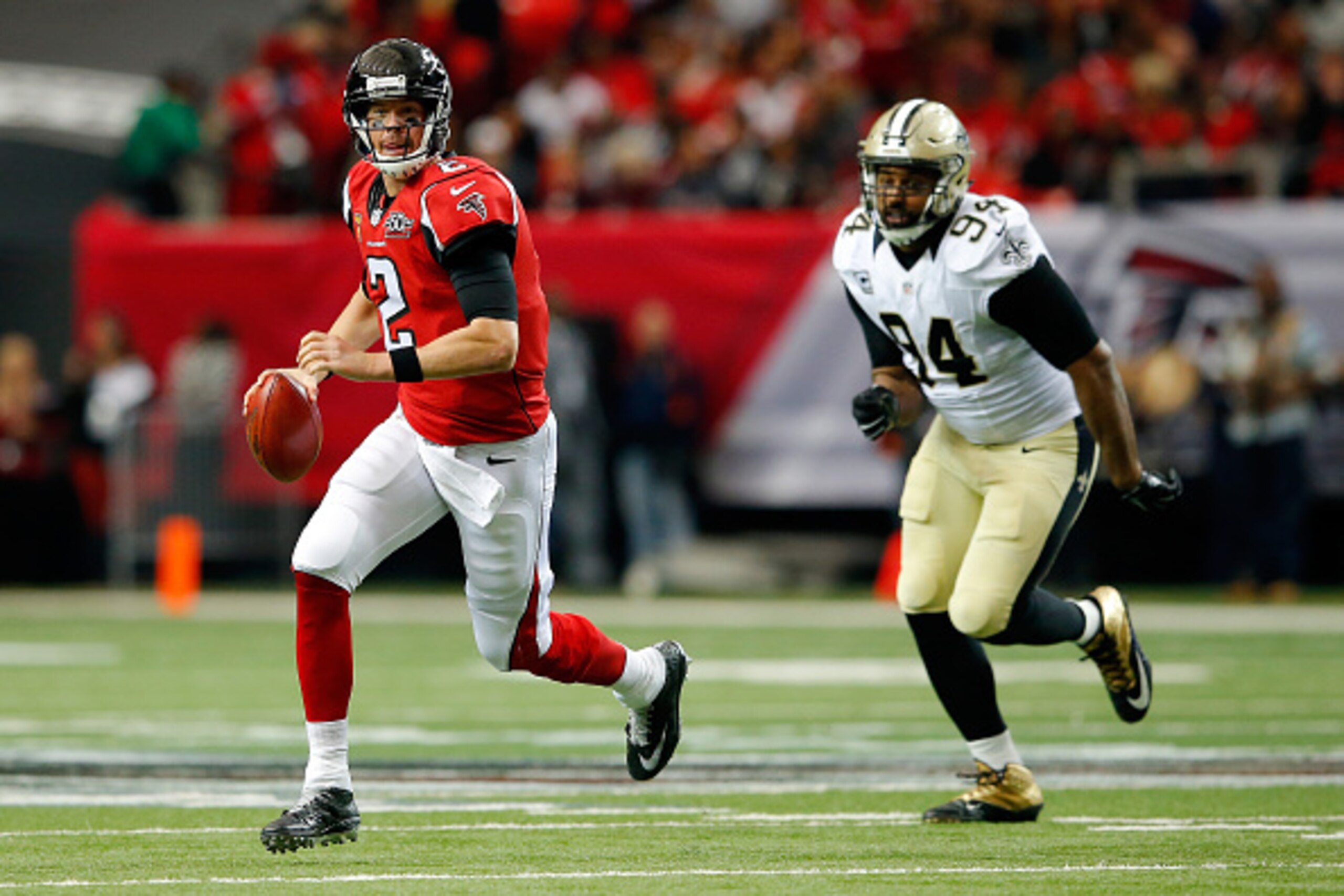
Depth Chart: Matt Ryan, Matt Schaub, Sean Renfree, Matt Simms
Cap Allocation: $27 million (2nd in NFL)
The Atlanta Falcons offense showed major progress as a unit in 2015 under offensive coordinator Kyle Shanahan. Their passing offense finished sixth in yards per game, and running back Devonta Freeman posted his first 1,000-yard season. But the unit stumbled after a hot start as quarterback Matt Ryan struggled to take on a bigger load when the running game slowed.
The Falcons invested at wide receiver and offensive line this offseason to help Ryan shoulder a lesser load. Center Alex Mack and receiver Mohamed Sanu cost the Falcons $80 million combined to upgrade two positions. Each is a quality player and immediately provides Ryan with better protection and a reliable pass-catcher.
At some point Ryan must show the ability to elevate his team. He’ll be 31 years old before the season kicks off, and his career stagnated in 2012. The Falcons don’t need to add a quarterback this year since Ryan is average, but the long-term outlook for the position is questionable.
Baltimore Ravens
3 of 32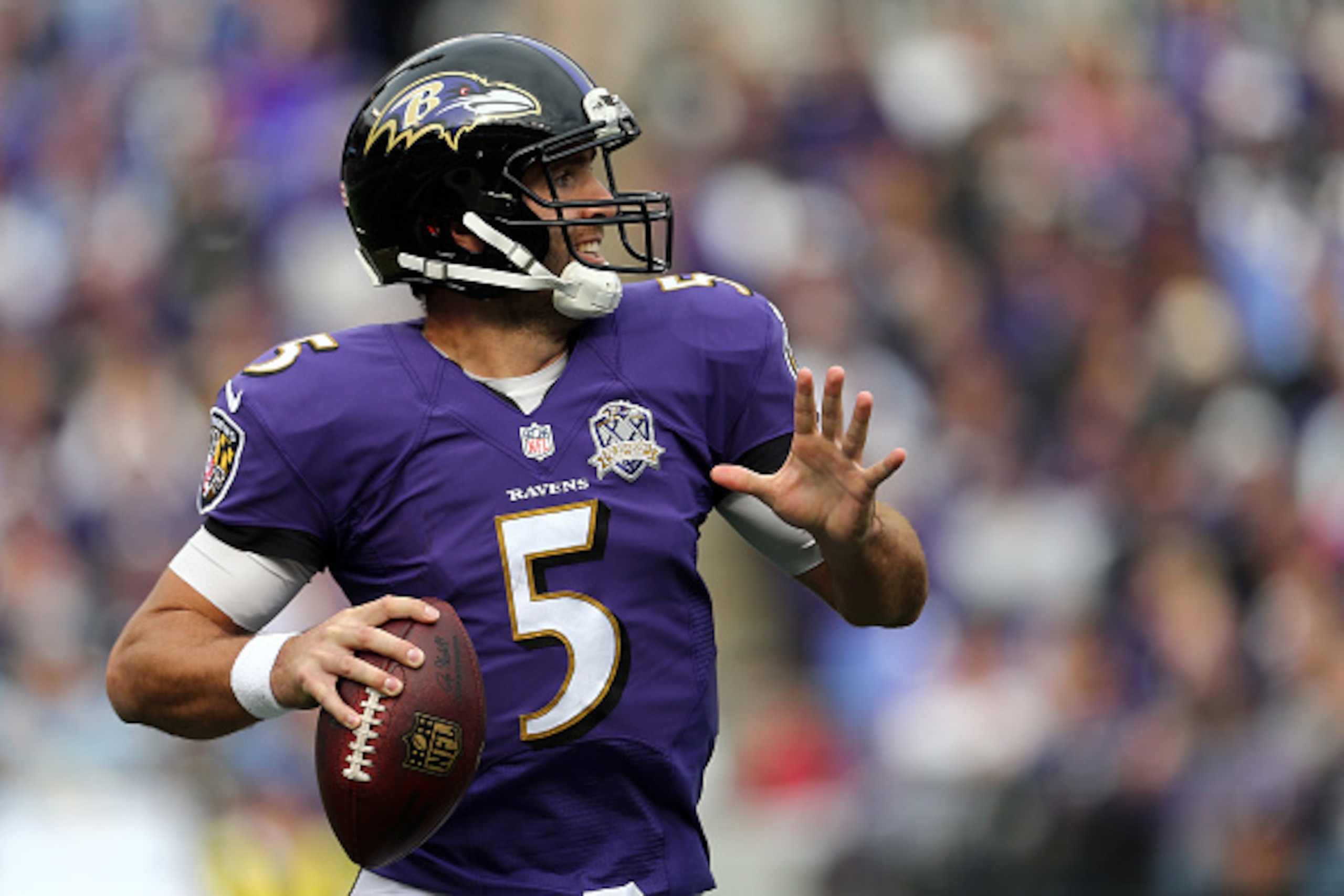
Depth Chart: Joe Flacco, Ryan Mallett, Jerrod Johnson
Cap Allocation: $24.05 million (5th in NFL)
Baltimore Ravens quarterback Joe Flacco didn’t miss a start in his career until 2015, when he missed six games with a torn ACL. The 31-year-old quarterback hasn’t been able to maintain the level of play that led to a Super Bowl XLVII victory, but the Ravens needed to adjust his contract to lower his cap hit. His new three-year, $66.4 million deal likely ensures he’ll be with the team for the rest of his career.
It’s questionable whether the Ravens should have committed to Flacco so early, but there’s no looking back now. This franchise wants to return to the playoffs as soon as possible, and easing in a young, new quarterback won’t help. If healthy, Flacco is easily the best option for the Ravens in 2016.
Signing Ryan Mallett late in 2015 was a nice addition. He hasn’t delivered on the promise of his arm strength, but he has game experience and can provide a spark if he must play in a pinch. Baltimore doesn’t need to look for another quarterback in this draft class.

.jpg?w=2560 "Cowboys Texans Football")
Buffalo Bills
4 of 32
Depth Chart: Tyrod Taylor, EJ Manuel
Cap Allocation: $5.96 million (28th in NFL)
Of course, as soon as the Buffalo Bills find a potential franchise quarterback, the organization is waffling on what to do. Quarterback Tyrod Taylor had a solid first-year as a starter, posting 3,035 yards, 20 touchdowns and six interceptions. The 26-year-old is entering a contract year, but the Bills have made little progress on an extension, according to Vic Carucci of Buffalo News.
General manager Doug Whaley has also said he’ll consider drafting a quarterback early if the right one falls to them, per Cameron DaSilva of Fox Sports. Maybe it’s just a negotiation tactic to keep Taylor’s cost reasonable after his Pro Bowl season. But the Bills won’t find an upgrade for 2016 in this draft.
Adding a first-round quarterback would signify the team has major questions about Taylor’s long-term viability. It simply doesn’t make sense to make that decision now, though, as the Bills can franchise Taylor at the end of the season if he can continue improving. Expect to see Taylor under center this year at the least for the Bills.
Carolina Panthers
5 of 32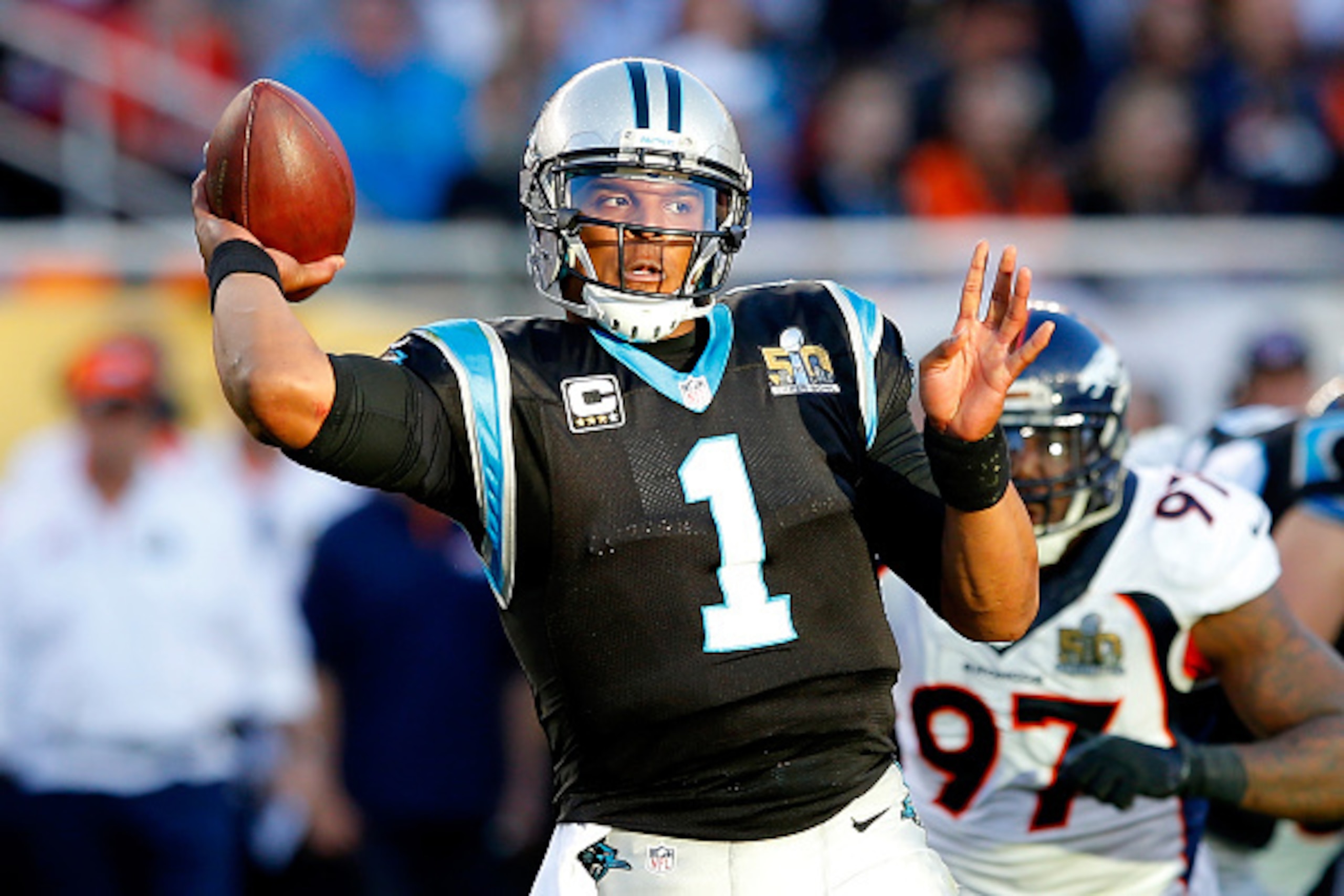
Depth Chart: Cam Newton, Derek Anderson, Joe Webb
Cap Allocation: $22.3 million (6th in NFL)
The most surprising team success story in 2015 was easily the Carolina Panthers. Just one year removed from a 7-8-1 season and a playoff victory, the Panthers raced to a 15-1 regular-season mark. While they had an excellent defense, it was quarterback Cam Newton who jumped into superstardom.
Newton established himself as an elite quarterback and playmaker in his fifth NFL season. His 3,837 yards, career-high 35 touchdowns and career-low 10 interceptions spurred an unlikely Super Bowl run. The production is even more impressive when factoring in the limited supporting cast Newton worked with.
The Panthers have nothing to worry about for the foreseeable future. Newton is one of the top quarterbacks and will only be 27 years old this year. Backup Derek Anderson is a solid option in case Newton misses any time.
Chicago Bears
6 of 32
Depth Chart: Jay Cutler, David Fales, Matt Blanchard
Cap Allocation: $17.6 million (12th in NFL)
It seemed unlikely that a quarterback over the age of 30 could put together the most efficient season in his career, but Chicago Bears quarterback Jay Cutler did just that in 2015. He’ll turn 33 in April, but the Bears aren’t sitting with an unmovable, massive contract on their cap sheet anymore. Cutler’s 21 touchdowns, 11 interceptions and career-best passer-rating of 92.3 last year helped ease the panic to find a replacement.
Losing offensive coordinator Adam Gase could bring the return of the more volatile version of Cutler. In Cutler’s three seasons before 2015, 3.3 percent of his passes resulted in interceptions. That number was cut to just 2.3 percent with Gase designing an offense suited for him.
With David Fales as an unproven backup with little long-term upside, the Bears should consider investing in a quarterback early in the draft. Cutler can be released any season after 2016 with minimal cap penalties. If he can repeat his 2015 season, that won’t be in the discussion. Any sort of regression at his age should raise questions about his status with the team.
Cincinnati Bengals
7 of 32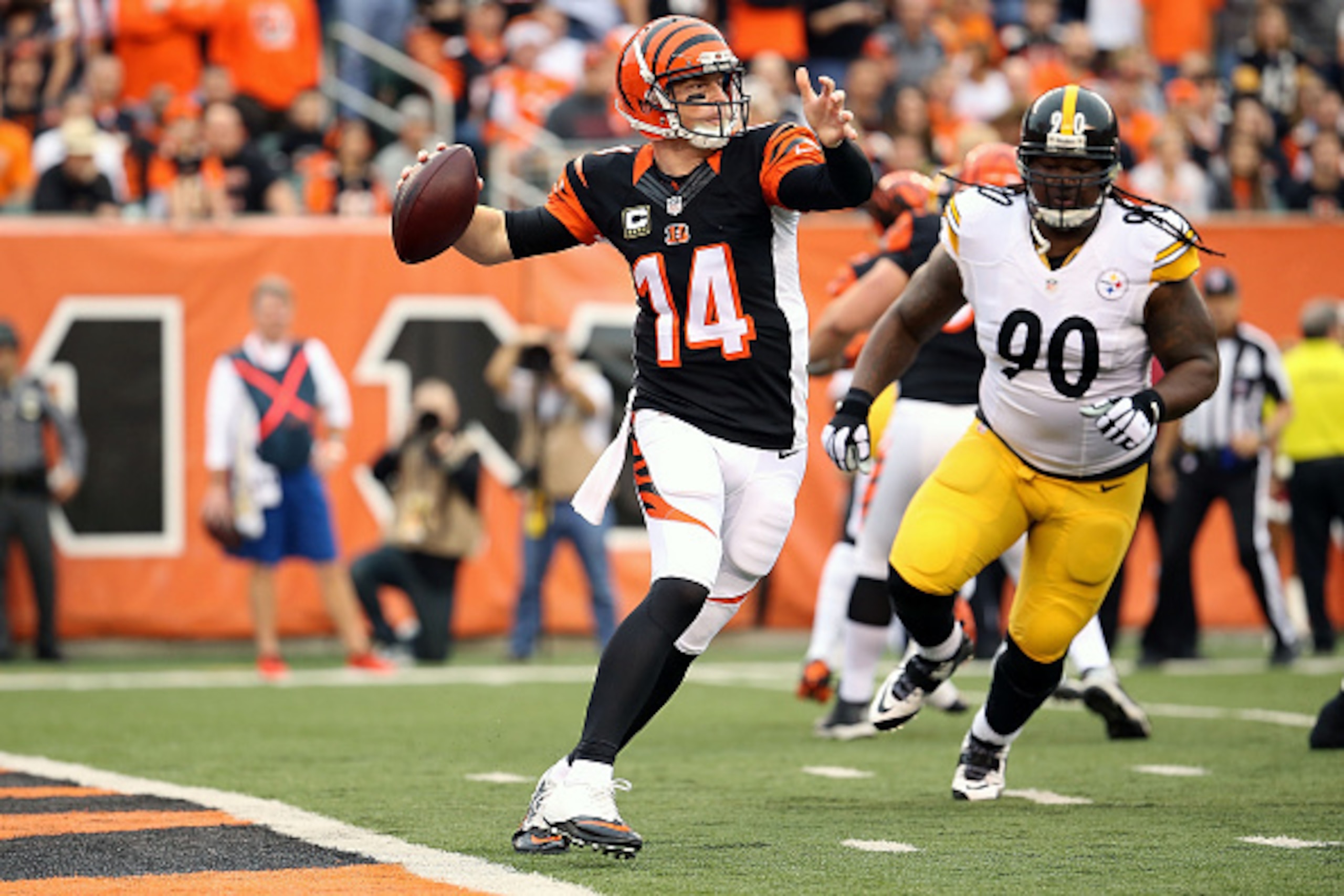
Depth Chart: Andy Dalton, A.J. McCarron, Keith Wenning
Cap Allocation: $14.27 million (21st in NFL)
The Cincinnati Bengals waited as long as they could for quarterback Andy Dalton to show some sign of progress entering his fifth season. Their patience and level-headedness paid off as Dalton flourished in 2015. He was on pace to establish a career high in touchdowns and did set his best passer rating and average yards per attempt.
While Dalton still has to answer questions about his ability to perform in the playoffs, the Bengals have no reason to look elsewhere right now. He is entrenched at the position barring a major regression. The Bengals are also set with their backup situation.
A.J. McCarron filled in for Dalton after his hand injury, but the Bengals should look to capitalize on a trade market if one exists. McCarron couldn’t execute even basic offensive tasks in four games played. According to Bengals owner Mike Brown, via Jim Owczarski of the Cincinnati Enquirer, the team will consider trading him if a good deal materializes.
Cleveland Browns
8 of 32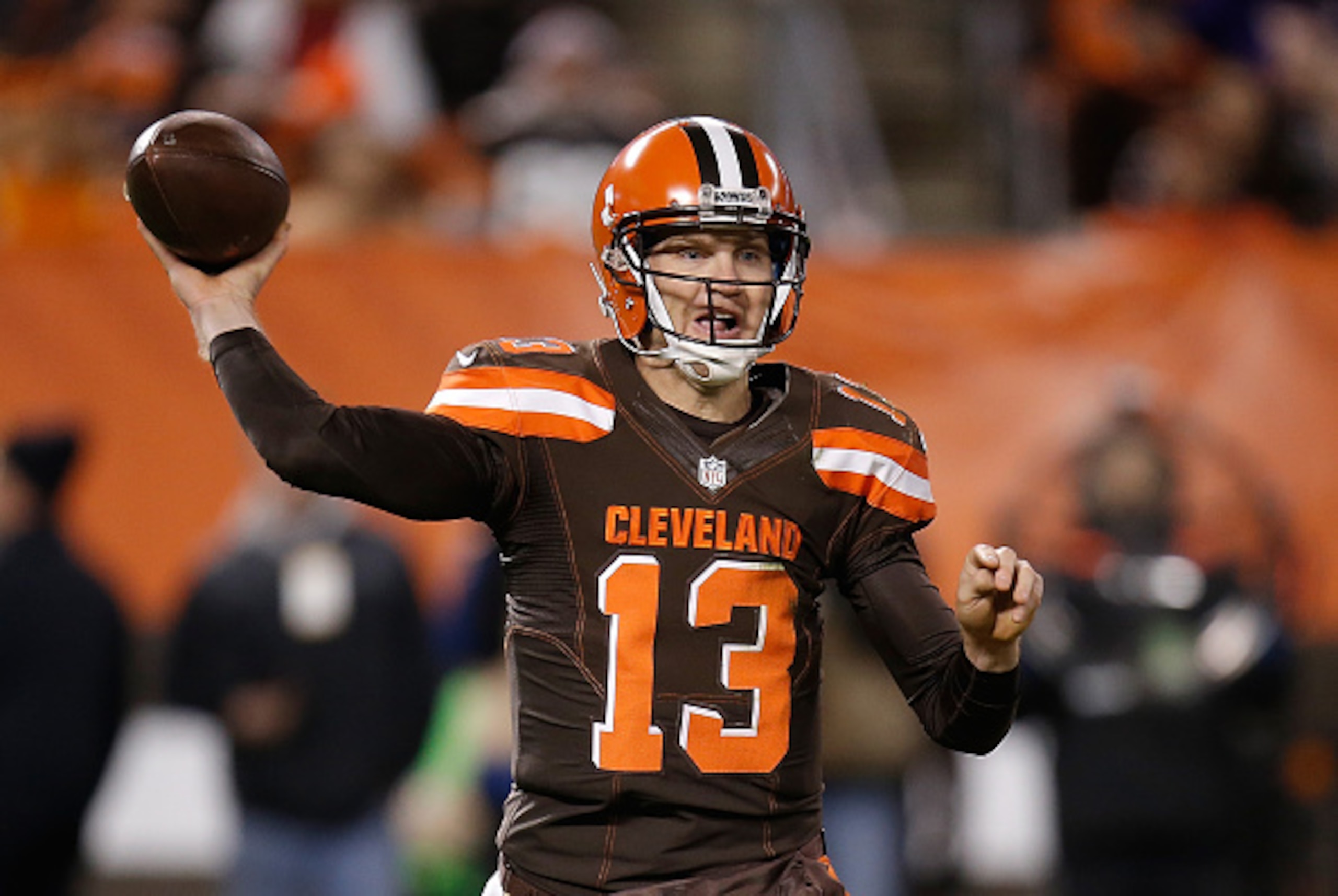
Depth Chart: Josh McCown, Austin Davis, Connor Shaw, Pat Devlin
Cap Allocation: $6.81 million (27th in NFL)
Few teams are sitting with a worse quarterback situation than the Cleveland Browns. Right now their depth chart includes soon-to-be 37-year-old Josh McCown and three limited backup types. According to Jay Glazer of Fox Sports, that could change as the Browns could sign Robert Griffin III in the near future.
Adding Griffin would be a great low-risk move that could pay off with major dividends. Griffin is only 26, and pairing him with a quarterback guru in head coach Hue Jackson could squeeze out solid production. The signing also wouldn’t stop the Browns from drafting a quarterback.
Armed with the second overall pick and a high selection in every round, the Browns will have their chances to add a rookie to the mix. Slow cooking a rookie while holding a quarterback battle between McCown and Griffin for 2016 is more attractive than anything the Browns have trotted out in several seasons.
Dallas Cowboys
9 of 32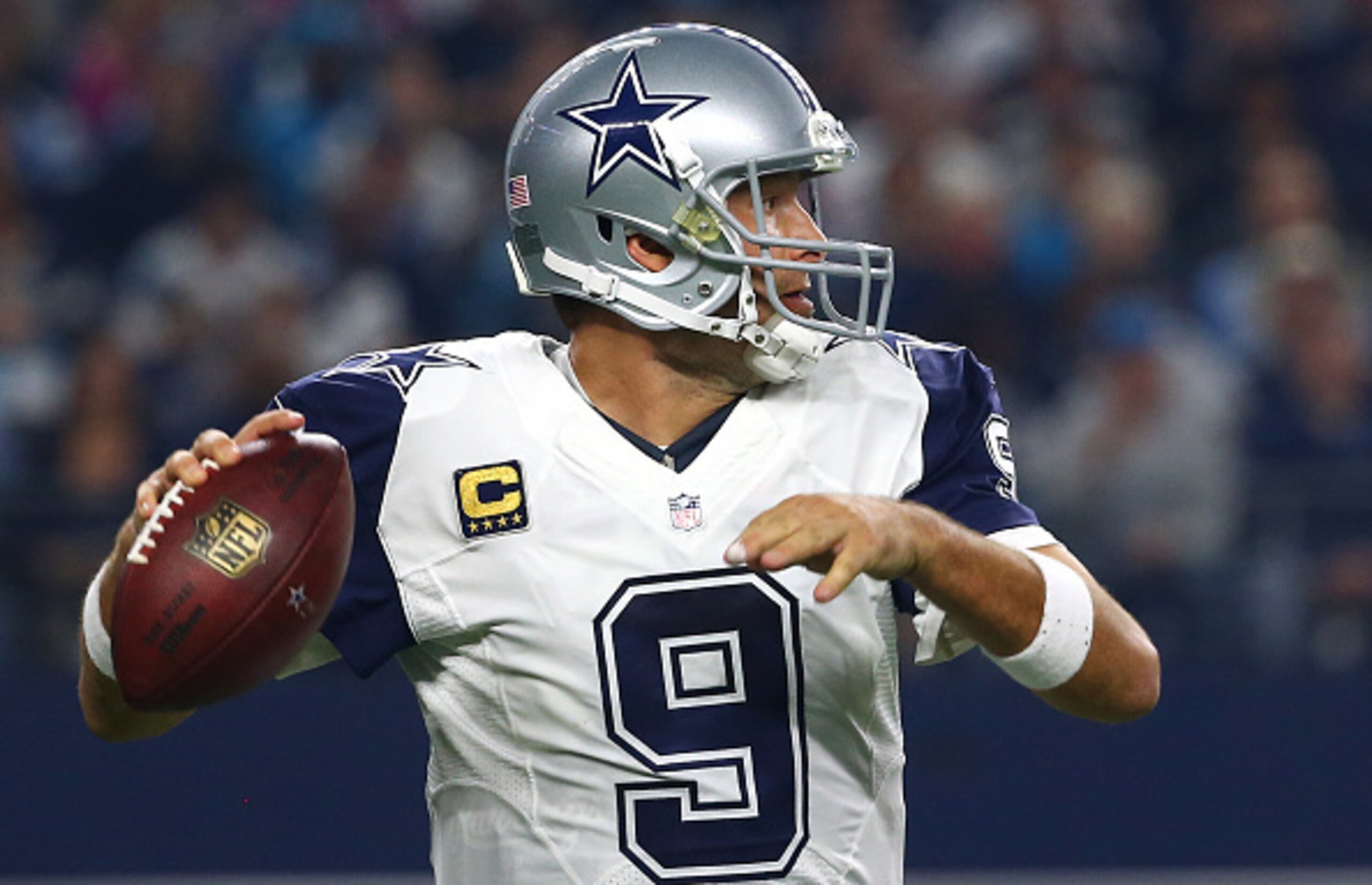
Depth Chart: Tony Romo, Kellen Moore, Jameill Showers
Cap Allocation: $21.59 million (11th in NFL)
There are two strong arguments for what the Dallas Cowboys should do with the fourth overall pick in the 2016 NFL draft. The first revolves around the belief this team is unlikely to pick this highly again and taking a quarterback to develop is a rare opportunity. The other is that Dallas should take an elite player at another position to capitalize on their window to win.
Either way, this team needs to create a long-term option at quarterback. As good as Tony Romo is when he’s healthy, he’s dealt with collarbone injuries three times and just had surgery on it earlier this month. He’ll be 36 years old this season and cannot be considered a lock to start 16 games.
The good news for Dallas is how efficient Romo has been the last three seasons. He’s had 70 touchdowns and 26 interceptions in his last 34 games, and seven interceptions came after he returned from injury last year. If he can stay on the field, the Cowboys have an elite passer.
Denver Broncos
10 of 32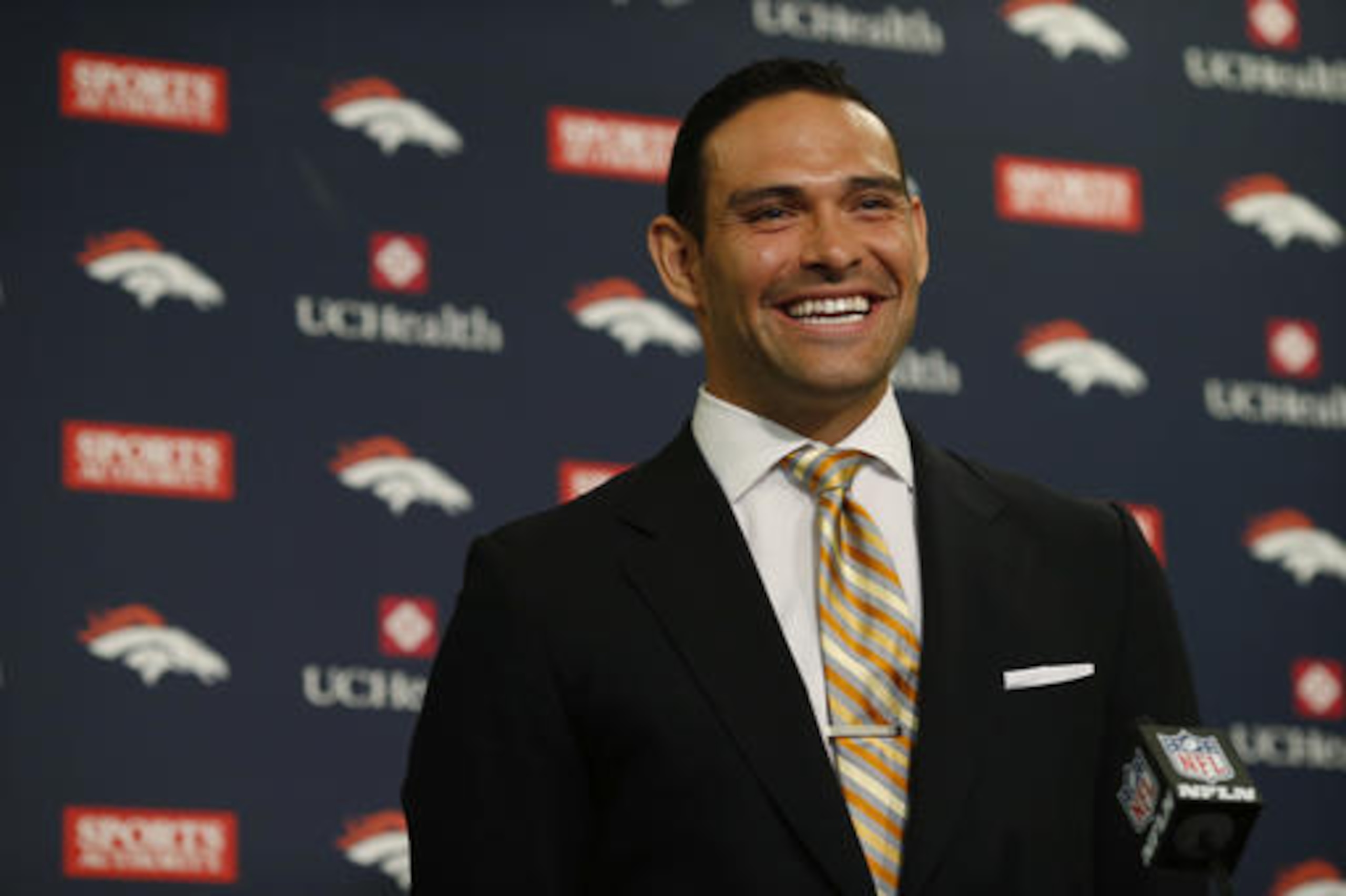
Depth Chart: Mark Sanchez, Trevor Siemian
Cap Allocation: $5.04 million (30th in NFL)
It’s quite possible the Denver Broncos have the worst quarterback situation in the NFL right now. The situation looks bleak, as remaining options include San Francisco 49er Colin Kaepernick and free agents Robert Griffin III and Ryan Fitzpatrick. According to head coach Gary Kubiak, via Charles Robinson of Yahoo Sports, the situation is fluid.
That’s scary to hear for the defending Super Bowl champions. While this team won despite an unproductive passing game in 2015, at least Peyton Manning was a proven leader and delivered clutch throws when the team needed them most. Projected starter Mark Sanchez certainly doesn’t hold a candle compared to Manning.
Denver must find a veteran in addition to drafting a quarterback early in the draft. The team's hopes of developing Brock Osweiler failed as he couldn’t claim the starting job when Manning was hurt and then bolted for greener pastures in Houston. That wasn’t a major loss, but it does force the Broncos to become desperate to add a signal-caller.
Detroit Lions
11 of 32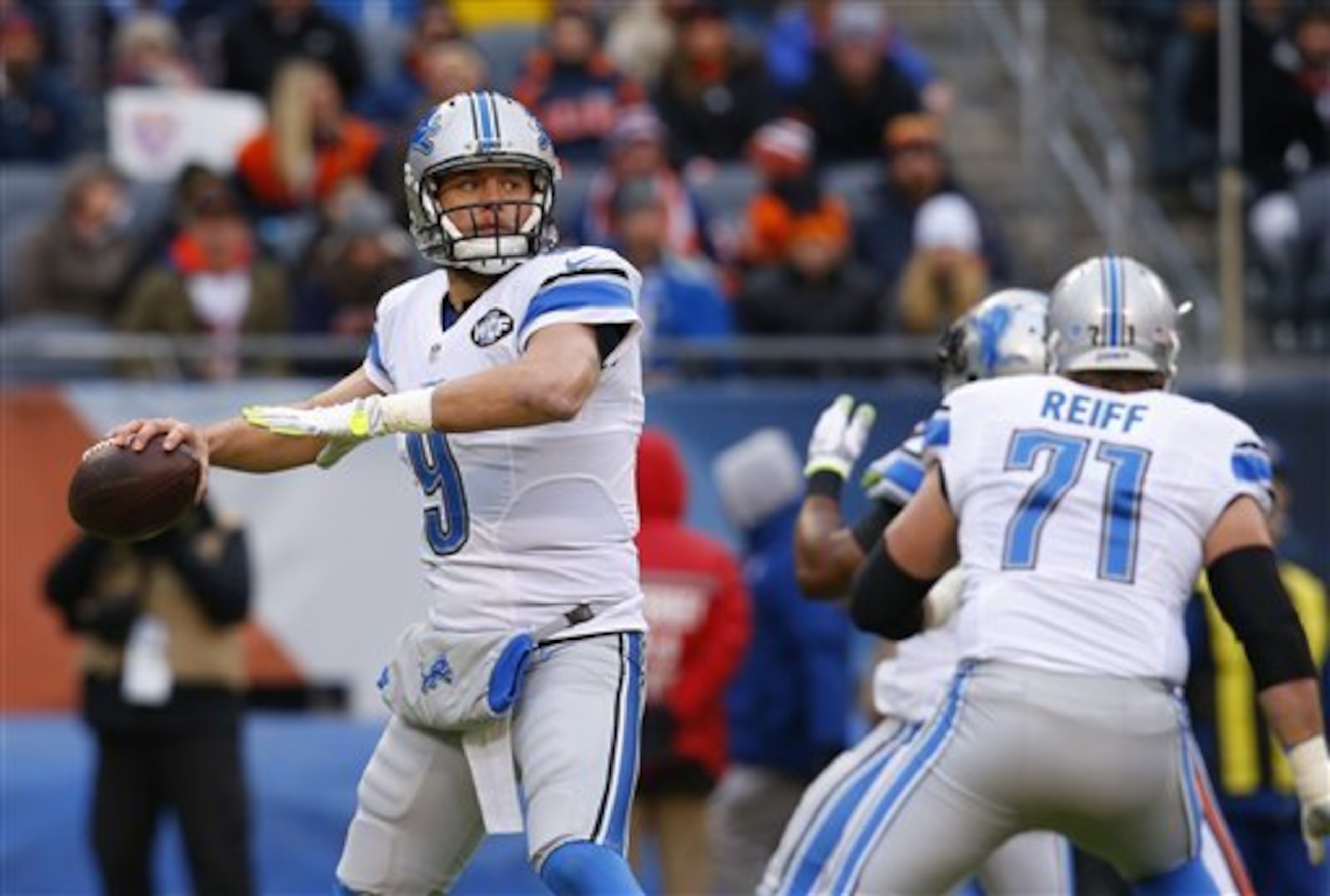
Depth Chart: Matthew Stafford, Dan Orlovsky
Cap Allocation: $23.18 million (4th in NFL)
While the Detroit Lions have struggled to build a consistent winner since drafting quarterback Matthew Stafford No. 1 overall in 2009, he has not been the primary culprit. The 6’2”, 230-pound quarterback has become more efficient and less of a gunslinger since his first four seasons. He set a career high in completion percentage (67.2 percent) in 2015 and has drastically cut down on interceptions the last two years.
The Lions unexpectedly improved after promoting Jim Bob Cooter to offensive coordinator midway through 2015, and it saved the staff their jobs. Stafford responded to Cooter’s more balanced play-calling by throwing just two interceptions in the team’s final eight games. More impressive was how Stafford was still being aggressive despite cutting down on the mistakes.
The Lions have a lot of money tied up into Stafford, but there’s no reason to move on any time soon. His contract expires after 2017, but it’ll be hard to upgrade on him. Their roster needs more resources to become playoff-worthy, so spending an early pick on a backup doesn’t make much sense.
Green Bay Packers
12 of 32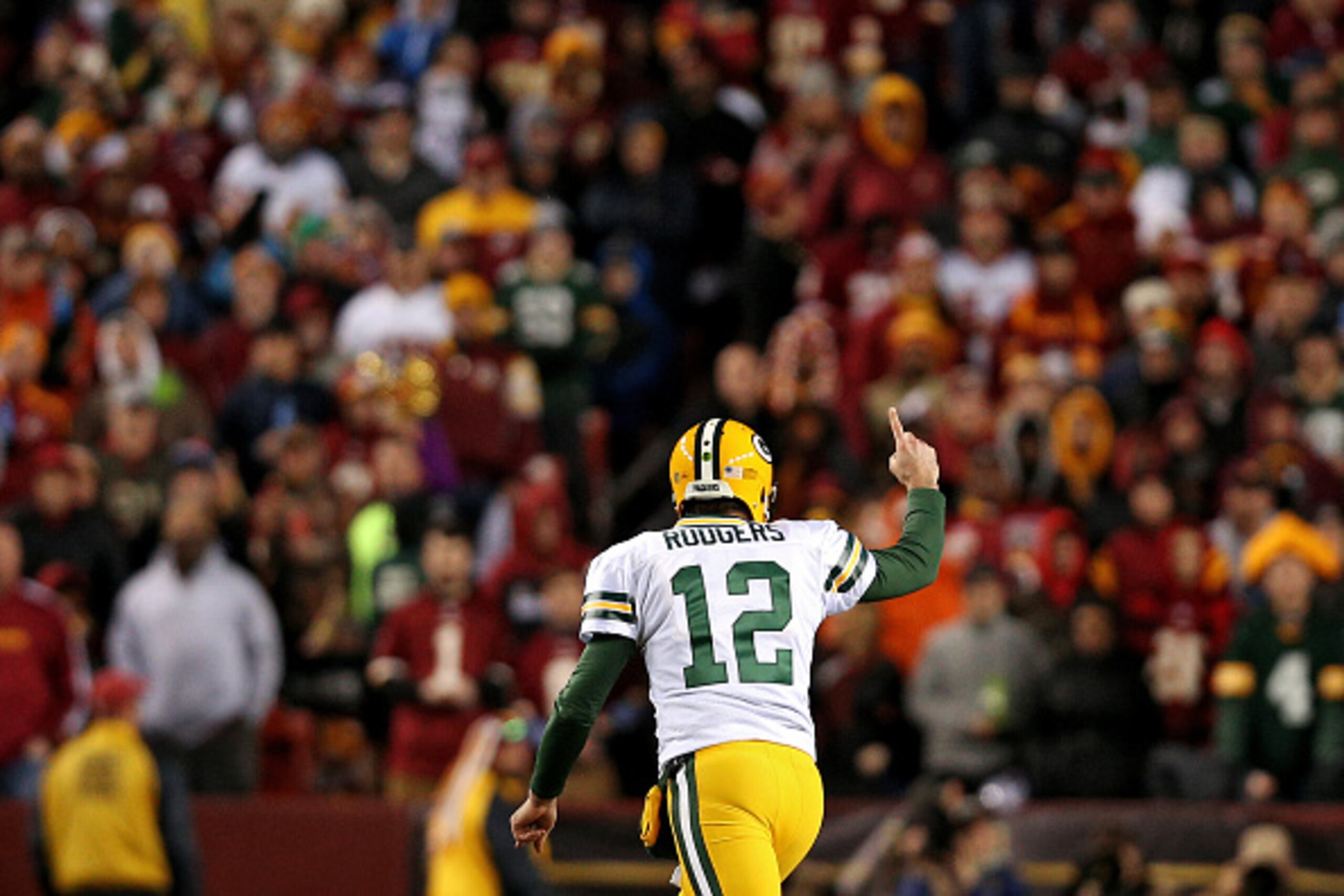
Depth Chart: Aaron Rodgers, Brett Hundley, Ryan Williams
Cap Allocation: $19.83 million (13th in NFL)
Even in a down 2015 season, Green Bay Packers quarterback Aaron Rodgers was terrific. He had 31 touchdowns and eight interceptions, marking the fifth consecutive season with less than 10 interceptions thrown. Although Rodgers saw a noticeable dip in completion percentage, the Packers had several key injuries along the offensive line and wide receiver corps.
Green Bay has nothing to worry about with Rodgers at the helm. He’s still the best quarterback in the NFL and is only 32 years old. His run of dominance should continue several more seasons. Green Bay must continue to invest around him.
Adding backup Brett Hundley in the fifth round last year was a good way to save money with a developmental player. He has excellent physical traits but needs time to refine his mechanics. Sitting behind Rodgers can’t hurt.
Houston Texans
13 of 32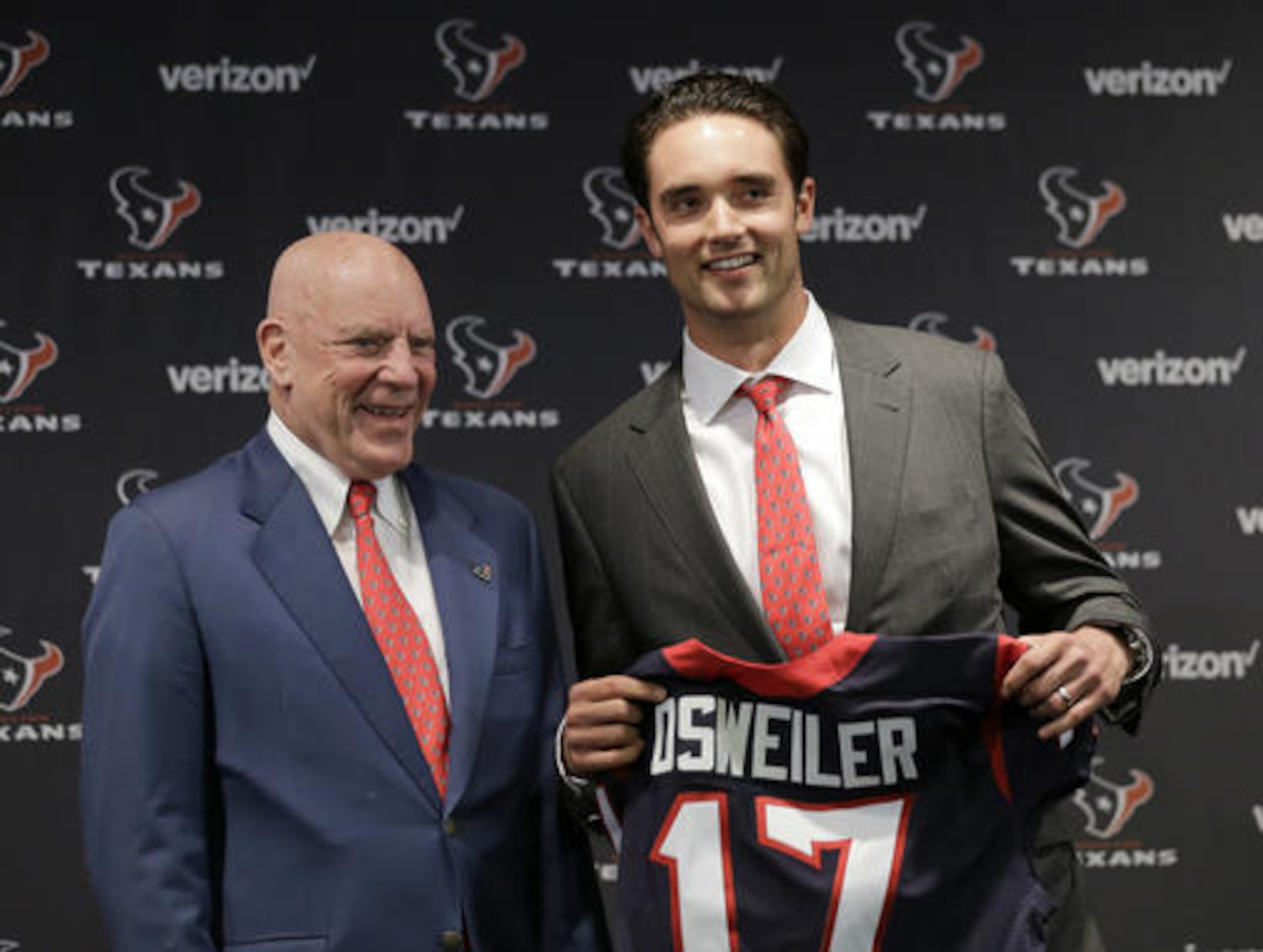
Depth Chart: Brock Osweiler, Brian Hoyer, Tom Savage, B.J. Daniels
Cap Allocation: $17.53 million (19th in NFL)
Brock Osweiler's signing with the Houston Texans was easily one of the most surprising free-agency transactions this offseason. Houston’s addition of Osweiler and running back Lamar Miller brought needed youth and stability at two pivotal positions. Head coach Bill O’Brien had squeezed an AFC South divisional title out of a much less talented and reliable backfield in 2015.
While Osweiler was expensive for what he showed in Denver last year, the 25-year-old is clearly an upgrade on journeyman Brian Hoyer, who has always been reckless with the football but lacked the positive plays to justify starting in 2016. His 19 touchdowns and seven interceptions last season look good at face value, but O’Brien’s passer-friendly system made his job easy.
Osweiler should benefit from a strong running game. In O’Brien’s two seasons with Houston, the Texans have finished first and fifth in rushing attempts. To top it off, Osweiler will have receiver DeAndre Hopkins as his primary target.
Indianapolis Colts
14 of 32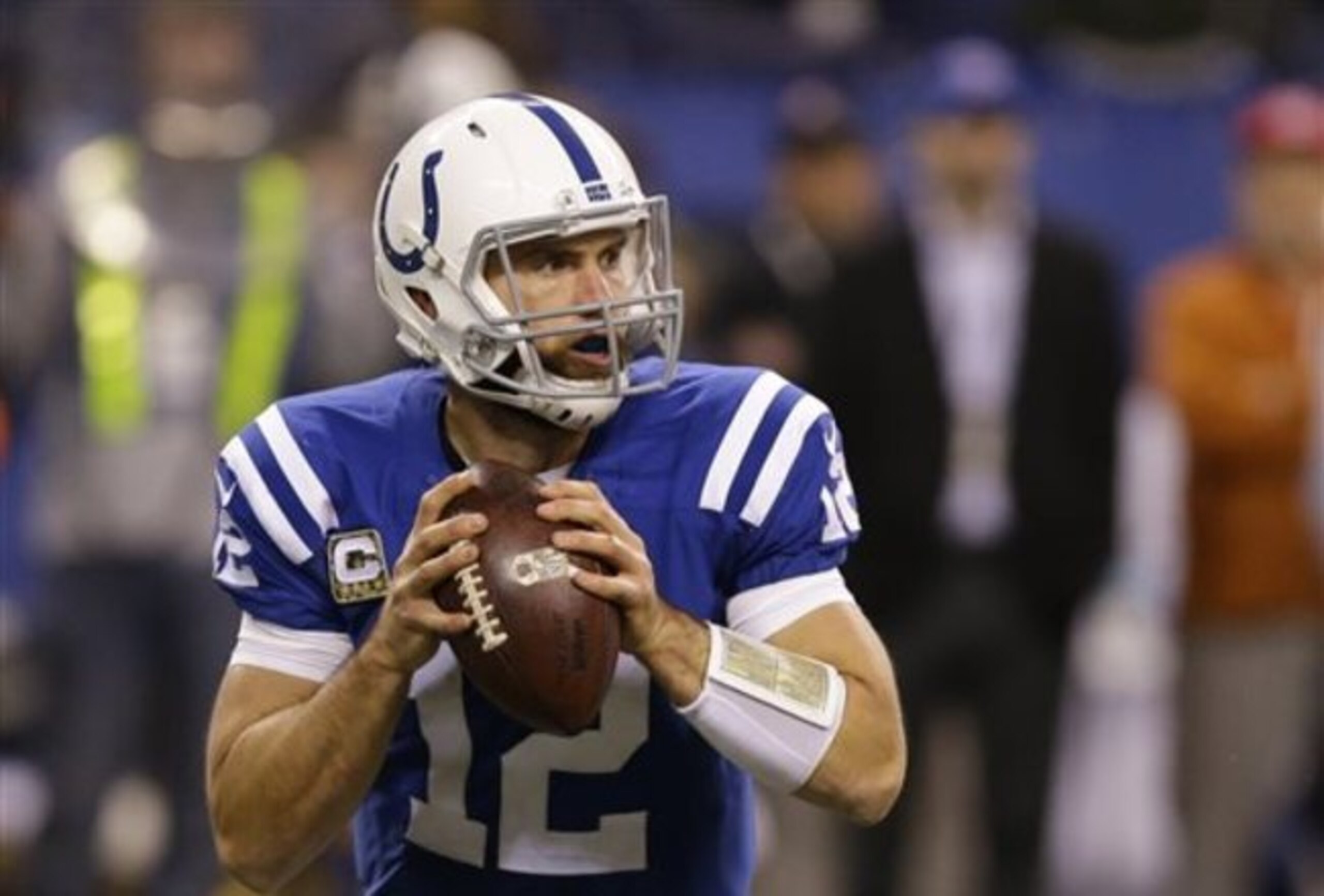
Depth Chart: Andrew Luck, Scott Tolzien, Stephen Morris
Cap Allocation: $18.18 million (14th in NFL)
After being beaten to a pulp by opposing defenses in his first three seasons, quarterback Andrew Luck missed his first action in his NFL career. He missed nine games in 2015 as the Indianapolis Colts were unable to protect him yet again. The Colts couldn’t make up for a 2-5 record with the injured Luck at the helm and missed the playoffs.
A full offseason to recover should lead to a rejuvenated Luck. He’s still one of the top quarterbacks in the NFL until further notice. He is entering the final year of his rookie contract, but George Bremer of the Herald Bulletin reported the two sides will negotiate sooner than later.
The Colts lack a quality backup behind Luck, so adding a developmental talent with a better chance to improve than Scott Tolzien and Stephen Morris would be a good decision. If either of those players has to play, the Colts' season will be over at that moment. Using a late Day 3 pick could lead to a clear upgrade.
Jacksonville Jaguars
15 of 32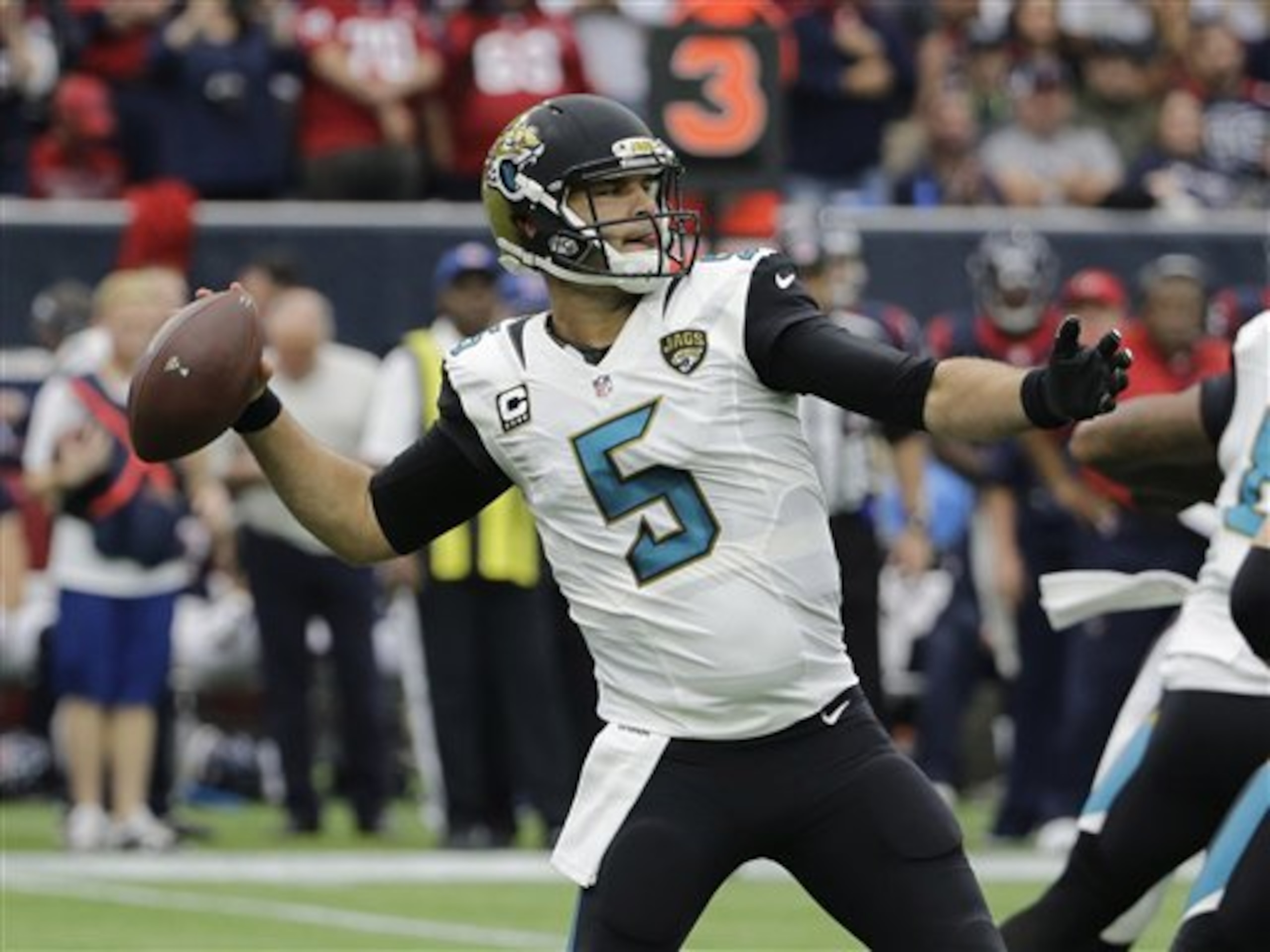
Depth Chart: Blake Bortles, Chad Henne
Cap Allocation: $10.38 million (24th in NFL)
The Jacksonville Jaguars opened up their checkbook this offseason as they take advantage of a good, young quarterback on a rookie contract. Jacksonville had over $80 million to spend on free agents this year and walked away with several prized players who will immediately help their roster. Had Blake Bortles not taken a massive leap in development in 2015, that spending spree may not have happened.
Bortles more than tripled his touchdown total from 2014 to 2015, totaling 35. He’s still battling the interception bug, but he increased his total by only one in 131 more passing attempts. There’s no question he is becoming more consistent with positive plays compared to negative ones.
For now it appears the Jaguars are set at quarterback for the foreseeable future. Bortles is an ascending talent and only 23 years old. Chad Henne is among the best backups in the league and just re-signed with the team.
Kansas City Chiefs
16 of 32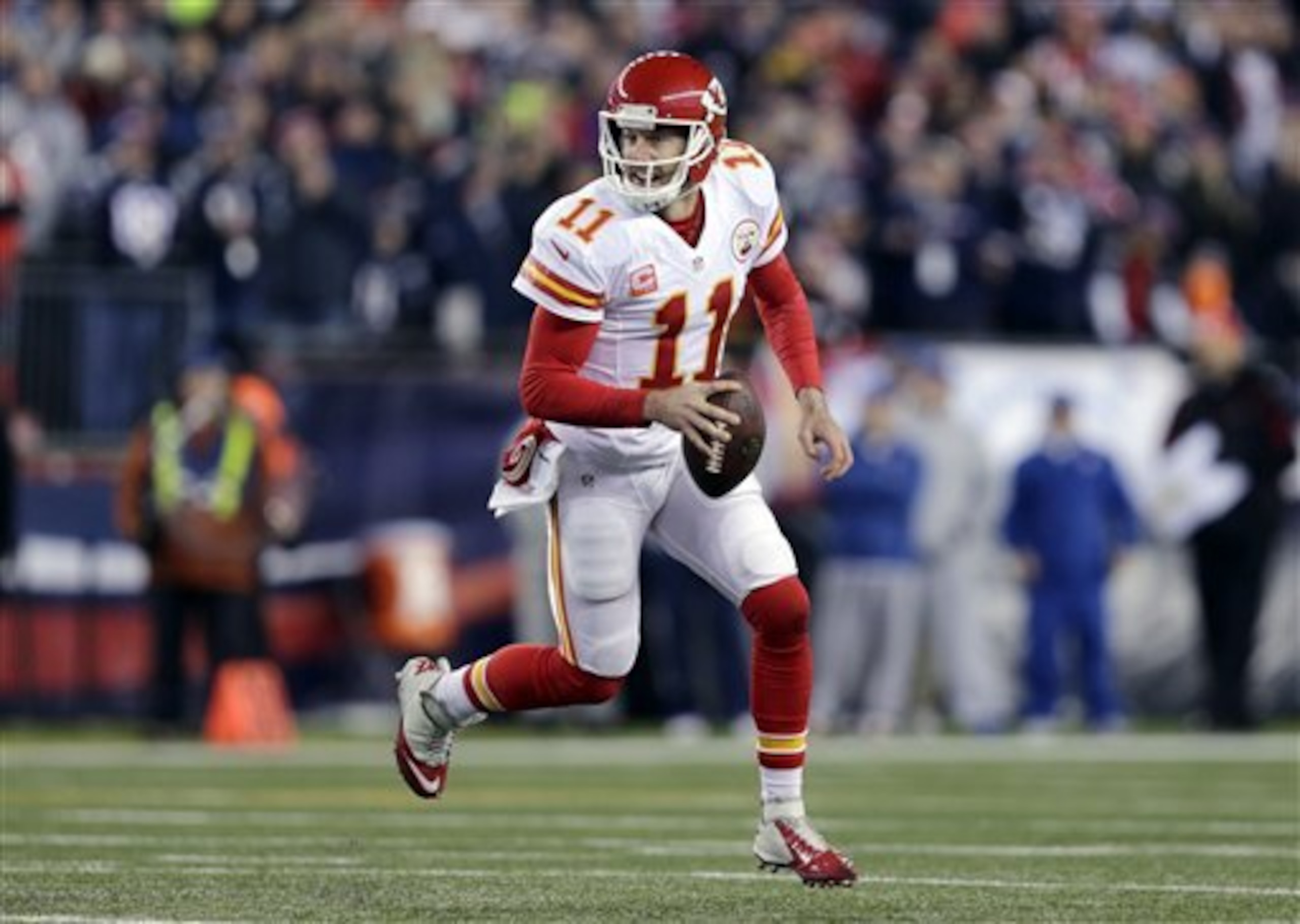
Depth Chart: Alex Smith, Aaron Murray, Dominique Davis
Cap Allocation: $19.75 million (16th in NFL)
No AFC team enjoyed a winning streak as impressive or long as what the Kansas City Chiefs accomplished before bowing out in the playoffs. The Chiefs ripped off 10 regular-season wins to win the AFC wild card. Their success was driven by quarterback Alex Smith and an excellent defense.
Smith posted almost identical numbers in back-to-back seasons, but his 2015 film showed a more aggressive downfield passer. He had four more completions on six more attempts in 2015 compared to 2014. His completion percentage was the same, but he had 221 more yards, two more touchdowns and one more interception. The numbers don’t give Smith enough credit for evolving, though.
Smith’s growth into a bigger risk-taker was necessary for this team to take the next step in the playoffs. Although the Chiefs didn’t get past the New England Patriots, this team is close. Smith’s status with the Chiefs is firm, although adding a developmental option at some point in this upcoming draft could unearth a more dynamic option.
Los Angeles Rams
17 of 32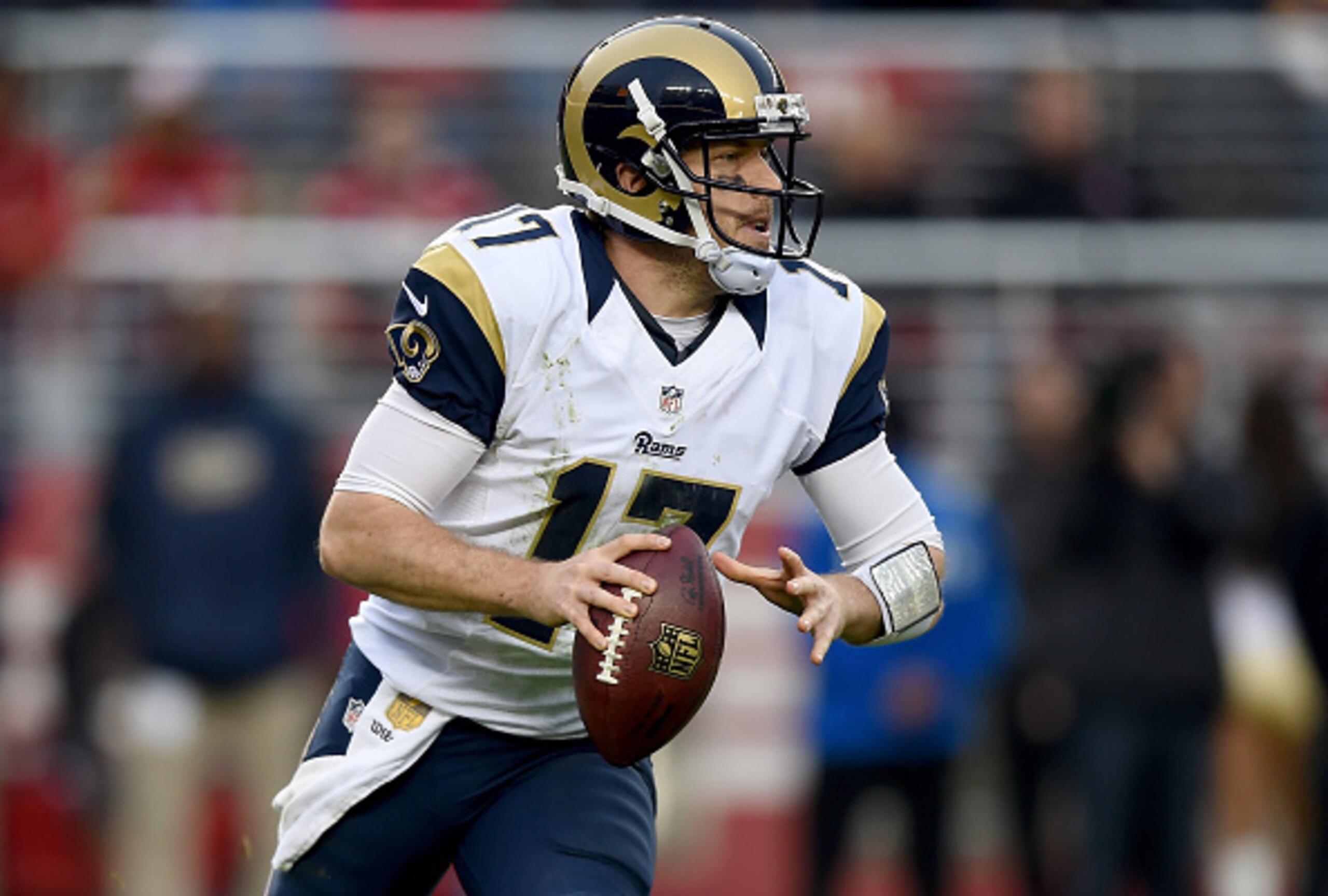
Depth Chart: Case Keenum, Nick Foles, Sean Mannion
Cap Allocation: $13.1 million (23rd in NFL)
As exciting as the return of football to Los Angeles is, the honeymoon period for the Rams and their new home location could wear out quickly if Case Keenum ends up as the starting quarterback. Of course, he is the best of a horrible quarterback situation for head coach Jeff Fisher to choose from. Their other option is to sign Robert Griffin III or Ryan Fitzpatrick or draft a rookie.
Forcing a rookie to play right away may not be the best strategy in a division loaded with defensive stars. Plus, the Rams offense lacks a reliable offensive line and No. 1 receiver to protect a young quarterback. The short-term future is bleak for this team, given the sizable holes that can stunt the signal-caller's success.
Keenum’s backups are slated to be Nick Foles and Sean Mannion. Foles has proved to be a fluke since his breakout 2013 season, and the Rams foolishly extended his contract prematurely last year. Fisher and his staff could be nearing the end of their tenure if they don’t find a considerable upgrade at quarterback.
Miami Dolphins
18 of 32
Depth Chart: Ryan Tannehill, Matt Moore, Logan Thomas, Zac Dysert
Cap Allocation: $14.2 million (22nd in NFL)
The Miami Dolphins finally let go of head coach Joe Philbin after another disappointing start to 2015, and things snowballed into an ugly 6-10 season even after his departure. New head coach Adam Gase has a strong background working with quarterbacks and maximizing skill sets. This is excellent news for fifth-year quarterback Ryan Tannehill.
Tannehill has been average to this point in his career despite getting little help from a porous offensive line and inept coaching staff. Nonetheless, he’s an accurate short and intermediate passer who has improved his consistency and decision-making. There’s still room to improve, but Gase’s presence should greatly help Tannehill.
Miami is giving Tannehill more freedom now that Gase is in control of the offense, according to James Walker of ESPN.com. This is great, as the franchise will find out whether he is able to blossom, or if he’s stuck in neutral development-wise.
Minnesota Vikings
19 of 32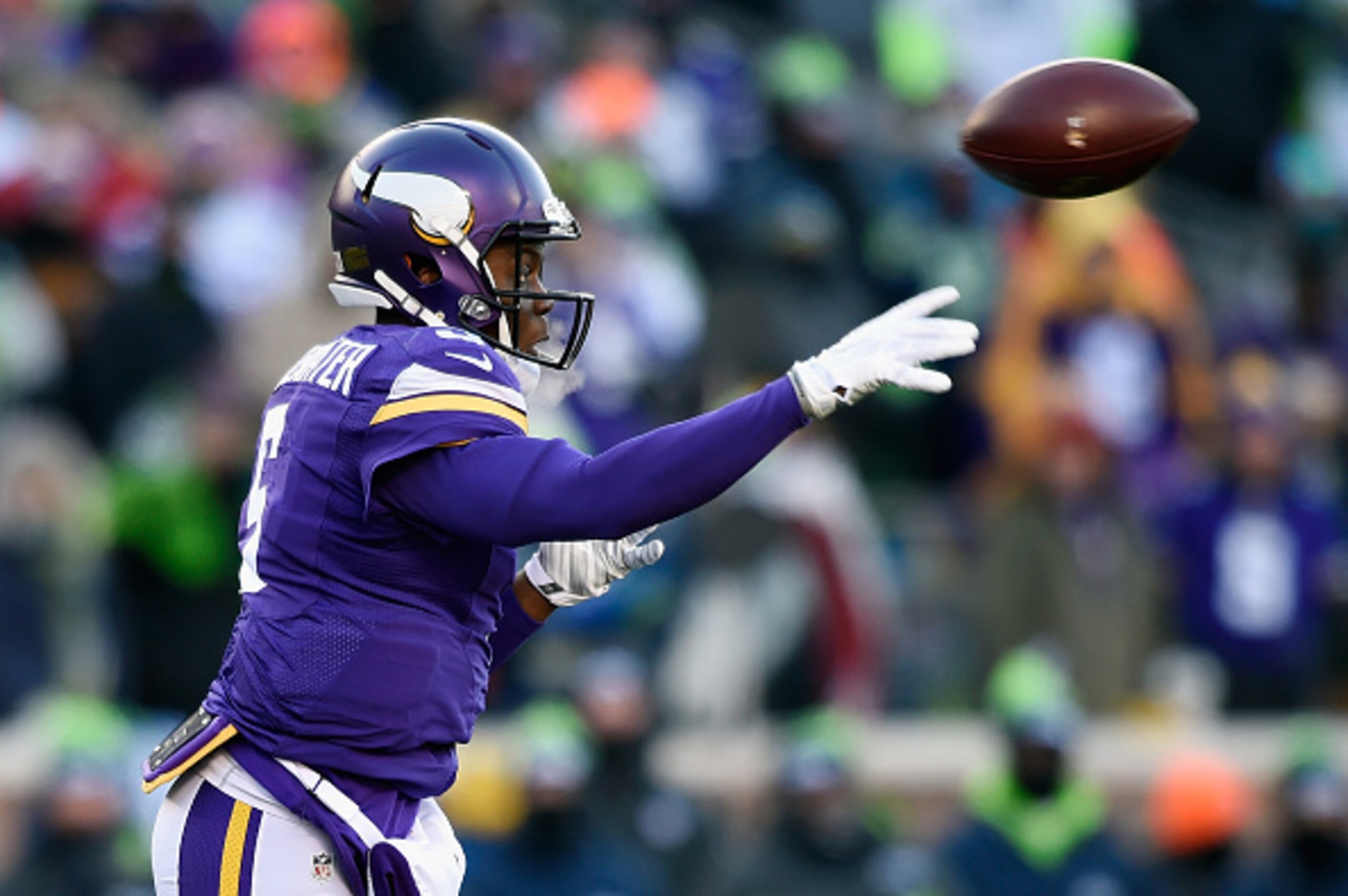
Depth Chart: Teddy Bridgewater, Shaun Hill, Taylor Heinicke
Cap Allocation: $5.12 million (29th in NFL)
The Minnesota Vikings have one of the least threatening passing games in the NFL, ranking 31st in 2015 in total yards. Although second-year quarterback Teddy Bridgewater is somewhat to blame, he’s really been the victim of a bad supporting cast in his first two seasons. Running back Adrian Peterson is a future Hall of Famer, but the Vikings offensive line and receiver corps are among the worst in the NFL.
The team has made several moves to help correct that via free agency. Acquiring offensive linemen Alex Boone and Andre Smith will immediately improve at least one position and possibly a second as Smith battles incumbent right tackle Phil Loadholt. Now, the Vikings just need to find two receivers in the draft.
Bridgewater is a smart and highly accurate quarterback. He’s not aggressive working downhill, but it’s not like he’s had an alpha dog receiver to target, either. He and slot receiver Stefon Diggs did combine to be a credible duo, but each needs more legitimate threats to maximize his play.
New England Patriots
20 of 32
Depth Chart: Tom Brady, Jimmy Garoppolo
Cap Allocation: $14.95 million (20th in NFL)
Life is good when Tom Brady is on the roster.
The 38-year-old quarterback has shown no signs of slowing down as he nears the twilight of his career. He had a ridiculous 4,770 yards, 36 touchdowns and seven interceptions in 2015. It was his best statistical season since 2010.
With Jimmy Garoppolo developing behind Brady, the New England Patriots seem to have the short- and long-term plans at the position figured out. Head coach Bill Belichick is never afraid of adding more competition or moving a backup, though. He could maximize Garoppolo’s value by trading him during the draft to one of the few teams with terrible situations.
New Orleans Saints
21 of 32
Depth Chart: Drew Brees, Luke McCown, Garrett Grayson
Cap Allocation: $32.02 million (1st in NFL)
It’s hard to find many examples of good quarterbacks landing on a losing team, but the New Orleans Saints have managed to build that with Drew Brees at the helm. Not only have the Saints won just 14 games over the last two seasons, but they’ve carried the highest quarterback cap allocation percent in that time frame. This team has wasted the last two seasons of Brees’ career.
Having Sean Payton back as head coach should ensure Brees stays highly productive for the rest of his time with the Saints. He only has one more year under contract, and the team lacks a legitimate long-term solution. The 37-year-old needs a successor under him soon for this team to groom.
Balancing that need with a weak roster will be difficult. The Saints must concentrate on injecting as many impact starters as possible. Devoting draft resources on a backup is a tough pill to swallow.
New York Giants
22 of 32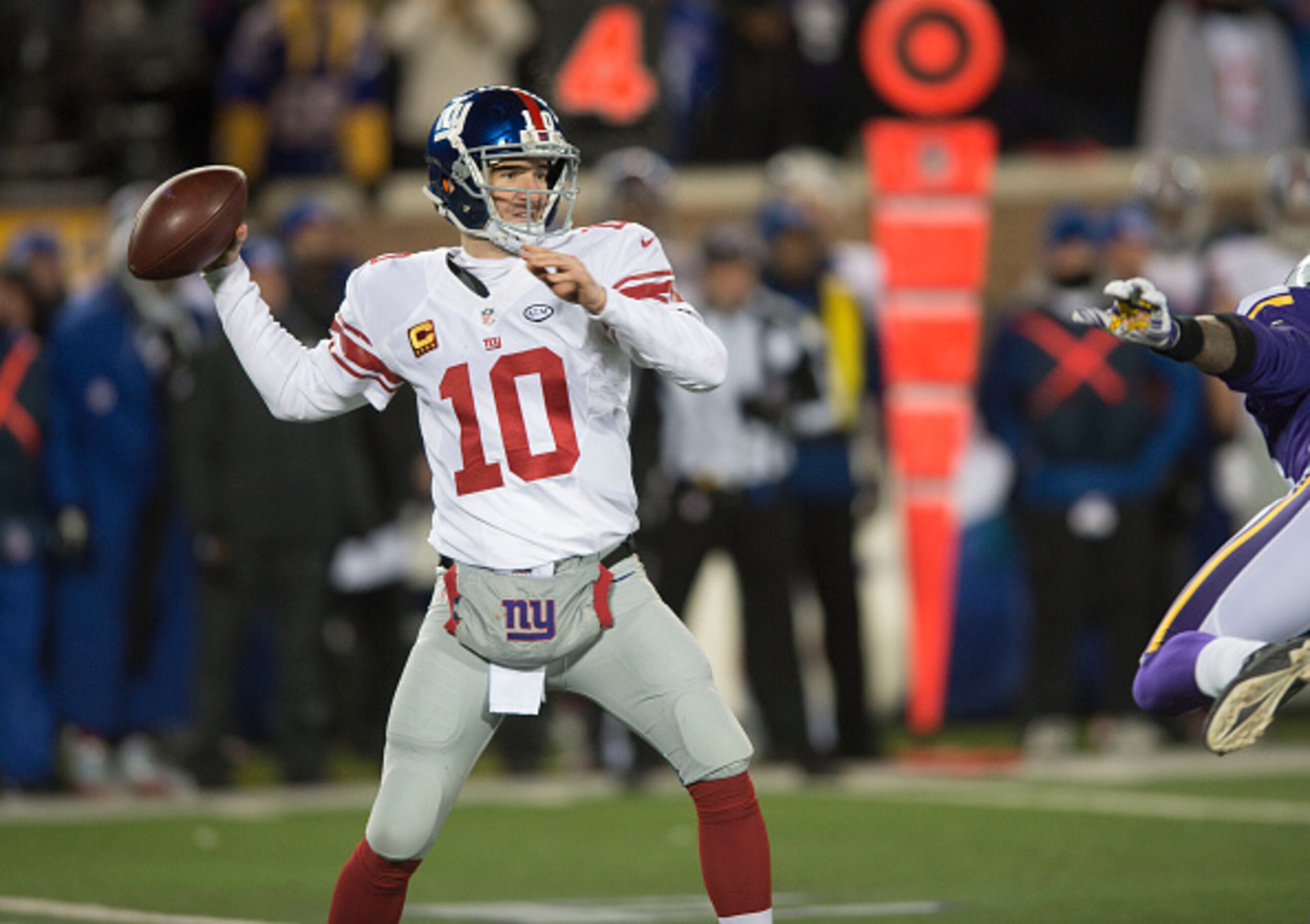
Depth Chart: Eli Manning, Ryan Nassib, G.J. Kinne
Cap Allocation: $24.98 million (3rd in NFL)
As soon as the New York Giants locked quarterback Eli Manning into a four-year, $84 million contract one year before he hit free agency, it was clear this team was ready to go all-in with Manning. The 35-year-old has seen a statistical renaissance under Ben McAdoo’s offense. He’s had back-to-back 4,400-plus-yard seasons and over 30 touchdowns with just 14 interceptions the last two years.
The Giants were aggressive this offseason, adding talent to a bare roster in hopes of building a playoff contender. Competing with Manning is key since he’s entrenched with the franchise until he retires. The window will shut as soon as he departs, whenever that may be.
Unless the Giants start to plan for that sooner than later, Manning will be the face of the franchise for the next few years. His two Super Bowls carry a ton of weight and justifiably so.
New York Jets
23 of 32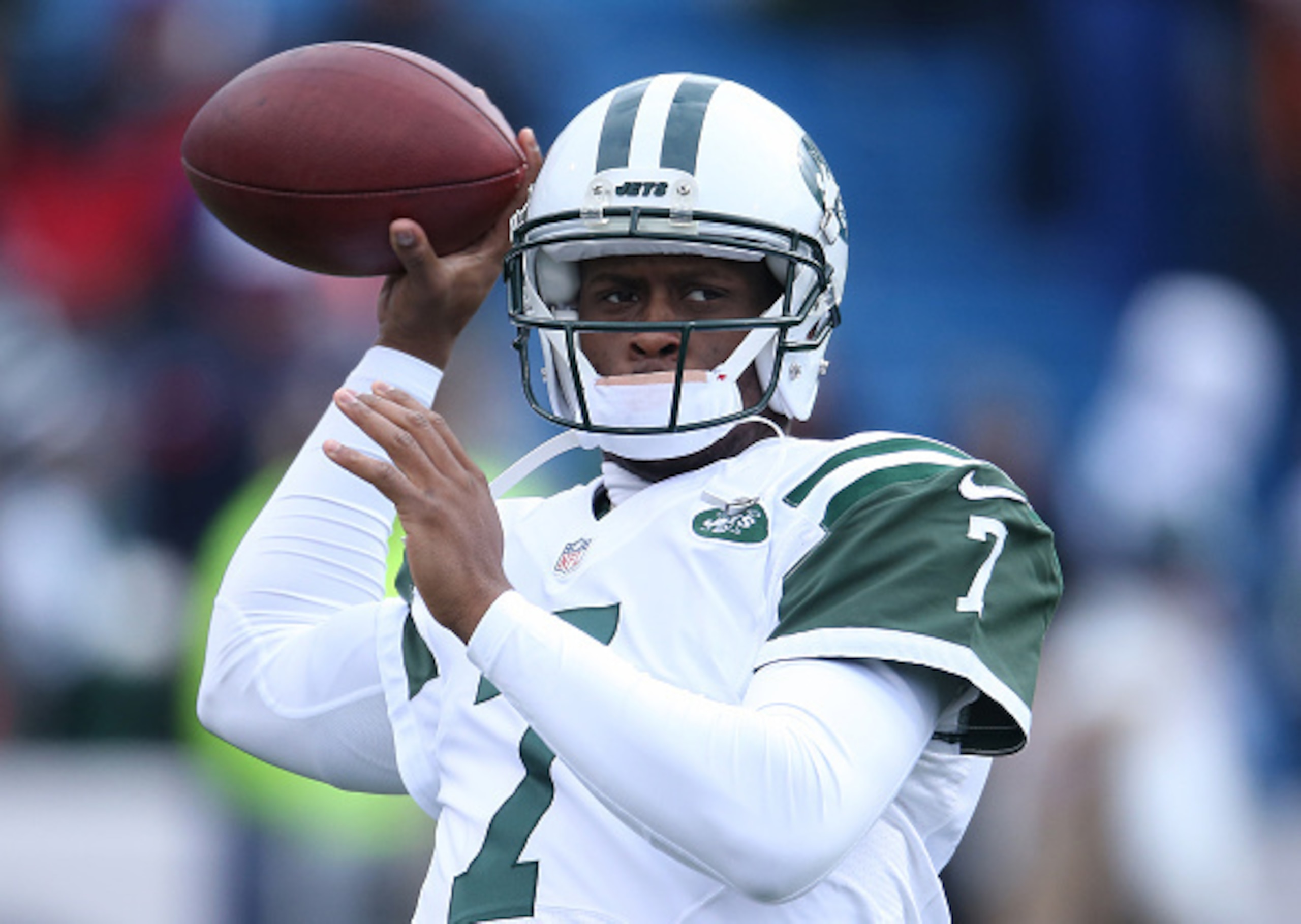
Depth Chart: Geno Smith, Bryce Petty
Cap Allocation: $2.26 million (32nd in NFL)
The NFL’s cheapest quarterback room belongs to the New York Jets. Unrestricted free agent Ryan Fitzpatrick could still return to the Jets and change their financial obligations to the position. But that reunion must happen closer to what the Jets are willing to pay for his services.
According to Manish Mehta of the New York Daily News, the Jets aren’t sold they need Fitzpatrick. And they’re correct. The 33-year-old quarterback did nothing special in 2015 and can be replaced by Geno Smith for a fraction of the cost. Offensive coordinator Chan Gailey and wide receiver Brandon Marshall did the heavy lifting for the offense last season.
Smith has struggled when given the chance to prove himself, but it’s not as if Fitzpatrick didn’t, either. At least Smith is young enough (25) for the team to expect growth as he gains experience. The Jets should make that tough call and see whether Smith is the franchise quarterback or not.
Oakland Raiders
24 of 32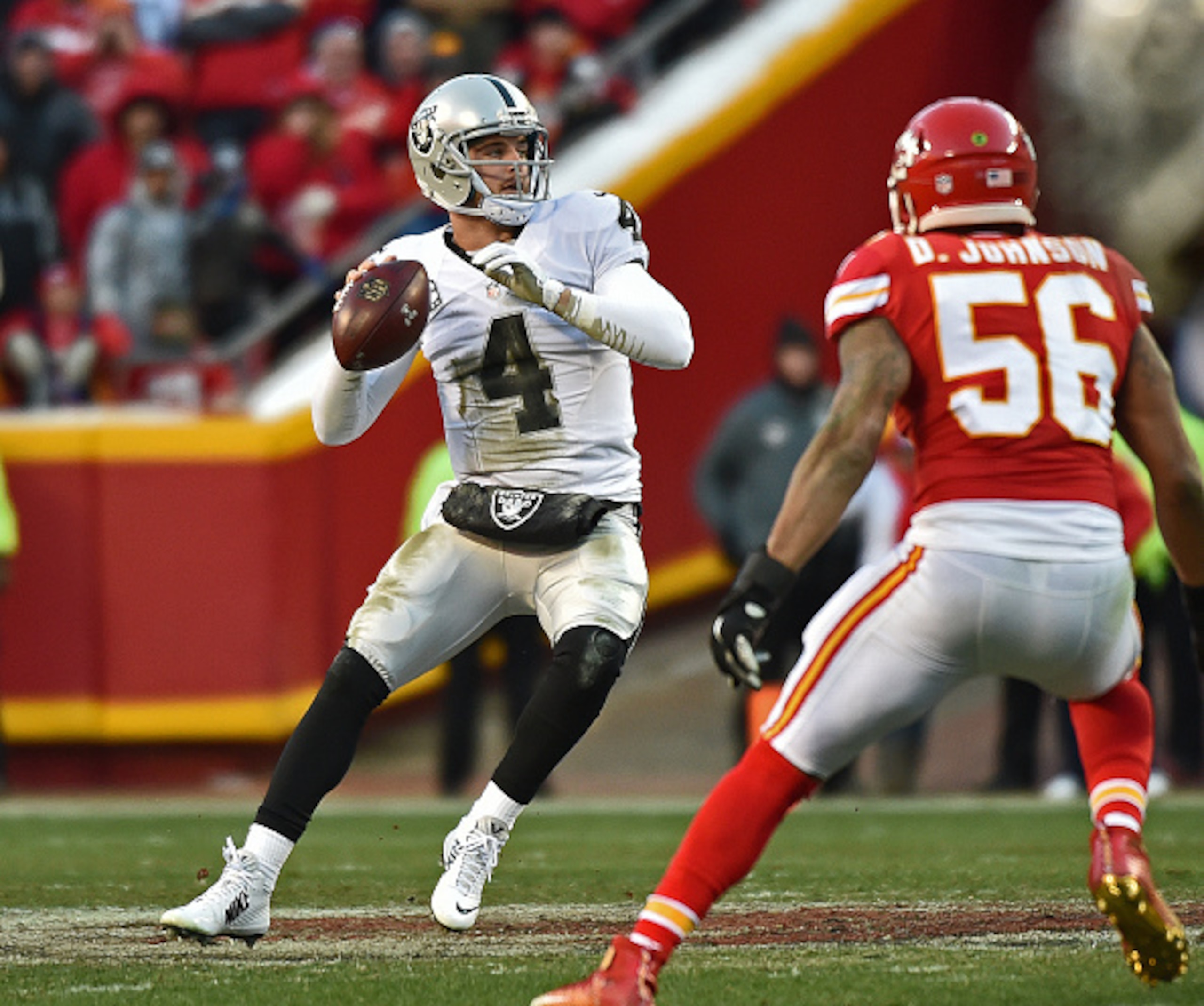
Depth Chart: Derek Carr, Matt McGloin, Garrett Gilbert
Cap Allocation: $4.02 million (31st in NFL)
Another quality young quarterback from the 2014 NFL draft class is Derek Carr of the Oakland Raiders. He was a second-round pick for the Raiders and blossomed with better receivers and a new scheme to accent his strengths last year. He finished with 3,987 yards, 32 touchdowns and 13 interceptions for the 7-9 Raiders.
Oakland splurged in free agency to make an aggressive move toward the playoffs. They upgraded positions previously held by eyesores at cornerback, offensive guard and linebacker. New additions Sean Smith, Kelechi Osemele and Bruce Irvin will help alleviate those weaknesses.
For Carr, his focus must revolve around finishing the season stronger. He has a terrific arm and high football intelligence. His ceiling is sky-high if he can make a jump similar to his sophomore season in 2015.
Philadelphia Eagles
25 of 32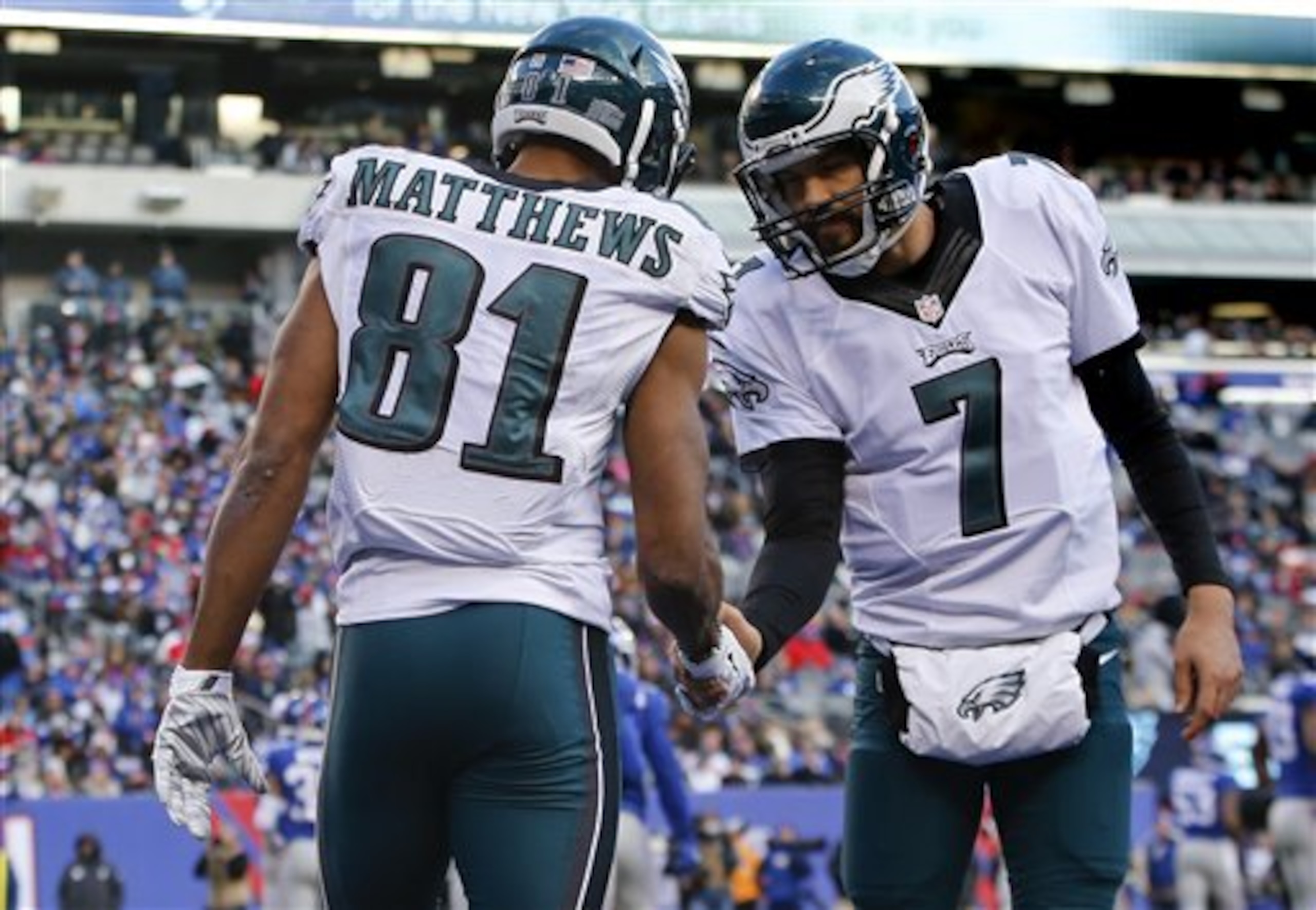
Depth Chart: Sam Bradford, Chase Daniel
Cap Allocation: $18.1 million (18th in NFL)
The Philadelphia Eagles decided to retain 2015 starting quarterback Sam Bradford after he finished 2015 with a solid stretch of games. New head coach Doug Pederson wasn’t content to just bring back Bradford, though. He brought former Kansas City Chiefs backup Chase Daniel as a potential challenger for the position.
Bradford is a natural fit into Pederson’s West Coast system that requires precision and timing. He was hitting his stride after returning from injury late last year. The 28-year-old had a career-high completion percentage of 65 percent while producing a touchdown-to-interception ratio that was on par with his previous full seasons.
Daniel is especially interesting since he’s never had a fair chance to earn a starting job. He was paid backup money, but the Eagles clearly have doubts about Bradford’s longevity. Adding a first-round quarterback makes sense to give them a clear direction moving forward.
Pittsburgh Steelers
26 of 32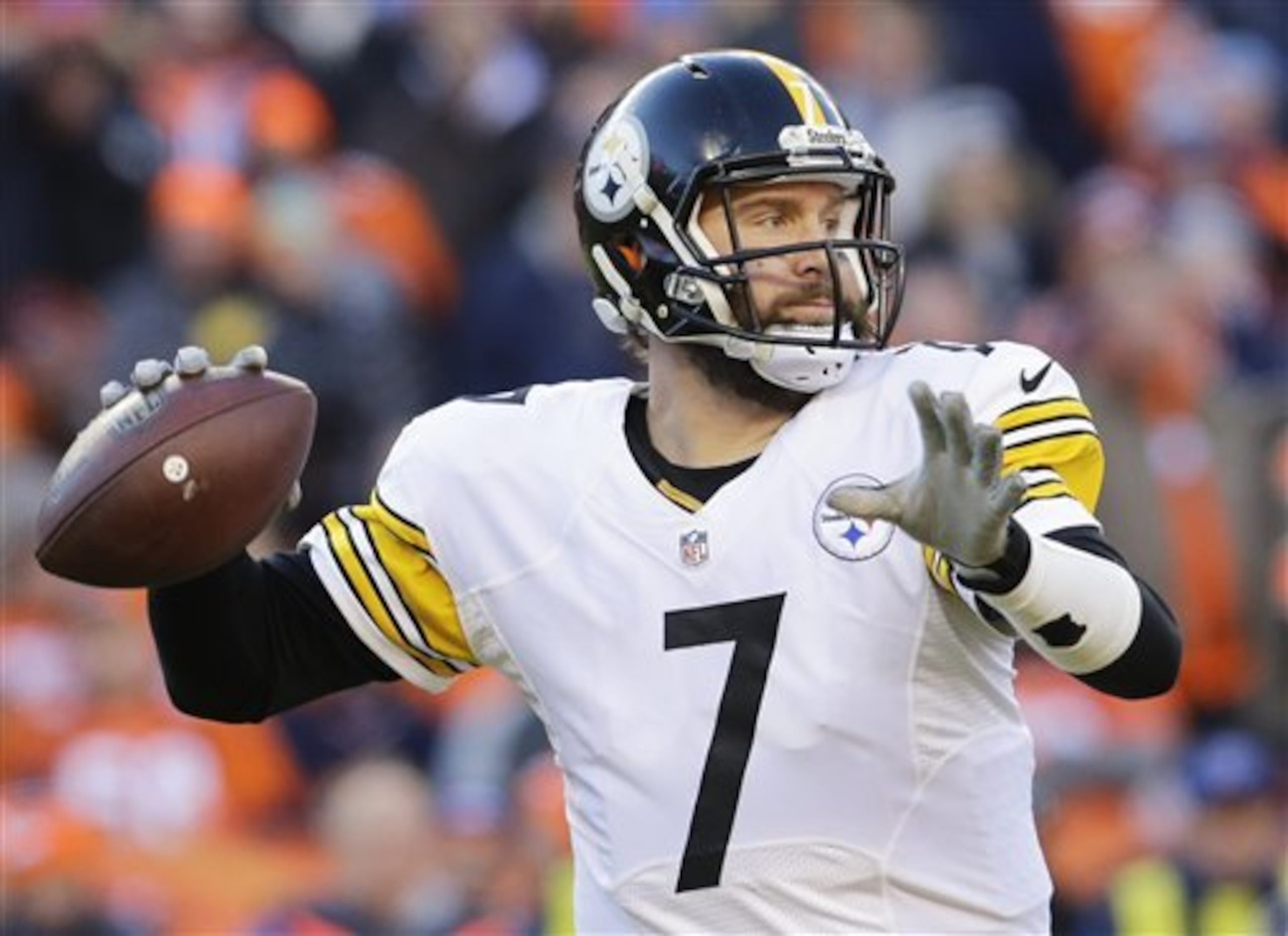
Depth Chart: Ben Roethlisberger, Landry Jones, Dustin Vaughan
Cap Allocation: $24.73 million (7th in NFL)
Pittsburgh Steelers quarterback Ben Roethlisberger had a tremendous six-year run from 2009 to 2014. He dramatically increased his efficiency during that time, with 2014 being the peak performance statistically. But the injuries seemed to catch up with him this past season as he was limited to just 11 starts.
While Roethlisberger was on pace for the best completion percentage and most yards of his career, he also had the most interceptions since his third season in the league. He played loose and reckless, which is not the formula that has made him elite. It’s now fair to ask whether the 34-year-old is on the downside of his career.
Considering his penchant for injuries and the lack of depth behind him, the Steelers must walk away from the 2016 NFL draft with a rookie to start developing. Landry Jones is surely not the long-term answer based on his on-field play. Finding a Day 2 value would be ideal.
San Diego Chargers
27 of 32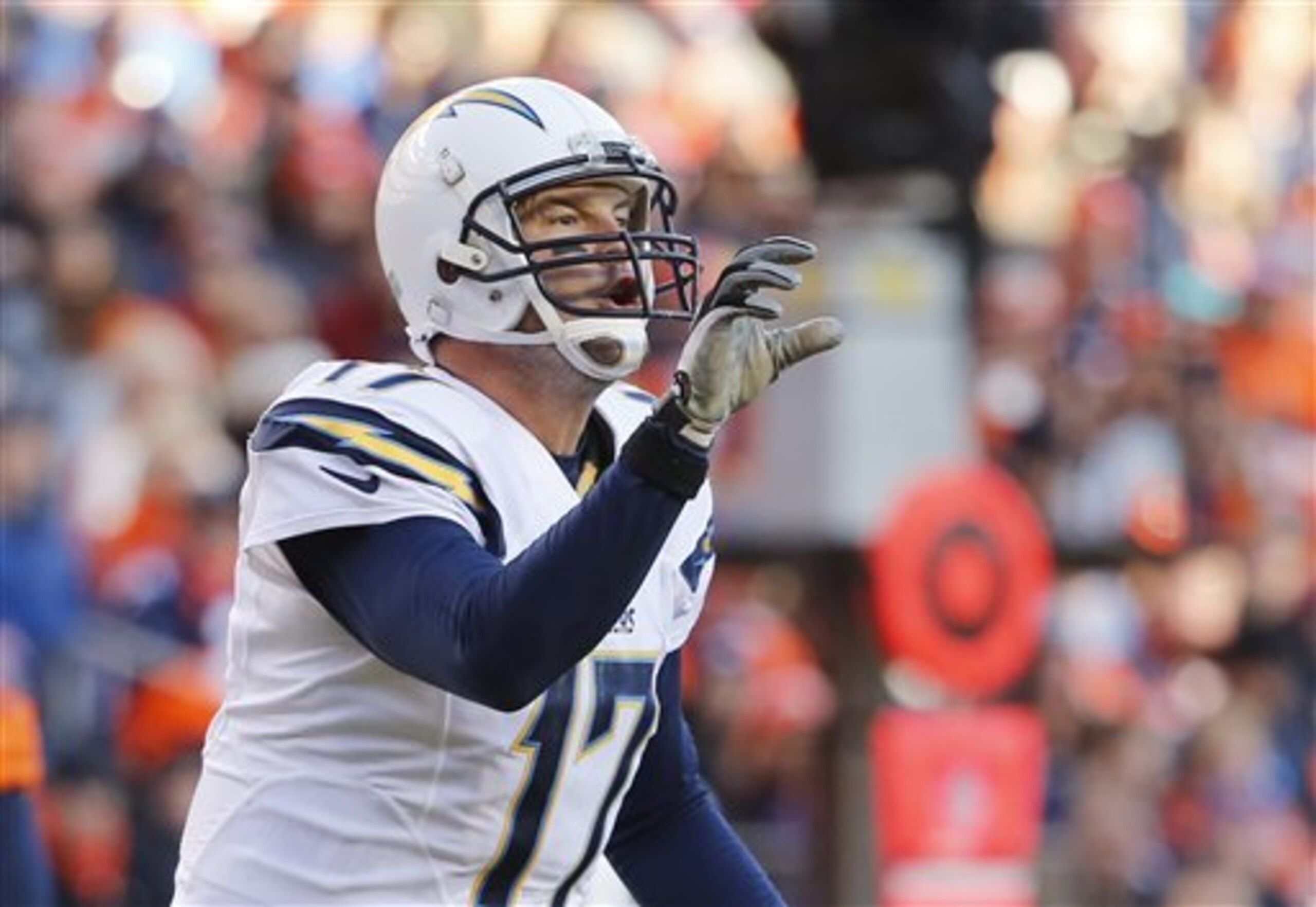
Depth Chart: Philip Rivers, Kellen Clemens, Brad Sorensen
Cap Allocation: $22.2 million (9th in NFL)
Former No. 4 overall pick Philip Rivers continues to be a marvelous quarterback at 34 years old. The 2015 season was tough for the San Diego Chargers to endure, but Rivers was no less brilliant. He led the fourth-best passing attack in the NFL despite having a bad running game and injuries all around the offense.
Rivers completed and attempted more passes than he ever had previously and responded with 29 touchdowns and only 13 interceptions. His 2 percent interception percentage was the second-best mark of his career. How he continues to play this well with a bad team around him is incredible.
While San Diego has no reason to replace Rivers, it does lack a young quarterback to develop. It’s not too early to think about adding a long-term option as a backup. Learning from Rivers would be beneficial for any rookie.
San Francisco 49ers
28 of 32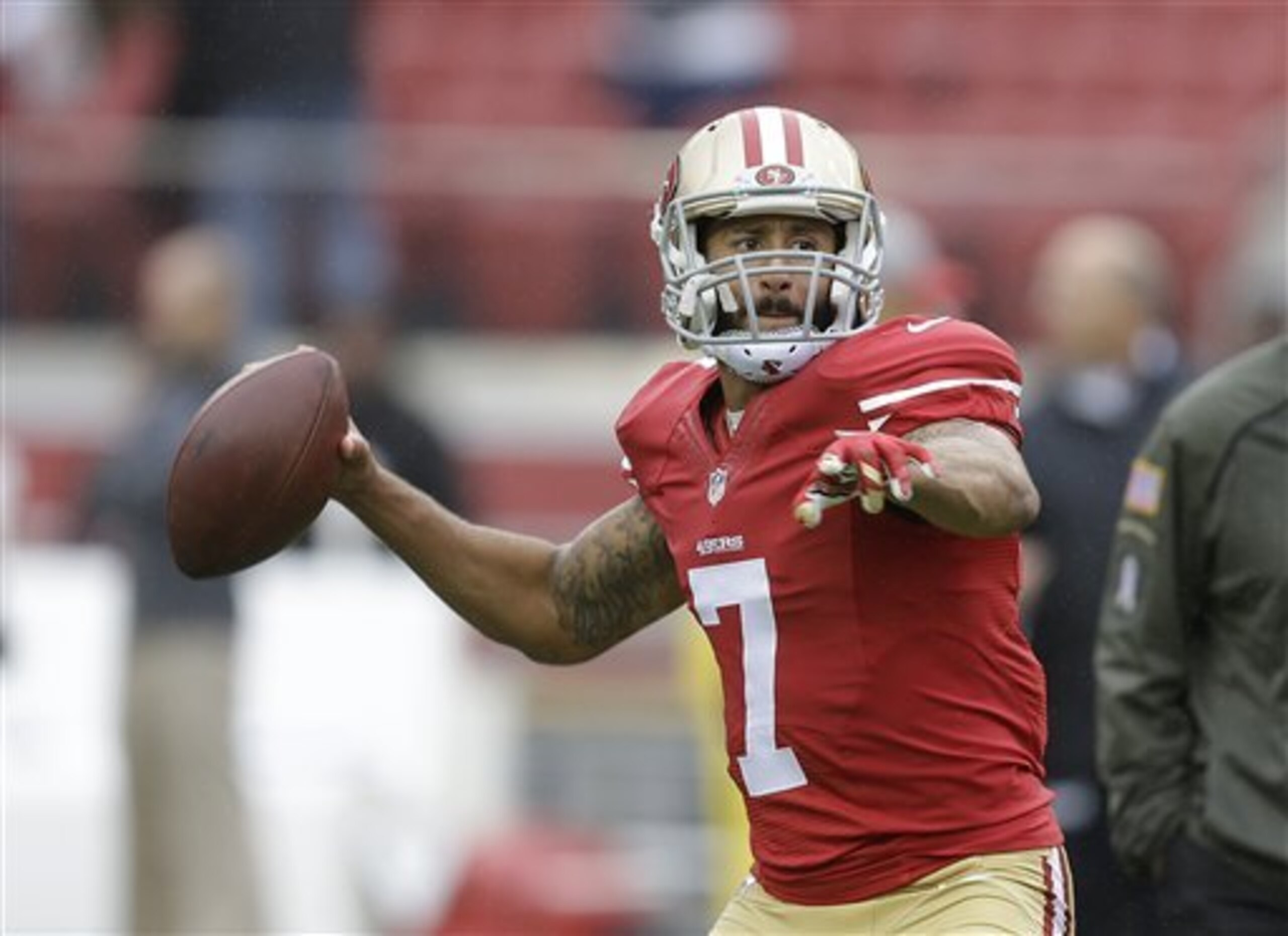
Depth Chart: Colin Kaepernick, Blaine Gabbert, Thaddeus Lewis, Dylan Thompson
Cap Allocation: $18.74 million (8th in NFL)
Among offseason rumors of a Colin Kaepernick trade, it seems the San Francisco 49ers are indifferent about the 28-year-old’s ability to help the team. This is understandable, as he represents the ultimate dichotomy in the NFL. He’s more physically capable of being outstanding than almost any other quarterback, but his mental processing and accuracy on the field limit what he can do for an offense.
According to ESPN.com’s Paul Gutierrez, the 49ers have not heavily shopped Kaepernick to this point. Whether or not he stays on the roster, the team should add its quarterback of choice with the seventh overall pick. Head coach Chip Kelly never handpicked his own quarterback via the draft with the Philadelphia Eagles, and that burned him.
Backups Blaine Gabbert and Thaddeus Lewis are among the best in the NFL. If the 49ers cannot land their rookie of choice in the draft, at least Kelly has a variety of options to choose from in 2016.
Seattle Seahawks
29 of 32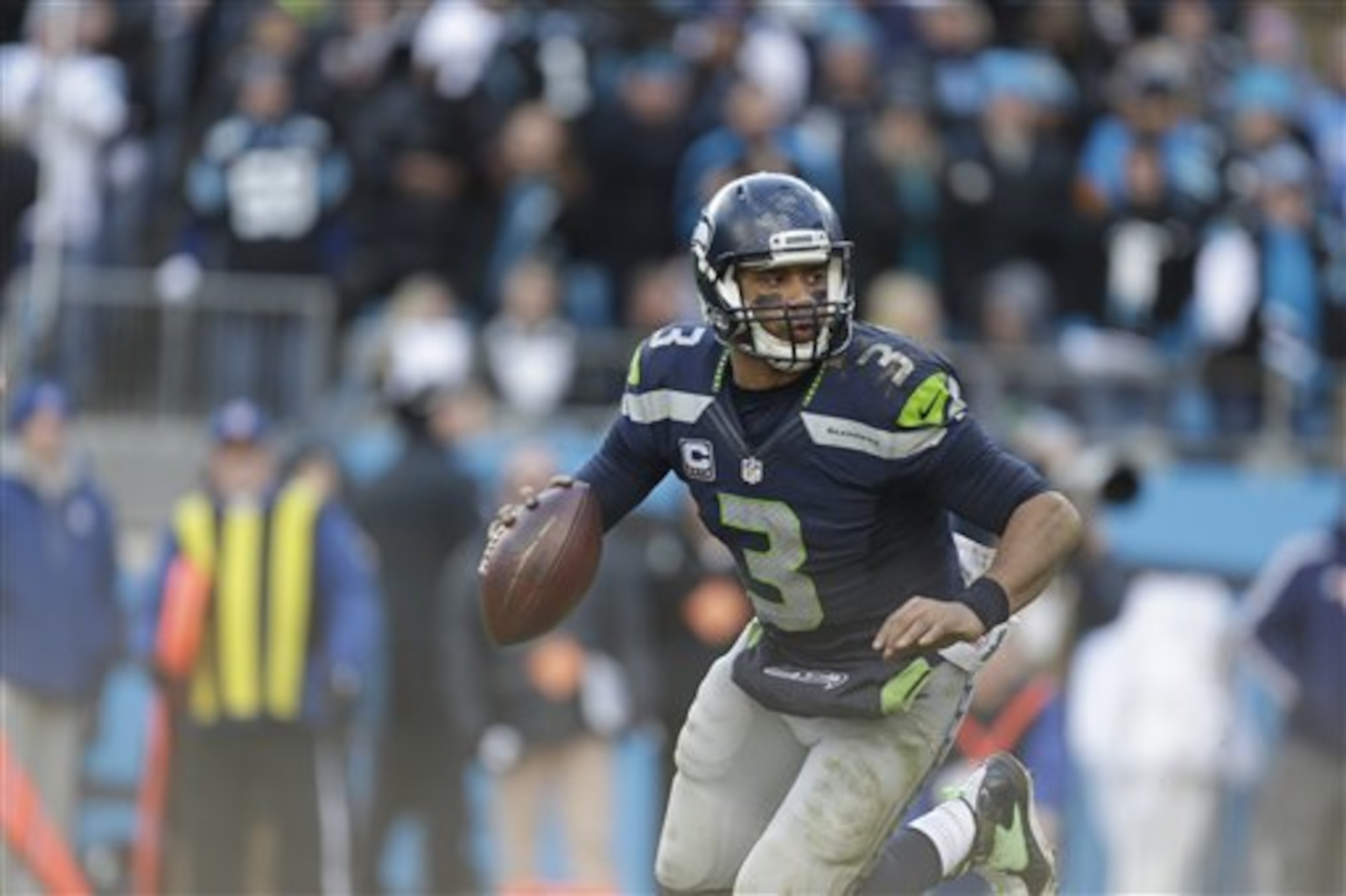
Depth Chart: Russell Wilson, Phillip Sims
Cap Allocation: $18.54 million (17th in NFL)
This past season was officially when quarterback Russell Wilson put himself in the elite category. He’s flirted with the NFL’s best passers in both of Seattle’s Super Bowl runs, but he elevated his play when the Seahawks needed it most last year. His completion percentage, yards, touchdowns and average yards per attempt were at career-high marks.
His ability to win inside the pocket as well as scramble to buy time helps this offense overcome the lack of quality pass-blocking. Things will get harder in 2016 as the Seahawks lost two starting offensive linemen and running back Marshawn Lynch. Now, more weight is on Wilson’s shoulders.
The huge positive for Seattle is that Wilson is signed long-term and is among the best playmakers at the position. Adding a legitimate backup should be a priority as Wilson will be exposed to more hits this year. Losing him for any stretch of time this year would be disastrous.
Tampa Bay Buccaneers
30 of 32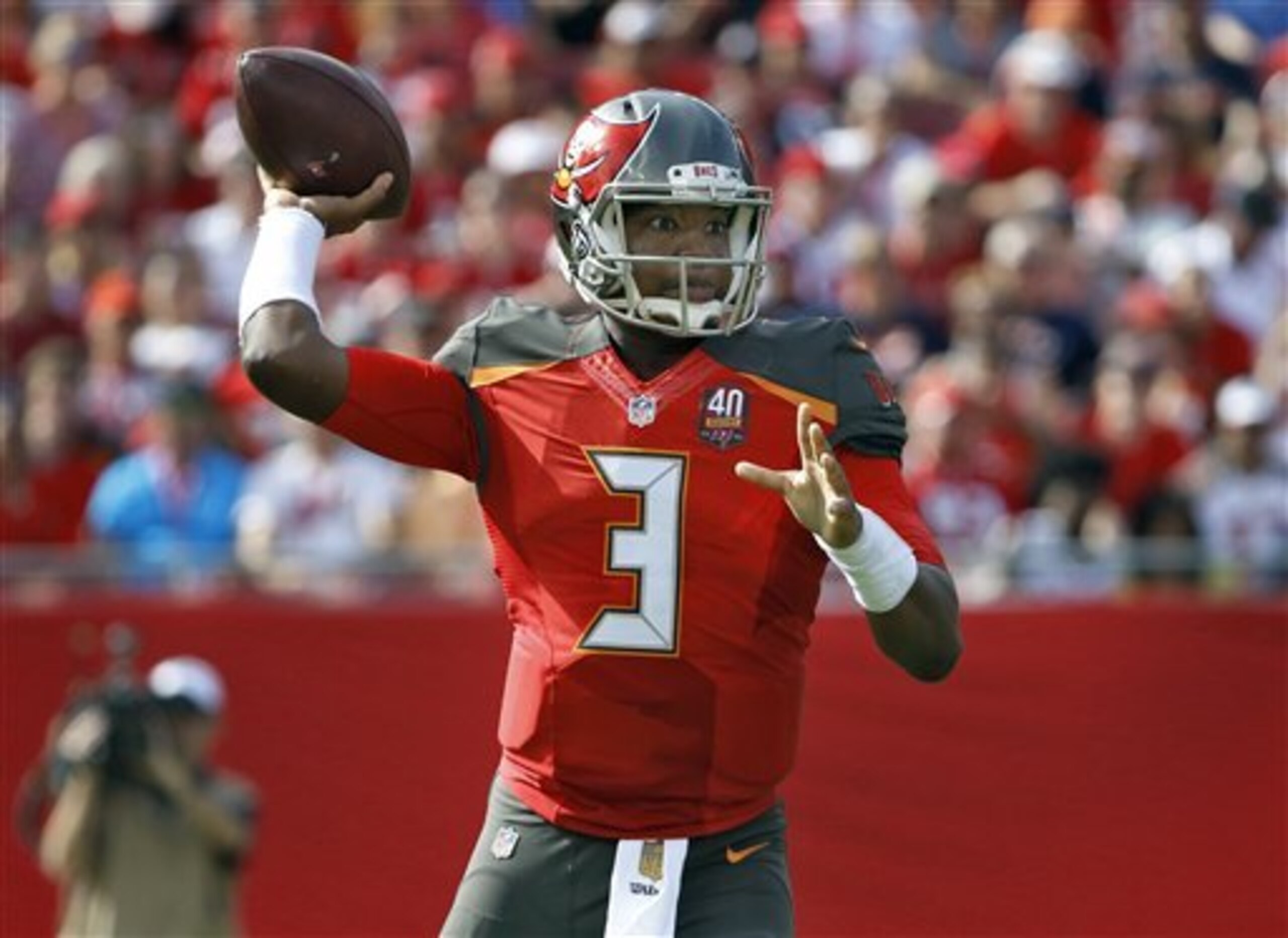
Depth Chart: Jameis Winston, Mike Glennon, Ryan Griffin
Cap Allocation: $8.19 million (25th in NFL)
The Tampa Bay Buccaneers boast one of the best young quarterback depth charts in the NFL. 2015 NFL Offensive Rookie of the Year Jameis Winston was stellar in his debut campaign. He had 4,042 yards, 22 touchdowns and 15 interceptions with an average offensive line and horrible defense to constantly overcome. His future is bright.
Behind Winston is Mike Glennon. The Buccaneers would be wise to trade him to a quarterback-needy team and maximize their return for the backup. Glennon will be a free agent at the end of the season.
According to general manager Jason Licht, per Rick Stroud of the Tampa Bay Times, the team is listening to offers. Moving Glennon would be a win for the Buccaneers if they can add a mid-round pick for the 26-year-old. At least a mid-round pick could end up contributing to this team in 2016.
Tennessee Titans
31 of 32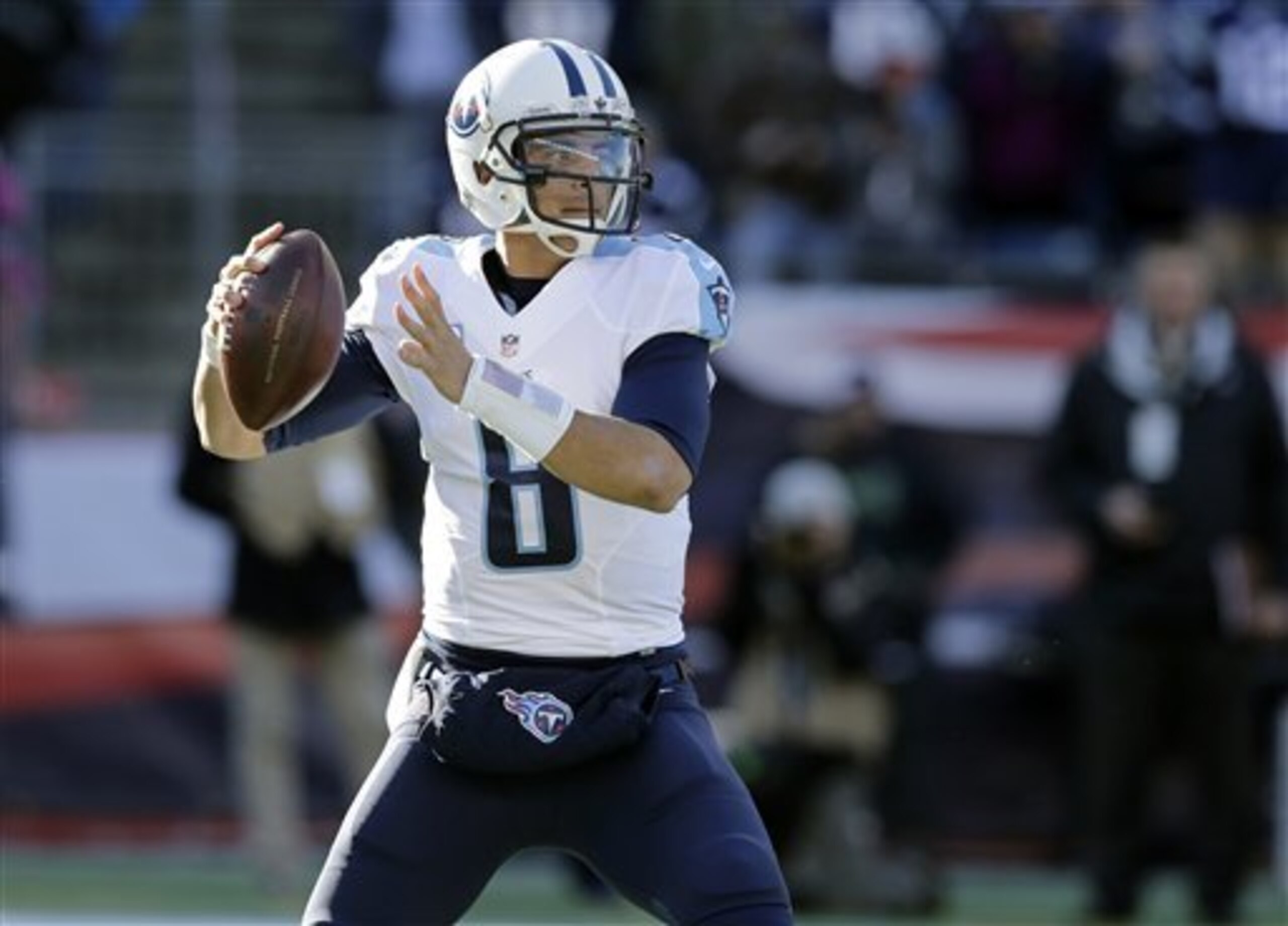
Depth Chart: Marcus Mariota, Zach Mettenberger, Matt Cassel, Alex Tanney
Cap Allocation: $8.1 million (26th in NFL)
The second overall selection in the 2015 draft, quarterback Marcus Mariota delivered on the pressure that comes with being selected that high. The former Oregon Ducks Heisman Trophy winner proved he’s a capable pocket passer in his rookie season. At times he was even better than Jameis Winston.
Mariota finished 2015 with 2,818 yards, 19 touchdowns and 10 interceptions in 12 starts. He needs to shore up his sack rate and fumbles, as he was sacked 38 times and lost 10 fumbles. But there are considerable positives to build off, such as great accuracy and sharp decision-making.
Behind Mariota is a limited group of players. Zach Mettenberger is young, but looked terrible when Mariota was out at the end of the season. Matt Cassel is simply a veteran presence at this point in his career.
Washington Redskins
32 of 32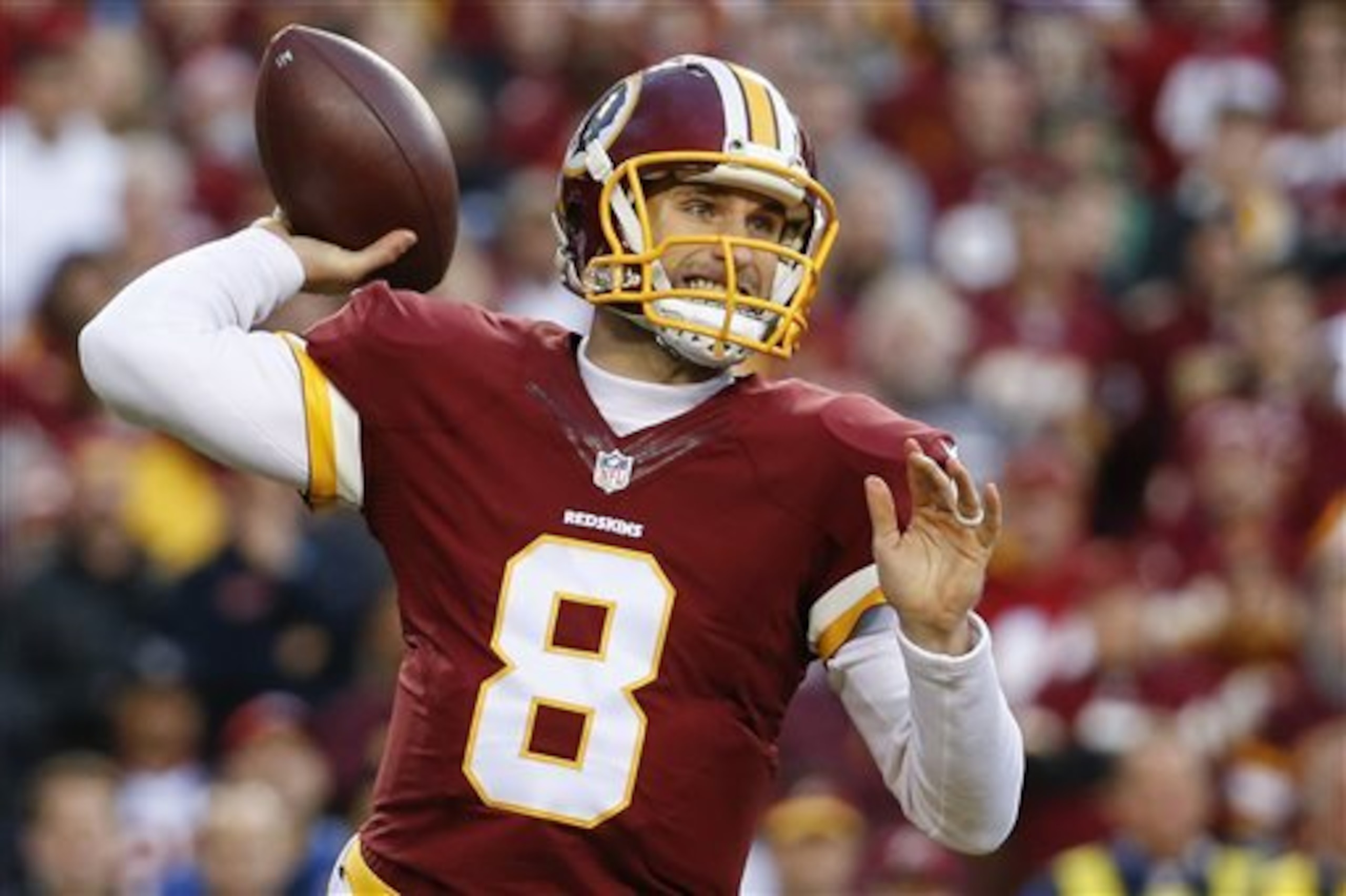
Depth Chart: Kirk Cousins, Colt McCoy
Cap Allocation: $21.75 million (10th in NFL)
The Washington Redskins made the tough but correct decision to franchise-tag Kirk Cousins this offseason after he produced big-time numbers. 2015 was his first opportunity to start, and he responded by executing Washington’s offense quite well. But he ran into issues against every team with a winning record he played and never logged a win against one.
Washington was quiet in free agency and must continue to bolster the roster via the draft. Adding a quarterback in this class shouldn’t be out of the question, even with Cousins entrenched as the starter for 2016. Most of his production came on simple passes.
Cousins must show more growth in 2016, or else the Redskins may choose to look elsewhere. Paying a game manager $20 million per year is becoming the norm in the NFL, but general manager Scot McCloughan will surely keep his options open to maximize leverage.
All stats used are from Pro-Football-Reference.com. Cap allocations are from Over the Cap.
Ian Wharton is an NFL Featured Columnist for Bleacher Report.
.jpg?w=2560 "Browns Jaguars Football")
.jpg?w=2560 "NFL Won't Fine 'Beverage' Celebrations 🍻")