

Formula 1's New Qualifying Format Is Doomed After 2016 Australian GP Farce
Lewis Hamilton and Nico Rosberg may have secured yet another front-row lockout in Formula One qualifying, but the end result was overshadowed by the process in the newly bespectacled eyes of their boss.
"Rubbish," was how head of Mercedes motorsport Toto Wolff felt about the new qualifying format, used for the first time at this weekend's season-opening Australian Grand Prix, per Sky Sports' Matthew Morlidge.
And he wasn't the only one.
TOP NEWS

Broadcaster sorry for false LeBron rumor

Stephen A. Apologizes After Lane Johnson Comments

Ravens Trade for Eagles Pro Bowl OL 🚨
"The #F1 chefs have started the show with the finished product and gradually put all the ingredients back in the fridge. Nothing left at end.
— Mark Gallagher (@_markgallagher) March 19, 2016"
Former grand prix driver Johnny Herbert told the same source how the elimination-style system was "embarrassing" for F1, while Red Bull team principal Christian Horner went a step further, claiming those behind the regulation change "should apologise" and "address it immediately."
F1 ringmaster Bernie Ecclestone told Autosport's Ian Parkes and Glenn Freeman that the hour-long session was "pretty crap," and a more eloquent reaction came from Martin Brundle, who told Morlidge: "I don't like it, it's not acceptable and it's got to change. It doesn't work and it has to go before [the second round in] Bahrain.
"We need to find some other ways to liven up Sunday. It needs putting in the skip."
Everyone, as ever, had an opinion about F1, and they were universally negative on this occasion.
Yet a picture paints a thousand words, and no matter how damning Wolff, Horner and Co. were about the new format, their comments were almost trivial compared to the statement made by Sebastian Vettel.
In recent years, we have become accustomed to Vettel climbing out of his car at the end of qualifying and, often with sweat-soaked hair, intensely studying the timing screens at the weighbridge.

Not only checking his own sector times, you understand, but comparing them with those of his rivals—assessing exactly where he was faster and slower than the likes of Hamilton and Rosberg on his quickest lap—before eventually joining them for the top-three photocall in the pit lane.
But on Saturday?
The four-time world champion deserted his cockpit with more than five minutes of qualifying remaining, removing his crash helmet as he strolled down the pit lane at a time he still held second place on the timesheets—effectively inviting Rosberg to take the position away from him.
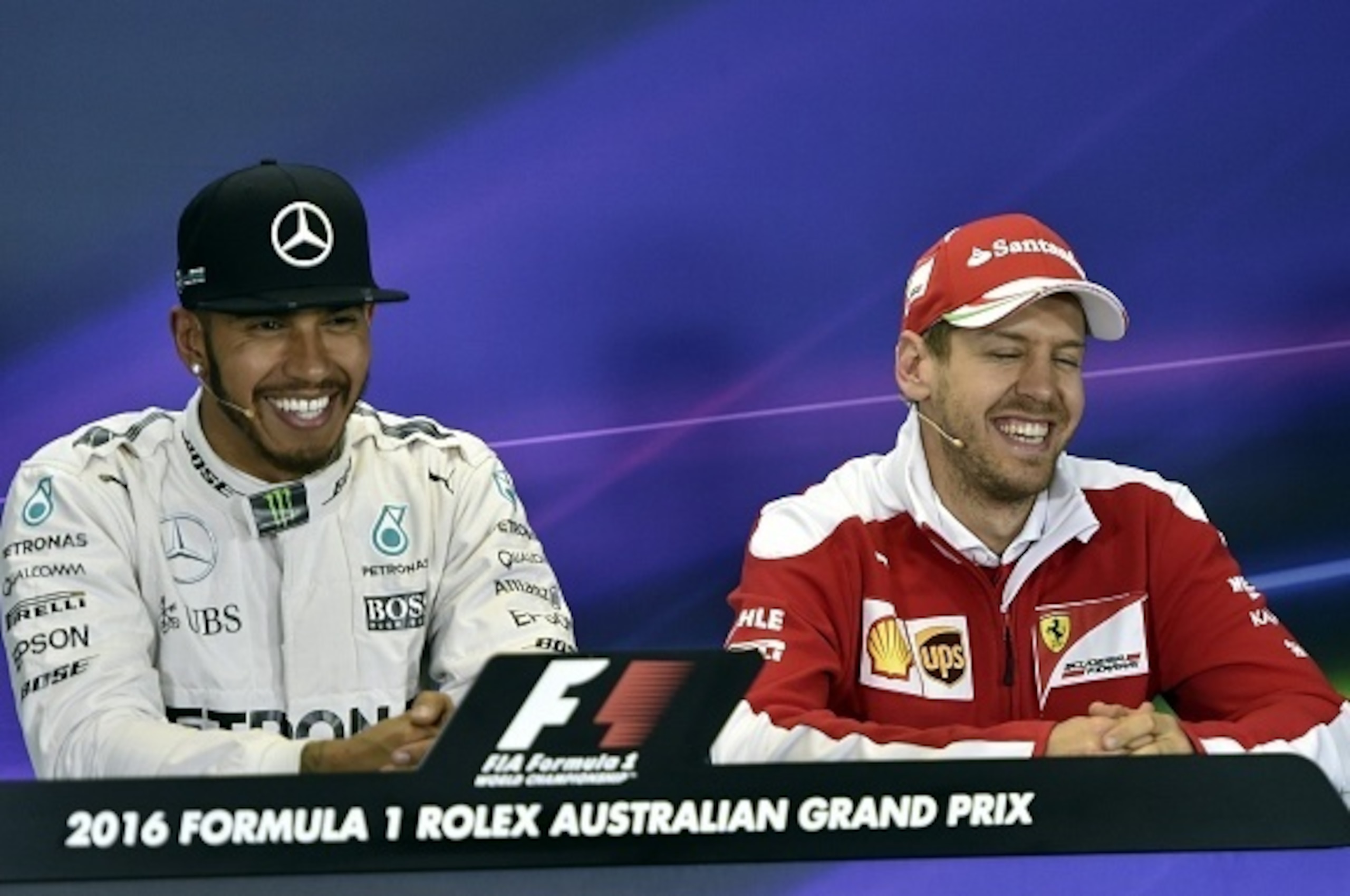
And when the top-three photocall was supposed to have happened—Hamilton was long gone by then, Rosberg was nowhere to be seen—Vettel appeared wearing a Ferrari sweater, jeans and trainers and sucking through the straw of a drinks bottle.
The sight of one of the most intense characters in Formula One looking so relaxed at the end of what has always been regarded as the most stressful, challenging part of a grand prix weekend encapsulated the flaws of the new format, which has robbed qualifying of much of its excitement and its sense of urgency.
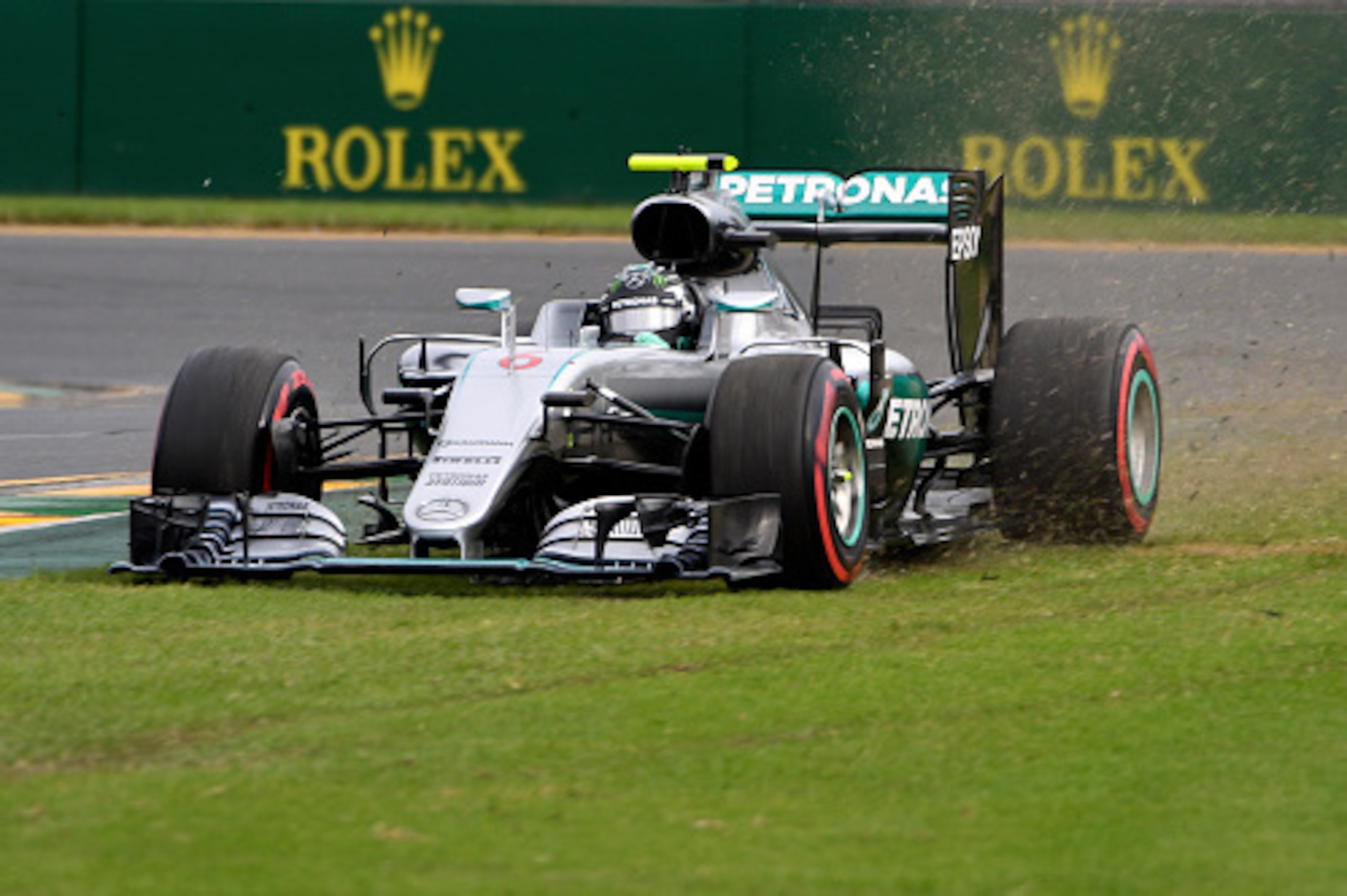
There was much anticipation at the beginning of Q1 as the sport entered this brave new world, with drivers battling for track position and Rosberg ruining his first flying lap by running over the grass at Turn 1, increasing the pressure on the German to perfect his second effort.
As the session progressed, however, it became increasingly predictable to the point where the fears expressed by Williams' Pat Symonds—who warned in February that qualifying "might not be as exciting" and "may not build up to that final crescendo," per Motorsport.com's Adam Cooper—were worse than first imagined.
Previously an exhibition of a driver's skill and bravery, qualifying quickly morphed into a clock-watching exercise. As predicted by Maurice Hamilton of ESPN F1, the fastest drivers posted their laps as early as possible before returning to the confines of the garage, leaving the midfield runners to provide the on-track action.
Despite the shame that should come with being eliminated during each segment, some teams and drivers, far from fighting until the very end to secure their place in the following segment, appeared all too happy to surrender to the countdown clock.
Haas were among the teams to mistime their laps, as team principal Gunther Steiner told Autosport's Parkes and Freeman, but Force India seemed overjoyed with ninth place on the grid.
Sergio Perez told the team's official website that missing out on Q3 was a "good" result, giving Force India an opportunity to start the race on a tyre compound of their choice and "many more options in terms of the strategy."
It provided further proof that qualifying has become nothing more than a precursor to the grand prix, and it is no surprise F1 is already planning to right its wrong following the widespread condemnation of the new format.

As reported by Motorsport.com's Jonathan Noble, the team bosses—who "unanimously accepted" the elimination-style system, per the FIA's official website—will hold a meeting ahead of the race with a view to changing the format in time for the Bahrain GP at the beginning of April.
It is as yet unclear whether they will decide to simply make alterations to the new Q3 format, revert to the previous system—which is regarded as "the most likely outcome," according to Noble—or rush to implement the next bright idea suggested by one of the round-table fools. But one thing is for sure.
When people as proud as Wolff are almost ashamed of celebrating pole position, and drivers of Vettel's calibre are busy changing into their casuals when they should be charging around the track, something has to change fast.
.jpg?w=2560 "Cowboys Texans Football")
.jpg?w=2560 "Browns Jaguars Football")




.jpg?w=2560 "NFL Won't Fine 'Beverage' Celebrations 🍻")