Formula 1 2016 Australian Grand Prix: Is the Race Winner Set for the Title?
After a long and at times very boring winter, the start of the 2016 Formula One season is finally upon us.
The 2016 Australian Grand Prix marks the start of the sport's longest-ever year, and it will give us our first real chance to see all 22 drivers in action—and the first answers to our most burning questions.
Are Mercedes still the team to beat? Have Ferrari cut the gap? Are Toro Rosso quicker than Red Bull, where do Williams stand and could McLaren return to regular points contention?
TOP NEWS

Broadcaster sorry for false LeBron rumor

Stephen A. Apologizes After Lane Johnson Comments
Ravens Trade for Eagles Pro Bowl OL 🚨
Testing times and analysis have given us hints about the pecking order, but it's impossible to know exactly how competitive each team is until we see them all doing the same thing, on the same track, at the same time.
After qualifying, we'll have an idea of who is on top; after Sunday's race, we'll know for sure who the title favourites are.
Or will we?
Does the result of the first race of the year really tell us how the rest of the season is going to pan out, or does it often present a misleading picture?

Even in a 21-race season, 25 points are 25 points—while they may make up a smaller percentage of the total available in 2016 than in any previous season, any advantage, at any stage, is a good advantage.
Therefore, it goes without saying that championship favourites Lewis Hamilton, Nico Rosberg, Sebastian Vettel and maybe even Kimi Raikkonen will all be targeting the top step of the podium as they seek to get their title chases off to the best possible start.
But how often does taking a points lead away from the first race of the year result in the driver claiming the world title?
Here are the winners of the opening race of each of the last 30 seasons, along with where they ended up in the drivers' standings.
| Year | Driver | Final Position | Champion? |
| 1986 | Nelson Piquet | 3rd | No |
| 1987 | Alain Prost | 4th | No |
| 1988 | Alain Prost | 2nd | No |
| 1989 | Nigel Mansell | 4th | No |
| 1990 | Ayrton Senna | 1st | Yes |
| 1991 | Ayrton Senna | 1st | Yes |
| 1992 | Nigel Mansell | 1st | Yes |
| 1993 | Alain Prost | 1st | Yes |
| 1994 | Michael Schumacher | 1st | Yes |
| 1995 | Michael Schumacher | 1st | Yes |
| 1996 | Damon Hill | 1st | Yes |
| 1997 | David Coulthard | 3rd | No |
| 1998 | Mika Hakkinen | 1st | Yes |
| 1999 | Eddie Irvine | 2nd | No |
| 2000 | Michael Schumacher | 1st | Yes |
| 2001 | Michael Schumacher | 1st | Yes |
| 2002 | Michael Schumacher | 1st | Yes |
| 2003 | David Coulthard | 7th | No |
| 2004 | Michael Schumacher | 1st | Yes |
| 2005 | Giancarlo Fisichella | 5th | No |
| 2006 | Fernando Alonso | 1st | Yes |
| 2007 | Kimi Raikkonen | 1st | Yes |
| 2008 | Lewis Hamilton | 1st | Yes |
| 2009 | Jenson Button | 1st | Yes |
| 2010 | Fernando Alonso | 2nd | No |
| 2011 | Sebastian Vettel | 1st | Yes |
| 2012 | Jenson Button | 5th | No |
| 2013 | Kimi Raikkonen | 5th | No |
| 2014 | Nico Rosberg | 2nd | No |
| 2015 | Lewis Hamilton | 1st | Yes |
We see from the table above that there is indeed a statistical probability that the winner of the first race will go on to take the title. In the 30 years between Alain Prost's 1986 championship and Lewis Hamilton's 2015 triumph, 18 first-race winners went on to take the title—a respectable 60 per cent.
Looking at each 10-year period, we see the percentages have remained the same despite modern cars being more reliable. It was 60 per cent in each of the three periods—1986 and 1995, 1996 to 2005 and 2006 to 2015.
Is 60 per cent high enough to call significant? Probably not. While history suggests there is a better-than-half chance the man on the top step of the podium on Sunday will eventually win the ultimate prize, it's only just better than half.
Furthermore, relevant to the modern day, there has been no recent trend toward first-race winners becoming the champion.
So we can quite safely say that, despite statistical probability being on his side, Sunday's winner would be wise to keep his chickens very much uncounted for the time being. But what about other notable first-race achievements?
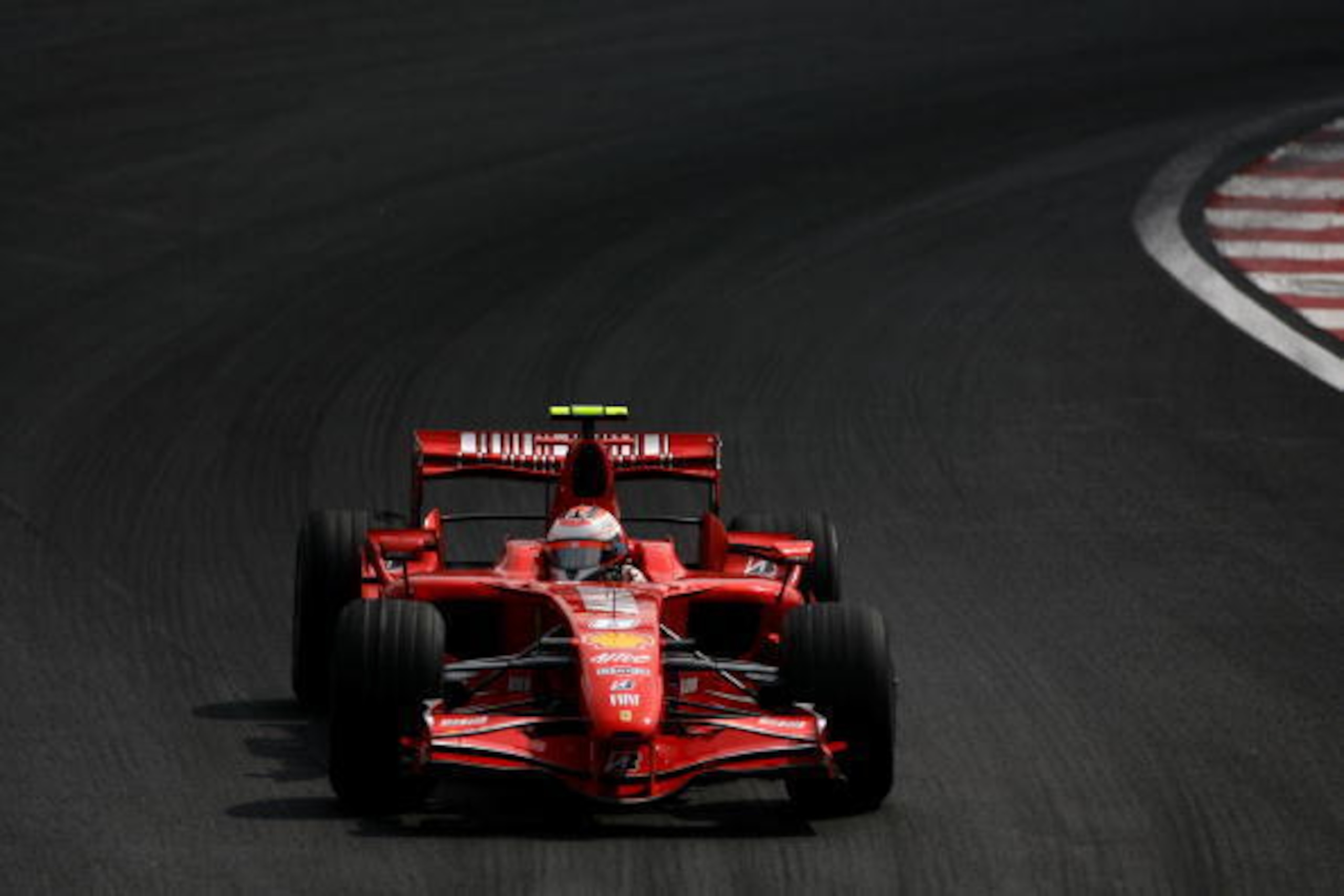
Fastest laps are a bit of a lottery these days due to the unusual behaviour of the Pirelli tyres, so it should come as no surprise that only one of the five first-race fastest lap setters since the Italian company entered the sport in 2011 has gone on to become world champion.
That was Hamilton, who achieved the feat in 2015. Before him, we have to go all the way back to 2007 to find a match.
In the entire 30-year period we looked at, 11 world championships were won by the driver who set the fastest lap in the opening round—just 36.7 per cent—and the recent trend is away from fastest laps being important.
So if we want to get a reasonable idea of how the season ahead will unfold, fastest laps are a very poor guide.
But what about another kind of "fastest lap"—pole positions? Here are the last 30 years' worth of first-race polesitters, along with their final championship position.
| Year | Driver | Final Position | Champion? |
| 1986 | Ayrton Senna | 4th | No |
| 1987 | Nigel Mansell | 2nd | No |
| 1988 | Ayrton Senna | 1st | Yes |
| 1989 | Ayrton Senna | 2nd | No |
| 1990 | Gerhard Berger | 4th | No |
| 1991 | Ayrton Senna | 1st | Yes |
| 1992 | Nigel Mansell | 2nd | Yes |
| 1993 | Alain Prost | 1st | Yes |
| 1994 | Ayrton Senna | N/A | No |
| 1995 | Damon Hill | 2nd | No |
| 1996 | Jacques Villeneuve | 2nd | No |
| 1997 | Jacques Villeneuve | 1st | Yes |
| 1998 | Mika Hakkinen | 1st | Yes |
| 1999 | Mika Hakkinen | 1st | Yes |
| 2000 | Mika Hakkinen | 2nd | No |
| 2001 | Michael Schumacher | 1st | Yes |
| 2002 | Rubens Barrichello | 2nd | No |
| 2003 | Michael Schumacher | 1st | Yes |
| 2004 | Michael Schumacher | 1st | Yes |
| 2005 | Giancarlo Fisichella | 5th | No |
| 2006 | Michael Schumacher | 2nd | No |
| 2007 | Kimi Raikkonen | 1st | Yes |
| 2008 | Lewis Hamilton | 1st | Yes |
| 2009 | Jenson Button | 1st | Yes |
| 2010 | Sebastian Vettel | 1st | Yes |
| 2011 | Sebastian Vettel | 1st | Yes |
| 2012 | Lewis Hamilton | 4th | No |
| 2013 | Sebastian Vettel | 1st | Yes |
| 2014 | Lewis Hamilton | 1st | Yes |
| 2015 | Lewis Hamilton | 1st | Yes |
The overall number is the same as it was for race winners—18 from 30, or 60 per cent. Ayrton Senna's single-lap brilliance stands out as the main spoiler here, with three poles in years he missed out on the title.
In the 10-year period containing the best part of the Brazilian's career, only 40 per cent of first-race polesitters took the title home at the end of the season.
But in recent years, the correlation between a first-race pole and the championship has become increasingly strong. Between 1996 and 2005, the figure was six in 10, and from 2006 to 2015, it rose to a significant eight in 10.
Even more worthy of note is the trend from 2007 onward, when F1 adopted a single tyre supplier and rubber variation was taken out of the equation. Only once since then has a driver who took pole at the opening race failed to become champion—Hamilton in 2012.
And that was, of course, the year in which nobody could work out what the Pirellis were going to do and we had seven different winners at the opening seven rounds.
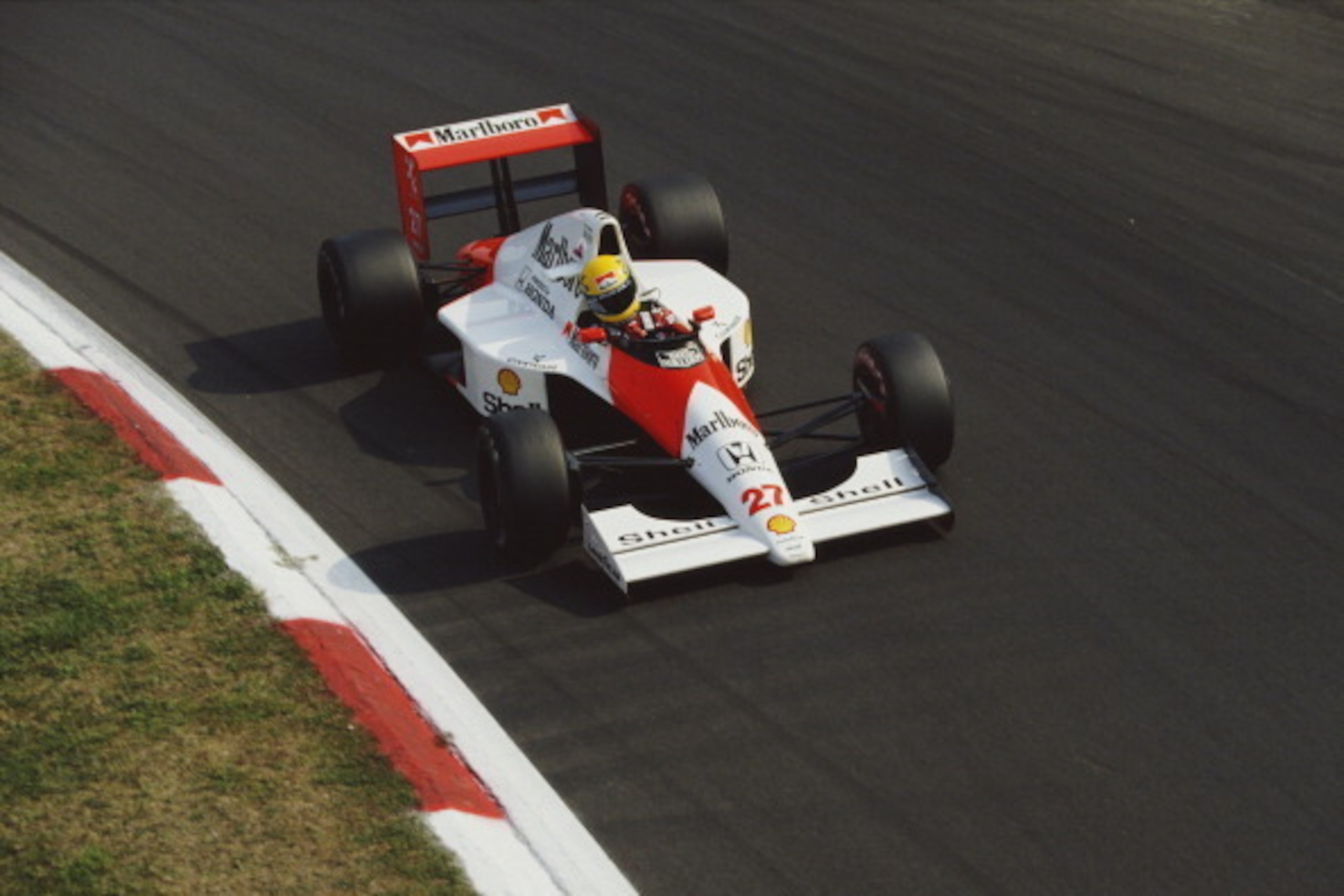
In the 1980s, a car being the quickest over a single lap did not necessarily mean it would be fast in the race too. It often was, but not always—and a fast car at one grand prix wasn't always quick at the next.
The same could be said for the drivers, because their input in qualifying could be significant. Senna, for example, was without compare over a single lap, and his skill could make a huge difference to his lap time.
However, his advantage over his peers was smaller—or non-existant—on race day.
But as the sport has evolved and as the machinery has become far more refined, perfected and predictable, the input of the driver, the sort of driving being performed and the circuit being raced on make less of a difference.
The cars of today, and their drivers, tend to be all-rounders. With very few exceptions, we see that if a car qualifies well, it races well, and if a car is good around a randomly selected circuit it will almost certainly be good at all the others, too.
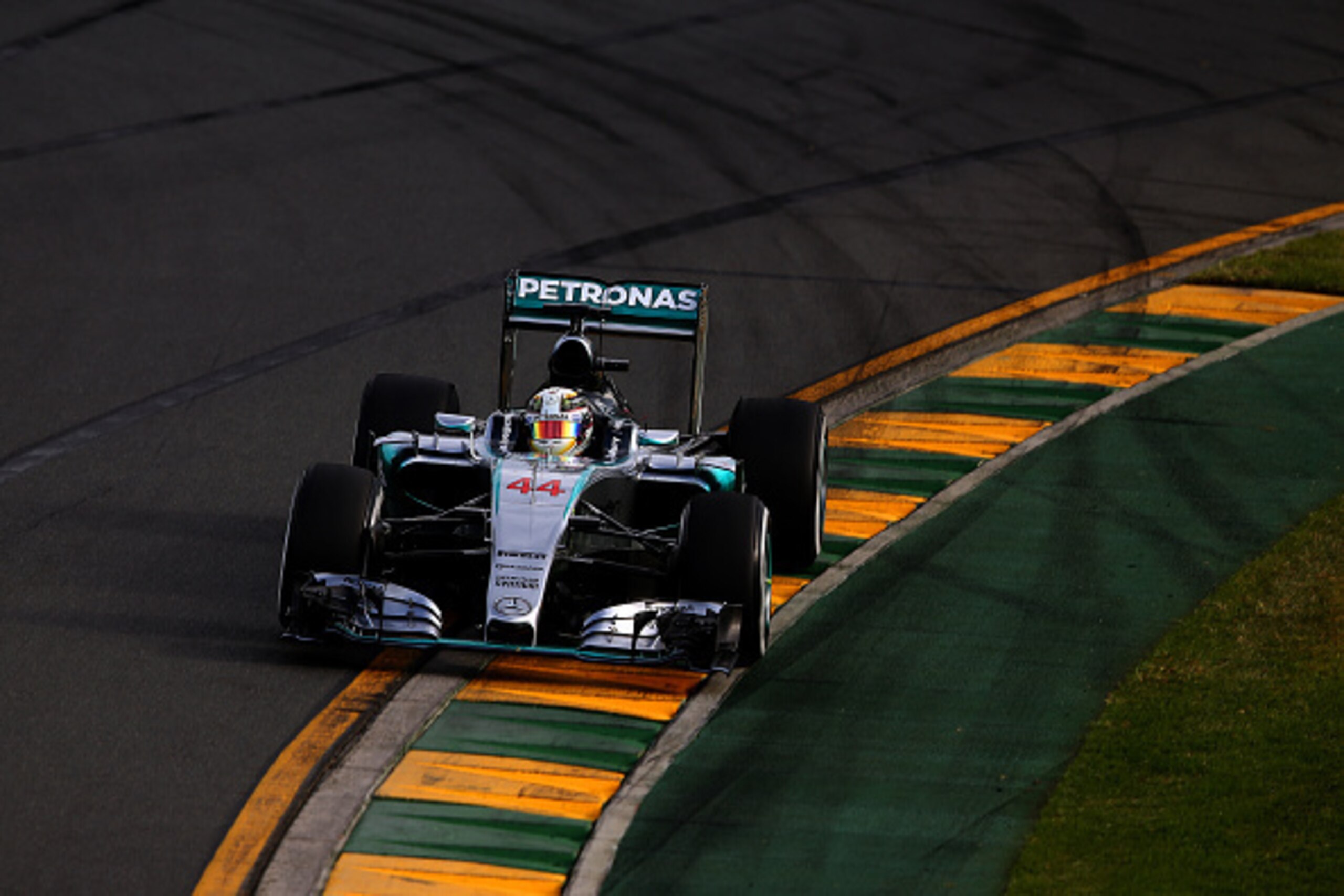
So qualifying at any given race has become a much stronger indicator of the real, season-long pecking order than ever before—and there are fewer variables standing in the way of the fastest driver in the fastest car taking a pole position than there are standing in the way of him taking a race win.
Bad starts, mistakes, accidents, poor reliability, suboptimal strategy, undercuts, overcuts, traffic, unexpected tyre behaviour and safety cars can all get in the way on a Sunday, especially at the first race of the year.
But on Saturdays, at any round, the list of things to worry about is smaller, and we're more likely to see the car and driver with the strongest ultimate pace at the head of the classification.
The result of this is the trend we see in the pole-to-championship table—it is becoming increasingly likely that the starting order at the first race, not the finishing order, will set the tone for the whole season.
Saturday's qualifying session will tell us more about the pecking order than Sunday's race.
Or at least, that's what the statistics say.
We'll find out in November if they've been lying to us.
.jpg?w=2560 "Cowboys Texans Football")
.jpg?w=2560 "Browns Jaguars Football")