The Complete Guide to UFC Fight Night 85: Hunt vs. Mir
The UFC returns to Brisbane, Australia on Saturday night with a solid offering on Fox Sports 1. In the main event, Mark Hunt and Frank Mir meet in a good matchup of veteran Top 10 heavyweights. While it is unlikely to affect the title picture in any meaningful way, it's is a fun pairing of skilled fighters who are nearing the end of their runs in the UFC.
In the co-main event, Hector Lombard takes on Neil Magny in a well-matched welterweight bout that gives both fighters an in to potential fights with the division's elite.
The rest of the card is more or less what you would expect from a foreign Fight Night card on FS1. Australian and New Zealand fighters are present in most of the matchups, though the UFC hasn't done them many favors with the matchmaking.
Rising prospect Jake Matthews gets a tough test, for example, in the form of Johnny Case in an excellent lightweight bout. Local favorite Daniel Kelly is a substantial underdog against The Ultimate Fighter Brazil 3 winner Antonio Carlos Junior. It doesn't feature a regional fighter, but the headlining bout on Fight Pass features Chad Laprise against Ross Pearson in what should be a fantastic action fight.
Let's take a look at each individual matchup.
The Fight Pass Prelims
1 of 8
Lightweights
Alan Patrick (12-1; 2-1 UFC) vs. Damien Brown (15-8; 0-0 UFC)
Australia's Brown steps up on extremely short notice to take on Brazil's Patrick in the evening's curtain-jerker. Brown has mostly been a journeyman on the regional scene, dropping all three of his outings in the Cage Warriors organization before stringing together five straight. Patrick came up short against Mairbek Taisumov in June after winning his first two in the UFC.
Brown is mostly a wrestler and top-control artist, and he's relentless in getting after the takedown. His striking isn't bad, exactly, but he could stand to throw more. Patrick is a dynamic athlete with great size, but he's more focused on flash than fundamentals on the feet. He's best from top position, where he's technical and hard to shake off.
Patrick is the superior athlete and has more diverse skills. He takes a decision.
Lightweights
Ross Pearson (18-10, 1 N/C; 10-7, 1 N/C UFC) vs. Chad Laprise (10-1; 3-1 UFC)
Pearson's original opponent, Abel Trujillo, was forced to pull out from the fight a week out. Canada's Laprise agreed to forgo his bout against Alan Patrick to take on Pearson in the Fight Pass headliner in a crackling matchup of lightweight strikers.
Both Pearson and Laprise are winners of The Ultimate Fighter, with Pearson taking the United States vs. United Kingdom season and Laprise the Nations edition. The U.K.'s Pearson has alternated wins and losses over his last six, most recently falling short against Francisco Trinaldo after beating Paul Felder. Laprise looks to rebound from the first loss of his career, as he too fell to Trinaldo.
The Canadian is a smooth, technical and aggressive striker. A crisp jab and steady diet of low kicks score, wear his opponent down and force him backward, which opens up Laprise's straight right and high kicks. Power isn't Laprise's strong suit, but his high volume, commitment to attrition and ability to wrestle defensively and hit the occasional takedown make him a well-rounded and tough package.
Like Laprise, Pearson is a striker by trade. He's inconsistent, and his success depends on how the timing and shot selection on his counters feels on any given night. A counterpuncher, though an aggressive one, Pearson's specialty is exchanging in the pocket. The left hook to the head and straight right to the body are his money punches; if those are working well, he tends to win fights, and if not, he's in trouble.
This will likely play out as a striking match, though it wouldn't be surprising to see either fighter attempt a takedown or two for the sake of variety. Laprise throws a bit more volume, but Pearson is more powerful, and both are willing and able to exchange with technical skill. Given the short-notice nature of the fight, whoever finds his timing and range first will likely win.
That will probably be Laprise, who opens up more aggressively and piles up volume early. The Canadian takes a decision.
The Fox Sports 1 Prelims
2 of 8
Welterweights
Richard Walsh (9-3; 2-2 UFC) vs. Viscardi Andrade (18-6; 2-1 UFC)
Low-level welterweights meet in a solid matchup. Walsh, an Australian competitor on The Ultimate Fighter: Nations, has had mixed success in the UFC. He rebounded from a knockout loss to Alan Jouban by taking a decision from Steve Kennedy in November. Brazil's Andrade took a decision from Gasan Umalatov, also in November.
The Brazilian is big, physical and well-rounded. He prefers to strike and likes a stiff jab, winging right hand and strong switch kick. The clinch is another point of emphasis, and he puts his size to good use in close. He's a poor offensive wrestler but functional defensively, while from top position he's technically sound and maintains a strong base.
Walsh is likewise big, aggressive and physically gifted. He likes to pressure his opponents toward the fence behind punishing low kicks and punching combinations and to then tee off in the pocket and in the clinch. Strong defensive wrestling and the occasional takedown add some variety, but his defensive grappling skills need work.
This is a close fight, but the Australian has more tools and has made more consistent improvements. If Andrade can get it to the ground, he has a good shot, but Walsh's takedown defense has been strong. Walsh takes a decision over the durable Brazilian.
Women's Bantamweights
Leslie Smith (7-6-1; 1-2 UFC) vs. Rin Nakai (16-1-1; 0-1 UFC)
The American Smith takes on Japan's Nakai in a decent matchup at 135 pounds. Smith came up short against Jessica Eye after knocking out Jessamyn Duke in the first round, while Nakai put on a lackluster performance against Miesha Tate in her first UFC appearance 18 months ago.
Nakai is strong and thickly built, and she puts that frame to use by bullying her opponents with a physical but technically lacking game of takedowns and clinch grinding. Smith is a brawler who buries her opponents under a wave of head-body combinations and complements that striking game with sharp grappling.
The American is a much more dangerous and much quicker-paced striker. While Nakai could grind this out in the clinch and from top position, Smith's volume and constant work should wear her down by the second round. Smith pours it on late to take a decision.
Featherweights
Daniel Hooker (13-6; 2-2 UFC) vs. Mark Eddiva (6-2; 1-2 UFC)
Action-fighting featherweights with their jobs on the line collide in a low-level but well-matched scrap. Hooker scored the biggest win of his career against Japanese veteran Hatsu Hioki but came up short against uber-prospect Yair Rodriguez in his last outing. Eddiva, a native of the Philippines, has lost two in a row.
Hooker is a crafty, veteran striker who uses his rangy frame (6'0") to good purpose in both stances. A snapping cross and sneaky head kicks combine with a nasty clinch arsenal of elbows and knees to make him a handful for anyone. Eddiva too is mostly a striker. His slicking kicking game, hard punching combinations and sneaky, explosive takedowns make him a fun offensive package.
This is a closer fight than the minus-200 line in Hooker's favor suggests. Though his height gives him an advantage at range, Eddiva is a strong kicker and has a better takedown game as well. Hooker takes a tight decision.
Welterweights
Brendan O'Reilly (6-1, 1 N/C; 1-1 UFC) vs. Alan Jouban (12-4; 3-2 UFC)
The American action fighter Jouban gets a bounce-back matchup against Australia's O'Reilly. Jouban had won two in a row following a controversial loss to hot prospect Warlley Alves but fell in the first round to the rising Albert Tumenov in October. O'Reilly, a veteran of TUF: Nations, rebounded from a loss to Lipeng Zhang by beating Vik Grujic last May.
O'Reilly can do a bit of everything. He's at his best in the clinch, with strong control and a decent array of trip takedowns and throws, and he can do some work with punching combinations and kicks at range. Defense is a serious weak point, however, both against strikes and takedowns.
Jouban is a brawler by nature. The southpaw has big power in his left hand and left kick and is a monster in the clinch, where he throws brutal knees and slashing elbows. His wrestling has improved, and he's a competent grappler to boot. The problem is his defense, which is subpar, though a great chin has mostly made up for that.
This is the American's fight to lose, as he's both a better athlete and more technically sound everywhere. O'Reilly goes down in the first round to a barrage of strikes.
Bec Rawlings vs. Seohee Ham
3 of 8
Strawweights
Bec Rawlings (6-4; 1-1 UFC) vs. Seohee Ham (16-6; 1-1 UFC)
Korea's Ham draws Australia's Rawlings in front of her home-country crowd. Rawlings has split her two UFC outings, coming up short against Heather Clark before finishing Lisa Ellis last May. Ham dropped her debut to Joanne Calderwood and then defeated Cortney Casey in Seoul in November.
Rawlings is all aggression, both for better and worse. She charges forward in straight lines, winging punches and kicks with little regard for defense or angles. If she doesn't land at range, she's happy to dive into the clinch, her real wheelhouse. She has a sharp array of knees and elbows melded with solid trips in the tie-ups. From the top, she drops bombs, passes well and can finish from the back.
The flip side to that is that Rawlings is terribly hittable at range, she leaves her hips open for takedown attempts as she bulls forward, and her commitment to offense on the mat allows her opponents to get back to their feet or reverse her.
Ham is tiny for the division at only 5'2", but the southpaw striker makes up for it by fighting long on the feet. She has a crisp jab, rangy kicks and a nice straight left hand that she hurls early and often. The Korean has professional kickboxing experience, and it shows in her slick counterpunching arsenal, command of angles and surprising power.
The rest of Ham's game is solid. She's competent at defending takedowns and looks for the occasional trip of her own for variety.
Betting Odds
Ham -125, Rawlings +105
Prediction
While Rawlings has a substantial size advantage over Ham, who's really more of an atomweight than a strawweight, the South Korean is a much more skilled striker and can compete in the clinch. Her takedown defense isn't perfect, but nobody will confuse Rawlings with a collegiate wrestler, either.
If this mostly takes place on the feet and in the clinch, the difference should be Ham's counterpunching ability. Rawlings is a bad defensive fighter who's always there to be hit, and that's a recipe for Ham to exploit. The South Korean takes a competitive decision.

James Te Huna vs. Steve Bosse
4 of 8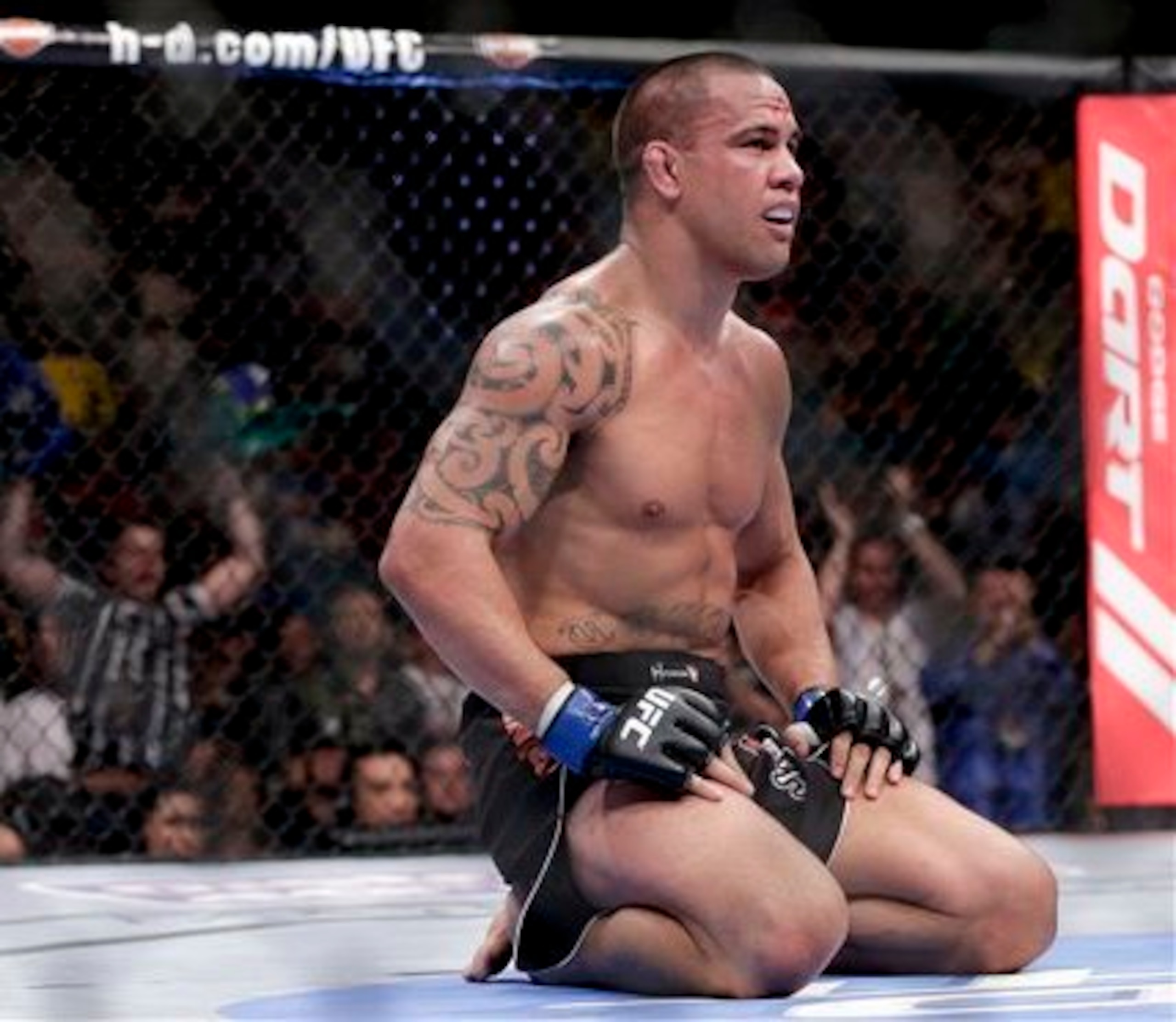
Middleweights
James Te Huna (16-8; 5-4 UFC) vs. Steve Bosse (10-2; 0-1 UFC)
Middleweight bangers meet in a fun matchup. New Zealand's Te Huna hasn't fought since June 2014, when Nate Marquardt submitted him with an armbar. Prior to that, Mauricio "Shogun" Rua and Glover Teixeira both defeated him inside the distance. With three losses in a row, Te Huna desperately needs a win here.
So too does former hockey goon Bosse. The Canadian ate a head kick from Thiago Santos in his debut last June, lasting all of 29 seconds.
Te Huna is mostly a striker. He's an explosive athlete, and his hands are both quick and powerful. Boxing is the foundation of his game, as he whirls crisp combinations of power punches that he likes to punctuate with a vicious right uppercut. Exchanging is his specialty, and while he's not big on head movement, he does move well at close range and takes clean angles. The occasional low kick adds some variety.
While striking is Te Huna's wheelhouse, he's a strong dirty boxer in the clinch, where his preference for uppercuts and physicality combine to make him a handful for any opponent. Technical wrestling skill isn't the Kiwi's hallmark, but his explosiveness gives him good drive on his doubles. He's above average when it comes to defending takedowns but struggles against skilled opposition.
From top position, Te Huna can do some work with punches, but he's vulnerable in transitions and offers nothing from his back.
Bosse is a brawler, plain and simple, and is more or less what you would expect from a former hockey enforcer. Exchanging is the strongest part of his game, where he doubles or even triples a powerful, winging right hand. He's happy to work at a quick pace and seems to have good cardio.
If his opponent won't consent to bang it out in the pocket, Bosse simply falls forward into the clinch, where he has a nice arsenal of elbows, knees and uppercuts. Decent takedown defense mostly keeps him standing, and he can scramble back to his feet, but he isn't much of a threat on the mat.
Betting Odds
Te Huna -255, Bosse +215
Prediction
While there are real questions about Te Huna based on his many injuries, the long layoff and his current string of defeats, that betting line is likely giving Bosse too much credit. Even in Bosse's preferred type of fight in the pocket, Te Huna is hardly a slouch, and he can match the Canadian for power while exceeding him in technical skill. Add in a few takedowns and the New Zealander's path to victory is clear.
Te Huna knocks out Bosse in the first round.
Daniel Kelly vs. Antonio Carlos Junior
5 of 8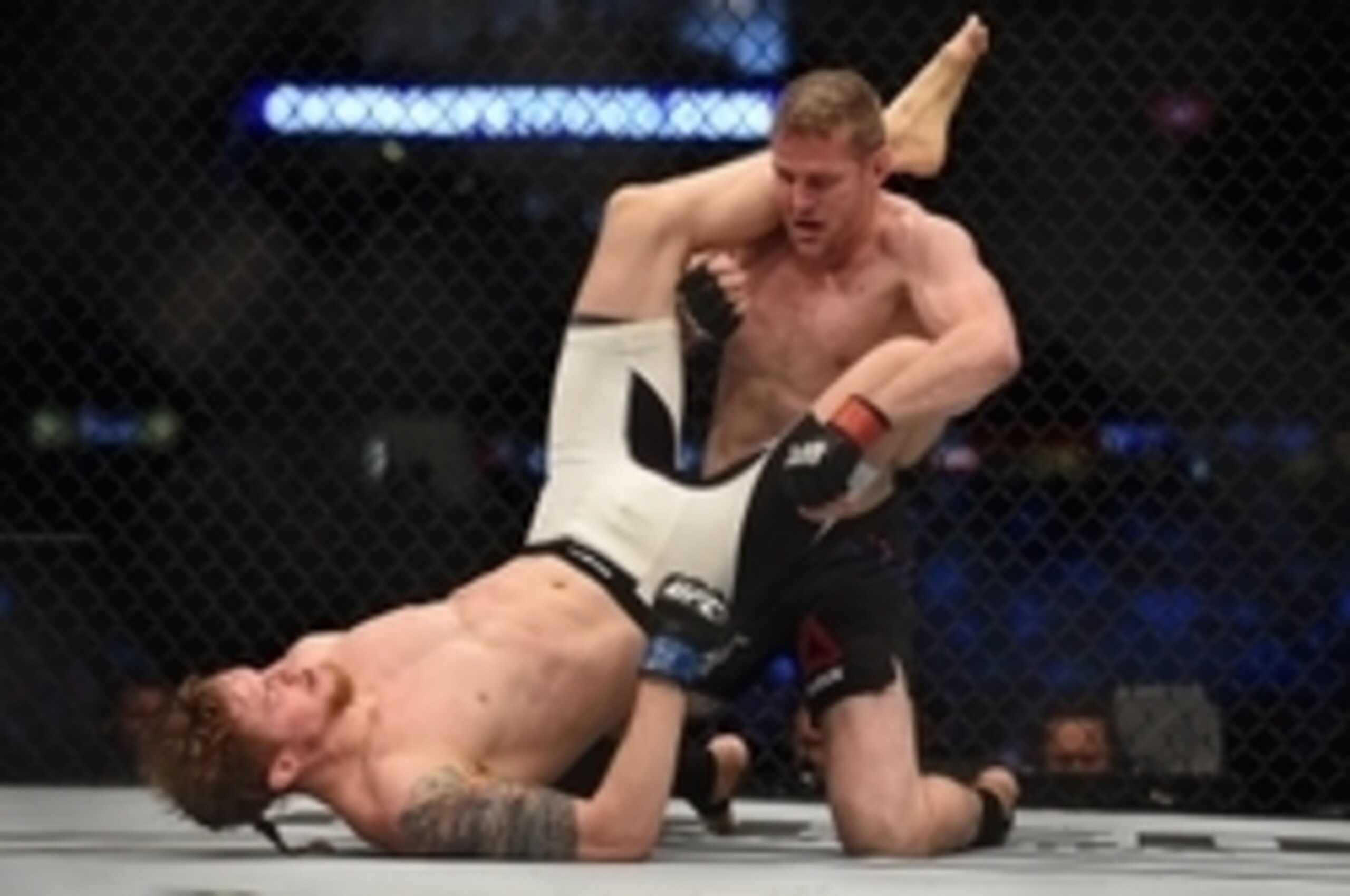
Middleweights
Daniel Kelly (10-1; 3-1 UFC) vs. Antonio Carlos Junior (5-1, 1 N/C; 2-1, 1 N/C UFC)
The Ultimate Fighter: Nations meets The Ultimate Fighter: Brazil as Australia's Kelly takes on Brazilian show winner Carlos Junior in a solid middleweight matchup.
The 30-eight-year-old judo Olympian Kelly has been a surprising success since his time on the show, defeating Steve Montgomery and Patrick Walsh while falling only to Sam Alvey. Carlos Junior poked Kevin Casey in the eye in his last outing but sandwiched wins over Eddie Gordon and Vitor Miranda around a loss to Patrick Cummins at light heavyweight.
This is an odd pairing. Carlos Junior is a 26-year-old blue-chip prospect, while Kelly is a hometown favorite and a substantial underdog.
The Brazilian is an athletic and rapidly improving prospect. Grappling is his base, and he's a smooth, controlling and dangerous threat from top position. He passes beautifully and uses hard ground strikes to set up his transitions and open up submissions, namely the arm triangle and rear-naked choke. Strong top control artists have been a problem for him, but even from his back he's active and dangerous.
Transitions are a real strength of his game. He excels at using strikes to force his opponents to cover up, and when they do he changes levels and grabs ahold of a double. His technical wrestling skills are improving quickly, and he shows good drive and clean finishes.
On the feet, Carlos Junior is a promising work in progress. His fundamentals are clean and technical, with good weight transfer and solid power in his punches and kicks. He's still a bit rote and predictable, but he's becoming less so in each outing.
Kelly has a deep background in judo and has added a functional southpaw striking game to his base. He likes the straight left and has some pop in his right hook, while the occasional left kick adds some variety. Defense isn't his forte, though he throws decent combinations and works at a good pace.
The clinch is Kelly's wheelhouse. He has a beautiful arsenal of trips, hip tosses and sacrifice throws, and he's shockingly strong in the tie-ups. It's nearly impossible to take him down there, and in general he has strong takedown defense.
On top, Kelly is competent, if not outstanding. His base is heavy, and he has some power in his ground strikes. Passes and the occasional submission make him a threat to finish, though probably not against higher-level competition.
Betting Odds
Carlos Junior -500, Kelly +400
Prediction
This is the Brazilian's fight to lose. He's a vastly better athlete, hits much harder and is a more skilled grappler, while his wrestling skills should be up to the task of either keeping this standing or hitting takedowns of his own. Kelly might have some success in the clinch, but over three rounds it's too tall a task. Carlos Junior takes a decision.
Jake Matthews vs. Johnny Case
6 of 8
Lightweights
Jake Matthews (9-1; 3-1 UFC) vs. Johnny Case (22-4; 4-0 UFC)
Australia's Matthews is one of the best prospects the country has ever produced. The 21-year-old rebounded from the first loss of his career, a submission at the hands of James Vick, by pounding the veteran Akbarh Arreola into a doctor stoppage last November.
He gets a big step up in competition against the American Case, who has won four in a row to begin his UFC career. Yan Cabral and Francisco Trevino were his two most recent victims.
Matthews is a blue-chipper, and a win over Case would mark him out as a potential future contender in a stacked division. For Case, a victory of Matthews would give him a shot at a Top 15 opponent and some long-overdue recognition.
The Australian is a physical specimen blessed with great athleticism, speed and power. His skills are still a bit raw, though, especially on the feet. The basic outlines are present, as he slings a hard jab and sharp low kicks and then picks his spots to explode forward into a potent right hand.
His understanding of angles and rhythm is still basic; everything comes at full speed and on a straight line, which makes him easy to figure out despite his natural quickness and explosiveness.
As with his striking, Matthews' technical wrestling skills are raw, but his drive and strength makes up for his limited repertoire. He likes explosive doubles and trips in the clinch, and his defensive skills seem to be competent, but we haven't seen much of them.
Grappling is the best part of the Australian's game. He's a monster on top, with an outstanding arsenal of punches and elbows married to constant pressure and competent passes. Scrambles are his strongest suit, and he excels at baiting his opponents to stand up and then spinning to the back or grabbing a guillotine.
Case has flown under the radar, but his skills are well-rounded and technical in every phase of the fight. The 5'10" American fights long, throwing a crisp and consistent jab from both stances and following straight power punches with slashing low and middle kicks. His movement and footwork are excellent, and he's constantly hunting for angles from which to attack.
Volume and pace are the best pieces of his striking game. He isn't a power puncher, though he does have some sting in his shots, and he mostly wears his opponents down with work rate and attrition.
While he likes to strike and spends most of his time sticking and moving at range, Case was originally a wrestler, and he has strong skills in that facet. He's a strong defensive wrestler, though not impenetrable, and he has a nice array of singles and doubles.
Top control is another excellent piece of Case's game. He has great posture and real power in his ground strikes and can find his way to dominant positions, where a heavy base keeps him situated while he rains down punches and elbows. Unusually for a former wrestler, he's also comfortable on his back and has a nice array of reversals. Scrambles are another strong point.
Betting Odds
Case -115, Matthews -105
Prediction
As the betting odds indicate, this is basically a coin flip. Case is better technically on the feet and probably as a wrestler, but Matthews is more physical and faster and could do bad things to Case if he can get to top position.
This should be a close fight, but Case's smoother striking repertoire and better volume should be the difference. The American takes a decision.
Hector Lombard vs. Neil Magny
7 of 8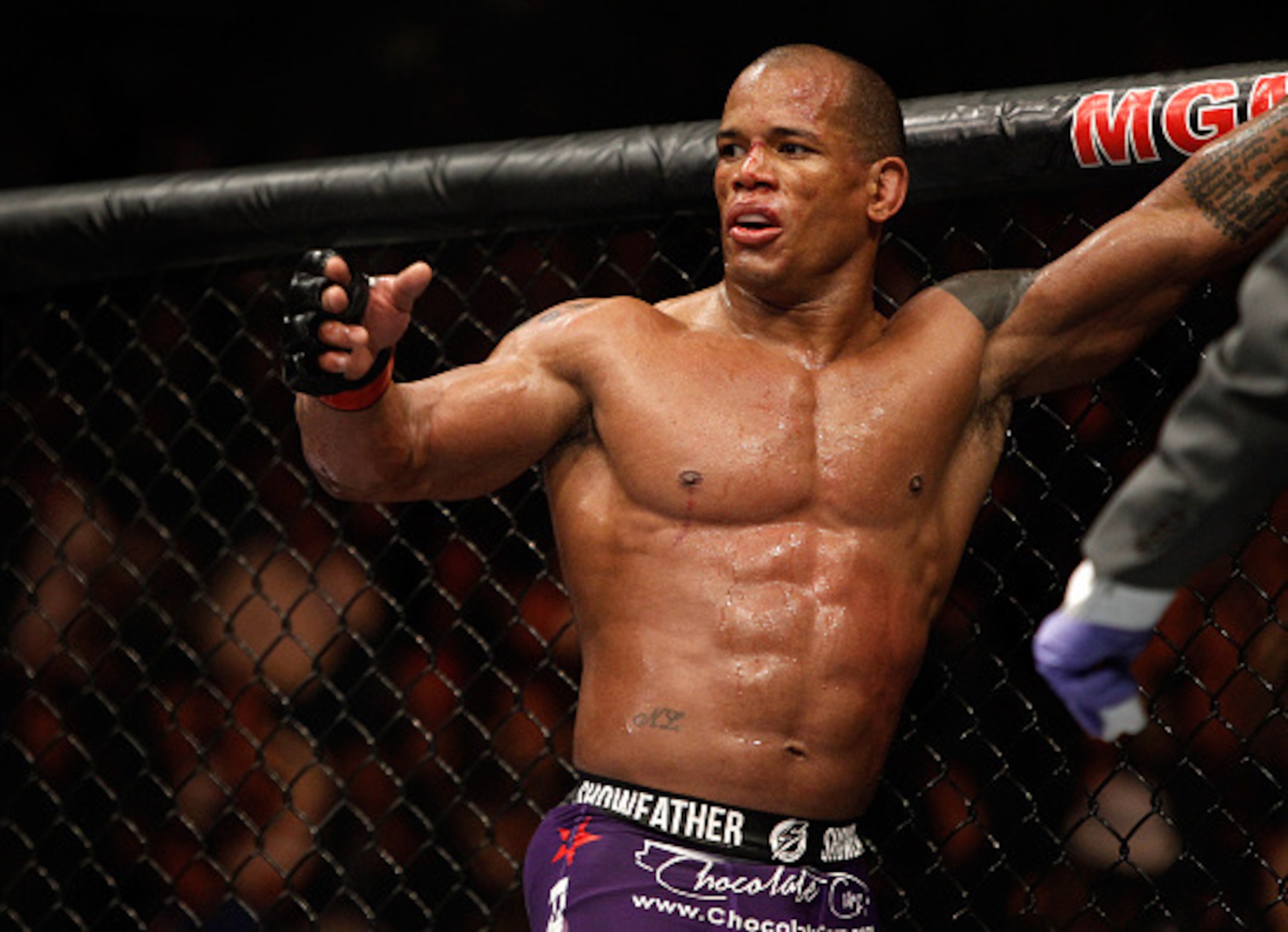
Welterweights
Hector Lombard (34-4-1, 2 N/C; 3-2, 1 N/C UFC) vs. Neil Magny (17-4; 10-3 UFC)
Cuban judo Olympian and longtime Australia resident Lombard returns to his adopted homeland to face the American Magny. Lombard has been out of action since testing positive for a performance-enhancing drug after a win over Josh Burkman in January 2015, while the active Magny has gone 4-1 in that stretch. Since losing to Demian Maia last August, Magny has defeated Erick Silva and Kelvin Gastelum.
This is Lombard's last chance to build something like momentum in a stacked division. He's now 38 years old and would rightfully be written off as a contender with a loss here. Magny has more time, but this would be a signature win for the rising 28-year-old.
Lombard is a pressure fighter or swarmer by nature. The southpaw does the vast majority of his work when he can back his opponent up to the fence and unload vicious combinations of power punches. Even at 38, Lombard is a next-level athlete with incredible speed, strength and force in his shots, and he carries that power in both hands.
It's a dangerous game for opponents to navigate. Lombard doesn't have the smoothest or most technical cage-cutting footwork, but he's relentless and capitalizes on any openings his opponents give him. Back up even for a second, and Lombard is there, dropping three to five shots in rapid succession. He also excels at catching kicks and returning fire with a single counter.
As good as he is at range, the judo Olympian is even better in the clinch. He has an exceptional array of trips and throws and is so strong that he can easily control an opponent with a single underhook and use the off hand to land short uppercuts and hooks.
Lombard's takedown defense is nearly impenetrable. His 5'9" stature makes it difficult to get in on his hips for shot takedowns or to gain any leverage at all in the clinch.
The Cuban is an accomplished grappler as well. He likes to rest on top after a takedown but is capable of incredible explosions of ground-striking violence when the mood strikes. Leglocks are a specialty, and he's more than competent in scrambles.
On the downside, Lombard's lack of height is a real problem. Aside from the occasional low kick, he's almost exclusively a boxer, which means that he simply can't reach opponents in open space despite his explosiveness. This contributes to a lack of offensive output, along with a limited gas tank. Lombard has a bad habit of conserving energy for minutes at a time and then blowing it all on a single flurry.
Magny has grown dramatically since entering the UFC three years ago. He's exceptionally tall at 6'3" and uses that height to his advantage in every phase of the fight. At range, he likes to pop a crisp jab and stinging straight right hand while mixing in the occasional front and round kick for variety.
Striking is probably the weakest part of his game, though. His footwork is inconsistent, and he has a bad habit of allowing shorter opponents to get inside his reach and push him back to the fence without much of a fight.
Magny is better in the clinch. His height gives him incredible leverage, which he uses to good effect on a series of inside and outside trips. Controlling against the fence is a specialty, and he unloads a steady stream of knees as he works. His takedown defense could be better, but he scrambles well and is hard to hold down.
From the top, Magny is a monster. He has a heavy base and surprising pop in his ground strikes. Working from half guard is his preference, where he can use the full benefit of his frame to put pressure on his opponent while working for kimuras and arm triangles. He's fine in scrambles as well and has a gift for getting to the back.
Betting Odds
Magny -130, Lombard +110
Prediction
This is another close fight, and one in which there are a number of important intangibles. How will Lombard look after more than one year on the shelf following a positive PED test and the imposition of a new testing regimen? Will his advancing age catch up with him? On the other hand, has Magny continued to make improvements?
For those reasons, Magny seems like the safer pick, though with some serious caveats. His habit of backing up to the fence is a real issue against a fighter like Lombard who does his best work there, and his reliance on the clinch could be a problem against a judo Olympian. It wouldn't be surprising at all if Lombard melted Magny with an overhand left against the fence in the first round.
Still, Magny's massive edge in cardio and relentless approach should get it done after a rough beginning. He takes a close decision.
Mark Hunt vs. Frank Mir
8 of 8
Heavyweights
Mark Hunt (11-10-1; 6-4-1 UFC) vs. Frank Mir (18-10; 16-10 UFC)
Veteran heavyweights nearing the end of the road meet in the evening's main event. Hunt rebounded from a brutal two-fight losing streak against Fabricio Werdum and Stipe Miocic by knocking the stuffing out of Antonio "Bigfoot" Silva in November, while Mir saw his two-fight winning streak come to an end against the resurgent Andrei Arlovski in September.
Neither fighter is likely to contend for another title. It took a long shot for Hunt to get a crack at the interim belt against current champion Fabricio Werdum and an accident of timing for Mir to receive his last, against Junior dos Santos almost four years ago. Both can still have a few big-money bouts with the division's elite before they're done, however, and a win would put either in line for one.
Hunt, the winner of the 2001 K-1 Grand Prix, is an accomplished kickboxer with the deep skill born of decades of experience in the striking arts. He's slower than he used to be, and his legendary chin has cracked, but he's still shockingly quick and powerful.
More importantly, Hunt has a world-class understanding of distance, timing and rhythm. There's nothing flashy about his striking, which is a meat-and-potatoes selection of jabs, left hooks, straight right hands to the body and uppercuts with the occasional low kick for variety, but his ability to apply them is exceptional.
Although he's only 5'10", Hunt rarely struggles against taller opponents. He fights behind a sharp jab that sets the distance, he moves his feet under him as he throws, and his crisp footwork of small steps and pivots continuously brings him closer to his opponents than they realize. Accuracy is a hallmark of his game, and he rarely commits to a poorly placed shot.
The left hook is Hunt's money punch, and he can land it as a lead, following a straight right to the body or on the counter, where he's most lethal.
The rest of Hunt's game is surprisingly well-developed. His lack of height is a strength when it comes to takedown defense, as it's difficult for opponents to drop down to get in on his hips. The occasional explosive double of his own gives him some breathing room, and he knows how to stay safe and land strikes from top position.
Mir is best known for his jiu-jitsu, but he has been a threat on the feet for years as well. The southpaw has a nice straight left, a knack for throwing in combinations and good timing on his counters. He has pop in both hands but especially his left.
Although he's more defensively sound now and moves his head more effectively, Mir is still hittable. His chin has always been a bit questionable, and while he hasn't suffered a knockout loss in several years, the concern is still present. Nor is he particularly active, especially after the first round.
Wrestling isn't Mir's strongest suit. He has nice trips and the occasional throw in the clinch and can hit a well-finished double, but he doesn't do much to set up his shots. He's not good defensively, either.
Mir doesn't worry too much about being taken down, since grappling is still the best piece of his game. On his back, he's aggressive but worries more about grabbing ahold of a limb than avoiding his opponent's shots, and that has been a consistent problem. Still, he's lethal when he gets a good grip and often uses submission attempts to sweep.
He's much better from the top. His base is heavy, and he passes smoothly. The same pathological aggression that characterizes his bottom game applies doubly on top.
Betting Odds
Hunt -170, Mir +150
Prediction
This is Hunt's fight to lose. Mir is no slouch on the feet and hits hard enough to end Hunt's night early, but the kickboxing champion is infinitely sounder on a technical level and has more power to boot. The American's takedown game probably won't be good enough to get Hunt down, either, and even if he does it's not like Hunt is helpless on the mat these days.
Mir hasn't been knocked out in a few years, but chins don't get better. Hunt plants a big shot on the former champion and finishes him in the second round.
All betting odds via Odds Shark.
Patrick Wyman is the Senior MMA Analyst for Bleacher Report and the co-host of the Heavy Hands Podcast, your source for the finer points of face-punching. He can be found on Twitter and Facebook.
.jpg?w=2560 "Vikings Football")
.jpg?w=2560 "Dak to Stroud: Get Some Wins 💯")
.jpg?w=2560 "5 NFL Players Getting Trade Buzz")