The Dos and Don'ts for Sports Contract Hardball
Jose Bautista said he doesn't plan to give the Toronto Blue Jays a hometown discount—smart or not?
Contract negotiations can get sticky in sports. From an athlete perspective, it's not always easy to get what you want in terms of dollars, years, guaranteed money—whatever. Sometimes, a little hardball is necessary, but in other times it has proved to be a poor negotiation strategy.
Here are a few recent examples that help illustrate what to do and what not to do.
Should entry-level players hold out? Should big-time players rant on Twitter about their contracts? Read on to find out.
Do: Benefit from Your Situation
1 of 10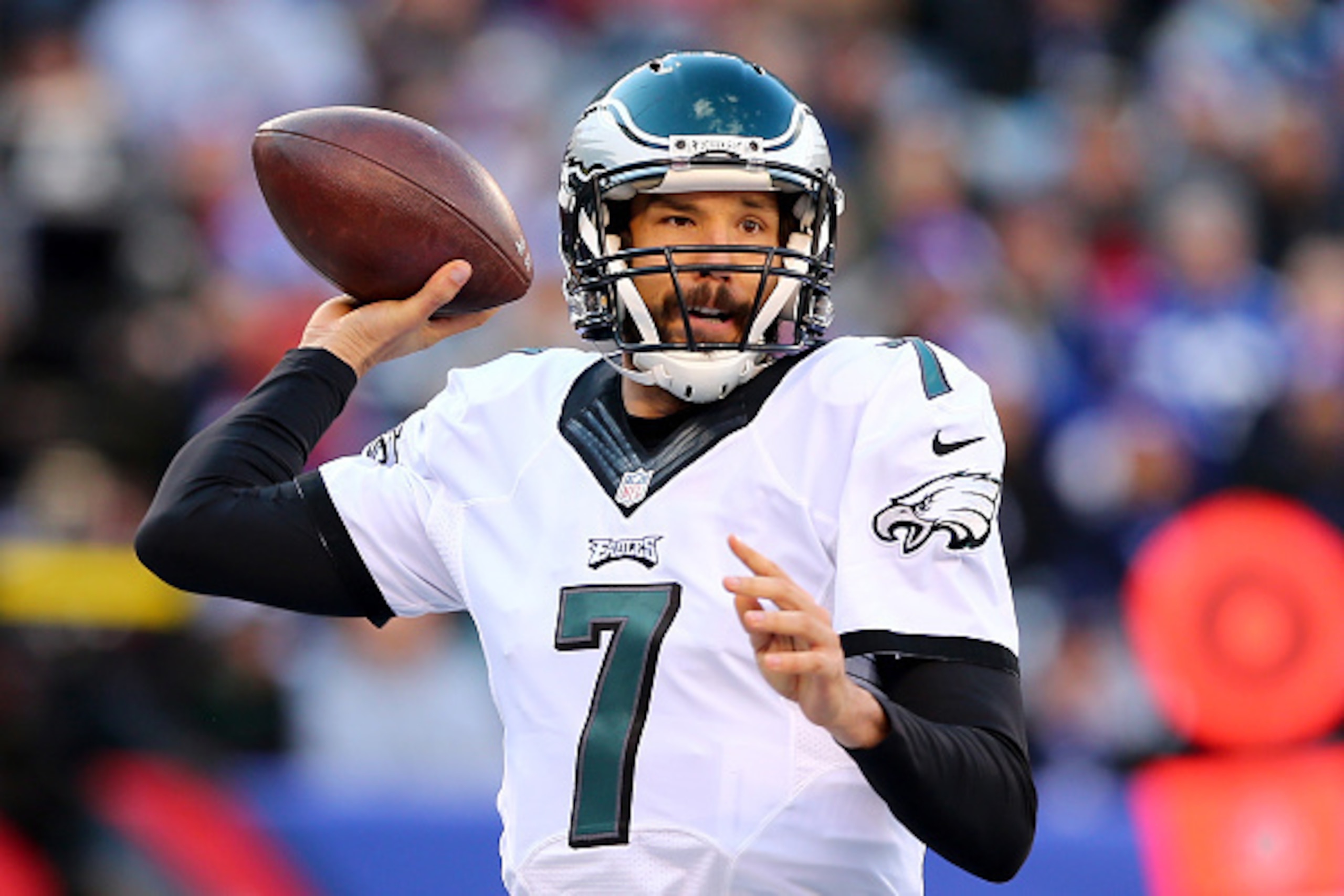
According to ESPN NFL reporter Jim Trotter (via Ryan Phillips of the Big Lead), the agent for Philadelphia Eagles quarterback Sam Bradford once asked the team for $25 million per year.
Bradford, a historically injury-plagued QB, didn't get that, but he did eventually get a two-year deal despite his "meh" performance in 2015. Why?
According to Luke Kerr-Dineen of For the Win, it's because they "had no other choice."
Bradford played in 14 games for the Eagles in 2015, throwing for 3,725 yards, 19 touchdowns and 14 interceptions and coming in with an 86.4 QB rating.
The Eagles are in need of a quarterback, but they suffer from a poor market situation. Kerr-Dineen wrote:
"Look around the NFL right now and and you'll find a dearth of solid, good-not-great quarterbacks. In other words, there's never been a better time to be Sam Bradford right now, and with supply short and demand relatively high—not every team wants to embark on an immediate, full-on rebuilding project—that contract suddenly starts to make sense.
"
ESPN's Adam Schefter reported the new deal is worth $36 million with $26 million guaranteed.
Don't: Overestimate Your Market Value
2 of 10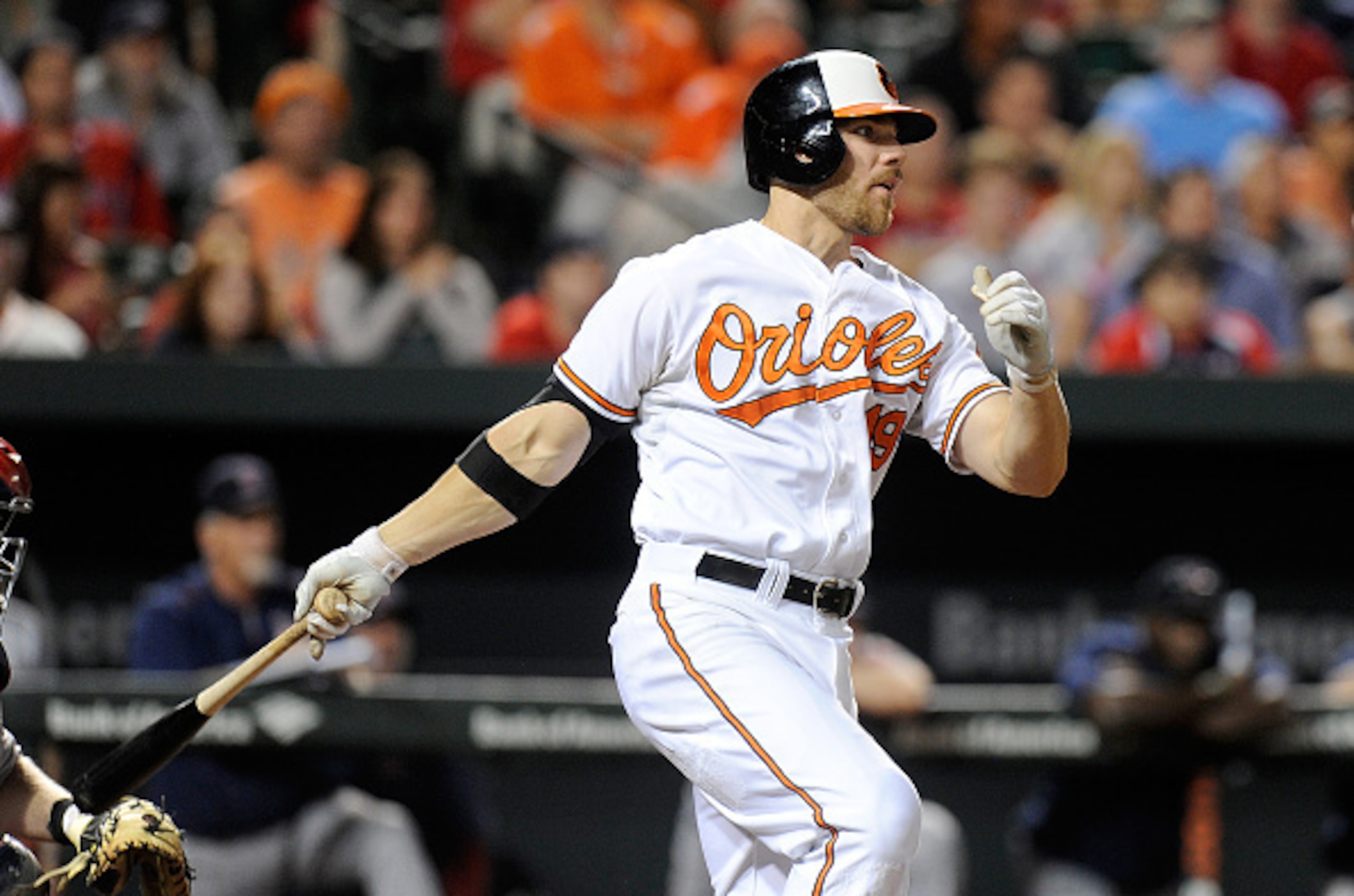
Testing the free-agent market doesn't necessarily always constitute "hardball," but when negotiating a new contract of any kind, it's important to understand the market and your value in it.
Chris Davis joined the Baltimore Orioles in 2011 and came into his own as an offensive power. He led the majors in home runs in 2013 (53) and 2015 (47). As he hit the free-agent market after 2015, the O's made him a seven-year, $154 million offer, an offer he promptly turned down.
Per Eduardo A. Encina of the Baltimore Sun, Davis, and agent Scott Boras, were seeking something more in the eight-year, $200 million range.
Time went by, however, and no teams came up with what Davis wanted. Dave Cameron of FanGraphs wrote, "Outside of Baltimore, there was just no market for Chris Davis this winter."
According to ESPN.com news services, the O's even reached out to then-free-agent outfielder Yoenis Cespedes (who eventually re-signed with the New York Mets). Just days later, in January, Davis came to terms with his team for seven years and $161 million.
Do: Get LeBron James on Your Side
3 of 10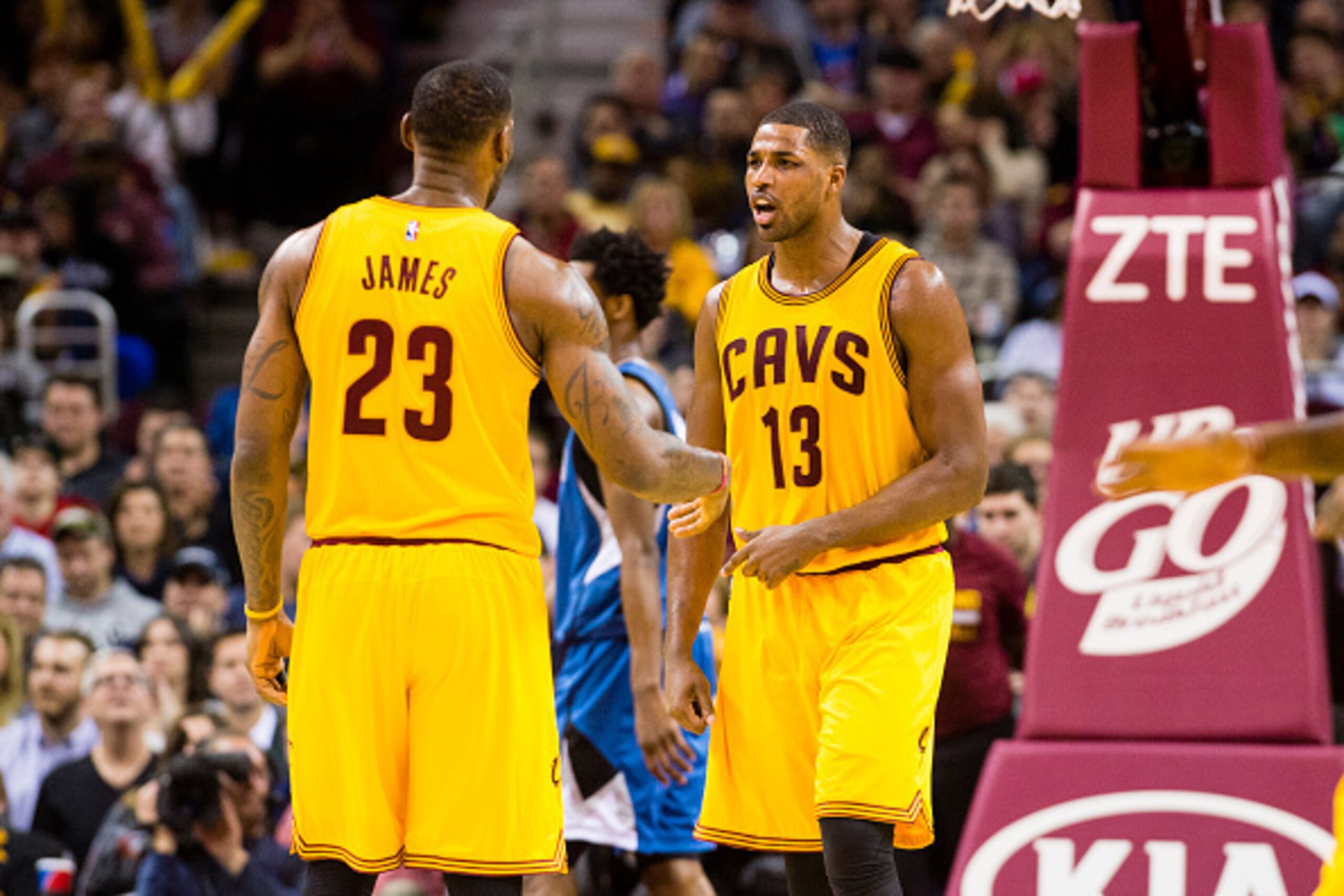
Cleveland Cavaliers forward Tristan Thompson became a restricted free agent after the 2014-15 NBA season. He reportedly wanted a max deal, but the Cavs did not appear eager to give him one. Contract hardball ensued.
A one-year qualifying offer was a possibility, meaning Thompson would play for a lower salary in 2015-16 and become an unrestricted free agent for 2016-17. Per David Borghard of the New York Post, Thompson let the Cavs know he did not love that idea. In fact, he officially turned down their $6.8 million qualifying offer in early October.
Ultimately, the two sides agreed to a five-year deal in late October worth $82 million of guaranteed money. Though he didn't get the number he wanted, Thompson made out better than he might have, considering the Cavs had most of the leverage.
Perhaps a powerful advocate was one reason for the happy ending. Per Dave McMenamin of ESPN, LeBron James said, "I continue to say how his value to us is extreme." James also posted a photo of himself and Thompson to Instagram with the caption, "Get it done!!!! Straight up."

Don't: Hold out with No Leverage
4 of 10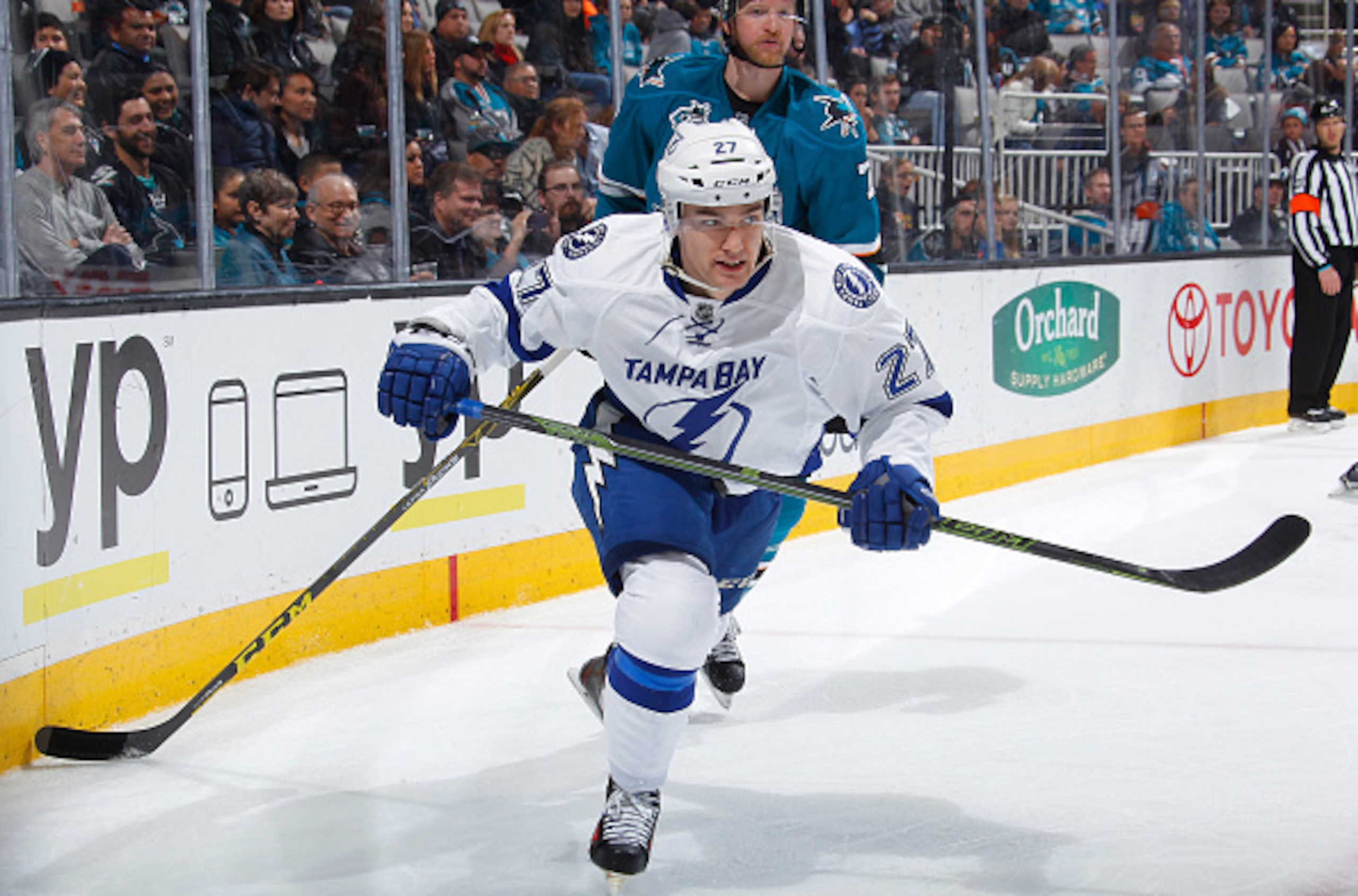
The Tampa Bay Lightning selected Jonathan Drouin third overall in the 2013 NHL draft. Less than three years later, the left winger has formally requested a trade, started a holdout and gotten himself suspended.
According to Chris Johnston of Sportsnet, Drouin played 19 games with the Lightning and seven with their AHL affiliate, the Syracuse Crunch, in 2015-16. He began his holdout in January, at which point the Lightning suspended him without pay.
Despite the holdout, Drouin will succeed in taking a year off his entry-level contract. That essentially means any team that might trade for Drouin will only get him for one year on the cheap before he hits free agency.
Jen Neale of Puck Daddy wrote, "Considering the way he's acting during this dispute, it's not surprising teams are skittish on taking a chance on him if they have to negotiate with him after next season."
The NHL trade deadline came and went, and Drouin was not dealt.
Even if he is unhappy, it seems unsavory for a young, largely unproven player to make such demands. Anaheim Ducks GM Bob Murray said, "Entry-level players requesting trades. Amazing," per Helene Elliott of the Los Angeles Times.
Do: Lay the Groundwork
5 of 10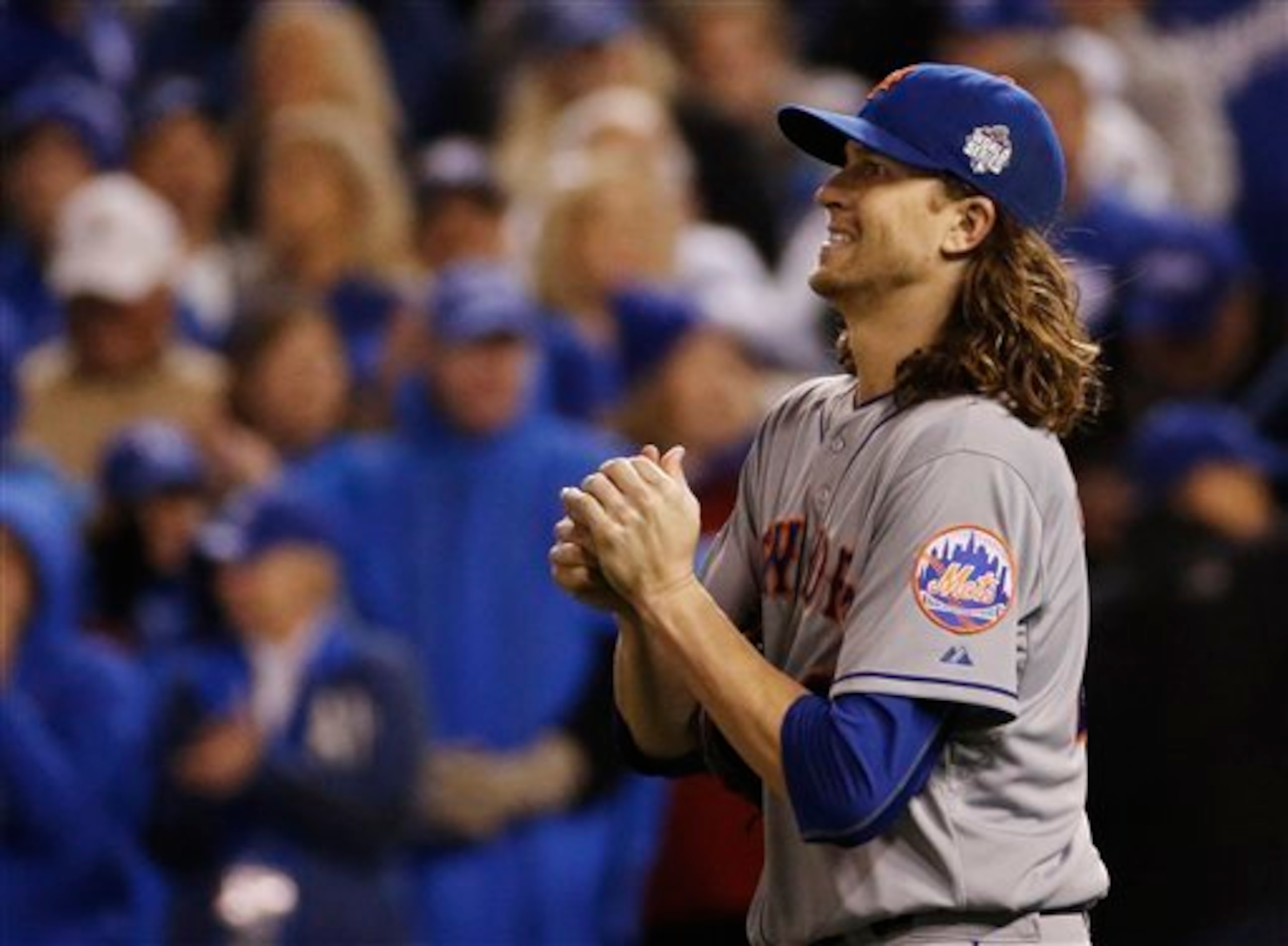
New York Mets pitcher Jacob deGrom doesn't technically have any options to change his 2016 contract. The 27-year-old isn't yet eligible for arbitration and had to accept the $607,000 figure on which the Mets settled.
Still, according to Adam Rubin of ESPN, deGrom refused to sign the contract "out of protest" and said, "As I've said before, I love playing here. And I want to be in this uniform for a long time. It was just a decision based on the business side of the game."
The right-hander was the 2014 National League Rookie of the Year. In 2015, he posted a 2.54 ERA and made the All-Star team.
Though the protest won't do him any financial good in 2016, it might serve to help in the future by making his intentions crystal clear. According to Rubin, deGrom is likely to accumulate enough MLB service time to be eligible for arbitration after 2016.
Don't: Make Your Move Too Early
6 of 10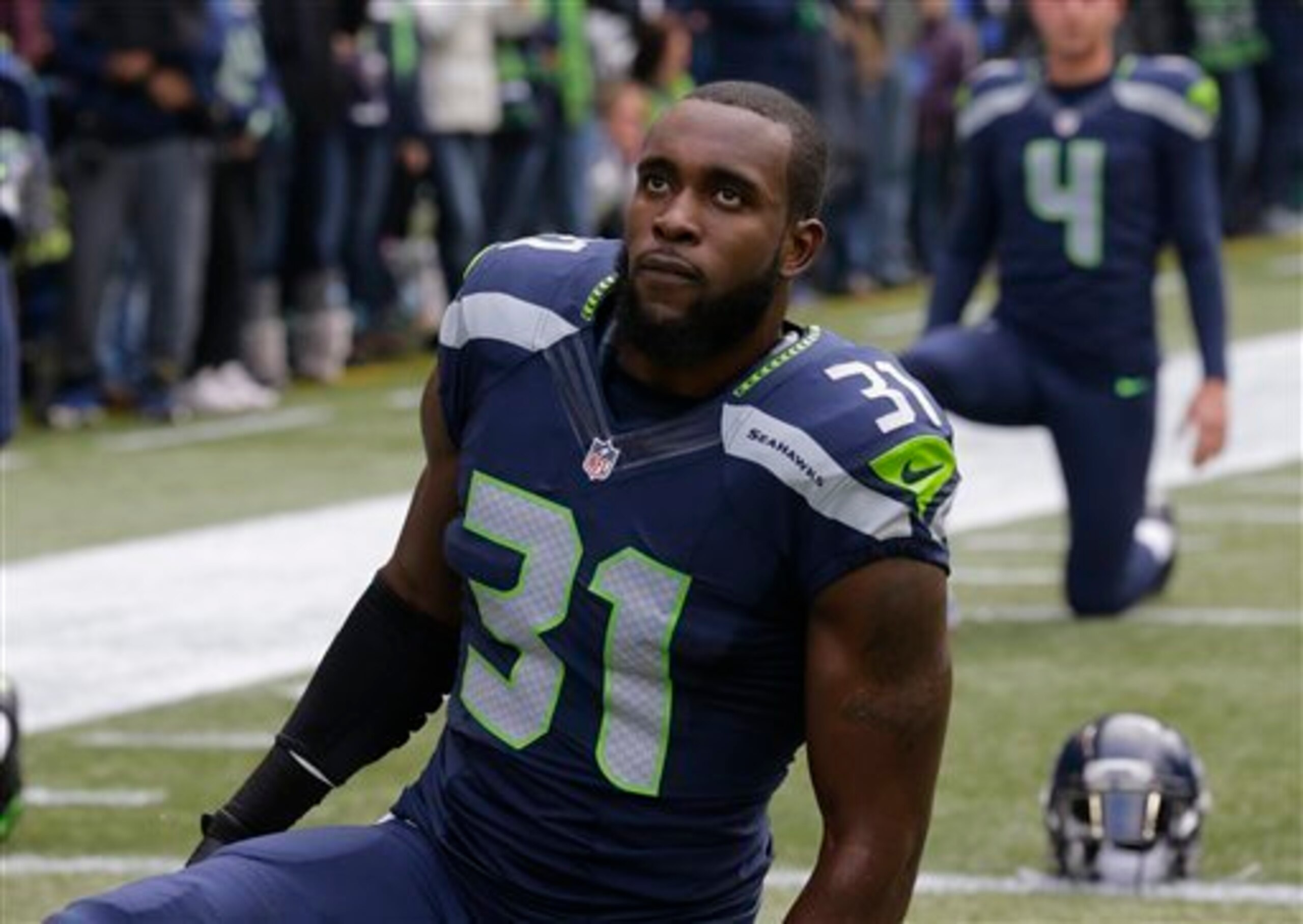
Seattle Seahawks strong safety Kam Chancellor signed a multiyear extension with the team in 2013 that would pay him $7 million per year on average. Leading up to the 2015 season, however, he wanted to renegotiate...already.
According to Mike Garafolo of Fox Sports, Chancellor wanted to make something closer to $9 million to put him more in line with free safeties like teammate Earl Thomas and Devin McCourty of the New England Patriots. Garafolo wrote, however, "Relative to his position, Chancellor has been paid like one of the best."
The holdout cost Chancellor two regular-season games before he ultimately caved. Sheil Kapadia of ESPN wrote, "The Seahawks refused to budge on restructuring a contract that had three years remaining, asserting that it would lead to a stream of players seeking new deals in the early stages of their contracts." Fair enough.
Per Kapadia, Chancellor said, "I've always been a guy who follows my heart, and just watching my teammates and my team play week to week, first, second game, watching those losses, it hurt me being the leader that I am."
Do: Be Patient
7 of 10
Los Angeles Kings center Anze Kopitar has scored 60 points in 70 playoff games over his career, according to Craig Custance of ESPN, and been a key cog in two Stanley Cup championships.
Set to become an unrestricted free agent after the 2015-16 season, Kopitar hoped to get an extension signed long before that.
Along the way, all signs pointed to a deal getting done, but it took longer than most expected. Greg Wyshynski of Puck Daddy wrote, "Things were getting a little tense as the season crept forward. We first heard about his discontent over a lack of a new contract back in October 2015."
Wyshynski reported a sticking point was a no-move clause general manager Dean Lombardi didn't want to give on. Ultimately, Kopitar's patience paid off. The two sides agreed on an eight-year, $80 million extension in January.
Do: Understand Your Worth to Your Team
8 of 10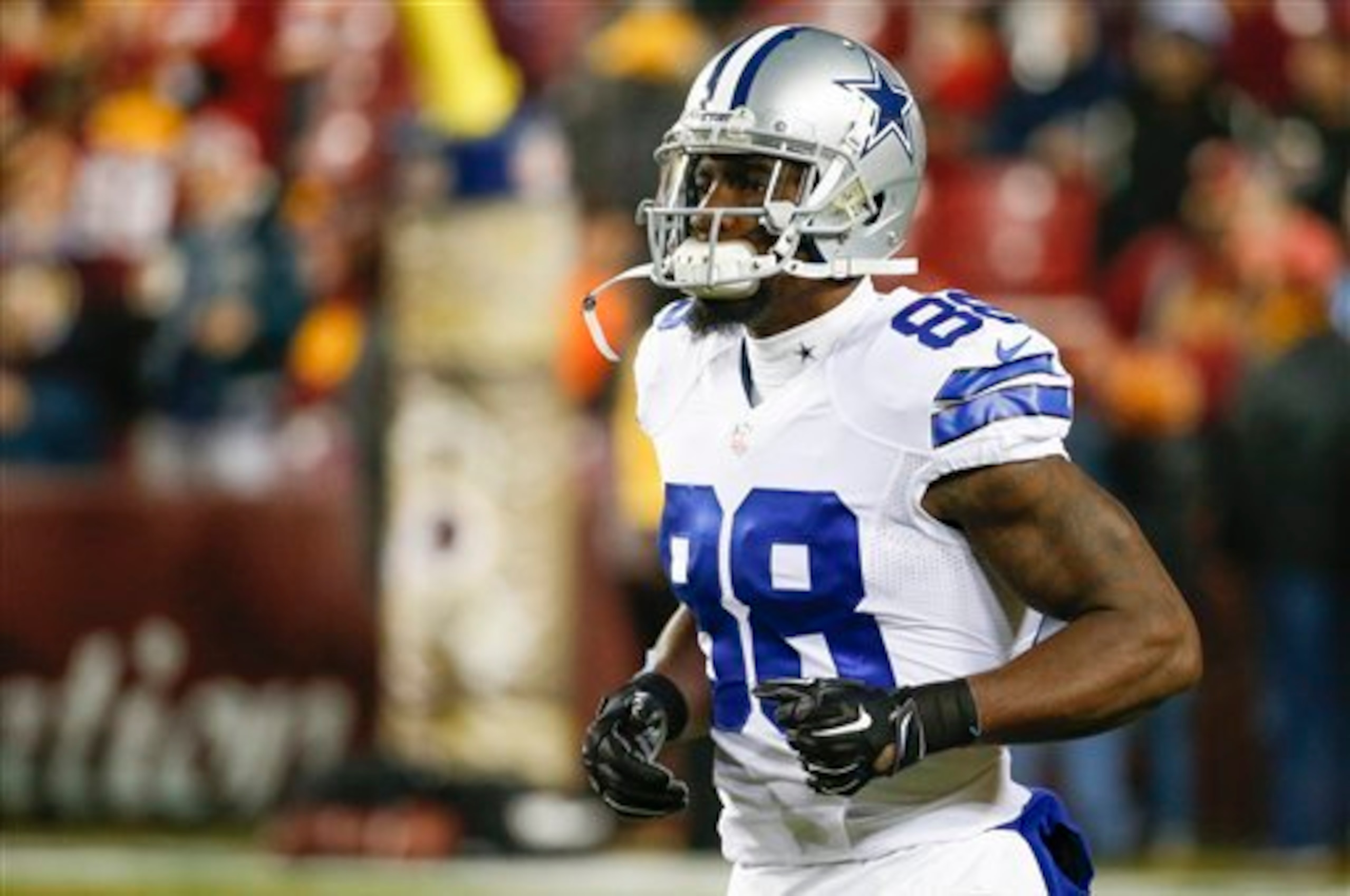
The Dallas Cowboys put the franchise tag on Dez Bryant in March 2015, but the wide receiver refused to sign it.
The tag would have paid him $12.823 million for the 2015 season, but Bryant expressed a desire for a long-term contract. He tweeted in June, "Everybody voicing opinions…13 mil is cool but where is my security?"
Bryant accounted for a big chunk of his team's offensive production in 2014. He brought in 88 passes for 1,320 yards and a league-leading 16 receiving touchdowns. Not only that, but the Cowboys lost another big offensive weapon, running back DeMarco Murray, to free agency in March.
The Cowboys ultimately gave Bryant that deal he wanted—five years, $75 million with $45 million guaranteed—in mid-July. As a result, Bryant didn't miss any part of training camp.
Interestingly, nearly the same scenario played out in Denver with Broncos wide receiver Demaryius Thomas.
Don't: Give Hometown Discounts
9 of 10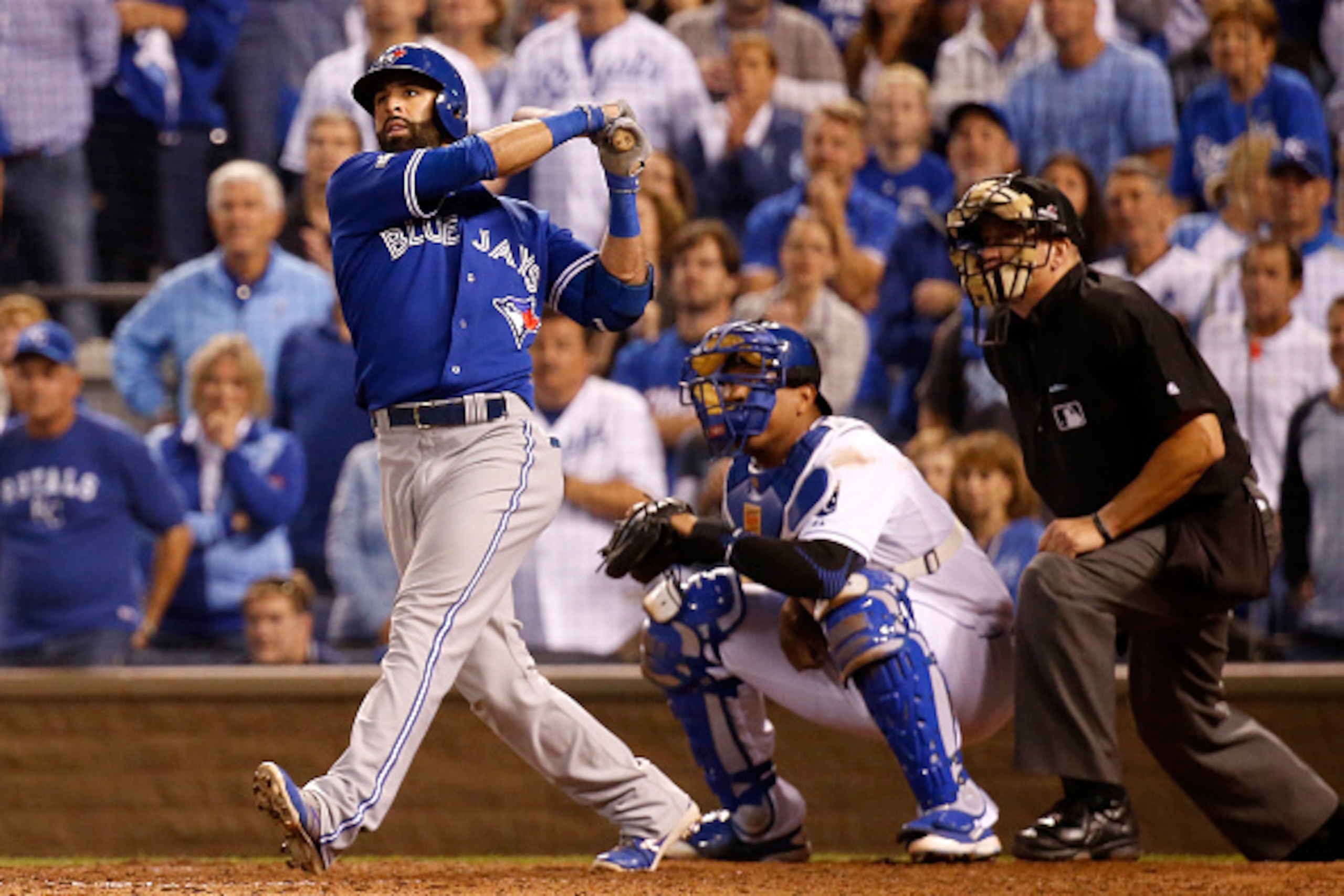
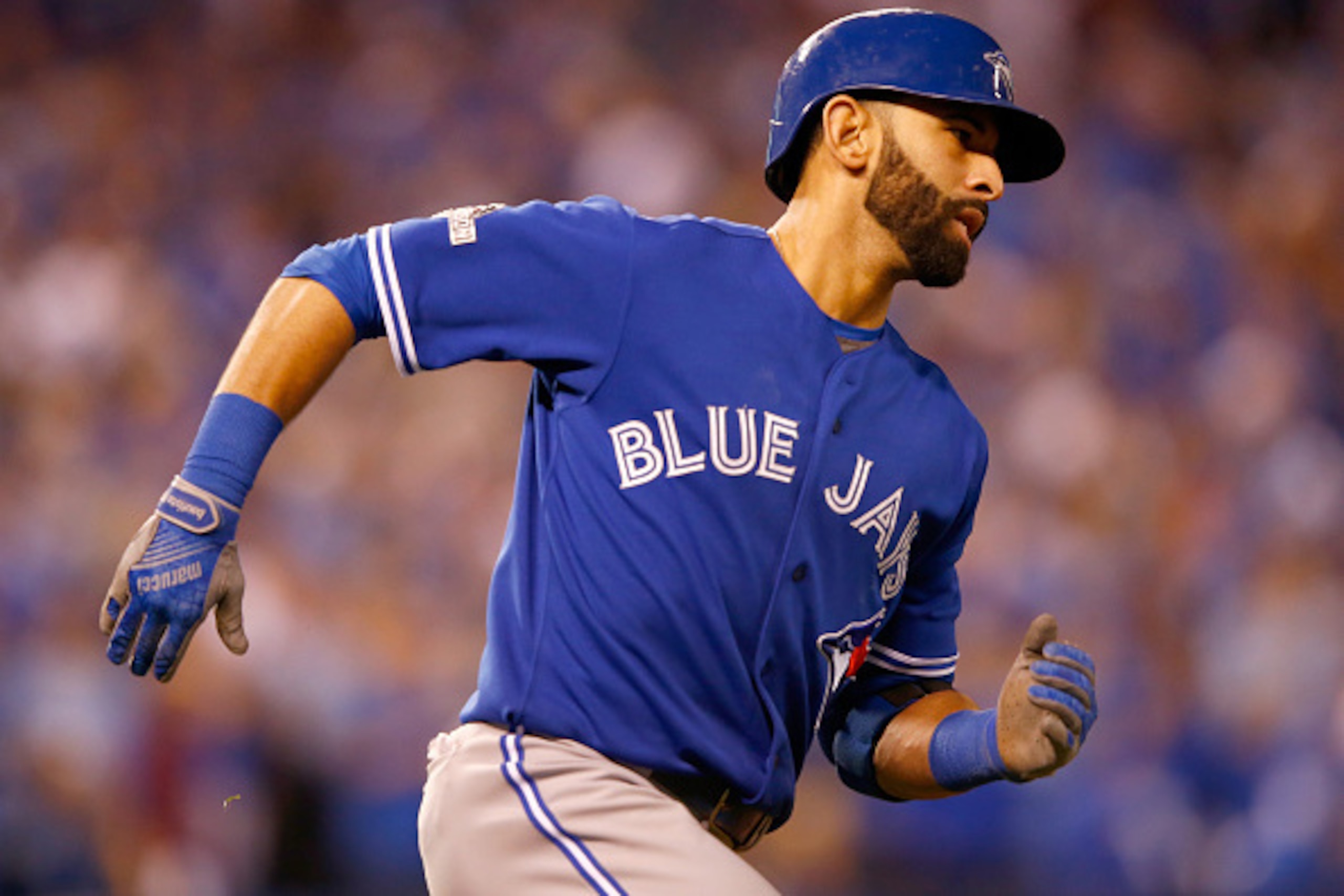
Not if you're Jose Bautista, anyway.
Bautista is set to become a free agent after the 2016 MLB season. He has spent nine seasons with the Toronto Blue Jays, making the All-Star team for the past six years in a row.
Bautista smacked in 40 home runs and 114 RBI in 2015, but he is also 35 years old.
He signed a five-year extension in 2011 worth $65 million, or $13 million per year, admittedly on the low side for the production he ended up delivering. (As a reference point, Texas Rangers slugger Prince Fielder hit 23 home runs and 98 RBI in 2015 and took home $24 million.)
For the next deal, Bautisa denied reports he will seek something in the five-year, $150 million range, but he did say he doesn't plan on handing out any hometown discounts.
In fact, he said, "Doesn't exist. Not in my world. In my eyes, I've given this organization a five-year hometown discount already," per Arden Zwelling of Sportsnet Magazine (via Adrian Garro of Fox Sports). Fair point.
Only time will tell if Bautista's hardball strategy will pay off. Stay tuned.
Do: Be a Franchise Player
10 of 10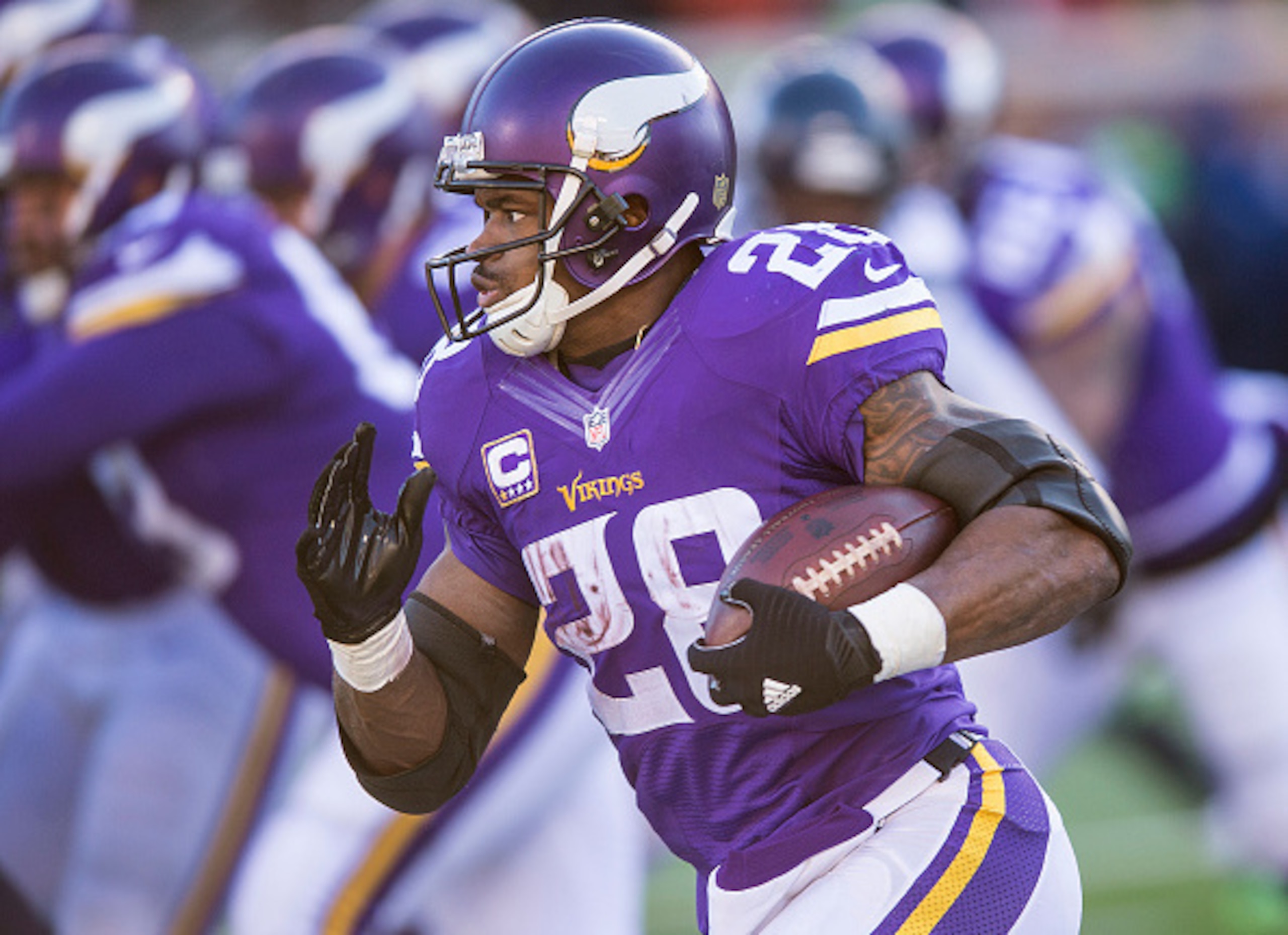
Going on a heated Twitter rant against your team would generally fall under the "don't" category, but not in the case of Minnesota Vikings running back Adrian Peterson. For Peterson, Vikings legend and longtime franchise player, such an action had no real contract-related consequences.
After legal issues kept him out of football for much of the 2014 season, Peterson publicly talked about his desire for a "fresh start" in 2015, per Tom Pelissero of USA Today, despite being under contract with the Vikings.
Meanwhile, Vikings coach Mike Zimmer said, "He's really got two choices. He can either play for us, or he can not play," per Pelissero.
Peterson played hardball by skipping several voluntary OTAs. He said in a statement, per Vikings.com, "The reason I'm not attending OTAs has nothing to do with wanting to be traded. It's about securing my future with the Vikings. It's business, not personal and I understand that firsthand."
Secure the future, he did (or at least, more guaranteed money). In July, Peterson and the Vikings agreed to a restructured deal that included at least $20 million guaranteed.
.jpg?w=2560 "Cowboys Texans Football")
.jpg?w=2560 "Browns Jaguars Football")