
What We Learned from the PGA Tour's West Coast Swing
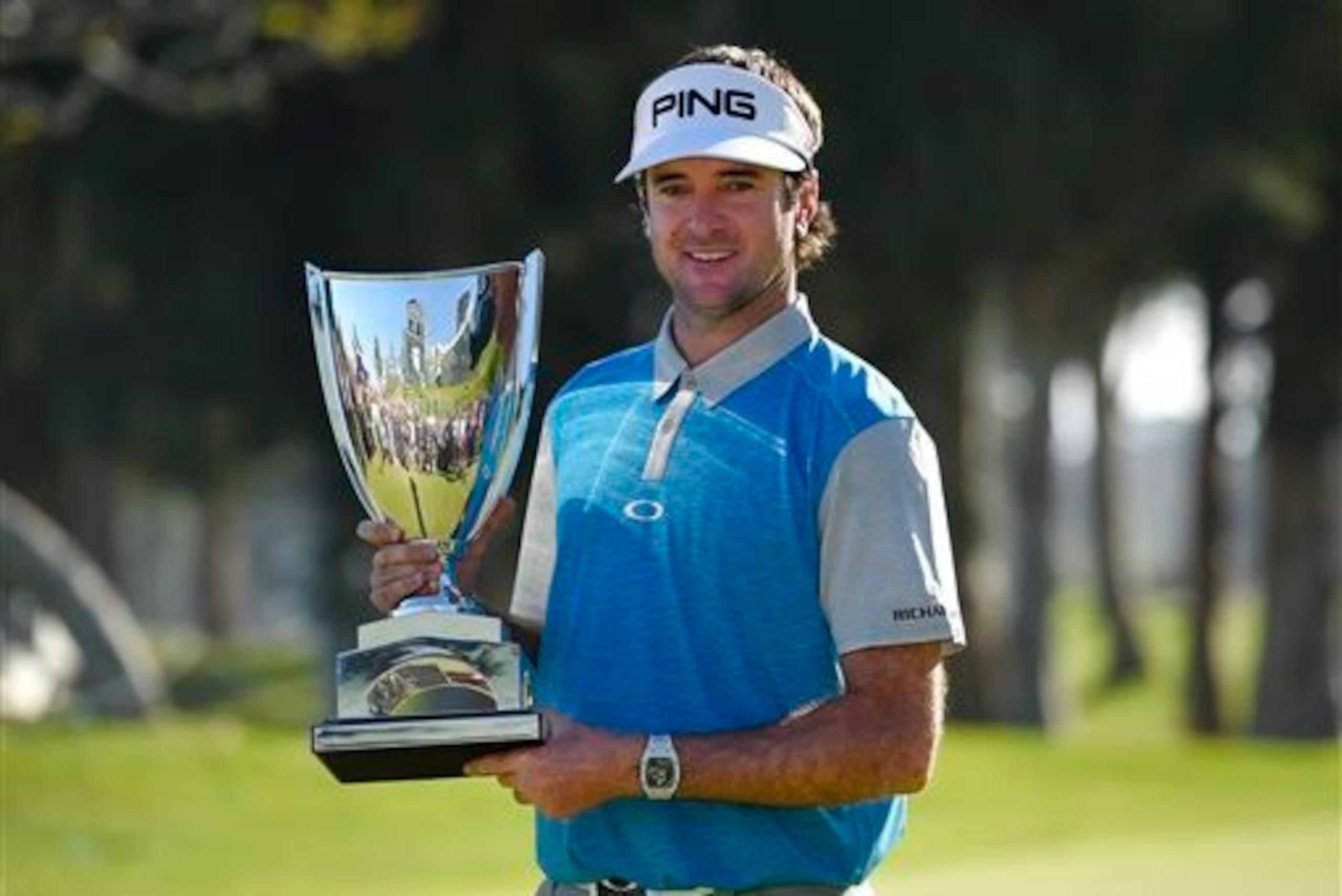
The PGA Tour’s West Coast Swing officially concluded last week when Bubba Watson tapped in for par at Riviera's 18th hole to secure his second victory in three years at the Northern Trust Open.
During the past five weeks, we have seen an epic duel in the desert, experienced El Nino’s wrath at Torrey Pines and witnessed the resurgence of one of golf’s all-time greats.
The Tour now heads east to Florida, where the first major championship of the season will begin to come into focus.
Here are five things we learned from the Tour's West Coast Swing.
Phil Mickelson’s Game Is Coming Around
1 of 5
What We Learned
Following a poor 2015 season that saw Phil Mickelson record just three top-10 finishes in 19 events, Lefty parted ways with longtime swing coach Butch Harmon in November and hired Andrew Getson out of Grayhawk Golf Club in Arizona.
Getson’s teaching philosophy is not too dissimilar to Harmon’s in that he has no intention of reinventing the wheel. He works to simply adjust minor swing flaws without altering a player’s natural move to the ball.
In just three months, Mickelson’s work with Getson already appears to be paying dividends.
Lefty has finished within the top 11 at three out of his first four events in 2016 and came within a hair of forcing a sudden-death playoff with Vaughn Taylor at the AT&T Pebble Beach Pro-Am.
Mickelson is hitting 5 percent more greens in regulation per round, 6 percent more fairways off the tee and has improved from 41st on tour in total strokes gained in 2015 to first on tour in total strokes gained this season.
The five-time major champion has also dramatically improved his performance on the greens, going from 41st on tour in strokes gained-putting in 2015 to fifth this season.
What It Means
While many experts were ready to write Mickelson off after having not won in more than two years, Lefty has shown us he still has something left in the tank.
At the age of 45, Mickelson appears to be experiencing a reassurance in his game under Getson's tutelage and has to be considered a legitimate contender heading into the Masters, which is of course an event he has already won three times in his career.
Jordan Spieth Needs a Break
2 of 5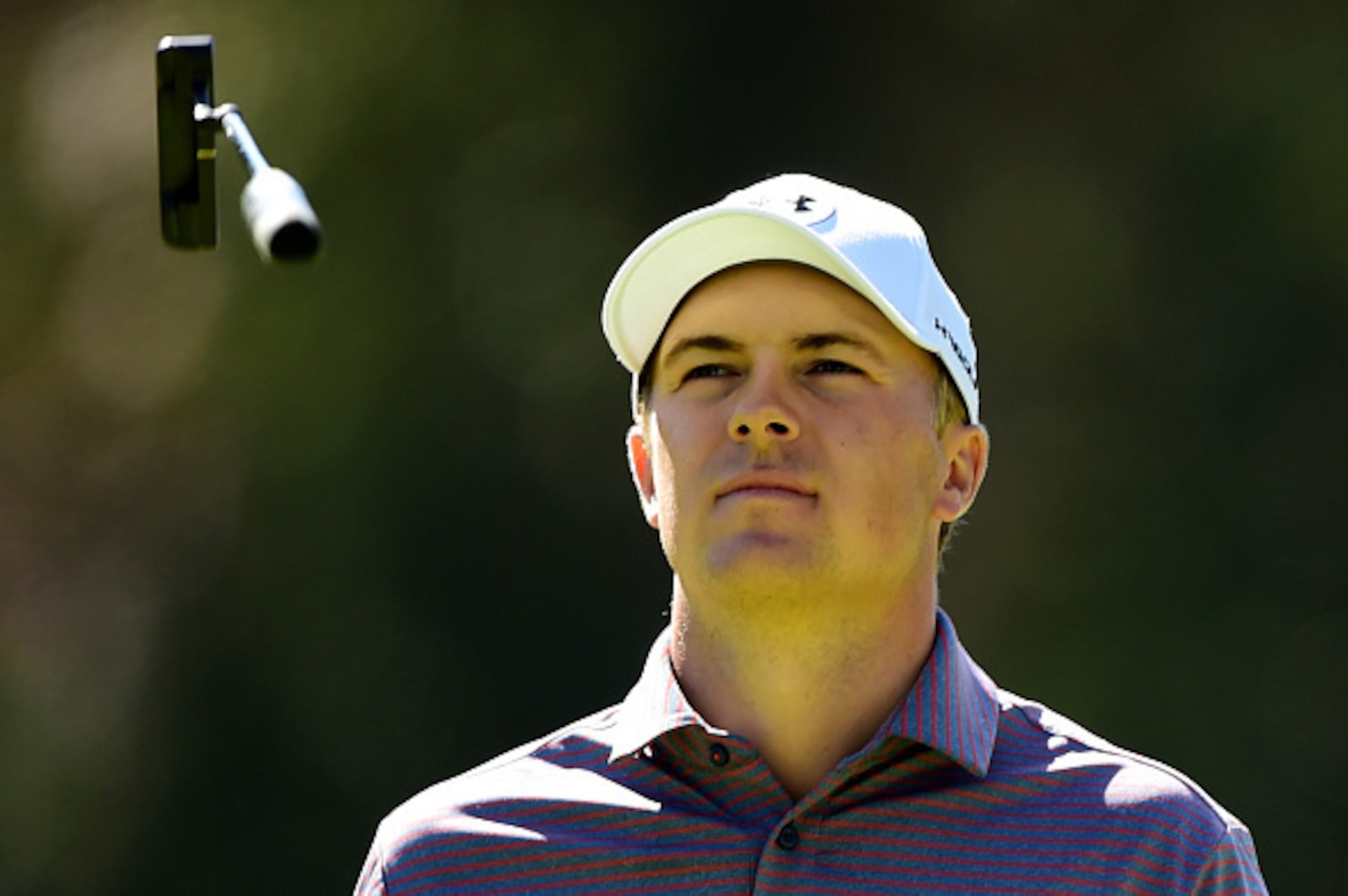
What We Learned
Jordan Spieth has made the same mistake that virtually every golfer experiencing newfound success before him has made—he’s worn himself out chasing appearance fees around the world.
One certainly cannot blame the 22-year-old Texan for heading off to exotic locations such as Abu Dhabi, Singapore and Australia. Heck, if you were 22 years old and had the opportunity to see the world while earning millions of dollars doing so, wouldn’t you leap at that opportunity as well?
In just the past seven weeks, Spieth has played five tournaments and traveled more than 24,500 miles (possibly more if you factor in additional stops during his travels).
This type of relentless travel would wear down just about anyone, and it has clearly taken a toll on Spieth’s game.
The two-time major champion posted the third-worst score of his career during Round 1 of the Northern Trust Open (79) and missed the cut by five strokes.
Spieth struggled with virtually every aspect of his game during the opening round at Riviera. He hit just 50 percent of greens in regulation, got up-and-down just twice in nine opportunities and needed 34 putts for the round.
While Spieth was able to bounce back with a 68 in Round 2, it was still a scratchy round, as he posted five bogeys, including a six at the par-five 11th.
In total, Spieth’s 13 bogeys in his opening two rounds at Riviera were the most he had recorded during any 36-hole stretch is his career.
What It Means
Plain and simple, Spieth needs a rest.
The 2015 PGA Tour Player of the Year has run himself into the ground over the past seven weeks and has developed some bad habits in his game as a result of playing while exhausted.
Spieth needs to head back to Texas, get some rest and then begin working to repair his game while possessing both a healthy mind and body.
Spieth may also need to think about adjusting his schedule during the run-up to the Masters.
There are currently four tournaments on the PGA Tour schedule prior to the Masters that Spieth attended last year.
Four tournaments in six weeks after traveling more than 24,000 miles in the past seven weeks may be a bit much if Spieth has any intention of rolling down Magnolia Lane with a fresh game in April.
Brandt Snedeker Continues to Dominate in California
3 of 5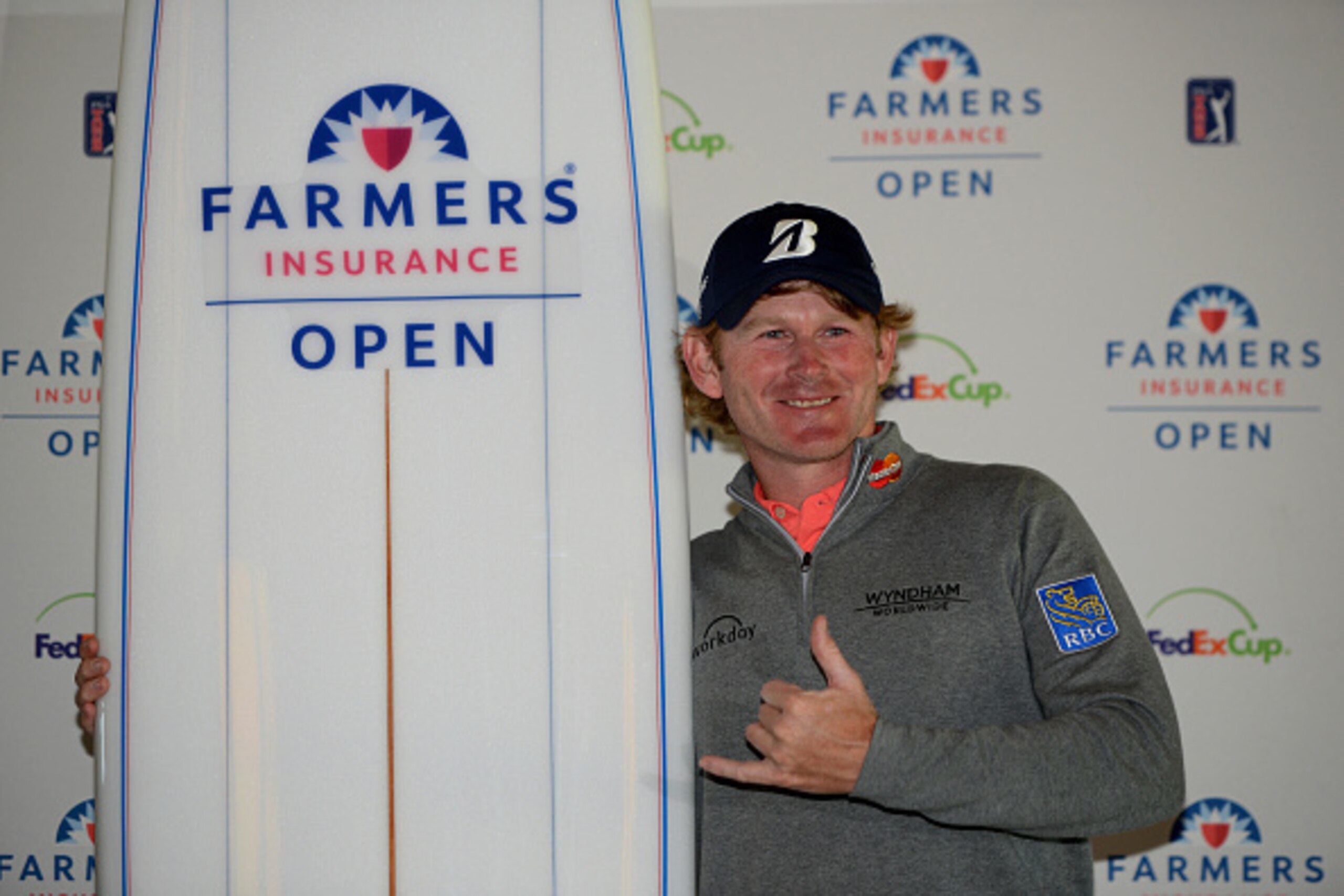
What We Learned
Brandt Snedeker struck again out on the West Coast at the 2016 Farmers Insurance Open, firing a final-round 69 under incredibly difficult conditions for a one-stroke victory over K.J. Choi.
Snedeker’s final-round score of 69 in the rain and raging winds, frequently topping 40 mph, was nearly nine shots better than the field average for the day.
"The first six holes were the hardest I've ever played in," said Chad Campbell, who played alongside Snedker in the final round. "Brandt played one of the best rounds I've ever seen. I don't think he missed a shot," as reported by the Associated Press (via ESPN.com).
But would we expect anything different from Mr. California?
Snedeker’s win at the Farmers Insurance Open was his second at Torrey Pines and his fourth in the state of California.
What It Means
Snedeker owns California.
In the past six years Snedeker has seven top-10 finishes and four wins in the state of California.
Those four wins in California represent 57 percent of Snedeker’s PGA Tour wins since 2011, which is quite remarkable when considering only 15 percent of his PGA Tour starts have come in The Golden State.

.jpg?w=2560 "Cardinals Giants Football")

Hideki Matsuyama Is on the Rise
4 of 5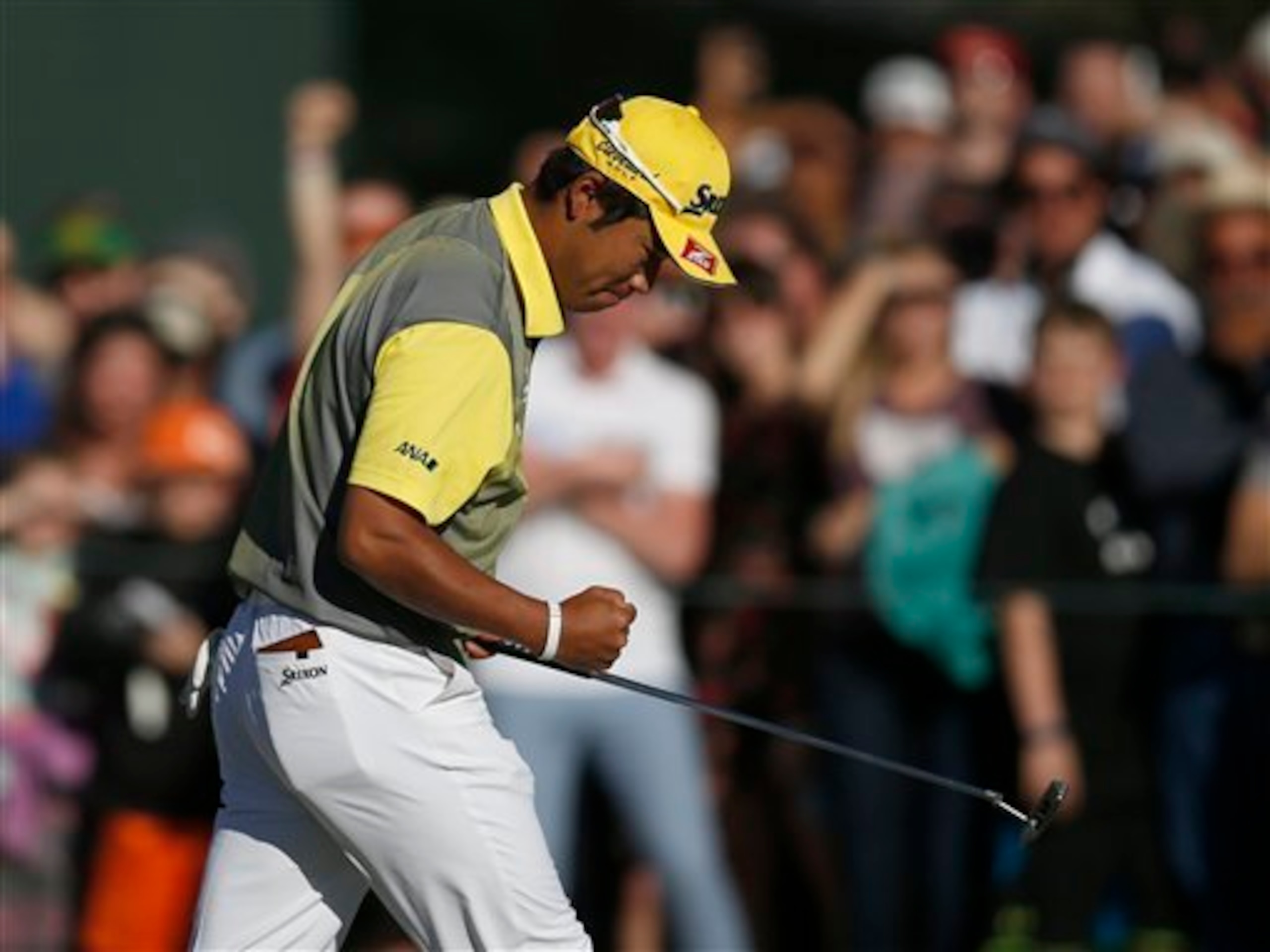
What We Learned
Hideki Matsuyama already has two top-10 finishes this season, including a dramatic playoff victory over Rickie Fowler at the Waste Management Phoenix Open for his second PGA Tour title.
The 23-year-old native of Japan has always been known as excellent ball-striker. But his ability to sink virtually every big putt down the stretch in Phoenix is a clear indication he's ready to take his game to the next level.
Matsuyama is currently ranked 11th in the Official World Golf Ranking.
If he were to crack the top 10, he would be the first Japanese player to do so since Masashi “Jumbo” Ozaki nearly 20 years ago.
What It Means
Matsuyama is in the process of establishing himself as the best Japanese player to come along in at least a generation, and he has an excellent chance to become the first Japanese-born player to win a major championship.
The eyes of a nation will certainly be focused on Matsuyama this major championship season, particularly in early April at Augusta where he finished fifth in 2015.
What Anchored-Putter Ban?
5 of 5
What We Learned
Out of all the players whom the anchored putter ban was meant to impact, many predicted Adam Scott was would be hit the hardest.
After all, Scott went from ranking 186th on tour in strokes gained-putting in 2010 while using a traditional putting stroke to winning the Masters just two years later while using an anchored putter.
Scott certainly had some issues with in his initial attempt to transition back to a traditional putting stroke last season. The 35-year-old Australian flip-flopped between the traditional and anchored putter several times and finished off the year ranking 158th on tour in strokes gained-putting.
But Scott clearly took the time to make a proper transition back to a standard-length putter this offseason, and his game has not entered anything even resembling the death spiral that most had predicted.
“I made so many great strokes and putts this week,” Scott said following his T2 finish at the Northern Trust Open, as reported by ASAP Sports.
“I feel like it's all in a really good spot. I'm excited about going into the Florida stretch and then getting to Augusta where I feel the greens are really the kind of grass that I like a lot and feel most comfortable on. I'm excited about what's coming up.” Scott continued.
Scott’s current strokes gained-putting average is .220 per round, which is actually better than his strokes gained-putting average during any single year where he was anchoring the putter.
What It Means
Scott has two top-10 finishes in three official PGA Tour events in 2016 and appears to be gaining more confidence each time he steps onto the green.
The anchored-putter ban that so many predicted would eliminate any chance of Scott capturing a second major title seems to have been much ado about nothing.
Perhaps now would be a good time to discuss whether Scott can become the first player to win a major championship with both an anchored- and traditional-putting stroke.
Stats are courtesy of PGATour.com.
.jpg?w=2560 "Titans Giants Football")

.jpg?w=2560 "Love's Body Already 'Tired'")
.jpg?w=2560 "Ward Nearly Walks Out of Presser ▶️")
.jpg?w=2560 "Buzz: Tyreek Eyeing November Return")