Should Premier League Clubs Celebrate Unbeaten Streaks?
In the aftermath of Chelsea's 0-0 draw with Watford, the phrase "unbeaten streak" was used rather liberally. Since Jose Mourinho's sacking in mid-December, the Blues have played eight Premier League matches and lost none.
Wanting to show the club has progressed since changing managers, many are using not losing as a sign of improvement. The problem with the phrase "unbeaten streak," though, is it fails to separate or delineate from wins and draws. It gives the impression that not losing is an admirable, acceptable outcome.
One problem: it is not. Going unbeaten after eight league fixtures, means one's club has earned between eight and 24 points; that 16-point differential is significant.
TOP NEWS

Soccer Stock Check 📈📉

Billboard Trolls Man City 👀

New NFL contenders starting to emerge after Week 4

You cannot label unbeaten streaks "positive" simply because a club has not lost—the mathematics of league football make the notion idiotic. In cup ties—with away goals and such—the idea of draws changes, but in a domestic context, drawing can only be considered a positive when you are significantly worse than your opponent.
A club of the calibre of Chelsea, even enduring an abject 2015/16, cannot convince anyone they are not better than 95 percent of the clubs they face on an annual basis. Draws, therefore, unless nullifying a title challenger—as seen last year when Chelsea played Arsenal—are poison to whatever seasonal ambitions are held.
If three draws equal one victory (three points earned), then one must also consider three draws equaling two losses (six points dropped). If trophies are the aim, or even aiming for European places, "going unbeaten" is not enough. One point is often worth sacrificing to earn three.
Taking Chelsea's case further: When Mourinho was sacked on December 17, Chelsea were in 16th place. The reasons therein are varied and not worth explaining in this context, but suffice it to say the west Londoners were punching well below their championship-level weight. After one victory with Steve Holland as caretaker manager over Sunderland, interim manager Guus Hiddink took over the sinking ship and has added to Holland's victory with seven games unbeaten.

"Three draws = one win.
— ChelseaTalk (@ChelseaTaIk) February 3, 2016"
Three draws = two losses.
Learn your maths...
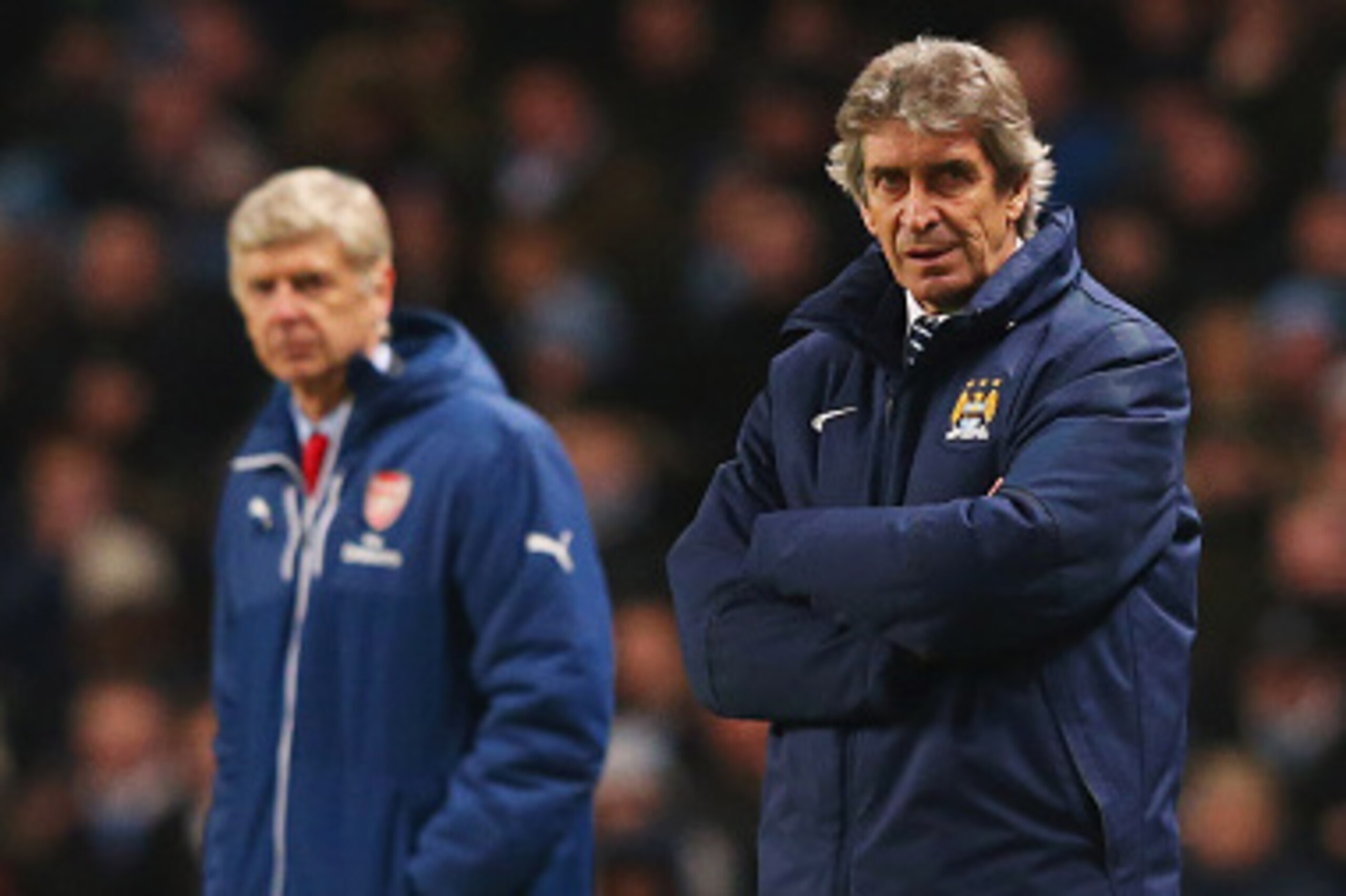
One might assume by phraseology that Chelsea would be miles better than 16th after eight games without defeat, but Roman Abramovich's club have only improved three positions. An argument could be made with Mourinho's level of popularity and, in turn, scrutiny, the Blues' could be worse off with his presence, but the Portuguese was a known proponent of risking one point for three.
Frequently labelled a pragmatist, one element of pragmatism is understanding what is best for your club mathematically. Looking at the table and its permutations objectively, Mourinho—when in losing positions against clubs he knew Chelsea were better than—played the numbers game. He would take off a centre-back, full-back or holding midfielder and insert an additional centre-forward/attacking winger.
Per Matt McGeehan of the Press Association (h/t MailOnline), when asked about his strategy last season, Mourinho said: "If you get 10 draws, you get 10 points. If you win five and lose five, you make 15 points. We are going to play matches to win. Sometimes we will lose. I'd prefer 15 points and lost matches than 10 points and being undefeated."
Again, this is not to suggest draws across the board are detrimental. There are situations when they are just as crucial as victories, but those instances are few and far between. It is frequently suggested that 40 points means safety from relegation. While not always the case, accepting the cliche as fact: It is then conceivable a club could go unbeaten over 38 matches, with 38 draws, and be relegated.

What happens, though, is supporters, boards, players and even some managers comprehend losses far worse than they do draws. Perception sours whatever logical, mathematical advantage should be gained by taking a more aggressive approach to accumulating points.
Not losing for eight games likely fosters positivity inside a dressing room (and certainly with supporters), but enjoying that feeling at the expensive of not winning matches is only postponing misery.
If your club is not expected to win, then enjoying unbeaten streaks should fill you with joy, no matter the composition of results.
If your club is expected to win nearly every time they grace a football pitch, though, you must carefully examine the contents of whatever purported unbeaten streak. One might discover their club is beating themselves with a lack of ambition.
Instead of undermining themselves three points at a time, it happens by two.
*Stats via WhoScored.com; transfer fees via Soccerbase where not noted.
.jpg?w=2560 "Cardinals Giants Football")

.jpg?w=2560 "Report: Chiefs Contact Hill's Agent")
.jpg?w=2560 "OBJ Calls Out Giants 😳")
.jpg?w=2560 "Tyreek makes another cryptic post amid Chiefs rumors")