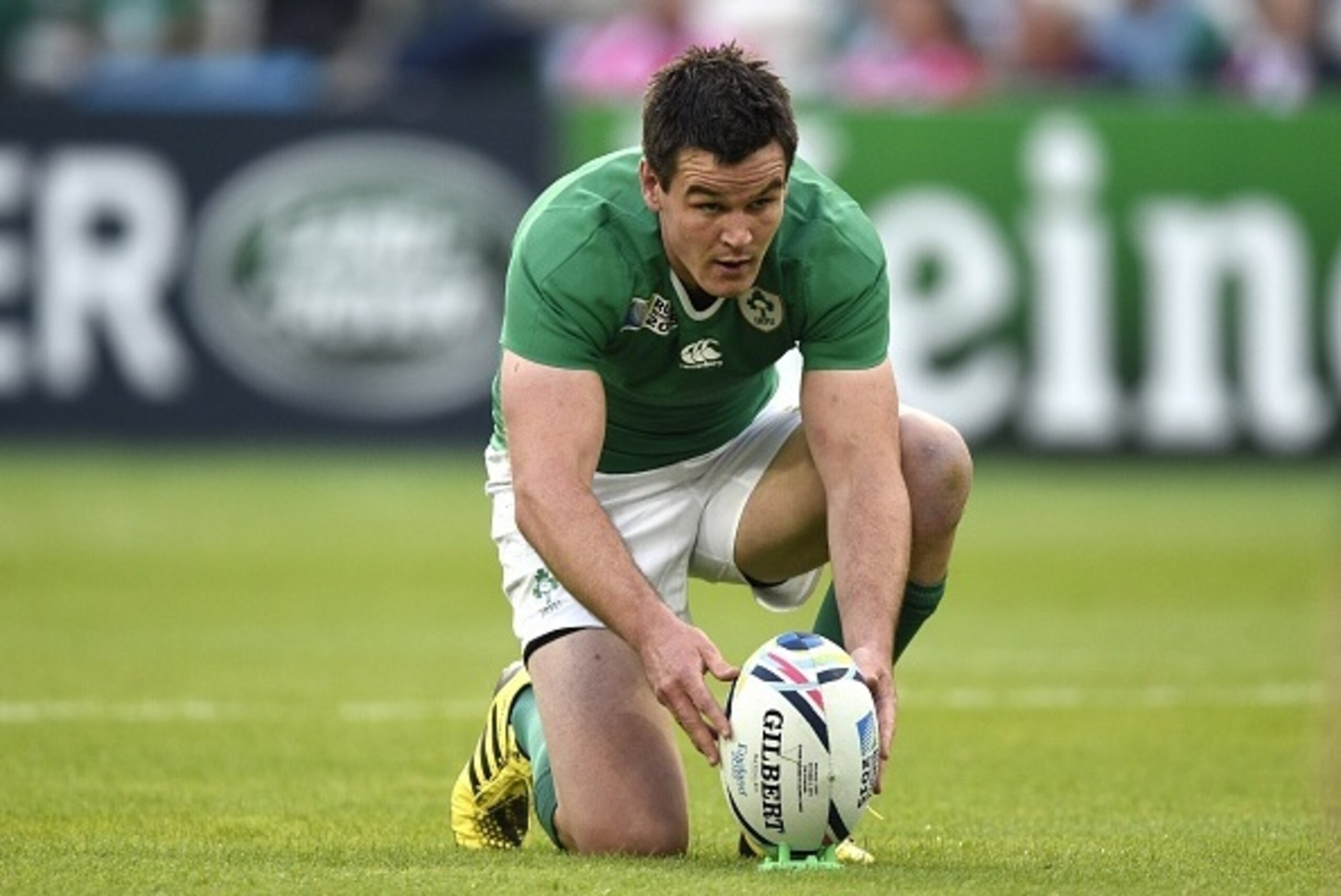

Ranking the 2016 RBS 6 Nations Fly-Halves on Game-Winning Potential
The 2016 RBS Six Nations will bring together a collection of the finest players Europe has to offer, and a promising contingent of fly-halves shoulder heavy burdens coming into the competition.
Barely a week remains until the tournament gets underway, and it's those with "No. 10" stamped across the backs of their jerseys who will be expected to play their parts as point-clinchers and game-deciders.
Some nations boast more depth in the fly-half position than others. A portion of teams will rely on one standout pick in the pocket, whereas certain coaches will undoubtedly still be deliberating who to start.
To give them a helping hand, we've ranked the Six Nations fly-halves on game-winning potential, where factors such as international experience, flair, risk awareness and confidence play large arts in the order.
14. Edoardo Padovani, Italy
1 of 14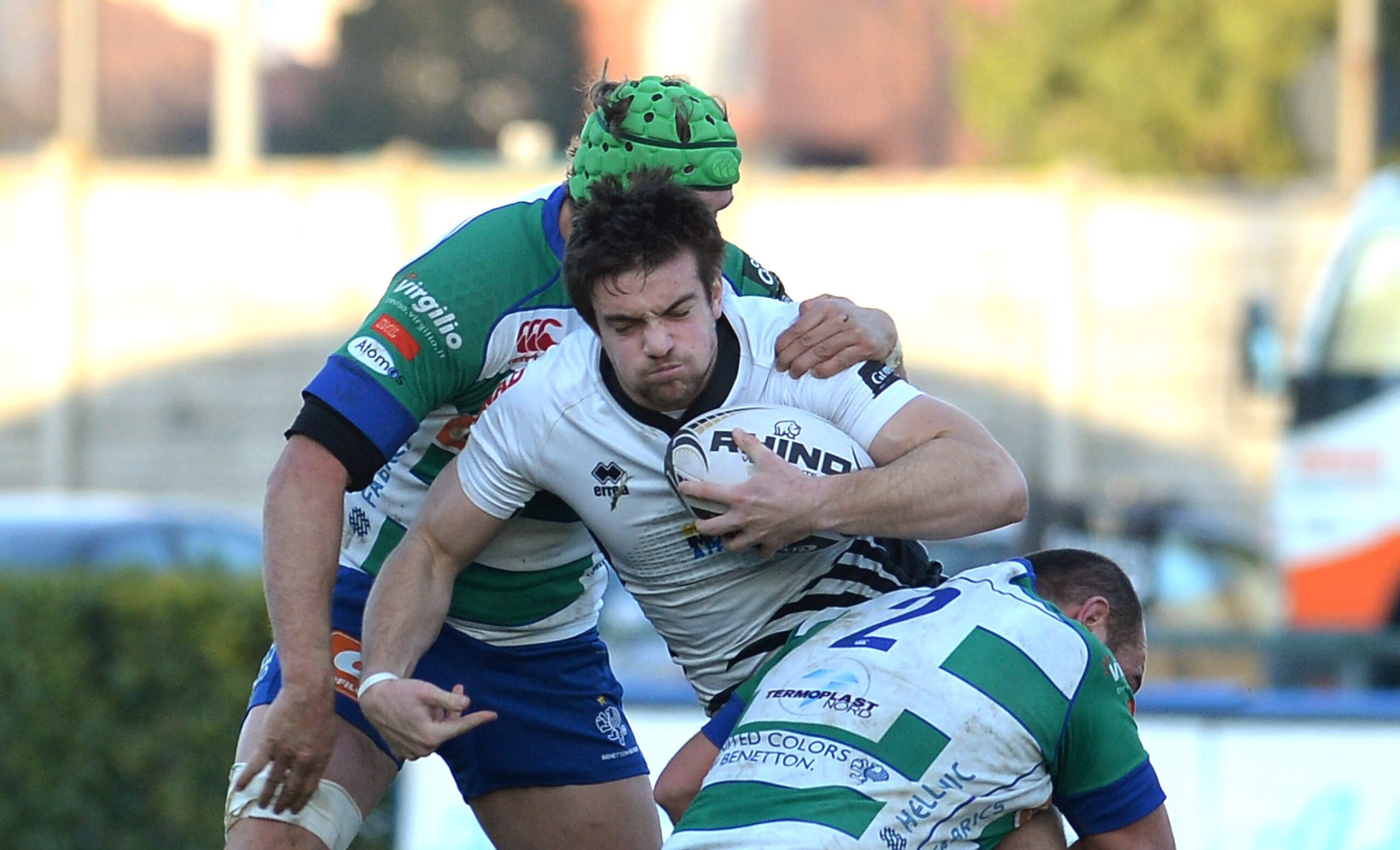
Without doing a disservice to Italy, Treviso youngster Edoardo Padovani most likely won't come across many opportunities to win games for his country this year, given he sits low down in the Azzurri pecking order.
The 22-year-old is one of the 10 uncapped players named in Jacques Brunel's 30-man squad, and the truth is European audiences are still getting to grips with what the former Emerging Italy maestro brings to the table.
It's possible Tommaso Allan could return to full fitness and come back into Brunel's plans, in which case Padovani would be deemed most likely to drop out.
13. Carlo Canna, Italy
2 of 14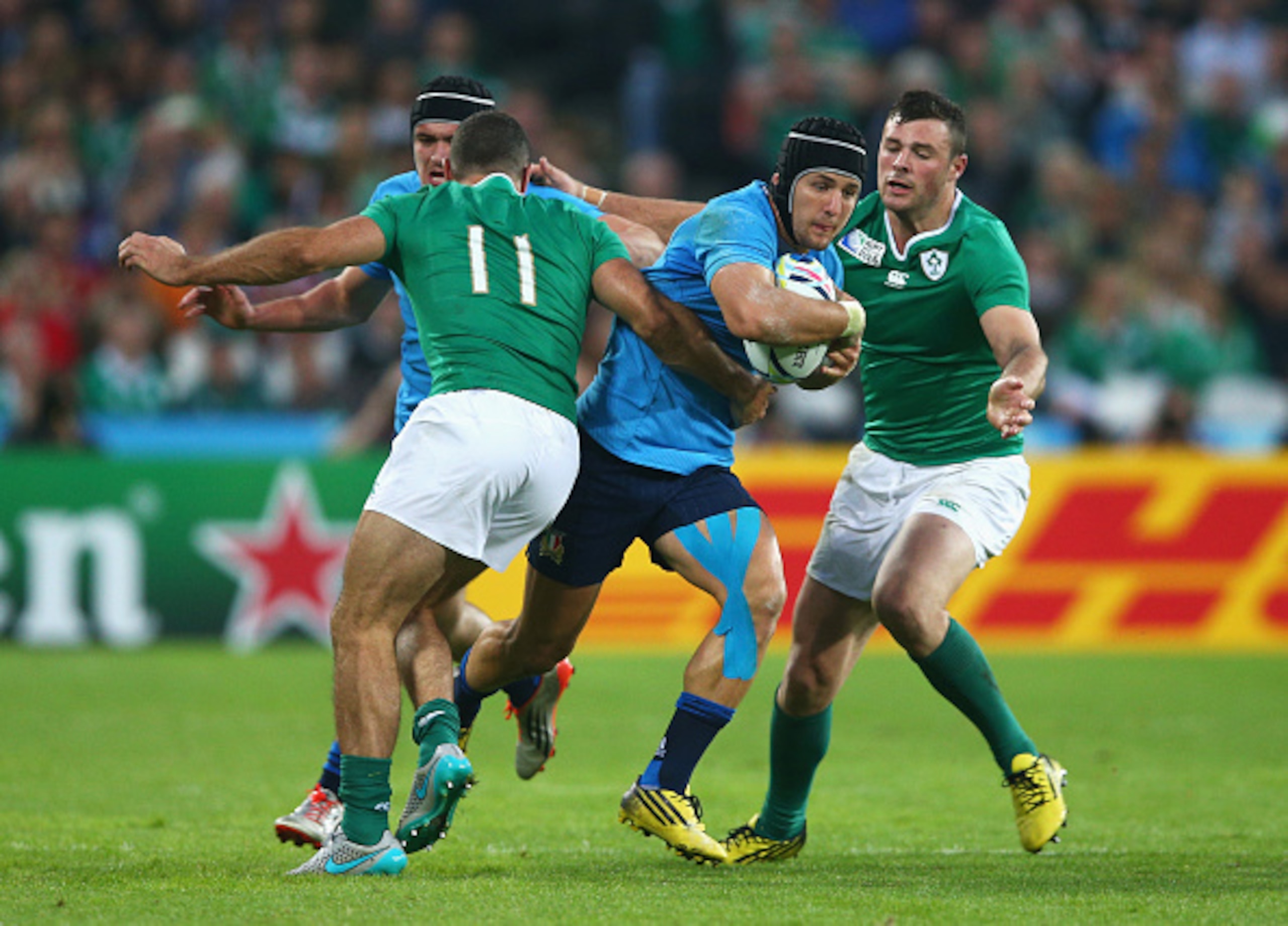
Italy's failure to consistently produce elite talent in key areas is largely responsible for the gulf separating them from the rest of Europe, and their hopes don't improve with Carlo Canna being second last in our ranking.
At 23 years of age, the seven-times capped international is hardly a veteran of the Test circuit, and a whirlwind 2015 saw him called into Italy's World Cup squad despite having not played a minute for his club Zebre at the time.
Canna has had six months to get acquainted at the Pro12 club, but he's still a green asset at this level and his first Six Nations will demand much of the former Fiamme Oro player.
12. Jean-Marc Doussain, France
3 of 14
Fly-half is something of a problem area for France, and Jean-Marc Doussain is perhaps lucky to be included due to the fact former Toulouse and current Les Bleus coach Guy Noves holds favour over his abilities.
The 24-year-old's last appearance for France came in March 2014, and it's more than likely he'll be used as a bench option, with Francois Trinh-Duc injured and reservations over Clermont's Camille Lopez.
The likes of Scott Spedding, Morgan Parra, Maxime Machenaud and others may well take care of kicking duties before Doussain would in any case, meaning the Toulouse man's overall influence looks very limited.


.jpg?w=2560 "Rams Eagles Football")
11. Rhys Priestland, Wales
4 of 14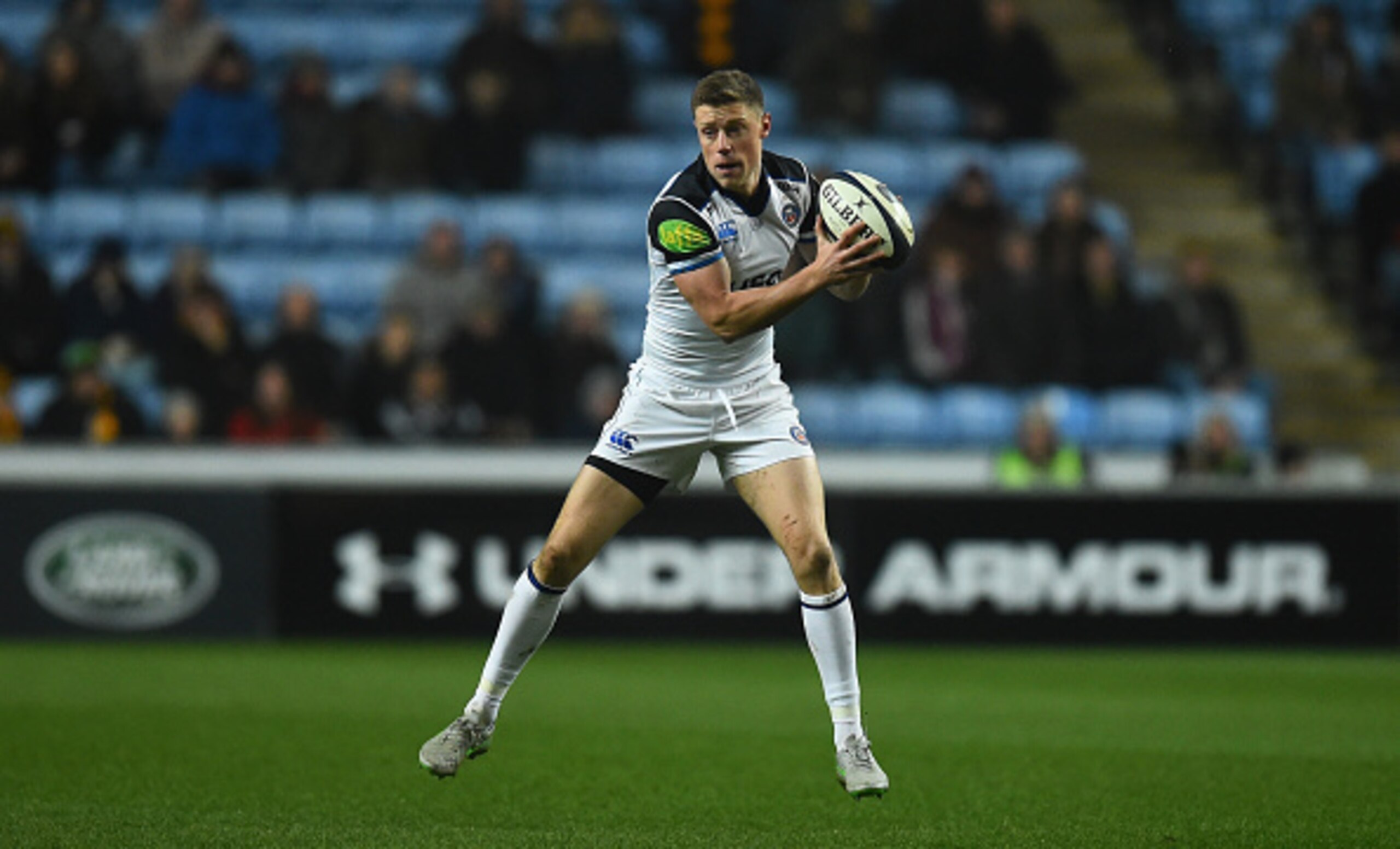
Had Rhys Priestland remained at Scarlets this season or moved to a club at which he was getting more minutes, he may well have placed higher in our countdown, but the first chunk of his Bath tenure has been underwhelming, to say the least.
Per the official Bath website, the Wales out-half has played a cumulative total of 77 minutes in five appearances for the club this season, racking up three points—hardly a record you'd pin your team's hopes on.
Some may have even preferred to see Gloucester's James Hook given another run at the Six Nations, but if Priestland can overcome a glaring lack of match fitness, he can still be of use as a second-choice No. 10.
10. Kelly Haimona, Italy
5 of 14
Despite not sitting among the highest calibre of fly-halves, back-line utility Kelly Haimona does boast a penchant for flair that could put the Azzurri in good stead when risks are needed.
Haimona isn't yet completely fit, but he is Brunel's most experienced player in the position, and when a ball needs to be run from deep with the clock ticking down, he can at least be counted on to give it a go.
Prior to breaking his arm ahead of the World Cup, Zebre's Haimona had asserted himself as the team's first-choice No. 10. And if his kicking can improve, the Azzurri may have an asset they can rely on in that position.
9. Duncan Weir, Scotland
6 of 14Italy know all too well the kind of game-winning potential Scotland's Duncan Weir has in his locker, and it was in the 79th minute of a 2014 clash between the two teams that he dropped a long-range goal to clinch a 21-20 win for his team.
Weir has kept his place in the squad under coach Vern Cotter and took what few chances he saw at the World Cup with pleasure, most notably storming his way to 99 carrying metres in a pool-stage loss to South Africa, per ESPN Scrum.
Evidently, holding his nerve under pressure is a strength of Glasgow's Weir, who is bound for Edinburgh at the end of this season, but he doesn't quite possess the same sheen to his game as a certain Warriors team-mate and fellow fly-half contender.
8. Paddy Jackson, Ireland
7 of 14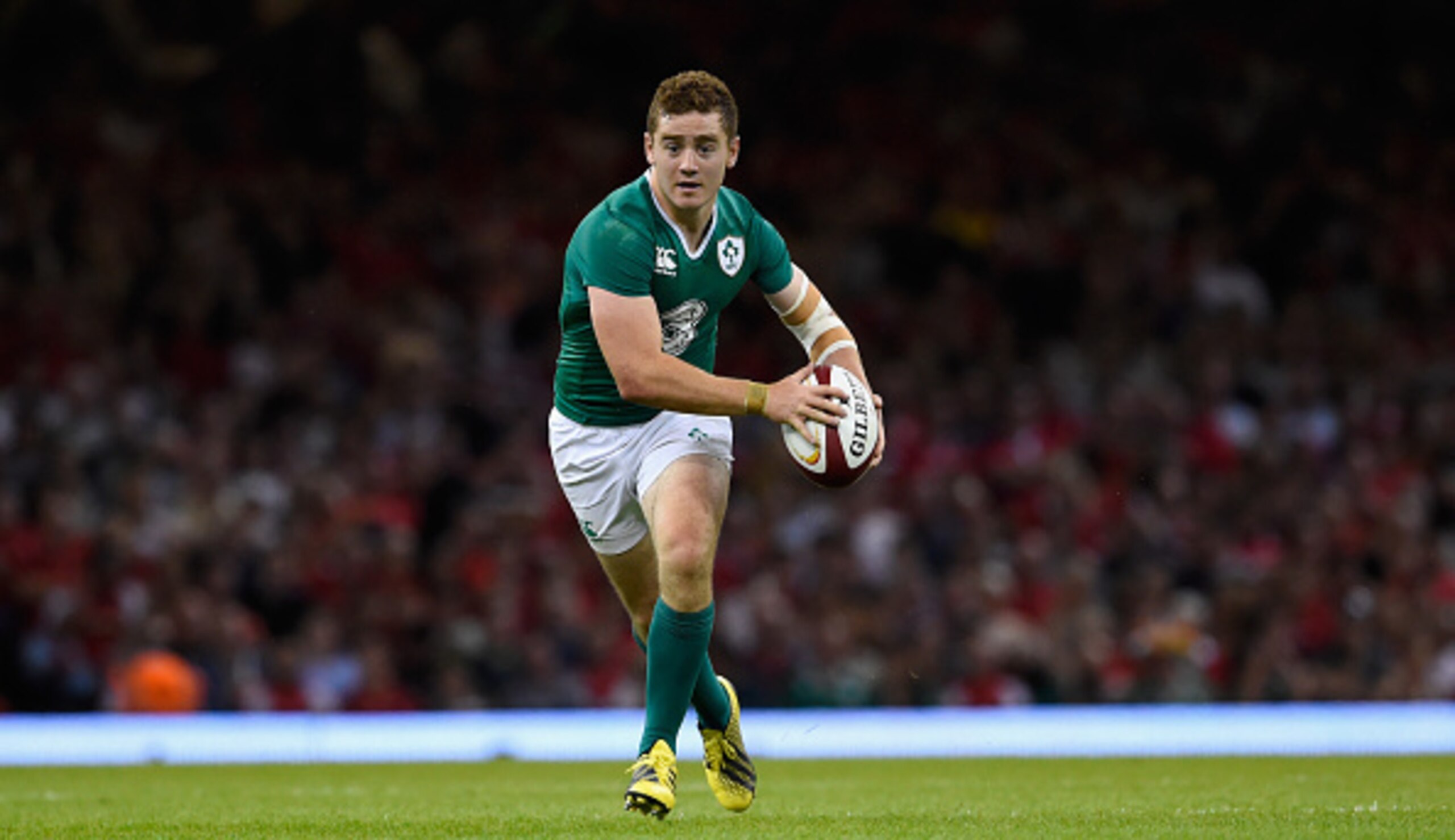
In some ways, Belfast boy Paddy Jackson has been very unfortunate not to get more chances in the Ireland team, with the reign of Jonathan Sexton obstructing him from gaining much time as a starter.
Having said that, the Ulster playmaker brings a good deal of European experience, not to mention guiding the Irish province to runner-up finishes in the Heineken Cup (2012) and the Pro12 (2013).
There may still be some doubt as to whether Jackson would hold an Irish supporter's unnerving faith if it came down to an 80th-minute penalty to decide a match, but his progress at club level has been undeniable.
7. Jules Plisson, France
8 of 14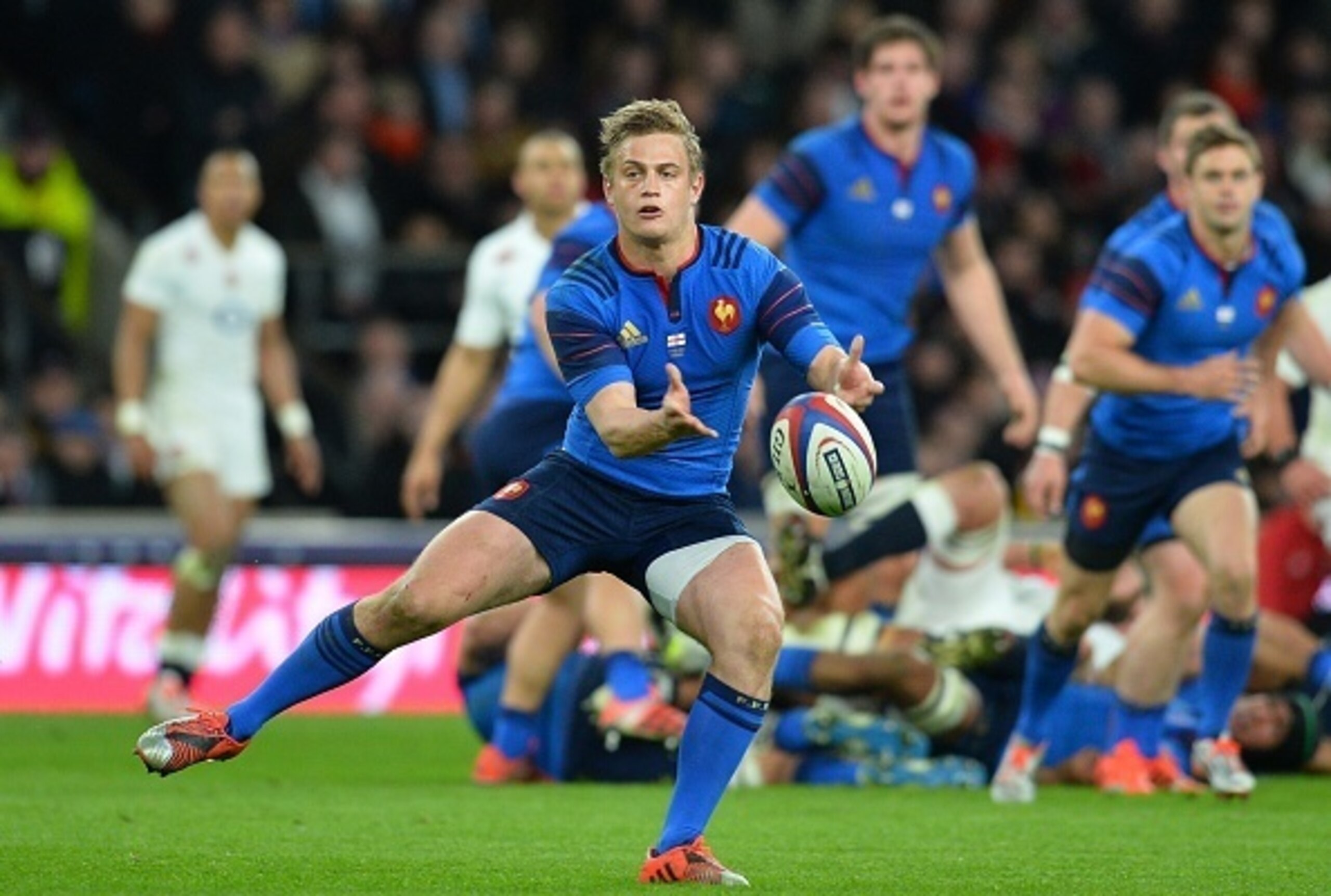
The constant rotation of France's half-back positions looks set to turn back to Stade Francais star Jules Plisson, a player who could, in theory, end the Russian-roulette selection method in the No. 10 role.
However, after helping guide Stade to last season's Top 14 title—their first since 2007—Plisson an his team-mates have had a stop-start campaign, with the Paris outfit currently 11th in the Top 14.
That shouldn't mask the fact Plisson is a talent in the fly-half role and worthy of investment at just 24 years of age, but France will rue Trinh-Duc's injury as a major blow in the fly-half position.
6. Ian Madigan, Ireland
9 of 14Ian Madigan is above team-mate Jackson in our ranking even though it's the Ulster man who could well be second choice for Ireland coach Joe Schmidt—and that's for one reason: Confidence.
Self-belief can be one of the most important traits for a fly-half more so than any other position, and Leinster utility Madigan consistently oozes the stuff when he plays.
Many fans thought Ireland's World Cup hopes were done and dusted when Jonny Sexton was forced off early in the decisive Pool D clash against France, but Madigan contributed what was likely his best display in an Ireland shirt en route to that 24-9 win.
Occasion doesn't seem to shake the 26-year-old, and that swagger is precisely why one could lean on him to achieve great things under pressure.
5. Finn Russell, Scotland
10 of 14Scotland coach Vern Cotter will rely on first-choice fly-half Finn Russell to produce some magic and light up a back line that's become increasingly expressive under the New Zealander.
Russell has already ousted Duncan Weir at Glasgow Warriors, and his ability to link up with the likes of club team-mates and centres Mark Bennett and Peter Horne will be of vital importance to Scotland's Six Nations hopes.
Greig Laidlaw takes care of kicking duties for the Scots, but Russell has a flair to him when playing out of hand, and he's helped develop the speed of Cotter's back line into a forward-thinking, offensive weapon.
4. Owen Farrell, England
11 of 14There's a great divide among English fans at present as to whether it should be George Ford or Owen Farrell who starts in Eddie Jones' No. 10 jersey at Murrayfield on February 6, and both players have good reason to be backed.
Saracens are enjoying another fine campaign with Farrell at fly-half, but it doesn't change the fact his temper can make him a riskier selection at times, as most recently seen at the World Cup.
Farrell was sent to the sin-bin for a late tackle on Australia's Matt Giteau in their pool-phase fixture, and the point remains that while Farrell's confidence means he enjoys the big occasions, it sometimes gets the better of him.
However, the 24-year-old is a Premiership-winning fly-half and a terrifically talented back-line utility, just perhaps not one that could always be relied upon to take the logical route when pressure is at its highest—at least not yet.
3. George Ford, England
12 of 14With 17 England appearances to his name, Ford has but half the amount of caps boasted by fly-half rival Farrell, but in this case, a lack of experience isn't all that pertinent given their respective points of emergence.
Ford, 22, may be still at the very start of his career, but being coached by his father Mike at Bath has kept the Halifax native tremendously grounded, and his playing personality is a large factor in why one might be more tempted to put faith in his abilities.
The 2015 Six Nations was Ford's first international tournament as a starter, and England finished just seven point shy of claiming the title, second to a very good Ireland team. Still so young in his development, his unshakeable nerve is only growing with time.
It's very possible Eddie Jones will start both against Scotland and use Farrell at inside centre, while Ford keeps the No. 10 jersey.
OptaJonny highlighted the Bath man also brings an assured drop goal to the side, slotting more of those than any player in the Champions Cup.
2. Johnny Sexton, Ireland
13 of 14If you're looking for an international fly-half who personifies calm and cool when everything around is anything but, Ireland's Johnny Sexton is the man for the job.
Off the pitch, Leinster's conductor comes across as a quiet and reserved personality, but his ability to switch on the turf—turning into the assured leader his team-mates desire—is akin to a Jekyll-and-Hyde transformation.
Sexton's understanding of his team and the ability to steer them where he wants is part of his appeal, but the No. 10 is a reliable kicker and performer in his own right—back-to-back Six Nations titles will tell you that much.
Joe Schmidt's team has changed and Ireland don't have as much momentum coming into this year's title defence, but on individual merit alone, Sexton can lay claim to being the most reliable fly-half in world rugby.
1. Dan Biggar, Wales
14 of 14The in-form fly-half of European rugby at present, Dan Biggar has continued on from the fine standards he set at last year's World Cup and is steering Wales into "favourite" status for the Six Nations.
His pre-kick shuffle won hearts during last year's tournament, and it proved to be effective as Biggar shouldered great burdens throughout the competition, most notably kicking the winning points at Twickenham in the pool phase.
That 28-25 win may be remembered as the sweetest of his career to date, but Biggar will again be hoping to lead Wales to great things in 2016, and his inspired form with Ospreys suggests that isn't out of reach.
According to the Ospreys' official Twitter account, Biggar was the Champions Cup's top points-scorer after Round 5 with 66, and the 2015 BBC Cymru Sports Personality of the Year is a calm figure one would trust in difficult times.
.jpg?w=2560 "Texans-Mixon Released Football")
.jpg?w=2560)
.jpg?w=2560 "2 NFL Officials Suspended")

.jpg?w=2560 "Mahomes' Wife Trolls Kubiak 💀")

