

Boxing's Titans Return: Is the Heavyweight Division Ready to Reclaim Glory?
The five digits of the human hand are nature's most impressive technological innovation. All that makes us the king of beasts springs from them, their flexibility guiding progress over the centuries. It's a simple thing, really, but one that lends us an adaptability that doesn't exist anywhere else in the natural world.
Folding those four fingers inward, thumb wrapping them like a bow, however, changes everything. Balled into a fist, the same tools become, instead, a singular, savage weapon.
And no one wields that weapon quite like a heavyweight boxer.


.jpg?w=2560 "Rams Eagles Football")
Maybe that's why the world's heavyweight boxing champion has traditionally attracted such interest around the globe. For decades millions marveled at their exploits. Across generations the heavyweight champion mattered.
Whether it was the surly arrogance of John O'Sullivan and Mike Tyson, the quiet dignity of Joe Louis and Evander Holyfield or the irrepressible mischief of Muhammad Ali, for more than 70 years the men who dominated the division were among the biggest names in sport.
"The heavyweight champion embodies what all 'manly' men aspire to be," boxing historian Patrick Connor said. "What person wouldn't want to have the reputation that they cannot physically be f----d with by any other person on the planet?"

Boxing, Connor believes, is all about psychology, both in the minds of the pugilists and the public. We build legends, only to watch them crumble, the human experience recreated inside the squared circle. The thrill of heavyweight boxing is creating the mythological giant, whether it's Tyson or George Foreman, only to see them eventually revealed as mere humans. And the bigger they are, the harder they fall.
In 2003, the last true giant of the ring, Lennox Lewis, walked away from the sport with the heavyweight crown. Lewis had established himself as the man in the sport, breaking box-office records and hearts by dispatching popular legends Tyson and Holyfield. He was the last man who could truly claim to be the sport's undisputed champion.
The next decade saw a steep decline in public interest. Ukrainian brothers Wladimir and Vitali Klitschko reigned but did little to ignite the American fanbase. Neither had earned the title of champion the old-fashioned way. In fact, Vitali had been Lewis' last victim.
"The public needs a heavyweight to really capture them," Lewis said. "The last generation of heavyweights, there wasn't much excitement involved. The Klitschko brothers weren't looking to knock anyone out. They bludgeoned and beat a guy into submission and the American public didn't find it too exciting. People like to see a good tear up.
"It was very different than the Tyson era when there were a lot of knockouts and thrills. It really captivated that generation. You had Tyson, the knockout artist; me, the pugilist specialist; and Holyfield, the little big man waging war against giants."
But while neither Klitschko brother did much to wow fans the way their predecessors had, no one emerged who could so much as test them in the ring. Their style may not have been exciting, but it was undoubtedly effective. As the months turned to decades, the dream of a new challenger to dethrone the steady champions slowly died. In America, at least, the heavyweight division had all but disappeared.
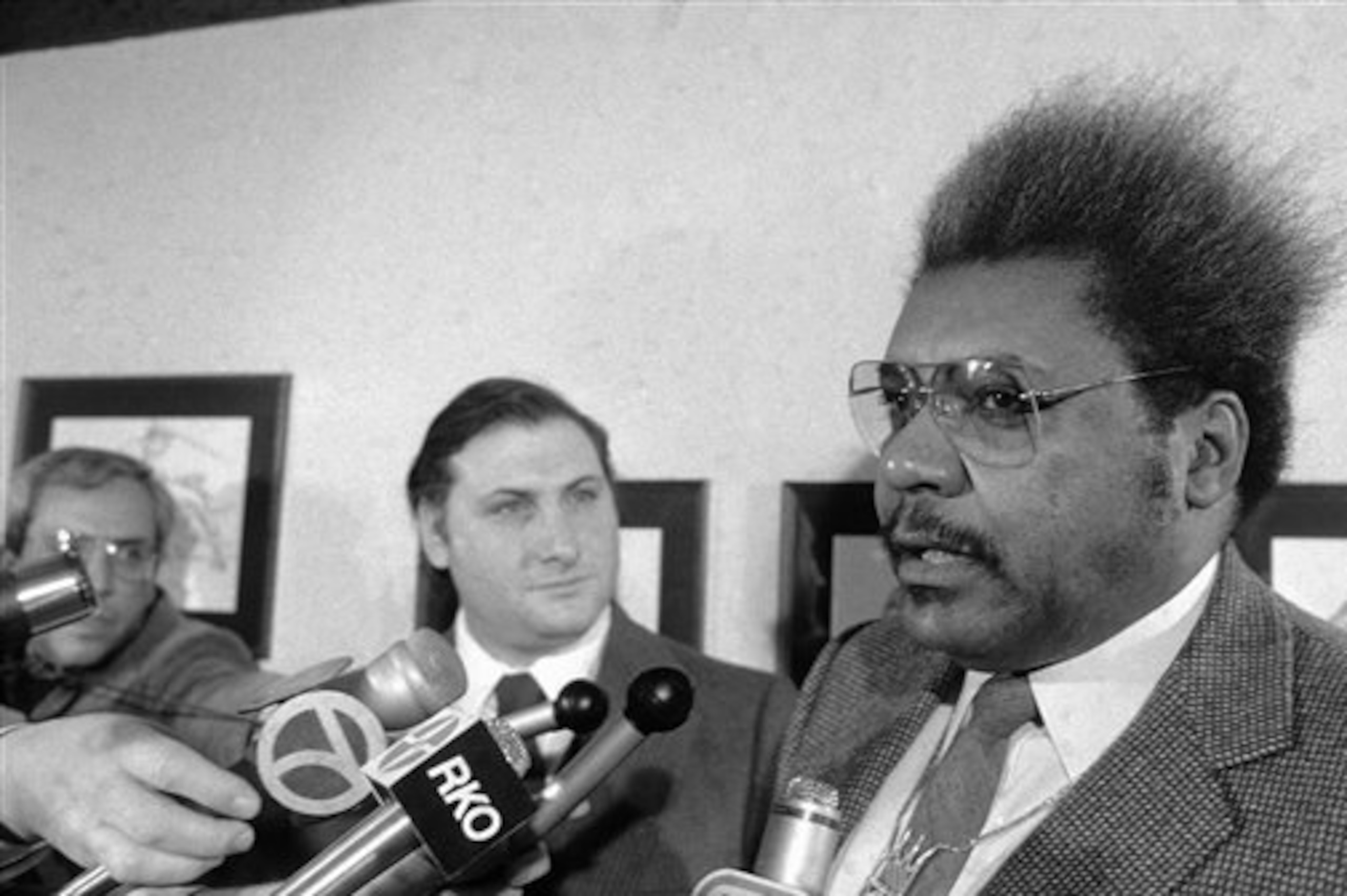
"A lot of the guys who would have become fighters went to football, baseball and basketball," former heavyweight contender Gerry Cooney said. "Directly because of Don King. He screwed everybody. They knew they couldn't get a fair shake in the fight game. People are not dumb. He used fighters as a tool to make money for himself. That's why it died."
Systemic changes in the industry also limited interest in a sport that once stood right alongside baseball as America's favorite pastime. Passion for sports is born in youth. Kids find role models and build dreams by watching athletic heroes on television. For boxing, as the promotional paradigm changed, that became a significant problem.
"They stopped putting boxing on free TV as much," five-time world heavyweight champion Evander Holyfield said. "It started going to pay-per-view. A lot of people couldn't afford to be a fan of boxing and stopped paying attention. Especially a lot of young kids who might have said, 'Hey, I want to do that.'"
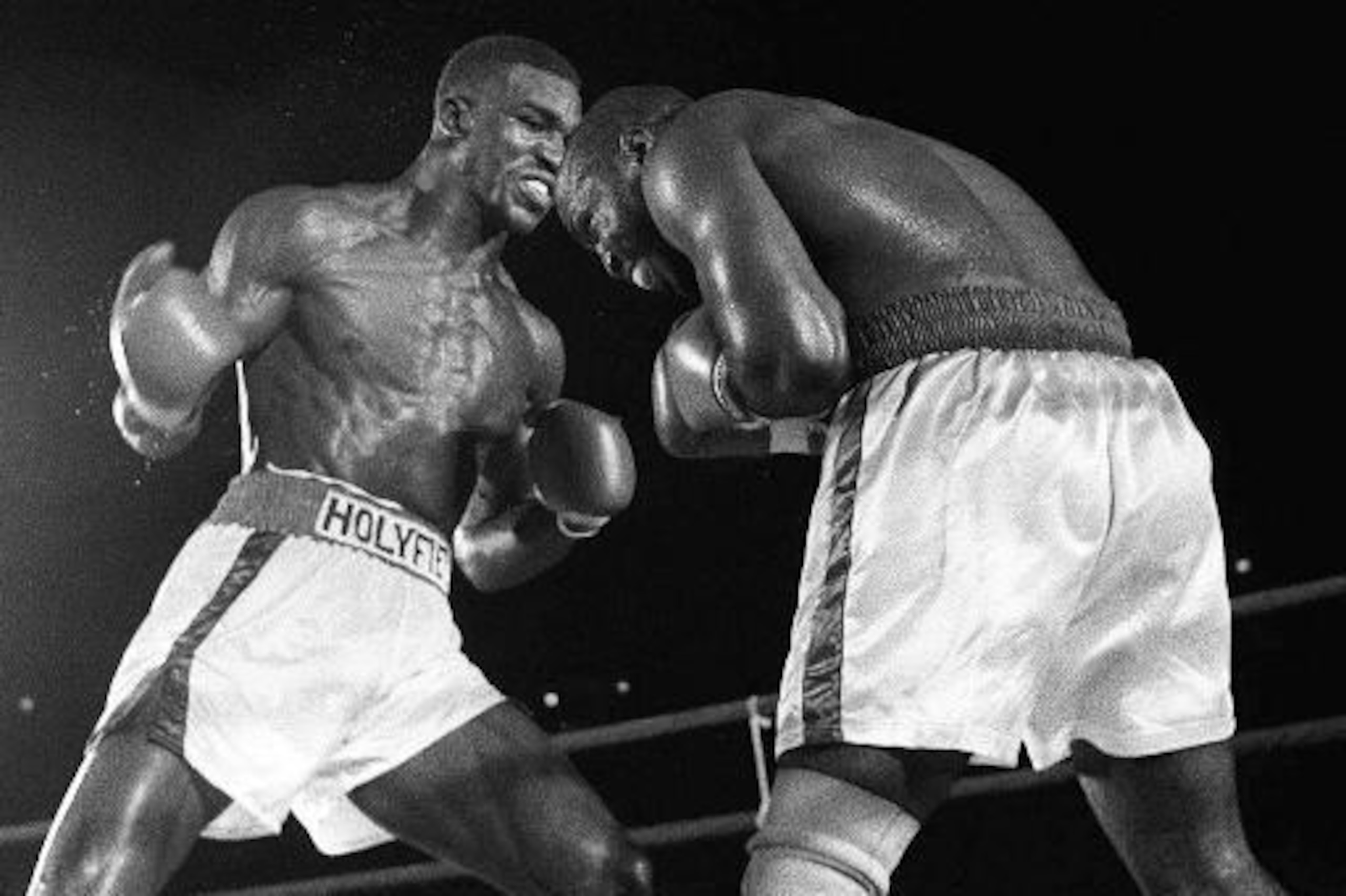
While the long-term prospects for boxing remain bleak, there is still hope. Late last year everything changed. An aging Wladimir Klitschko was finally dethroned by the manic Tyson Fury. For a division that has resided in darkness for so long, it was a single ray of sunshine.
"He's got good speed, good talent and good movement for his size. Obviously he's watched a lot of Lennox Lewis fights," Lewis deadpanned. "He was able to do what nobody else could, beating Klitschko. That means, mentally, he was able to stick to a program, to stay with it.
"Him winning opens the division up once again. Everybody's eyes went up and they said, 'Aha.' Everyone will try to make their mark now and suddenly every promoter is trying to get a heavyweight. Because it's wide open right now. It's great."
Others are out there to help cut through the shadows and help the division shine again. In England, former Olympic gold medalist Anthony Joshua is quickly establishing himself as a potential Fury rival. Across the Atlantic, Deontay Wilder, who fights Polish contender Artur Szpilka on Saturday on Showtime, is the first American prospect in ages to show flashes of brilliance.
| Fighter | Deontay Wilder | Tyson Fury | Anthony Joshua |
| Height | 6'7" | 6'9" | 6'6" |
| Weight | 229 pounds | 245 pounds | 248 pounds |
| Age | 30 | 27 | 26 |
| Record | 35-0 (34 KO) | 25-0 (18 KO) | 15-0 (15 KO) |
| Championships Held | WBC | WBA, WBO | British Empire |
"It's very exciting because we're starting to see real heavyweights again. Wilder, after he gets past this guy, we're going to see what he's made of," Cooney said. "There are a lot of questions about him still. He's a good puncher. He's growing as a champion. He's very exciting. He's a confident guy. But we don't know what happens when he gets into trouble. How does he respond? It's going to be exciting again like it was in the old days. I got hope for that. I love fighting."
"There are a lot of questions," Lewis conceded. "They are slowly being answered by some people and not others. The questions are the same. Can they take it on the chin? When it gets hard are they tough enough to keep going?
"This generation, they're all about strength. They think strength is the key. That's their mistake. Do they have the stamina? Right now I think Wilder and Tyson Fury are leading the way."
Historian Connor, however, is not sure anyone will emerge as the heir to boxing's great champions of the past. The mechanism for creating stars, he says, so effective for years, is in bad shape. Worse still is that the fighters, despite some glimpses of promise, may not be up to the task.
"Fury seems to have the personality and mouth to push the championship to the forefront again, but few are confident he'll keep the title long enough to do it," he said. "Both Wilder and Joshua lack charisma that you'd expect from a popular heavyweight champion. But they both hit hard, so they at least have that element of it.
"There is another possibility that few regularly consider—that the sport has moved beyond ever producing another Jack Dempsey, or Louis, or Rocky Marciano, or Ali, or Tyson. Boxing, increasingly more niche, seems to be a sport that doesn't lend well to catching the public's attention anymore."
One thing is certain: If a fighter is going to emerge as the next big thing in heavyweight boxing, he will have to do so in the ring. All of the greats, the men who have written their names in history, have earned that distinction with their fists, not through any promotional sleight of hand.
"The fighters themselves haven't proven to be the best," Holyfield said. "Somebody just said, 'I'm the best.' These guys have got to fight each other. That's how you determine the best of the best. A lot of times people think, 'I'm not going to risk losing.' But what's the point of being the champ?
"You don't get one part of the championship and say, 'Everybody else? I'm not fighting them.' You face the best and when you do, when you become the undisputed champ, there's a prestige. You make more money. And you have the whole world talking about you."
Jonathan Snowden covers combat sports for Bleacher Report.
.jpg?w=2560 "Texans-Mixon Released Football")
.jpg?w=2560 "Commanders Eagles Football")


.jpg?w=2560 "Mahomes' Wife Trolls Kubiak 💀")

.jpg?w=2560 "Grading WWE Raw 🔠")