10 Sports Truths That Make No Sense 'IRL'
In sports, 40 years of age equals "old as dirt." Cameras are allowed in locker rooms, and complete strangers have built a massive industry around predicting employee performance.
There are some things in sports that, taken out of their sporty context, would make absolutely no sense. Of course, some of those things might apply to entertainment, or sometimes politics, but they don't generally apply to "real life."
Of course, there is no universally consistent way of life, but in this context, "in real life" just refers to working folks not in the public spotlight. For those people and their jobs, these 10 common aspects of sports wouldn't make a bit of sense.
Locker Room Interviews Are Commonplace
1 of 10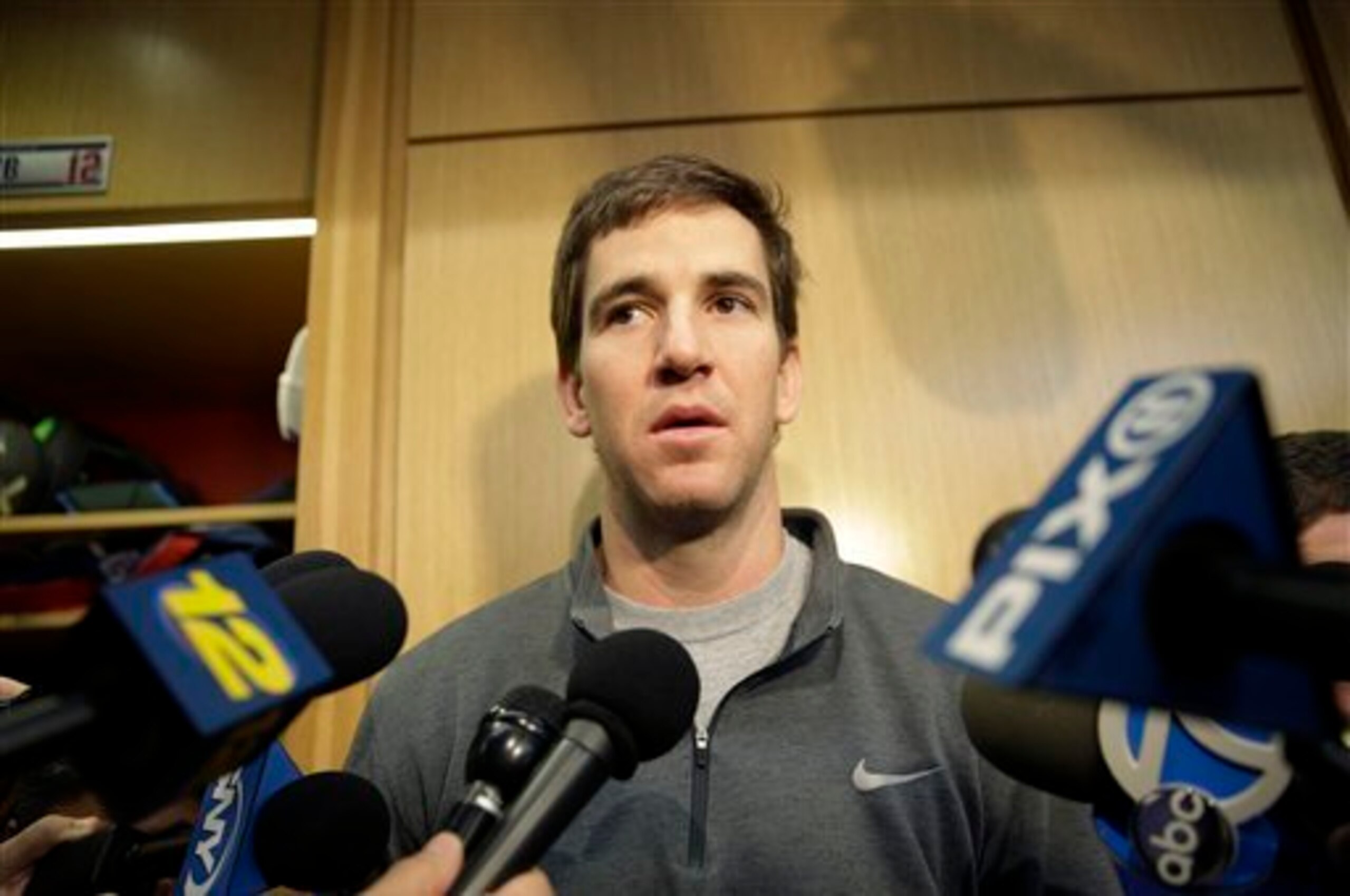
The fact that athletes are regularly interviewed in locker rooms is a bit staggering compared to real-life standards.
Locker room access has done a lot for sports media, and fans do gain a unique perspective because of it, but still. It certainly would not be normal for some corporate bigwig to have a mic shoved in his face after he gets out of the steam room.
Tadd Haislop of the Sporting News even wrote:
"I understand the vitality of access for media. I'm not disputing that. A large portion of a reporter's job is coverage of cultural aspects surrounding the subject, almost as much as the subject itself. What I don't understand is why the locker room — supposedly private quarters, sometimes referred to as the player's sanctuary — needs to provide the medium.
"
Retirement Tours Are a Thing
2 of 10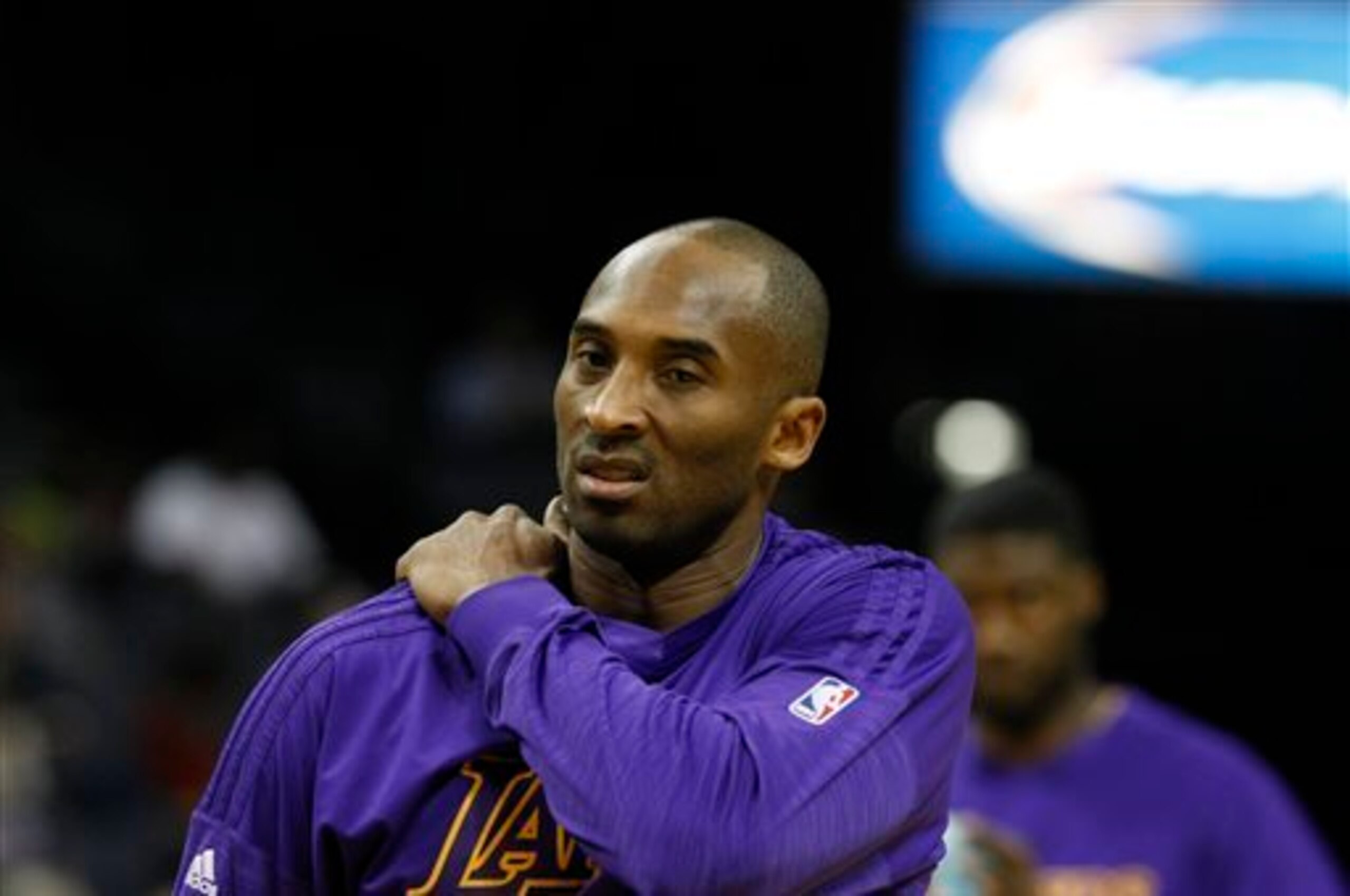
Sure, average Joes have retirement parties, but retirement tours? This spectacle we have seen emerge in sports over the past half-decade is mostly just reminiscent of rock band sendoffs—literal farewell tours.
Contemporary sports fans can thank former Atlanta Braves great Chipper Jones for starting this trend in 2012. Star athletes announce their retirements early, and then practically every game thereafter includes a ceremony, gift, banner, video, thank you message from Michael Jordan or something of the like.
John A. Torres of Florida Today wrote, "Who started this fairly new trend of farewell tours for retiring baseball players? I'd like to choke them." He called the whole thing a "nauseating, endless stream of tributes, gifts, videos and photos."
This wouldn't happen in real life, to this degree, because people like Torres couldn't stomach it.
There Is Only One Winner
3 of 10
In real life, there are varying degrees of success in any given profession, and certainly more than one company/entity can experience success. The concept of achievement is fluid, and the pursuit of one, single trophy doesn't usually drive an entire career.
In sports, there is only one champion each year. There are even some teams who view the entire season as a colossal failure if they don't win that championship.
Take the New York Yankees, for example. General manager Brian Cashman once said, per Jayson Stark of ESPN.com, "It's always: 'Are we good enough to win the World Series?' That's part of being a Yankee. The bar has been set. That's our mission statement every year."


.jpg?w=2560 "Rams Eagles Football")
Being the Best Equals a Trip to the White House
4 of 10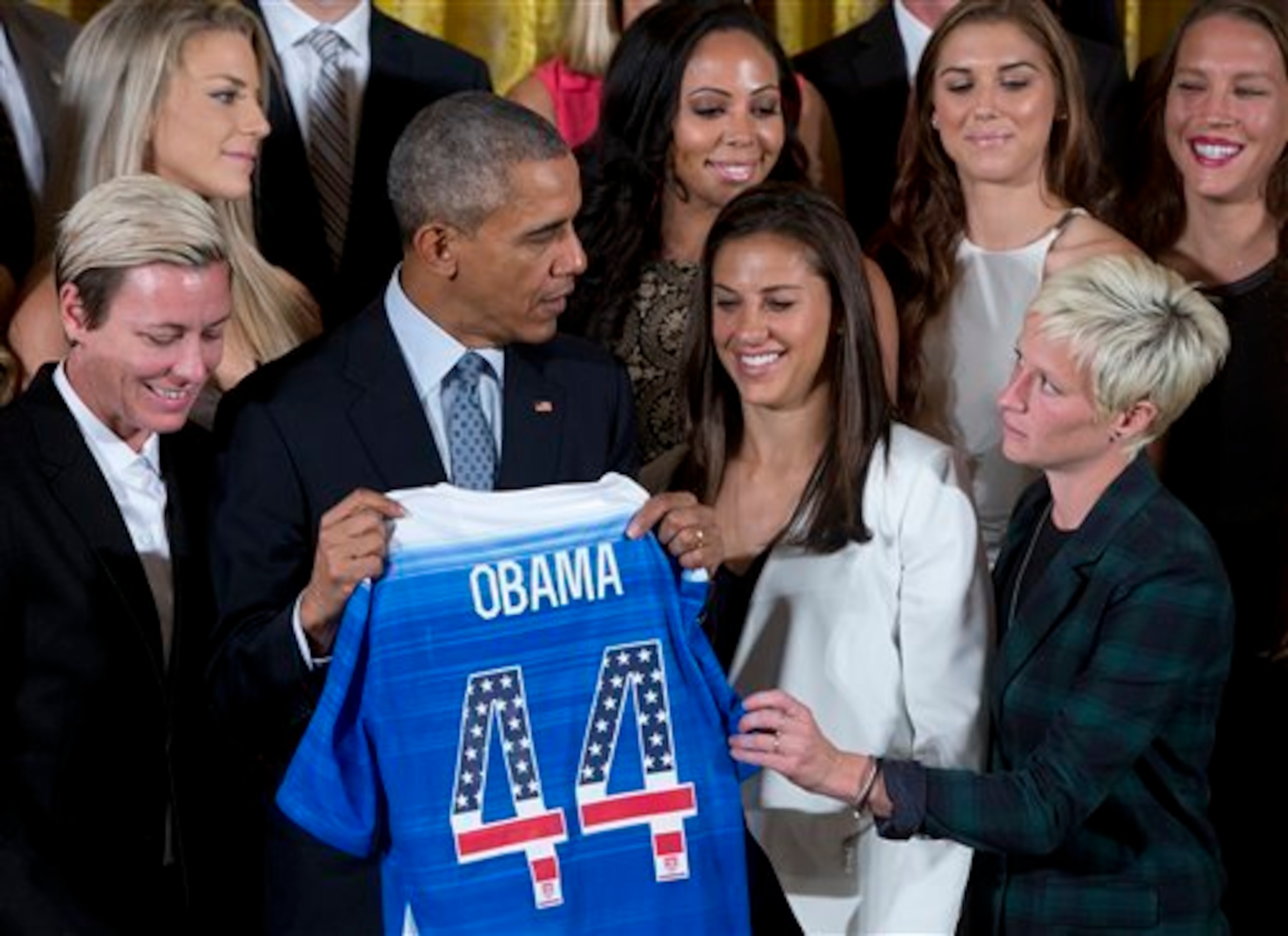
Speaking of that one winner, why does every American sports champion visit the White House?
According to Katherine Skiba of the Chicago Tribune, "Baseball teams visited Executive Mansion in 1800s." So, it's a long tradition.
The trip is almost certainly regarded as an honor by the athletes (unless they're Tom Brady). Still, this idea that there is one, single trophy to win, and the team that wins it automatically earns a trip to the White House, is unusual.
Per Skiba, historian Richard Norton Smith said, "Presidents are constantly, particularly in the media age, trying to make the rest of us believe they're like us — that they're regular guys. For them to follow and fete top athletes 'is deemed to be politically useful for the White House.'"
Every Moment Is Officiated
5 of 10
Rules and regulations exist everywhere, not just in sports. Sports are unique, however, because every moment that counts (i.e. game time) is overseen by officials tasked with enforcing the rules.
Surely there is oversight at your job, but imagine a person with a striped shirt roaming your office or workplace. Every time you make a mistake of any significance, he or she blows a whistle and starts throwing flags around.
Rules are everywhere, but referees are largely unique to sports.
40 Is Old
6 of 10
Sure, age 40 is considered "old" for some non-sports professionals, like supermodels, ballet dancers and other jobs not generally held by average Joe.
In those professions, like in sports, it's a bit odd to describe someone just over half the average life expectancy in America as, well, old as dirt.
In September, Kevin Van Valkenburg of ESPN the Magazine wrote a pretty graphic profile of Peyton Manning in which he described the regular postgame routine of the 39-year-old Denver Broncos quarterback. In the process, Van Valkenburg made Manning sound like a "rickety old man," which is just what Deadspin said.
Unfortunately, it's most often true. Athletes are generally more susceptible to injury and demand more from their bodies than many nine-to-five professions. Sam Smith once wrote for ESPN.com, "Life in professional sports usually ends at 40, or long before, even for the great ones."
Injuries Are Accepted as Inevitable
7 of 10
Injuries and accidents can occur at any job, but few industries view them as overwhelmingly commonplace occurrences.
Injuries are a given in sports. On the New England Patriots alone, 21 players are listed on the injury report headed into the playoffs. Twenty-one! Fourteen of those are on injured reserve, which at least frees up a roster spot. As a reminder, NFL teams can only have 53 players on their active roster.
Now, this is not to suggest sports represent the most dangerous profession. (They most definitely do not.) Still, the fact that hordes of injuries year after year is just the norm—that's unusual.
Talent Is Drafted
8 of 10
Professional recruitment is commonplace in many industries. In that way, college sports have a lot more in common with the "real world" than the pros do.
Drafts represent an odd method of selection, one that would make no sense in most situations (other than in sports or politics or the military).
For instance, say you're a packaging engineer. After college, instead of looking for a job or working with a recruiter, you prepare for a draft. When the day comes, every company that needs packaging engineers is on hand. You get all dressed up in your finest Magic Eye suit and bedazzled shoes, and wait for one company to say your name. Weird, right?
Now, imagine all this goes down on national television.
6'1", 210 Pounds Is Merely Average
9 of 10
The Centers for Disease Control and Prevention reports the average height and weight for an American male over the age of 20 are as follows (based on data from 2007-10):
- Height (inches): 69.3 (just over 5'9")
- Weight (pounds): 195.5
In 2014, Tony Manfred of Business Insider reported the findings of Tomer Cohen, who created a graph of the average height and weight of athletes from various major sports. Cohen found diversity based on sport and position, of course, but in general, athletes are bigger than the average American.
Manfred wrote, "A cluster of sports is formed around 6-foot-1, 210 pounds. That seems to be the average body type in general."
Strangers Wager on Individual Performances
10 of 10
When was the last time a total stranger made a bet on how many TPS reports you would turn in during a given week?
Fantasy football has actually been around since the 1960s, but in recent years, it (and other fantasy sports) has become infinitely more widespread and organized. According to the Fantasy Sports Trade Association (it exists—a crazy fact in and of itself), 56.8 million people played fantasy sports in the U.S. and Canada in 2015.
Now, Jezebel's Fantasy Kardashian-Jenner League and the Grantland Reality TV Fantasy League are/were funny, but they pale in comparison to the booming industry of fantasy sports.
.jpg?w=2560)
.jpg?w=2560 "Texans-Mixon Released Football")

.jpg?w=2560 "2 NFL Officials Suspended")

.jpg?w=2560 "Mahomes' Wife Trolls Kubiak 💀")
