
5 Drivers Who Quit Formula 1 Too Soon
Formula One drivers rarely have the chance to bow out on their own terms, but knowing when to walk away is among an athlete's greatest strengths.
Most tend to outstay their welcome and are unable—or just unwilling—to acknowledge their powers are waning or their bodies and minds are no longer capable of what they once were; therefore, they harm their legacies and blur their memories by remaining in the sport.
And then there are those who walk away a little too soon when they still have so much more to give.
As a sport with such obvious dangers, F1 is arguably the most difficult sport when it comes to quitting in terms of finding the perfect balance between risk and reward.
From seven-time world champion Michael Schumacher to those who didn't, for whatever reason, realise their true potential, here are five drivers who left too soon. We made our choices based on talent, age and what they might have gone on to achieve had they remained in F1.
Honourable Mentions
1 of 6
When a driver dominates the final race of their career, they are bound to have second thoughts about their decision to retire.
But despite leading the 1986 Australian Grand Prix until Lap 63 of 82, when he suffered a puncture, 1982 world champion Keke Rosberg remained true to his word and departed Formula One at the age of 37.
Meanwhile, two-time world champion Emerson Fittipaldi's F1 career was rendered almost meaningless when he decided to leave the might of McLaren at the end of 1975 to race for a family owned team.
The Brazilian's subsequent success in CART in the 1980s and '90s, however, suggested he was still good enough to race competitively in F1.
One of the true travesties in sport is when a world champion is denied the opportunity to defend their title. And while Nigel Mansell enjoyed a long and successful F1 career, his departure from Williams at the end of 1992—almost certainly to avoid being partnered with Alain Prost—was a huge shame.
Like Fittipaldi, Mansell went on to triumph in American open-wheel racing—and returned to contest a handful of grands prix for Williams and McLaren—but his exit from full-time F1 at the age of 39 was a little premature.
Michael Schumacher
2 of 6
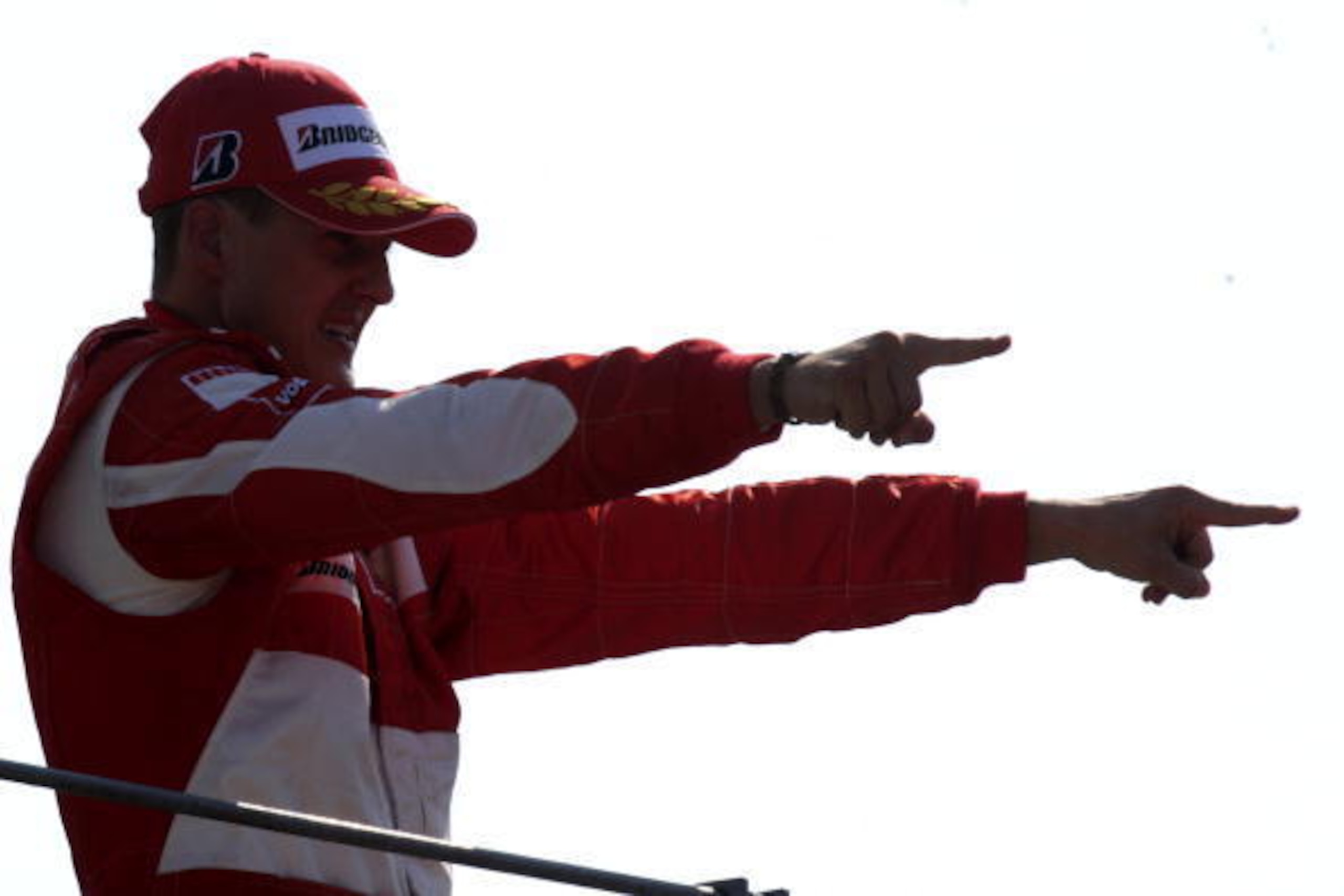
Michael Schumacher, the most successful driver in Formula One history with seven world championships, has the distinction of quitting the sport too soon on two separate occasions.
Despite his leading Ferrari to five consecutive titles between 2000 and 2004, the team—as reported by BBC Sport's Andrew Benson—signed a pre-contract agreement with Kimi Raikkonen toward the end of 2005, which meant Schumacher entered '06 with an uncertain future.
The German fought to wrestle his crown back from Fernando Alonso until the final race, but by that point the 37-year-old—reluctant to harm the career of young team-mate Felipe Massa, who exceeded expectations by claiming two wins across 2006—decided it was he who had to make way for Raikkonen in 2007.
As Schumacher, who was still close to his peak on the evidence of his performances in late '06, stood in the Ferrari garage in an advisory role, he witnessed Raikkonen win the title by a single point in 2007 and Massa lose it by the same margin the following season.
Had he continued, it is likely he would have won both championships by a more comfortable gap against a fast but undependable McLaren team. But that, of course, would probably have prevented Schumacher's second coming.
His three-year tenure at Mercedes between 2010 and 2012, when he claimed just one podium finish in 58 races, is regarded as the period one of the great sporting champions learned to lose.
Yet Schumacher's supposedly failed comeback could have ended on a triumphant note, which would have completely transformed public opinion.
According to Press Association Sport (h/t Sporting Life), Schumacher's "dithering" when it came to extending his contract for 2013 saw Mercedes make a move for Lewis Hamilton, which left the veteran with no option but to retire for a second time.
But had he known then what we know now—that Mercedes would become established winners in 2013 before emerging as F1's dominant force in 2014 under the V6 regulations, which would have perfectly suited him—he would surely have signed on the dotted line before Hamilton had the chance to answer the phone.
Schumacher will forever be remembered as one of the most gifted and successful drivers of all time, but 100-plus grand prix victories and even eight or nine titles may have been there for the taking had Schumacher—the man who showed no mercy on track—displayed the same ruthlessness when deciding his future.
Alain Prost
3 of 6
Damon Hill once told the Guardian's Donald McRae that if he nearly won the 1994 title, it is safe to assume Ayrton Senna—had the Brazilian emerged unscathed from his fatal crash at Imola—would have won it.
The same could be said of Alain Prost, who partnered with Hill during the previous season.
After being sacked by Ferrari at the end of '91, Prost took a yearlong sabbatical and returned to F1 in 1993 with Williams, in the midst of the most successful period of their history with some of the most technologically advanced F1 cars ever built.
With seven victories and five further podium finishes, the Frenchman coasted to his fourth world championship, but his status within the team was not as safe as it seemed.
As he told Sky Sports' Legends of F1 television series, Prost had a two-year contract which, while not necessarily guaranteeing him No. 1 status, prevented Senna—his great rival from the McLaren-Honda days—from being appointed as his team-mate.
In July '93, however, Sir Frank Williams visited Prost to explain he was under pressure from Renault, the team's engine supplier, to sign Senna for 1994.
Although Prost initially resisted the hint, the Frenchman—who, according to Sky Sports' Legends of F1, revealed his dislike of the FW15C car's complexities as well as his struggles in finding motivation during his dominant campaign—agreed to make way for Senna.
At that stage, Prost was 38. He had four titles to his name and, with 51 victories, was the most triumphant driver in F1 history in terms of grand prix wins.
But Williams' recovery from a poor start to 1994 to win three of the next four drivers' and constructors' championships suggests Prost would have equalled, and probably surpassed, Juan Manuel Fangio's record of five titles to become the most successful F1 driver ever.
Instead, Senna, who never let him rest for the best part of 10 years, hounded Prost all the way into retirement.

.jpg?w=2560)

Mika Hakkinen
4 of 6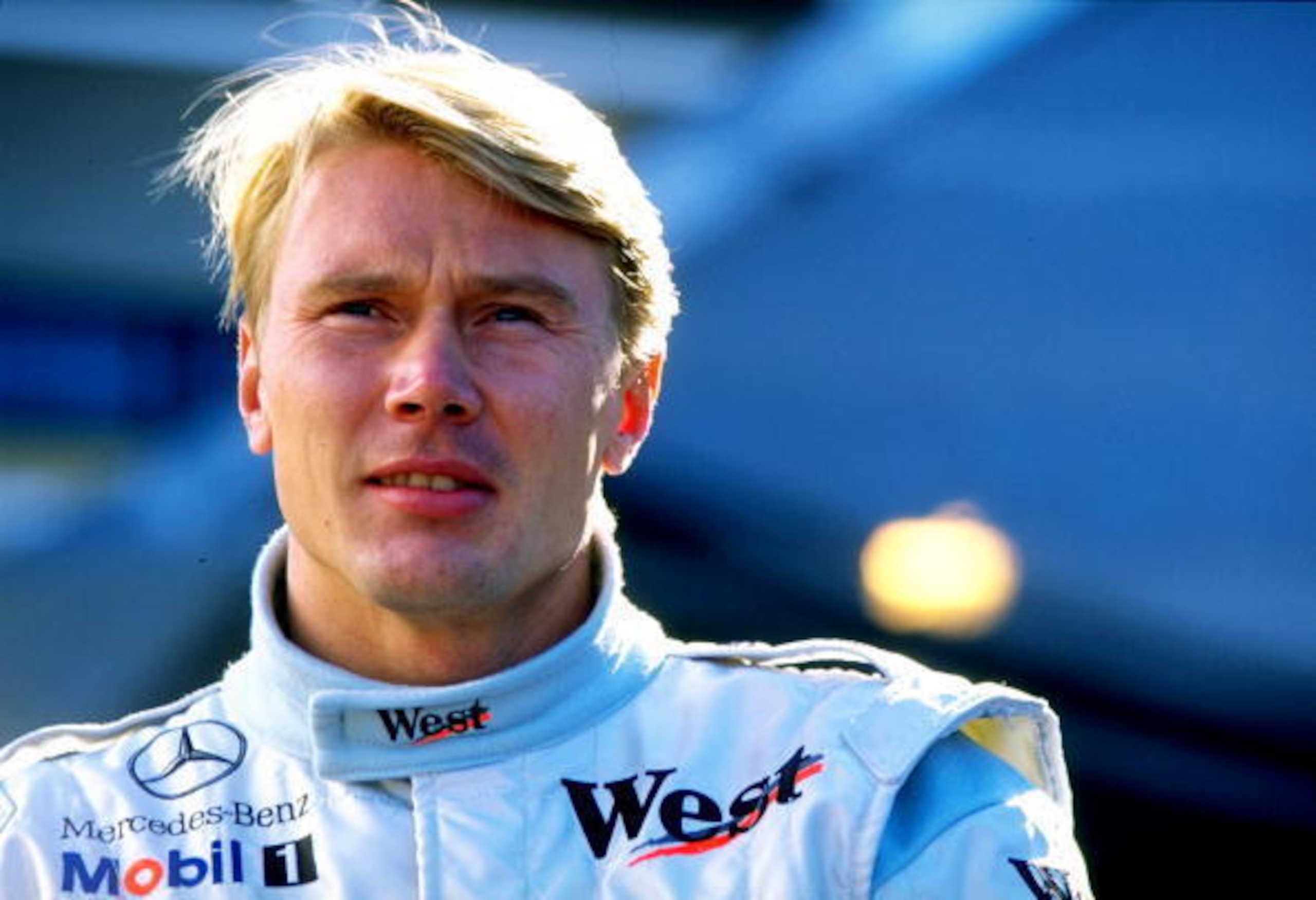
"I was so tired! I couldn't believe it, how much energy and effort it takes to win the world championship. It was awful!"
Even as he stood as a newly crowned two-time world champion, retirement—on the evidence of his comments to Sky Sports' Legends of F1 TV series—was already on the horizon for Mika Hakkinen.
His admission, per the same source, that leaving Formula One was in the "back of [his] mind" even at that stage offered a reminder of the stresses and strains that face drivers competing at the very top of the sport.
And his acknowledgement that he had "no more energy to perform" and preferred to simply walk away rather than become a burden to McLaren showed a certain selflessness and integrity uncommon among racing drivers.
Indeed, quitting at the end of 2001—two years after his final title triumph—was arguably the right decision for Hakkinen in the context of the domination Michael Schumacher and Ferrari enjoyed at the turn of the millennium.
Yet it was the fact that one of the quickest drivers F1 had ever seen—who completed one of the smartest, most spectacular overtaking moves in the history of motorsport—retired just weeks after his 33rd birthday that is behind the theory Hakkinen left too soon.
As reported by BBC Sport's Andrew Benson, Ron Dennis' insistence that his favourite son's exit was dressed up as nothing more than a sabbatical revealed the team's desperation to keep him, but Hakkinen was adamant and announced he would not return in mid-2002.
Rather tellingly, Hakkinen had been linked to a return in the years following his retirement, with the Finn testing for McLaren in late 2006 and former Toro Rosso team boss Gerhard Berger telling Autosport's Jonathan Noble how they "had a discussion" about an F1 comeback.
None of those talks resulted in a return, however, and we can only wonder just how many "Spa 2000" moments Hakkinen had left in the tank.
Juan Pablo Montoya
5 of 6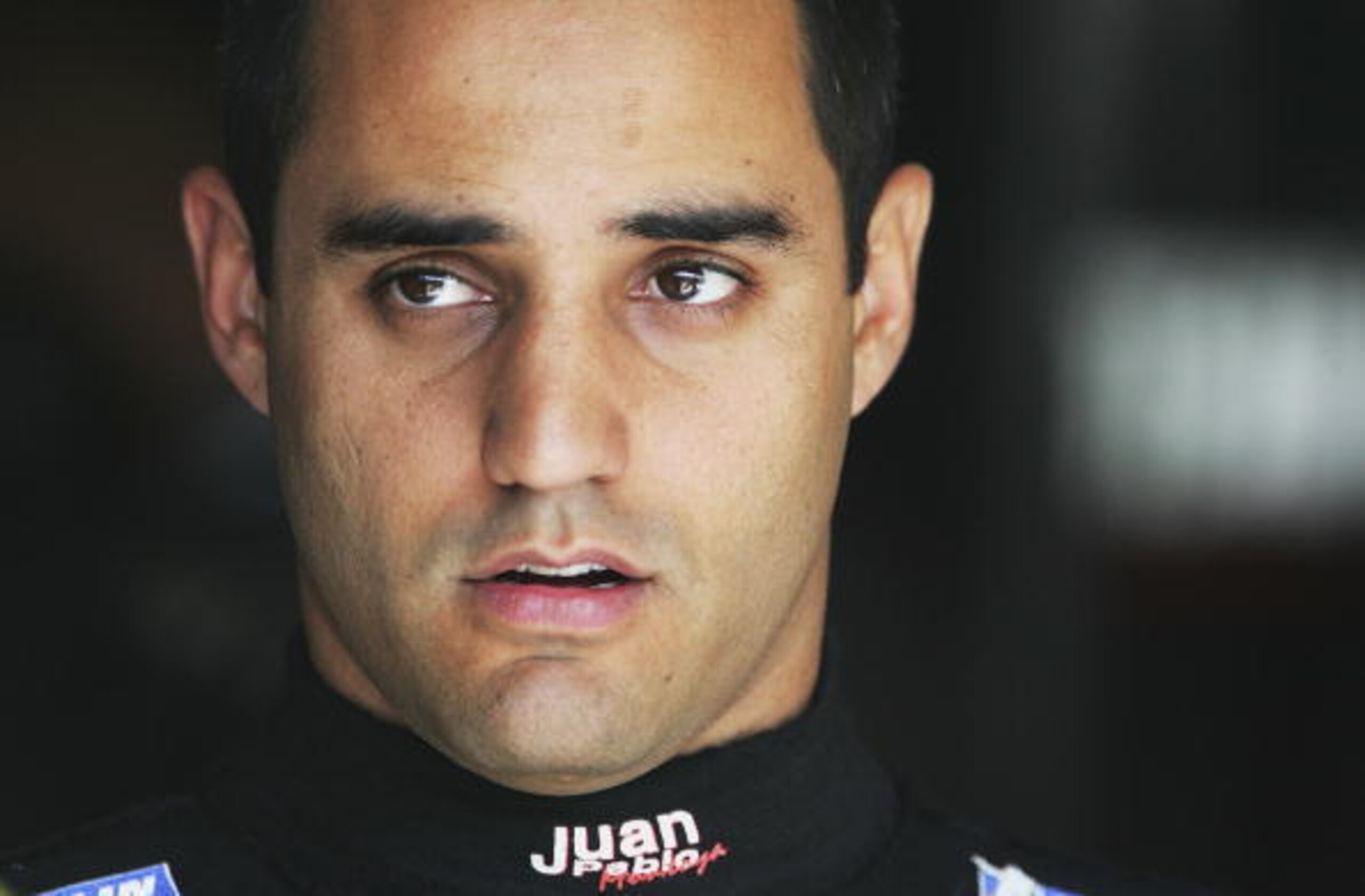
Just days after hitting team-mate Kimi Raikkonen at the start of the United States Grand Prix, Juan Pablo Montoya's time in Formula One came to an abrupt end.
Presumably eager to race at the Indianapolis Motor Speedway on a more regular basis, the Colombian announced he would leave F1 at the end of 2006 to race in NASCAR, but McLaren shoved him out the door, releasing Montoya from his contract with eight rounds of the season remaining.
It was an unfitting way to close one of the shortest yet sweetest F1 careers, in which Montoya—who claimed 30 podiums, including seven grand prix victories—set the fastest-ever lap and challenged the establishment both on and off track.
McLaren's signing of reigning world champion Fernando Alonso for 2007 meant the team could afford to be rather lackadaisical when they came to finalise their driver lineup, but it would have been fascinating to witness how they would have handled Montoya if he had stayed until the end of '06.
Despite the 30-year-old's troublesome relationship with team principal Ron Dennis, which stemmed from conflicting reports surrounding his mysterious shoulder injury in early 2005, according to the BBC, would McLaren have retained an inconsistent yet established winner rather than gamble on a quick but unproven Lewis Hamilton?
If so, how would an Alonso-Montoya partnership have worked out? And would the highly competitive McLaren cars of 2007 and '08 have offered the Colombian, who finished third in 2002 and 2003, a shot at winning the title?
Not only did Montoya's exit rob the sport of a cult hero, but it was also among the first examples of modern-day F1 not doing enough to keep its finest drivers satisfied and fulfilled.
Soon after his departure from McLaren, for instance, he told Colombian publication El Tiempo (h/t Autosport) how the uncompetitive, understeering 2006 car "drive me to boredom." And in 2014, he told Motor Sport Magazine's Nigel Roebuck of his frustration that F1's rulemakers did nothing to compensate for the switch from V10 to V8 engines in 2006.
In truth, Montoya probably jumped before he was pushed, but McLaren did the pushing anyway.
Timo Glock
6 of 6
Timo Glock secured as many as three podium finishes in two years with the underachieving Toyota team, and by the end of 2009 he had established himself as a highly capable grand prix driver.
But the Japanese manufacturer's withdrawal from F1 at the end of that season saw his career path crumble. Glock was initially the leading contender to join Renault, where he would have formed a strong, dynamic partnership with Robert Kubica, for 2010.
Yet the French team faced an uncertain future in the aftermath of the "Crashgate" scandal, and the German, who was determined to ensure his place on the grid for years to come, decided to join Virgin Racing, one of three brand-new teams.
It turned out to be a choice between living and merely existing, as Renault, which became Lotus, claimed a number of podiums before challenging for the title in 2012, Meanwhile, Virgin, rebranded as Marussia, failed to score a single point over the same period.
Although his best finish for Marussia was just 12th, Glock was the team's finest asset and would probably still be somewhere on the F1 grid today were it not for a distasteful contract saga at the beginning of 2013.
In desperate need of a financial boost, Marussia—as reported by BBC Sport's Andrew Benson—asked Glock to terminate his contract to create a vacancy for a pay driver (the German's replacement, Luiz Razia, was also released soon after arriving at the team).
With no other seats available just weeks ahead of the first pre-season test of 2013, the 30-year-old had no chance of safeguarding his place in F1. Glock—who would have made a fine No. 2 driver at, say, Ferrari or McLaren—was left with no choice but to start a new career in the DTM.
He was, to all intents and purposes, one of those who got away.
.jpg?w=2560 "Rams Eagles Football")
.jpg?w=2560 "Falcons Saints Football")
.jpg?w=2560 "Injury-stricken Seahawks signing veteran RB")

.jpg?w=2560 "2 NFL Officials Suspended")

