
The Biggest Lessons Learned in Boxing During 2015
Another year has come and (almost) gone.
The 2015 year in the sweet science was surprising in many ways.
We saw the final end to a longstanding theoretical rivalry that finally resulted in some real and not imagined fisticuffs, the emergence of a new heavyweight champion of the world and the crowning of a new pound-for-pound king.
That's a lot to digest.
By this point in the year, pretty much everyone has begun looking ahead to what comes next, but, first, let's give a good, hard look at what we learned inside the ring in the past year. It doesn't do well to move toward the future without understanding the past.
So, let's get right to it.
These are the 10 biggest lessons we learned from boxing in 2015.
Don't Believe the Hype
1 of 10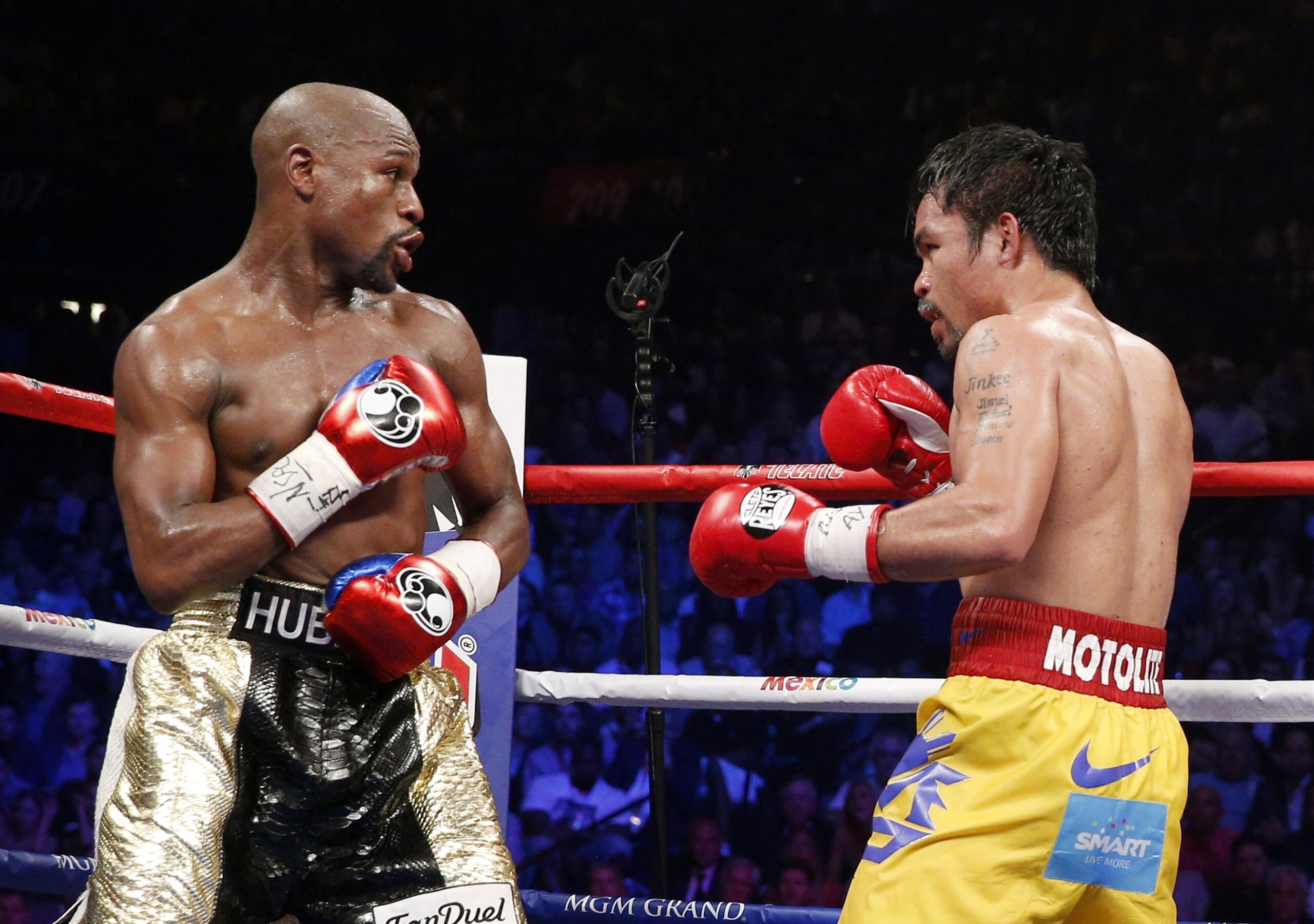
Be careful what you wish for?
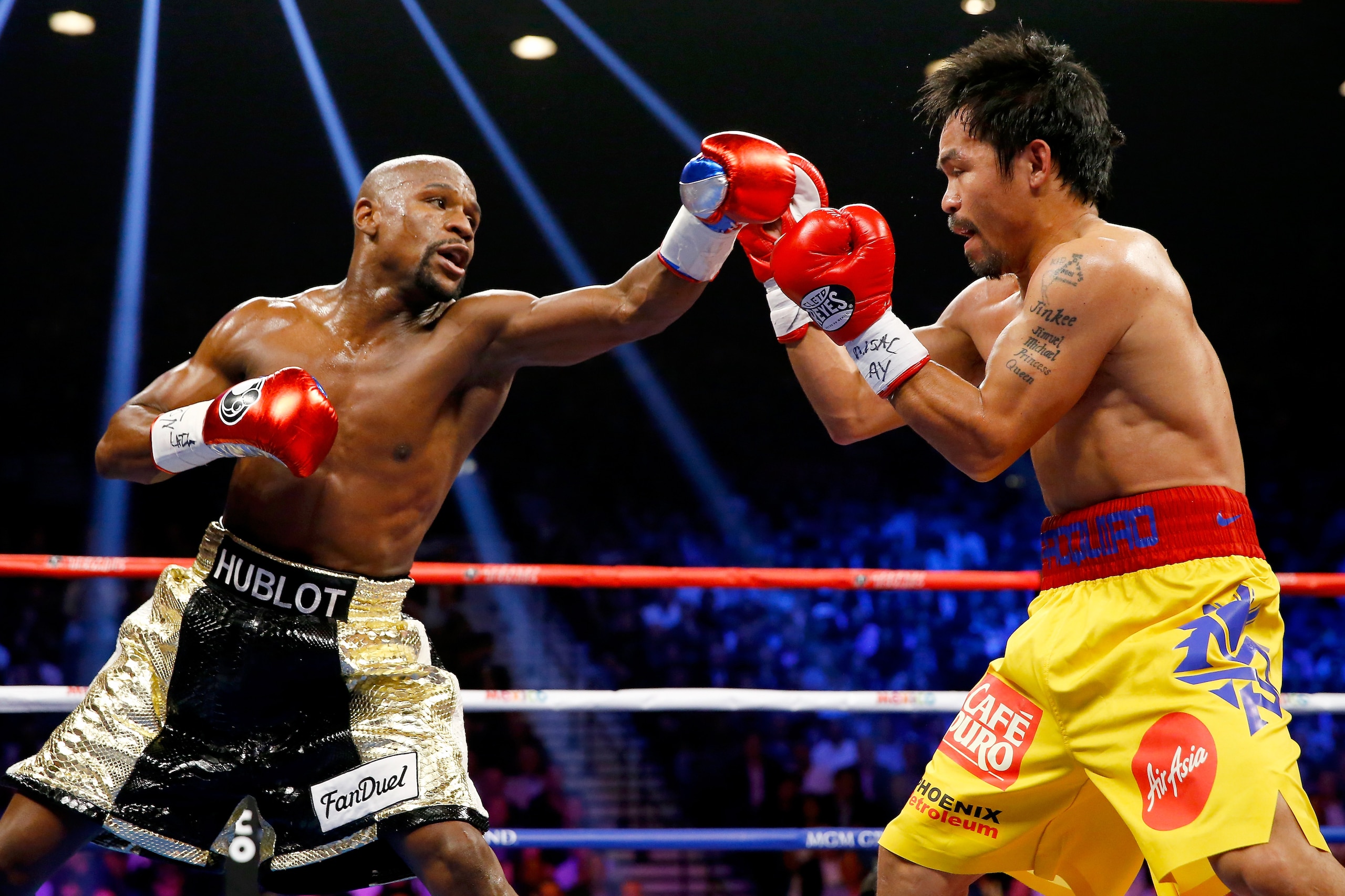
After nearly a decade of negotiations, recriminations, lawsuits and generally ridiculous stalling on all sides, Floyd Mayweather Jr. and Manny Pacquiao finally met in May for a Fight of the Century that would settle longstanding debates over which pound-for-pound superstar reigned supreme.
The fight generated record amounts of media attention, buys on pay-per-view—4.4 million and possibly counting, according to figures from Showtime and HBO (via ESPN.com)—and smashed the Holy Grails of boxing revenue records, generating dollar amounts that will never be challenged, much less topped.
Everything about the night of May 2 was pure gold, with the notable exception of the fight itself.
The hype was enormous, something you probably won't see in boxing for quite some time (if ever), but the action in the ring fell flat on its face, broke its nose and left fans (many of whom never tuned into boxing before) feeling like they'd been had.
And they had been.
Mayweather was his usual cautious self, doing just enough to win rounds but never pressing beyond his comfort zone. Pacquiao, shoulder injury or not, looked like a shell of the fighter who many a smart boxing analyst over the years picked to be the man with the stuff to unseat the elusive Money.
The fight was a chore, a bore, and it left boxing fans bitter and disappointed.
So much for years of hype and hope.
Again, be careful what you wish for.
Canelo Is a Throwback
2 of 10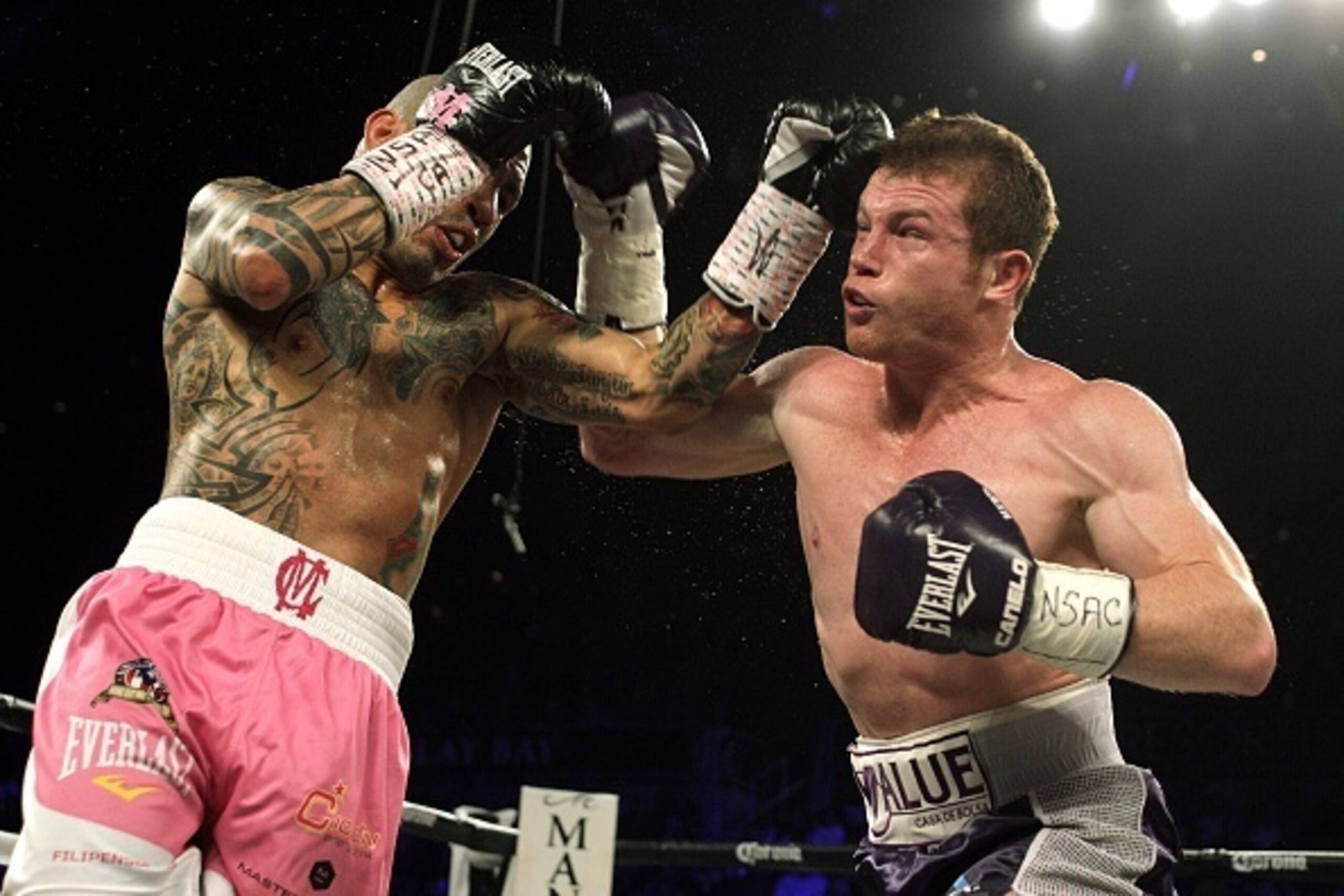
These days, a lot of fighters talk big games and then find excuses not to back up their words.
Saul "Canelo" Alvarez is one of the few who both talks the talk and then walks the walk.
The 25-year-old wants to be a superstar (he already is), and he's unwilling to settle for anything less than the toughest challenges in the sport, even those that his handlers and many fans probably would advise against him taking.
He fought Austin Trout when nobody wanted to, ditto for Erislandy Lara and now could be steaming full speed ahead toward the biggest and most risky challenge of his young career.
Canelo had a heck of a 2015, beginning his year with a spectacular knockout (possibly the best of the year) of James Kirkland in May before taking Miguel Cotto's middleweight championship on HBO PPV in November.
The latter win secured the cinnamon-haired Mexican more than just the WBC's big green belt; it also netted him an obligation to defend that title against the one man nobody in the sport seems in any great hurry to face.
Gennady Golovkin (more on him next) has developed a fearsome reputation buoyed by holding the unified championship at 160 pounds and knocking out his last 20 opponents with vicious efficiency.
A lot of guys in Canelo's position (not needing title belts to remain relevant) would've just said the heck with the title, vacated and moved on. That's likely what Cotto would've done had he been in this position.
But ducking just isn't in this kid's vocabulary.
Canelo and Golovkin cleared a major hurdle toward a fight in the latter half of next year when both (with the assistance of the WBC and its president, Mauricio Sulaiman) camps agreed to stage interim bouts to allow more time for their fight to percolate.
That's huge for boxing fans and once again proves that Canelo is willing to back up his words.
It's Going to Take a Special Fighter to Beat Golovkin
3 of 10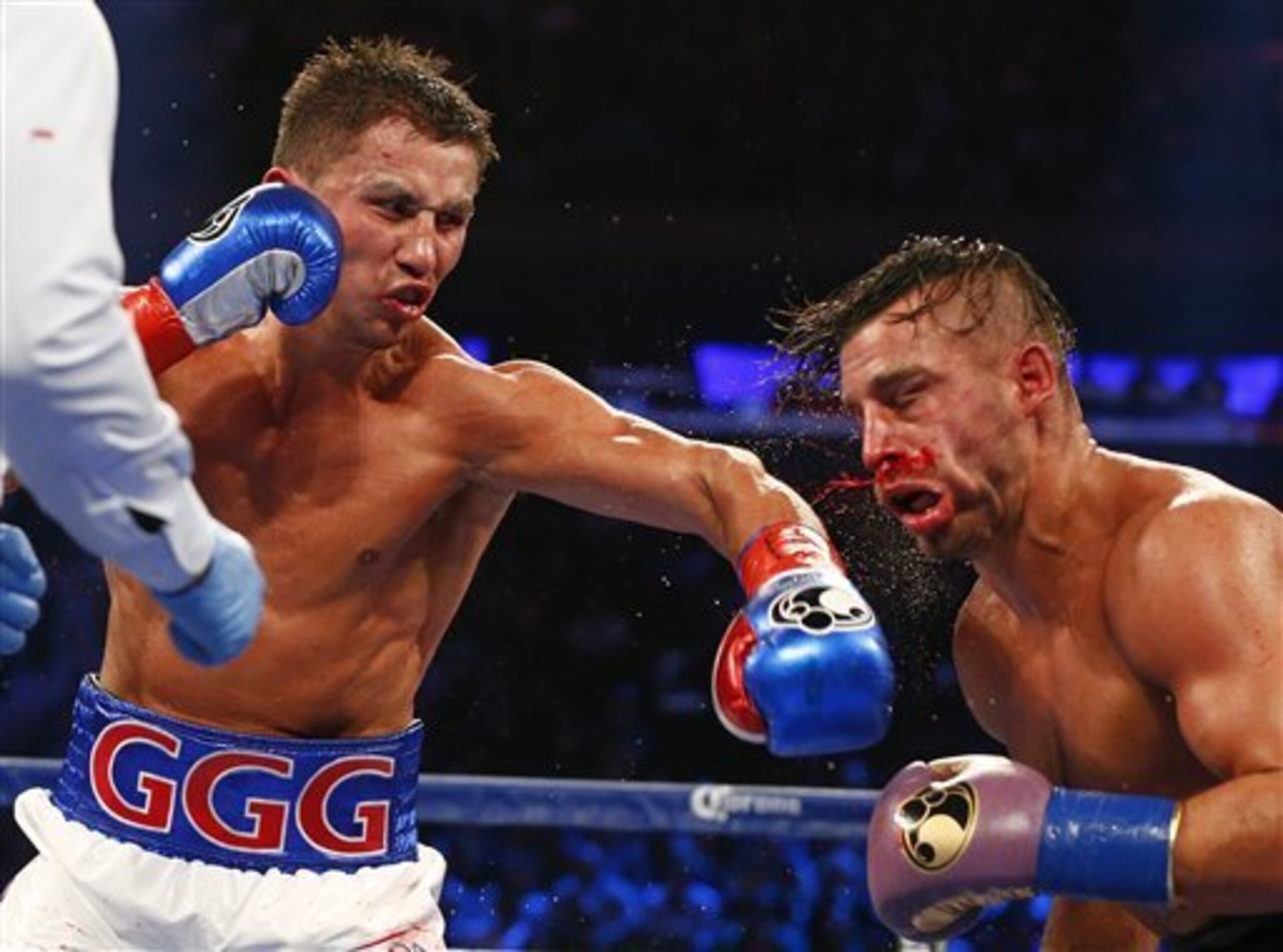
Golovkin is a force of nature, one of those terminator-type fighters who seems completely untouchable.
He's knocked out his last 20 foes (it's probably safe to keep counting) while unifying the WBA and IBF middleweight championships and also capturing the WBC's interim title by virtue of his knockout of Marco Antonio Rubio. That's an impressive haul of hardware for a fighter who was barely a blip on the radar screen just a couple of years ago.
GGG made his first appearance as a PPV attraction in September, drawing just over 150,000 buys, per K2 Promotions (via ESPN.com), for his eighth-round bludgeoning of fellow power puncher and champion David Lemieux.
That number is definitely not blowing the world away, or where the promoters probably hoped it would end up, but Golovkin and Lemieux did sell out the big room at Madison Square Garden quickly, which helps soften the blow.
Golovkin shoots his punches loaded with tremendous concussive force. He's a better boxer than given credit for and took some telling blows from Lemieux (a huge puncher in his own right) without ever seeming to skip a beat.
A fight with Canelo looms for late in 2016, which will be the make-or-break moment for the few fence-sitters that still hover around GGG like seagulls to you know what, hoping that their contrarian view will somehow be proved correct.
But it's going to take one hell of a fighter, with one hell of a game plan and some serious mental fortitude (not to mention physical) to survive GGG's withering assault long enough to do any damage of his own.
Glad it's not me who's tasked with that job.

.jpg?w=2560)
The Heavyweight Division Is Alive and Well
4 of 10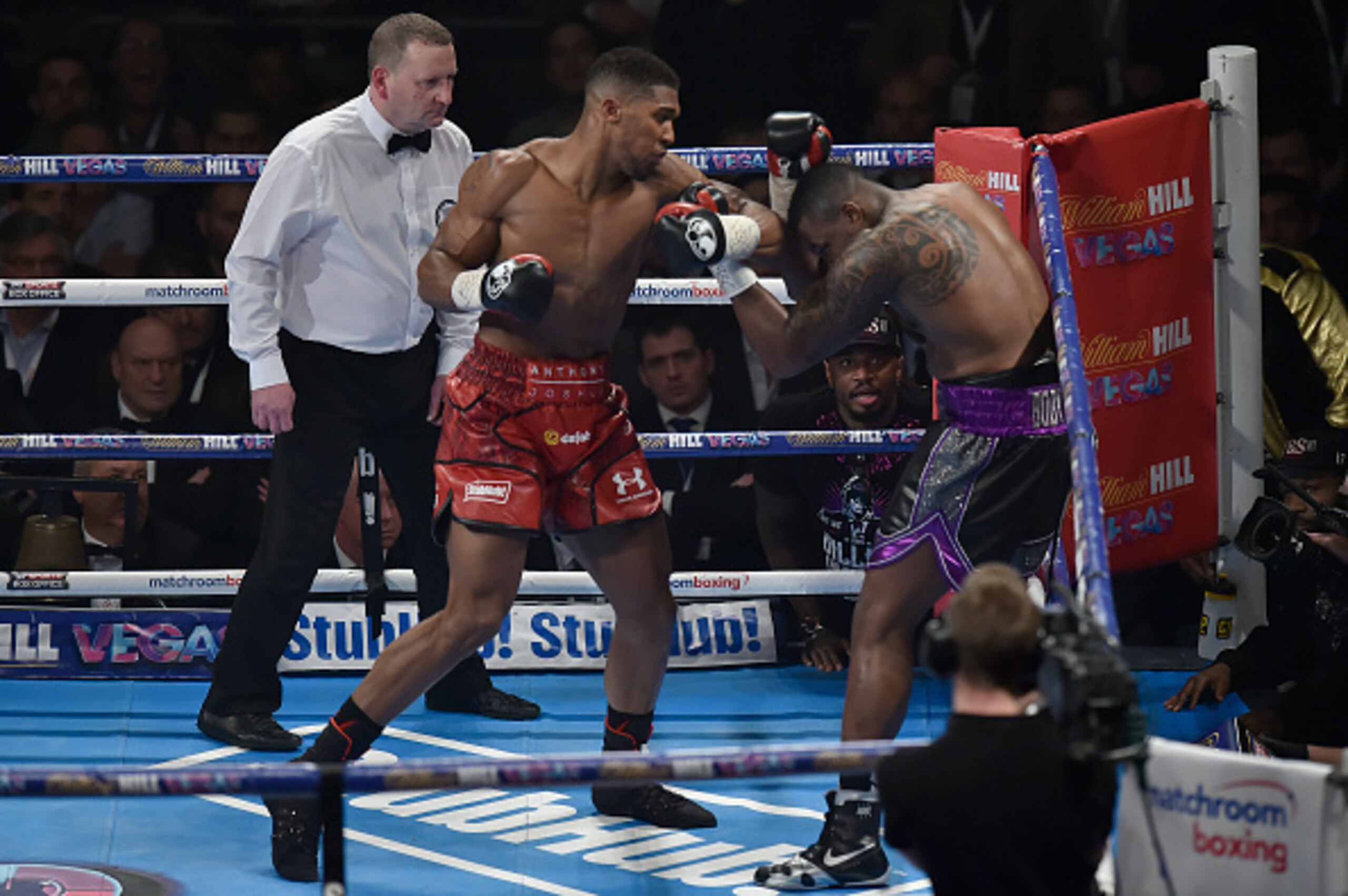
After nearly a decade of dormancy (code for boring and wholly uninteresting), the heavyweight division is alive and well with a slew of young and talented fighters ready to take over now that longtime kingpin Wladimir Klitschko has fallen from his throne.
Tyson Fury is the undisputed champion (no matter what Deontay Wilder has to say) until he's beaten. He earned that right by taking down Klitschko with a game plan that was efficient if not aesthetically pleasing.
Still, a lot of people aren't entirely sold on Fury as a long-term occupant at the top of the division, and you can see why, given the large number of challengers who are nipping at his heels or will be in short order.
Anthony Joshua, who claimed Olympic gold in 2012, has the look of a generational talent in the heavyweight division. That's high praise, for sure, but the towering Brit comes from an impressive amateur pedigree and has decimated everything in his path through 15 pro fights.
Joseph Parker, a 23-year-old Kiwi who has looked just as impressive, also belongs in that conversation.
Wilder, who holds the WBC Heavyweight Championship but hasn't been able to find any noteworthy defenses since, is clearly the best of the American lot. His claim to supremacy is backed up by a belt, but he's badly in need of a step-up opponent to be taken seriously.
That's a solid group of heavyweights to build around, all of whom will be in the mix to lead the heavyweight resurgence that can restore this glory division (once the most important in the sport) to its former prominence.
And the best part?
Not one of them is more than 30 years old.
PBC Needs a Big 2016
5 of 10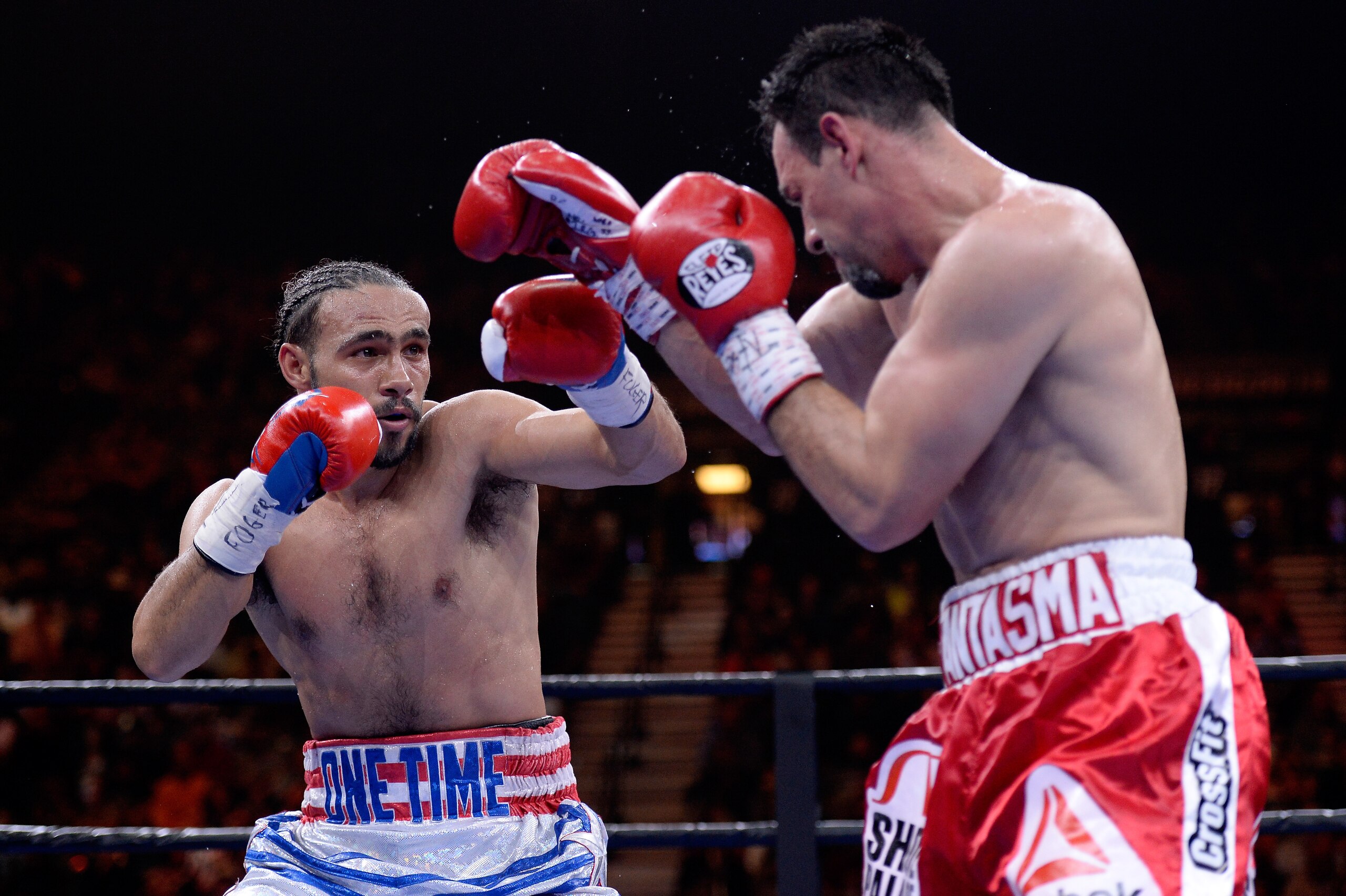
Al Haymon's Premier Boxing Champions series evokes the extremes in most boxing fans.
It all depends on where your focus lies.
PBC's defenders will come at you with the argument that placing so much free boxing on so many new television channels (read: in front of so many new eyes) is an unquestionable good for the sport. It generates interest and brings new fans to the sport by helping saturate the TV landscape.
Detractors will argue that quality is better than quantity, and PBC provides a lot of one but not enough of the other. Bad fights are still bad fights, even if there's a lot of them out there.
The truth lies in the middle.
PBC has been something of a mixed bag in its first year of existence.
The program has produced many quality matchups (not to say the fights proved to be terribly good in all cases), including the inaugural main event between Keith Thurman and Robert Guerrero. You can also add Danny Garcia vs. Lamont Peterson, Adrien Broner vs. Shawn Porter and Marco Huck vs. Krzysztof Glowacki to the list of significant and/or exciting fights on free TV.
The problem comes when PBC (which it has done more than most would like) puts gross mismatches on TV. You know the type? Like when Peter Quillin sent woefully overmatched Michael Zerafa to the hospital on network TV? Or when Adonis Stevenson knocked out club fighter Tommy Karpency?
That kind of stuff is just a bad look, and it gives the naysayers plenty of legitimate ammunition.
PBC has the resources and talent pool to make big-time boxing the norm, and that's what it needs to do in 2016 in order to sway the critics and build its reputation as both quantity and quality.
The British Are Coming
6 of 10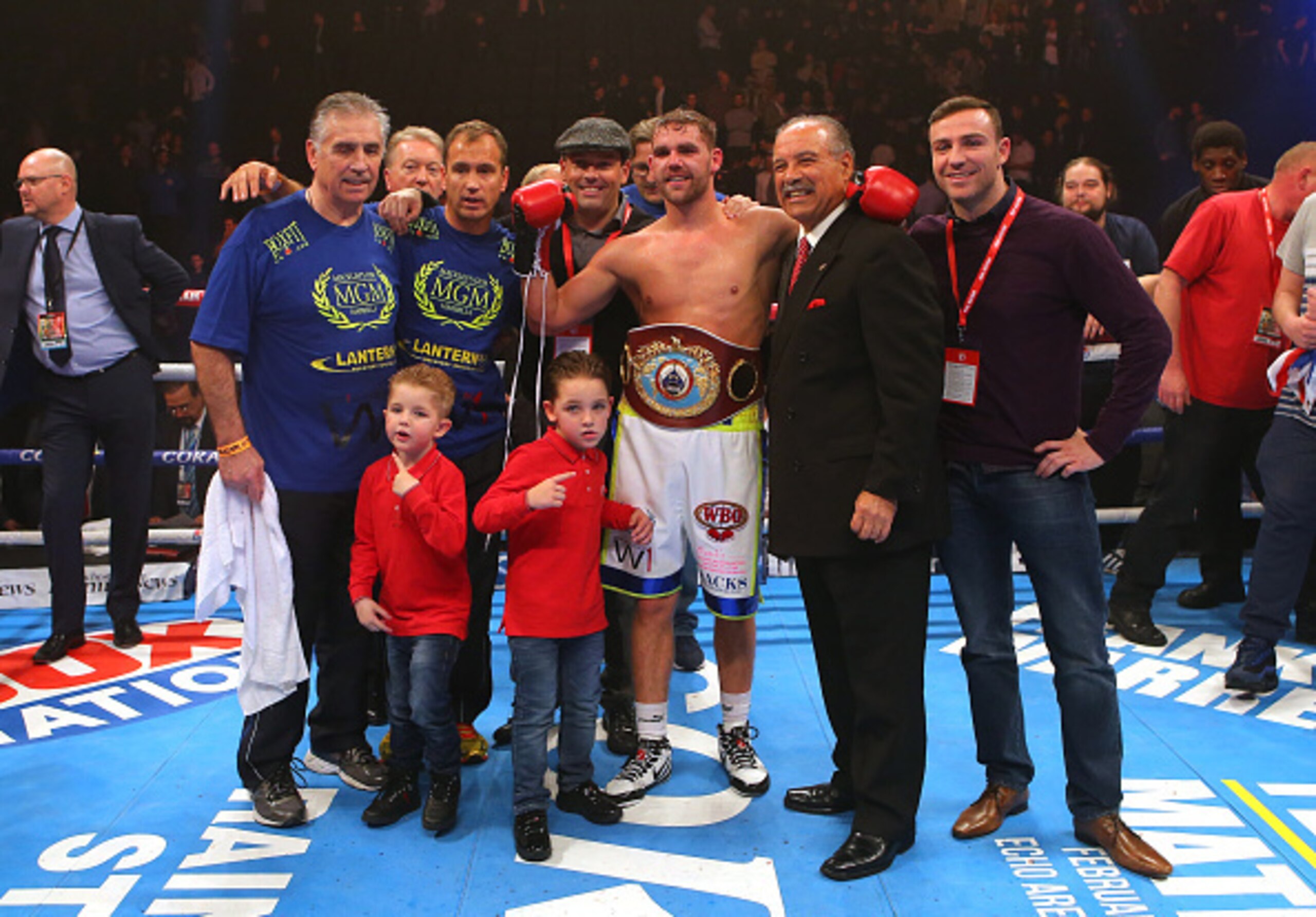
Or, more aptly, they're already here.
Billy Joe Saunders knocked Andy Lee down twice in Round 3 and then didn't do a whole lot else (nor did he need to) to capture the WBO Middleweight Championship this past Saturday night at the Manchester Arena in England.
Saunders became the eighth fighter from the United Kingdom to capture championship gold in the past calendar year. With the year now coming to a close, that makes 12 champions from the UK spread throughout nine separate weight divisions.
That's what we'd like to call an impressive haul.
Fury obviously is the top dog by virtue of his carrying the recognized heavyweight championship into 2016 and scoring what has to be considered a rather shocking upset of a seemingly untouchable champion.
But James DeGale, Liam Smith, Anthony Crolla, Terry Flanagan, Lee Selby and Lee Haskins also won world championships in what has to be considered a banner year for boxing across the pond. Add them to Kell Brook, Scott Quigg, Carl Frampton and Jamie McDonnell, and you really have something.
Sometimes all you can say is bravo, so bravo, British boxing.
This year belongs to you.
Even the Greats Can Fall
7 of 10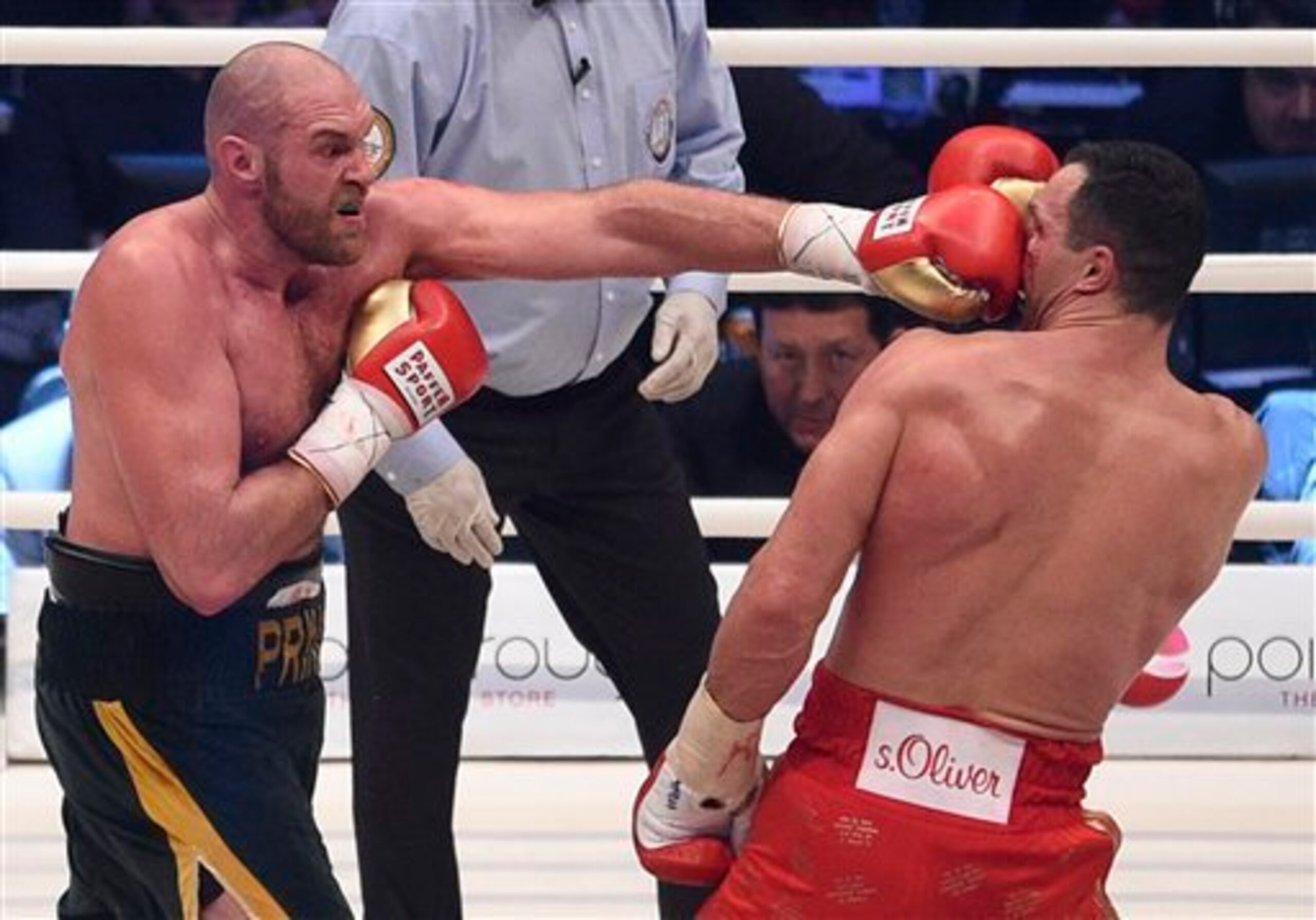
There are some fighters who are so good that you don't believe they can be beaten until it happens.
Wladimir Klitschko was one of those guys, at least during his run as heavyweight champ.
The Ukrainian big man ruled over the heavyweight division for nearly a decade, holding at least a share of the crown from 2006 until his defeat by Fury in November, amassing 18 consecutive title defenses and tying Joe Louis for most all-time with 27 heavyweight title fights.
That's a mouthful, one that will someday lead to first-ballot induction at the International Boxing Hall of Fame in Canastota, New York.
Klitschko is widely considered one of the greatest heavyweights of all time, known for his strategic and tactical ways in the ring and his thumping piston left jab and straight right hand.
Neither of those punches (or any urgency) were much in evidence in his loss to Fury, who kept the correct distance and limited engagement through the entirety of 12 rounds to take boxing's biggest prize from Germany to the United Kingdom in a surprising upset.
Fury's style wasn't fun to watch, but you have to give him credit for its tactical brilliance. He outboxed one of the greatest heavyweight boxers of all time and took his belts. There was no real debate on the outcome.
Klitschko has exercised his right to an immediate rematch, but at 39 years old and with 68 professional fights already under his belt, it remain to be seen what's left in the tank.
Sometimes the greats just fade away.
The Roman Empire Has Begun
8 of 10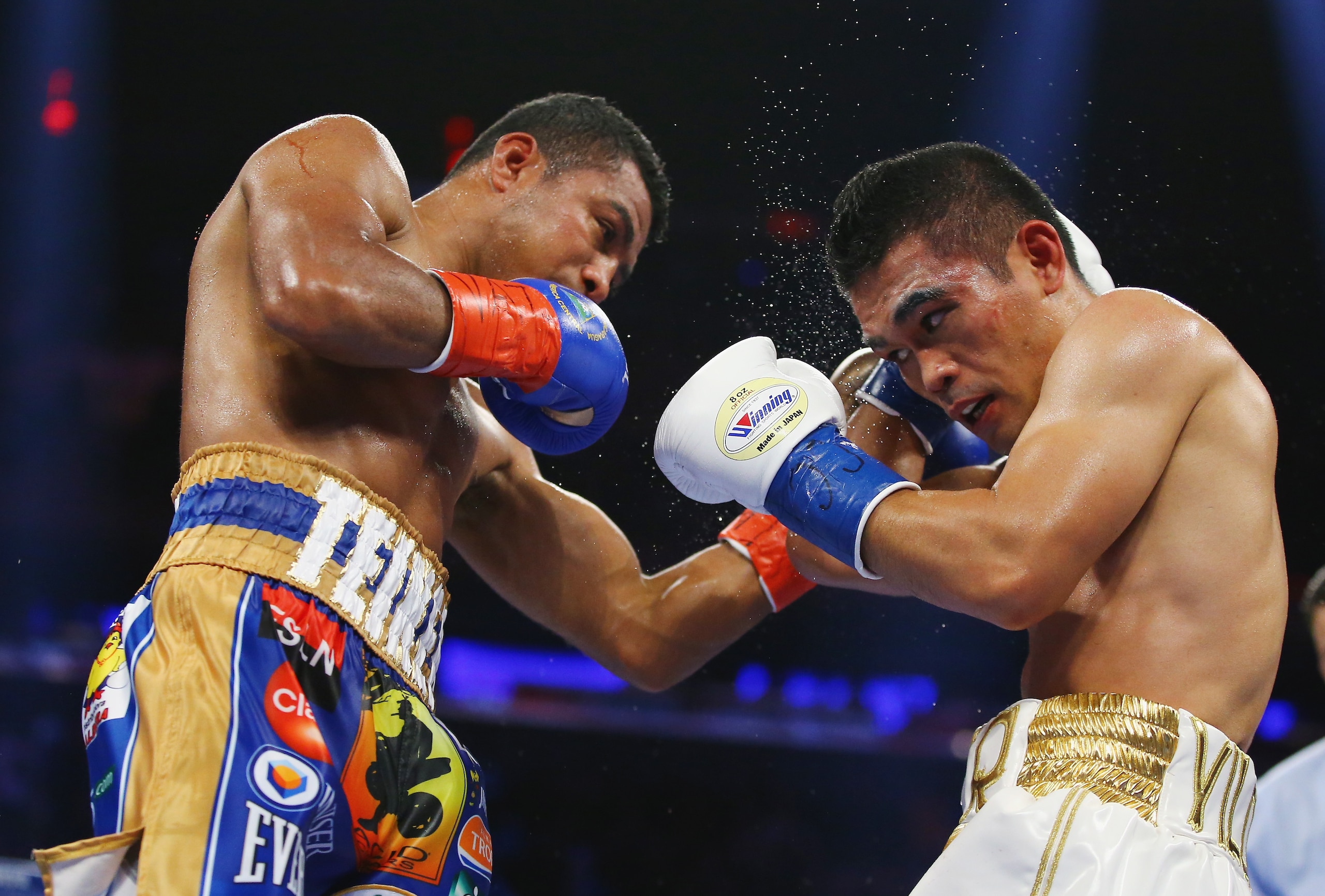
Roman Gonzalez began 2015 as an insider secret, the type of fighter you needed to shuffle over to YouTube to see videos of and figure out why all those people on Twitter and boxing message boards were gushing about his relentless, pressure style.
He ends 2015 as the pound-for-pound top fighter in all of boxing on lists compiled by ESPN.com, The Ring Magazine and Bleacher Report.
Not bad for a guy who many fans had never seen before this year. It just goes to show you how fast the dynamics can change in a sport where, minute to minute, punch by punch, anything can and usually does happen.
Gonzalez has racked up an impressive 42-0 record with an absurd 38 knockouts while winning world championships at minimumweight, junior flyweight and now flyweight. Those divisions don't traditionally get a lot of attention in the United States, but Chocolatito is just the type of fighter to change that in a big way.
He decimated former world champion Edgar Sosa in his HBO debut in May and then thrashed veteran multi-weight titlist (and one of the best American lower-weight fighters in history) Brian Viloria as the main support bout on the GGG-Lemieux PPV.
Gonzalez is a ridiculously aggressive pressure fighter—simply the best in the game—and has salivating matchups with fellow unbeaten prodigy Naoya Inoue or a rematch with Juan Francisco Estrada on the table.
Right now, he's simply the best fighter in the sport, and he's got some high-level matchups available that can help him consolidate that position. All in all, not a bad year.
Floyd Secured and Damaged His Legacy
9 of 10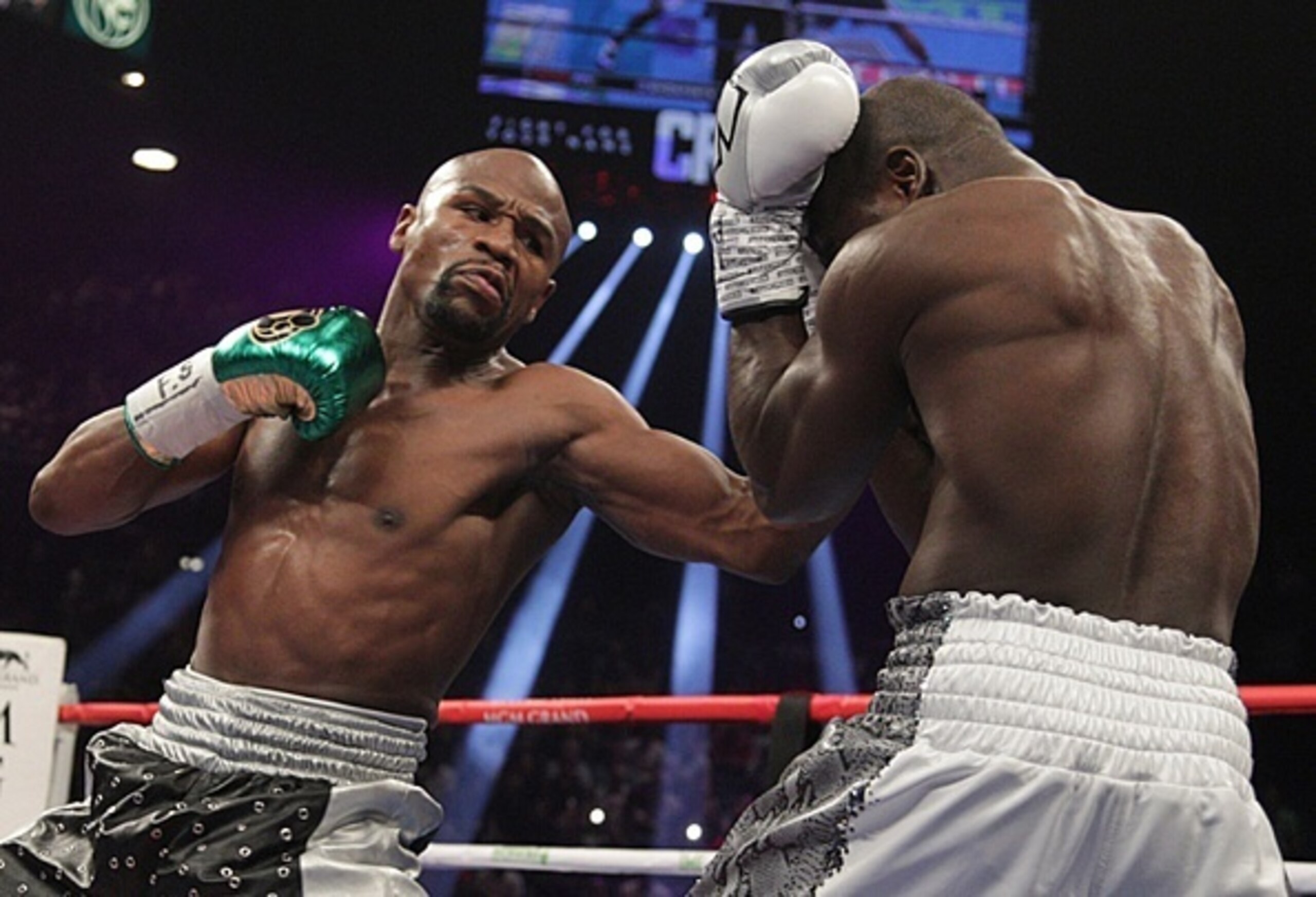
Mayweather spent much of his career fielding criticism (some of it fair but much of it not) for his inability to lock down a match with Pacquiao and settle boxing's great "what if" argument.
He finally put pen to paper for a May fight with the Pac Man, dominated the affair and conclusively stamped his name on the top line of any/all arguments about who was/is/will be the better fighter when the history books are written.
Did it come too late?
Sure, but it secured his legacy. It removed the one major blemish from his record, and he turned back his biggest rival in decisive fashion.
Good stuff.
Mayweather should've retired right then and there if that was his intention. There was no need for a follow-up fight when you had already reached the top of the mountain. Both literally and proverbially, there was nowhere to go but down, and Floyd fell pretty far picking Andre Berto for his swansong fight.
That was a fight nobody wanted (treated as a joke when it was floated), largely because Berto was very far removed from his glory days as a rising welterweight star and nobody took him seriously as a credible challenger. The fight was a glorified exhibition and left a bad taste in the mouths of many fans, coming so soon after finally seeing the dud "Fight of the Century."
Of course, all of this could change if Floyd isn't truly done as a fighter, which he insists is the case.
But we're not inside his head.
The WBA Just Plain Sucks
10 of 10
Boxing sanctioning organizations get a fair bit of grief.
It's the only sport that crowns four separate world champions per weight division, which makes it harder for fans to invest in fights with so many belts and champions floating around. Imagine if you had four teams that could run around claiming they won the Super Bowl? The World Series?
Some organizations have made attempts to clean up this mess.
The WBC, for example, took the highly unusual step of making Sergey Kovalev, who holds the belts of the other three sanctioning bodies, its mandatory challenger in an attempt to force a fight with Adonis Stevenson that has been in high demand.
It didn't work out, but the step was commendable, and a similar one was put in place when the WBC crowned GGG interim champion to help force a fight with the winner of Cotto-Canelo.
And then you have the WBA.
The organization which has brought you such ridiculous championship categories as "super," "regular," "interim" and "in recess."
What the heck does all of that mean?
Dollar signs.
The more belts floating around, muddying the waters even further, the more money the WBA makes in sanctioning fees. Let's play a game. Can you, as of this writing, tell me how many "world champions" are currently crowned by the WBA in boxing's 17 weight divisions?
Most weight divisions have three WBA beltholders, some have two and not one, not a single one has just one champion.
Not to beat a dead horse, but the WBA sucks.


.jpg?w=2560 "2 NFL Officials Suspended")


.jpg?w=2560 "Viral Rams Coach Vid 🖕")