
Ranking the Formula 1 Team Bosses on Their Performances in 2015
Formula One team bosses are the motor-racing equivalent of football managers.
It is mostly left to the drivers, the stars of the show, to receive plaudits when a team performs strongly and claims podiums, grand prix victories and world championships.
But when results are hard to come by? It is almost always the fault of the team principal, who often pay the price of failure with their job, even if they have no direct involvement in the design of an uncompetitive car.
In the modern era, the role of the team principal is perhaps more diverse than ever before, with those in charge required to utilise the tools at their disposal, manage complex personalities, deal with the media and conduct contract and sponsorship negotiations all while ensuring their two cars take to the track.
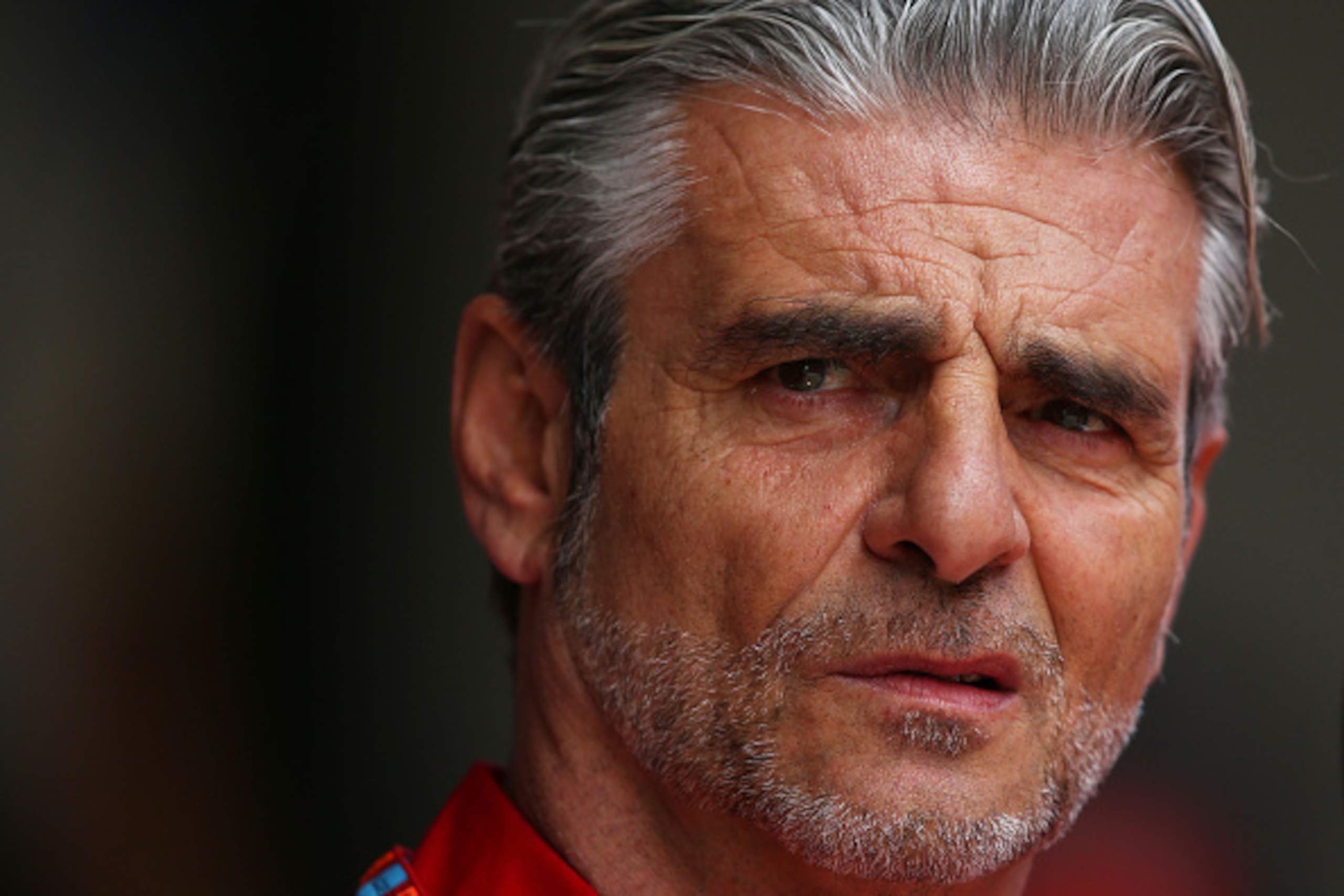
The 2015 campaign saw a range of notable performances by the team principals, with Maurizio Arrivabene making an instant impression at Ferrari and Christian Horner dropping Red Bull Racing in deep trouble.
Here, we rank all 10 team principals, with our choices based on their impact on their respective outfits' fortunes.
10. Gerard Lopez, Lotus
1 of 10
"I hate to say it because it comes back to bite you, but financially speaking we are probably one of the best-run teams," Lotus team principal Gerard Lopez told Autosport's Ian Parkes upon his grand return to the paddock at May's Spanish Grand Prix.
At that point, as the Enstone-based outfit reduced their debt by £58 million and had the fourth-fastest car at their disposal, it seemed as though the team were on course to recover from a troublesome 2014 season.
But just months later, that bold claim came back to bite Lopez—chairman of Genii Capital, the team's majority owners—where it hurts, with near-disastrous consequences.
Lotus' financial problems had been public knowledge since late 2013, when Kimi Raikkonen told BBC Sport's Andrew Benson he hadn't been paid "a single euro all year," but those issues became ever more worrying in mid-to-late '15.
As reported by Sky Sports' William Esler, Lotus made a late start to the Hungarian GP weekend after Pirelli initially refused to supply an allocation of tyres, while the team raced under the threat of their E23 cars being impounded in Belgium, per Motorsport.com's Jonathan Noble.
Soon after Romain Grosjean's podium finish at Spa, the Times' Kevin Eason claimed Bernie Ecclestone "saved" the team by providing £1.5 million to pay the wages of the 400 members of staff.
The F1 ringmaster was again forced to intervene at Suzuka, when many of those employees were locked out of Lotus' hospitality unit, per Sky Sports' James Galloway.
All those horror stories pointed toward a team that wasn't steadying the ship in the slightest, and one of the most iconic names in F1 was pushed to the very brink of extinction.
Lopez ultimately oversaw the sale of Lotus to Renault but that will not end his relationship with the team, with the Luxembourger telling Sky Sports' Esler he has been asked to "stay on" in 2016.
9. Eric Boullier, McLaren-Honda
2 of 10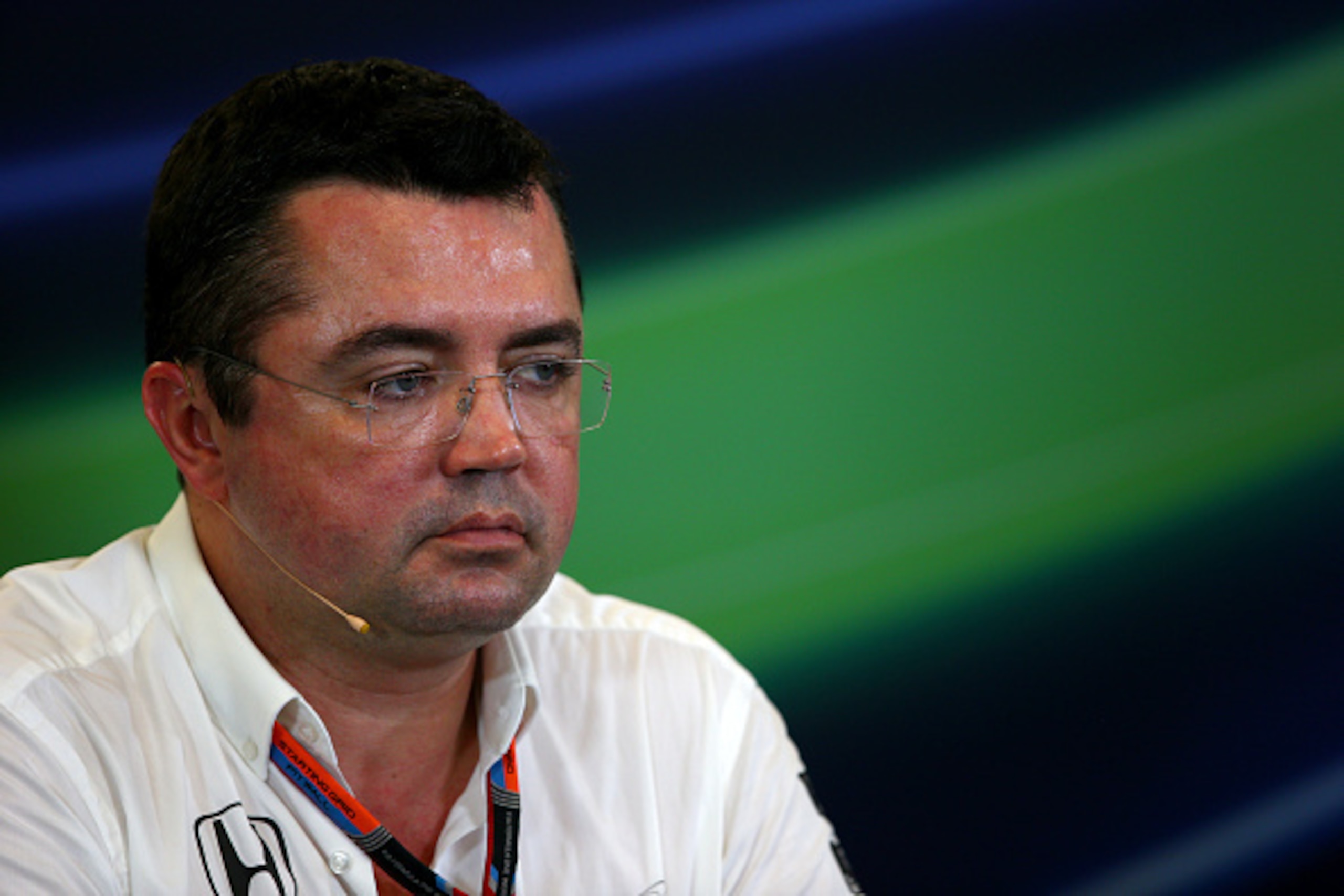
McLaren-Honda are among those who follow the latest paddock trend and operate without a distinguished team principal.
While that strategy works at a team like Mercedes—who employ Toto Wolff (the businessman) and Paddy Lowe (the technical guru) in clear-cut positions—there are one too many egos for it to be a success at a team as muddled as McLaren.
As he sits on the pit wall, features in all the team's in-house session reports and represents his employers at the FIA press conferences, Boullier looks for all the world like the McLaren boss.
But is the so-called "racing director" really the man in charge?
As noted at the halfway stage of 2015, the lingering presence of Ron Dennis, the McLaren chairman and highly successful former team principal, significantly undermines Boullier, who has been prevented from making his own imprint at the team and recreating his achievements at Lotus between 2010 and '13.
Dennis' claim that he gave his colleague "a good kick in the a--e" after the Spanish GP, per Mail Online's Jonathan McEvoy, exposed his control over the Frenchman, with Boullier now fluent in the gibberish we know as "Ronspeak."
His comments to the team's official website after the Brazilian GP, for instance, that their poor performance was due to the "uphill gradient of the main straight" being "inimical to the optimisation of our car’s specific performance envelope" gave the impression that Dennis personally edits Boullier's quotes to his liking.
Rather than changing McLaren, Boullier has allowed McLaren to change him.
Once among the most impressive, young leaders in F1, he is now little more than the puppet of a man who cannot accept the time has come to walk away for good.
8. Christian Horner, Red Bull
3 of 10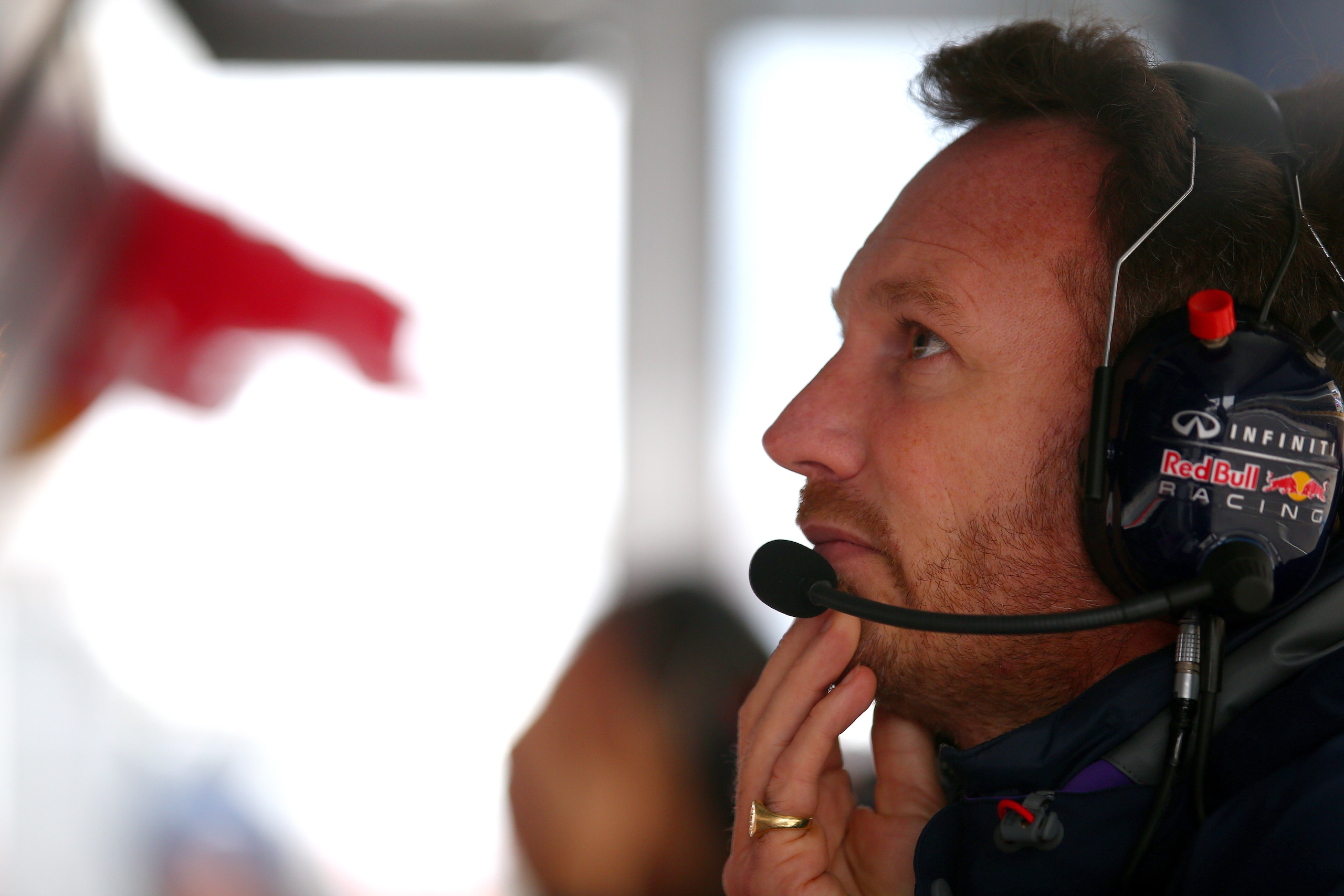
Despite Red Bull suffering their first winless season since 2008, Christian Horner remains arguably the best team principal in the paddock.
And following Sebastian Vettel's move to Ferrari, in addition to Adrian Newey's decision to enter semi-retirement, his importance to the team—as the last member of Red Bull's title-winning holy trinity—has grown over the last 12 months.
Yet it is undeniable that the engine-related predicament his team found themselves in toward the end of 2015 was a direct result of Horner's unrelenting criticism of Renault.
Along with Red Bull owner Dietrich Mateschitz and adviser Dr. Helmut Marko, Horner alienated Renault to the point where the relationship between team and engine supplier was untenable by the mid-season stage.
But in doing so, the three wise men inadvertently spooked other potential technical partners, with Mercedes and Ferrari's reluctance to join forces with Red Bull—partly due to their hostility, mostly down to their status as a dangerous on-track threat—raising major doubts over their future in the sport.
As it seemed Red Bull would be forced to follow through with one of their many quit threats, the prospect of Horner dipping into his own pocket to keep the team alive—in the style of Ross Brawn's rescue operation at Honda in 2008-09—was a possibility.
It would have been a price worth paying to save the jobs of those he'd needlessly jeopardised prior to the announcement of the TAG Heuer engine deal.
Under Horner's stewardship, Red Bull will race on in 2016—but both their reputations will take some time to heal.

7. Monisha Kaltenborn, Sauber
4 of 10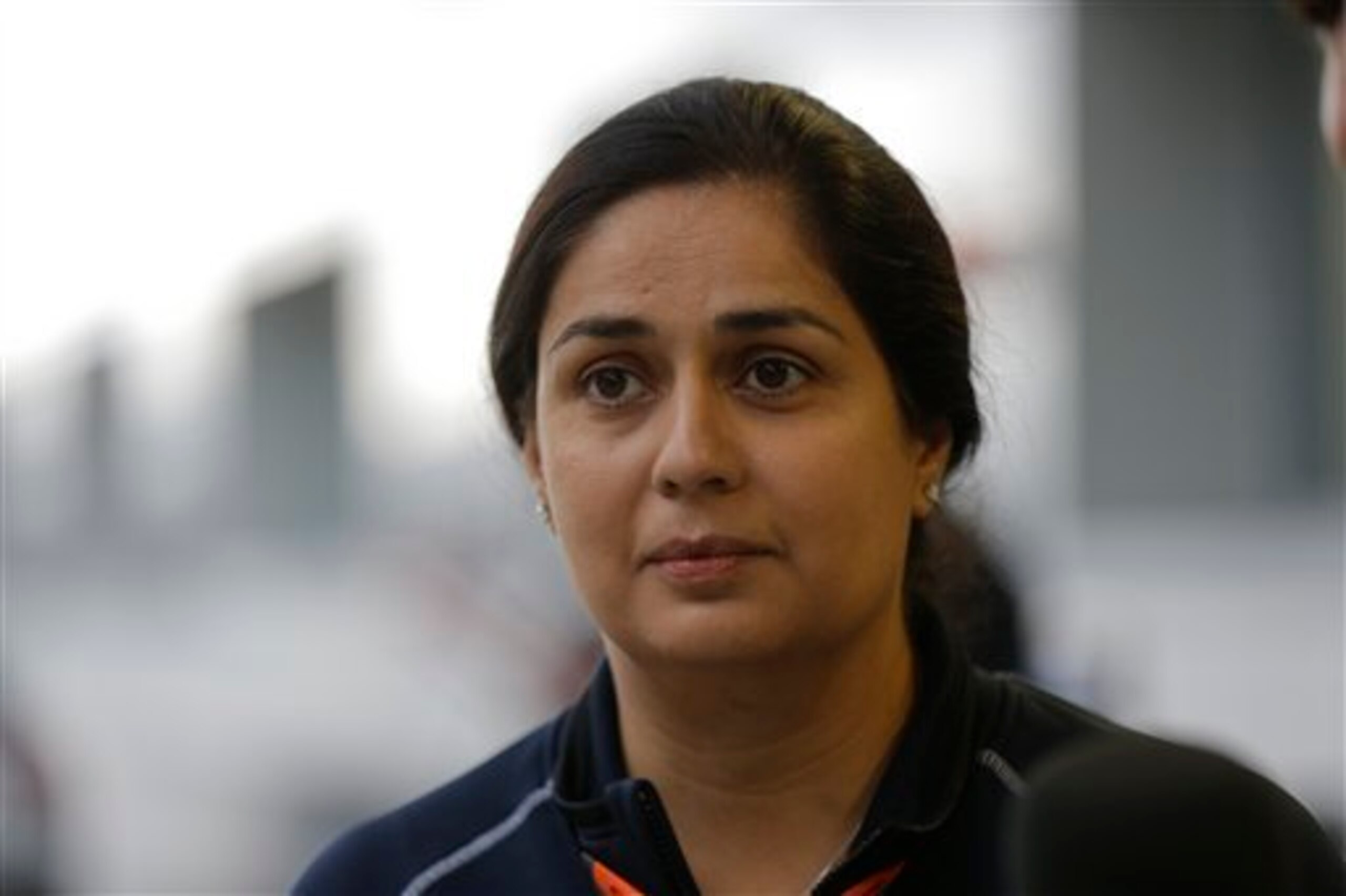
For Monisha Kaltenborn, 2015 was all about getting through the Australian Grand Prix weekend without ending up behind bars.
It would, we think, have had a slightly unwanted effect on Sauber's start to the season had their team principal been arrested.
But that was how serious matters became during the team's legal battle with former reserve driver Giedo van der Garde, whose lawyers called for Kaltenborn to serve time in prison after signing several drivers to race their two cars in 2015, according to Sky Sports.
There was little sympathy at the time, yet Sauber's situation underlined the struggles facing midfield teams and how they must sacrifice loyalty and integrity to ensure their long-term survival in the current climate.
And after leaving Albert Park with her freedom, the only way was up for Kaltenborn.
With Sauber's Ferrari-powered C34 car capable of respectable results—Nasr claimed two top-six finishes across 2015—Kaltenborn was allowed to retreat into the background as the season progressed, making some astute moves.
She avoided another driver drama by retaining Nasr and team-mate Marcus Ericsson as early as July—Sauber, rather tellingly, were the first team to formally confirm their 2016 driver lineup—shortly after signing former Red Bull and Force India technical director Mark Smith.
The sponsorship deals she seemed so confident of landing following the Monaco GP, per Autosport's Ian Parkes, never came off for whatever reason, with the car still painfully bare at the end of the campaign.
But after all those trials and tribulations, Kaltenborn has succeeded in stabilising Sauber ahead of 2016.
6. Claire Williams, Williams
5 of 10
So how would you feel if you were the boss of a modest Formula One team and your drivers surged into a surprise lead at the start of your home grand prix?
Would you take the initiative, make the most aggressive strategy calls and do everything in your power to extend that lead and win the race in style? Or would you—deep down, behind all the excitement and all the anticipation—become a little defensive and apprehensive, suddenly aware that you and your colleagues are in uncharted territory?
The answer may not be as clear-cut as you think.
"It was hideous!" is how Claire Williams described her feelings, per the BBC's televised season review programme, as she watched Felipe Massa and Valtteri Bottas jump both Mercedes drivers off the line at the British GP.
It was a tongue-in-cheek comment, of course, but one that explained why Williams—despite finishing third in the constructors' standings for two successive seasons—are without a race victory in almost four years.
While teams the calibre of Ferrari and Red Bull will capitalise on any opportunity offered to them by Mercedes, Williams are too defensive. Too soft.
Too Williams.
Since becoming deputy team principal in 2013, Williams has placed a large emphasis on the progressive development of the team as they return to the top of F1, signing key personnel (Rob Smedley and Pat Symonds) as well as high-profile sponsors including Rexona and, of course, Martini.
Yet the team have now arrived at the stage where they will not be able to take the next step until they nab that elusive win. After putting the building blocks in place, she needs to implement an adventurous, ruthless culture if nice, little Williams are to be taken seriously once more.
5. Franz Tost, Toro Rosso
6 of 10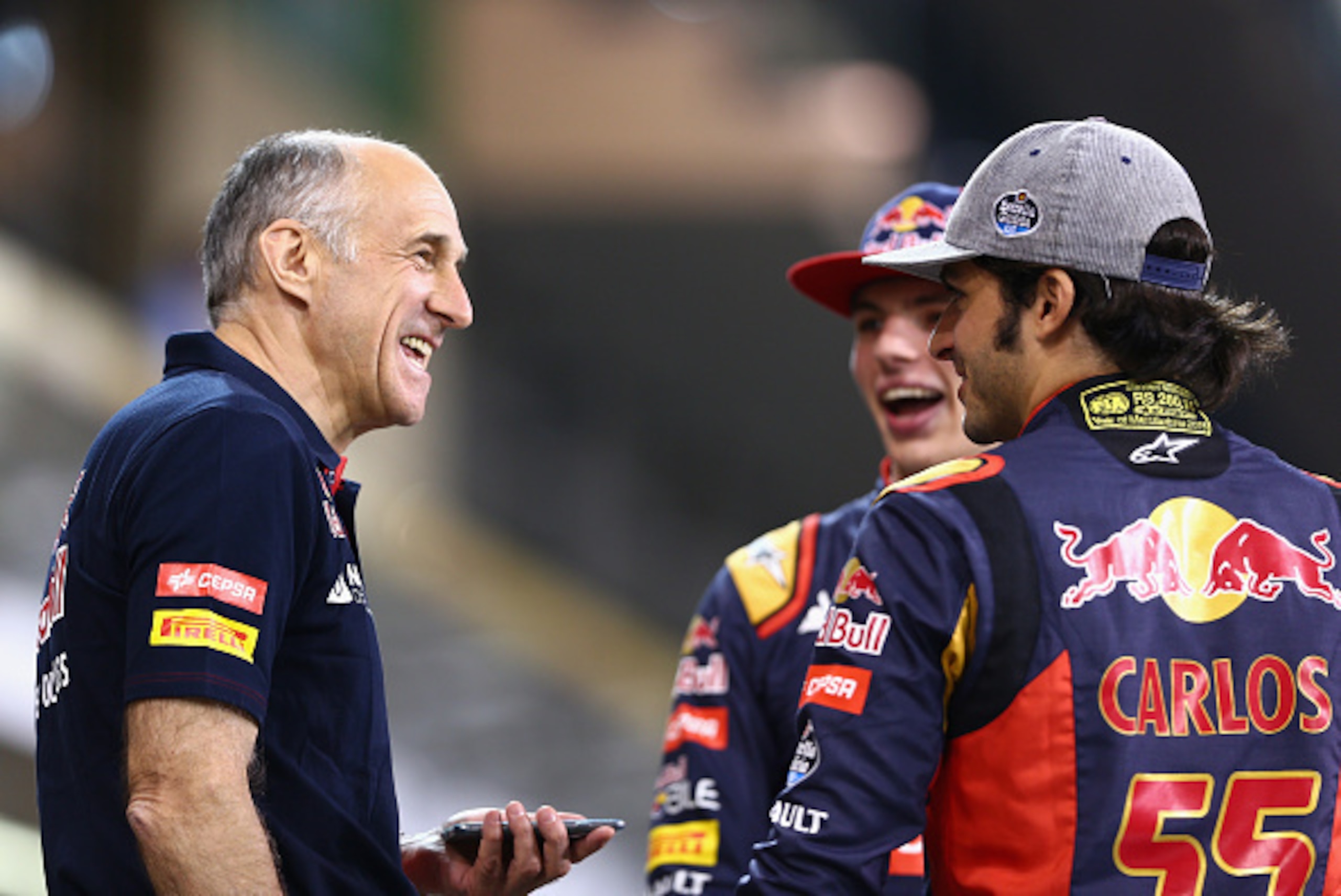
Given Helmut Marko's reputation as the paddock's resident supervillain, Red Bull's young-driver scheme must be an intimidating place for teenagers and 20-something-year-olds alike.
Red Bull's habit of remorselessly dumping young drivers, tossing the stars of tomorrow into the depths of history, as well as Sebastian Vettel's anecdote at the 2013 Autosport Awards—see the six-minute mark in this video—give the impression that Marko does not tolerate anything but perfection.
So Franz Tost's presence at Toro Rosso is deeply reassuring, offering a shoulder to cry on for those so near yet so tantalisingly far from the top of the Red Bull tower.
When Dr. Evil told Kleine Zeitung (h/t Motorsport.com) at the Spanish GP how the Red Bull Racing pair of Daniel Ricciardo and Daniil Kvyat needed to "look out" for Max Verstappen and Carlos Sainz Jr., Tost stringently defended Kvyat, clearly struggling following his move to the A-team.
Having guided the Russian through his first season in F1, Tost told Sky Sports' James Galloway he had seen enough in 2014 to know the 21-year-old was a "very highly skilled driver" with "the champion gene," claiming he would have a "successful future" if given time.
Was it a coincidence, then, that Kvyat claimed his best-ever result at the following round in Monaco and went on to secure his first podium finish in Hungary a short time later?
Likewise, when Max Verstappen refused to obey team orders in Singapore, Tost realised the danger of contaminating a natural talent with poison from the pit wall and, per Sky Sports' Mike Wise, took the unusual step of siding with the driver.
In a high-pressure, uncompromising environment, Tost's paternal qualities and loyalty to those who serve him well are crucial to keeping the kids on the straight and narrow.
4. Toto Wolff, Mercedes
7 of 10
After dealing with the fallout of the Duel in the Desert, Nico Rosberg's off-track adventure in Monaco qualifying and his drivers' collision at Spa in 2014, this season would have felt like a long holiday for Toto Wolff.
With his team once again having the dominant chassis-engine package, and with one driver—usually Lewis Hamilton—always enjoying a strong advantage over the other, Wolff's management skills were hardly tested throughout 2015.
Indeed, Nico Rosberg's post-race tantrum in China was as close as Mercedes came to civil war, yet the fact the German's sulkiness came after one of 12 one-two finishes meant it had a minimal effect on the team spirit.
Under Wolff, Mercedes maintained the high standards they set in 2014, winning 16 of a possible 19 races for the second straight season, but there were signs—albeit expected, given the extent of their dominance—that the team are becoming a little complacent, a little slack.
The pit wall's decision to pit both Hamilton and Rosberg behind the safety car in Malaysia was, with the benefit of hindsight, the wrong one, giving the early advantage to Sebastian Vettel, while that pit blunder in Monaco was a rare example of the world champions being too clever for their own good.
Each time Mercedes found themselves in trouble, however, they found a way out, winning the races in the immediate aftermath of Vettel's victories in Malaysia, Hungary and Singapore.
Wolff's post-season comments, per Motorsport.com's Jonathan Noble, that Mercedes will consider changing their driver lineup if Hamilton and Rosberg are unable to re-establish a strong, healthy working relationship was a masterstroke.
As social media wondered whether his words were directed at one side of the garage or the other, Wolff could be content in the knowledge he had delivered the one message reverberated by all great sporting leaders.
No one is bigger than the team.
3. John Booth, Manor
8 of 10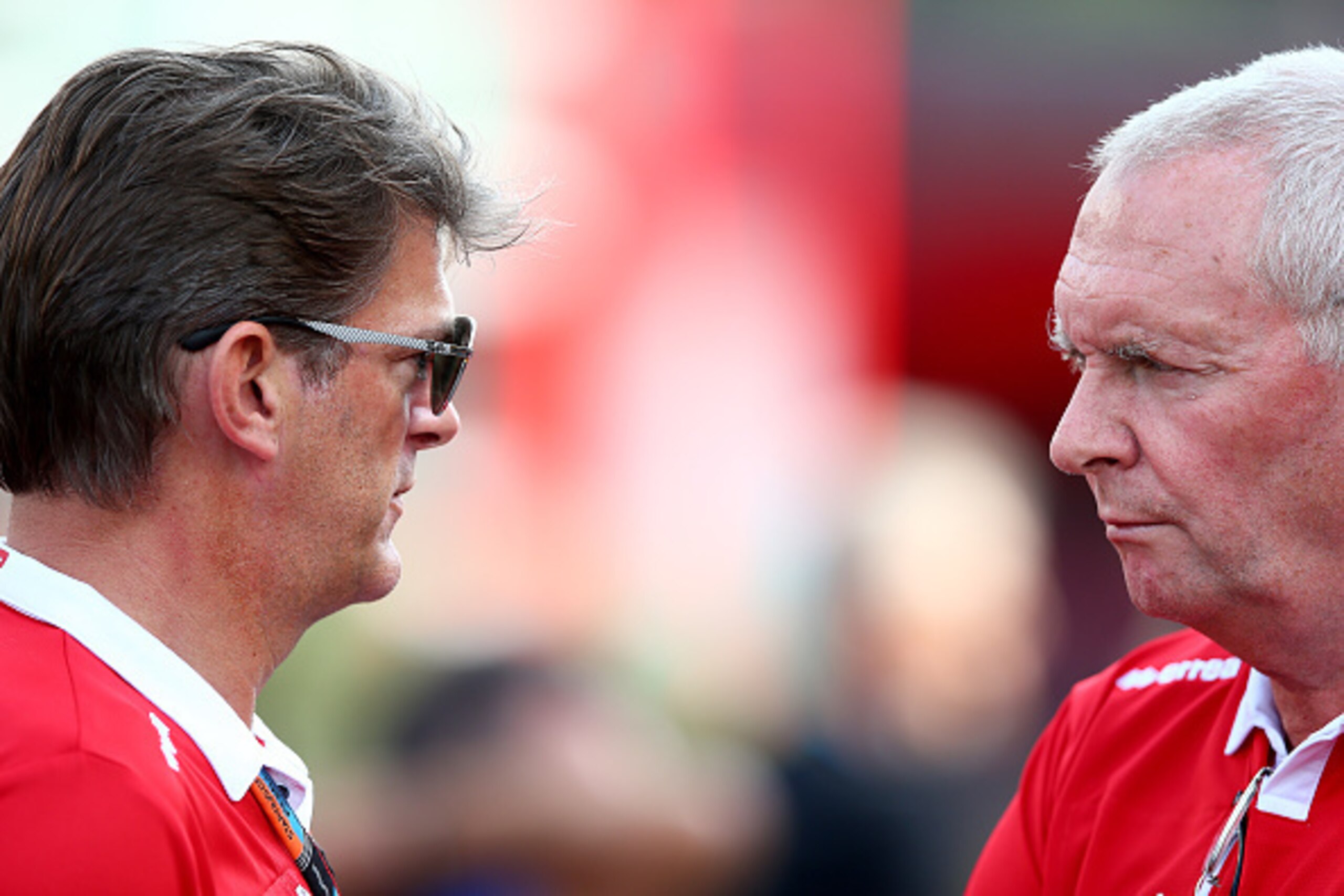
What was left at Manor as those long, dark winter nights came to an end?
They were stuck in administration, their favourite son was fighting for his life in hospital and their home fell into the hands of a team who hadn't even started a grand prix as Formula One seemingly moved on without them.
But they did, at least, have a dream. And grit. Yorkshire grit.
With his sidekick, president and sporting director Graeme Lowdon, John Booth simply wouldn't let that dream die, and Manor's return to the grid was a victory for sheer willpower.
Sure, Manor were even less competitive than before and there were a number of embarrassments—the team failed to take to the track over the Australian GP weekend due to software glitches—but the walking wounded offered proof that determination still counts for something in a sport losing its soul.
Conducting himself with great dignity, Booth was aware 2015 was nothing more than a season of stability and quickly established a plan for the future.
The team's signing of former Mercedes and Renault technical director Bob Bell to a short-term consultancy role, as well as Toro Rosso's Luca Furbatto and Gianluca Pisanello, ensured their 2016 car will be subject to more development time than any other, but his finest gift was arguably his last.
Manor's deal to use Mercedes power units for next season—confirmed just weeks before the Telegraph's Daniel Johnson reported the news of Lowdon and Booth's resignations—will give the team a chance to finally establish themselves as serious competitors in 2016.
Although Booth will no longer be there to reap the rewards for his dedication to a seemingly lost cause, he has ensured his team will have every opportunity to add to the two points scored by the late Jules Bianchi at Monaco 2014.
2. Bob Fernley, Force India
9 of 10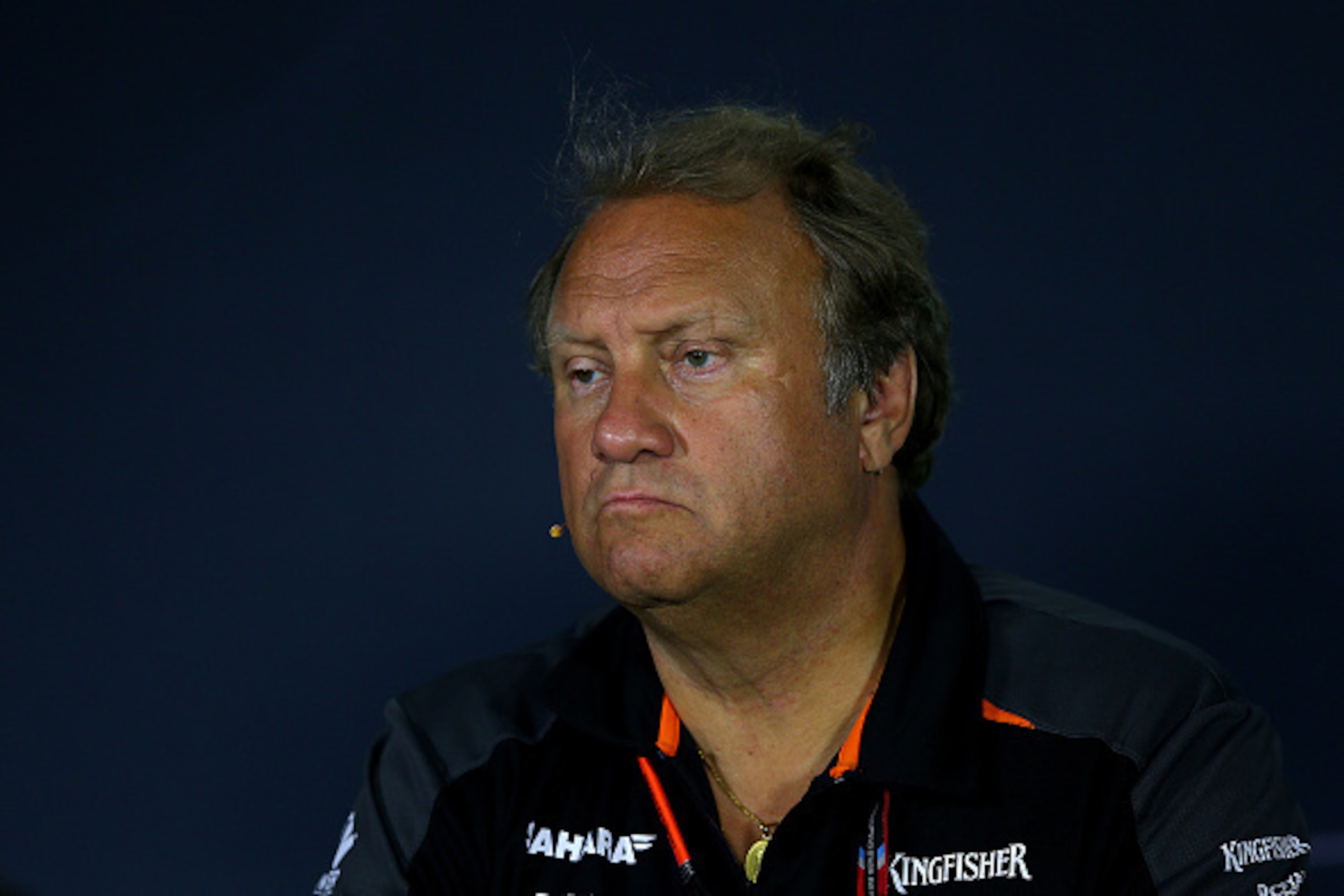
Like Manor, Force India were another team facing an uncertain future over the winter, with chief operating officer Otmar Szafnauer forced to deny rumours suggesting the team were "on the verge of insolvency" at the end of January, per Motorsport.com.
But unlike their fellow independent outfits, Force India made no effort to hide their problems, and deputy team principal Bob Fernley's admission to Sky Sports' Pete Gill that they were suffering from "cash-flow issues"—which meant their 2015 car didn't appear until the final pre-season test—was refreshing.
Aware that his team would take a "step back" in competitiveness as a result of their late start, Fernley and team owner Vijay Mallya required good judgement to guide Force India through 2015.
The much-feared step back was little more than a slow start, however, with Force India capable of performing at their natural level in time for the sixth race in Monaco despite the vices of their interim car.
And the team who usually make a fast start to a season before fading away completely reversed that trend in 2015 as the B-specification chassis—developed in Toyota's Cologne-based wind tunnel and featuring a unique nose design—proved to be the key to their best-ever championship finish of fifth.
In an open, homely environment, the drivers were afforded the freedom to express themselves, and Force India's decision to let Nico Hulkenberg compete (and win) the Le Mans 24 Hours endurance event—the motor-racing highlight of the year—was universally commended.
The transformation of Sergio Perez, meanwhile—who in the early stages of the season told ESPN F1's Laurence Edmondson how he was "really frustrated" with the car's shortfalls and later became one of the standout performers on the grid—was a reflection of the team's strong man-management skills.
Force India do things in the "proper way" and constantly make the most of the relatively little they have.
1. Maurizio Arrivabene, Ferrari
10 of 10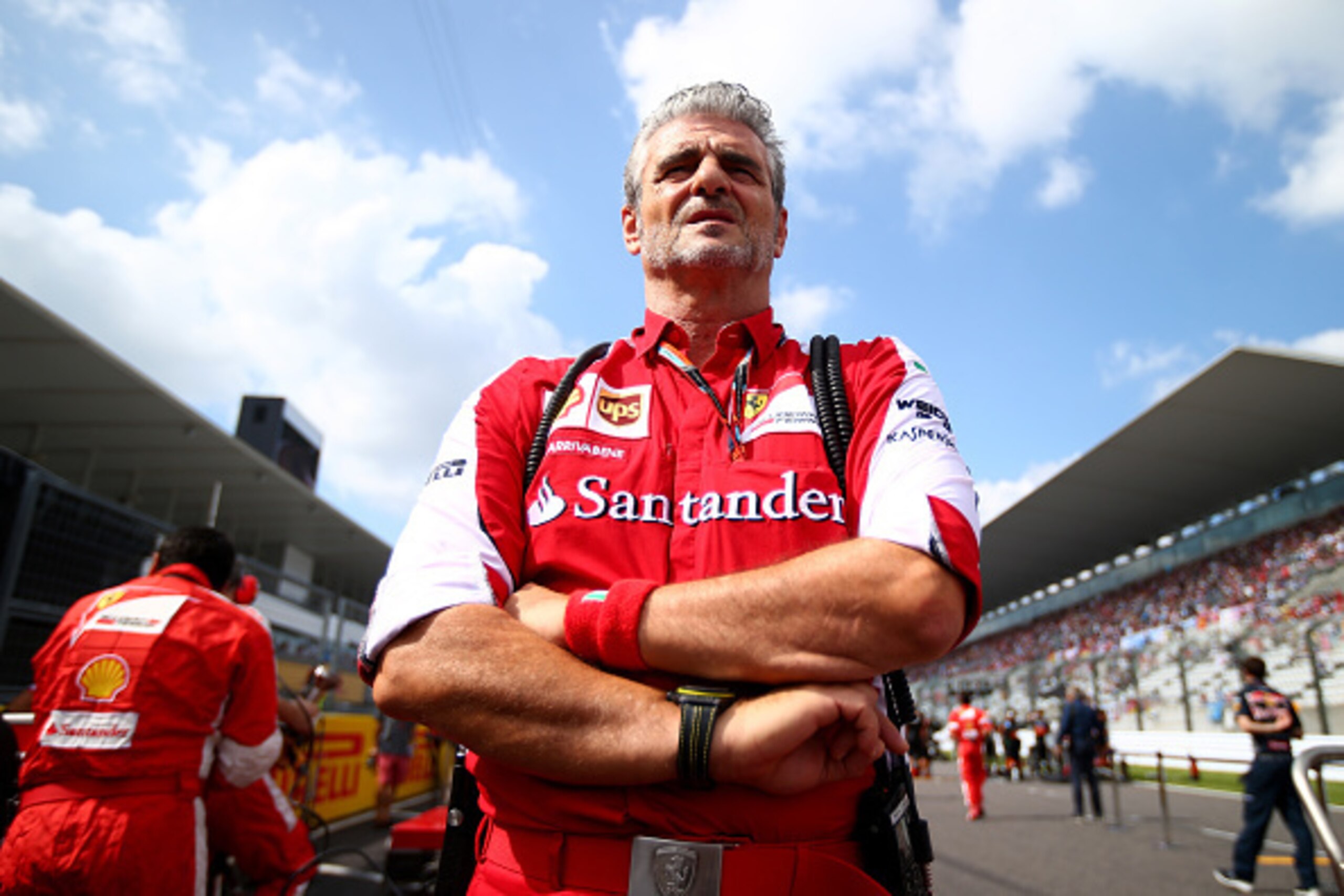
Sometimes it doesn't take rocket science, battle scars and decades upon decades of experience to succeed in Formula One. All it takes is a few fresh ideas, a new perspective and a welcome dose of common sense.
That, above all, is why a former Philip Morris salesman has been such a resounding success in his first season as the team principal of Ferrari, and Maurizio Arrivabene's effect on the sport's most sacred team is encapsulated in a single anecdote.
After Kimi Raikkonen made his return to the podium in Bahrain, Arrivabene told Autosport's Ben Anderson and Lawrence Barretto of a meeting he had with technical chiefs Simone Resta and Rory Byrne last December.
Raikkonen had endured the worst season of his career in 2014, and Arrivabene asked the pair if they could simply transfer the weight of the car toward the front to suit the Finn's driving style and turn his fortunes around.
Resta and Byrne insisted any alterations would take six months, which made you wonder why they had never thought about making those changes over the preceding six months.
But despite having no real experience in F1—never mind the factory floor—Arrivabene vowed to help and ensured the job was done in three.
It is that sense of togetherness and emotional intelligence that has seen Arrivabene extract the most from of his employees—who he found "quite divided"and "very defensive" upon his appointment, per the official F1 website—giving everyone a platform to work at their maximum and mixing the results.
Arrivabene's charismatic personality stems from his deep understanding of the principles and tradition of Ferrari.
And while that, as we recently noted, has seen the team occasionally rely more on their bravado than their brains—it remains to be seen whether that will work sufficiently in the long-term—Arrivabene has single-handedly revived the Prancing Horse in 2015.
.jpg?w=2560 "Rams Raiders Football")


.jpg?w=2560 "Rodgers Iced Out on Plane 💎")

.jpg?w=2560 "Big Trade to Shake Up East 💡")