
12 Really Strange In-Game Sports Moments
How crazy was it to see a wide receiver playing quarterback for Baylor? Or LeBron James walking off the court mid-game?
Bizarre things happen in sports sometimes. Now, that doesn't necessarily mean an unlikely outcome on a crazy play—Michigan was just trying to punt when Michigan State scooped up the bobbled snap and ran it back for a game-winning touchdown.
No, today is not so much about plays, but about scenarios. These are situations in sports that resulted in extraordinary happenings. Position players pitching, cyclists crashing on purpose—the following are strategies or oddball occurrences that have happened on the field, court or rink of play. Most of them made some sense, but all were really weird and unusual.
Here they are—12 crazy in-game scenarios in sports.
Honorable Mention: Losing on Purpose
1 of 13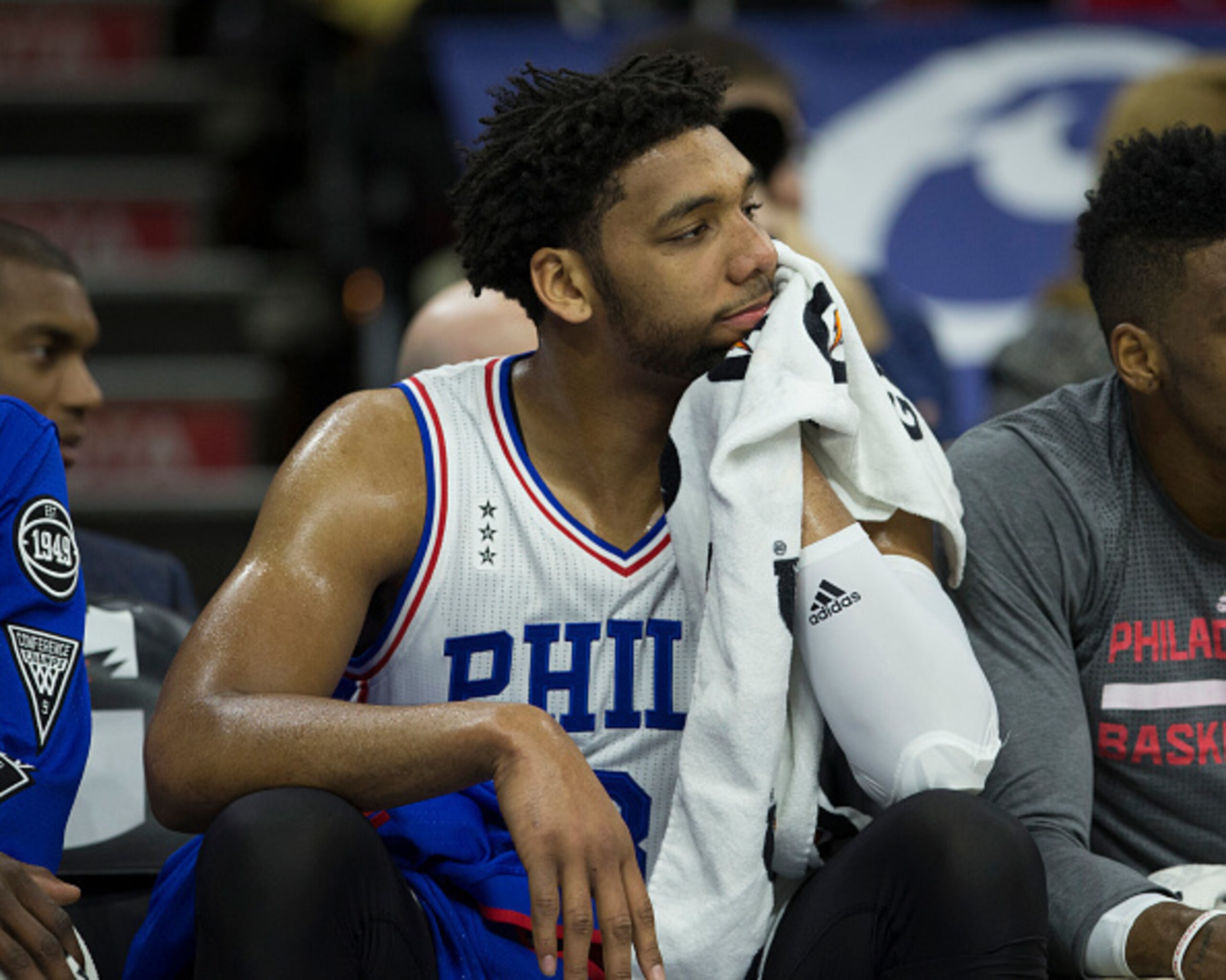
Things like missing free throws on purpose and intentionally walking batters might seem odd on the surface, but they obviously have legitimate strategic benefits.
Losing on purpose, however, that is just wackadoodle. Unfortunately, this (or the allegation of this) is all too common, meaning it only gets an honorable mention.
In 2012, eight Olympic badminton players were disqualified for losing intentionally in order to secure what they deemed would be easier opponents.
Because of the way draft rules are set up, there are distinct advantages to losing on purpose in the NFL and NBA.
A Little League softball team tanked in August and eventually lost the game they were forced to replay.
Defensive End Catching TD Passes
2 of 13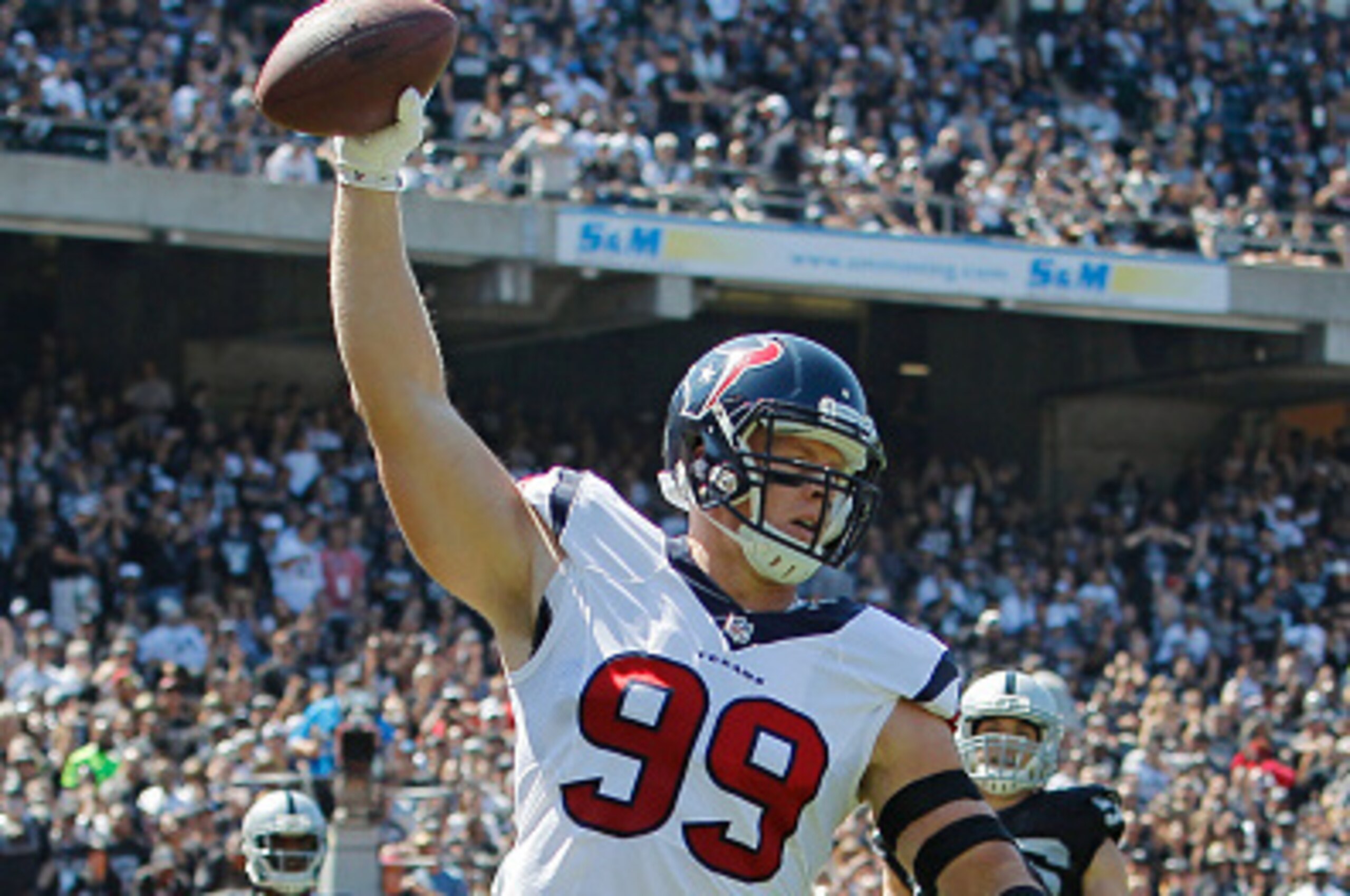
Defensive players can be used as offensive weapons, but it doesn't happen every often anymore in the age of specialization in sports.
Houston Texans defensive end J.J. Watt is becoming a somewhat regular exception. He caught three touchdown passes in 2014 and nearly snagged another thrown his way in November.
OK, this isn't exactly the craziest thing ever in sports, but it's definitely unusual in the modern era.
Walking off the Court
3 of 13The best player in the world abandoned his team in the middle of a game because he was frustrated. This was no strategy, but it was definitely a bizarre in-game scenario.
Not to pick on LeBron James too much, but it was perplexing to see the Cleveland Cavaliers leader walk off the court mid-possession, leaving his team undermanned and earning himself a technical foul.
According to Joe Vardon of Cleveland.com, James later said, "I blew a (gasket), you know what that means? I apologized to my teammates for it."


Crashing on Purpose
4 of 13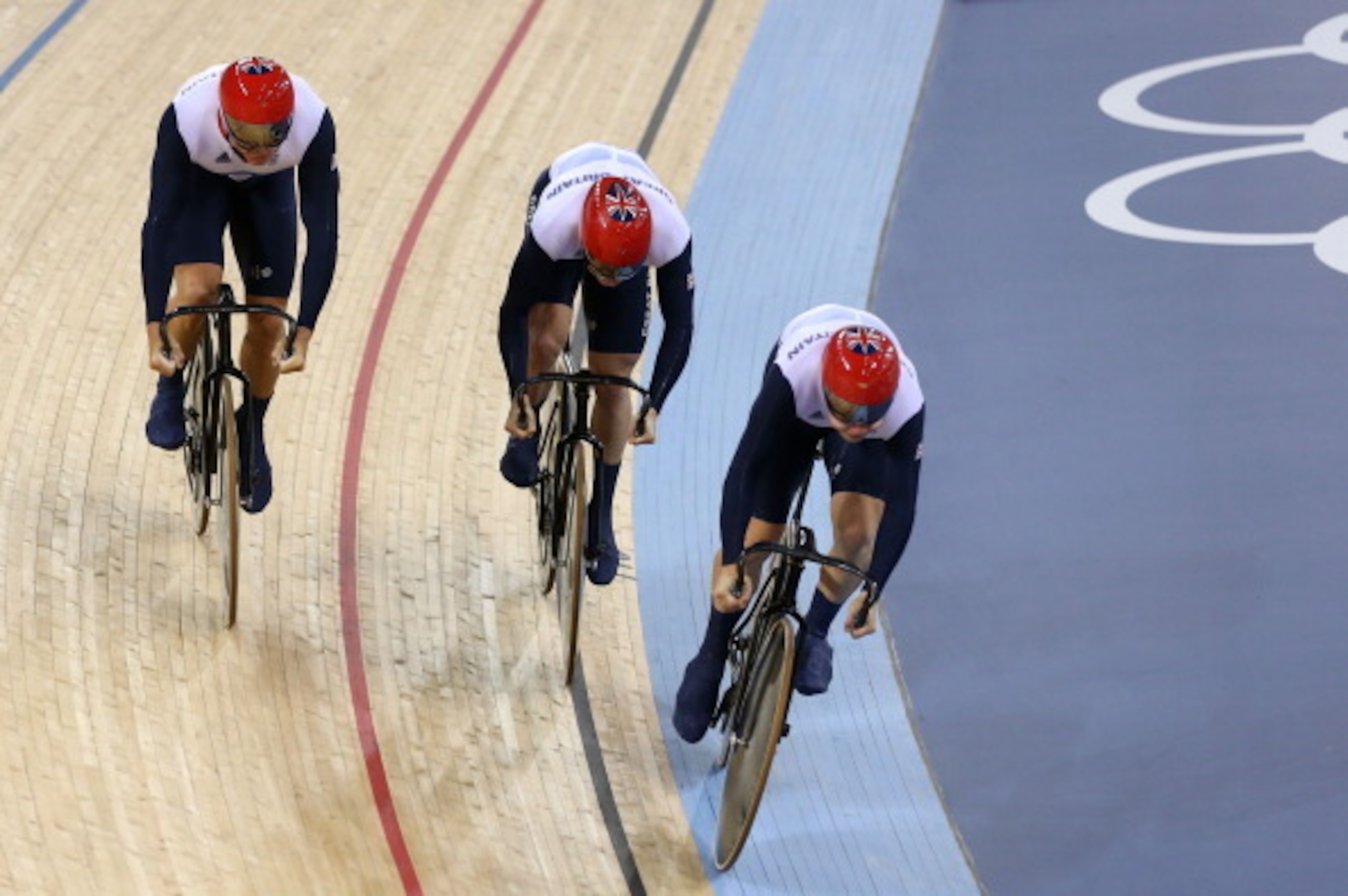
It's one thing to (hypothetically) lose a basketball game on purpose. Intentionally crashing during a competitive cycling race, on the other hand, is some serious nuttery, even if it was done in the name of winning.
During the 2012 Olympic Games in London, British cyclist Philip Hindes (probably) crashed on purpose in order to secure a restart in the team sprint event. According to Paul Kelso of the Telegraph, "Under UCI rules races can be restarted if one of the riders suffers a 'mishap,' but it must be a mechanical fault or genuine accident."
Per the Associated Press (via USA Today), Hindes admitted the intent immediately after the race, saying, "I just crashed, I did it on purpose to get a restart, just to have the fastest ride. I did it. So it was all planned, really." He later changed his story and said he "lost control."
Hindes' team won the gold medal in the event.
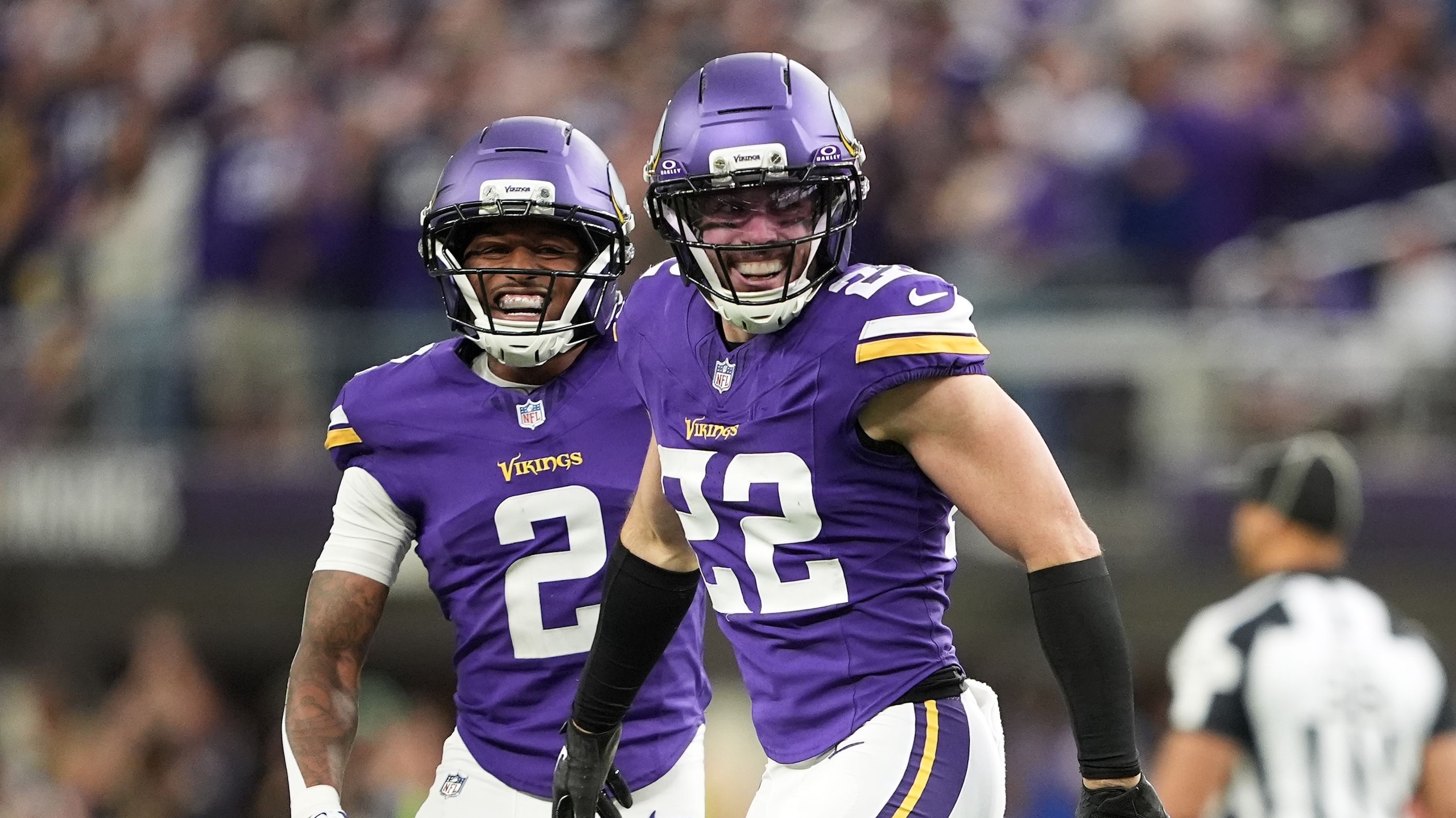
Pulling the Goalie with 13 Minutes Left
5 of 13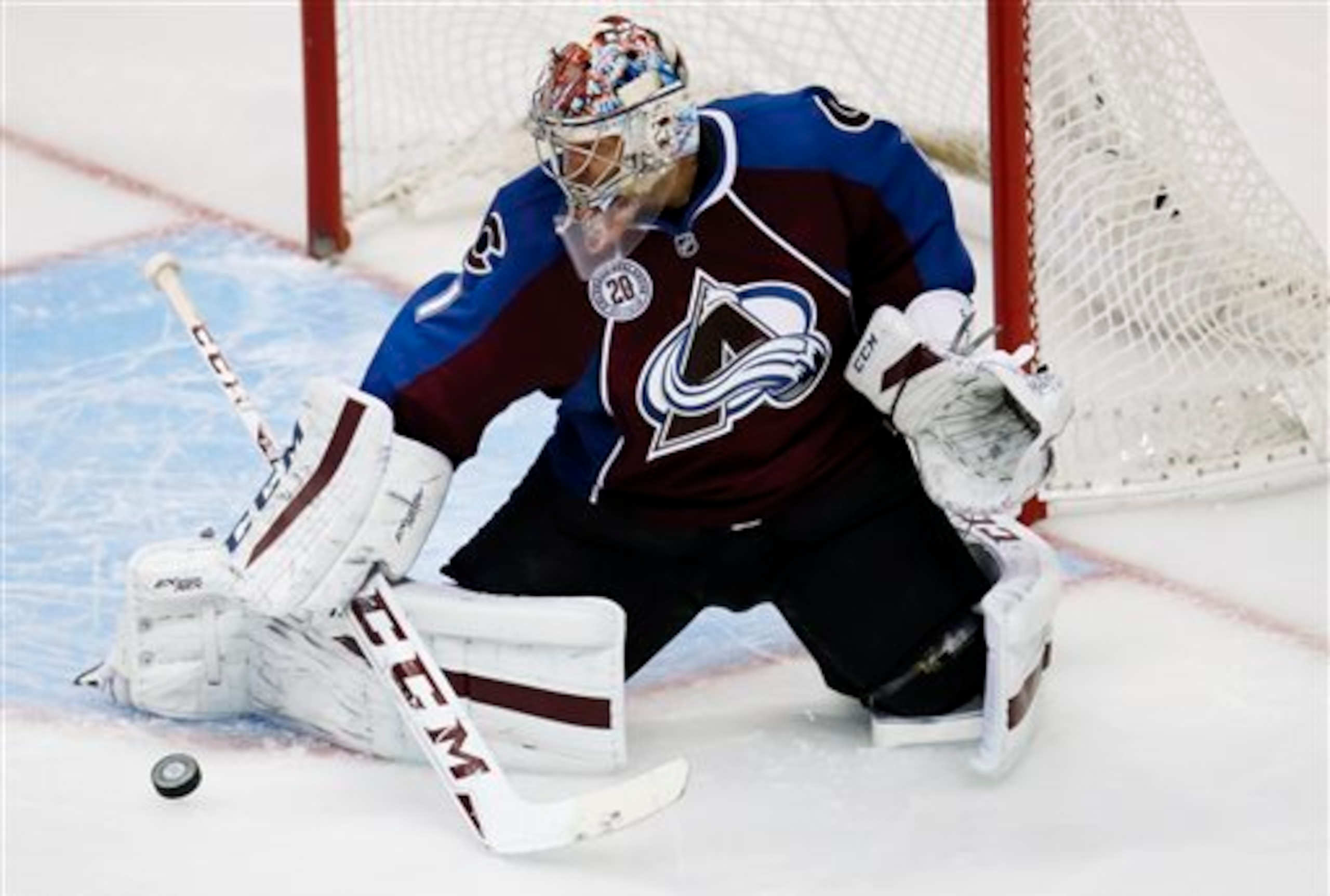
Pulling the goalie is a legitimate strategy to try for a late-game goal in hockey. But pulling the goalie with over 10 minutes left?
In 2014, Colorado Avalanche head coach Patrick Roy pulled his man with 13 minutes remaining. It sounds crazy, but if there was ever a situation that called for that, this was it. The Avalanche trailed 5-1 and had a five-on-three advantage.
Pulling goalie Semyon Varlamov gave Colorado a six-on-three advantage, at least temporarily. They still went on to lose the game, 6-2, but it was worth a shot.
4th-String Anybody
6 of 13
It's not often the No. 4 player at any position sees game action. And anytime game circumstances force an athlete to play out of position, it's weird. Take Baylor wide receiver Lynx Hawthorne, for instance.
Baylor played Texas in the final regular-season game of the year for the two Big 12 football teams. Already down two quarterbacks due to injury, Baylor started its third-stringer, Chris Johnson. When he went down with concussion symptoms in the first quarter, Hawthorne stepped in.
Hawthorne had not played QB since high school, according to Jake Trotter of ESPN.com. Incredibly, the Bears weren't too far off from winning the game. Texas prevailed, 23-17, when a Hail Mary attempt did not go the way of Aaron Rodgers.
Not Enough Eligible Players
7 of 13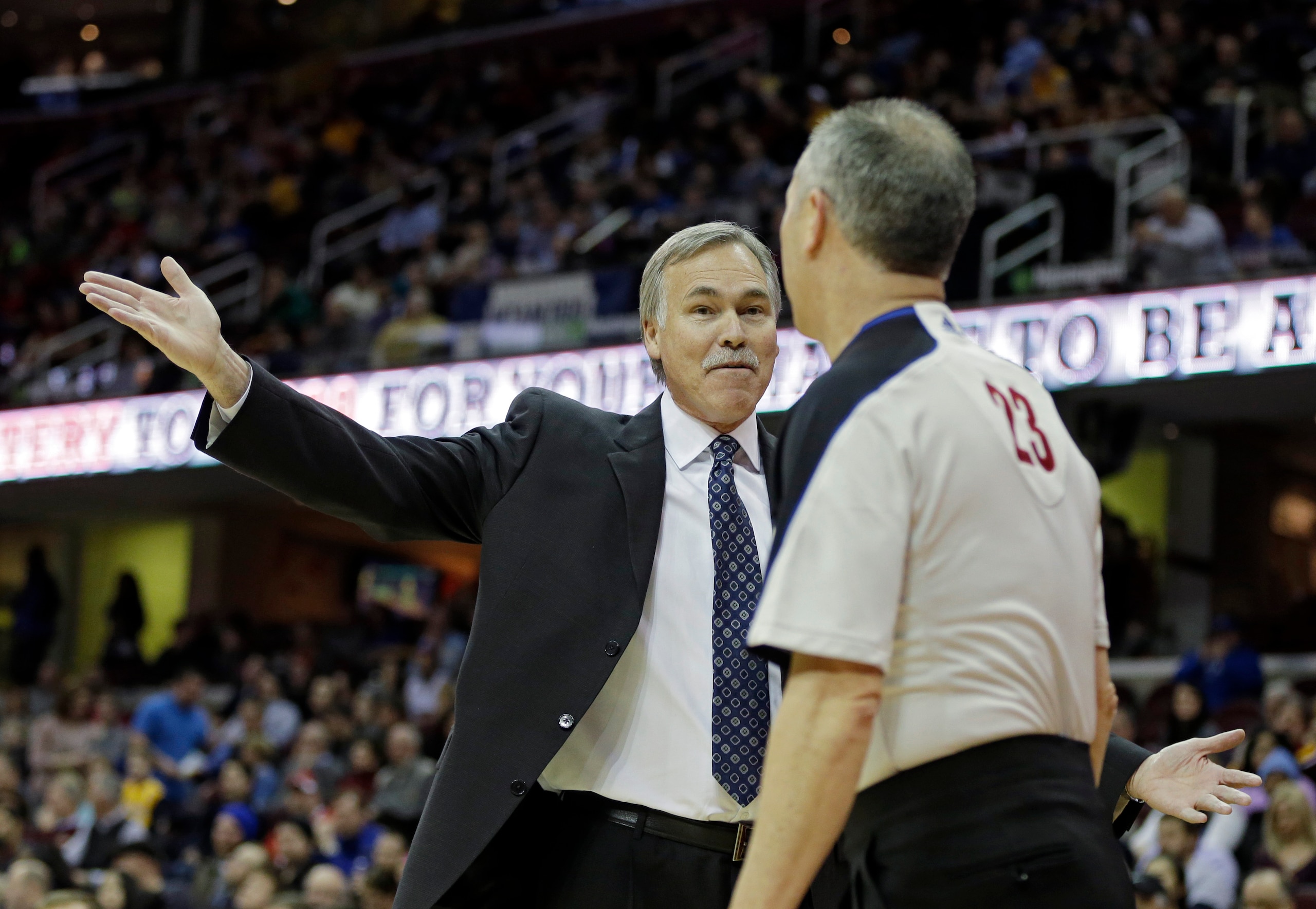
Sure, it's possible for things like injuries and ejections to wipe players out of games, but losing enough players to leave fielding a full team impossible?
This actually happened to the Los Angeles Lakers in 2014. During a February game against the the Cleveland Cavaliers, injuries had ensured only eight of the 14 rostered Lakers were available to play to begin with.
From there, Nick Young went out with an injury, Chris Kaman fouled out and Jordan Farmar cramped up. When Robert Sacre fouled out in the fourth quarter, the Lakers had a problem. What even happens with an NBA team only has four players?
This is what happens, per Rule No. 3, Section I of the rulebook (via Ben Golliver of Sports Illustrated):
"No team may be reduced to less than five players. If a player in the game receives his sixth personal foul and all substitutes have already been disqualified, said player shall remain in the game and shall be charged with a personal and team foul. A technical foul also shall be assessed against his team.
"
The craziest part about this whole thing? L.A. still won the game.
Repainting the Field Mid-Game
8 of 13
Weather often impacts the condition of an outdoor playing surface (given it's not FieldTurf). And Derby County FC's previous home, the Baseball Ground, was known for being particularly temperamental.
According to BBC Sport, former groundsman Bob Smith worked for Derby from 1964-84. The pitch he worked on was often wet and soggy, and during one game against Manchester City in 1977, Smith actually had to repaint the penalty marker during the game.
Position Players Pitching
9 of 13
According to Dan Mullen of ESPN.com, six position players pitched over the course of two days in the 2015 MLB season. This can happen for a couple of reasons. It could be an extra-inning game that has exhausted all the available pitchers, or it could be just for fun during a blowout.
For instance, in 2014, Chicago White Sox slugger Adam Dunn took the mound during a 16-0 rout at the hands of the Texas Rangers. In 2012, Baltimore Orioles slugger Chris Davis pitched two scoreless innings, the 16th and 17th, and notched the win to boot.
Letting the Other Team Score a Touchdown
10 of 13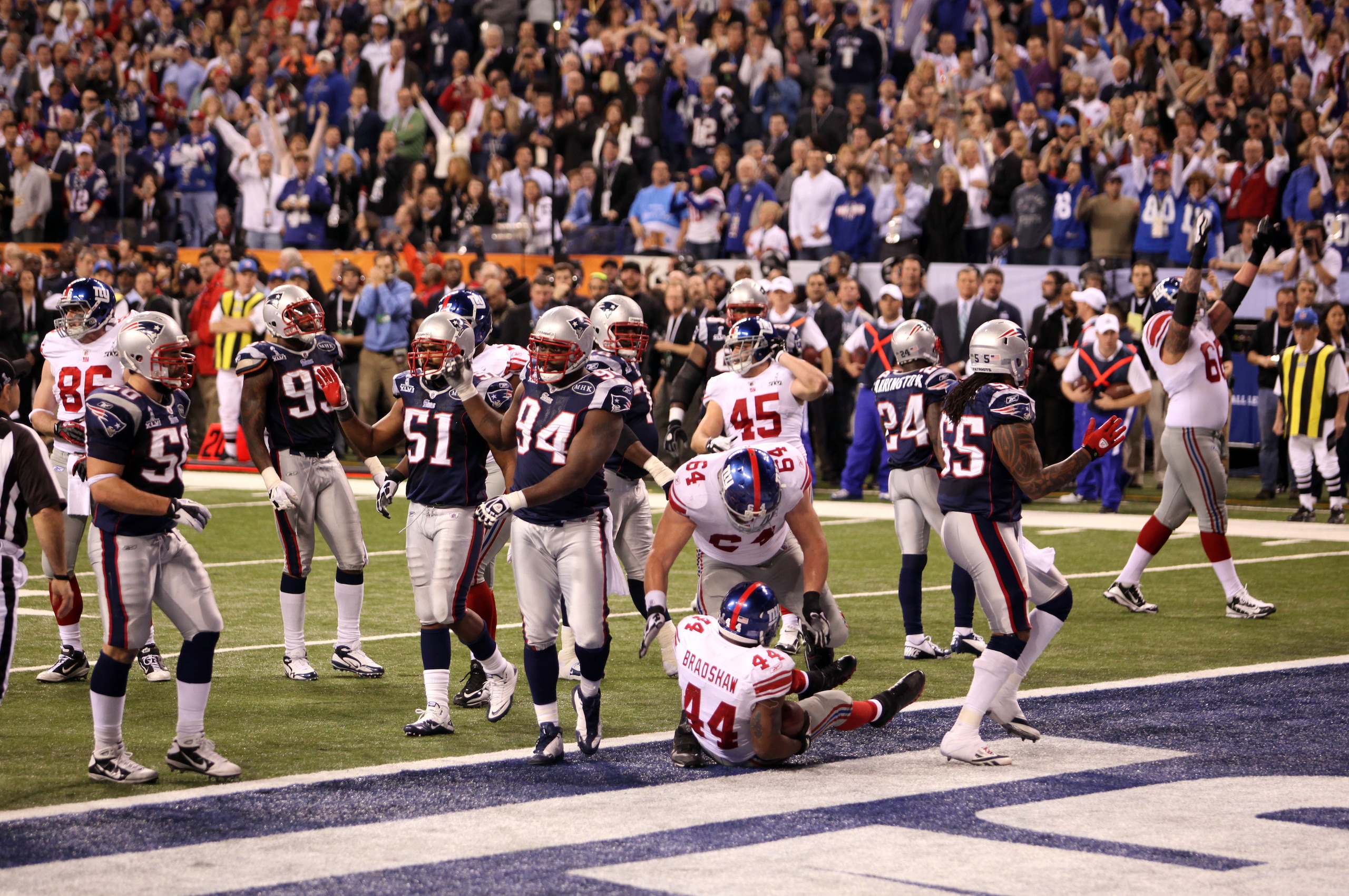
Why would a football team ever allow its opponent to score a touchdown in a big game?
Well, if time were a factor at the end of the game, a team might want to ensure enough clock is left for a rebuttal. It might—if its quarterback was Tom Brady.
Such was the case at Super Bowl XLVI in 2012. With 57 seconds remaining, the New England Patriots left a wide open hole for New York Giants running back Ahmad Bradshaw to run through. Though Giants QB Eli Manning instructed him not to, and though he tried to stop himself at the last second, Bradshaw scored and put his team up 21-17.
Ideally, the Giants would've run some more time off the clock before scoring. Luckily for them, Brady's comeback drive came up short.
According to Martin Rogers of Yahoo Sports, Bradshaw later said, "It was a strange situation to be in. At the Giants, we want touchdowns, that is what is always in your mind. It goes against your nature to not score, when you spend your whole life trying to score."
Fair-Catch Kick
11 of 13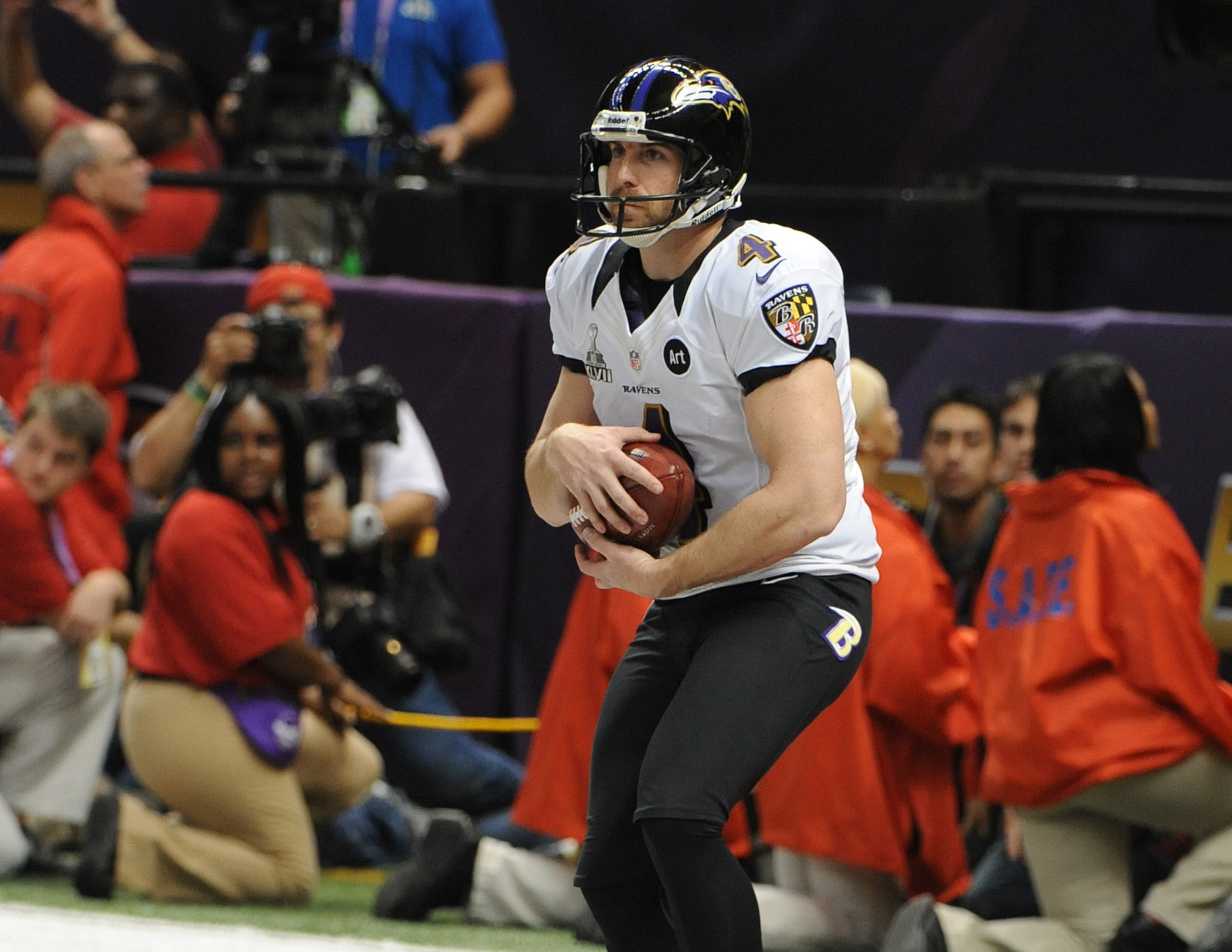
There were most likely a lot of football fans who didn't even know what a fair-catch kick was before Super Bowl XLVII. And even then, they'd never seen one actually happen.
According to 10.2.4(a) of the NFL rule book (via Barry Petchesky of Deadspin), "After a fair catch is made, or is awarded as the result of fair catch interference, the receiving team has the option of putting the ball in play by … a fair-catch kick (drop kick or placekick without a tee) from the spot of the catch."
In plain terms, down three late in the game, the San Francisco 49ers could have signaled for a fair catch on a kickoff and drop-kicked a field-goal attempt. They didn't, but they could have.
Per Petchesky, the blog Quirky Research found 24 fair-catch kick attempts since 1925.
Stealing First Base
12 of 13It is not entirely legal to steal first base from second, but back in the early 20th century, no one had quite thought to make it illegal yet.
According to John Thorn, co-editor of Total Baseball (via ESPN the Magazine), two players stole first base—Fred Tenney in 1900(ish) and Germany Schaefer in 1907—before the rules were changed. Per Thorn, "The idea was to induce a throw so the runner on third could score."
Now, according to Adam McCalvy of MLB.com, rule 7.08(i) states: "Any runner is out when—after he has acquired legal possession of a base, he runs the bases in reverse order for the purpose of confusing the defense or making a travesty of the game. The umpire shall immediately call 'Time' and declare the runner out."
In 2013, Milwaukee Brewers shortstop Jean Segura sort of stole first base, but he wasn't called out because his backward advancement was due to poor baserunning as opposed to an intention to confuse the defense. Weird.
149 Own Goals
13 of 13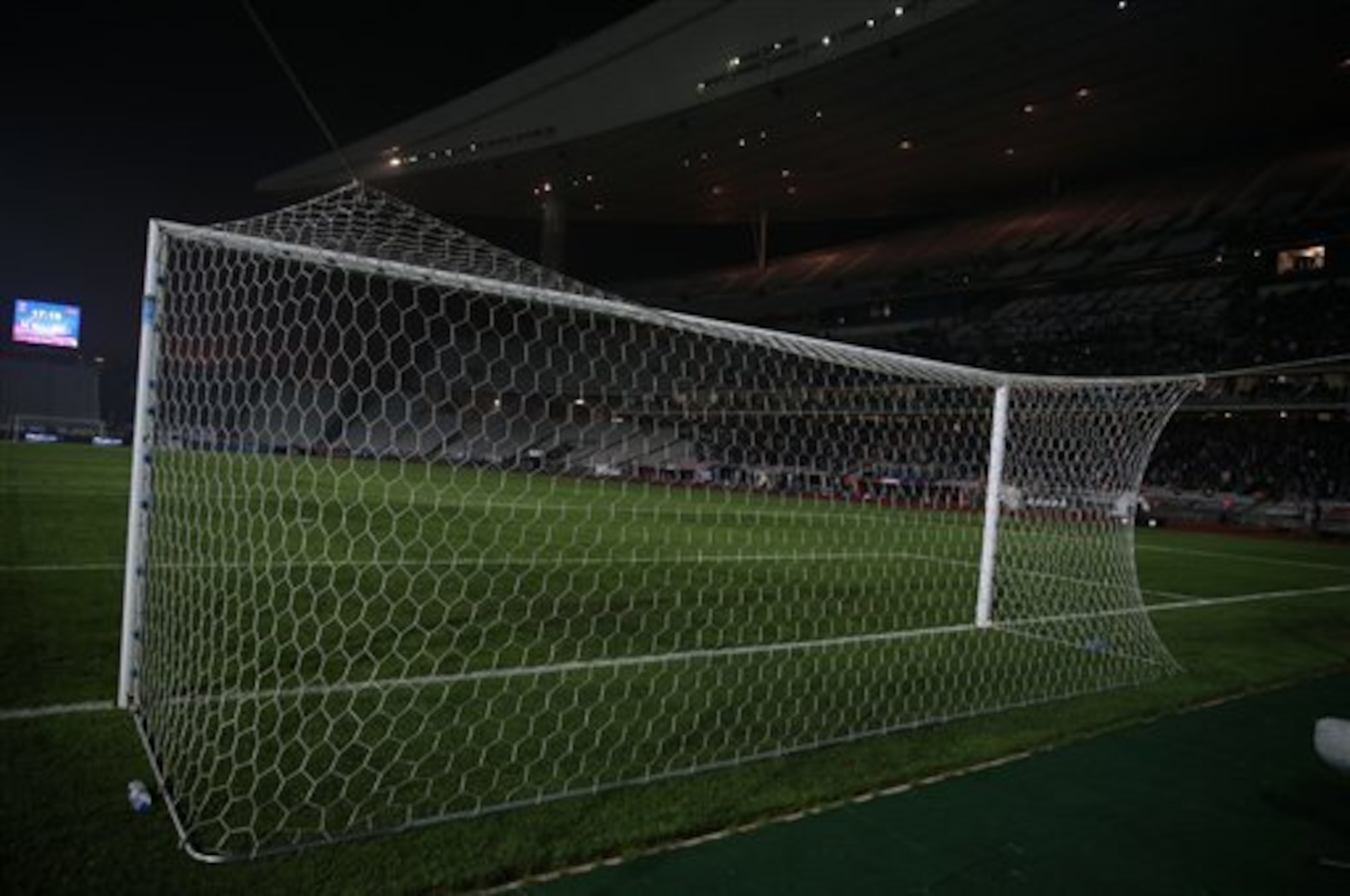
There is no strategic purpose to scoring 149 own goals in a soccer game. However, when a Malagasy club did it in 2002, it wasn't for strategy, it was to make a point.
According to the Guardian, players from Stade Olympique de L'Emyrne intentionally scored on their own net 149 times to protest "what they thought was biased refereeing." SOE officially lost the game, 149-0, and the coach and four players were suspended.
.jpg?w=2560 "Rams Raiders Football")
.jpg?w=2560 "Steelers Saints Football")

.jpg?w=2560 "🚨 Week 8 AP Top 25 Poll")

