

Australia vs. New Zealand: Ranking the Players on Trans-Tasman Trophy Form
Australia claimed the Trans-Tasman Trophy thanks to a 2-0 series victory over neighbours New Zealand.
But, while the final scoreline looks comfortable enough, it was far from plain sailing for the hosts.
Steve Smith's side started off their summer with a resounding 208-run triumph in Brisbane, and it seemed the second Test would follow a similar pattern when they made 559 for nine declared in their first innings.
However, Ross Taylor's magnificent knock of 290 helped the Kiwis battle back in Perth. They forged a first-innings lead but were unable to take advantage as the game ended in a draw.
Being stuck in the field chasing leather for so long made Mitchell Johnson's mind up—he promptly announced his international retirement after the game at the WACA.
His decision to quit mid-series meant he missed out on being part of a historic moment for cricket at the Adelaide Oval—the first ever day-night Test.
The pink ball dominated bat in the finale, as Australia squeezed home by three wickets in a low-scoring contest.
Here, Bleacher Report looks back on the series by ranking all 26 players who appeared in it.
26. Jimmy Neesham (New Zealand)
1 of 26
Jimmy Neesham's most telling contributions during the series came on Twitter, according to SportsKeeda.
The all-rounder played in the first Test, making six runs in two knocks and picking up one wicket at an average of 111, before he was ruled out for the rest of the series with a back injury.
He had seen his tour of England earlier in 2015 cut short by a stress fracture of his back, a worrying sign for a player only 25 years old.
Still, at least Neesham has had plenty of time to entertain his many followers on social media while he recuperates.
25. Martin Guptill (New Zealand)
2 of 26
Martin Guptill is a star in 50-over cricket, averaging 41.16 with the bat for New Zealand. He has hit nine centuries in his ODI career, with his best being 237 not out against West Indies.
However, Test cricket is proving a tougher nut for the right-handed batsman to crack.
Opener Guptill managed just 82 runs in six innings against Australia, as he finished with an average of 13.66. His career mark in the longest format now stands at 28.52.
ESPN Cricinfo's Brydon Coverdale tweeted, "Is Martin Guptill cricket's most symmetrical batsman? His last 10 Test innings, high to low: 70, 70, 23, 23, 17, 17, 1, 1, 0, 0."
24. Mark Craig (New Zealand)
3 of 26
New Zealand spinner Mark Craig came in for some rough treatment at the hands of Australia's batsmen throughout the series.
The final figures do not make for pretty reading—his eight wickets came at a cost of 64.12, while his economy rate was a leaky 5.02 runs an over.
Journalist Ben Dorries of the Courier-Mail was not kind about Craig's performances in the second Test (h/t the Daily Telegraph in Australia): "Is he the worst Test spinner to ever be seen on Australian shores? How does he keep getting a game? Batsmen treat him with disdain and the only wickets he gets are cheap lower-order slog-outs when the opposition is looking to declare."
Craig should be worried about his Test future, considering New Zealand also picked fellow slow bowler Mitchell Santner in the final Test.

.jpg?w=2560)
23. Matt Henry (New Zealand)
4 of 26
Matt Henry made just the one appearance in the series—and it wasn't a particularly successful one, either.
The seam bowler was picked by New Zealand for the second Test in Perth, replacing the injured Jimmy Neesham, but he recorded match figures of two for 158.
His efforts were not enough to keep him in the XI for the series finale. Instead, the tourists went for an extra slow bowler in Mitchell Santner.
However, per Mark Geenty of Stuff.co.nz, the Kiwis made a mistake with their team selection, "Playing two spinners on a grassy pitch when the ball was expected to swing was a gamble that didn't pay off. Matt Henry or Neil Wagner would have been valuable options up [Brendon] McCullum's sleeve in both innings when New Zealand needed all out attack."
Poor Henry, after playing on a road at the WACA, he missed out on a bowler-friendly surface in Adelaide. So, is Matt finished? No, probably not.
22. Doug Bracewell (New Zealand)
5 of 26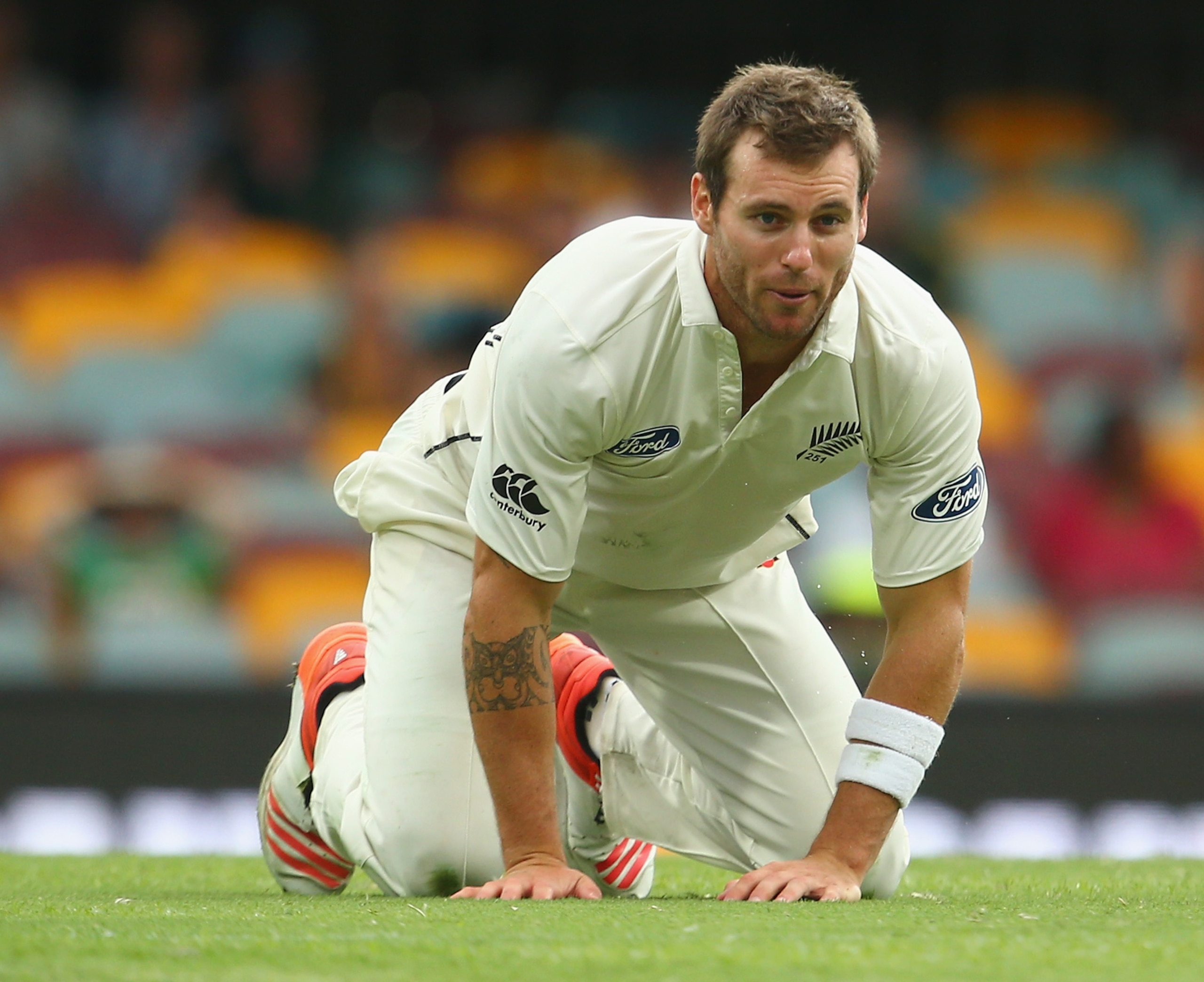
When New Zealand last played a Test series on Australian soil in 2011, Doug Bracewell played a starring role in helping the visitors claim a 1-1 draw.
The seamer took nine wickets in the second Test win in Hobart on that tour (there were only two matches in the series), bowling the Black Caps to a famous victory against their neighbours.
However, fast forward to the present day and Bracewell only claimed six wickets in the entire series in 2015.
He finished the trip with a bowling average of 52.57, suggesting once again that his 2011 tour was the exception in his international career, rather than the norm.
21. Tim Southee (New Zealand)
6 of 26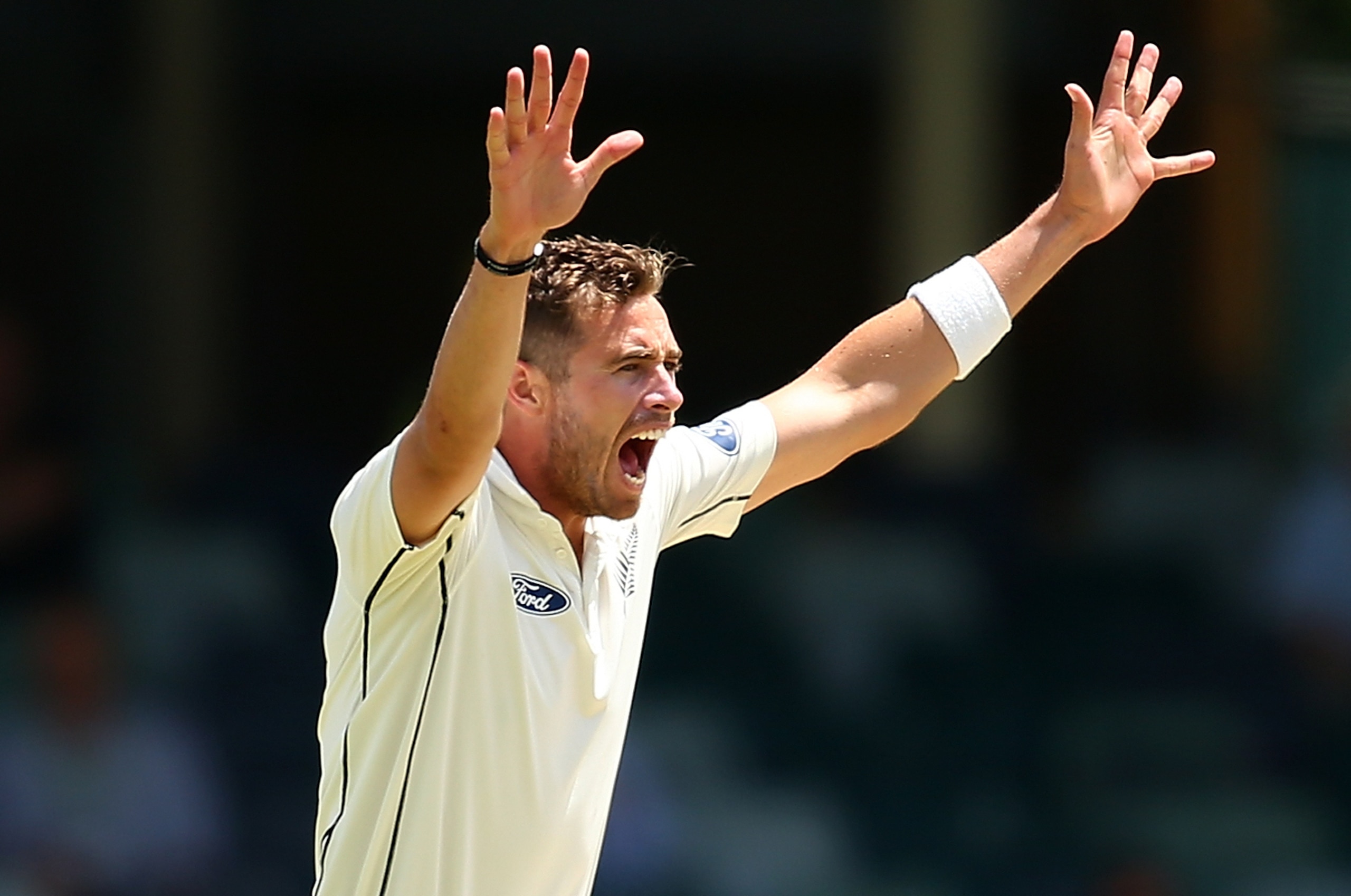
Tim Southee didn't have quite the impact with the ball New Zealand would have hoped for at the start of the tour.
The seamer picked up only six wickets in the three Tests, though he did well to play at all in the second match after being bothered by a back injury.
New Zealand captain Brendon McCullum underlined the importance of Southee before the match in Perth, per Garrett Mundy of ABC.net.au: "Tim's a strong leader within this group. He's an absolute champion within the set-up as well and we'll give him as long as what he needs, but ultimately he'll be very, very honest with his assessment."
We can be just as honest with the assessment of his bowling performances, too. They were not good enough.
However, the fresh-faced 26-year-old did impress in one discipline in Australia—he has turned himself into a very reliable slip fielder.
20. Mitchell Johnson (Australia)
7 of 26
Despite the best efforts of coach Darren Lehmann and captain Steve Smith to get him to carry on playing in one-day cricket, Mitchell Johnson's Australia career came to an abrupt halt.
The left-arm paceman opted to hang up his bowling boots after the second Test in Perth.
He picked up seven wickets in the series, taking his final Test tally to 313. Only Shane Warne, Glenn McGrath and Dennis Lillee sit above him on Australia's all-time list.
The international game will miss Mitchell and his wonderful moustache. Well, apart from those opposition batsmen who had to face him.
19. BJ Watling (New Zealand)
8 of 26
New Zealand's BJ Watling averaged 61.80 with the bat in the two-Test series against England earlier in 2015.
However, the wicketkeeper-batsman found it tougher to score runs on Australian soil. He averaged 16.60 and made a top score of only 32 in five innings.
It possibly didn't help that Watling had to spend so long in the first two matches stood behind the stumps. The hosts twice made first-innings totals in excess of 500.
His glove work, though, was good. He took a spectacular catch in the final innings in Adelaide, diving to his left to cling on to an inside edge off fellow gloveman Peter Nevill.
18. Shaun Marsh (Australia)
9 of 26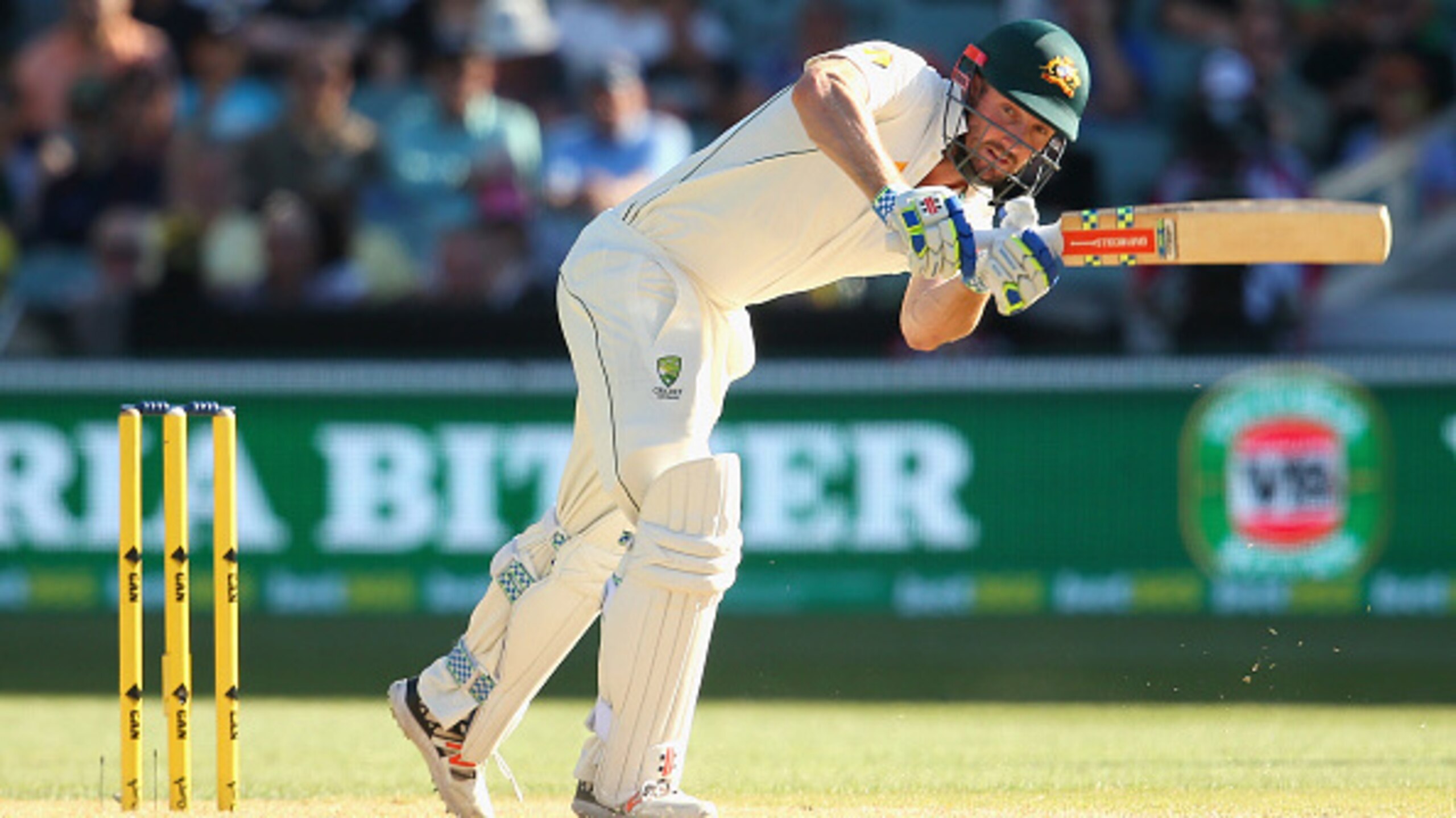
Shaun Marsh has had more comebacks than Madonna. The only difference is, when the batsman returns there's never really any change to how he looks.
The left-hander was given an unexpected opportunity again in Test cricket when Usman Khawaja injured his hamstring during the second match of the series.
Considering how much was at stake in terms of his international future, he rather foolishly ran himself out in the first innings of the third Test.
Marsh did make 49 in Australia's successful run chase second time around, but the jury remains out.
17. Brendon McCullum (New Zealand)
10 of 26
New Zealand captain Brendon McCullum could easily reflect on what might have been after a narrow defeat in the third Test.
The Kiwis were on the wrong end of a contentious DRS call in Australia's first innings, as tail-ender Nathan Lyon was incorrectly given not out by third umpire Nigel Llong.
The decision allowed Lyon to help the hosts into a narrow first-innings lead in a low-scoring match they eventually won by three wickets.
Instead of potentially drawing the series, the tourists lost 2-0.
However, McCullum refused to use Llong's error as an excuse for the defeat, per Sky Sports.
"There were some frustrations in it, but we're not going to blame anyone," said the Black Caps skipper. "That's not our mentality as a side and it's not up to the captain out on the field to try to coerce someone into a decision."
As for his series, McCullum produced one innings of note with the bat. He blasted 80 in a losing cause in the opening Test in Brisbane.
16. Mitchell Santner (New Zealand)
11 of 26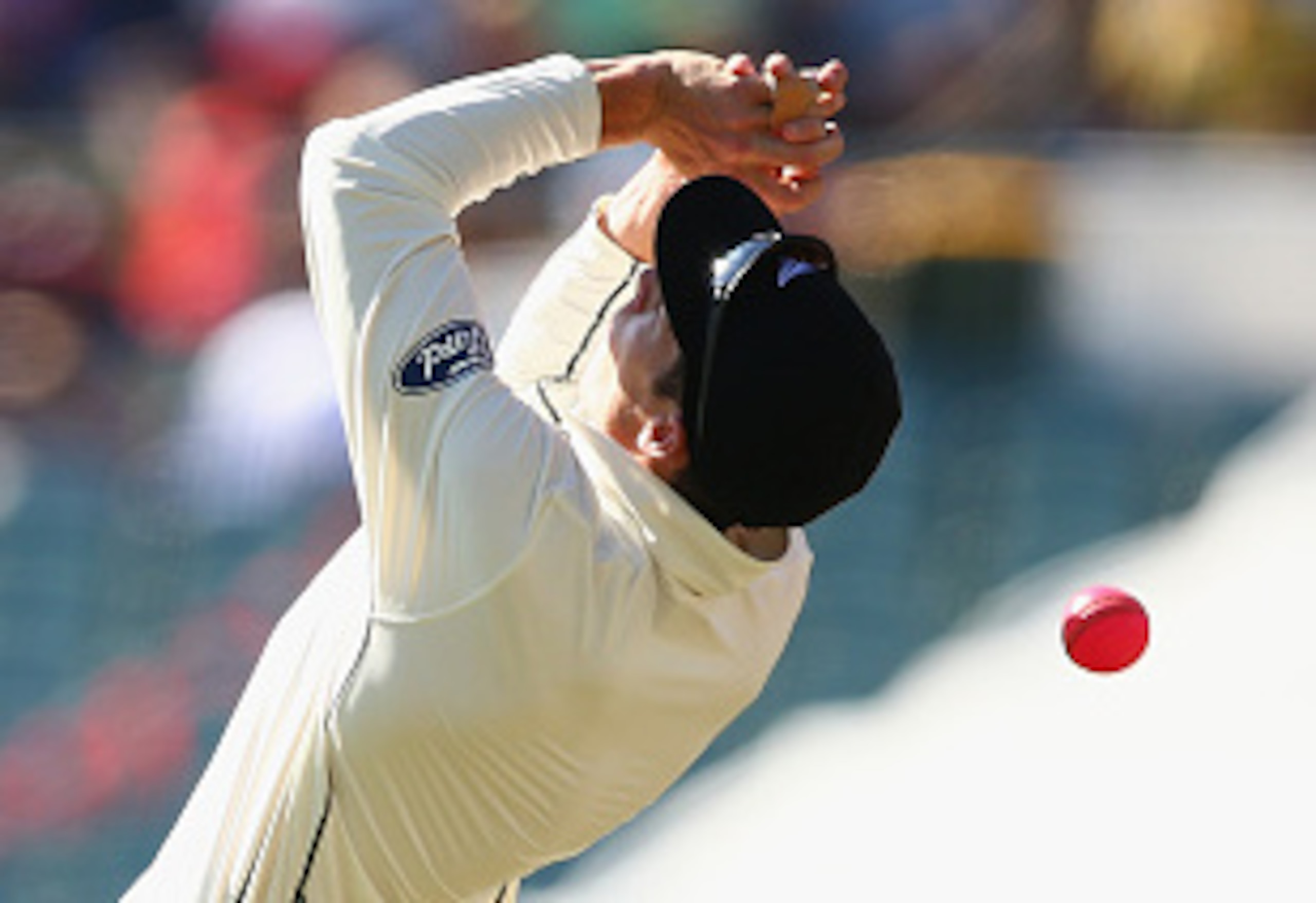
Mitchell Santner was surprisingly handed a Test debut in the series finale at the Adelaide Oval.
The all-rounder, still only 23, showed he is a promising player for the Kiwis. He scored 76 runs in two knocks with the bat, and he claimed two wickets with his left-arm off-spin.
He did, however, have one moment he'd like to forget in his first match. He made a mess of a high catch off Australia captain Steve Smith as they chased a total of 187, letting the pink ball slip somehow through his hands (see picture above).
Per stuff.co.nz, Santner had defied a finger injury to play in the last Test. It seems he not only has the talent but also the heart for playing at the top level.
15. Peter Siddle (Australia)
12 of 26
While it was far from a like-for-like replacement, picking Peter Siddle in place of the retired Mitchell Johnson worked out just fine for Australia.
The experienced seamer only claimed two wickets in the third match at Adelaide, but that was enough to carry him to 200 scalps in his Test career.
Siddle has been a peripheral figure on the international scene of late, but he has shown his value to the side in limited opportunities. He picked up six wickets in the fifth Ashes Test in England, too.
Daniel Brettig commented on ESPN Cricinfo: "There is nothing fancy about what Siddle does, and it is arguable that in recent times Australia's selectors have at times been blinded by the more coruscating stuff offered by others."
It seems Siddle may be here to stay in Australia's Test XI, so just hope that moustache has now been removed with the month of "Movember" now over.
14. Tom Latham (New Zealand)
13 of 26
Tom Latham enjoyed a more productive tour than opening partner Martin Guptill, though that isn't saying a great deal.
Solid but unspectacular at the top of the order, the left-hander made 187 runs at an average of 31.16.
He did, however, create a bit of history in making his top score of 50. In reaching the landmark, Latham became the first player to hit a half-century in a day-night Test.
Yet despite a difficult trip, there are signs that suggest the Kiwis should persevere with the batsman.
Andrew Alderson wrote in the NZ Herald: "He [Latham] knows when to leave. His strength is in sticking to a game plan of a resolute defence, working deliveries off his legs for ones and twos, sweeping judiciously and auditing his shots through cover."
13. Mitchell Marsh (Australia)
14 of 26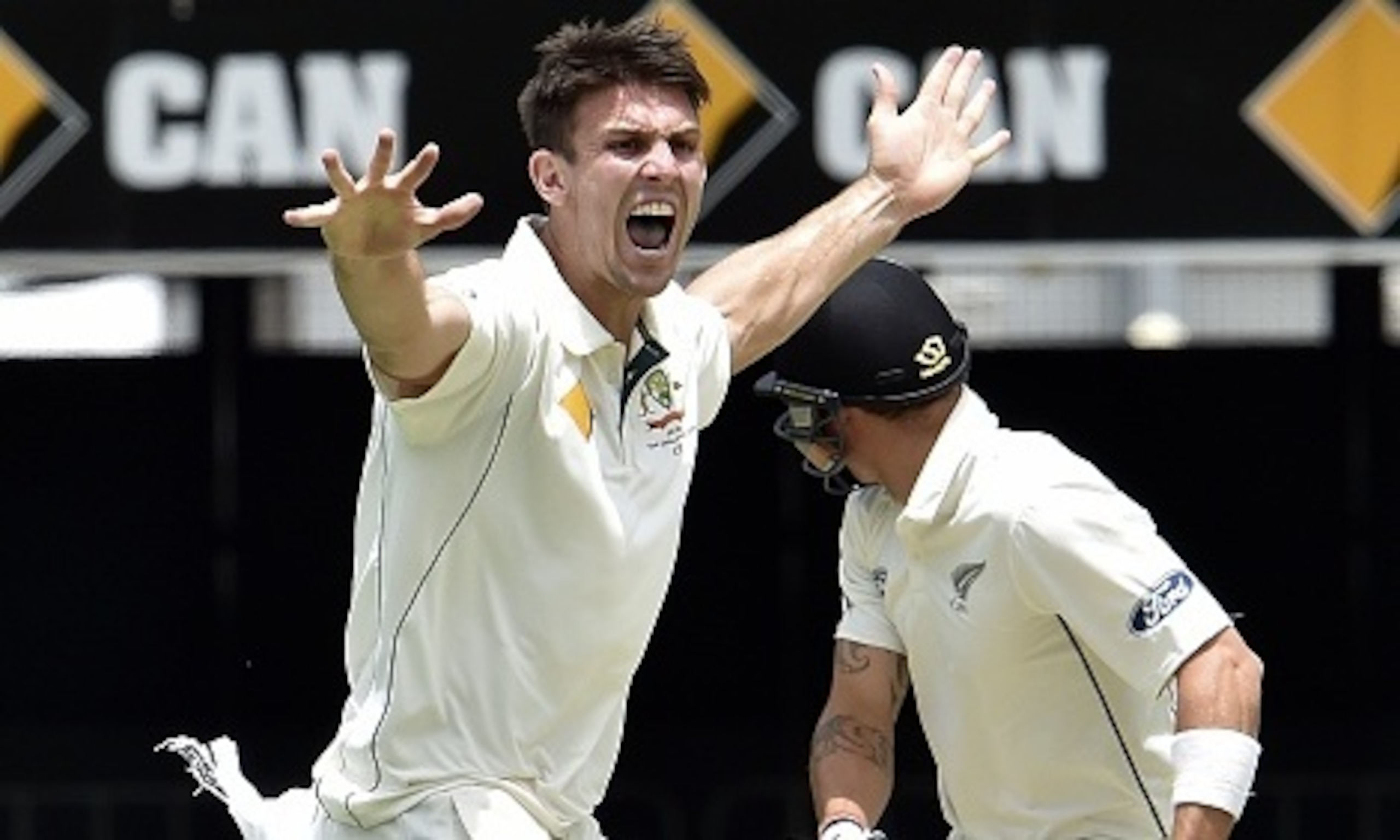
Mitchell Marsh continues to make useful contributions for Australia, but he has yet to confirm he truly belongs in the Test XI.
The all-rounder averages in the series were 15.50 with the bat and 30.00 with the ball. They are steady numbers considering his limited role in the side, but he'd prefer them to be the other way around.
With Mitchell Starc injured midway through the third Test, Marsh's bowling was invaluable to the home team in New Zealand's second innings.
Per Andrew Wu of the Sydney Morning Herald: "Marsh's deeds with the ball will alleviate pressure over his place in the team though questions remain over his credentials as a Test No. 6."
12. Peter Nevill (Australia)
15 of 26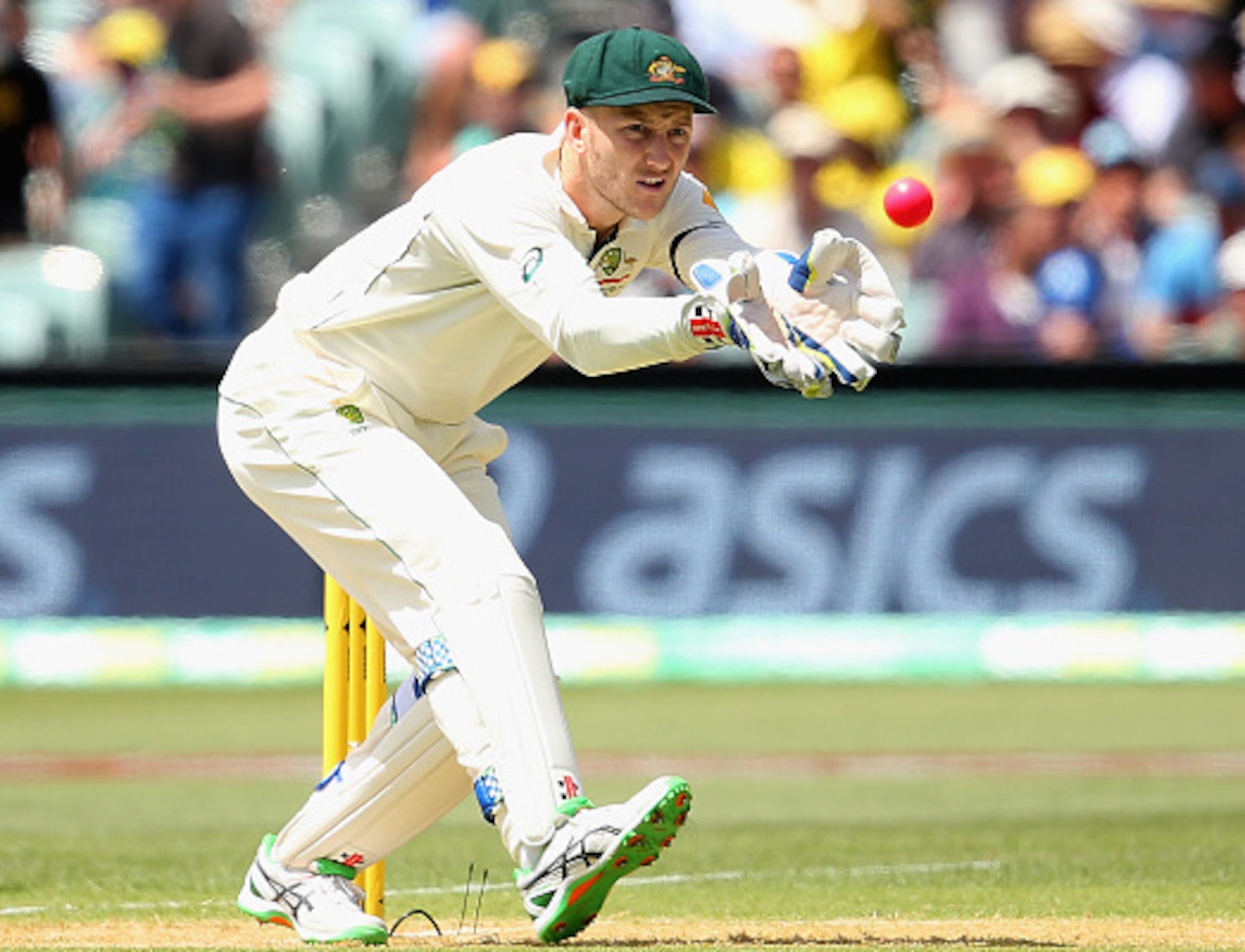
After an impressive introduction to Test cricket in the Ashes, Peter Nevill is now firmly established as Australia's first-choice wicketkeeper in the longer format.
The 30-year-old showed steady hands behind the stumps, and he also demonstrated his abilities with the bat in limited appearances at the crease.
Nevill made a valuable 66 in the low-scoring third Test, as he led the tail-end resistance to carry the hosts into a crucial first-innings lead.
His form could lead to a promotion above Mitchell Marsh in the batting order.
Australia coach Darren Lehmann told ABC Radio (h/t Cricket Australia's official website): "I know the captain's talked about that [switching Marsh and Nevill around] maybe for the next Test against the West Indies."
11. Nathan Lyon (Australia)
16 of 26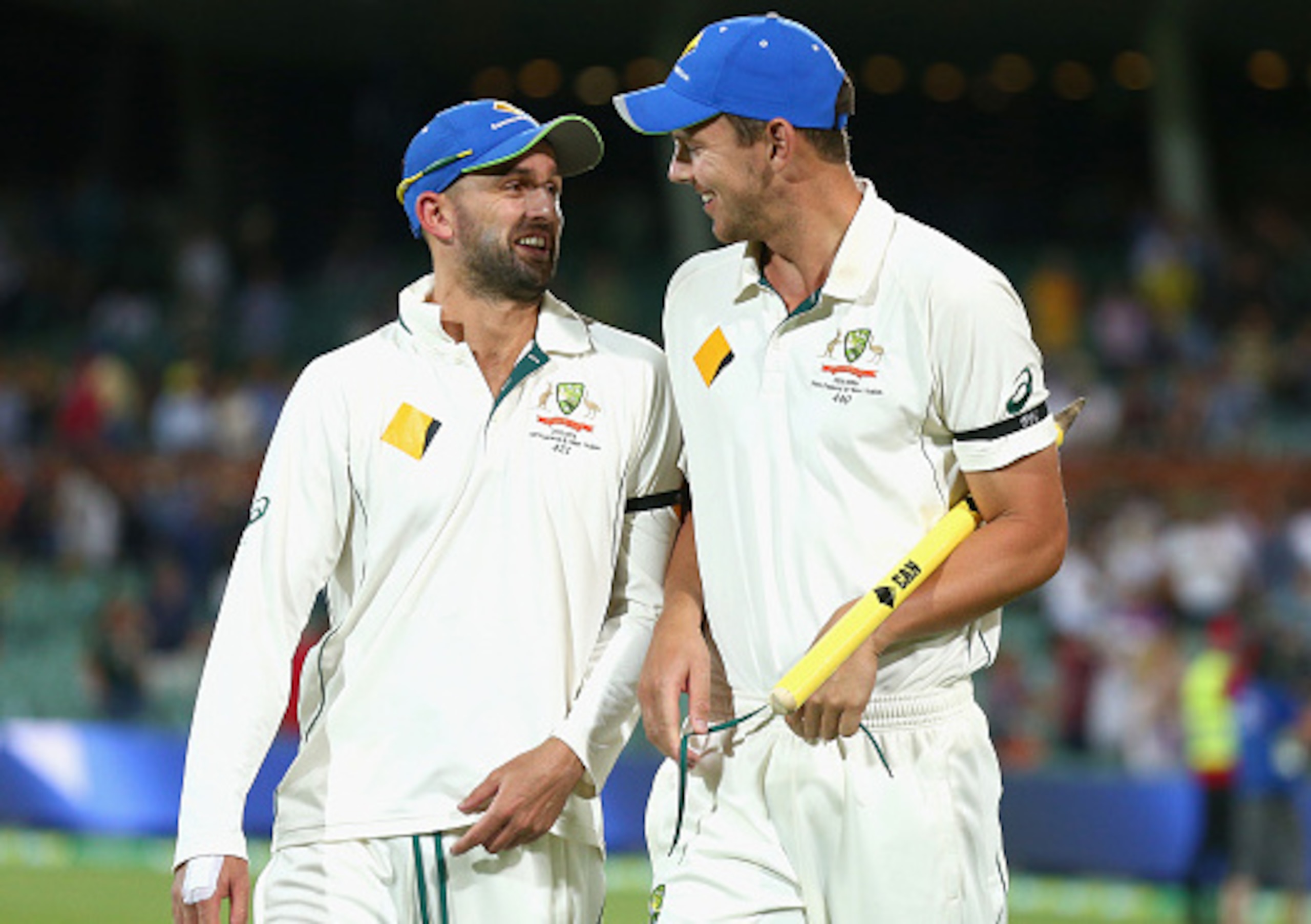
Nathan Lyon is used to being in the background for Australia, but that doesn't mean he should be completely ignored.
The off-spinner does a steady job in support of the battery of seamers, and he picked up 10 wickets in the series at an average of 32.90.
However, his most notable contribution actually came with the bat.
Lyon made 34 in the first innings of the Adelaide Test, though New Zealand will argue they dismissed him before he had troubled the scorers.
Lyon appeared to be caught at slip trying to sweep Mitchell Santner, only for third umpire Nigel Llong to give him not out on review. It was a crucial moment, not just in deciding the Test but also the entire series.
10. Joe Burns (Australia)
17 of 26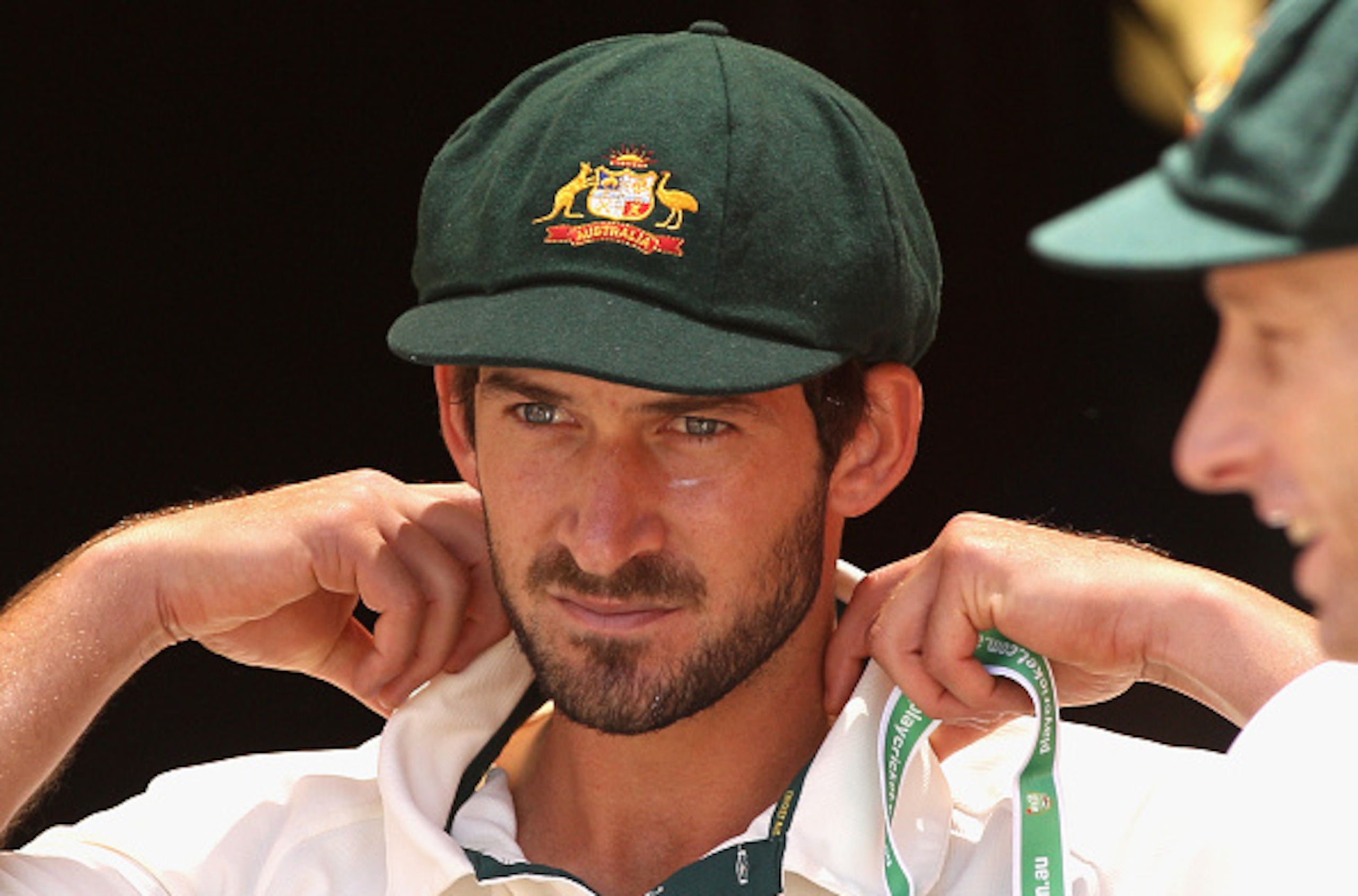
Joe Burns suggested he can be David Warner's new long-term opening partner with a solid series against New Zealand.
The right-hander—whose previous experiences in Test cricket had seen him bat lower down the order—finished up averaging 44.16 from six knocks.
He hit his maiden century in the opening game in Brisbane, as he followed up his first-innings score of 71 with 129 second time around.
Burns—given the first chance to replace the retired Chris Rogers—faded after the fast start, but his displays against the Kiwis should see him get an extended stay in the team.
9. Steve Smith (Australia)
18 of 26
By his own ridiculously high standards, Steve Smith had a mediocre time of it against New Zealand.
The batsman made 138 in the second innings of the second Test at the WACA in Perth, while there was also a half-century in the final Test in Adelaide.
He finished up with just the 281 runs at an average of 46.83. Those numbers knocked down his career mark to 55.34, suggesting he might not be the new Don Bradman after all.
Perhaps more importantly, captain Smith was able to celebrate his first Test series win since taking charge. He will hope for more success when Australia host West Indies next.
8. Josh Hazlewood (Australia)
19 of 26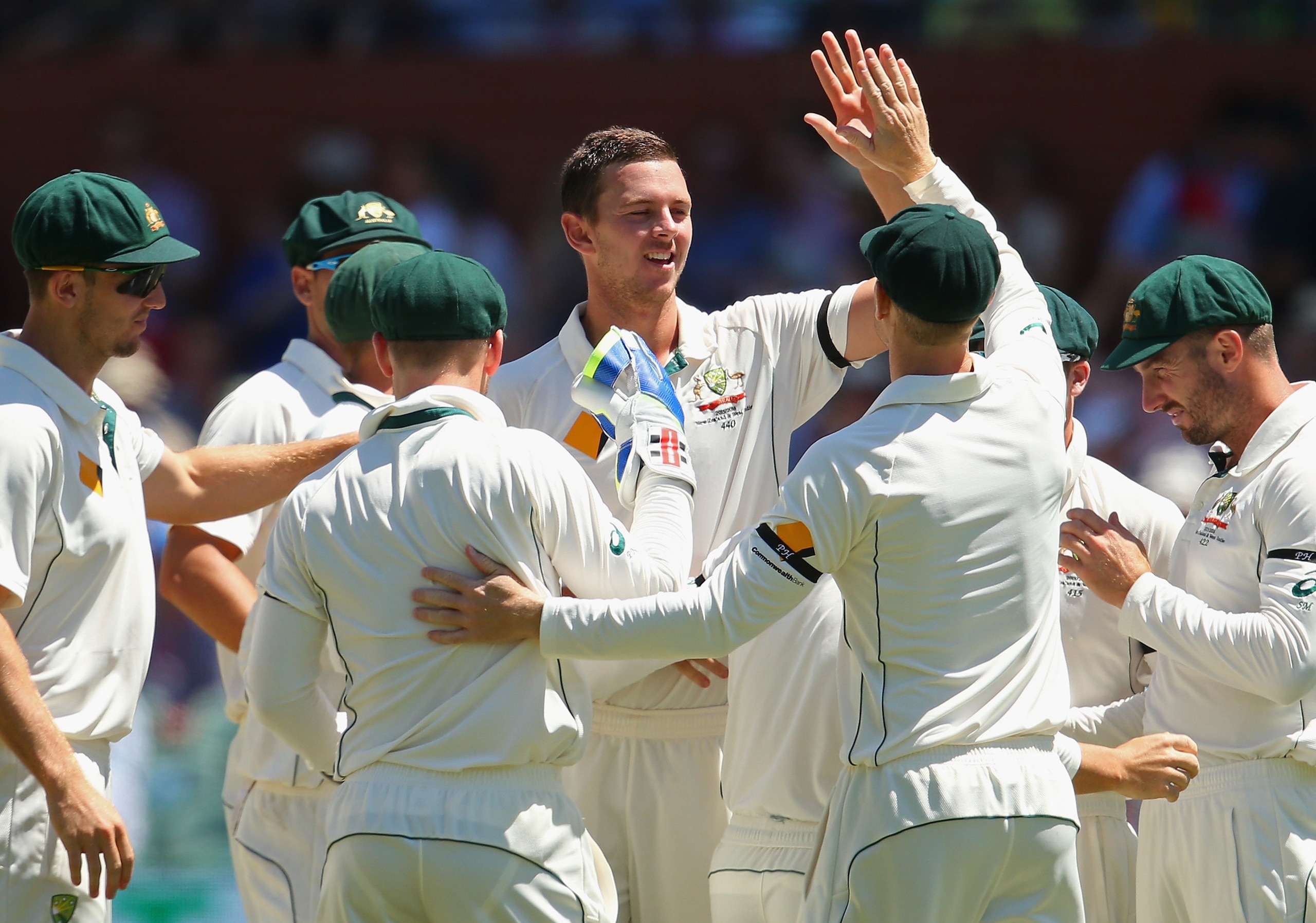
Josh Hazlewood took to day-night Test cricket like a duck to water.
The seamer claimed nine wickets at the Adelaide Oval, including career-best figures of six for 70 in the second innings. His efforts saw him named man of the (floodlit) match.
However, in games played in daylight and with a red ball, Hazlewood wasn't quite so effective for Australia. That's a concern, considering nearly every Test happens to be staged in such conditions.
The 24-year-old's efforts in the finale did boost his final series numbers—he finished with 13 wickets at an average of 31.61.
7. Trent Boult (New Zealand)
20 of 26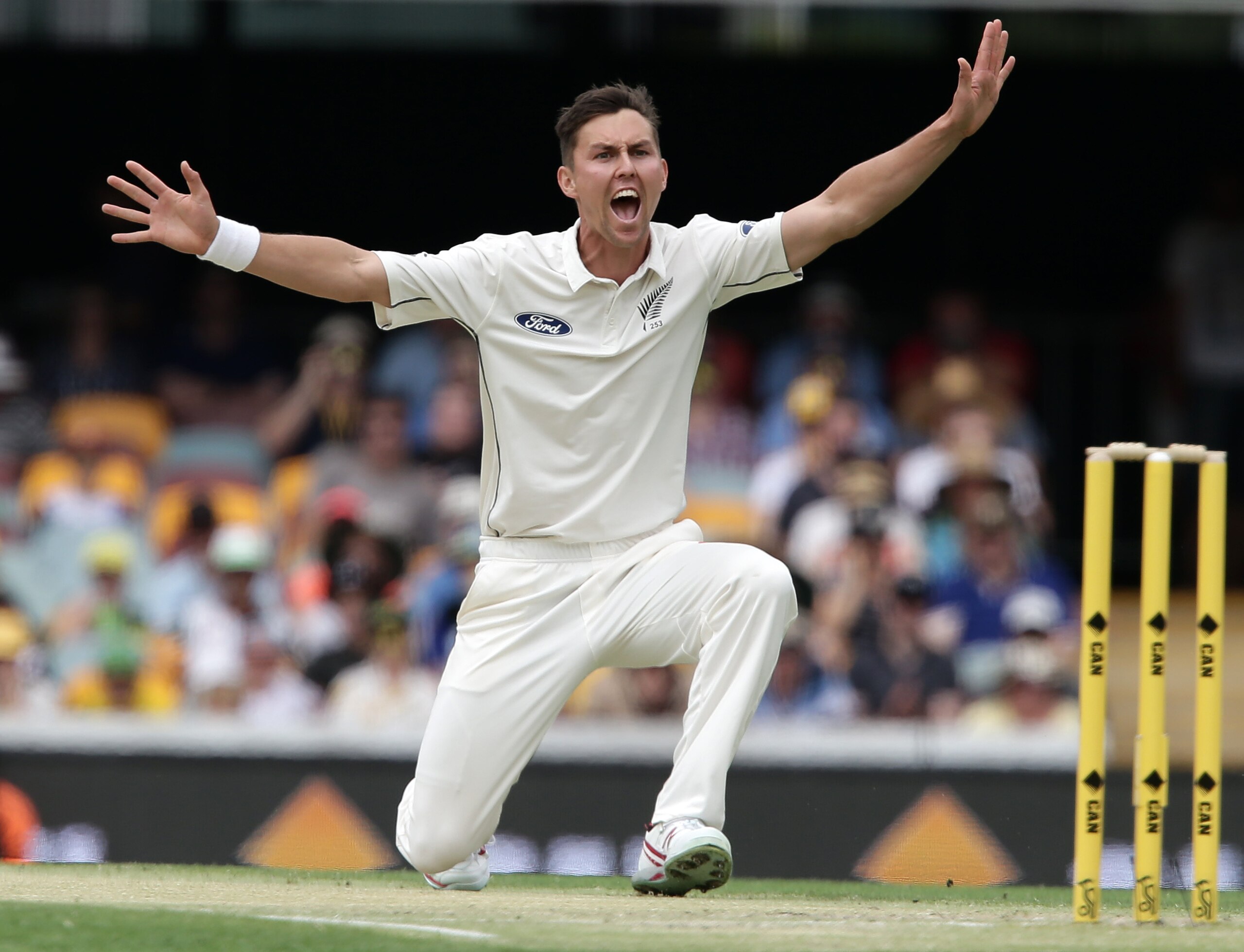
Trent Boult finished as New Zealand's leading bowler in the series—the left-arm seamer picked up 13 wickets at an average of 37.61.
The Black Caps nearly had to do without their spearhead for the final Test, but Boult overcame a back injury in time to play in the day-nighter in Adelaide.
The pink ball seemed to suit the paceman. He claimed a five-wicket haul in the final innings, New Zealand's only one of the series, though he was unable to stop Australia squeezing to a victory target of 187.
Brydon Coverdale of ESPN Cricinfo wrote about Boult's display in a losing cause: "The bowlers at least made Australia work hard for it, Boult especially asking more questions of them than a TV quiz show host."
6. Adam Voges (Australia)
21 of 26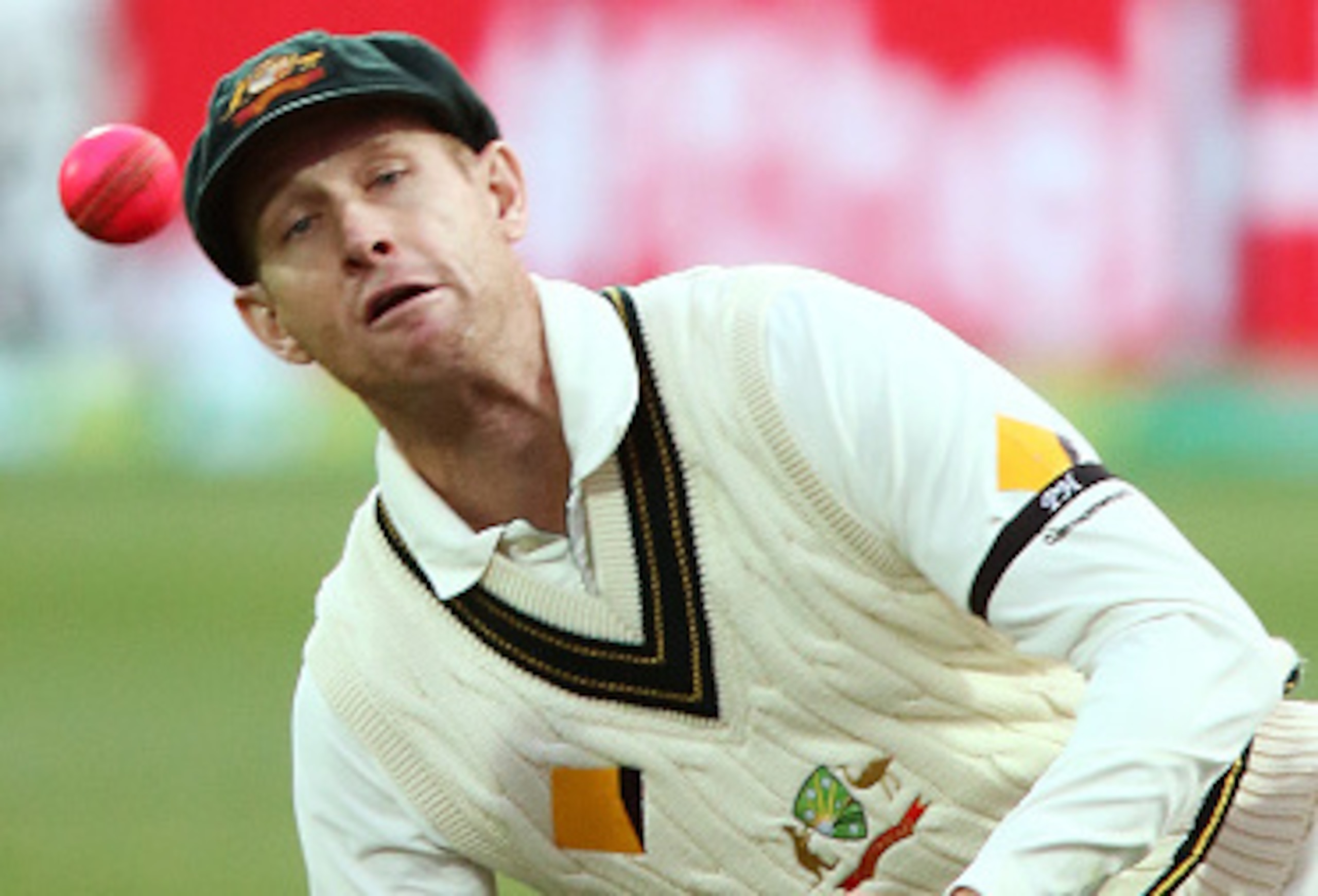
After a mixed Ashes tour of England, Adam Voges might have started the home summer concerned about his long-term future in the Test side.
However, he repaid the faith shown in him by the national selectors, as he scored 285 runs against New Zealand at an average of 71.25.
Batting at five in the order, Voges produced a fine knock of 119 in the second innings of the second match in Perth.
It was a particularly special moment on his home ground for a man who must have feared at one stage that he would never play Test cricket. He did not make his debut in the format until June 2015, at the age of 35.
5. Ross Taylor (New Zealand)
22 of 26
New Zealand's Ross Taylor finished the series with 405 runs—he made 290 of them in one innings.
The right-handed batsman registered the highest score by an overseas player in a Test in Australia—not to mention the third highest by a New Zealander in the format—in the second match in Perth.
There was no sign of what was to come when he made just 26 runs in two knocks in the series opener.
So, what was the reason for Taylor's sudden change in form?
According to Steve James in the Telegraph, it was something as simple as a trip to the opticians. An eye test showed up a problem and, a few drops later, he was seeing it like a football.
4. Mitchell Starc (Australia)
23 of 26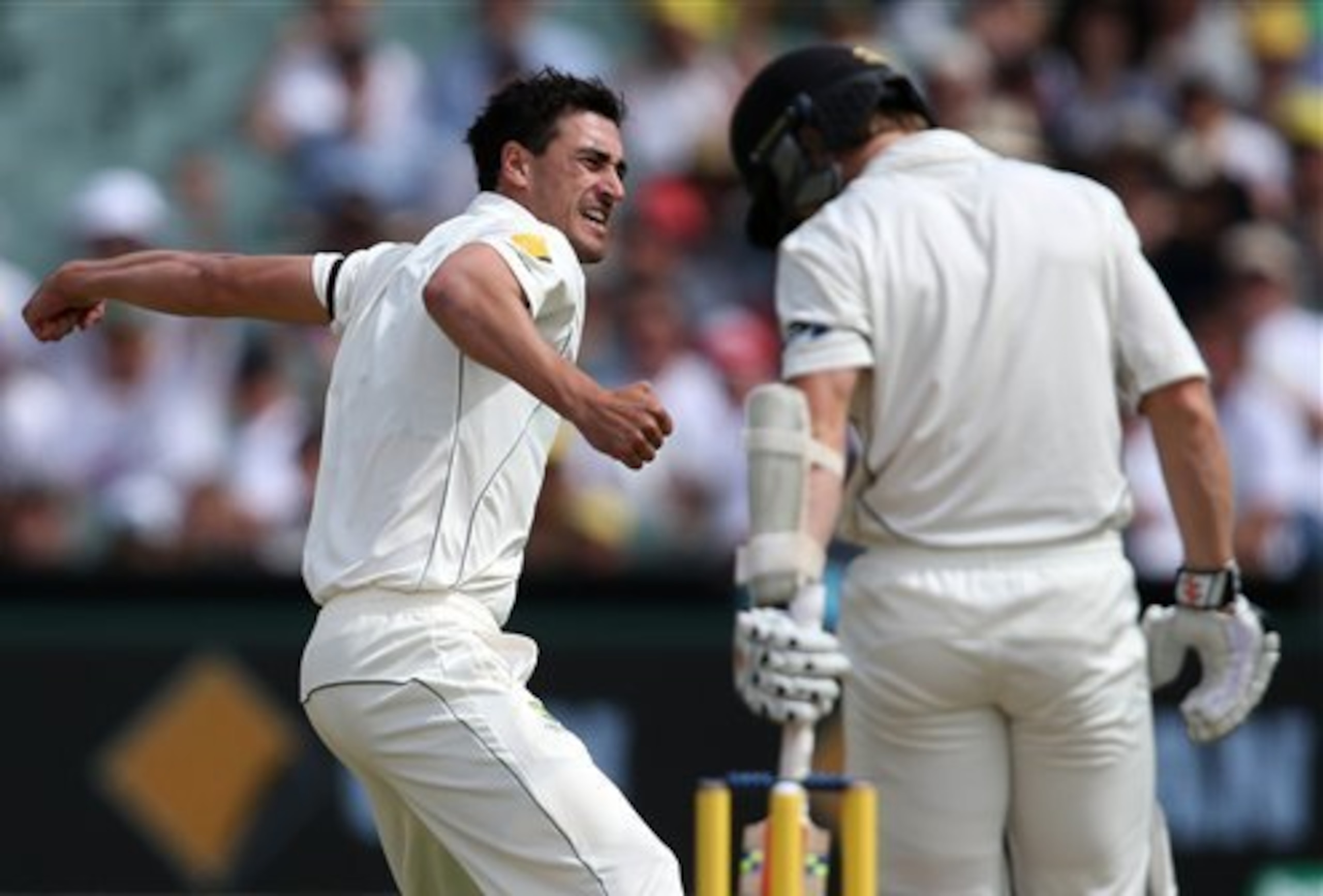
Mitchell Starc looks set to take over from the retired Mitchell Johnson as the spearhead of Australia's bowling attack—at least he will once he's fit to play again.
The left-arm paceman picked up 13 New Zealand wickets at an average of 23.23—those numbers could well have been even better had injury not cut short his participation in the third Test.
Starc suffered a stress fracture of his right foot, though he did come out to bat in the second innings. He hopped the winning runs after coming to the crease with two required for victory.
Now Australia has to wait to see how long they will be minus their main Mitchell.
According to Ben Horne of the Daily Telegraph (h/t Fox Sports), national selector Rod Marsh suggests the bowler "may" be back for the ICC World Twenty20, which takes place in India in March 2016.
That contradicts with earlier reports, with bowling coach Craig McDermott telling ABC Grandstand radio (h/t Daniel Brettig of ESPN Cricinfo): "The good news for us is it's not going to be as long as we thought, so he's going to be out for three weeks and then we can work on him from there."
3. Usman Khawaja (Australia)
24 of 26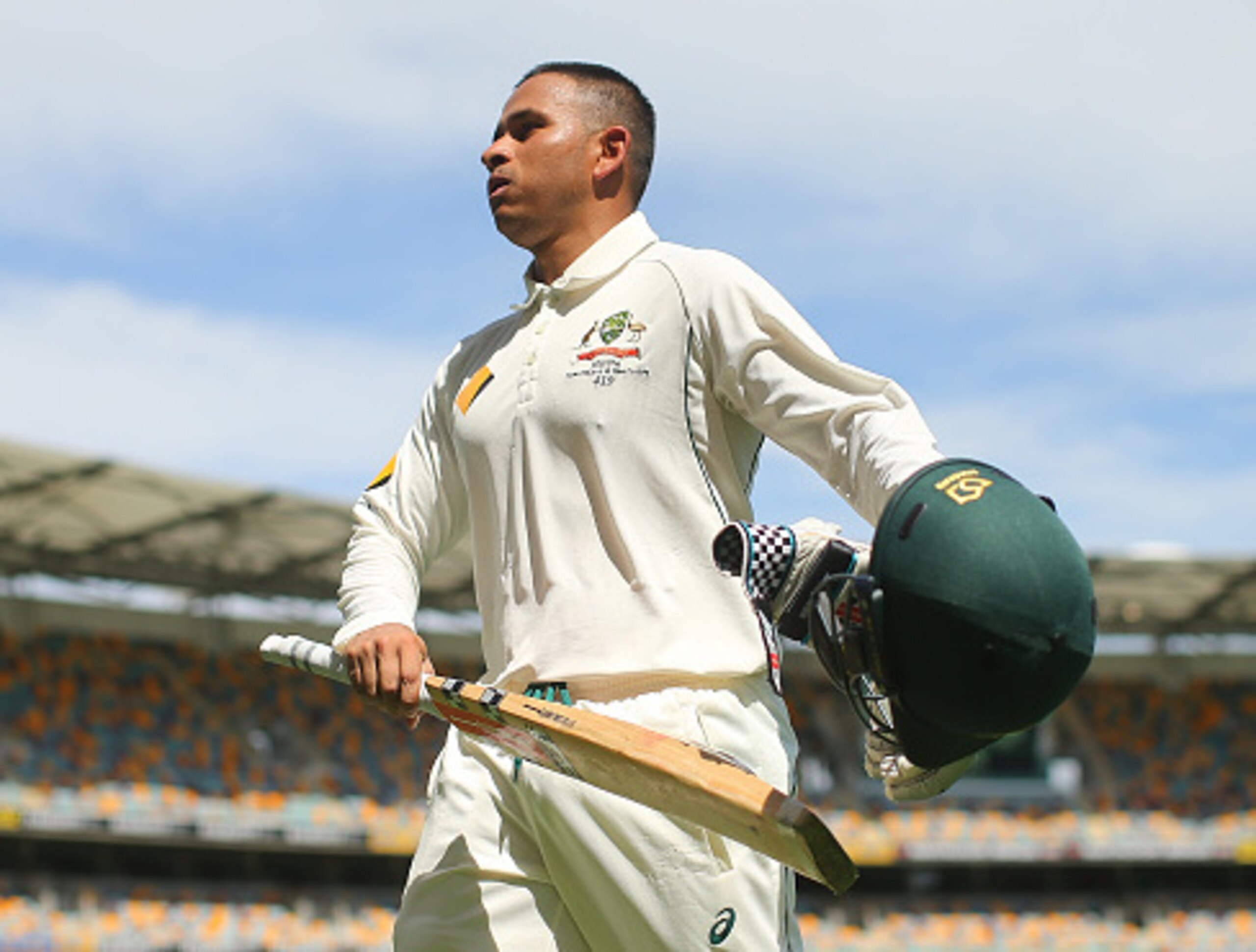
Going into the series against New Zealand, Usman Khawaja had managed two half-centuries in nine Test appearances spread across four different countries.
Picked again to bat at three, it seemed a case of now or never for the 28-year-old.
He responded to the pressure with a fine innings of 171 in the opening Test against Brisbane. To prove it wasn't a flash in the pan, the left-hander hit 121 on Day 1 in Perth.
However, his run of good form was cut short by injury. Khawaja suffered a "moderate" hamstring strain while fielding on Day 2 of the second Test, according to the Brisbane Times.
Despite the premature end, the Pakistan-born batsman still finished as Australia's second-highest scorer in the series. His tally of 304 runs came at an outstanding average of 152.00.
2. Kane Williamson (New Zealand)
25 of 26
Kane Williamson was the outstanding player for New Zealand during the tour.
The right-handed batsman finished the series with 428 runs in six innings. He hit two hundreds and a half-century in the first two Tests.
He was quiet in Adelaide under the floodlights—making only 22 and nine—but his series underlined his position as one of the premier batsmen in the world game.
In the ICC Test rankings, Williamson is currently ranked fourth, behind only England's Joe Root, Australia captain Steve Smith and AB de Villiers of South Africa.
Russell Jackson wrote in the Guardian: "In contrast with the crazed bat windmills and contrived, corporate-backed celebration routines of his contemporaries, there’s an endearingly subtle, almost apologetic wave of the bat to signal each Williamson milestone. Usually he’s too busy steeling himself for the next one."
1. David Warner (Australia)
26 of 26
David Warner tops the rankings after plundering 592 runs in the three-match series.
Australia's new vice-captain recorded back-to-back hundreds in the first Test in Brisbane, then followed up with a career-best 253 in the first innings of the next match in Perth.
According to statistician S Rajesh of ESPN Cricinfo, the opener's tally is the fourth most in any series of three Tests or fewer: "The only batsmen who have scored more are Graham Gooch (752 against India, 1990), Brian Lara (688 against Sri Lanka, 2001-02), and Mohammad Yusuf (665 against West Indies, 2006-07)."
For a man who made his name for his exploits in limited-overs cricket, Warner now boasts a ridiculously healthy Test average of 50.48.
Do you agree with Warner being first on the list? Has someone been wronged in the rankings? Have your say via the comments section.
All statistics used in the slideshow were from ESPN Cricinfo.



.jpg?w=2560 "2 NFL Officials Suspended")

.jpg?w=2560 "Viral Rams Coach Vid 🖕")