
Biggest International Sports Scandals of the Past Decade
American sports fans know about Deflategate and Lance Armstrong, but the international sports scene has faced several major controversies over the past decade as well.
Maurice Fitzgerald of Ireland wrote in a letter to the Guardian, "It is difficult to see how international sport has any credibility any longer, given the litany of doping scandals that continue to hit the headlines."
In light of the ongoing FIFA scandal and recent cheating allegations in Russian athletics, perhaps some additional background information on that quote is warranted.
The following, listed chronologically, were (and some continue to be) major controversies in the global sports landscape over the past 10 years.
2006-Present: Doping in Cycling
1 of 12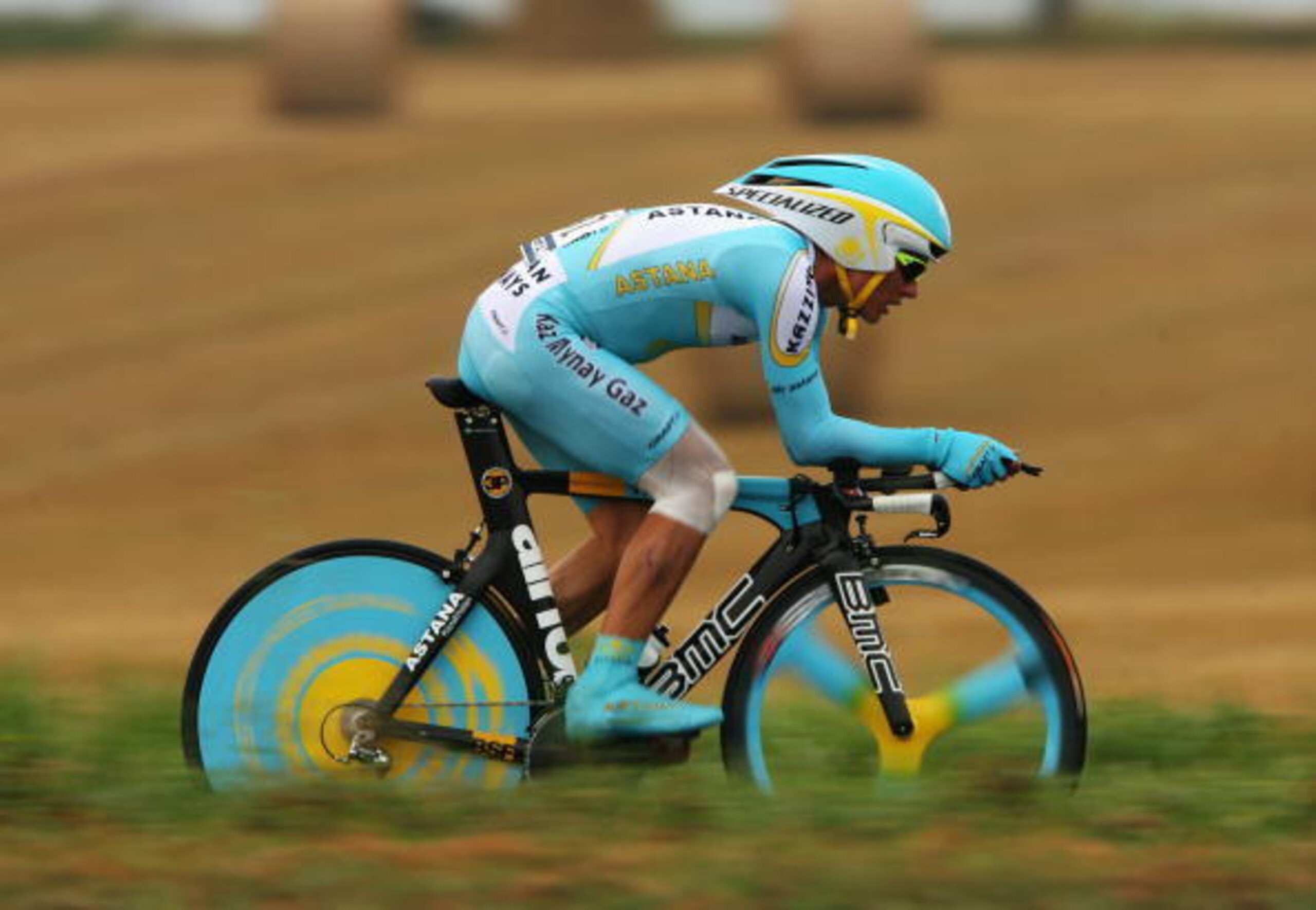
Most American sports fans are undoubtedly aware of the cheating scandal involving Lance Armstrong. However, doping allegations in cycling have spread far beyond the dethroned Tour de France legend.
In 2006, a doping probe dubbed "Operacion Puerto" conducted by Spanish investigators named 56 cyclists in conjunction with disgraced doctor Eufemiano Fuentes. In 2007, Kazakh cyclist Alexander Vinokourov tested positive for blood doping and faced a two-year ban from the sport.
Despite these and other highly publicized cases, it appears doping is still a substantial issue in cycling. In May, the Cycling Independent Reform Commission (CIRC) released a report to that effect. Per Tom Cary of the Telegraph, one rider interviewed for the report suggested "90 percent of the peloton is still doping in one form or another today."
While not all interviewed riders agreed with that figure, concerns still exist among athletes regarding the manipulation of blood passports and a rule that prohibits testing at night.
2008: Chinese Gymnasts
2 of 12
The Chinese gymnasts represented a big scandal, until they didn't. Leading up to the 2008 Summer Olympics in Beijing, the announcement of the host nation's women's team spawned suspicion about the age of several members. At that time, it was thought some athletes might be under the required minimum age of 16.
Chinese officials cooperated, but the scandal endured throughout the Games, even as the Chinese team won a gold medal. Several weeks later, the International Gymnastics Federation found the allegations to be unsubstantiated.
It's worth noting the age of a few gymnasts wasn't the only scandal at those Beijing Games. Controversy surrounding human rights issues and pollution also abounded.
2008: Formula 1 'Crashgate'
3 of 12
Formula One came under fire after a Renault driver admitted to intentionally crashing at the 2008 Singapore Grand Prix.
The driver, Nelson Piquet Jr., crashed on the race's 14th, lap, according to Martin Williamson of ESPN.co.uk, necessitating the safety car. Piquet's teammate, Fernando Alonso, eventually won the race.
After Piquet was released from the team in 2009, he told the Federation Internationale de l'Automobile he had been directed to crash intentionally. Two Renault executives, managing director Flavio Briatore and executive director of engineering Pat Symonds, were disciplined, and Renault was suspended from F1 for two years.

.jpg?w=2560 "Cardinals Giants Football")
2009: 'Bloodgate'
4 of 12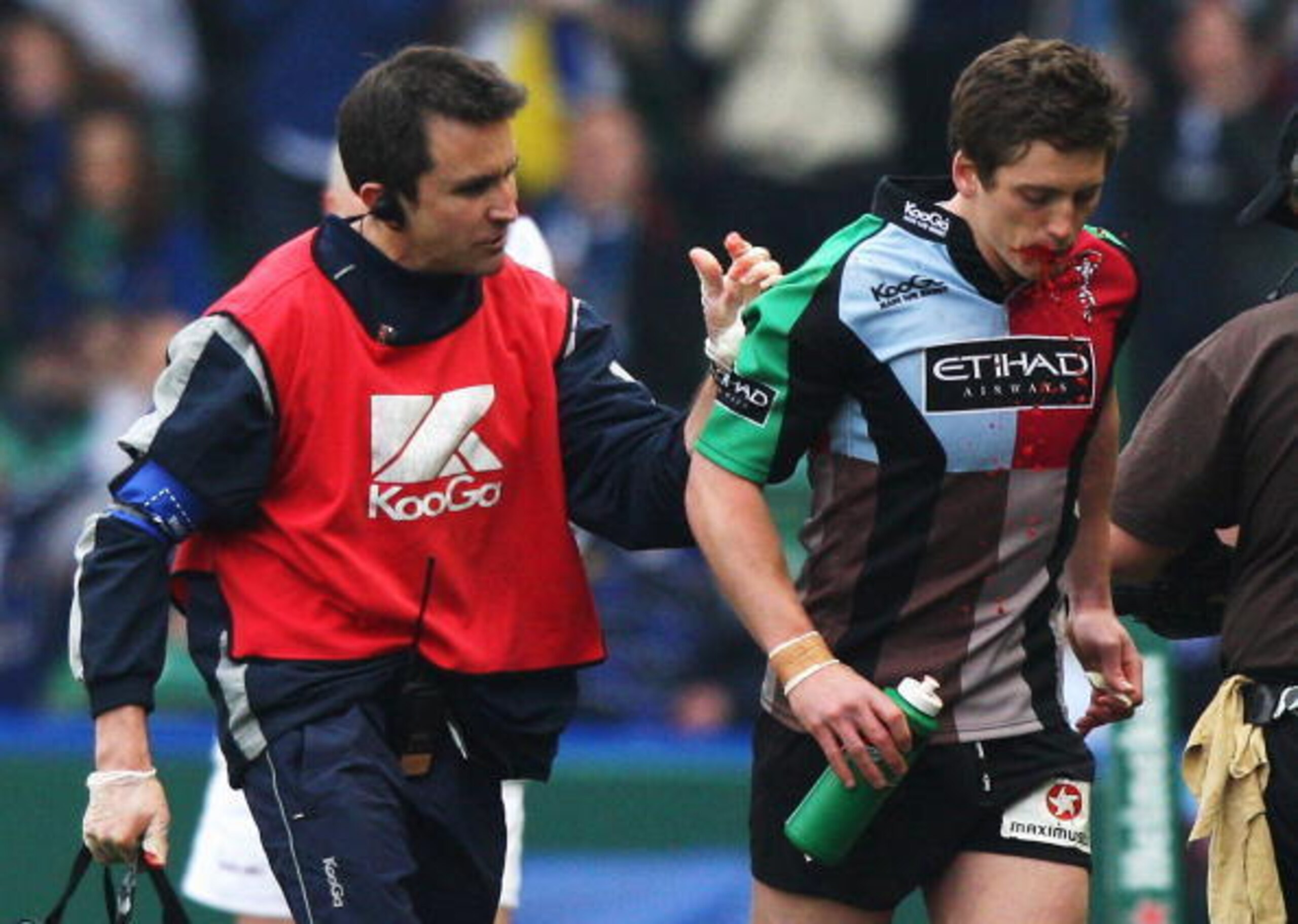
In April 2009, Harlequins and Leinster met in the quarterfinal of rugby's Heineken Cup. Nick Evans of Harlequins left the game due to injury but was able to return when Tom Williams later suffered an injury as well.
The thing was, Williams wasn't actually injured. He used a fake blood capsule to feign a cut lip, thereby facilitating Evans' return to the match, per Mick Cleary of the Telegraph.
Williams received a one-year ban from the European Rugby Cup, and coach Dean Richards eventually resigned. After further investigation, Williams' penalty was reduced to four months, and Richards was banned for three years.
And oh, by the way, Leinster won the match anyway, 6-5.
2009: Match-Fixing in European Football
5 of 12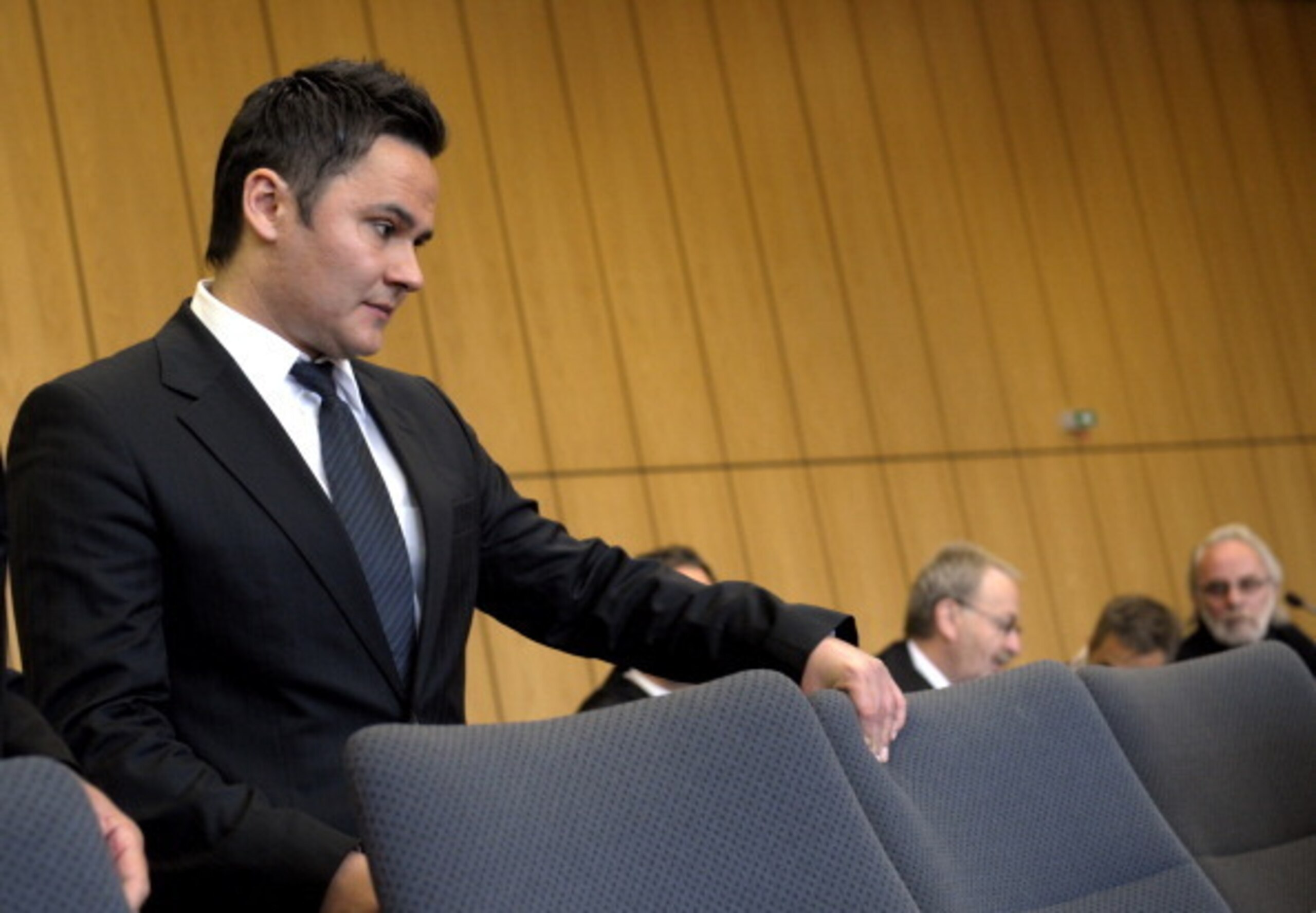
In 2009, German police investigating organized crime stumbled onto one of the largest match-fixing scandals in European football history.
According to Owen Gibson of the Guardian, the operation allegedly spanned across nine countries and affected around 200 matches. While none of the matches included those of the British, French, Spanish or Italian leagues, three Champions League and 12 Europa League matches were suspected.
Host countries of suspected matches included Germany, Belgium, Switzerland, Turkey and Croatia. At the time, then-head of disciplinary services for UEFA, Peter Limacher, said, "…we are deeply affected by the scope of game manipulations by international gangs," per Gibson.
The leader of a Croatian gang, Ante Sapina, was sentenced to jail in 2011 for his involvement. UEFA also instituted the Betting Fraud Detection System to help combat corruption in the sport.
2010: Spot-Fixing in Cricket
6 of 12
In 2010, three members of the Pakistan cricket team were accused of taking money to fix a Test match against England.
The athletes— Salman Butt, Mohammad Amir and Mohammad Asif—were found to have intentionally committed infractions called no-balls, an offense that constitutes spot-fixing.
The scheme was revealed by the now-defunct UK newspaper, the News of the World, according to Alexis Akwagyiram of BBC News. The paper organized a sting operation and extracted information from a cricket agent, Mazhar Majeed, who helped organize the fixing.
All three cricketers were found guilty by the International Cricket Council, and all three received substantial bans from the sport. In addition, Majeed and the athletes were criminally charged, convicted and sentenced to jail. (The sentences varied from six months to over two years.)
Note: In 2013, three Indian cricketers were accused of similar offenses, but the charges against them were officially dropped in July "due to lack of evidence," per BBC News.
2011: Match-Fixing in Turkey
7 of 12
Turkish games were suspected in the 2009 match-fixing scandal that spanned European football. In 2011, the country had its own problem.
A widespread match-fixing scandal allegedly involving players, officials and executives rocked Turkish football. According to the Hurriyet Daily News, a total of 93 people were charged with crimes ranging from influencing matches to bribery and forming a criminal gang.
Two clubs, Fenerbahce and Besiktas, received season-long bans from competition. Fenerbahce president Aziz Yildirim was sentenced to over six years in prison for his involvement, but he was eventually released on appeal. In October, Yildririm and 35 other defendants were acquitted of charges after a retrial.
2014: LGBT Rights in Sochi
8 of 12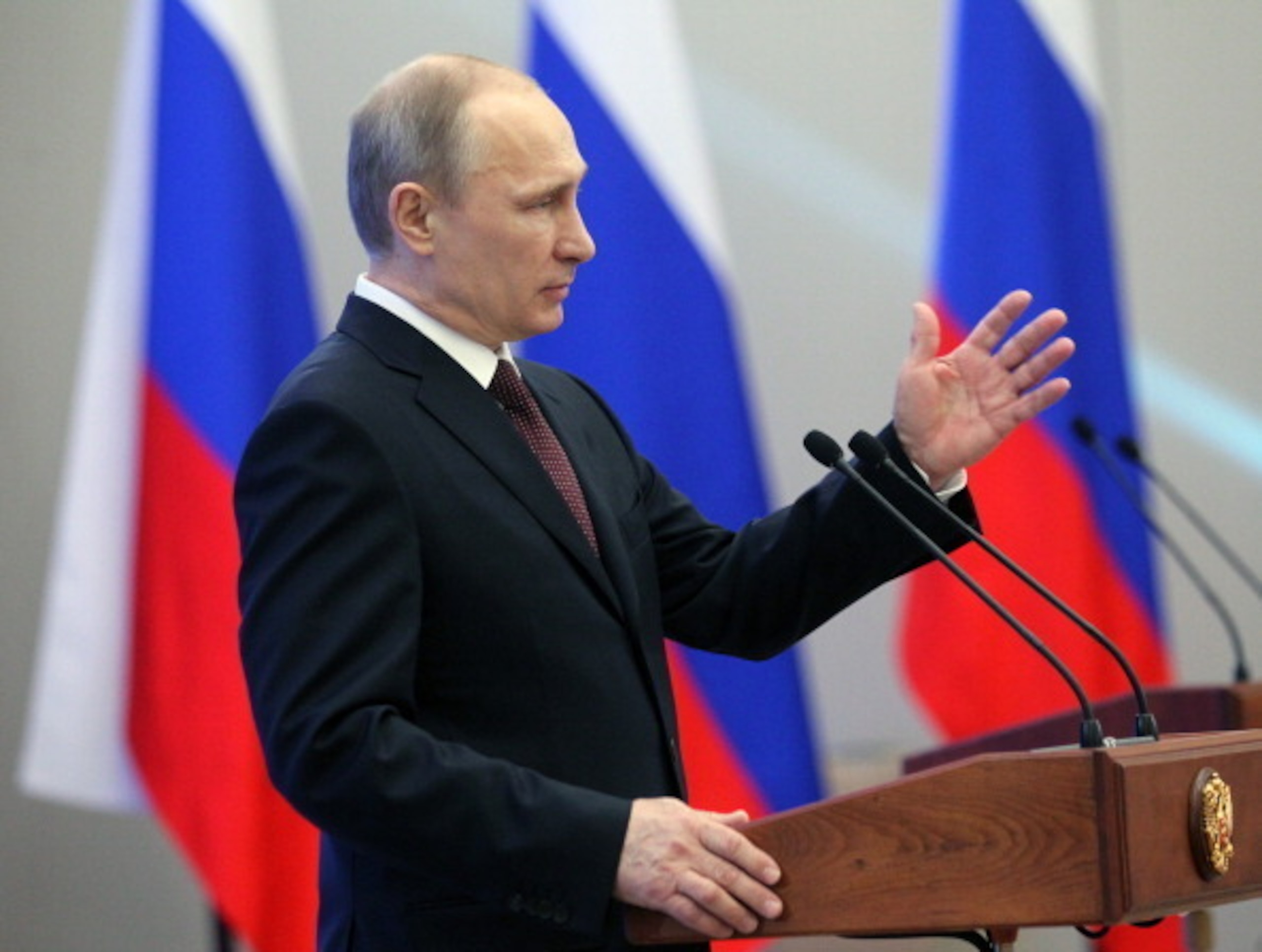
In June 2013, Russia passed a law that forbade "propaganda of non-traditional sexual relations" amid minors.
The law caused an international outcry, particularly since Russia was scheduled to host the 2014 Winter Olympic Games in Sochi.
In January 2014, Russian President Vladimir Putin said, "We don't have a ban on non-traditional sexual relations. We have a ban on the propaganda of homosexuality and pedophilia," according to BBC News.
Gay and LGBT rights protests materialized all over the world, and some even called for boycotts of the Games. And although the controversy was never given as a reason for their absence, several major world leaders, including President Obama and British Prime Minister David Cameron, declined to attend the Games.
Runner up for biggest controversy in Sochi: The athlete living conditions.
2014-Present: Doping in Rugby
9 of 12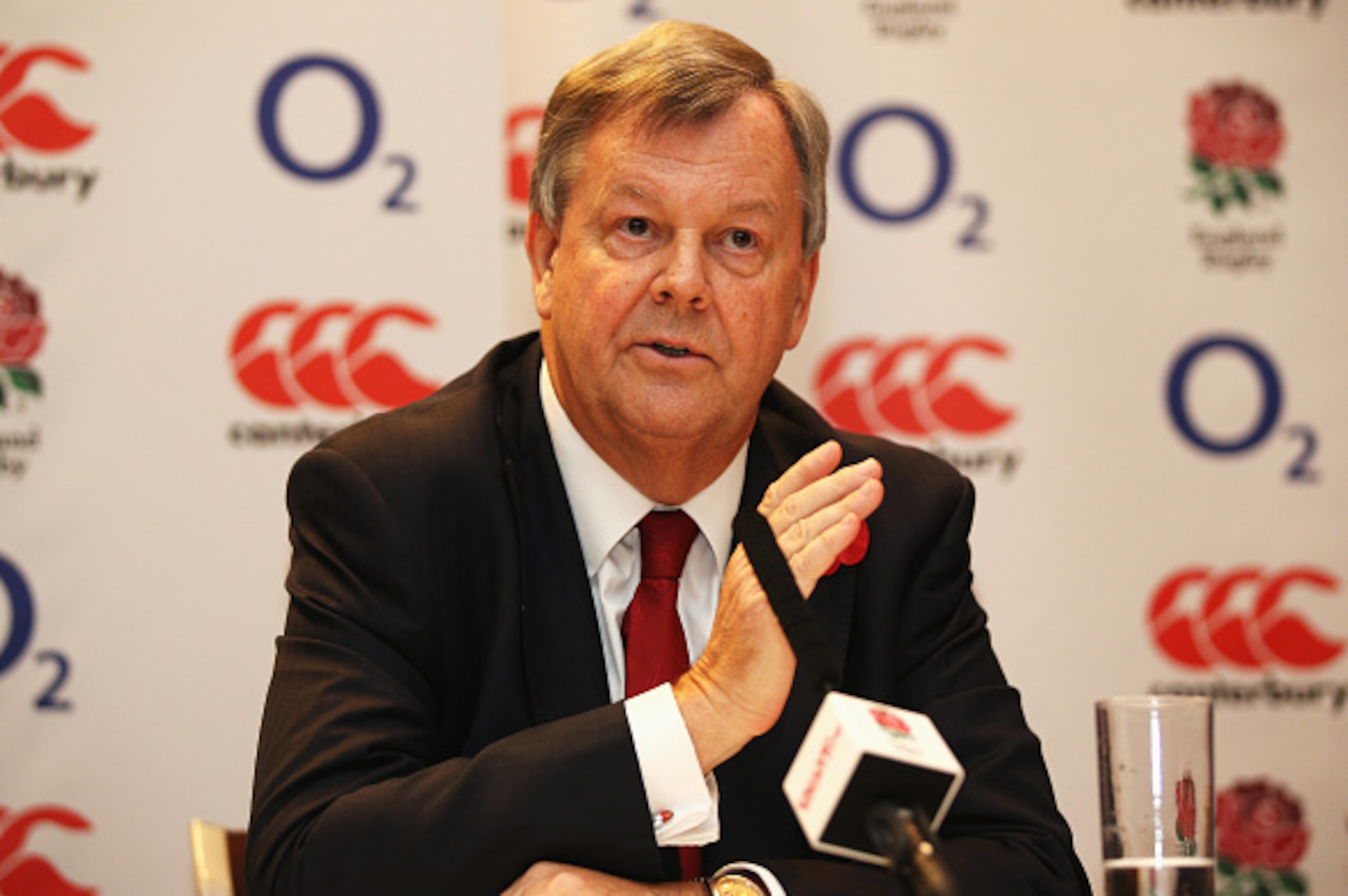
International rugby is in the midst of its own kind of steroid era, and although the sport at large acknowledges the issue, it is far from over.
In December 2014, Rugby Football Union chief executive Ian Ritchie said, "Whichever way you look at it I think there is recognition that there is a problem," according to Sam Peters and Matt Lawton of Mail Online.
Ritchie made that comment after Nick Clancy become the 10th player in a year suspended for doping in the UK. Less than a year later, Matt Slater of BBC Sport reported testing has increased, but there are still questions and differing opinions regarding the extent of the issue. One anonymous anti-dopting expert compared rugby to cycling.
Per Slater, the expert said, "That is what made cycling so vulnerable: young guys, desperate to stand out in a team environment, where the advantage to be gained from doping would be enough to ensure a career. Is rugby any different? The physiology is but the concept is the same."
In November, two Welsh players were suspended on doping charges, becoming the ninth and 10th Welsh players currently banned.
2015: Gambling in Japanese Baseball
10 of 12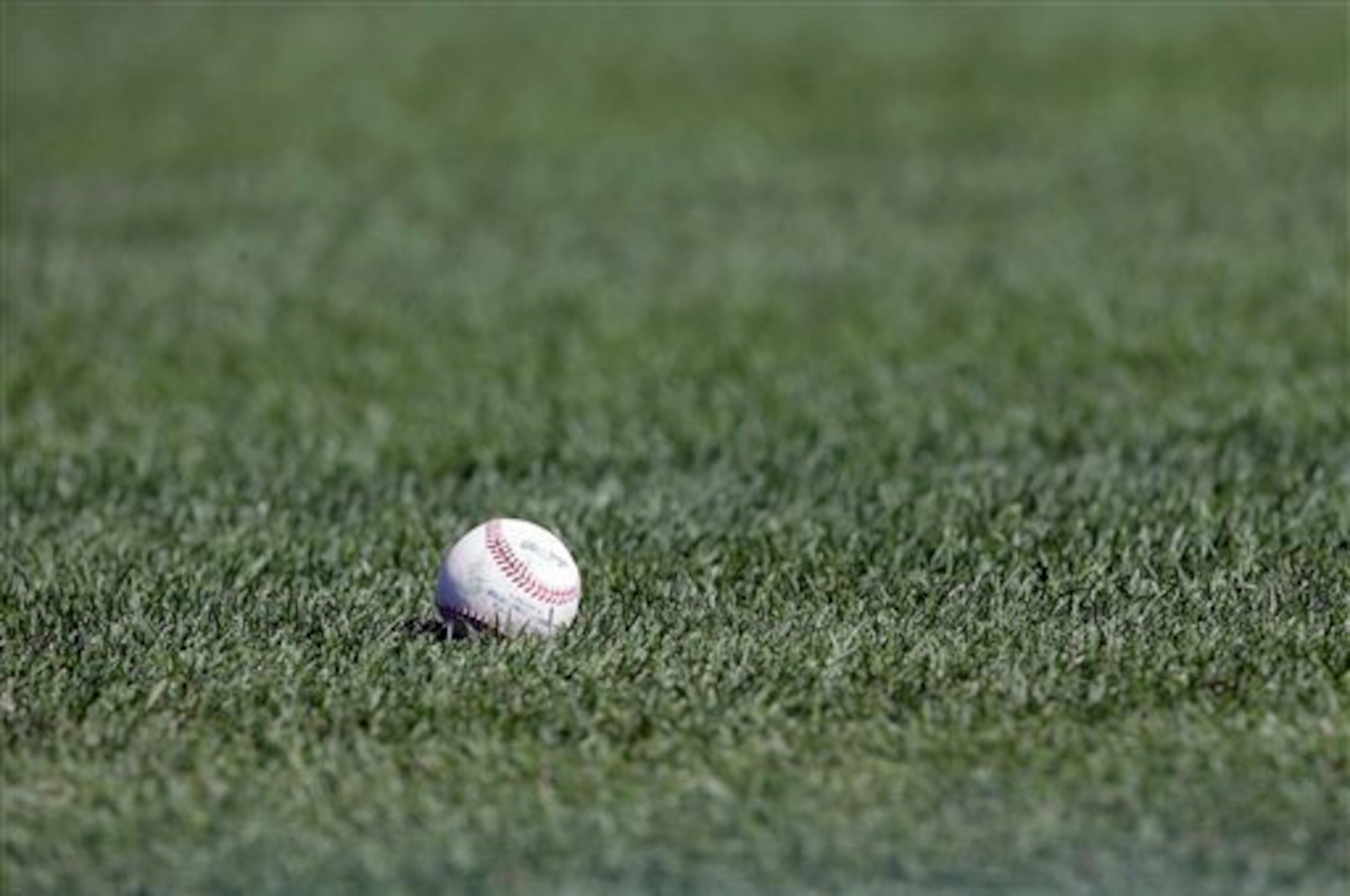
Major League Baseball in America has certainly had its fair share of scandal—the Black Sox, Pete Rose, the steroid era. Still, imagine if three MLB pitchers on one team were found to have gambled on pro baseball, and then imagine the news broke right before the World Series.
That's exactly what happened in Japan. In October, news emerged of a gambling scandal in Japanese baseball. Investigations conducted by Nippon Professional Baseball concluded three pitchers for the Yomiuri Giants had wagered on professional games: Satoshi Fukuda, Shoki Kasahara and Ryuya Matsumoto.
It is illegal to wager on professional sports in Japan, and though Kasahara and Matsumoto admitted to gambling, they denied fixing games, per Cindy Boren of the Washington Post. Fukuda didn't play in high-level games and therefore could not have participated in fixing.
Agence France-Presse reported all three players were suspended for "an indefinite period."
2015: FIFA Corruption
11 of 12
Considering all the allegations that have plagued European football, perhaps it was only a matter of time before the game's international governing body came under fire.
In May, several key FIFA officials were arrested by the U.S. Justice Department on corruption charges including bribery and racketeering. Over the next several months, major questions emerged, relating to, for instance, the legitimacy of World Cup site selections and the awarding of broadcast rights.
After some back and forth regarding his possible resignation, embattled FIFA President Sepp Blatter was suspended in October, along with his once-likely successor Michel Platini and secretary general Jerome Valcke, per Owen Gibson of the Guardian. Blatter is also facing a criminal investigation in his native Switzerland.
Alexandra Wrage, a former member of FIFA's Independent Governance Committee, told Ben Rumsby of the Telegraph:
"It really was the closed nature of the organisation, the incredible sense that they were a power unto themselves. Not only did people not have the authority to come in and investigate the way they were handling their growing resources, but it was really "none of their business". Blatter likes to keep it in the Fifa family. When we proposed independent members on the executive committee, the response wasn't just disinterest, it was horror.
"
2015: 'State-Sponsored Doping' in Russia
12 of 12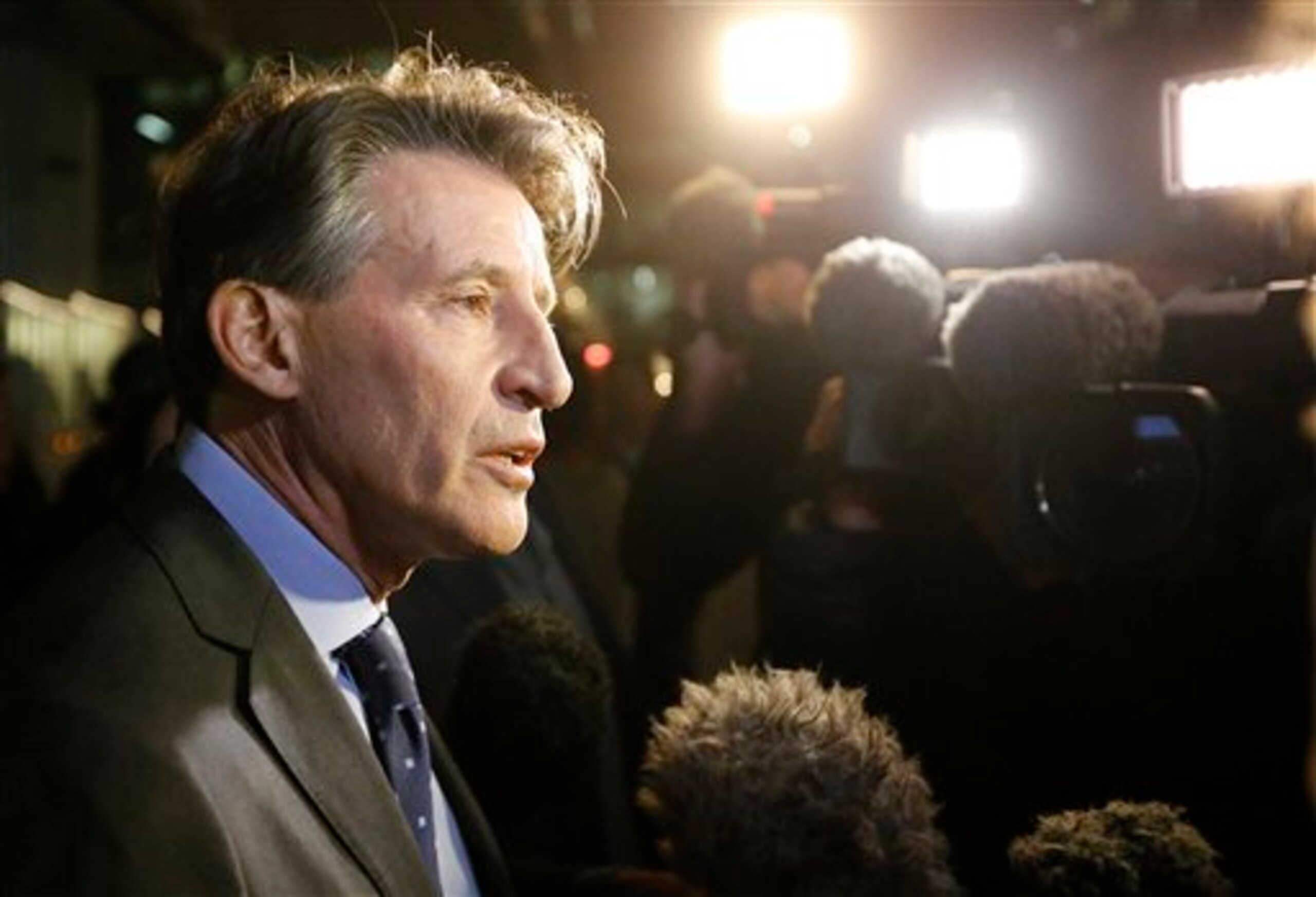
In early November, a report from the World Anti-Doping Agency (WADA) revealed evidence of "state-sponsored doping" across Russian athletics, according to Chris Murphy of CNN. The report also stated the existence of a "deeply rooted culture of cheating at all levels."
Shortly thereafter, the International Association of Athletic Federations (IAAF) suspended Russian athletes from international competitions for the time being, a move that could eventually include the 2016 Olympic Games in Rio.
IAAF President Lord Coe told BBC Sport, "This is a wake-up call for all of us. … I am wholly focused on the changes that need to be made. I have openly conceded that we need to learn some very tough lessons."
In the midst of all this, Coe and the IAAF have come under fire as well. The organization has been criticized for its handling of doping allegations, and Coe is being investigated for a possible conflict of interest related to his association with Nike.
.jpg?w=2560 "Titans Giants Football")



.jpg?w=2560 "Ward Nearly Walks Out of Presser 😳")
.jpg?w=2560 "Tyreek makes another cryptic post amid Chiefs rumors")