

Susie Wolff's Retirement Highlights Challenges That Remain for Female Drivers
It may seem counterintuitive, but the retirement of Susie Wolff—the only woman to have driven a Formula One car on a grand prix weekend in the last two decades—does not alter the chances of another female driver starting an F1 race.
In fact, there is no impact at all, as we have known since March that Wolff was not going to be the one to break through and line up on the starting grid.
When Valtteri Bottas was injured in Australia and there was speculation he might not be able to race in Malaysia, deputy team principal Claire Williams (ironically, one of the highest-ranking women in the sport) went out of her way to tell the BBC that Wolff would not take his place. Soon after, the team signed former Force India and Sauber driver Adrian Sutil, whose F1 career has been the definition of mediocre.

.jpg?w=2560)

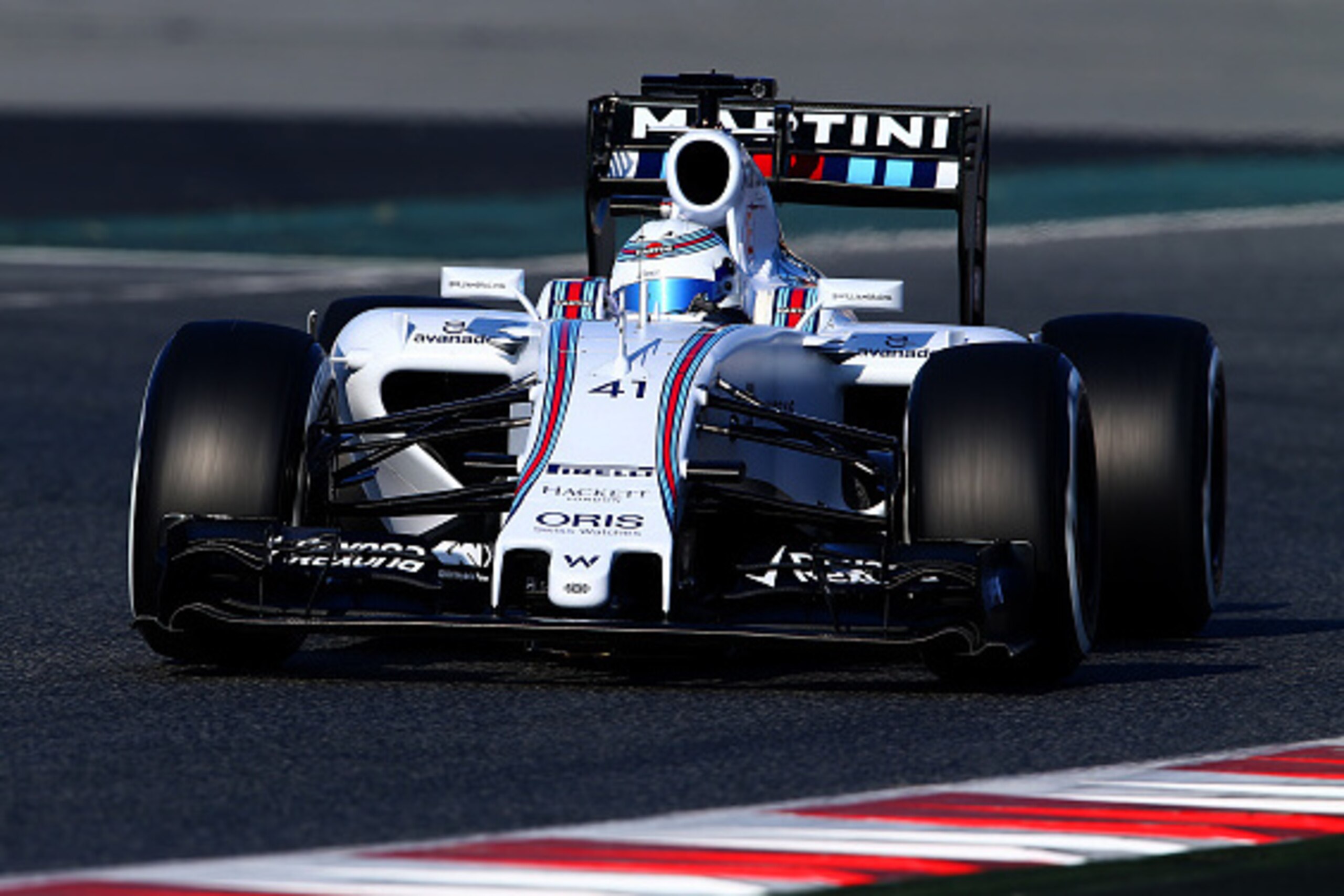
The chances of a female driver starting an F1 race in, say, the next five years were the same the day before and the day after Wolff retired: not very good.
And that is unfortunate, because there are some talented female racers out there.
Simona de Silvestro put her IndyCar career on hold last year to take a shot at F1. Unfortunately, as with many other drivers, she didn't have the funding to stay in the sport.
That is surprising, as De Silvestro comes from a wealthy country (Switzerland) and demonstrated throughout her career that she is more than capable of racing with the boys. You would think sponsors and teams would be lining up to associate themselves with her—but that didn't happen.
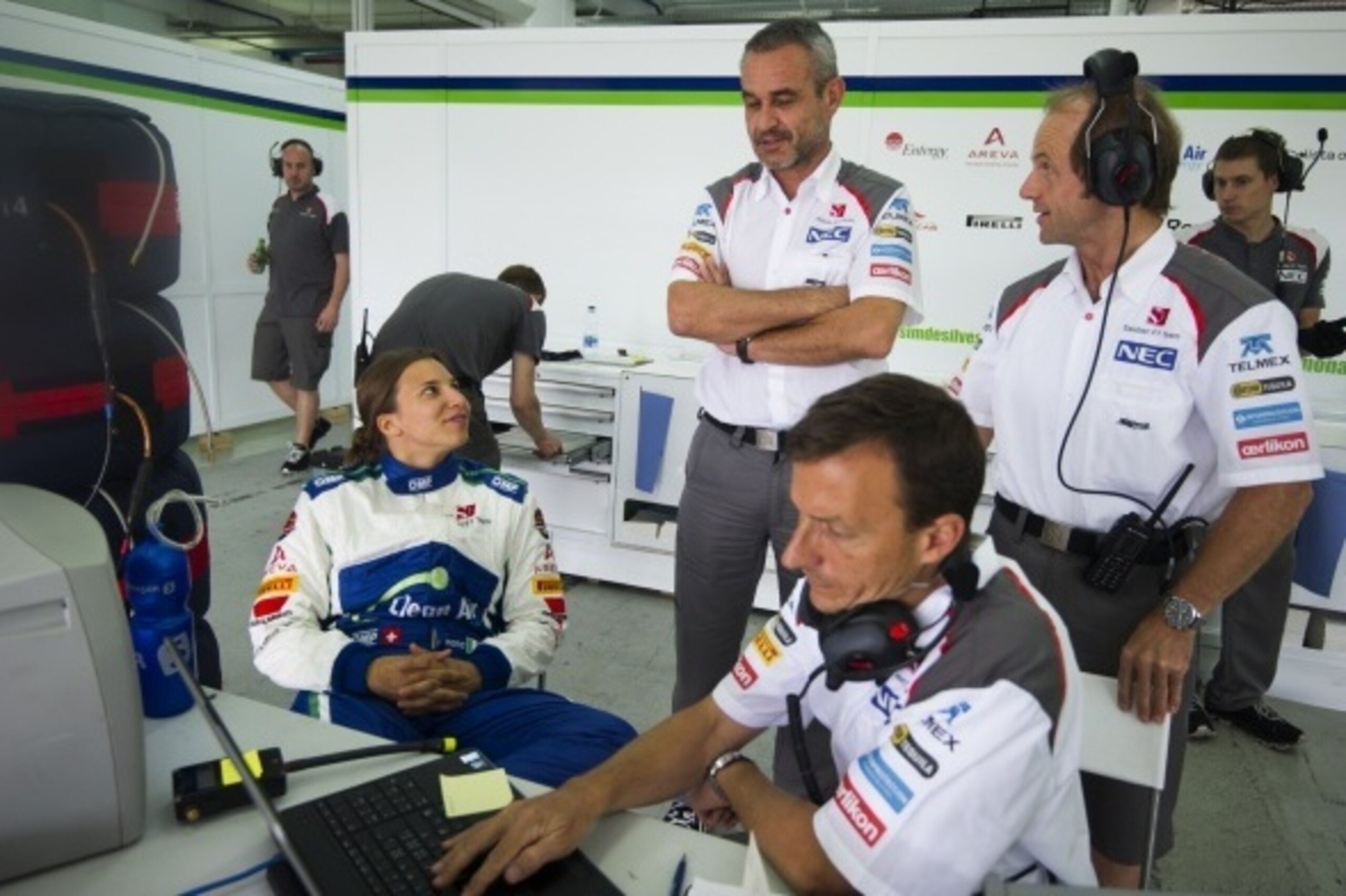
As I wrote earlier this year, though, "It is surprising that teams have not spent more time identifying talented young girls and nurturing their careers the way they do with young male drivers. There will be huge marketing benefits for the team that does bring a successful female racer into F1."
The only conclusion is that, as Wolff wrote in her retirement message on the Huffington Post, "There were those who wanted it to happen. Those who didn't."
Those who didn't clearly have the upper hand right now.
But eventually a female driver will come along who makes it impossible to ignore her. Most current F1 drivers—even the so-called pay drivers—were consistent winners in the lower formulas. The next female F1 driver will need the same pedigree.
Wolff did not have it. In fact, she hadn't raced single-seaters at all since 2005, followed by seven largely unsuccessful seasons in DTM (German touring cars).
As NBC F1 reporter Will Buxton noted on his personal blog, Wolff's "junior career in no way merited a promotion to an F1 development driver role on skill alone."
Likewise, Lotus' development driver Carmen Jorda is nothing more than a publicity stunt, despite ostensibly being the closest woman to an F1 seat after Wolff's retirement. She raced for three years in GP3 and scored a grand total of zero points. And it wasn't the car's fault—Dean Stoneman took over her seat for the last two rounds of the 2014 season and won both feature races.
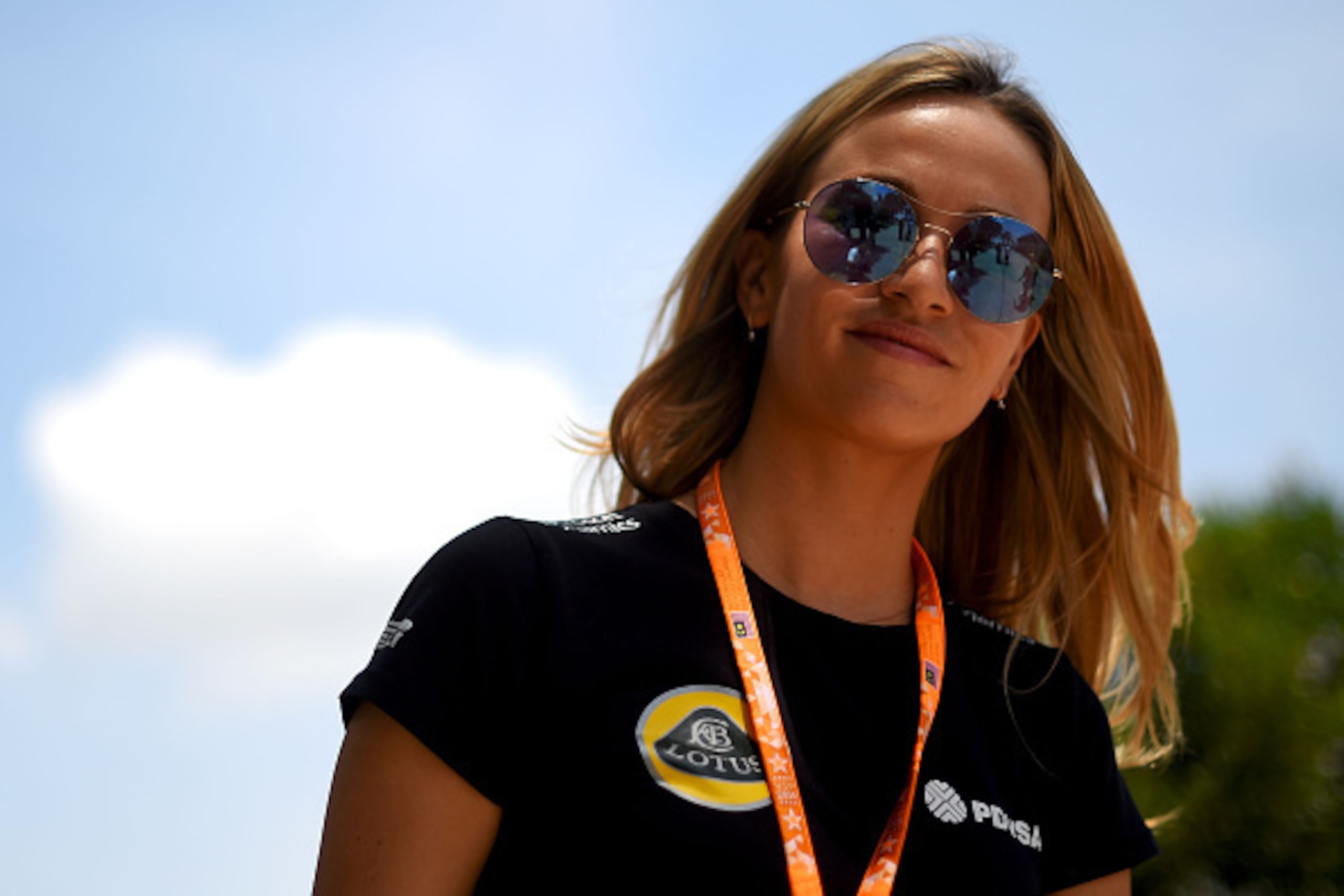
The next female F1 driver will have to make her way into the sport the same way male drivers do—by demonstrating her talent on the race track and collecting enough sponsors to keep her behind the wheel.
It is a difficult path, but help could be on the way. Wolff wants to help the next generation of girls get involved in motorsport, telling Sky Sports' William Esler, "I want to launch an initiative with the MSA, the UK's governing body of motorsport, and we want to show that motorsport is accessible, it is not just a sport for boys and that is going to involved some key events and going into schools and making it more accessible."
Wolff may not have been able to take the final step into an F1 race seat, but she has blazed a trail that other young women will be able to follow to the top of the motorsport world.
Follow me on Twitter for updates when I publish a new article and for other (mostly) F1-related news and banter:
.jpg?w=2560 "Rams Eagles Football")

.jpg?w=2560 "Injury-stricken Seahawks signing veteran RB")

.jpg?w=2560 "Bijan's INSANE 1st Half 🤩")
