

What Will England's Rugby Team Look Like in 12 Months' Time?
England will embark upon a problematic road to recovery in the wake of their dismal Rugby World Cup 2015 campaign, leaving many an open-ended question as to how the team might transform from this moment.
That's in part due to the fact it's so difficult to ascertain where it all went wrong for the tournament hosts; was it a relatively simple case of selection gone awry, or were there more deep-rooted issues in play?
BBC Sport broke the news on Wednesday that Stuart Lancaster had agreed to step down from his role as coach, the first sign that big changes are afoot.

.jpg?w=2560)

The Rugby Football Union has denied reports Australia coach Michael Cheika is being pursued to replace Lancaster, per the Telegraph's Gavin Mairs, while Sam Burgess's return to rugby league brings an end to one of the strangest experiments in the sport's history.
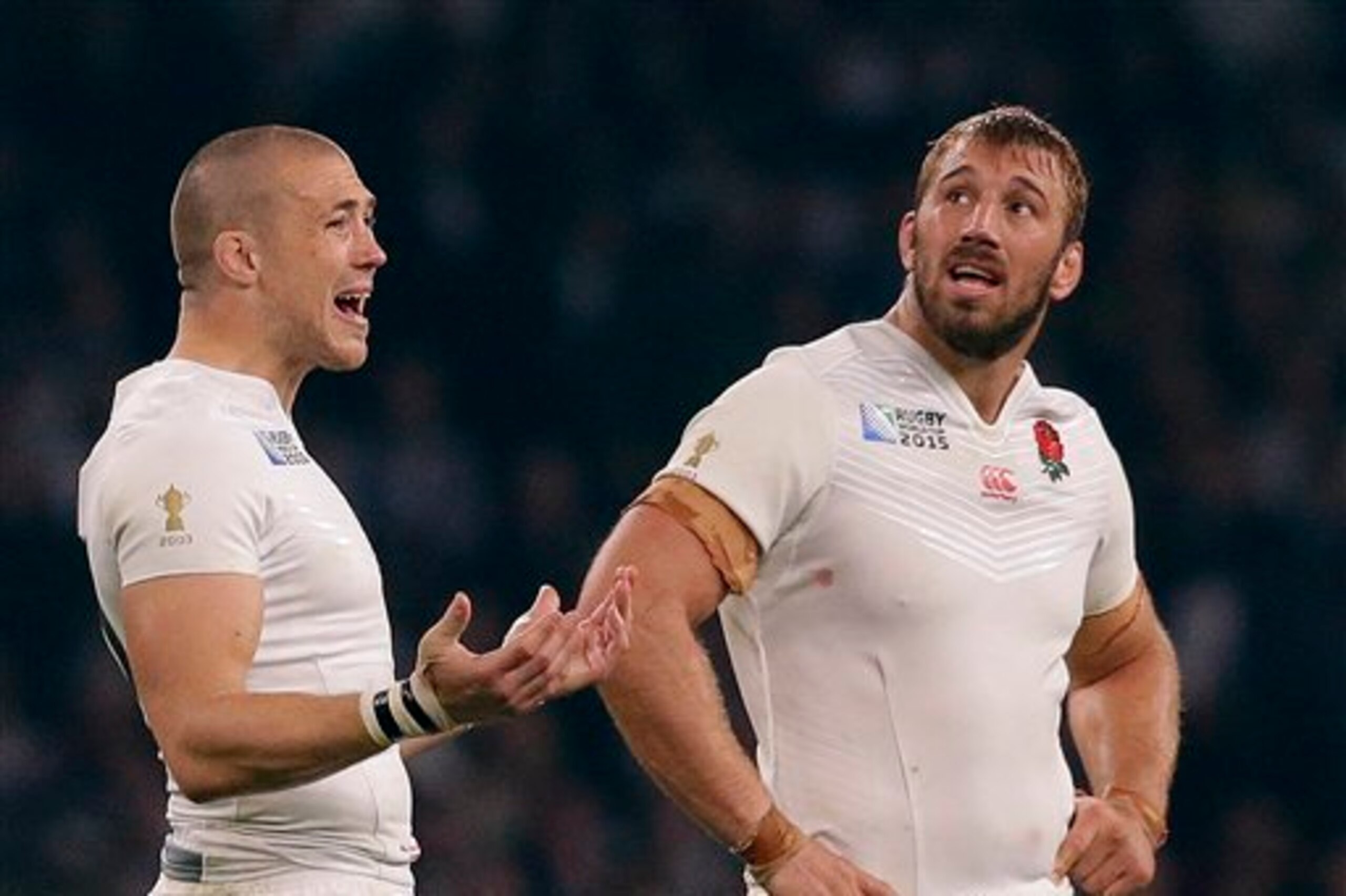
Meanwhile, new details are constantly emerging from inside the camp. Full-back Mike Brown spoke to the Telegraph this week and proclaimed "the trust has gone" from the squad following a series of leaks.
Does the team need a complete revolution, or can England expect to once again challenge for major honours with just a few tweaks? We take a look at some of the potential changes to come over the next 12 months and predict how England's XV will look come the 2016 autumn internationals.
The Robshaw Debate
It's only natural that after performing so far below expectations at their own World Cup, any national team's captain might encounter criticism, but Chris Robshaw's mere presence has long divided opinion.
The main concern with England's back row has been a lack of diversity, with Robshaw and Tom Wood dubbed too similar in style for some, with James Haskell offering something a little different.
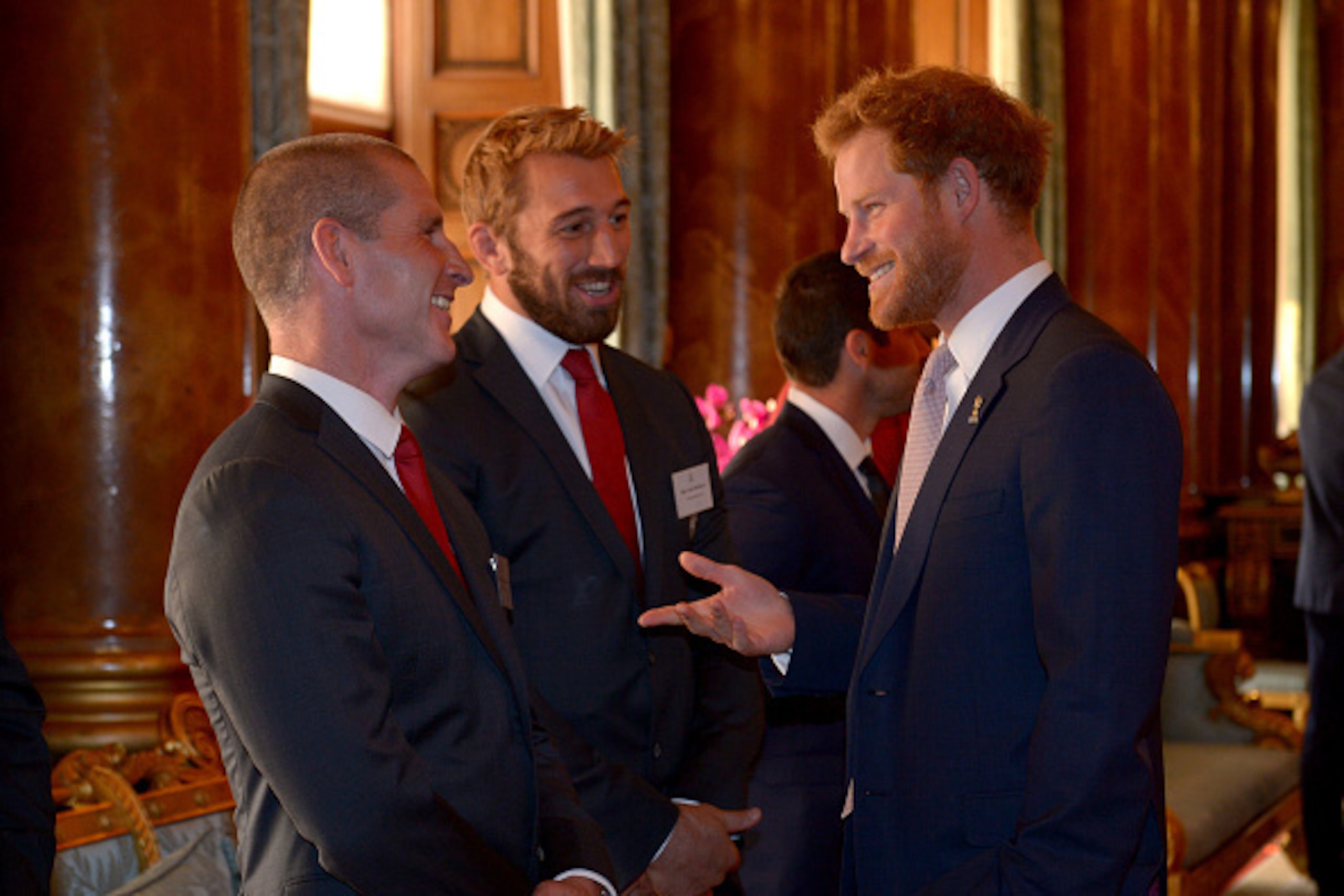
A foreseeable development for the team moving forward could mean Robshaw moves to blindside on more permanent terms, and the forum is opened up for a more flexible breakdown specialist at seven.
Rugby World writer Ian Stafford has spoken highly of Gloucester's Matt Kvesic as an option at openside, and the 23-year-old could also be looked upon as an investment for the years to come in the Test arena:
England are well-stacked in the No. 8 department and are fortunate to have Billy Vunipola duelling against Ben Morgan for the starting berth, with the former's superior fitness in recent months edging him into a lead.
Vunipola also appears eager to take more of a leader's role in the international setup, per BBC Radio 5 Live reporter Christopher Jones, utilising his Saracens background as a blueprint for success:
Ex-England and Leicester Tigers flanker Neil Back agreed England's options at six and seven don't match up against the true elite of their position, per the Press Association (h/t ESPN Scrum):
"In the Premiership our flankers are all magnolia -- so big, strong and very committed. We're not producing players like Richie McCaw, Michael Hooper or David Pocock and we need to find them.
I'd allocate more time to skill development and decision-making, particularly in the contact area because that's where we need to improve massively.
In the past we've gone big, strong and physical, when we need to balance that with skill as well. That's what happens in the southern hemisphere.
You need a player in the team whose sole responsibility is to provide continuity, while preventing the continuity of the opposition.
I believe changes will begin to happen this season. The people at our clubs are highly motivated and skilled. They want to take the game forward.
"
Some may still long for Toulon's Steffon Armitage to be permitted re-entry to the squad, while Wasps star Nathan Hughes qualifies for England representation in 2016 and will be another back-row choice.
The breakdown was a particular area at the World Cup where flaws were dragged into the light, namely against Australia, and finding a new flanker formula will be critical to their recovery.
Settling the Front Five
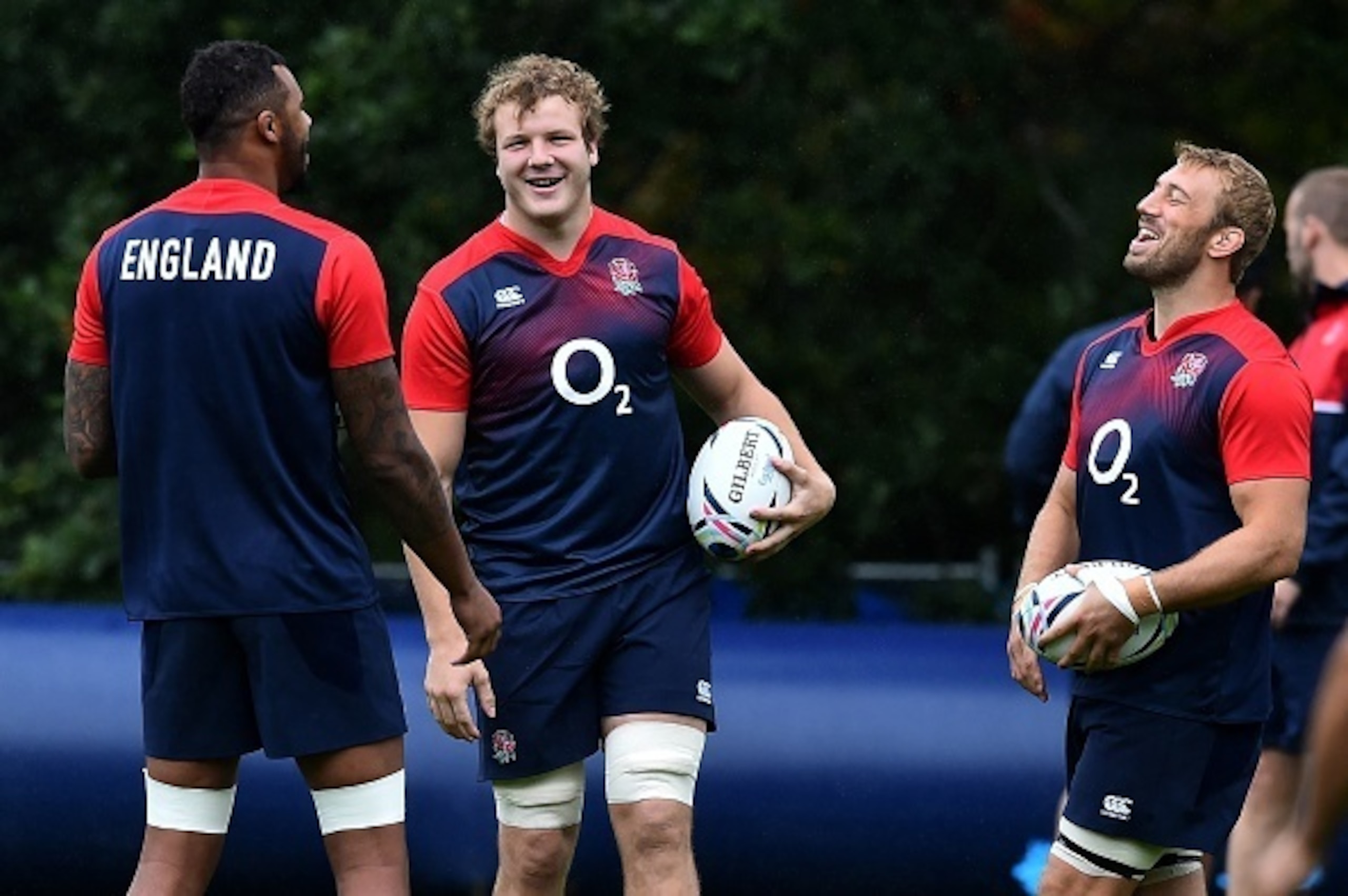
If there's any aspect of the England lineup that's furthest from meltdown or any other alarming status at present, it's probably a front five that boasts more talent than it knows how to handle.
Geoff Parling and George Kruis are superb talents in their own right, while a fully fit Dave Attwood may also challenge for a spot in the XV, but it's more than likely Courtney Lawes and Joe Launchbury will remain first choices at lock.
Aged just 26 and 24, respectively, there's no reason why Lawes and Launchbury can't form the second-row pairing that makes it to Japan in four years' time if given the appropriate nurturing time alongside one another.
Ex-England centre Will Carling picked that particular pair out for praise when noting his most promising England players, a tandem that could evolve to become one of the best in the world in their roles:
It's probably too soon for Maro Itoje to claim a regular international place in 2016, but Steve James of the Sunday Telegraph has picked out the Saracens' starlet as one to watch, both at lock and flanker:
The front row is a tad more debatable for the Red Rose, with the margins between first- and second-choice alternatives currently looking very fine.
In their World Cup meetings against Australia, Wales and Fiji, England managed to steal just a single enemy scrum while losing five of their own, but that doesn't mean widespread change will instantly yield better results.
For that reason, we believe Joe Marler, 25, and Dan Cole, 28, will retain the trust of their selectors at loosehead and tighthead, respectively, ahead of the competition hounding them down.

Mako Vunipola, Alex Corbisiero, Kieran Brookes and David Wilson are all very capable of staking their claims on a starting berth, but fitness permitting, Cole and Marler still have the potential to be outright starters—although the differences are minuscule.
There could be change at hooker, however, as Saracens' Jamie George, 25, continues to make waves while workhorse Tom Youngs, 28, could shuffle down the order in favour of his younger team-mate.
Lancaster explained during the World Cup that Bath's Rob Webber superseded George on the bench because the latter lacked international experience, per BBC Sport. Now's the time to start handing the unseasoned asset his reward.
Change in Core Beliefs
Last but not least is the conundrum of how to repair a midfield that's now free of any supposed pressure to make a success out of the departed Burgess—or is it a conundrum at all?
In fact, promoting one of Henry Slade or Luther Burrell to the inside centre spot alongside Jonathan Joseph could be the easiest decision to make, with Slade's football ability perhaps giving him the advantage.
Joseph—undoubtedly one of, if not England's biggest star of 2015—has to remain in the No. 13 jersey if he's to produce his best, offering the same kind of maverick carrying ability that's seen him thrive so much at Bath.
However, the Telegraph's Matthew Stadlen has thrown a spanner in the works after suggesting Manu Tuilagi deserves to be brought back into the midfield:
Even if Tuilagi were called back into the squad and by some miracle managed to stay fit, Joseph may still be considered his superior on recent form, and the same can be said of George Ford over Owen Farrell.
The decision for Farrell to start at 10 in the Pool A fixture against Australia gained widespread criticism, but rugby writer Brendan Gallagher has teased the thought of seeing the Saracens maestro figure at centre more:
Scrum-half is another contentious area where one could split hairs over whether Danny Care, Ben Youngs or Richard Wigglesworth should be awarded a starting berth.
Care and Youngs in particular have gone back and forth in starting duties these last few years, and the Harlequins No. 9 told the Telegraph's Daniel Schofield he was oblivious as to why he was ousted as such:
"I was obviously really disappointed to drop from first choice to third choice overnight. I didn’t really understand the decision behind it and it did hurt. I felt like I would have added a bit if they had given me a chance but it wasn’t to be. I just felt I didn’t deserve for that to happen to me. I did not feel I had played badly enough for that to happen. In the two games I felt I had done OK against two of the best teams in the world. I think that one mistake was maybe the one that killed me.
[...]
I think at the time Youngs was second choice and Wiggy was third and I seemed to get shunted down to third, which I thought was harsh. I was in a very frustrating position not being able to help the team. I felt I could offer them something that they did not really have at the time.
"
If quicker ball is desired by the team, live-wire Care might be the man to go with, but England still look to be lacking a genuine superstar name at half-back to take them to that next level.
Brown is an experienced head at full-back and now looks like one of the more settled players in the squad, and although his spot may eventually be taken by winger Anthony Watson, the two will retain their current roles for now.
Jonny May might not be so fortunate, though, and the rise of the Exeter Chiefs could earn Jack Nowell a promotion depending on how his Premiership campaign goes, with some confused as to why his World Cup responsibilities were so limited.
The 22-year-old is another name who can offer cover across the back three, but Nowell is already showing wisdom beyond his years and should be gifted more duties if he's to make the most of his potential.
All statistics come courtesy of ESPN Scrum.
.jpg?w=2560 "Falcons Saints Football")
.jpg?w=2560 "Rams Eagles Football")
.jpg?w=2560 "Injury-stricken Seahawks signing veteran RB")


.jpg?w=2560 "2 NFL Officials Suspended")
