

What Will the All Blacks Look Like in 12 Months' Time?
Planning for the future is a major strength when it comes to the New Zealand national rugby team, an institution that's stood at the pinnacle of its field for decades and is now officially its most illustrious ever.
The All Blacks made history after claiming this year's Rugby World Cup to become the first team ever to win back-to-back tournaments, but their crowning moment also came with the realisation an era was at its end.
Dan Carter, Ma'a Nonu, Conrad Smith, Tony Woodcock and Keven Mealamu have all retired from the international arena, per the New Zealand Herald on Sunday, although Richie McCaw is now something of a more uncertain pick for stepping down.

.jpg?w=2560)

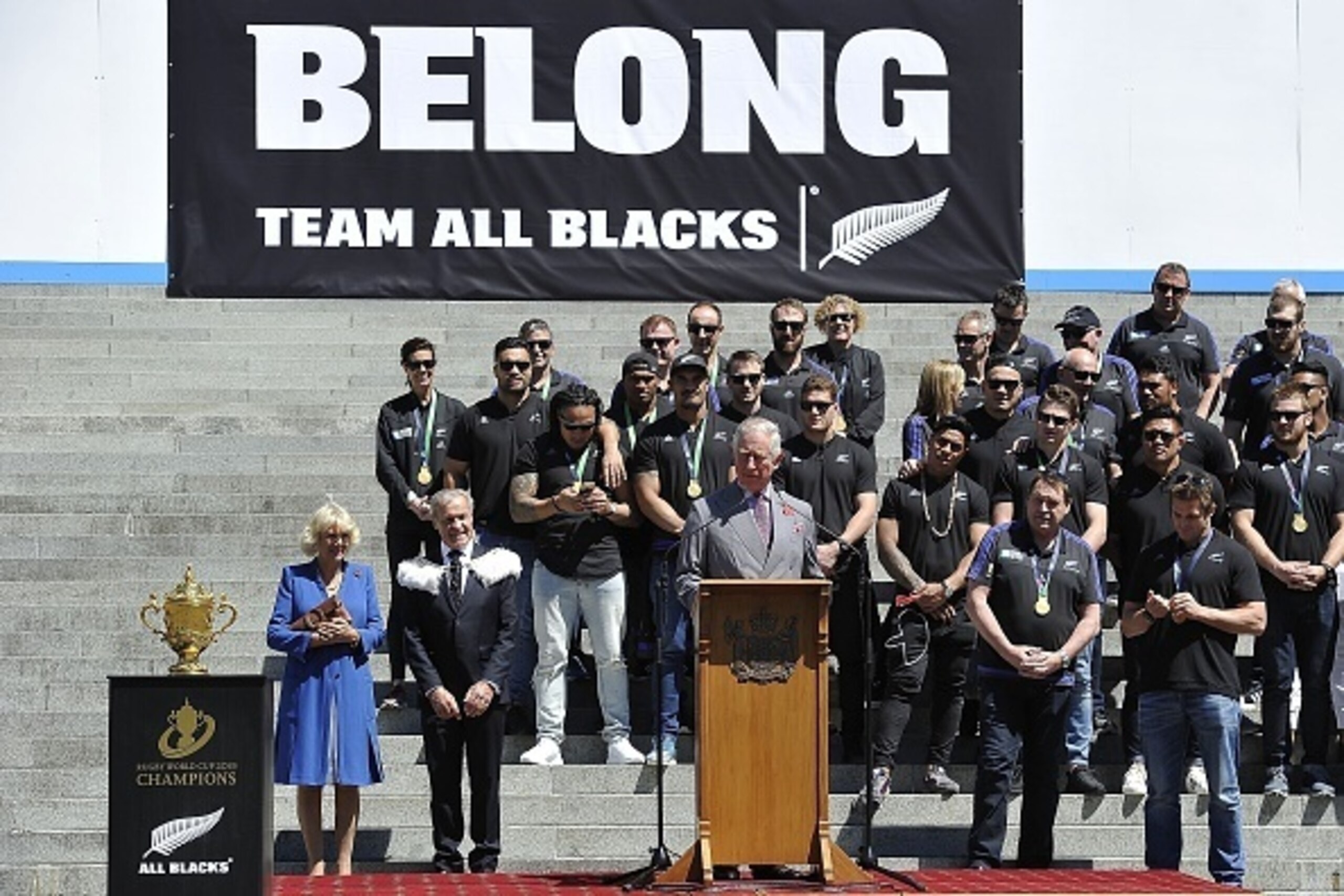
However, future planning is something in which New Zealand can consider themselves experts. Where some would deem this as the end of a dynasty, the All Blacks merely consider it the dawn of a new generation.
Yet, perhaps, the changes won't be as widespread as one might imagine in the year to come, with the backs looking like the area coach Steve Hansen most urgently needs to address.
Here, we take a look at the New Zealand squad—who's coming and who's going—in an attempt to predict how the best team in the world will be lining up come the 2016 autumn international series.
Locks the Major Constant in Altered Pack
Starting with a major positive for Hansen's side, one aspect of the All Blacks lineup that simply isn't changing—now, and probably not until 2019—is the second-row partnership of Brodie Retallick and Sam Whitelock.
In a side that was nominated 2015 Team of the Year, the locks stand out as one of their most consistent party pieces, a duo that has shown their ability to duel against the best rugby has to offer.
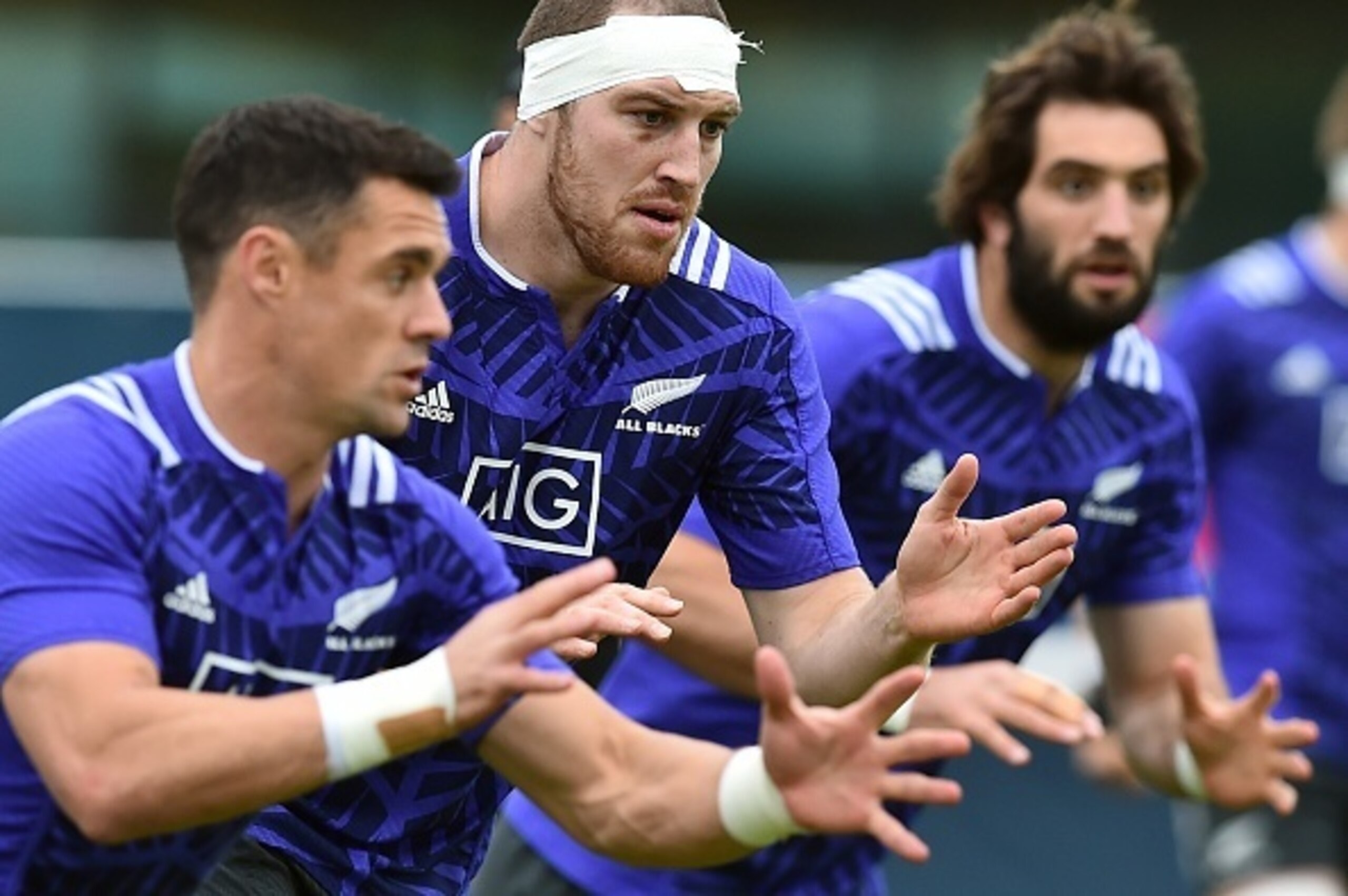
In the semi-final, they went up against South Africa counterparts Eben Etzebeth and Lood de Jager, another pair tipped as world-beaters, but Retallick and Whitelock were more than up to the task.
Prior to that semi-final clash, former All Black Ali Williams spoke to Tom Hamilton of ESPN Scrum and hailed New Zealand's incumbent second-rowers as a rare mix of athleticism and genetic power, saying, "Sam and Brodie are both workhorses which is surprising for a locking combination as normally you have a power athlete and another who is a workhorse."
But on to the not-so-certain pack aspects. "Experience" is the main word one will hear bandied about when asked what New Zealand stand to lose with the departures of Mealamu and Woodcock this year, two players who boast a gargantuan 250 caps between them.
And yet it's worth pointing out Mealamu, 36, was used sparingly toward the end of his career—he started in just two of his nine Test appearances in 2015—while the replacements are there to fill 34-year-old Woodcock's shoes.
While Wyatt Crockett, 32, may be the man to claim the loosehead throne, it's more than likely Hansen will invest time in developing Joe Moody, who is five years younger than Crockett and more likely to make the 2019 Rugby World Cup.
Moody only came into the World Cup squad this year after Woodcock suffered a hamstring injury, but as writer Neil Treacy acknowledged, the prop deserved major credit for his contributions:
Ben Franks is moving on from the front row with his switch to London Irish, but his brother, Owen, will remain to offer an option at tighthead, although Charlie Faumuina will also be pushing for a starting berth.
In Dane Coles, the All Blacks have a hooker who's showing himself to be a new archetype in his possession, displaying a terrific engine throughout 2015, both on international duty and with the Hurricanes.
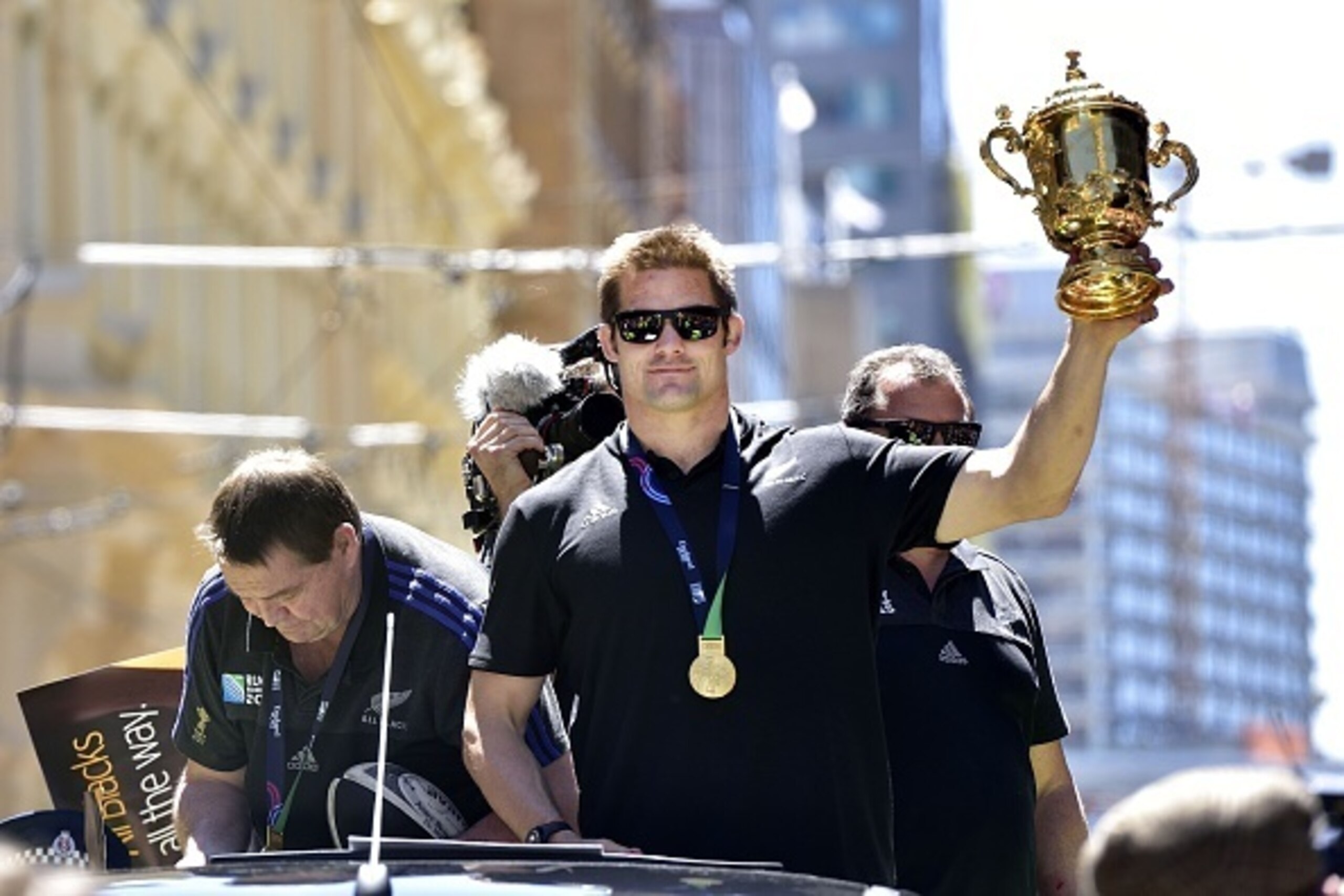
And finally we get on to the case of the back row, where speculation would suggest McCaw won't be featuring past this year, even though the Crusaders star appeared to claim otherwise after last month's final.
Per the New Zealand Herald, McCaw said:
"I still don't want it to end, to be honest. I'm still part of this team. I'm going to enjoy today.
How could you get enough of this? I'll worry about that after today. I'm just going to enjoy having played the World Cup final with a wonderful bunch of men.
I'm so proud of wearing this jersey again today. I don't think you can have enough of it. Why would you ever call it a day?
"
For that reason, we're backing the 34-year-old to remain in the squad until next year and potentially even make a run at taking on the British and Irish Lions in their 2017 tour.
Jerome Kaino has already agreed a new three-year contract to remain in New Zealand until 2018, and Rugby World's Charlie Morgan summarised how devastating his partnership with McCaw can be at the breakdown:
On top of that, New Zealand supporters can look forward to seeing Kieran Read in national team colours for a long time to come, as one of the jewels in their pack's crown continues to assert his candidacy as one of the world's finest No. 8s.
Victor Vito currently looks to be the player currently pushing Read hardest for a place in the starting XV, but at 30, it's now that the incumbent should be reaching the very peak of his powers.
Centre Partnership Conundrum
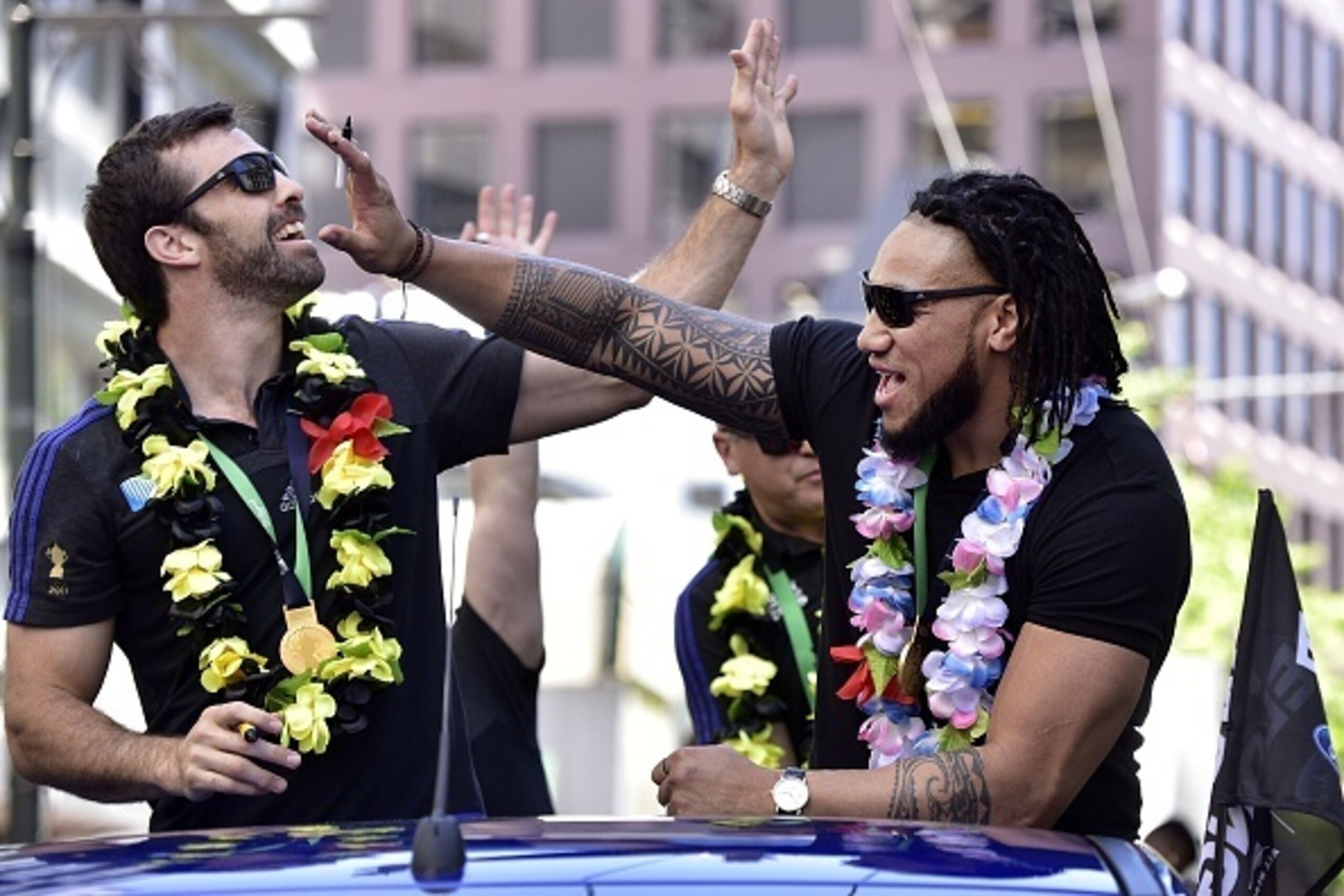
There's no hiding the fact that midfield will hand New Zealand their biggest selection dilemma in 2016, with Nonu and Conrad Smith moving to France's Top 14, leaving space for an entirely new centre combination.
What's more Sonny Bill Williams' plans to compete for a place in New Zealand's Sevens team ahead of the 2016 Rio Olympics means he'll also be absent from selection to complicate matters further.
Fortunately, the All Blacks' strength in depth means a player like Malakai Fekitoa brings huge quality to the back line, despite not managing much playing time at the World Cup.
It would be folly to suggest that absence is down to any shortage in the 23-year-old's talents; it is more due to Nonu and Smith's rare quality.
Bath full-back Luke Arscott rightly pointed out the fact Fekitoa couldn't make the squad for New Zealand's final was merely testament to their power in numbers:
The Highlanders won Super Rugby last year with Fekitoa as one of their main inspirations, and while he looks set to inherit the No. 13 jersey, George Moala could be the man to line up inside him.
The Blues' utility earned his first and only New Zealand cap in a win over Samoa earlier this year, where the 25-year-old featured on the wing, but as Eat Sleep Rugby showed, he possesses stopping power many midfielders dream of:
"Alesana Tuilagi against George Moala round 2! Good match up between these two. https://t.co/VIROV7a8yr
— EatSleepRugby (@eatsleeprugby) July 8, 2015"
Charlie Ngatai and Ryan Crotty will also have a say in who ends up succeeding at centre, but Moala currently stands out as the athletic and technically proficient player capable of filling Nonu's boots.
The other big change comes at fly-half, but the situation is a familiar one considering Carter's past injury woes started the search for his heir years ago.
Some would see a fit-again Aaron Cruden take the No. 10 throne, but recovering from a long-term knee injury in time to star for 2016 is a big ask for the 26-year-old. Others might say Lima Sopoaga, 24, is the athlete needed to drive the position on.
However, we say it's now Beauden Barrett's time to shine, and after leading the Hurricanes in Super Rugby and playing as New Zealand's World Cup super substitute, he has an opportunity to mature in a starting capacity.
Journalist Brendan Gallagher identified the 24-year-old as Carter's "logical successor:"
The wings pick themselves for Hansen, as it's possible Julian Savea, 25, and Nehe Milner-Skudder, 24, could rule the wide areas for two more World Cups if they keep themselves fit.
The pedigree of that pair was emphasised after Breathe Sport noted Savea won 2015 Try of the Year for one of his scores in the quarter-final against France, while Milner-Skudder was dubbed Breakthrough Player of the Year:
"Player of the Year: Carter Try of the Year: Savea Team of the Year: NZ BTPOTY: Milner-Skudder #AllBlackEverything pic.twitter.com/OzFzmMyKtY
— BreatheSport (@BreatheSport) November 2, 2015"
Behind that duo sits 2015 Super Rugby winner Waisake Naholo, telling a tale of just how stacked the wing department is, and that's without mentioning the talents of the versatile Ben Smith.
Hansen will pray his 29-year-old full-back isn't needed to fill in on the wing much between now and hanging up his boots.
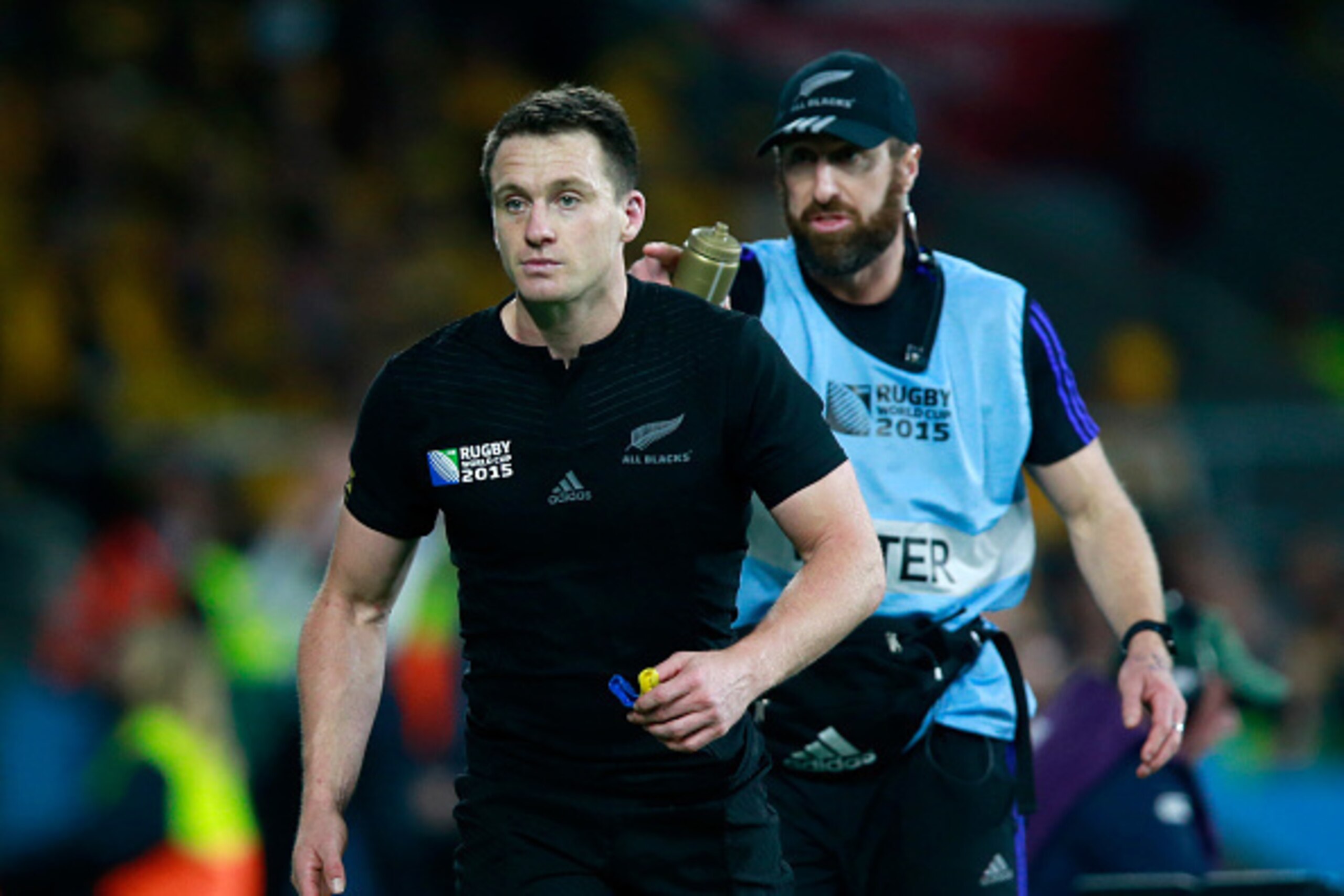
And the same can be said for the final entrant in our New Zealand 2016 XV, Aaron Smith, the scrum-half who so consistently made things tick for the All Blacks throughout their World Cup triumph.
And so we see there shouldn't actually be that much change to come for a side that quite honestly doesn't need it; the changes may see big departures, but that doesn't mean those coming in can't achieve similar wonders.
.jpg?w=2560 "Falcons Saints Football")
.jpg?w=2560 "Rams Eagles Football")
.jpg?w=2560 "Injury-stricken Seahawks signing veteran RB")


.jpg?w=2560 "2 NFL Officials Suspended")
