
15 Things You Didn't Know About Your Favorite Sports Movies
If you really love a sports movie, it doesn’t have a shelf-life—you may know every line by heart, but familiarity doesn’t make watching it less enjoyable.
And if you’re like me, you are fascinated by the story behind the film—whether the story is drawn from the experiences of cast, the production or any other aspect of the movie-making process. These stories are often just as compelling as the flicks and can completely change your perspective.
Fortunately, we live in an era where fresh insights about our favorite movies are no longer exclusive to "special edition" VHS or DVD releases; now there is a whole universe of awesome content available online.
Here are 15 things you didn’t know about your favorite sports movies.
Bull Durham
1 of 15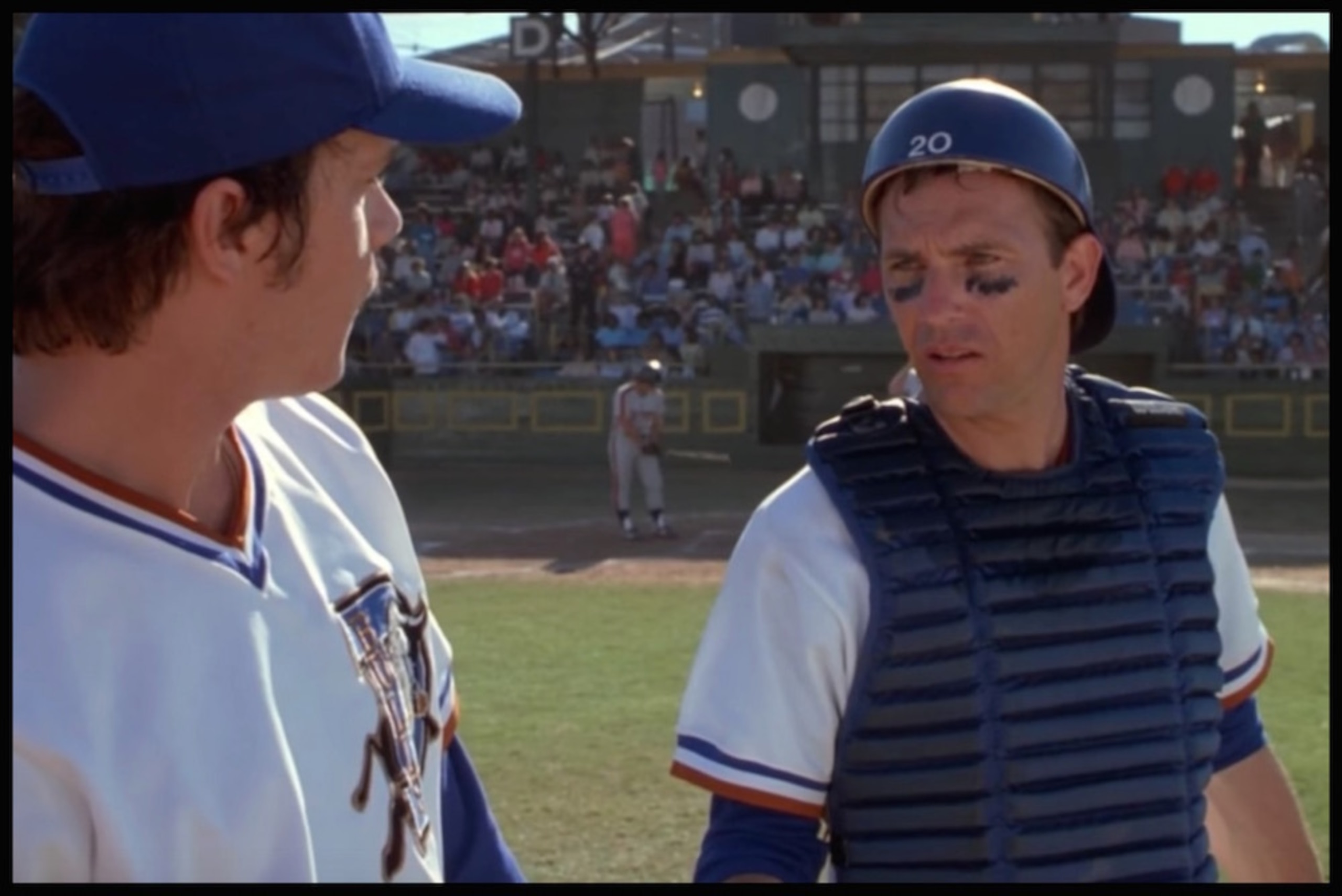
The 2012 Sports Illustrated feature “Worshipping at the Church of Baseball” is a revealing oral history of the 1988 classic Bull Durham. With a limited $7 million budget, the production crew had to get creative on more than a few occasions. Their method of getting warm bodies on set for on particular scene is worth noting.
Producer Mark Burg to Sports Illustrated:
"The wedding scene as a night scene, and we had no money for extras. Pink Floyd was playing at a concert hall in Chapel Hill, so we went and got the band to say, ‘We’ll be partying after the show at the Durham Athletic Field, meet us there!’ And around 11 that night thousands of people showed up … drunk. … We just got lucky. It was that kind of movie.
"
Major League
2 of 15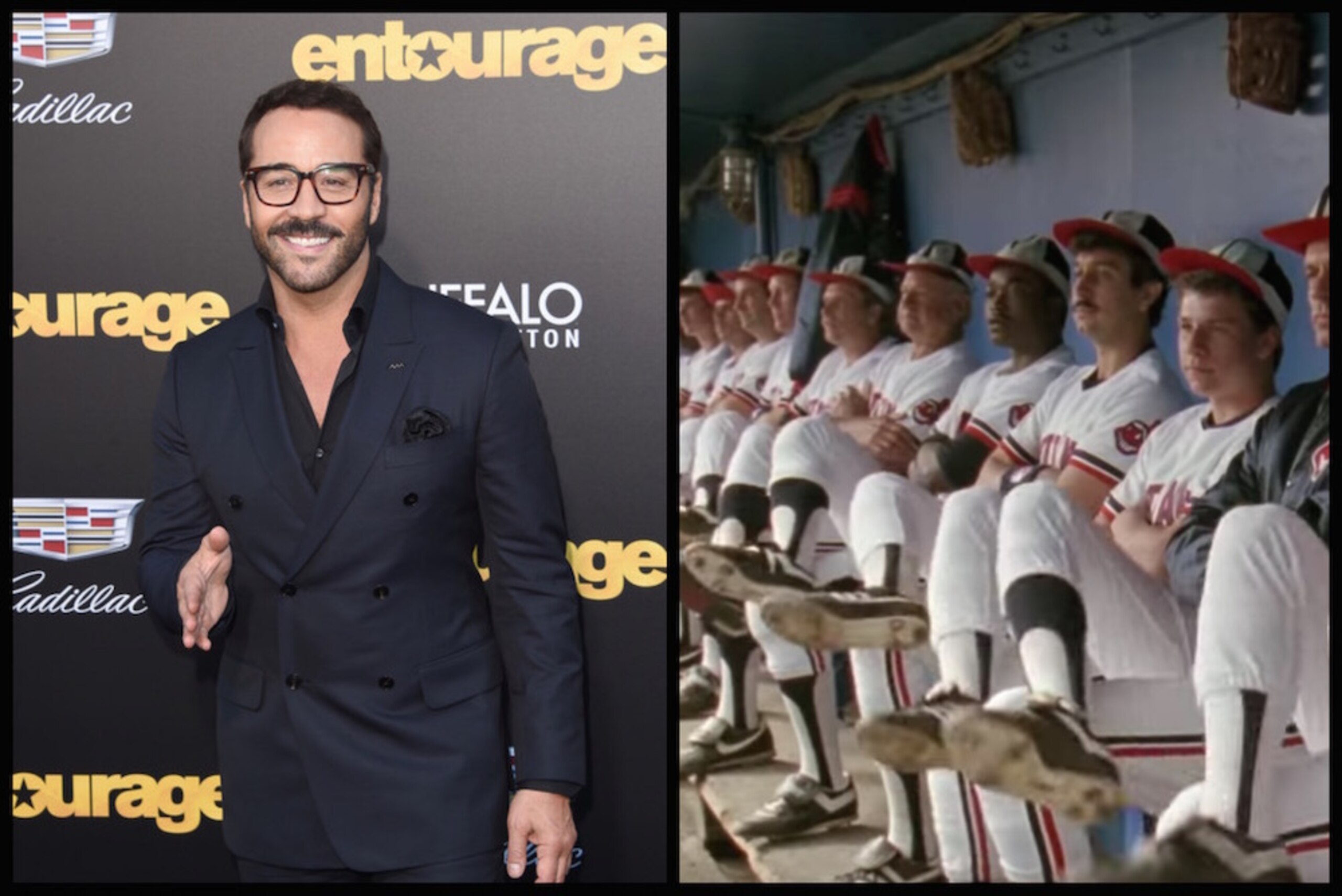
One of the most interesting revelations in Jonathan Knight’s The Making of Major League actually pertains to an actor who wasn’t in the movie at all—at least not in the film as we know it today.
Knight writes:
"Then-unknown actor Jeremy Piven...had been cast as an antagonizing bench jockey who never saw the field, but would comically ridicule opponents from the Indians dugout. … It felt out of place, as if they’d continually cut away from a game sequence to somebody doing a stand-up routine. So all of Piven’s scenes were cut and no trace of him remains in the film.
"
Ouch.
Hoosiers
3 of 15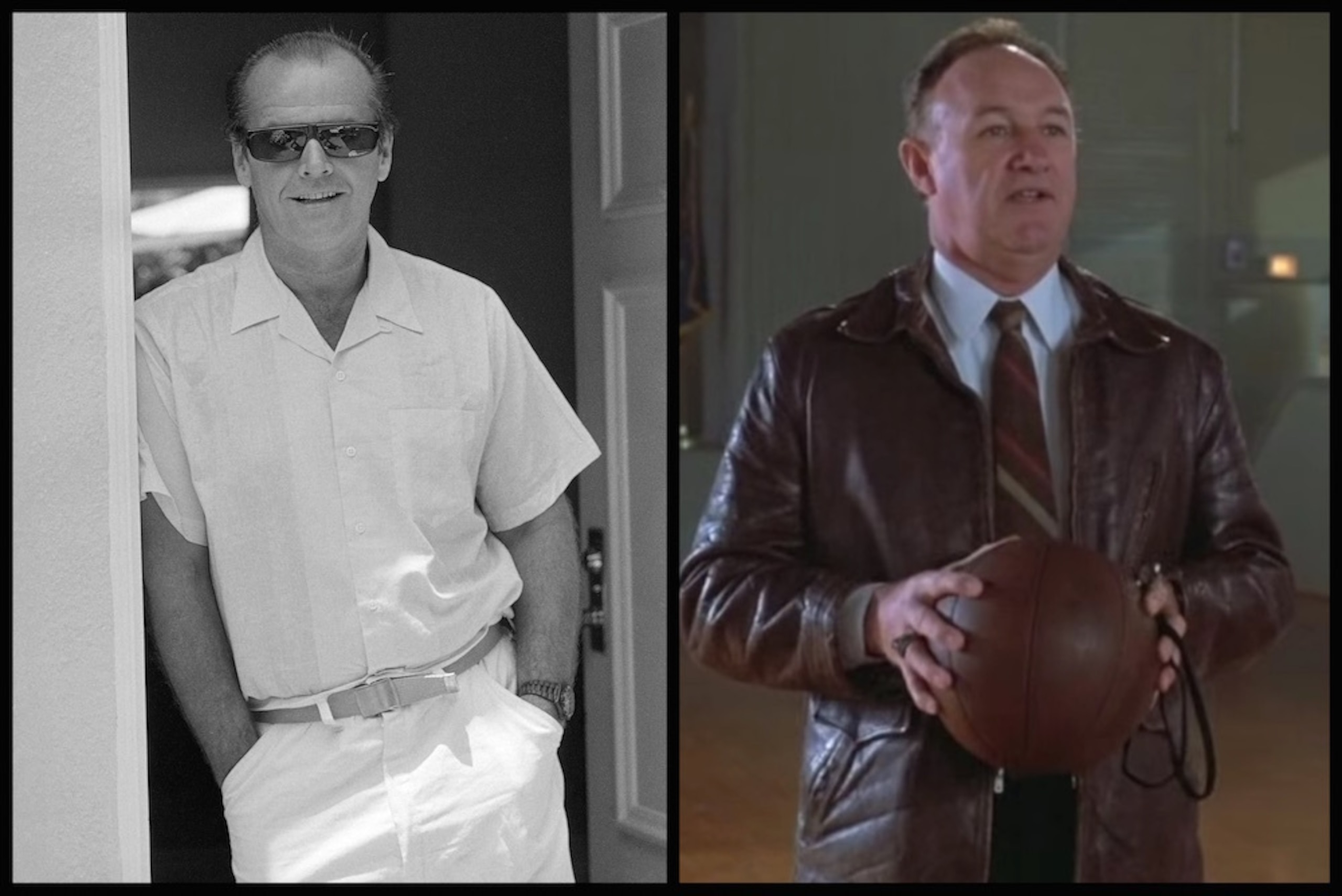
According to the DVD bonus features, legendary actor Jack Nicholson was the first choice to play coach Norman Dale, the role that ultimately went to Gene Hackman.
Nicholson’s already busy shooting schedule conflicted with shooting dates, and the studio was unwilling to push production back a year.

.jpg?w=2560)
The Karate Kid
4 of 15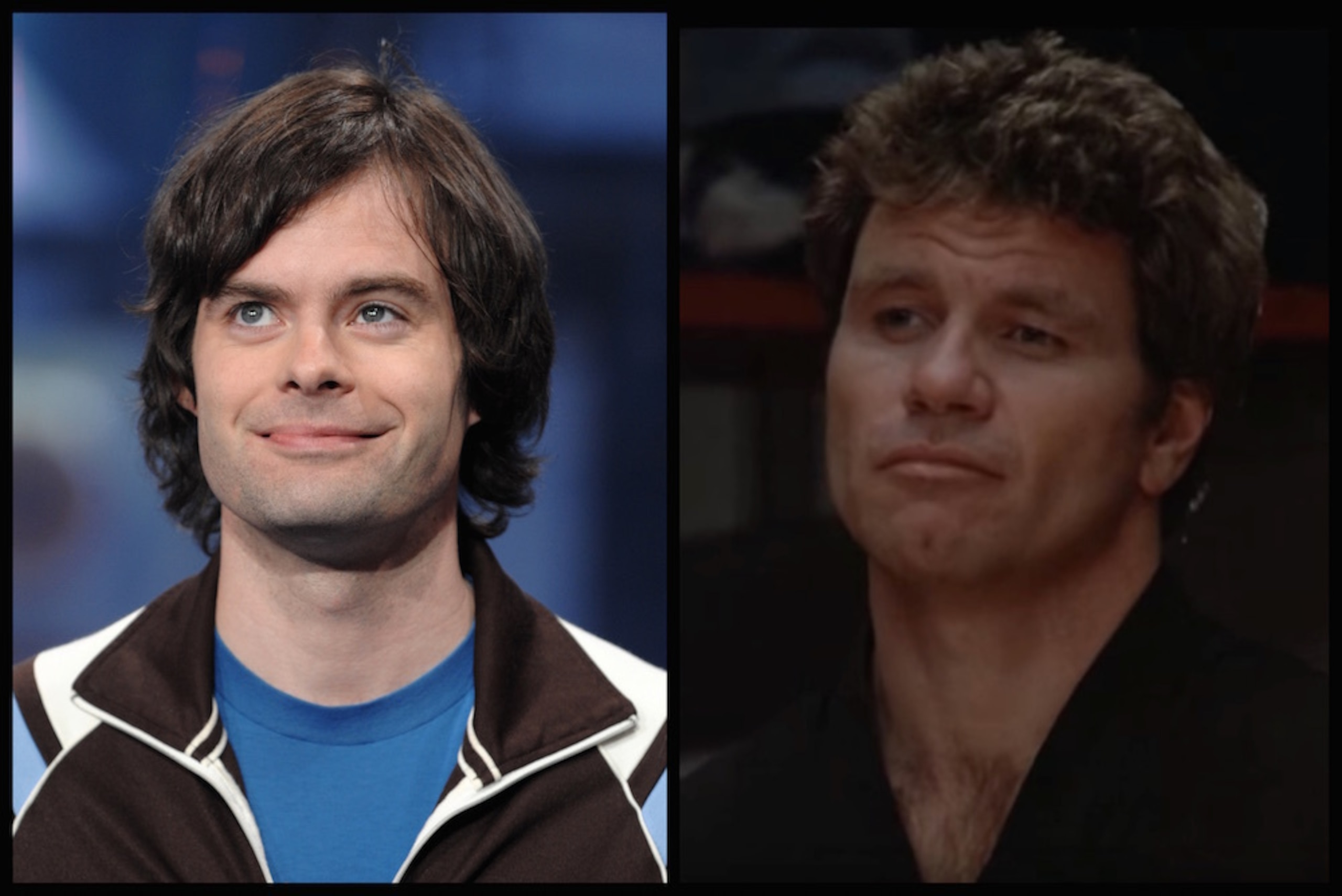
OK, this one isn’t so much about The Karate Kid movie but rather about actor Martin Kove, who is best known for playing John Kreese, the evil sensei in the film. During an appearance on Marc Maron’s WTF podcast in August 2013, Saturday Night Live alum Bill Hader revealed that he had briefly worked “with” Kove when he was filming “some lousy B-movie” back in the '90s.
IFC.com recapped the anecdote:
"Apparently, Kove got Hader lost on purpose so he could actually read the script before getting to set. Hader got in hot water with his boss for showing up late with the “star,” and so on the way home, Kove tried to make it up to Bill by offering to buy him a McDonald’s milkshake and cookie. So Hader stopped at a McDonald’s, but when Kove came out of the restaurant, he treated poor Bill like Daniel-san and ate the cookie and drank the milkshake right in front of him and told him to just drive. Hader described it as a “weird mind f--k,” and his first “welcome to Hollywood” moment.
"
The Karate Kid
5 of 15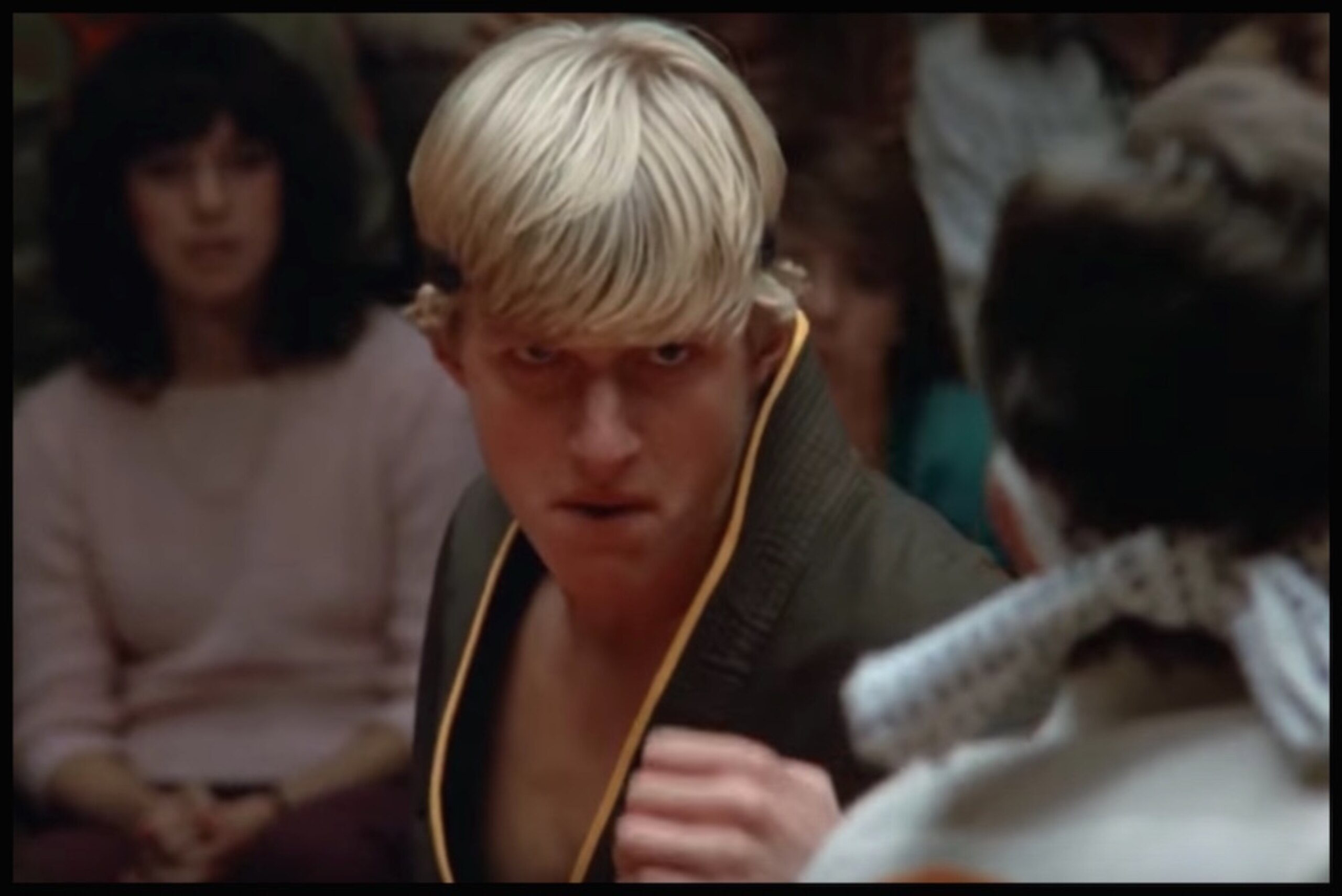
To make up for the previous slide, this one actually has to do with The Karate Kid. With the film having celebrated its 30th anniversary in October 2014, Comic Con New York dedicated one hour to the movie. Ralph Macchio, Billy Zabka and Martin Kove revealed a lot behind the scenes information during their panel discussion.
Naturally, it was Zabka, who played the misunderstood hero Johnny Lawrence, who had the best story to share. Apparently, Zabka’s performance as the leader of the Cobra Kais was so powerful that a “real karate gang from the Valley” wanted to beat him up. Seriously. “Yeah my friend told me an actual…gang…wants to beat you up.”
The Sandlot
6 of 15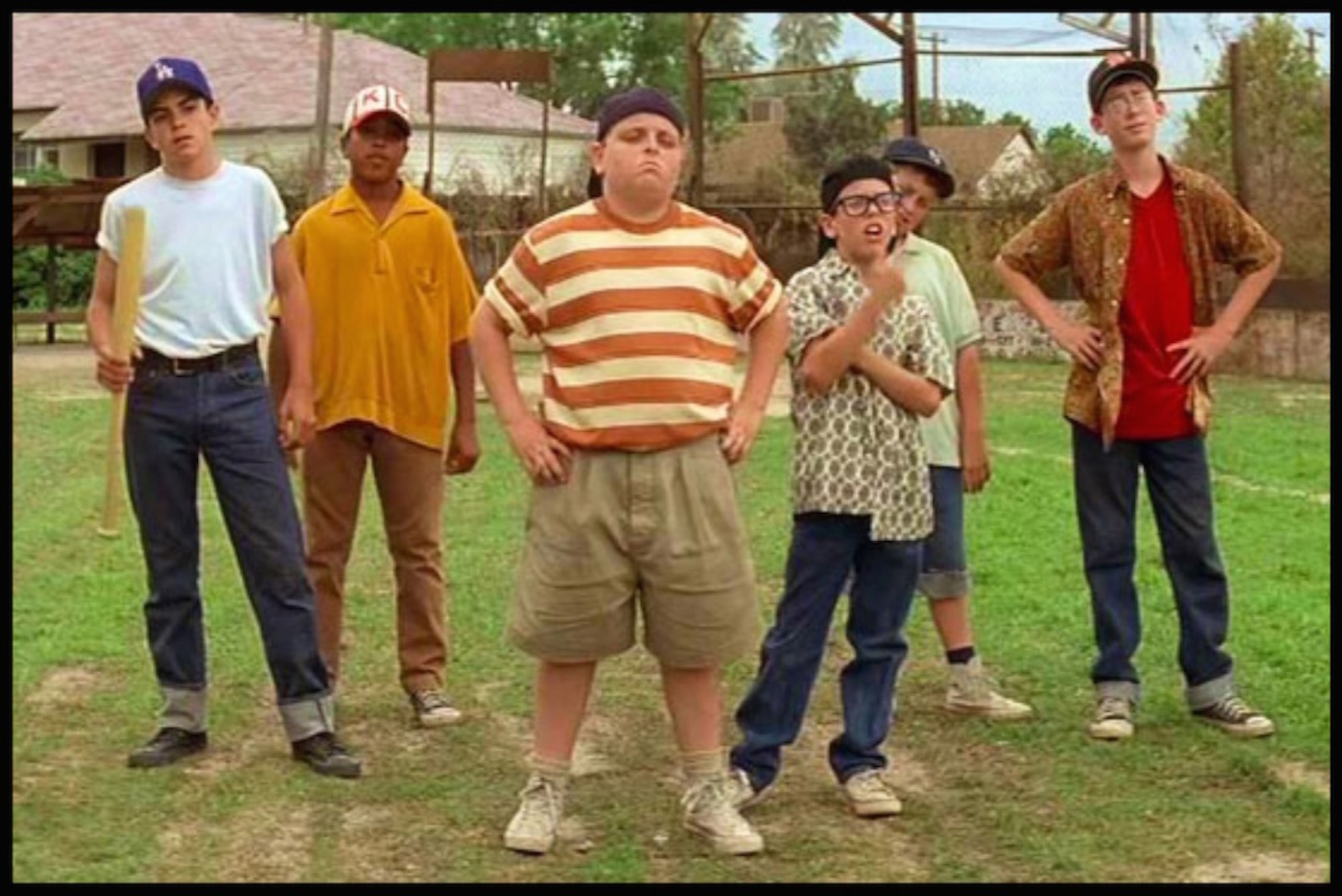
Celebrating the 20th anniversary of the 1993 classic coming-of-age baseball movie The Sandlot, Sports Illustrated published “8 Secrets from 'The Sandlot'” in 2013. Originally called The Boys of Summer, the title of the film was changed because Roger Kahn, author of the 1972 baseball book of the same name, “threatened to sue [writer/director/narrator David Mickey Evans] upside down and backwards.”
Of course, that wasn’t the only change in direction. According to Evans, he wrote the movie with nine- and 10-year-olds in mind for the characters, which “seemed right” to him at the time. But issue arose when it came time to cast, at which point Evans realized immediately the kids were just too young.
“We knew it was the right decision instantly, because the first kid that we interviewed was Mike Vitar [who played Benny Rodriguez],” Evans told Sports Illustrated.
Jerry Maguire
7 of 15
Considering the success of Jerry Maguire and the ongoing star power of one Tom Cruise, the idea of a sequel definitely doesn’t sound like the worst thing in the world. That is, unless you’re writer/director Cameron Crowe, who would probably advise you not to hold your breath.
Said Crowe in an interview with CNBC’s Darren Rovell in October 2011: "Nope, don't really believe in sequels. As for the future, I have an idea on where Jerry might be now, but I'll leave it at this. Jerry and Marcee Tidwell always exchange the best Christmas cards of the season. I always thought those two understood each other."
Fine. But there best not be a sequel in the works for Aloha.
Cool Runnings
8 of 15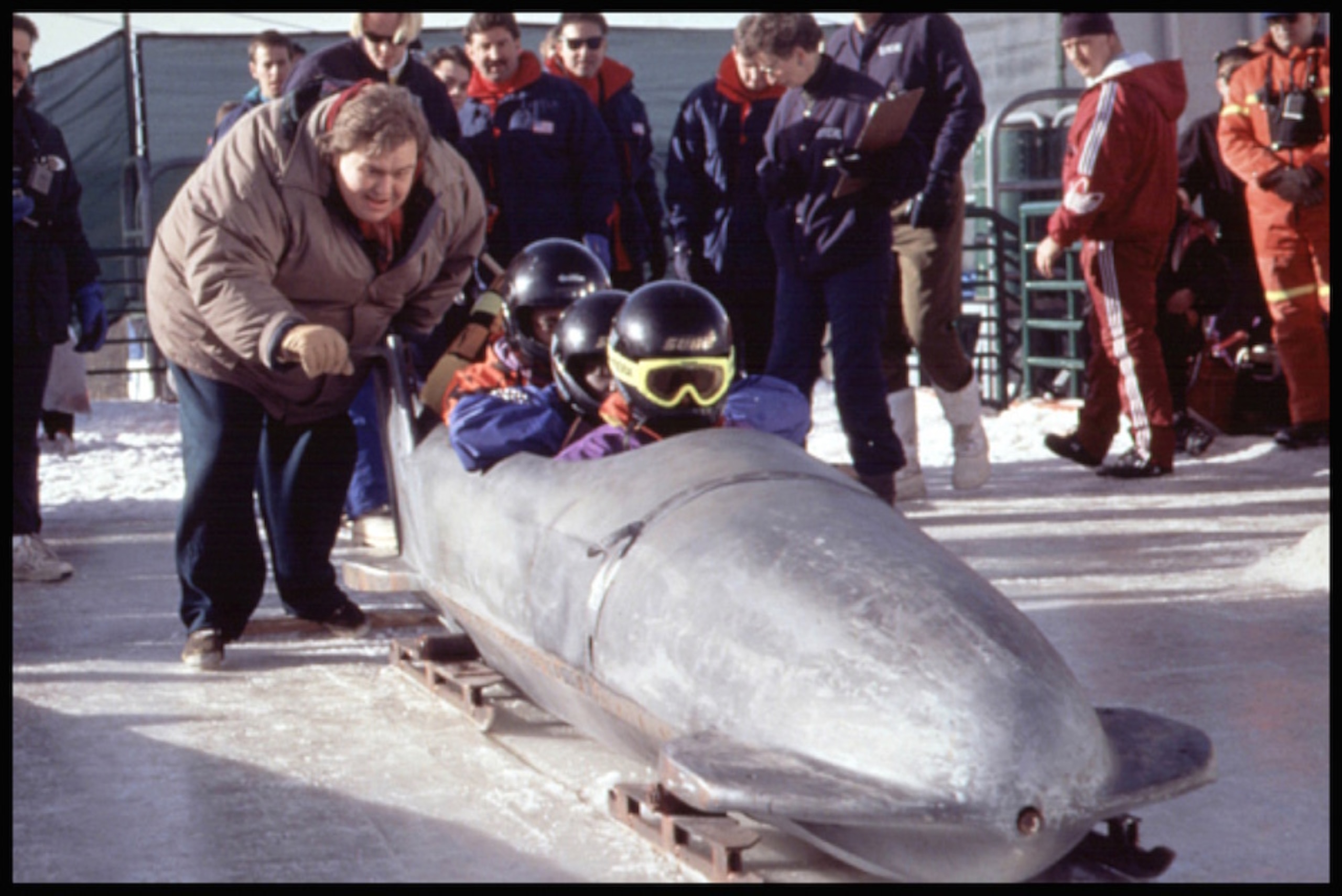
In February 2014, Entertainment Weekly published “Cool Runnings: An oral history,” a detailed account of the making of the 1993 fish-out-of-water comedy that was loosely based on the true story of the Jamaican bobsled team that competed at the 1988 Winter Olympics in Calgary. The most interesting takeaway was that Cool Runnings started off as a decidedly different movie called Blue Maaga.
Director Jon Turteltaub told Entertainment Weekly:
"Blue Maaga was a script before I got there. It was more of a heavy journey about a realistic life in the slums of Kingston and taking guys from that sort of background through their journey. There were versions of the script that were pretty heavy and very dramatic, and it started that way. It really wasn’t until the script found its light touch and found its playfulness that it found itself.
"
Moneyball
9 of 15
The cost of moving production to different ballparks to film would have been prohibitively expensive for Moneyball, so the decision was made to use Dodger Stadium as a stand-in for the eight different stadiums visited by the A’s in the movie.
The Academy of Motion Picture Arts and Sciences didn’t mind the the cost-cutting measures—Moneyball was the first baseball movie to receive a Best Picture Oscar nomination since Field of Dreams in 1989.
Coaching Inspirations
10 of 15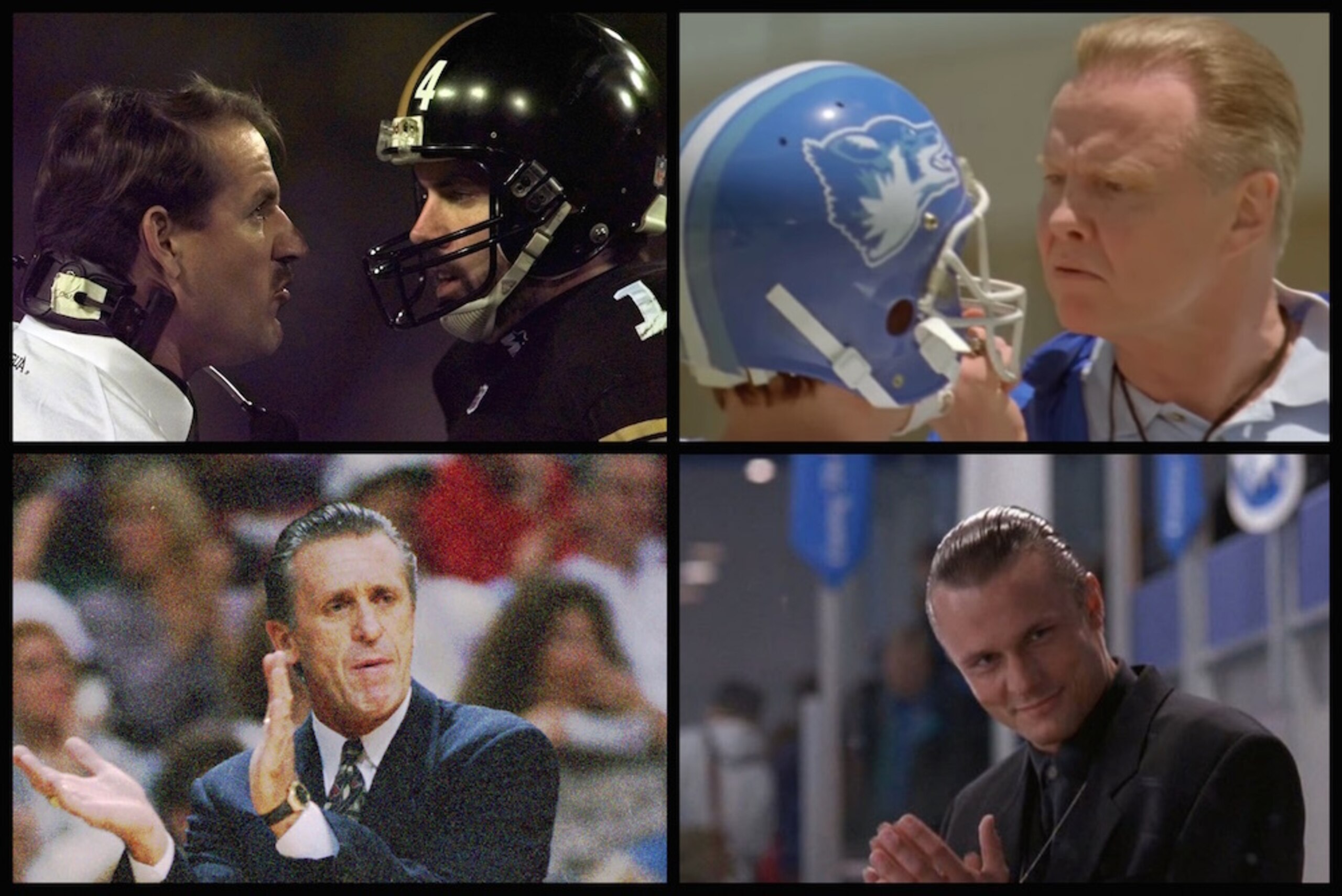
Sports movies are awash with feelgood stories and inspirational coaches, but two of the more memorable were neither feelgood nor inspirational. Let’s just say that Wolf “The Dentist” Stansson from D2: The Mighty Ducks and Bud Kilmer from Varsity Blues would both fully subscribe to James Harrison’s hard-line stance against participation trophies. Although both roles are cartoonishly villainous, the actors playing them drew inspiration from two high-profile, real-life former coaches.
Jon Voight, who played Kilmer, revealed why he took the role and his inspiration for the character in NFL.com’s “Oral History of Varsity Blues” in 2014. “I liked Brian (Robbins, the film’s director). I liked the way he was approaching the film. He was a big fan of athletics. He had great energy…and passion. … I remember I was influenced by Bill Cowher, the Pittsburgh Steelers head coach.”
Carsten Norgaard did the same in “Quack, Quack, Quack: An Oral History of the Mighty Ducks Trilogy,” published by Time in June 2014. “I guess I must have moved the producers with the way I developed the character. … I mean, I loved the tapes of so many U.S. coaches. When I saw Pat Riley, his slickness, his style, his coolness, his swagger, that spoke to me. And he sort of became my base for the character.”
Big Fan
11 of 15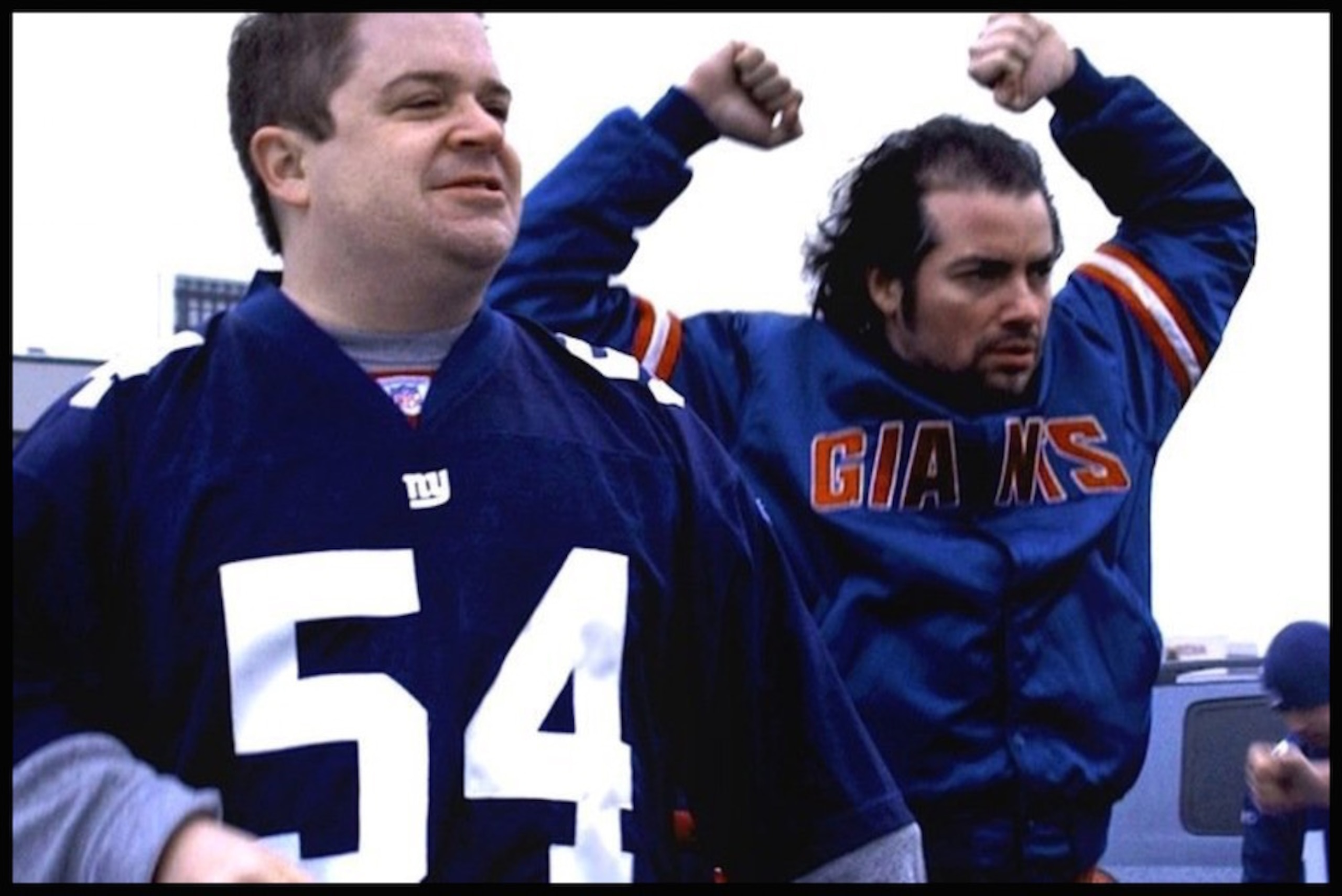
Anyone who has seen Any Given Sunday knows how bad the fictionalization of something as widely known as the NFL can be for a movie. Director Oliver Stone was unable to secure licensing with the NFL, so the film centers on the Associated Football Franchises of America. The failure to do so would lead one to believe that it’s complicated, but according to Big Fan director Robert Siegel, it's maybe not that difficult.
In 2009 Cinema Blend asked: “How did you get the rights to the Giants logos? Or did you just do it anyway?"
Siegel replied:
"You’re allowed to do it. There are certain things you're not allowed to do, and we were careful not to do those things. We consulted very carefully with a lawyer. For me as a sports fan, using the real teams matters to me. If it had been fake teams, if it had been the New York Wizards and the Philadelphia Panthers or whatever, as a moviegoer, it would ruin the movie for me.
"
Varsity Blues
12 of 15In August 2014, NFL.com published a glorious oral history of Varsity Blues. Among the countless interesting tidbits revealed in the exhaustive (in a good way!) piece was a little insight into the acting process of one James Van Der Beek. In order to get the accent just where he wanted it in the dramatic “I don’t want your life speech,” the Beek actually wrote the speech out phonetically in his script notes—check out the photo!
“Fear yoo. Playing footbawl at West Canaan could uh bin the oppuhrtoonitee uhv yer lahftaim, but ah don’t waont yer lahf.”
Almost in the Part Instead...
13 of 15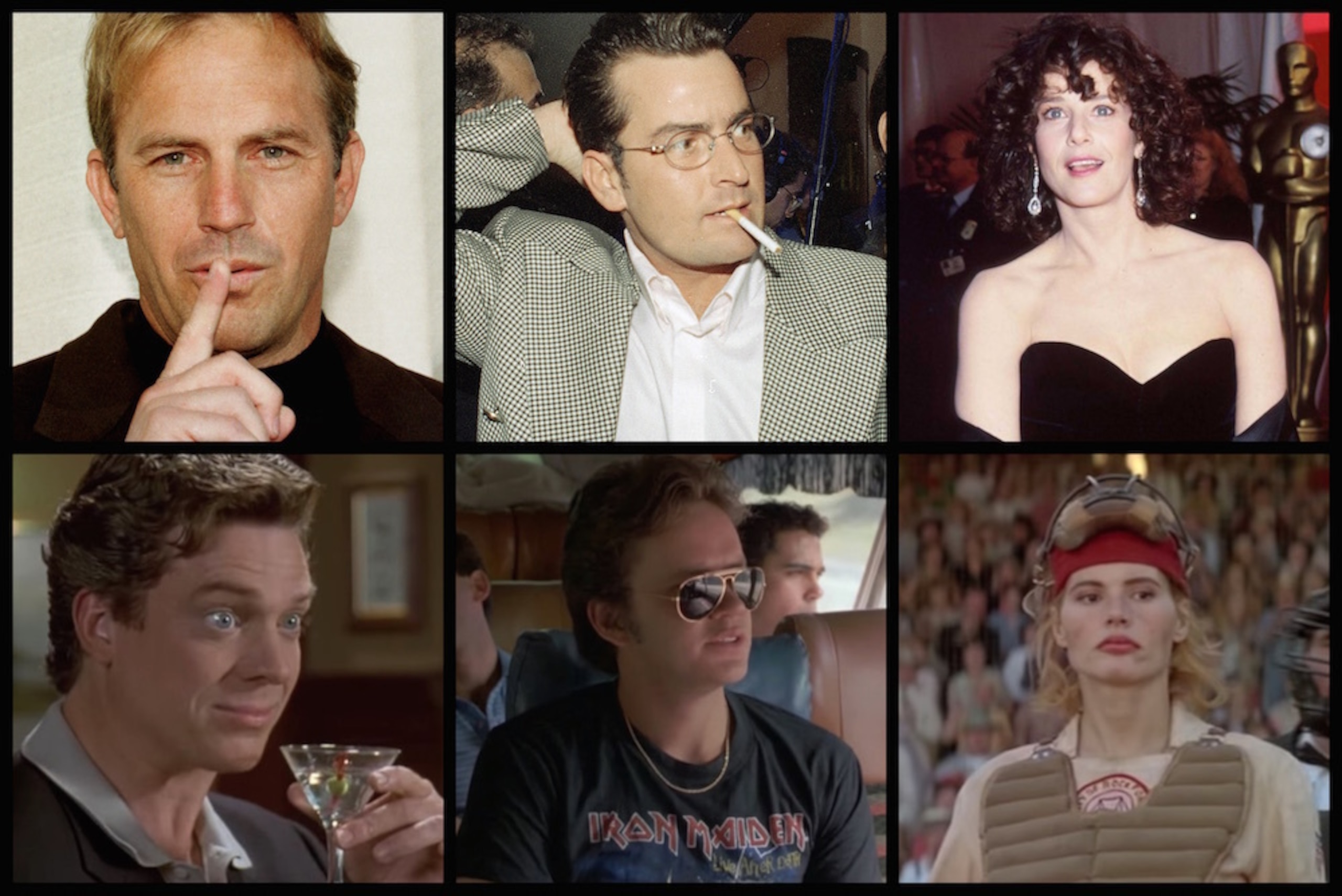
Finding out who was almost cast in a movie is always an interesting thought exercise, as you speculate how the film would have fared with another actor in a key role. Here are three more instances of what could have been.
Apparently, Kevin Costner declined the role of Shooter McGavin in Happy Gilmore. In this case, the filmmakers actually dodged a bullet. Costner may have been a much bigger star, but Christopher McDonald is Shooter McGavin—he was perfection in that movie.
Tim Robbins was eventually chosen to play Nuke LaLoosh in Bull Durham, but producers had been eyeing another young star first. Already committed to another baseball movie, Eight Men Out, Charlie Sheen turned down the role. His next project was the 1989 classic comedy Major League.
According to director Penny Marshall, Geena Davis wasn’t the first or even the second choice to play catcher Dottie Hinson in A League of Their Own. Demi Moore signed on to play the part, but the film took so long to move into production that she got pregnant and had to withdraw. Debra Winger then accepted the part but dropped out when Madonna joined the cast.
Major League
14 of 15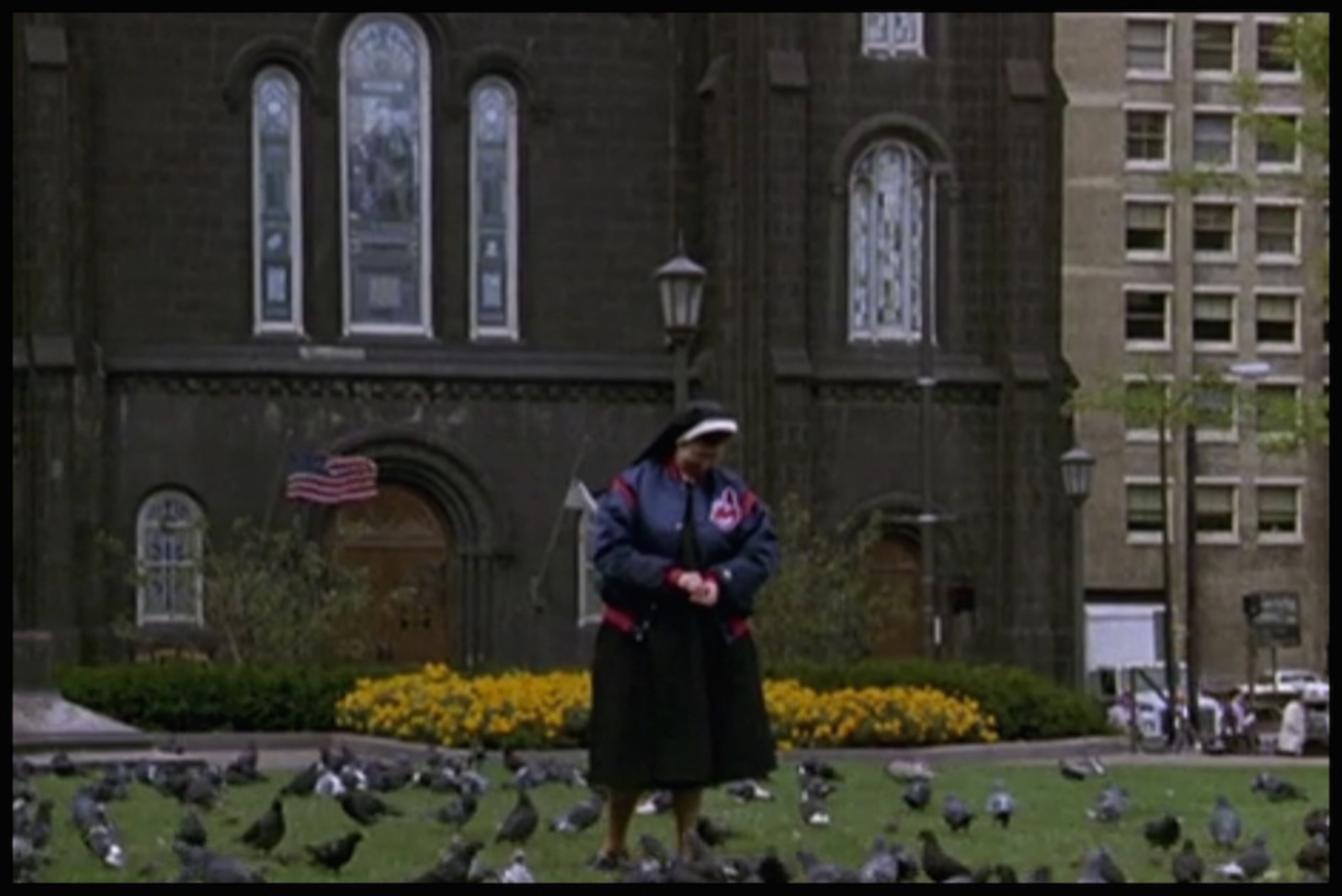
Major League isn’t just a great sports movie, it’s one of the great comedies of the modern era. That being said, the best joke associated with the film wasn’t even spoken on screen. Instead, it came courtesy of Sister Mary Assumpta, a lifelong Indians fan and nun from Cleveland who actually appeared briefly as an extra during the opening credits.
In The Making of Major League (Chapter 9), author Jonathan Knight got the story behind Sister Mary’s involvement. According to director David Ward, while shooting around the city, they had spotted her sporting a “black habit and a Cleveland Indians Starter jacket walking out of the ballpark.” Instantly intrigued, Ward dispatched his assistant to speak to the woman.
“‘Are you an Indians fan?’ the assistant asked the nun, motioning to her jacket. ‘No,’ she replied wryly. ‘The Pope makes us wear these for penance.’” That's just too amazing for words.
A League of Their Own
15 of 15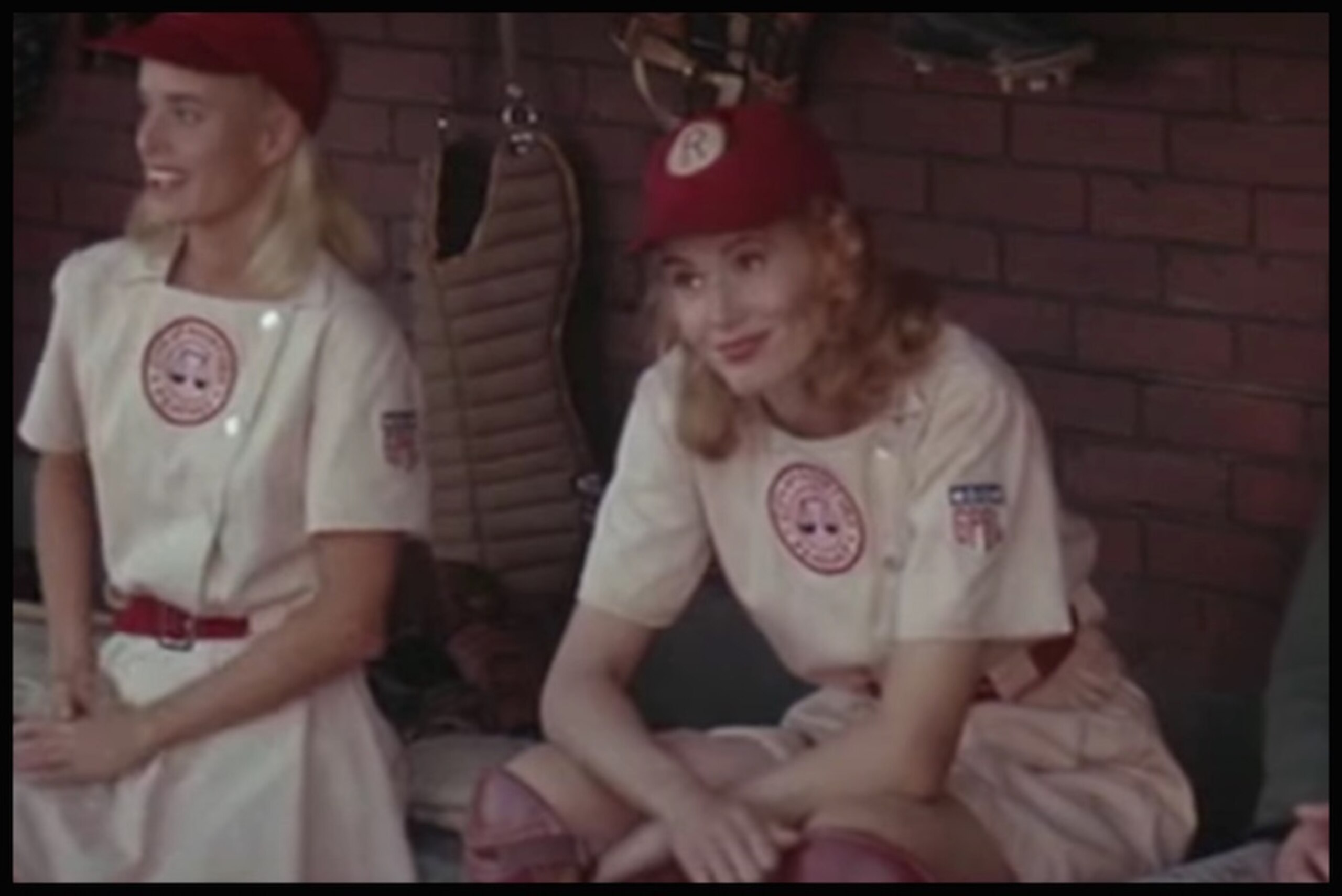
Speaking of casting A League of Their Own, in a 2013 interview with Bob Costas, director Penny Marshall insisted that she “wouldn’t read any actress” until she’d proved she could play ball. But in a 1992 interview with Parade, Geena Davis, who was ultimately cast as the lead character Dottie Hinson, said she only looked the part.
"I was supposed to play the best baseball player anyone has ever seen, but I didn’t know how to play baseball at all — any other sport, really! I had to learn how to look like I was that player. They had tremendous major league coaches who were really great and I remember one of the coaches even saying. ‘Hey! You’re picking this up pretty fast. Looks like you have some untapped athletic ability!’ It was a challenge, but I got to where I was pretty good. I sort of pretended I was Jackie Cooper on the ball field.
"



.jpg?w=2560 "Viral Rams Coach Vid 🖕")
.jpg?w=2560 "2 NFL Officials Suspended")
