

How Can the Northern Hemisphere Close the Gap on the South Before 2019 RWC?
By the time referee Craig Joubert went scampering from the field, we were left with only southern-hemisphere participants in Rugby World Cup 2015.
The last four teams were the same four who fight it out for the Rugby Championship on an annual basis.
Indeed, the only side from north of the equator to topple a member of the big four during the tournament was Japan.

.jpg?w=2560)
Scotland played two of them and lost both, as did Wales, while England, France, and Ireland were all beaten by one of the big beasts.
Scotland may point to the narrow margin and dodgy decision that saw them miss out on a semi-final spot, but on a dry day, the fact is they may not even have been close to the Wallabies at the death.
Wales are the only ones who have a case to put for injuries perhaps being their undoing. Add Rhys Webb and Leigh Halfpenny to that side and they may well have found a way past South Africa.
Everyone else, when they came into contact with the leading southern-hemisphere nations, was well-beaten.
| England 13-33 Australia | L |
| Wales 6-15 Australia | L |
| Wales 19-23 South Africa | L |
| France 13-62 New Zealand | L |
| Scotland 16-34 South Africa | L |
| Scotland 34-35 Australia | L |
| Ireland 20-43 Argentina | L |
The results will leave a rather hollow feel about the next Six Nations. For all its tradition, ticket sales and teeming pubs, we will know for sure that whoever wins it can lay claim only to the title of "best of the rest."
There is a gap between the top of that tournament and the quality of rugby played by the southern sides.
As each union begins to compile its review of their team’s performances over the last two months, they will attempt to conclude with a list of recommendations as to how they can bridge that space between the great and the occasionally good.
There are a number of areas in which they can look for the necessary improvements.
Coaching
When Graham Henry left the job as head coach of New Zealand, Argentina called upon his expertise.
The side who had been given a short "thanks but no thanks," per the Daily Mail, by the Six Nations had finally been permitted past the welcome mat by rugby’s establishment, and in 2012, the Tri Nations became the Rugby Championship.
It would take time and patience to feel comfortable at that level for a side who had rocked the world five years earlier.
From a piecemeal set of fixtures against Tier One opposition, they were thrust into six fixtures a year against the big three plus whoever they would visit in the northern autumn.
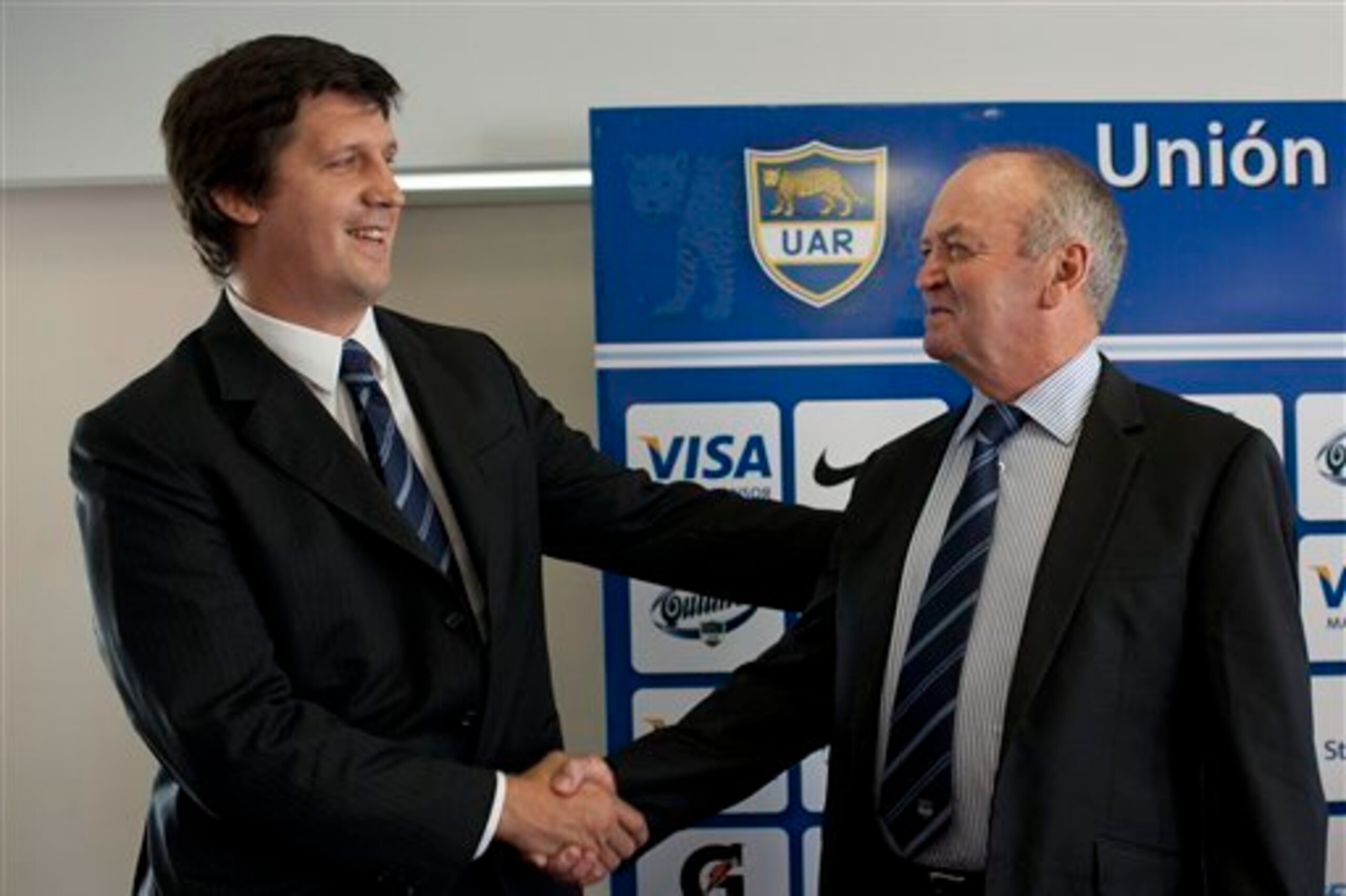
Who better to turn to for help? Henry provided it, telling them simply that to hang with the big dogs, they needed bigger teeth in attack. Score more tries, he told them, per Hugh Godwin in the Independent.
So they did, turning themselves from a set-piece and territory-based side into a fast-moving, adventurous outfit, showcasing just how many dangerous men they had in the wide-open spaces to complement that murderous scrum.
It was a change in coaching mindset that had been in place since the Pumas were born, a bold step into a brave new future, and it has paid off.
There should be nothing novel about coaching teams to score tries.
And yet, when we saw the flourishing finish to the 2015 Six Nations, when Wales, then Ireland, then England each took a turn to outgun the other in the hunt for top spot in the table, it was as though we were witnessing rugby from a different dimension.
It gave the lie to the guff that rugby’s laws were a noose around the neck of creativity.
Three sides with a shot at the title were having to look for space, use pace and guile and back their skill sets to score tries.
Their coaches knew there was no other choice if they were to succeed that day, and the result was a treasure trove of entertaining sport—the kind we saw from Argentina against Ireland and New Zealand against France in this tournament just gone by.
It was all on the line, and rather than be cowed by the pressure, it was embraced with positivity. Coach teams to play without fear and tries will rain down. You can't beat New Zealand any other way.
Prioritise skill over size
What we have seen from the likes of Kurtley Beale, Nehe-Milner Skudder, Conrad Smith and Santiago Cordero is that players with genuine, game-breaking ability must be prized over the big men who deal only in brute force.
Players in the northern hemisphere seem often to be picked first for their solidity over their skill.
Wales are built on the philosophy of smashing through brick walls. England panicked and dropped George Ford—the most creative No. 10 they’ve had since Danny Cipriani shone fleetingly in 2008—in favour of Owen Farrell, then picked centres with only one dimension between them.
And France no longer bear the slightest resemblance to the flair-filled days of the 80s and 90s.
It may well be dawning on England that the future lies with the likes of Henry Slade and Christian Wade.
England and France in particular need players who can engage their brains and play on instinct, having the skill sets to execute under pressure.
Sort out the structures
The two countries with the biggest issues as far as their games’ structure goes are France and England. It is naive to think they will ever be able to reach the nirvana of a New Zealand model, whereby the setup below the All Blacks is entirely geared towards the national team.
The Premiership and Top 14 clubs are too powerful for that to happen, and central contracts will never come into place.
But it’s plain that where financial success for individual clubs is the top priority, the success of the national team will suffer, with too many imports and victories more important than talent development.
England and France have by far the greater player numbers and unquestionably there is enough talent, but the national unions don’t own any of it.
Pick some southern-hemisphere brains
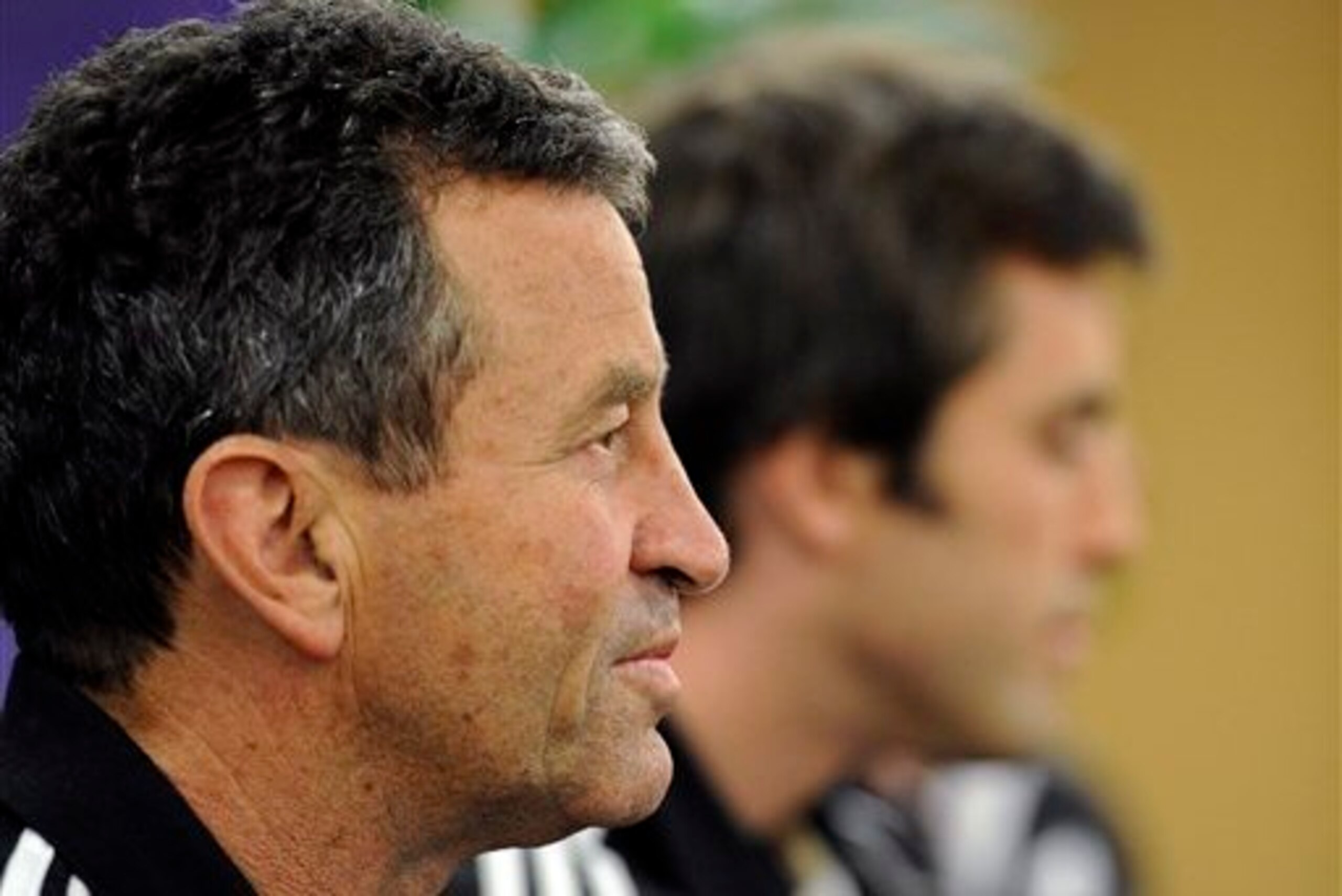
That may sound daft given three of the big five northern hemisphere countries already have New Zealanders as coaches.
Ireland have won two Six Nations under Joe Schmidt and were perhaps undone by injuries as much as the thrilling Pumas, and Scotland have already made strides under Vern Cotter.
But even Wales, with all their success under Warren Gatland—who has also coached a winning Lions side—have failed to better their record against the southern hemisphere under the former Waikato man.
That short consultancy stint undertaken by Graham Henry in Argentina has proved invaluable, and we have seen what Eddie Jones has done for Japan.
There are some fine brains south of the equator who should be sought.
It has been well-documented that Stuart Lancaster wanted Wayne Smith, part of the All Blacks’ brains trust, to work for him when he took charge of England.
Perhaps now with a second World Cup under his belt, the former Northampton boss could be lured north for the big job at Twickenham rather than taking time off, per the Telegraph.


.jpg?w=2560 "Viral Rams Coach Vid 🖕")

.jpg?w=2560 "Injury-stricken Seahawks signing veteran RB")
